
I remember the moment it hit me—watching my little one struggle to scrub that stubborn, caramelized sticky vitamin off her tiny teeth. The tears, the frustration, the mounting worry. We had all been there, right? Giving those colorful, chewy supplements thinking they were a healthy treat. But little did I realize, those sticky bites could be silently undoing the very oral health we were trying to protect.
The Hidden Dangers Lurking in Juicy Gummies and Chewy Pills
Sticky vitamins seem harmless—maybe even fun for kids. They’re easy to swallow, come in flavors they’ll love, and keep me from nagging about pills. But beneath all that convenience lies an insidious threat to dental health. The sugar content combined with the sticky, clingy texture creates an ideal environment for bacteria that cause cavities. Once these vitamins stick around on teeth, especially in the grooves and hard-to-reach spots, they turn into a breeding ground for plaque buildup.
What surprised me is that, according to dental experts, this residue can stay on your child’s teeth for hours after ingestion if not cleaned properly. Over time, this persistent sugar exposure contributes to tooth decay—a problem that can be more destructive than we expect. Moreover, I learned that the sticky nature doesn’t just pose a risk for cavities but can also lead to erosion of enamel, weakening the teeth further.
Are you concerned that your child’s favorite gummy might be a hidden cavity culprit? You’re not alone. Many parents underestimate the damage sticky vitamins could be doing because they look like harmless snacks. If you’re curious about how to prevent this invisible threat, keep reading. I’ll share some practical tips, backed by research, on safeguarding your child’s oral health without sacrificing their favorite vitamins.
Is It Worth the Hype of Chewy Vitamins?
Early in my journey, I made the mistake of assuming that brushing twice a day was enough. Turns out, I overlooked how sticky residues cling to tiny crevices and where toothbrush bristles might not reach effectively. Experts recommend incorporating flossing and regular professional cleanings to eliminate stubborn residues. To find out more about maintaining a bright, healthy smile, check out [This guide on teeth cleaning secrets](https://periodontistcare.com/teeth-cleaning-secrets-effective-home-practices-for-family-dental-health). Proper cleaning is key to prevent cavities caused by these well-meaning but problematic supplements.
Thinking about how these sticky vitamins could be affecting your child’s teeth? Trust me, I’ve been there. Let’s explore some simple changes that make a big difference—like choosing alternatives and establishing an effective oral hygiene routine. Together, we can make sure their sweet moments don’t turn into future dental nightmares.
Choose Better Alternatives for Vitamins
Recall a time when I switched my daughter’s gummy vitamins to powder form and immediately noticed less residue on her teeth. To do this, select vitamins that come in chewable tablets or liquids with less sugar and stickiness. Look for options labeled “sugar-free” or “low-sugar” to minimize cavity risk. Consulting with a pediatric dentist can help you find safe and effective alternatives, ensuring your child’s nutritional intake without compromising their smile.
Make Oral Hygiene a Daily Routine
Establish a consistent schedule that incorporates brushing and flossing right after vitamin intake. I remember setting a reminder on my phone to brush my toddler’s teeth after lunch; initially messy, but gradually, she adopted it as part of her day. Use a toothbrush with soft bristles designed for children, and consider a fluoride toothpaste suitable for their age. For even better results, include flossing at least once a day to remove lingering residues from hard-to-reach spots, preventing plaque buildup and enamel erosion.
Optimize Brushing Technique
Effective brushing involves gentle circular motions covering all surfaces of the teeth. I learned this by demonstrating how to brush in tiny circles, making it easier for my son to grasp. Let your child take their time and use a timer to ensure they brush for two minutes. Regular professional cleanings also help remove stubborn plaque and residue that brushing alone might miss, reinforcing oral health defenses.
Introduce Flossing into Their Routine
Flossing is critical for cleaning between teeth where sticky vitamins hide. I found success by using flavored floss picks that my children enjoyed, turning flossing into a fun activity. For difficult spots, consider water flossers that deliver gentle streams of water to dislodge debris. Making flossing a daily habit significantly reduces the risk of cavities caused by sticky residues, especially in the grooves and crevices of molars.
Regular Professional Check-Ups
Visiting a dentist every six months ensures that any plaque or residue buildup is addressed early. During my child’s dental visits, the professional’s thorough cleaning and examination helped identify areas needing extra attention. Dentists can also provide personalized advice for your child’s specific needs, such as sealants or topical fluoride treatments, to enhance their defenses against cavities. Don’t wait for problems to appear—proactive care is key.
Implement Protective Measures During Vitamin Consumption
Timing matters. Administer vitamins during meals rather than alone to dilute the sugar and reduce stickiness. After your child swallows the vitamins, give them a glass of water to rinse away residues. Consider giving vitamins in chewable or liquid forms designed to minimize adhesion or asking your pediatrician about alternatives that are less likely to linger on teeth. This simple step can significantly decrease the duration of sugar exposure on their enamel.
Many people think they fully understand dental crowns, family dentistry, or the importance of teeth cleaning, but the truth is often more complex than surface-level advice. A common misconception is that crowns are a one-size-fits-all solution for damaged teeth, but in reality, the material choice and placement technique significantly influence their longevity and functional performance. Expert studies highlight that zirconia crowns, for example, offer superior durability for molars because of their high fracture resistance, challenging the outdated belief that all crowns wear out equally over time.
Are You Overlooking the Invisible Factors That Accelerate Crown Failure?
An often overlooked nuance is patient-specific saliva composition. Saliva plays a crucial role in protecting crowns from secondary decay and maintaining oral health, yet many ignore its impact, assuming routine brushing suffices. According to research published in the Journal of Dental Research, saliva with low buffering capacity increases the risk of decay around crowns, particularly in patients with xerostomia or dry mouth conditions. This subtle factor can lead to premature crown failure if not properly managed. Therefore, customizing oral hygiene strategies—including saliva stimulation techniques or specialized rinses—can dramatically extend crown lifespan.
Similarly, many assume that family dentistry is only about routine check-ups, but in truth, effective family dentistry involves nuanced approaches tailored to each member’s unique oral health risks. For instance, children with high cavity susceptibility benefit from sealants and fluoride varnishes, while adults exposed to systemic health issues like diabetes require interdisciplinary management for optimal outcomes. Properly integrating preventive measures with personalized care elevates the role of family dentistry beyond the familiar “cleaning and fillings” stereotype.
What Advanced Mistakes Do Even Experienced Patients Make During Teeth Cleaning?
It’s surprising how many adults underestimate the importance of proper brushing technique and interdental cleaning. Many depend solely on manual toothbrushes without considering the advantages of electric brushes or water flossers, which can remove plaque more effectively, especially in tricky spots. Additionally, neglecting regular professional cleanings under the false assumption that daily brushing suffices can lead to hidden tartar buildup and gum issues. Recognizing these nuances is vital—professional cleanings are not just about aesthetics but are essential in preventing periodontal disease, which recent studies link to systemic conditions like cardiovascular disease. To get comprehensive guidance that addresses these complexities, consult trusted sources such as [this expert advice on crowns and teeth cleaning](https://periodontistcare.com/expert-advice-on-crowns-and-teeth-cleaning-for-lasting-results).» Remember, dental health is a multi-layered puzzle, and understanding these hidden intricacies can save you from costly surprises down the line. Have you ever fallen into this trap? Let me know in the comments.Maintaining excellent oral health and the longevity of dental crowns requires not only a consistent routine but also the right tools. Personally, I rely on the Philips Sonicare ProtectiveClean 6100 toothbrush because its sonic technology effectively disrupts plaque, especially around crowns and bridges where manual brushes often fall short. Its adaptive intensity settings allow me to customize my cleaning, ensuring thorough but gentle care. Complementing this, I swear by Waterpik Water Flosser Ultra, which provides gentle yet powerful water pulsations to clean between teeth and around crowns, reducing plaque accumulation and improving gum health. I use the PikPocket tips for targeted cleaning in hard-to-reach areas, which I find instrumental in prolonging the life of restorations. For added protection, I incorporate fluoride rinse sessions using ACT Anticavity Fluoride Mouthwash, which helps reinforce enamel and combat decay that can compromise both natural teeth and crowns. Regular professional cleanings are essential, but having reliable home tools makes a significant difference in long-term maintenance. Looking ahead, the trend in oral health tools is moving toward smart technology—think Bluetooth-enabled toothbrushes that track your brushing habits and send real-time data to your smartphone. This integration can help identify areas missed and motivate consistency. To stay on top of your game, consider exploring such innovative devices, and don’t hesitate to consult with your dentist about the best options tailored to your needs. How do I maintain crowns and overall oral health over time? I make it a point to schedule biannual professional cleanings and diligently use my water flosser after meals, especially when enjoying sticky or sugary foods. This small, consistent effort prevents plaque buildup and secondary decay around restorations, ensuring my smile stays healthy and bright. For comprehensive guidance, check out [maintaining your dental crowns: dos and don’ts](https://periodontistcare.com/maintaining-your-dental-crowns-dos-and-donts-for-best-results). Remember, investing in the right tools and routine habits today can save you from costly repairs and discomfort tomorrow. Want to upgrade your oral hygiene arsenal? Try integrating a high-quality water flosser into your daily routine and notice the difference in how clean and fresh your mouth feels—your crowns will thank you! 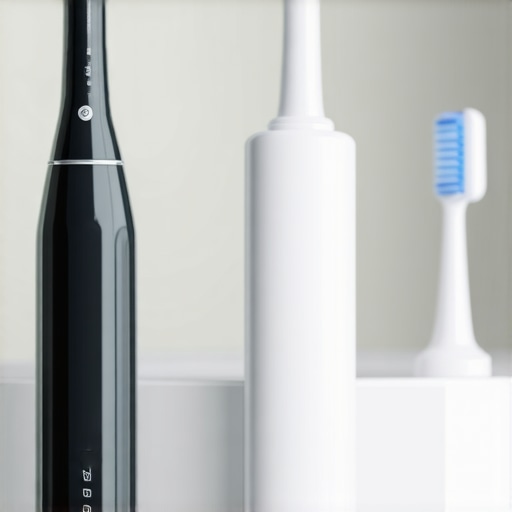
Lessons That Changed My Perspective on Crowns and Family Dentistry
One of the most profound lessons I learned is that not all crowns are created equal—selecting the right material, like zirconia, can dramatically extend their lifespan and improve comfort. Overlooking saliva’s role in crown longevity was another eye-opener; managing dry mouth conditions has become a priority for better outcomes. I also realized that personalized hygiene routines mentored by professionals are essential instead of one-size-fits-all advice, especially for those with unique oral health challenges. Lastly, regular, tailored checkups can catch issues early, saving both time and resources in the long run.