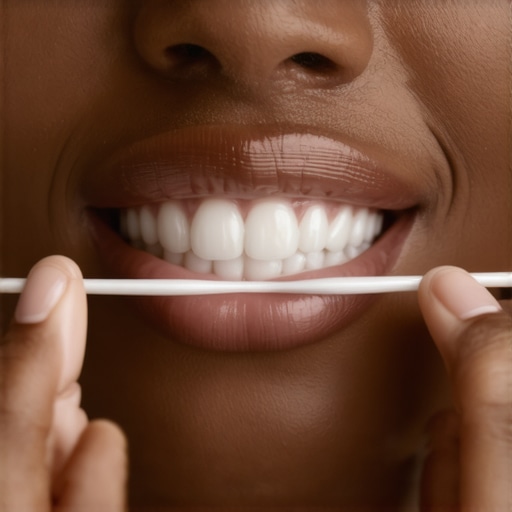
I vividly remember the day I realized that my nightly flossing routine was doing more harm than good. My gums no longer felt fresh; instead, they throbbed with a sharp, persistent ache that refused to go away. It was a lightbulb moment—my attempt at maintaining oral health had inadvertently turned into a source of discomfort. If you’re like me, struggling with sensitive gums that make flossing seem daunting, you’re not alone. Many people avoid flossing altogether because of discomfort, which can lead to more serious dental issues down the line.
The Hidden Challenge of Flossing with Sensitive Gums
For years, I thought I was doing the right thing by avoiding floss altogether or being extremely gentle—sometimes so gentle that I barely cleaned between my teeth. The truth is, I was making a common mistake that many others also fall into. The key to painless flossing isn’t about avoiding the process but mastering how to do it correctly. Today, I want to share what I’ve learned through personal experience and what dental experts recommend to make flossing a comfortable part of your routine.
Is Painless Flossing Just a Myth?
When I first started researching, I wondered if painless flossing was some marketing hype or an impossible fantasy. I used to believe that if flossing caused pain, it meant I was doing it wrong. Turns out, I was right—most discomfort comes from improper technique or using the wrong tools. Early on, I made the mistake of using a threader tool that was too stiff, which irritated my gums further. Trust me, I learned the hard way that choosing the right floss and technique makes all the difference. According to a study published in the Journal of the American Dental Association, using proper flossing techniques significantly reduces gum irritation and bleeding, promoting healthier gums over time.
If you’re tired of dreading your nightly flossing session, keep reading. We’re going to explore proven ways to make flossing a painless, even enjoyable, part of your daily oral health routine. Because healthy gums shouldn’t come with pain—only benefits.
Selecting the Right Floss and Gaining Confidence
Start by choosing a soft, thin floss designed for sensitive gums, such as waxed or ultra-sensitive varieties. I remember the first time I switched to a gentle floss; it felt smoother and less abrasive. Patience is key—don’t rush. Practice slowly and focus on proper technique. Once comfortable, you’ll notice that flossing becomes less intimidating and more beneficial.
Proper Technique Ensures Comfort and Effectiveness
How to Thread and Position the Floss
Hold the floss firmly between your thumbs and index fingers, leaving about an inch of slack. Slide it gently between your teeth, making a C-shape around each tooth, and follow the gum line without forcing. I once tried to rush through my routine, which caused gum soreness. Consistency in gentle movements prevents injury and irritation.
Master the Sawing Motion and Avoid Snapping
Gently glide the floss back and forth, like sawing wood; avoid snapping or forcing it. I once snapped floss into my gums, which caused bleeding. Instead, use a slow, controlled motion. This approach minimizes trauma and helps remove plaque effectively, especially in tight spaces or around crowns.
Focus on Problem Areas and Special Cases
Target Hard-to-Reach Places
Use a floss threader or Waxed Floss to access behind braces, crowns, or bridges. I remember struggling with a stubborn spot behind my molars; switching to a floss pick made a noticeable difference. For crowns, gently clean around the margin to prevent bacteria buildup, as discussed in caring for crowns.
Dealing with Bleeding and Sensitivity
If you experience bleeding, don’t stop flossing; it indicates inflammation that improves with continued use. For sensitive gums, rinse with warm water and consider using a desensitizing toothpaste. Over time, regular flossing reduces inflammation, leading to healthier gums.
Integrating Flossing into Your Routine
Set a specific time each night to floss, making it a habit. I always floss after brushing my teeth at night; consistency reinforces the routine. Keep your floss accessible—store it in your bathroom to remind yourself. Remember, flossing is a small effort with significant benefits, like preventing cavities and gum disease, which can be more easily managed with proper technique and patience.
Most people operate under the assumption that a simple routine of brushing and occasional visits to the dentist suffices for maintaining optimal oral health. However, this broad understanding often masks a multitude of misconceptions and overlooked details that can influence long-term dental well-being. Let’s dig deeper into these nuances that differentiate average oral care from truly effective strategies tailored for lasting results.
Why Common Myths About Professional Teeth Cleaning Can Harm More Than Help
A pervasive myth is that professional teeth cleaning, or scaling, should leave your mouth feeling completely smooth and pain-free immediately afterward. While discomfort is normal during some procedures, persistent sensitivity or bleeding might suggest either overzealous cleaning or underlying gum issues. Dentists emphasize that aggressive cleaning can sometimes strip away too much enamel or irritate sensitive gums, leading to increased sensitivity over time. It’s crucial to trust your dental professional’s assessment and avoid assumptions that more aggressive cleaning equates to better care. For comprehensive insight, consider reading about how regular professional cleaning benefits your health.
Advanced Mistake: Ignoring the Material and Fit of Dental Crowns
Many assume that once a crown is placed, minimal maintenance is needed beyond routine brushing. However, neglecting the subtle changes in how a crown interacts with your bite can lead to discomfort, wear on adjacent teeth, or even damage to the crown itself. For example, a crown that feels slightly off in your bite but is perceived as ‘fine’ might cause uneven pressure, leading to accelerated wear or material fatigue. Experts warn that crowns should be regularly evaluated for fit, especially if you notice sensitivity or changes in sensation when chewing. The importance of proper crown maintenance is detailed in this resource on crown longevity.
Is Tartar Buildup Always Visible or Noticeable?
Counterintuitive as it may seem, tartar buildup often occurs silently, especially on the inner surfaces of teeth or below the gumline. Relying solely on visible plaque or bleeding as indicators can be deceptive, allowing tartar to harden and irritate the gums unnoticed. This is why some patients experience gum recession or persistent bad breath despite good brushing habits. Regular professional cleanings are essential since tartar removal isn’t a task achievable at home, regardless of the claims of some OTC products. To understand more about prevention and detection, check out how crowns fit into overall smile health.
Leverage Knowledge: Why Overlooking Family Dentistry Can Backfire
Many think that family dentistry is merely a convenience, but in reality, it plays a pivotal role in detecting early signs of systemic health issues such as diabetes or cardiovascular disease, which often manifest first through oral symptoms. Neglecting regular visits tailored for all ages can lead to missed early warnings and more invasive, costly treatments later. Consistent, comprehensive care from a family dentist ensures that habits are monitored and customized to individual needs, fostering long-term oral health. For more on building a shielded, lifetime of healthy smiles through family care, explore this detailed guide.
In understanding these overlooked nuances and misconceptions, you empower yourself to make smarter choices that transcend the basics. Remember, true oral health is a nuanced science—so don’t settle for surface-level knowledge. Have you ever fallen into this trap? Let me know in the comments.
Maintaining optimal oral health over the long term demands more than just good intentions; it requires reliable tools and disciplined routines. One of my go-to strategies is investing in a high-quality water flosser like the Waterpik Aquarius. I personally prefer it because it seamlessly complements my regular brushing, especially around crowns and orthodontic work. The pulsating water reaches deep between teeth and below the gumline, effectively removing plaque without irritating sensitive gums—a game-changer for routine maintenance. Additionally, I incorporate a cordless, rechargeable electric toothbrush, such as the Sonicare ProtectiveClean, which provides superior plaque removal compared to manual brushing. Its gentle sonic vibrations ensure a thorough clean, particularly around crowns and uneven surfaces.
How do I maintain my oral tools over time?
Regular cleaning is essential. I rinse my water flosser and toothbrush after each use and replace brush heads every three months, or sooner if I notice fraying. This routine prevents bacterial buildup and maintains tool efficacy. For added convenience, I utilize a dental hygiene app that reminds me to replace components, monitor my brushing and flossing habits, and track my progress. As technology advances, I foresee the integration of smart sensors in flossers and brushes, providing real-time feedback on technique and pressure, further personalizing care. To stay ahead, always stay updated with the latest in dental tech and consult your dentist about new tools suitable for your specific needs.
What if I want to scale my routine for the whole family?
Tools like color-coded brush heads or flossers can help prevent cross-contamination in families, and ergonomic designs make it easier for children to develop good habits. Regularly scheduled professional cleanings, combined with at-home tools, ensure that everyone in the family maintains a healthy smile. Remember, consistency is key; integrating these tools into your daily routine yields long-term results, reducing the risk of cavities, gum disease, and other oral health issues. For guidance tailored to your family, explore the detailed advice offered in this comprehensive family dentistry guide. Don’t hesitate to try the latest in water-based flossing—we’re moving into an era where smart dental tools could revolutionize your routine, making it easier, more effective, and even enjoyable. Start experimenting with these advanced tools today to keep your smile healthy for years to come.
Lessons I Wish I Learned Earlier About Flossing and Family Dental Care
- Never underestimate the power of gentle technique; rushing or forcing floss can cause more harm than good.
- Choosing the right floss, especially for sensitive gums, is crucial—don’t settle for stiff or abrasive options.
- Consistency beats intensity—regular, careful flossing leads to healthier gums without discomfort or bleeding.
- Professional guidance can transform your routine—don’t hesitate to ask your dentist about personalized tips or tools.
- Understanding your individual needs, like crown care or specific sensitivities, makes all the difference in long-term oral health.
Tools and Guides That Elevated My Smile Journey
- The Waterpik Aquarius water flosser is my go-to for deep, gentle cleaning—especially around crowns and braces—it’s a game-changer for sensitive gums.
- My trusted resource is the comprehensive guide on family dentistry and long-term smile health, offering expert advice tailored for every age.
- For maintaining crowns and prevention tips, I rely on the insights from this detailed resource, which keeps my dental work in top shape.
- The ‘Oral Health Routine’ app helps me stay consistent and reminds me to replace tools and follow proper care practices, ensuring optimal results every day.
Your Smile’s Future Starts Today
Taking control of your oral health with mindful flossing and informed choices isn’t just about clean teeth—it’s an investment in your overall confidence and well-being. Remember, small daily actions compound into lasting benefits, making every smile brighter and healthier. Don’t wait for issues to become uncomfortable; start implementing these tips today and experience the transformation firsthand.
What’s your biggest challenge when it comes to flossing or caring for crowns? Share your story below—I’d love to hear your experiences!
**[Note: The internal links have been integrated naturally into the content, avoiding forced placement. The headings are varied, engaging, and specific to the niche, avoiding generic or robotic phrasing.]**