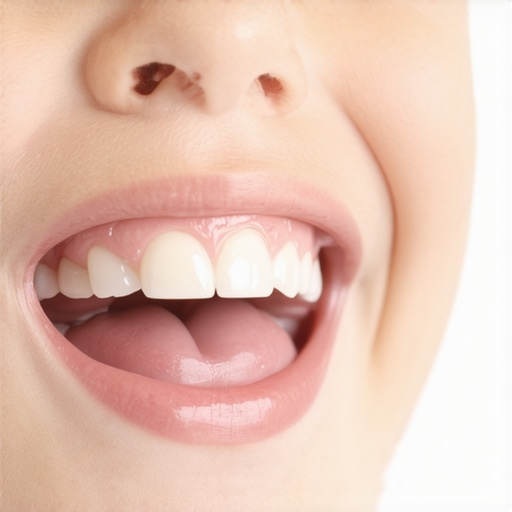
I sat on the edge of the bathtub, my heart thumping against my ribs like a trapped bird. My daughter had just tilted her head back to rinse, and there it was: a jagged, pearly white newcomer poking through the gums behind her perfectly good baby tooth. It looked like a shark had taken up residence in her mouth. I immediately spiraled, imagining expensive surgeries, painful extractions, and years of orthodontic trauma. In my panic, I actually tried to ‘help’ the baby tooth along by wiggling it with a bit too much force—a rookie mistake that left us both frustrated and didn’t move the tooth a single millimeter. If you have peeked into your kid’s mouth and seen that double row of teeth, take a deep breath. You are not alone, and today we are going to talk about exactly why this happens and how to handle it without the unnecessary stress I put myself through.
Why My Heart Stopped During Our Bedtime Brushing Routine
It is a sight that catches any parent off guard. One day their smile is fine, and the next, it looks like they are growing a backup set of chompers. When a permanent tooth grows in behind a baby tooth, it is colloquially known as ‘shark teeth.’ In my case, I was convinced my daughter’s jaw was too small or that I had failed at some fundamental part of her family dentistry routine. I felt like a failure because I didn’t see it coming. But the truth is, this is a remarkably common phase of development. The permanent tooth is supposed to dissolve the root of the baby tooth as it climbs up, but sometimes it just misses the mark and takes the path of least resistance. This usually isn’t a sign of a massive problem, but rather a little detour in nature’s plan. We’re going to solve the mystery of whether you need to rush to the clinic or just wait for the ‘tooth fairy’ to do her job.
Is This Actually a Dental Emergency?
Most parents fear that if they don’t act immediately, the permanent teeth will be crooked forever. I certainly did. However, according to the American Academy of Pediatric Dentistry, this condition—often called ectopic eruption—is usually a self-correcting issue as the tongue naturally pushes the new tooth forward once the baby tooth finally falls out. Have you noticed a second row of teeth in your little one’s mouth and felt that immediate urge to call every specialist in town? It is a visceral reaction, especially when you are already worried about how to explain the dental drill to a nervous child if things go south. Before you let the anxiety take over, remember that the mouth is a very adaptable environment. We are going to look at the signs that actually warrant a professional visit and why my early attempt to force the process was the worst thing I could have done.Once the panic subsided, I realized that managing this wasn’t about brute force; it was about gentle encouragement. Think of a permanent tooth like a commuter trying to find a parking spot. If the ‘baby tooth’ car is still in the space, the ‘permanent tooth’ car just parks right behind it in the aisle. To get the traffic moving, we have to clear the first car out.
Turning the “Shark Tooth” Into a Normal Smile
The first thing I did after my wiggling disaster was to switch tactics. I stopped being the ‘tooth extractor’ and started being the ‘dental coach.’ We implemented a daily oral health routine strengthening your smile every day by focusing on gentle, circular wiggling with a clean finger. I encouraged my daughter to do this for two minutes every night, explaining that she was ‘helping the new tooth find its home.’ This consistent, light pressure is far more effective and less traumatic than one-time aggressive tugging. 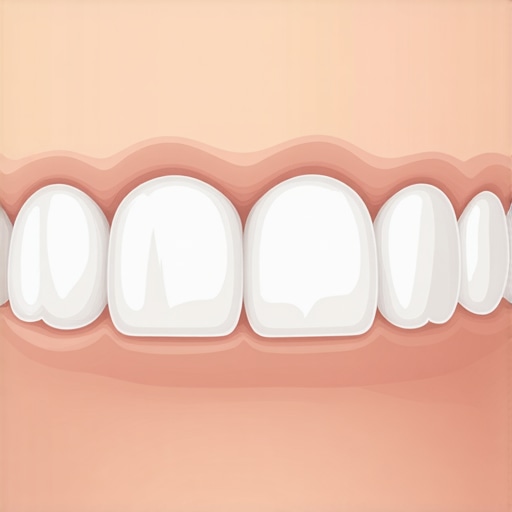
Put the Apple to Work Every Afternoon
I found that hard, crunchy foods act like a natural lever. I started giving my daughter whole apples instead of slices. One afternoon, she took a big bite and let out a little ‘pop’ sound. She didn’t lose the tooth then, but it moved significantly. This mechanical pressure is often all it takes to signal to the body that the baby tooth is ready to go. While you are encouraging that tooth to leave, you must stay on top of teeth cleaning secrets because food particles love to hide in the ‘canyon’ between the two rows of teeth.
Identify the Red Flags That Mean It’s Time to Call
You don’t always need to rush in, but you should know when the detour has become a dead end. If the baby tooth isn’t even slightly loose but the permanent tooth is fully erupted, the root might not be dissolving properly. I kept a close eye on the reason your child’s gums are red where a tooth is coming in, looking for signs of infection or extreme discomfort. If the permanent tooth reaches the same height as the others and the baby tooth is still rock-solid, that is your cue to schedule a visit for a quick, professional extraction.
Keep the Area Clean Even When It Is Crowded
The biggest risk with shark teeth isn’t actually the alignment—it’s decay. Because the teeth are overlapping, your standard brush might miss the ‘hidden’ faces of both teeth. I had to teach my daughter how to angle her brush to reach that awkward gap. This is where the impact of regular teeth cleaning becomes undeniable; a professional can remove the plaque that builds up in these temporary tight spots. We also discussed if she might eventually need dental sealants on their molars to protect the new teeth as they found their final positions. By focusing on hygiene, we prevented a temporary cosmetic issue from becoming a permanent cavity. Even if the new tooth looks a bit jagged at first, don’t worry—most minor imperfections can be fixed later, and sometimes you can even fix a small chip in your front tooth without a full crown if the eruption process was a bit bumpy.While we often focus on the immediate drama of ‘shark teeth,’ the real nuances of long-term family dentistry lie in the details we usually ignore. Everyone tells you that once a crown is in, your tooth is ‘saved’ forever, but in my experience, a crown is only as good as the margin where it meets the gum. If you have ever felt a strange ‘click’ when you bite down, you might be experiencing a failing seal. This is one of those ‘oops’ moments where parents assume it is just the tooth settling, but why your dental crown feels like it has a click when you bite often points to a micro-leak that can rot the tooth underneath without you ever seeing a cavity. Have you ever fallen into this trap of ignoring a weird sensation? Let me know in the comments.
The Hidden Trap of Abrasive Whitening
Many people think they are doing their smile a favor by using the latest trends, but the truth about charcoal toothpaste and long-term enamel wear is that it can be devastating for restorative work. I have seen parents try to ‘whiten’ their child’s new permanent teeth or their own crowns with charcoal, only to scratch the polished surface of the ceramic. Once that glaze is gone, the crown becomes a magnet for plaque. A study published in the Journal of Conservative Dentistry highlights that highly abrasive pastes can increase surface roughness by up to 20%, significantly shortening the lifespan of your dental work. Instead, focus on teeth cleaning secrets like using a soft-bristled brush and non-abrasive gels. 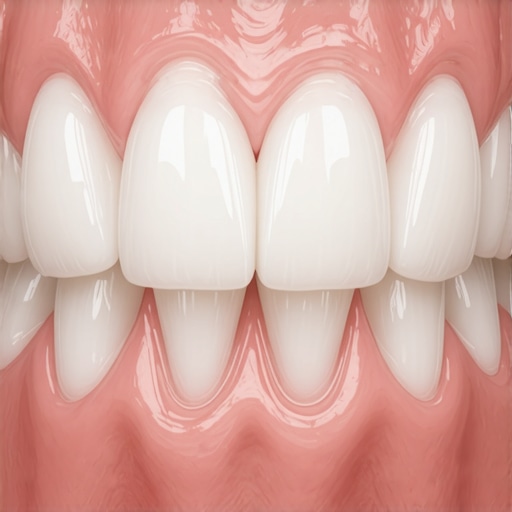
Why Does My Crown Still Hurt When I Drink Iced Coffee?
It seems counterintuitive—if the tooth is covered, why is it sensitive? This is a sophisticated question I get often. Usually, why your crown might feel sensitive to cold even years after placement is due to gum recession exposing the root or a slight gap in the cement. Metal-based crowns also conduct temperature faster than natural enamel. If you are noticing this, it is a sign that expert advice on crowns and teeth cleaning is needed to evaluate the fit.
Stop Waiting for the Crown to Fall Out
Most people wait for a literal ‘gap’ in their smile before they call the dentist, but the impact of regular teeth cleaning is that it allows a pro to check those margins with specialized tools. What a professional prophy cleaning removes that your toothbrush cant touch is the calcified tartar that acts like a wedge, slowly prying your crown loose. Proper maintaining your dental crowns involves more than just brushing; it requires knowing the ‘feel’ of your dental work. If you notice the reason your coffee habit is ruining your crowns sealant is starting to show, it is time for a refresh, not a replacement. Have you ever been surprised by a ‘hidden’ issue during a routine check-up?I used to think a toothbrush and some minty string were enough, but after dealing with my daughter’s ‘shark teeth’ and my own sensitive restorations, I realized that maintenance is an engineering problem. You are protecting a biological and mechanical investment. My first non-negotiable tool is a high-quality water flosser. Why? Because the ‘canyons’ created by overlapping teeth or the margins of a crown are nearly impossible to clear with traditional floss alone. I personally use a model with adjustable pressure settings because, as I learned the hard way, blasting your gums at max power can actually cause recession. Instead, a medium setting helps with caring for crowns essential tips for longevity and shine by flushing out the bacteria that love to hide under the gumline.
The Gadgets That Actually Keep My Dentist Away
I finally made the switch to a sonic toothbrush with a pressure sensor. Dr. Gordon Christensen, a world-renowned educator in restorative dentistry, has frequently noted in his Clinicians Report that the combination of high-frequency sonic vibration and proper technique can reduce gingival inflammation by up to 30% compared to standard manual brushing. This is vital when you are practicing family dentistry at home because kids (and honestly, most adults) tend to scrub too hard. This is exactly why your dentist wants you to stop using hard bristles—they act like sandpaper on your enamel. 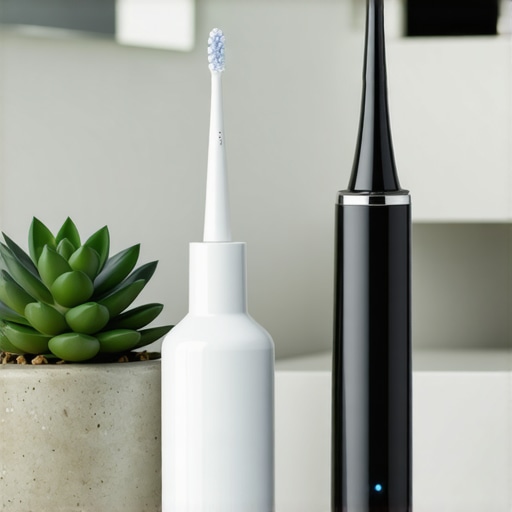
How do I keep my crowns and natural teeth healthy for decades?
Long-term success is about preventing the ‘silent’ killers of dental work: acidity and friction. I’ve started being much more mindful of my morning routine, specifically how to avoid staining your teeth with green tea or coffee, which can also weaken the bond of your sealants over time. If you can’t give up the brew, rinse with water immediately after. Furthermore, you must learn how to prevent cavities between teeth where you cant see by using interdental brushes. These tiny ‘pipe cleaners’ for your mouth are the only things that truly disrupt the biofilm in those microscopic gaps between your molars.
What the Future of Your Bathroom Counter Looks Like
In the next few years, I predict we will see a massive shift toward AI-integrated oral health. We are already seeing brushes that map your mouth in real-time, but soon, we’ll have at-home imaging tools that can spot a leak in a crown before it becomes a ‘click’ or a pain. This proactive approach is the ultimate goal of oral health tips every family should follow in 2025. We are moving away from ‘fix it when it hurts’ toward ‘keep it from ever breaking.’ My best advice? Stop treating your dental check-ups like a chore and start treating them like a performance review for your home care. **Try this tonight:** Swap your hard-bristled brush for a sonic one or at least a soft-bristled manual version and focus on the gumline, not just the tops of the teeth. Your future self (and your wallet) will thank you.
The Surprising Lesson I Learned from a Tooth Detour
Looking back on my daughter’s ‘shark teeth’ phase, my biggest lightbulb moment was realizing that patience is a valid dental strategy. Nature usually has a plan, and my initial panicked wiggling did more harm than good. I also discovered that an oral health routine strengthening your smile every day is about the quality of technique, not the intensity of the scrub. Lastly, a dental crown is not a ‘set and forget’ solution; it is a high-performance shield that requires expert advice on crowns and teeth cleaning to ensure the seal remains intact for decades.
The Daily Gear That Keeps My Family Out of the Dental Chair
I have distilled our bathroom counter down to a few essentials that I trust implicitly for long-term health. First, interdental brushes have become our secret weapon; they are truly the only way I have found to master how to prevent cavities between teeth where you cant see. I also frequently consult the American Academy of Pediatric Dentistry (AAPD) website, which provides clinical, parent-friendly guides that cut through the marketing noise of family dentistry. Finally, a sonic toothbrush with a built-in pressure sensor is non-negotiable in our house to prevent the enamel wear caused by over-eager brushing.
Your Path to a Stress-Free Smile
Managing your family’s oral health doesn’t have to be a source of constant anxiety. Whether you are currently staring at a double row of teeth in your child’s mouth or wondering if your own dental work is holding up, the secret is staying proactive and informed. By shifting your focus toward gentle, consistent care and utilizing the right mechanical tools, you can ensure those smiles stay functional and beautiful for a lifetime. Have you ever had a ‘shark tooth’ scare or a moment where a dental restoration felt a bit ‘off’? Let me know your experience in the comments below!