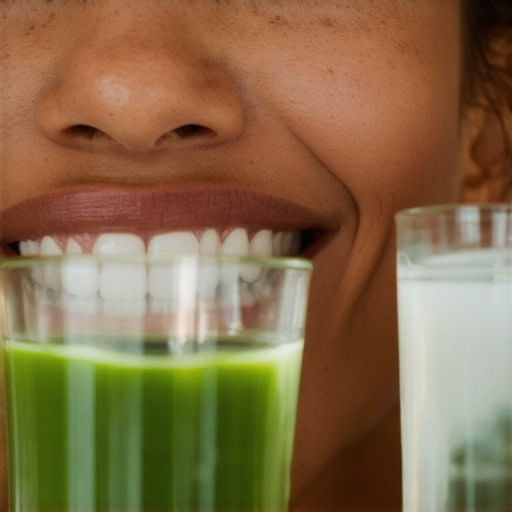
I’ll never forget the morning I looked in the mirror after my third cup of sencha and realized my front teeth looked like the pages of a dusty, antique book. It was a visceral gut-punch. I had recently switched from coffee to green tea to be ‘healthier,’ thinking I was doing my body a favor, but my smile was paying a steep price. I actually felt like a fraud, especially since I’m usually the one reminding everyone about strengthening your smile every day. It turns out, that vibrant green elixir is packed with tannins—the same compounds used to dye leather—and they love to latch onto your enamel. If you’ve been feeling like your healthy habits are sabotaging your confidence, I’ve been there, and I’ve finally figured out how to have my tea and keep my pearly whites, too. Today, I’m going to show you why green tea stains so aggressively and the simple, neighborly tweaks you can make to your routine to stop the yellowing in its tracks without giving up your favorite mug.
The Green Tea Betrayal No One Warned Me About
For years, I made a classic mistake that I see so many of my friends making: I sipped my tea slowly over the course of two hours. I thought I was savoring it. In reality, I was just bathing my teeth in a constant stream of staining agents. I didn’t realize that the real reason some teeth are naturally yellower than others often comes down to these prolonged exposure habits. According to a study published by the National Institutes of Health, the polyphenols in green tea can actually promote the formation of a stubborn pellicle layer that traps pigments. Early on, I even tried to scrub the stains off with a harsh charcoal powder—a massive error that just made my teeth sensitive and more prone to future staining. I had to go back to basics and learn effective home practices for family dental health to repair my enamel.
Is preventing these stains actually worth the extra effort?
You might be wondering if it’s easier to just switch back to water or deal with the yellowing. I get the skepticism; we already have enough chores in the morning. But the ‘work’ involved is actually just a few small shifts in how you drink. When I finally started implementing a simple water-swish technique and adjusted my regular teeth cleaning schedule, the difference was night and day. I stopped needing those aggressive whitening strips that made my gums ache. Have you noticed your teeth getting darker even though you’re brushing twice a day? You aren’t alone, and you don’t have to settle for a dull smile just to enjoy a healthy drink. Let’s look at the science-backed ways to keep that enamel bright while you brew.
How to Drink Your Tea Without Turning Your Teeth Yellow
One of the biggest shifts I made was treating my tea habit like a timed event rather than a day-long marathon. When you sip green tea for three hours, you are essentially providing a constant supply of pigment to a hungry canvas. Think of your enamel like a white silk shirt; a single drop of tea might wash out if you catch it immediately, but if you let that shirt soak in a tub of tea all afternoon, those fibers are going to hold onto that color forever. To break this cycle, I started drinking my tea in one sitting and followed it immediately with a glass of plain water. This doesn’t just hydrate you; it mechanically rinses the tannins away before they have a chance to settle into the microscopic pits of your teeth.
Keep Water Nearby for a Quick Rinse
I remember a Tuesday last month when I was so deep in a project that I finished an entire pot of matcha without drinking a single drop of water. When I finally caught my reflection, my teeth looked like I’d been chewing on grass. It was a mess. I had to use the salt water trick that calms gum inflammation just to soothe my mouth after I tried to aggressively scrub the green film away. Now, I follow the ‘one-for-one’ rule: for every mug of tea, I finish a glass of water. It’s the simplest way to maintain your brightness without needing harsh chemicals.
Give Your Enamel a 30-Minute Break
A common mistake is running for the toothbrush the second you finish your cup. It feels intuitive, right? Get the ‘stain’ off before it sticks. However, tea is slightly acidic, and brushing immediately can actually rub that acidity into your enamel, thinning it over time. I learned this the hard way when my teeth started feeling sharp and sensitive to the cold. You should look into why you should never brush your teeth immediately after eating citrus, because the same logic applies to green tea. Wait at least 30 minutes for your saliva to re-mineralize your teeth before you start scrubbing.
Professional Cleanings Reach Where You Can’t
No matter how good your home routine is, tea pigments are incredibly fine and can migrate under the gumline or into tight spaces between teeth. If you already have thin enamel, you might be looking for the safest way to whiten teeth if you have thin enamel, but the best first step is always a professional prophy. A hygienist uses specialized tools that can vibrate these stains loose. Understanding what a professional prophy cleaning removes that your toothbrush cant touch changed my perspective on those six-month appointments; they aren’t just ‘check-ups,’ they are deep-cleaning resets for your smile’s color.
Protect Your Dental Work from Discoloration
If you have front-teeth restorations, you have to be even more careful. While porcelain itself is stain-resistant, the edges where the restoration meets your natural tooth can pick up dark lines from green tea. I’ve spent a lot of time researching caring for crowns essential tips for longevity and shine to ensure my dental work doesn’t give away my tea obsession. Keeping those margins clean with a water flosser or interdental brush prevents the ‘dark halo’ effect that tea drinkers often struggle with.But here is where the experts often get it wrong: they assume all whitening is created equal. Most people believe that using natural charcoal or lemon juice is a safer alternative to chemicals, but in my experience, this is the biggest trap of all. These substances are often highly abrasive or acidic, which actually creates microscopic scratches in your enamel. These tiny grooves then act like magnets for green tea tannins, making your teeth stain even faster than before. A study in the Journal of the American Dental Association (JADA) found that highly abrasive pastes can remove significant amounts of tooth structure over time, which is why balancing your natural urge with clinical safety is paramount. You should really look into the truth about charcoal toothpaste and why it might be ruining your enamel before you try another viral whitening hack.
Is that dark line at the gumline a stain or a failing restoration?
This is a sophisticated concern that many long-term tea drinkers face. If you have crowns, you might notice a dark border near the gums. While you might think it’s just tea residue, it could be a sign of recession or a leak where the cement is washing away. Learning how to tell if your dental crown has a small leak is crucial because a stain can be polished by a pro, but a leak can lead to decay under the restoration. For those of us with aesthetic work, why ceramic crowns are the best choice for your front teeth often comes down to their superior resistance to deep staining compared to older resin materials. 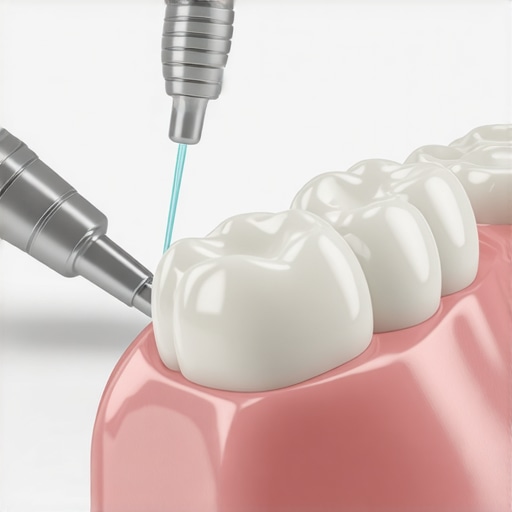
The hidden trap of medication and dry mouth
Another major oops factor I see involves the lack of saliva. Many tea drinkers don’t realize that certain medications cause dry mouth, which removes the protective buffer of saliva. Without saliva, green tea stains become permanent almost instantly because the tannins have nothing to wash them away. This is why the reason your dentist asks about your medications during a checkup is so vital to your aesthetic goals. Furthermore, for those managing a household, I’ve seen parents give kids green tea as a healthy alternative to juice. While the antioxidants are great, children’s enamel is much more porous. I always recommend following oral health tips every family should follow in 2025 to ensure kids don’t develop deep intrinsic stains early on.
Switch to ultrasonic tools for a safer deep clean
Many people dread the scraping sound of manual tools, but there is a better way to handle tea buildup. According to research published in the Journal of Clinical Periodontology, ultrasonic scaling is significantly less traumatic to the tooth surface when used correctly by a professional. If you have thin enamel or sensitive restorations, why ultrasonic cleaning is faster and more comfortable than hand scaling is a conversation you need to have with your hygienist. It uses high-frequency vibrations to blast away the tea pellicle without the aggressive friction of hand tools. If your enamel is already compromised, you need to find the best way to whiten teeth if you have very thin enamel to avoid permanent damage. Have you ever fallen into the charcoal trap or noticed your crowns looking a bit dull? Let me know in the comments, and let’s talk about it!I used to think my manual toothbrush was sufficient until I saw the microscopic ‘pitting’ on my enamel under a professional dental light. Now, I swear by the Philips Sonicare ProtectiveClean. It’s not just about the vibration; it’s about the 62,000 brush movements per minute that create microbubbles, reaching deep into the gaps where green tea tannins love to hide. This is a game-changer for anyone trying to master an oral health routine strengthening your smile every day. I also integrated a high-quality water flosser because manual string often misses the margins of my dental work. If you have been wondering about caring for crowns essential tips for longevity and shine, a water flosser is non-negotiable for flushing out pigments before they can settle into the cement line.
How do I maintain my bright smile over time?
Consistency is the only ‘secret’ that actually works. I follow a strict ‘flush and brush’ rule every evening, ensuring that any residual tea from my afternoon cup is gone before I sleep. This is especially important for those of us with aesthetic restorations, as maintaining your dental crowns dos and donts for best results often boils down to preventing biofilm buildup. I’ve also noticed that using a dedicated tongue scraper reduces the total bacterial load in my mouth, which in turn reduces the ‘stickiness’ of the tea pigments. 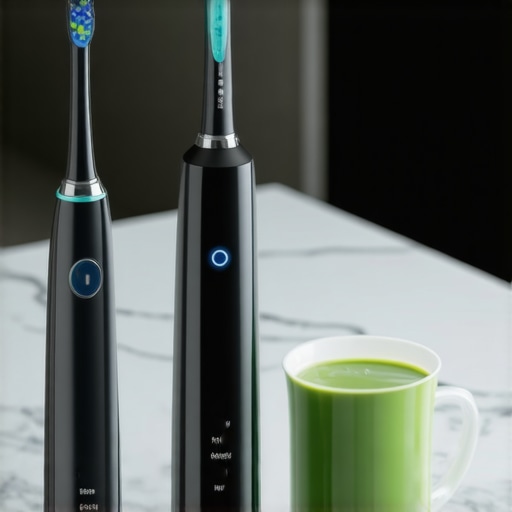 According to a comprehensive review by The Cochrane Library, electric toothbrushes provide a statistically significant reduction in plaque and gingivitis compared to manual brushing over both short and long terms. This isn’t just marketing hype; it’s about the physics of stain removal. In the near future, I predict we will see smart-home mirrors that use UV light to highlight specific areas of plaque and tea staining in real-time, allowing us to be even more precise. To protect the investment you’ve made in your teeth, you should also stay informed on the truth about how long a porcelain crown actually lasts before replacement so you aren’t caught off guard. For families, I recommend keeping a checklist of oral health tips every family should follow in 2025 on the bathroom mirror. My challenge to you today: invest in a pressure-sensing electric toothbrush. It will save your enamel from the ‘scrubbing’ damage I spent years trying to fix. If you’re nervous about the transition, remember that why ultrasonic cleaning is faster and more comfortable than hand scaling applies to home tech too; the tech does the work so you don’t have to.
Lessons I Had to Learn the Hard Way About Tea and Enamel
After years of trial and error, I realized that ‘natural’ habits still require clinical oversight. I used to think my morning sencha was harmless, but I eventually learned that the impact of regular teeth cleaning on overall oral wellness is largely about managing these daily choices before they become permanent stains. My biggest lightbulb moment happened when I stopped trying to scrub my teeth white and started focusing on remineralization. I discovered that expert advice on crowns and teeth cleaning for lasting results isn’t just for people with dental problems; it’s a manual for anyone who wants to age gracefully. I also learned that if you have existing dental work, maintaining your dental crowns dos and donts for best results is the only way to prevent those frustrating dark lines from appearing at the margins. If I could go back, I would tell myself to stop the DIY lemon-juice rinses and trust the science of saliva.
The Simple Kit That Keeps My Smile Bright
I don’t believe in complicated routines that no one can stick to. Instead, I’ve curated a toolkit that actually works for a busy life. My first recommendation is switching to an electric brush with a pressure sensor; I often share the truth about manual vs electric toothbrushes for kids and adults alike because the mechanical advantage is undeniable. Secondly, I never go a day without a hydrating rinse. I’ve seen a massive difference by embracing the benefit of using an alcohol-free mouthwash for dry mouth, as it keeps the tea pigments from ‘gluing’ to my enamel. Finally, I make sure my family follows oral health tips every family should follow in 2025, which includes a ‘water-first’ rule after every snack or tea break. These aren’t just chores; they are investments in your future self.
Step Into a Future Without Any Stain Anxiety
You don’t have to give up the antioxidants of your favorite brew just to keep a bright smile. By focusing on a family dentistry focus building a lifetime of healthy smiles, you can enjoy your morning rituals while maintaining total confidence in your reflection. It all starts with a commitment to an oral health routine strengthening your smile every day. When you treat your enamel with respect—waiting before you brush and rinsing after you sip—you break the cycle of staining for good. Have you found a specific type of tea or matcha that seems to stain your teeth more aggressively than others? Let me know in the comments below!