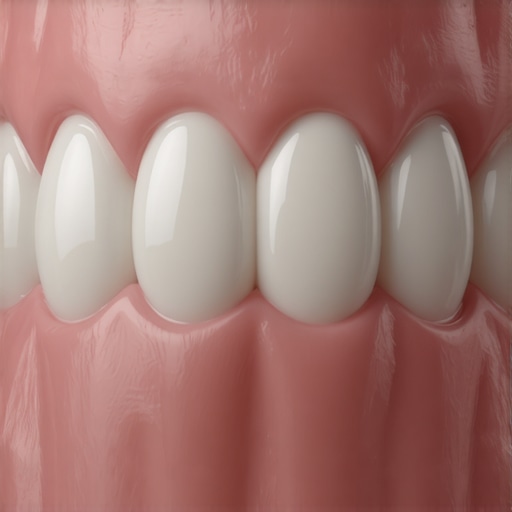
I remember the exact moment it happened. I was sitting at my kitchen table, minding my own business and enjoying a piece of toasted sourdough. Suddenly, as my teeth met through the crust, I felt a distinct *click*. It wasn’t loud enough for anyone else to hear, but in my own head, it sounded like a door latch snapping shut. I froze mid-chew, my heart sinking. I’d spent a lot of time and money on that molar, and that tiny vibration felt like the beginning of an expensive disaster. If you are reading this, you are probably doing that exact same thing right now—tapping your teeth together nervously, trying to figure out if you’re imagining it or if your dental work is actually moving. I’ve been there, and I know how unsettling it feels when your mouth starts making noises it shouldn’t.
That Weird Clicking Feeling in Your Mouth
The reason this matters so much right now is that a ‘click’ is often the first and only warning sign your body gives you before a crown fails completely. When I first felt it, I made the classic mistake of thinking it would just ‘settle’ on its own. I convinced myself it was just an air bubble or maybe I was just stressed. But ignoring it is like ignoring a check engine light; the longer you wait, the more likely you are to deal with a much bigger headache later. We are going to solve this mystery today by looking at why that bond might be shifting and how to tell if you need to know how to handle a loose dental crown before you can see the dentist. My goal is to help you distinguish between a simple bite adjustment and a situation where the structural integrity of your tooth is at risk.
Is it actually worth worrying about a tiny noise?
You might be thinking that as long as it doesn’t hurt, it isn’t a real problem. That’s exactly what I told myself for three weeks until I realized my bite felt ‘off’ every time I woke up. Skepticism is healthy, but your mouth is a precision-engineered machine. Even a microscopic gap can allow bacteria to seep underneath, leading to decay that you won’t even see until the crown falls off in a sandwich. Have you ever felt that tiny shift while you were eating something soft? If so, you aren’t alone, and you aren’t crazy. It is a very real physical sensation that usually points to a specific mechanical issue. According to the American Dental Association, the average dental crown should last between five and fifteen years, but this longevity depends entirely on a perfect seal and proper caring for crowns to prevent premature cement failure.
The Mechanics Behind the Click
When your crown clicks, it’s usually because there is a microscopic amount of vertical or horizontal movement. Think of it like a loose floorboard; when you step on it just right, it gives way slightly and hits the subfloor, creating a sound. In your mouth, this can happen if the cement has started to wash out or if the bite isn’t perfectly balanced. I learned the hard way that a crown that is even a fraction of a millimeter too high will take the brunt of your jaw’s force, eventually ‘rocking’ the crown and breaking the adhesive bond. This is why it’s so important to understand how a dental crown can restore your bite alignment only if it is seated perfectly. If that seal is compromised, you might also need to manage sensitivity after getting a new dental crown as the underlying tooth becomes exposed to temperature changes. It’s a cascading effect, but once you identify the cause, the fix is often much simpler than you fear.I remember sitting in the dentist’s chair when my dentist finally lifted the clicking crown off with a simple tug. The smell was something I will never forget—it wasn’t just old food, it was the unmistakable scent of anaerobic bacteria thriving in a space that was supposed to be vacuum-sealed. That was the moment I realized my ‘tiny’ click was actually the sound of a failing gasket. When your crown moves, even microscopically, it creates a pump-like action that sucks in sugar and saliva, creating a literal swamp of decay underneath the porcelain. If you are experiencing this, you need to act before the structural tooth underneath dissolves.
Run These Three Tests at Your Kitchen Table
You don’t need a medical degree to perform a basic diagnostic check on your dental work. The first thing you should do is the ‘Finger Pressure Test.’ Gently place your index finger on the biting surface of the crown and apply light pressure while rocking it side-to-side. If you feel a sharp ‘thud’ or see a tiny bubble of saliva emerge from the gum line, the cement bond has likely turned into a liquid slurry. This is often the most common reason dental crowns fall out and how to fix it involves more than just a quick re-glue; it requires a sterile environment that you can’t replicate at home. Next, try the ‘Bite and Release’ method. Use a piece of sugar-free gum or a soft silicone chew. If the click happens specifically when you open your mouth, you are dealing with ‘trampolining,’ where the suction is pulling the crown up and then snapping it back onto the tooth stump.
Look for the Gray Line Near Your Gums
Grab a high-powered flashlight and stand in front of a mirror. You are looking for a dark, shadowy margin right where the crown meets the gum tissue. While some older porcelain-fused-to-metal crowns naturally have a dark line, a new gap or a ‘mushy’ appearance in that area is a red flag. This often indicates you need to learn how to tell if your dental crown has a small leak. If the cement is washing out, the gap acts like a doorway for plaque that your toothbrush simply cannot reach. 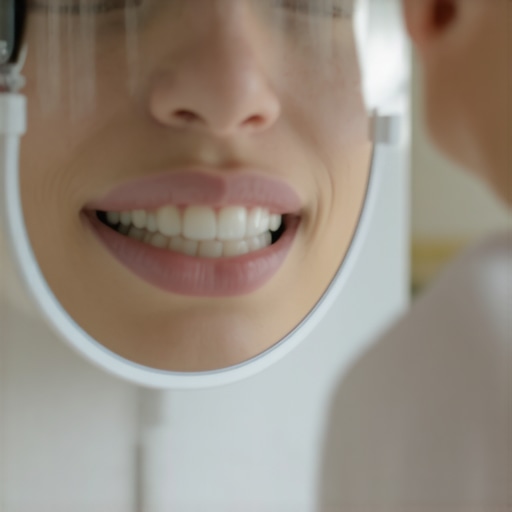
Put Down the Superglue and Step Away
It is incredibly tempting to try and ‘seat’ the crown yourself with over-the-counter adhesives or, heaven forbid, household glue. I’ve seen the aftermath of this, and it usually ends with a root canal or an extraction because the glue is toxic to the living pulp of your tooth. There is a massive danger of using superglue to fix a broken dental crown because it creates an uneven layer that ruins your bite alignment. Instead, keep the area meticulously clean. Use a soft-bristled brush to gently sweep away debris from the margin, but avoid flossing upward around that specific tooth, as you might accidentally pull the crown entirely off. Following expert advice on crowns and teeth cleaning for lasting results means recognizing that a loose crown is a mechanical failure that requires professional intervention. While you wait for your appointment, stick to a list of maintaining your dental crowns dos and donts for best results, which includes avoiding all sticky candies and crunchy breads that could exert lateral force on the weakened bond.
Stop Treating Your Porcelain Like It’s Bulletproof
One of the biggest misconceptions I see in my practice is the belief that once a tooth is crowned, it is somehow ‘immune’ to future problems. People often assume that because the tooth is wrapped in porcelain or zirconia, they don’t have to worry about decay anymore. This is a dangerous trap. In reality, the most vulnerable part of your tooth is now that tiny circular seam where the crown meets your natural tooth structure. If you think your crown is invincible, you are likely neglecting the very area that needs the most attention. According to a study published in the Journal of Prosthetic Dentistry, secondary caries at the margin is actually the leading cause of fixed prosthetic failure, even more so than the material breaking. This is why understanding how to tell if your dental crown has a small leak is far more important than worrying about the color of the porcelain.
Can a fully covered tooth still develop a cavity?
The answer is a resounding yes, and it’s often much harder to detect than a normal cavity. When decay starts at the margin of a crown, it can tunnel underneath the restoration where neither your tongue nor your toothbrush can reach it. This is the ‘Oops’ factor that catches so many patients off guard: they focus on scrubbing the shiny top of the crown while ignoring the gum line. If you are aggressive with your cleaning, you might even be causing harm. I always tell my patients that why soft-bristled brushes are the only ones that should touch your gums is because we want to gently massage the area, not sandblast it. Heavy-handed brushing can lead to gum recession, which exposes that sensitive margin and invites bacteria to set up camp. 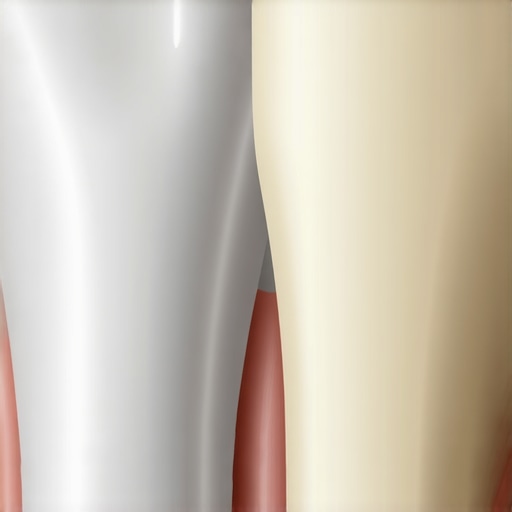
The Real Reason Your Crown Feels ‘Off’
Most people assume a clicking or loose crown is just a matter of ‘bad glue.’ But here is a nuanced truth: the cement is rarely the primary culprit. Usually, the bond fails because of ‘occlusal disharmony’—a fancy way of saying your bite is hitting that tooth just a tiny bit too hard. Every time you chew, you are essentially hammering that crown. Over time, that micro-trauma fatigues the cement until it shatters. This is why how a dental crown can restore your bite alignment is a delicate balancing act. If the alignment is even slightly off, you might notice that some dental crowns feel cold when you drink iced coffee because the physical stress on the tooth makes the internal nerve hyper-reactive. It is a mechanical failure, not just a chemical one.
Don’t Mistake Stability for Health
Another common mistake is assuming that if the crown is still ‘stuck’ to the tooth, everything is fine. I have seen crowns that were held on by nothing more than the tight fit of the surrounding teeth, while the actual tooth structure underneath had turned to mush. This is why expert advice on crowns and teeth cleaning for lasting results emphasizes professional x-rays and exams. We are looking for those tiny shadows on the film that suggest the seal has been breached. By the time you feel pain, it’s often too late to save the crown, and you might be looking at a root canal or an implant. Whether you are managing your own dental health or looking into family dentistry focus building a lifetime of healthy smiles for your kids, remember that prevention happens at the margins. Have you ever fallen into the trap of thinking a crown was a ‘permanent’ fix without maintenance? Let me know in the comments below.
How do I keep this crown for another twenty years?
The secret isn’t just better brushing; it’s about the specific geometry of how you clean around that porcelain margin. I stopped relying on a simple scrub years ago. If you want to keep your dental work for the long haul, you have to treat the margin like a high-maintenance piece of jewelry. This is the core of caring for crowns. Most people think they are doing a great job, but they are often missing the ‘sulcus’—the tiny pocket where the crown meets the gum. I recommend using an interdental brush specifically for these areas; I personally use the TePe extra-soft brushes because they don’t scratch the restoration but still sweep out the plaque that a standard brush can’t reach. Think of it as detailing a luxury car versus just driving it through a basic car wash once a month.
The Only Tools I Trust in My Bathroom
I’ve tested dozens of gadgets, and most are pure marketing fluff. However, if you are serious about following expert advice on crowns and teeth cleaning for lasting results, you need a pressure-sensing electric toothbrush. I use the Oral-B iO series because it flashes red when I’m pressing too hard, protecting that delicate seal. We already know why soft-bristled brushes are the only ones that should touch your gums—anything harder is just a recipe for recession. Then there is the water flosser. It’s a game changer for crowns, but only if you avoid the common mistake you are making with your water flosser by spraying directly at the tooth rather than tracing the gum line. According to clinical reports from the Clinicians Report Foundation, led by Dr. Gordon Christensen, marginal fit and the patient’s ability to mechanically disrupt biofilm are the two most critical variables in crown longevity. 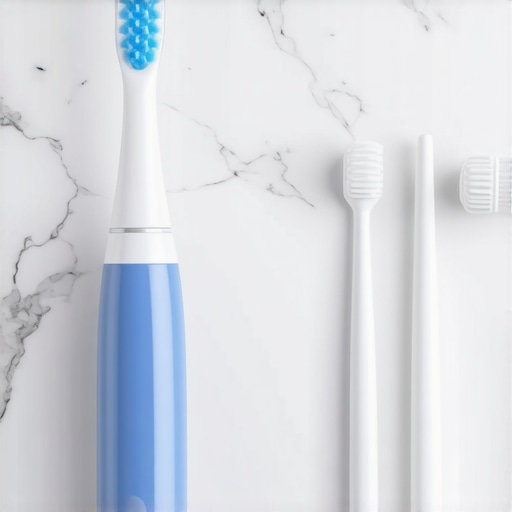
What’s Coming Next for Your Bathroom Mirror
I’m convinced that within the next few years, our toothbrushes will include miniature intraoral cameras that sync with AI to detect marginal leaks before we ever feel a physical click. We are moving away from reactive dentistry and into an era of hyper-personalized oral health routine strengthening your smile every day. This technology will take the guesswork out of maintaining your dental crowns dos and donts for best results by showing us exactly where the cement is failing in real-time. Beyond the home tools, professional scaling is also evolving. Modern family dentistry focus building a lifetime of healthy smiles now often includes air-polishing tech that cleans around crowns without the need for abrasive scraping. For now, my best tip for you is to go buy a pack of size-appropriate interdental brushes today. Spend just sixty seconds focusing on the base of that clicking crown. You might be surprised—and a little grossed out—by what your regular toothbrush has been leaving behind. It’s a small, cheap habit that can save you a four-figure dental bill next year.
What a Decaying Tooth Stump Taught Me About Maintenance
I’ve spent years analyzing why some restorations last thirty years while others fail in three. Here is the insider wisdom I wish I had known before that first ‘click’ turned into a full crown replacement.
- The cement is a gasket, not a glue: Stop thinking of dental cement as a permanent adhesive like epoxy. It is a seal. Once that seal is breached, the tooth underneath is as vulnerable as a raw nerve.
- Grinding is the silent assassin: If you wake up with a tight jaw, you are likely hammering your crown while you sleep. I often suggest checking why we recommend zirconia for patients who grind their teeth because these materials are specifically built to withstand that nocturnal pressure.
- Your medications matter: Dry mouth is a crown’s worst enemy because saliva neutralizes the acids that eat your cement. This is exactly the reason your dentist asks about your medications during a checkup—it’s not just small talk; it’s a risk assessment for your dental work.
- Professional help is non-negotiable: A ‘quick fix’ at home is a myth. You might temporarily learn how to fix a sensitive tooth flare-up before your next appointment, but you cannot reseal a margin yourself.
The Only Gear You Actually Need for Crown Care
You don’t need a counter full of gadgets to succeed. You just need a few high-quality tools that prioritize the health of your gum line and the integrity of your restorations. #IMAGE_PLACEHOLDER_E#
- The Pressure-Sensing Brush: As we discussed, protecting the gum line is vital. I stick to oral health tips every family should follow in 2025 which prioritize gentle, consistent movement over aggressive scrubbing.
- Interdental Brushes: These are the ‘detailing tools’ of the dental world. They get into the sulcus where standard floss often glides right over.
- The Professional Prophy: Home care is great, but what a professional prophy cleaning removes that your toothbrush cant touch is the hardened tartar that acts like a wedge, slowly prying your crown away from the gum.
Take Charge of Your Smile’s Longevity
That clicking sound isn’t a death sentence for your tooth; it’s an invitation to take action. When you catch a loose crown early, the fix is usually a simple cleaning and re-cementing. But if you wait, you’re gambling with the health of the underlying tooth. Your smile is the first thing people notice, and it’s the primary way you experience the world—from the taste of a great meal to the confidence in your laugh. Don’t let a small mechanical issue steal that from you. Treat your dental work with the respect it deserves, and it will serve you faithfully for decades to come. Have you ever felt your crown shift while eating, or did a ‘click’ catch you by surprise during your morning coffee? Let me know your story in the comments below.