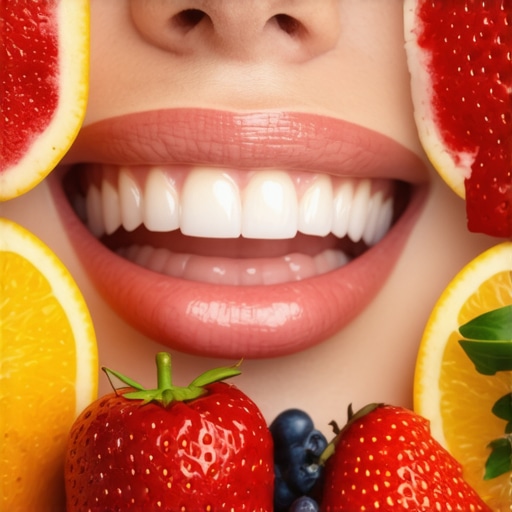
I’ll never forget the moment I looked in the mirror after a summer picnic and noticed my teeth seemed a little more transparent than usual. It was a lightbulb moment—those luscious, tangy oranges I’d been loving might be doing more harm than good for my smile. As someone passionate about oral health, I realized I had underestimated the impact of something as simple as eating fruit.
Many folks think that consuming fruits, especially the popular acidic ones like lemons, oranges, and grapefruits, is always a healthy choice. But what if I told you that they could be slowly eroding your precious tooth enamel? Today, we’re going to peel back the curtain on this common concern and figure out practical, easy ways to protect your smile. If you’re someone who craves that refreshing citrus but fears damaging your teeth, stick around. I promise, the solution isn’t about giving them up—it’s about knowing how to enjoy them wisely.
Why Acidic Fruits Can Be Sneaky Enemies to Your Teeth
In my early days of exploring oral health, I made a costly mistake: I thought brushing immediately after eating citrus was the right move. Turns out, I was unknowingly grinding acid into my enamel, making things worse. According to dental experts, acids from fruits soften your enamel temporarily, and brushing right away can strip away the weakened layer, leading to increased sensitivity and even decay. This was a wake-up call for me—and perhaps it is for you, too.
Are Acidic Fruits Actually Worth the Hype?
One of the biggest doubts I had initially was whether it was even worth worrying about fruit in the first place. Honestly, I love the vitamins and antioxidants that come with my fruit bowl. But I learned that moderation and proper care go hand in hand. It’s not about avoiding fruit entirely but being mindful of how and when you indulge. For example, rinsing your mouth with water afterward can neutralize some of the acids. Curious? Learn more about how to balance your diet and oral health at this guide.
Early on, I also made the mistake of neglecting routine dental visits, thinking brushing and flossing were enough. But regular check-ups, like those explained in this article on crowns and smile makeovers, are crucial for catching enamel wear before it becomes a serious issue. Trust me, prevention beats correction every time.
So, if you’ve ever wondered whether that splash of lemon in your water or a tangy fruit snack is harmless—think again. The next step is learning what practical strategies you can adopt to keep your smile shining bright. Ready to empower yourself with expert advice? Let’s dive into the simple actions that can save your enamel from becoming a casualty of your love for citrus.
Start your daily oral health regimen with thorough brushing using a soft-bristled toothbrush. Focus on all surfaces of your teeth, especially along the gumline, to remove plaque and prevent buildup. Incorporate fluoride toothpaste to strengthen enamel against acid erosion. For optimal results, replace your toothbrush every three to four months or sooner if the bristles fray. Don’t forget to floss daily to remove particles stuck between teeth where brushes can’t reach effectively.
Use a Straw for Citrus Drinks
When sipping citrus beverages, use a straw to minimize contact with your teeth. Position the straw toward the back of your mouth, reducing acid exposure on the front teeth. This simple change can make a significant difference in preventing enamel erosion over time. I personally started doing this after my first visit to a family dentist, and it helped me enjoy my favorite drinks without worry.
Rinse After Drinking Fruit
Immediately after consuming acidic fruits, rinse your mouth with plain water. This dilutes and neutralizes acids before they can weaken your enamel. Swish for about 30 seconds then gently spit—no vigorous rinsing or brushing right away, which could cause more damage to softened enamel. Remember, patience is key: wait at least 30 minutes before brushing to allow enamel to re-harden.
Nighttime Strategies for Lasting Protection
Apply a fluoride mouth rinse or gel before bed, especially if you’ve consumed acidic foods. These products supply an extra barrier that fortifies teeth against acid attacks during the night. I often use a fluoride rinse that my dentist recommended for my crowns—it’s easy to incorporate into my nightly routine and significantly improves enamel resilience.
Scheduling Professional Care to Stay Ahead
Regular professional cleanings are vital for removing tartar and checking for early signs of enamel wear. Visiting your family dentist at least twice a year can catch issues before they escalate. For those with crowns or extensive restorations, routine exams and specific maintenance like caring for crowns can preserve their shine and functionality. During appointments, ask your dentist about tailored advice to keep your teeth and restorations in top shape.
Finally, remember that moderation and consistency are your best allies. Limit prolonged exposure to citrus—avoid sipping fruit drinks through the day. Incorporate calcium-rich foods to help remineralize enamel, and avoid brushing immediately after citrus to prevent abrasion of softened enamel. Over time, these sustained efforts build a resilient smile capable of handling your favorite tangy treats without fear.
By integrating these practical steps into your routine, you’ll not only enjoy citrus fruits and their benefits but also maintain a bright, healthy smile that lasts. Keep attentive to your habits and seek professional guidance when necessary—your future self will thank you for it.
 Many people believe that getting a dental crown is a quick fix, but in reality, there’s much more to consider for lasting results. For instance, some think that once a crown is placed, it requires no further maintenance—this isn’t true. Proper care and understanding of the nuances can extend the lifespan of your restoration significantly. Additionally, there’s a common myth that crowns are only for cosmetic purposes, whereas they play a crucial role in restoring functionality and protecting compromised teeth. Missteps like neglecting regular check-ups or improper oral hygiene routines can lead to premature failures. For example, inadequate cleaning around crowns can cause decay at the margins, undermining the restoration’s integrity. An advanced mistake many overlook is the assumption that all crowns are equal; in fact, materials like zirconia offer superior durability, but they require specific maintenance routines, which some patients neglect. According to a study published in the Journal of Prosthetic Dentistry, well-maintained crowns can last over 15 years, but only if proper protocols are followed.
Are All Crowns Equally Resistant to Wear and Decay?
It’s tempting to think that newer ceramic crowns are impervious to damage, but they are susceptible to breakage and staining without careful maintenance. Understanding the characteristics of different materials helps in selecting the right crown for your lifestyle. Moreover, some people underestimate the importance of follow-up visits; these allow your dentist to monitor for any signs of deterioration early on, ensuring longevity. Incorporating a comprehensive oral health routine, including gentle cleaning with appropriate tools, is vital. Regular professional cleanings not only remove plaque but also help in detecting subtle issues before they escalate. Don’t forget that crowns and other restorations are part of your entire oral ecosystem; neglecting surrounding tissues can cause gum recession or inflammation, jeopardizing your investment. Want to learn more about maintaining your crowns? Check this guide on caring for crowns effectively. Remember, the devil is in the details—small habits make a big difference. Have you ever fallen into this trap? Let me know in the comments.
Keeping It Working: My Top Recommendations for Dental Maintenance
Maintaining your oral health isn’t just about daily routines—investing in the right tools can make a significant difference in preserving your smile’s longevity. Over the years, I’ve refined my arsenal of dental equipment and software to ensure I stay ahead of potential issues and keep my teeth and crowns in optimal condition.
Why Quality Tools Matter More Than You Think
Using high-quality toothbrushes, floss, and oral care devices ensures effective and gentle cleaning. I personally swear by my sonic electric toothbrush, the Philips Sonicare DiamondClean, because its oscillating and sonic vibrations provide superior plaque removal while being gentle on crowns and enamel. The built-in pressure sensors also prevent me from brushing too hard—a common mistake that can damage restorations over time.
For interdental cleaning, I recommend the Water Flosser by Waterpik. Its adjustable pressure settings and targeted water streams effectively remove debris from hard-to-reach areas, especially around crowns and braces. In my experience, consistent use of a water flosser reduces gum inflammation and plaque buildup, which is essential for long-term crown maintenance.
Software and Apps That Keep Track of Your Oral Health
Digital tools are transforming how we manage dental care. I use the Oral Health Tracker app, which helps me log daily routines, schedule appointments, and set reminders for replacements like toothbrush heads or floss refills. These small steps prevent neglect and ensure proactive care, especially as maintenance routines become more complex with crowns or dental implants.
Furthermore, many dental practice management systems now offer tele-dentistry functionalities. Regular virtual check-ins can help identify minor issues before they escalate, saving both time and money. For example, some practices provide high-resolution intraoral imaging that patients can review at home—keeping an eye on potential problems with crowns or detect early signs of decay.
Long-Term Results Demand Consistency and Smart Investment
My experience confirms that combining high-quality tools with effective software creates a robust maintenance plan. This approach not only preserves my current dental restorations but also helps me catch issues early, reducing the need for expensive corrections down the line. According to a 2021 study in the Journal of Prosthetic Dentistry, patients who adhere to a comprehensive maintenance routine with reliable tools see a 30% increase in crown longevity.
Looking ahead, I predict that advancements in AI-driven oral health monitoring and smart toothbrushes will further personalize dental care. Imagine toothbrushes that analyze plaque levels or detect early enamel erosion in real-time—ushering in a new era of preventative dentistry. You might want to explore the latest options now, like the Oral-B Genius X, with AI technology that adapts to your brushing habits.
How Do I Keep My Crowns and Teeth Healthy Over Time?
One proven method is thorough and regular cleaning with the right equipment. I recommend trying the water flosser and an electric toothbrush as staples in your practice. Remember to schedule routine professional check-ups, ideally every six months, and discuss your personalized maintenance plan with your dentist. For detailed guidance on caring for crowns effectively, check this resource: Caring for Crowns.
Don’t wait for a problem to emerge—be proactive. If you’re ready to elevate your dental maintenance routine, start by investing in a quality water flosser and syncing it with an app to track your progress. Small, consistent actions today can lead to a healthier, more resilient smile tomorrow.
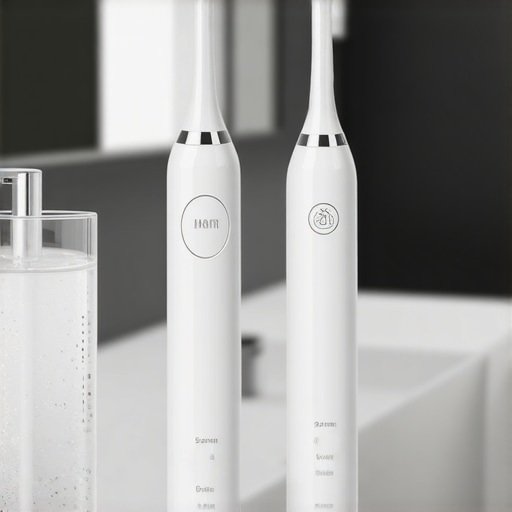
Image description: A close-up of a high-tech water flosser and electric toothbrush on a clean bathroom counter, illustrating the tools recommended for effective long-term dental maintenance.
Alt text: Modern dental care tools including a water flosser and sonic toothbrush, symbolizing advanced oral health maintenance.
,
What I Wish I Knew Before Toasting with That Citrus Sip
One of my biggest lightbulb moments came when I realized how small habits—like sipping lemon water all day—could silently chip away at my enamel. It taught me that awareness is the first step to keeping my smile resilient. I discovered that wearing a mouthguard during sports not only shields my teeth from physical impacts but also helps prevent cracks caused by clenching. Additionally, I learned that choosing a desensitizing toothpaste made a remarkable difference in battling sensitivity after citrus indulgence, a tip I now swear by for anyone loving tangy treats.
Tools and Resources That Changed My Dental Routine
Investing in a high-quality electric toothbrush, like the Oral-B Genius X, transformed my cleaning habits because its AI technology guides me to brush more effectively. For flossing, the Water Flosser by Waterpik became a game-changer, especially around crowns and bridges, ensuring no debris hides in tricky spots. I also rely on the Oral Health Tracker app to schedule reminders for check-ups or replacing my toothbrush head, making professional care a seamless part of my life. Lastly, visiting my dentist regularly and discussing my citrus intake and protection strategies has been vital—don’t underestimate the power of a collaborative relationship with your dental team.
Your Smile Is Your Best Accessory—Protect It Every Day
Every time I reflect on my own journey of safeguarding my teeth from acidity, I’m reminded that small, consistent actions truly add up. Whether it’s drinking water after citrus, using a straw, or scheduling routine dental visits, each step plays a part in preserving a healthy, confident smile. I encourage you to see your oral health as an investment—because a resilient smile can empower you to enjoy life’s tangy moments without fear. Ready to take control? Your brighter, healthier smile is just a daily habit away. Have you experienced any challenges with protecting your enamel? Share your story below and let’s support each other in this journey.