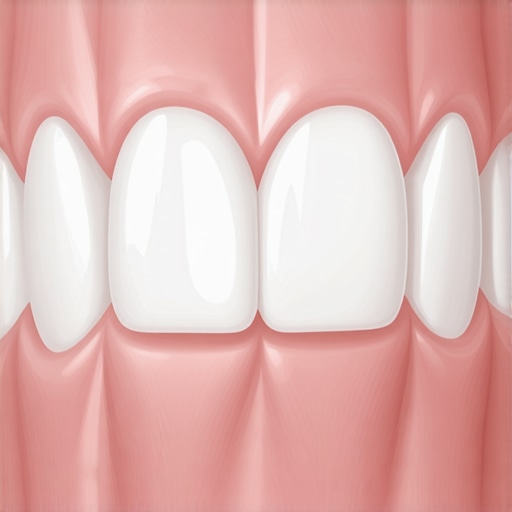
I remember the moment vividly — I was standing in front of the mirror, frustrated because no matter how many times I brushed or flossed, my gums seemed to be retreating. It felt like a betrayal: I wasn’t sick, I was diligent with my oral hygiene, yet my gums looked suspiciously Miniature cliff-like, exposing more tooth than ever before. That was my lightbulb moment. I realized that gum recession isn’t always about gum disease; sometimes it’s about how we treat our teeth daily. If you’ve ever felt that nagging worry—’Why are my gums receding if there’s no disease?’—you’re not alone. Many folks brush too hard, use the wrong tools, or overlook the subtle signs until it’s more noticeable and harder to fix.
Gum Recession Isn’t Always an Indicator of Disease
Gum recession can genuinely be perplexing because it often tags along with gum disease. But here’s the truth that might surprise you: **not all gum recession stems from infections or periodontal disease**. Sometimes, it’s about mechanical wear and tear, or even how your teeth are structured and how your daily habits impact your mouth. For example, aggressive brushing can strip away gum tissue over time, exposing the roots and creating that dreaded receding look. This is why it’s crucial to evaluate your brushing habits and tools regularly.
Early on, I made the mistake of brushing too forcefully without realizing it. I believed I was doing my gums a favor, but I was actually damaging them. That mistake made me more aware of the importance of gentle, effective cleaning techniques. Interestingly, the American Dental Association emphasizes that improper brushing is among the leading causes of gum recession in people without periodontal disease, highlighting that our habits matter as much as the tools we use. Find out more about effective home dental practices.
Understanding what causes gum recession beyond disease can help you take steps to protect your smile. And that’s exactly what we’re going to explore next. Are you currently facing this challenge with your gums? If so, read on—help is here, and in the following sections, I’ll share practical tips and insights to help you stop gum recession before it’s too late.
Identify and Modify Harmful Oral Habits
Starting with a close examination of your daily routines is crucial. I once caught myself brushing with excessive force, which was damaging my gums. To prevent this, switch to a gentle brushing method—use a soft-bristled toothbrush and apply minimal pressure. Think of it like polishing a delicate surface—less is more. Incorporate mindful brushing into your routine by setting a timer for two minutes and focusing on gentle, even strokes. Regularly check your technique against reputable guides to ensure you’re not unintentionally scraping away gum tissue. For additional guidance, visit this resource to understand proper brushing motions.
Use the Right Tools and Products
Choosing the correct toothbrush and toothpaste makes a substantial difference. I transitioned from an aggressive manual brush to an electric one with a pressure sensor, which prevented me from applying too much force. When selecting dental tools, look for soft-bristled brushes approved by dental associations. Consider adding interdental brushes or water flossers—these can clean between teeth without harming gums—a better alternative compared to traditional flossing if used improperly. An important step is to replace your toothbrush every three months or sooner if bristles fray, ensuring effective cleaning without damaging gums. Explore this article for tips on maintaining dental hygiene with various tools.
Practice Proper Oral Hygiene Techniques
Perfecting your brushing and flossing techniques is essential. I learned that angling my toothbrush at 45 degrees towards the gum line allowed more effective plaque removal without abrasion. Use gentle circular motions—imagine polishing a fine piece of jewelry—focused on cleaning rather than scraping. When flossing, slide the floss gently between teeth, hugging the side of each tooth without snapping the floss into the gums, which could cause recession. For maintaining healthy gums, consistency is key—make brushing and flossing twice daily non-negotiable. For a visual guide, refer to this detailed walkthrough.
Schedule Regular Dental Checkups
Visiting your dentist every six months can catch early signs of gum issues before they worsen. During these visits, professional cleanings help remove tartar buildup—calculus that can harbor bacteria and accelerate recession. I once delayed my appointment and noticed my gums receding more quickly; regular cleanings kept my gums healthier. Your dentist may recommend specific treatments or extractions if needed, but routine care often prevents the need for invasive procedures. Consult this article on how consistent cleanings protect your oral health.
Monitor Changes and Respond Promptly
Stay alert to early signs—such as gum sensitivity, bleeding, or slight recession—and address them immediately. I used a mirror to do monthly check-ins around my gumline, noticing subtle changes before they became problematic. If you detect any new symptoms, avoid delaying dental visits. Prompt professional assessment can determine if the recession is due to mechanical wear or emerging periodontal disease, and tailored treatments can be started right away. Remember, the sooner you act, the easier it is to reverse or halt damage. Learn more about symptoms to watch for at this resource.
Protect Your Gums During Activities and Lifestyle
High-impact activities or lifestyle choices can influence gum health. I realized that grinding my teeth at night was contributing to recession, so I was fitted with a night guard. Wearing mouthguards during sports, avoiding tobacco, and limiting abrasive foods shield your gums from trauma and irritation. Additionally, managing stress reduces teeth grinding—consider relaxation techniques or consult your dentist about a custom guard. Simple lifestyle adjustments can dramatically improve gum resilience. For more strategies, read this guide.
While many people understand the basics of dental care, there are nuanced misconceptions that can hinder true oral health. One common myth is that **getting a crown is a quick fix for decayed teeth**, but in reality, choosing the right type of crown and understanding its long-term implications requires expert insight. For example, ceramic crowns offer natural aesthetics but may be more prone to chipping if not properly maintained, whereas zirconium crowns provide strength but may require careful handling to prevent gum irritation. Dive into the specifics of crown selection for lasting results.
Many believe that **regular dental cleaning alone is enough** to prevent all issues. However, even professional cleanings cannot fully address deep-seated plaque buildup or early signs of gum disease if daily oral hygiene isn’t meticulous. Moreover, over-relying on cleanings without addressing underlying habits—like abrasive brushing—can lead to unintended damage. For comprehensive guidance, consult this detailed advice.
Family dentistry often gets underestimated as a foundational service, but it’s pivotal for establishing lifelong healthy habits in children and adults alike. The key isn’t just routine checkups but also personalized education tailored to each age group—something many overlook. Building a trusting relationship with your dentist can prevent minor issues from escalating. Learn more about the importance of family dentistry.
Let’s dig deeper into an advanced concern:
Why do some crowns seem perfect initially but cause problems months later?
Sometimes, minor issues like marginal gaps or improper cementation are overlooked during placement, leading to secondary decay or gum irritation. These problems often stem from inadequate assessment of occlusion or material mismatch. Experts stress the importance of precise fitting and regular check-ups—additional steps that can **prevent unnecessary replacements** and ensure longevity. According to a 2020 study in the Journal of Prosthetic Dentistry, properly fitted crowns that undergo routine follow-up exhibit a 30% higher lifespan than those that don’t. To explore more about maintaining your dental restorations, visit this resource.
Remember, true oral health mastery involves understanding the subtle factors that influence longevity and comfort. It’s not just about quick fixes but about making informed decisions grounded in expert insight. Have you ever fallen into this trap? Let me know in the comments. For a comprehensive approach, consider reviewing these routine practices. Your smile deserves more than just surface-level care.Maintaining your oral health over time requires not just good habits but also the right equipment. After years of personal experience and staying updated with dental advancements, I can confidently say that investing in quality tools pays dividends in the long run. One of my top picks is the **Oral-B iO Series Electric Toothbrush**. Its advanced oscillating-rotating technology coupled with a pressure sensor helps prevent gum damage—a common cause of recession when using inferior brushes. I personally prefer the soft bristle mode, which gently cleans without abrasion, aligning with recommendations from this resource.
Beyond the toothbrush, I advocate for a **Water Flosser**, specifically the **Waterpik Aquarius Professional**. Traditional flossing methods can be tricky, especially if you have braces or implants. The water flosser’s pulsating stream disrupts plaque without risking gum injury, making it easier to stay consistent. I find it particularly effective after long days or meals rich in carbs. Regular use of this device complements daily brushing perfectly and supports long-term gum health.
In terms of monitoring, I rely on the **DentNet Smartring**, a smart device that syncs with my smartphone to track and remind me of my oral hygiene routine. While not a substitute for professional checkups, these tools encourage accountability and help identify issues early. It’s future tech shaping how we care for our oral health, and I believe integrating such devices will be standard practice in the coming years.
For a comprehensive approach, I also use the **Caring for Crowns** practice outlined in this article, ensuring I understand how different materials require specific care routines. Remember, the key to longevity isn’t just buying quality tools but also understanding their proper use and maintenance. I recommend setting a routine where you replace your toothbrush every three months, as emphasized across reputable sources.
Predicting future trends, I see a surge in AI-driven dental sensors that can detect early signs of decay or gum disease before symptoms manifest. Staying ahead with current tools sets the foundation for embracing these innovations. Don’t hesitate—try incorporating a water flosser and a smart monitoring device into your routine today. Small, deliberate upgrades can make a significant difference in maintaining your smile for decades. If you’re curious about proper techniques, explore this detailed guide to maximize your tools’ effectiveness.
Uncovering Hidden Lessons That Changed My Perspective
One lightbulb moment struck me when I realized that not all gum recession is a sign of disease; sometimes, our habits silently cause damage. This insight pushed me to re-evaluate my brushing technique and tool choices, revealing that gentle, mindful care is far more effective than aggressive scrubbing. Additionally, I learned that even well-meaning routines, if improperly executed, can accelerate gum wear, emphasizing the importance of continuous education and self-awareness.
Another lesson I wish I had embraced earlier concerns the significance of personalized dental advice. Generic tips don’t always address individual needs—what works for one might harm another. Therefore, building a relationship with a trusted dentist and being receptive to tailored guidance became a cornerstone of my oral health journey.
Finally, I discovered that integrating advanced tools like water flossers and smart monitoring devices can augment traditional practices, making daily routines easier yet more effective. Embracing these innovations can revolutionize your approach, paving the way for healthier gums and teeth that last a lifetime.
My Go-To Resources That Keep My Smile Strong
For me, reliable information is the backbone of good dental health. I always turn to reputable sources like this guide on crowns and smile makeovers to understand how restorative choices impact long-term health. Expert tips on crowns and cleaning have helped me develop routines that preserve my restorations and natural teeth alike.
When it comes to daily maintenance, effective home dental practices continue to be invaluable. They remind me that consistency and the right technique are vital, complementing professional care seamlessly. Lastly, I value insights from this article on regular cleanings and overall wellness—it’s a gentle nudge to schedule routine visits and stay proactive about my oral health.
Share Your Journey and Embrace the Future of Oral Wellness
Taking charge of your oral health is empowering, especially when you incorporate lessons learned and trusted resources into your routine. Now, I encourage you to reflect: which small change can you make today that could protect your gums from recession and ensure a healthier smile for years to come? The future of oral health lies in mindful care and embracing innovative tools—your journey starts now.
What have you found most effective in maintaining your gum health? Share your experiences below—I’d love to hear and learn from your story!