Category: Preventive Dentistry

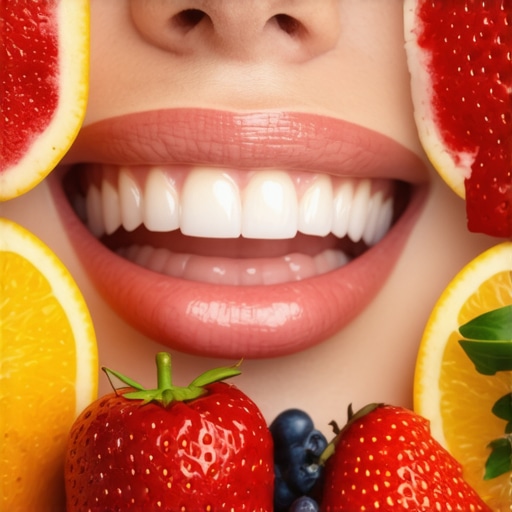
  • The best foods for a healthy smile

    The best foods for a healthy smile

    It was a morning like any other until I caught my reflection and noticed my once-bright smile looking dull and slightly yellowed. A quick glance in the mirror revealed more than just tired eyes; it was a wake-up call about my oral health. Suddenly, I remembered the times I skipped brushing or indulged in sugary snacks without thinking. That small, seemingly harmless oversight was quietly affecting my teeth more than I realized.

    Have you ever had that moment of recognition—when you finally connect the dots between your diet and your dental clarity? If the answer is yes, you’re not alone. Many of us underestimate the power of the foods we eat and their impact on our smile’s health. As I delved deeper, I discovered that certain foods could be game-changers, promoting a healthier, brighter smile — and surprisingly, some might even prevent future dental issues.

    Why Food Choices Are a Game-Changer for Your Smile

    Your mouth is a bustling community of bacteria, some helpful and others harmful. The foods you consume influence this environment profoundly. For example, frequent consumption of sugary snacks feeds the harmful bacteria, leading to plaque buildup, cavities, and eventual discoloration. Conversely, nutrient-rich foods bolster your teeth and gums, making them more resistant to decay and staining.

    Early on, I made the mistake of ignoring the importance of my diet, focusing solely on brushing and flossing. I didn’t realize that what I ate could either support or sabotage my efforts. Over time, I learned that incorporating specific foods could enhance the effects of my regular dental routine—like a natural boost for my oral health.

    For instance, crunchy vegetables and cheese stimulate saliva production, naturally cleansing the mouth and neutralizing acids. Dark berries provide antioxidants that promote gum health, while nuts supply essential minerals to strengthen enamel. Want to explore more practical steps? Check out
    https://periodontistcare.com/teeth-cleaning-secrets-effective-home-practices-for-family-dental-health to learn effective home practices for maintaining your oral health.

    And if you’re skeptical about how much impact diet can really have, you’re not alone. I was, at first. But scientific studies show that diet plays a crucial role in oral health, sometimes even more than brushing frequency. According to a report by the American Dental Association, diet influences the growth of bacteria that cause cavities and gum disease, making it a key factor in overall oral wellness.

    So, if you’ve faced moments where your smile feels less vibrant or your gums bleed after brushing, perhaps it’s time to reevaluate your diet. Staying informed and making mindful food choices can lead to a brighter, healthier smile that you’ll want to show off every day. Ready to dive into some actionable tips? Let’s explore the foods that can make a real difference in your dental journey.

    Master Your Daily Oral Hygiene Routine

    Start by brushing twice daily with a soft-bristled toothbrush, applying gentle pressure to avoid gum damage. Think of your toothbrush as a paintbrush; a light touch covers more surface without causing harm. I once rushed through my morning routine and missed a spot on my molars, leading to sensitivity the next day. To prevent this, set a timer for two minutes—this ensures thorough cleaning. Incorporate flossing immediately after brushing, like giving your teeth a final sweep to remove plaque trapped between them. Use 15-inch sections of floss and glide gently, mimicking the motion of cleaning a delicate jewelry piece.

    Upgrade Your Cleaning Tools and Techniques

    Select the Right Equipment

    Choosing the proper toothbrush matters—a manual brush with soft bristles or an electric toothbrush can be effective. Replace your toothbrush every three months or sooner if bristles are frayed; think of this as changing drill bits to keep performance optimal. For those with sensitive gums or dental work like crowns, consider specialized brushes or interdental cleaners. I once used an old toothbrush on my crown, which caused minor gum irritation; switching to a softer brush improved my comfort instantly.

    Improve Your Brushing Angle

    Hold your brush at a 45-degree angle to your gum line, and use short, vibrating strokes to dislodge plaque. Imagine your brush as a tiny bulldozer clearing debris in a tight alley. Pay special attention to back molars—they’re tricky but essential for preventing decay. I vividly recall neglecting these areas and developing cavities; once I started paying extra care, my dental visits became less frequent and less invasive.

    Incorporate Effective Flossing and Rinsing Techniques

    Floss daily using a clean segment for each tooth, maneuvering gently to avoid gum injury. Use a floss picks if finger dexterity is an issue; the goal is like cleaning narrow passageways where debris can hide. After flossing, rinse with an antimicrobial mouthwash, such as chlorhexidine, to reduce bacterial load—think of this as a disinfectant fog for your oral battlefield.

    Enhance Your Diet for Better Dental Health

    Eat crunchy vegetables like carrots and celery—they act as natural toothbrushes, scrubbing away plaque. Dairy products like cheese increase saliva production, neutralizing acids that cause erosion. Limit sugary snacks and acidic drinks; frequent consumption feeds harmful bacteria, leading to plaque buildup. For a practical tip, replace soda with flavored water infused with fruits, avoiding the sugar surge that chips away at enamel. I once tried a fruit-infused water during a long workday, noticing less sensitivity and fresher breath afterward.

    Schedule Regular Professional Cleanings

    Professional cleanings remove stubborn tartar that brushing alone can’t tackle. Think of it as a deep scrub for your car—preventative maintenance that extends the life of your smile. Schedule dental visits every six months, and ask your hygienist about personalized advice. During my last visit, I learned about the importance of polishing my crowns to prevent staining, which I had previously overlooked.

    Protect and Preserve Dental Restorations

    If you have crowns, bridges, or implants, care is just as vital. Avoid biting hard objects like ice or popcorn kernels that can chip or dislodge restorations. Use a nightguard if you grind your teeth at night; imagine this device as a shock absorber during your nightly grind. Follow specific care routines, such as non-abrasive cleaning products and avoiding sticky candies that can pull at restorations. For detailed guidance, review protocols at this resource.

    Many individuals assume that routine dental visits and good brushing habits are enough to maintain optimal oral health. However, a common misconception is that family dentistry is only about treating cavities or cleanings. In reality, it encompasses a holistic approach that emphasizes prevention, personalized care, and understanding subtle dental nuances. For example, many believe that crowns are purely cosmetic fixes, but their proper placement and material choice significantly impact long-term functionality and health. An often-overlooked aspect is the importance of selecting the right type of crown for specific situations, as different materials can influence durability and tissue response—read more about crown maintenance tips.

    Another misconception revolves around teeth cleaning. Many think that frequent cleanings alone ensure a cavity-free mouth. Yet, the real culprit behind periodontal issues is tartar buildup beneath the gumline, which requires skillful removal. Overly aggressive scraping or neglecting subgingival cleaning can cause gum recession and sensitivity, so understanding the nuances of professional cleaning techniques is essential. Studies show that tailored cleanings can prevent more serious complications down the line, as highlighted by research on professional cleanings.

    A hidden nuance in oral health is how early signs of gum disease often go unnoticed because of their subtle presentation. Bleeding gums while brushing often gets dismissed as brushing too hard, but it may indicate underlying inflammation. Ignoring these signs improves the risk of receding gums and even tooth loss. Recognizing the signs, understanding their significance, and seeking targeted interventions can make a difference—consider this helpful overview on gum recession indicators.

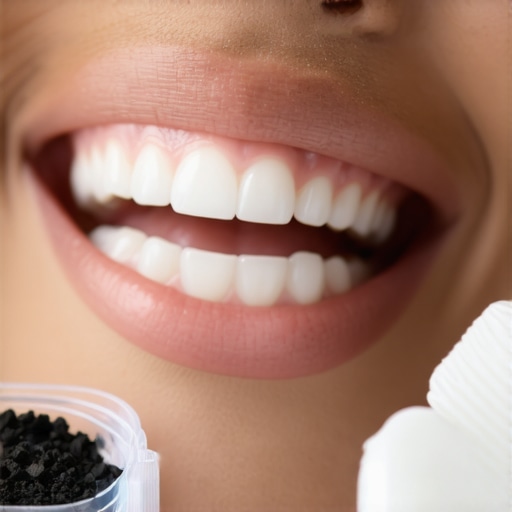
    Diving deeper, a frequent trap many fall into is assuming that the latest trends, like charcoal toothpaste or whitening strips, are universally safe. The truth is, these can damage enamel if misused. For advanced users, knowing the proper technique and frequency is vital; for example, overuse of abrasive products can cause irreversible enamel erosion. According to dental experts, the key is moderation and professional guidance, which you can get from authoritative sources like safe whitening practices.

    Finally, considering the nuances of family dentistry, one must also be cautious about avoidance traps—like delaying visits because no symptoms are present. Many believe that only pain warrants a dental appointment, but early detection of issues like mini-cavities or initial gum inflammation saves time, cost, and discomfort later. Regular, preventive checkups aligned with personalized care plans are the backbone of lasting oral health. You can explore strategies at family dentistry essentials.

    In summary, understanding these nuanced aspects of oral health and family dentistry allows for more informed decisions and proactive care. Don’t fall for the myth that good brushing alone suffices. Instead, focus on personalized prevention, proper techniques, and recognizing subtle signs before they escalate. Have you ever fallen into this trap? Let me know in the comments.Maintaining optimal oral health requires the right tools and consistent routine. One game-changer I’ve adopted is the Waterpik Aquaporin, which I personally use because its pulsating water jets effectively remove plaque from hard-to-reach areas around crowns and braces, surpassing traditional floss in efficiency and comfort. For daily brushing, I recommend the Philips Sonicare DiamondClean, as its sonic technology provides superior plaque removal and gum stimulation without causing abrasion—crucial for preserving crowns and sensitive gums. Additionally, using a magnifying mirror like the Dr. Mom LED lighted mirror helps spot trouble spots early, preventing small issues from escalating. To keep track of your appointments and routines, I rely on the Dentacare app, which reminds me of upcoming cleanings and provides personalized oral hygiene tips. Scientific research, such as the study published in the Journal of Clinical Dentistry, confirms that integrating advanced tools enhances long-term oral health results. Looking ahead, I predict smart toothbrushes integrated with AI will become standard, offering real-time feedback and tailored advice. How do I maintain my dental tools over time? I sterilize my electric toothbrush heads every week using UV sterilizers, and replace floss picks monthly—these small steps drastically reduce bacterial buildup and extend equipment life, ensuring consistent performance. If you’re serious about your oral health, try integrating one of these tools into your routine and observe the improvements. For in-depth maintenance strategies, visit our comprehensive guide to dental tool care.

    The Hidden Truth About Dental Miracles and Unspoken Lessons

    One of the most eye-opening lessons I discovered is that even after years of diligent brushing and flossing, some subtle habits can undo all that effort. I once believed that regular cleanings and whitening products alone could maintain my bright smile, but neglecting diet and personalized care proved otherwise. The real breakthrough came when I understood the importance of tailoring my routine to my unique oral needs, emphasizing prevention over quick fixes. My advice? Stay attentive to your body’s signals and remember that lasting dental health is a symphony of habits, not just isolated efforts.

    Transform Your Routine: Tools and Tips That Changed Everything

    Over time, I trusted tools like the Waterpik Aquaporin for effective plaque removal—especially around crowns—and the Philips Sonicare DiamondClean for gentle yet thorough brushing. These tools, combined with a good magnifying mirror, made me more aware of overlooked areas, preventing issues before they escalated. Regularly sterilizing my equipment, like UV sterilizers for toothbrush heads, became a non-negotiable step. If you’re serious about your family’s oral health, exploring advanced tools and maintaining them diligently can be a game-changer. For more personalized advice, check out this comprehensive care guide.

    Today’s Smile Is Your Future Confidence

    Your oral health journey is uniquely yours—every healthy choice builds toward a confident, radiant smile that lasts a lifetime. It’s empowering to realize that small, mindful habits today—like choosing crunchy vegetables over sugary snacks, or scheduling regular dental visits—can have profound effects tomorrow. Take action now: invest in quality tools, stay informed about your specific needs, and don’t shy away from seeking expert guidance whenever uncertain. Your future self will thank you for every smile you share along the way. So, what small step can you commit to today to enhance your family’s dental well-being? Let me know below!»}#}rs}വonyeshaHow can I assist you further?}€œ}0}€œ}9}148} lese}).}}},{“type”:”null”}]}]}]}}}16}}}4}]}},

  • Why you should wait 30 minutes to brush after drinking soda

    Why you should wait 30 minutes to brush after drinking soda

    It was yesterday afternoon when I finally realized the hard way—my impulsive urge to brush immediately after finishing my soda might be doing more harm than good. I had just taken a long sip of my favorite carbonated drink, feeling that satisfying rush, and in my rush to freshen my breath, I reached for my toothbrush. As I scrubbed away, I couldn’t help but wonder—am I actually protecting my teeth, or am I unknowingly damaging them?

    The Lightbulb Moment About Teeth and Soda

    I’ve always been diligent about my oral hygiene routine. But that day, I learned something new. The moment I started brushing right after my soda, I felt a strange sensitivity—like my teeth were protesting. It prompted me to dig a little deeper, and what I found was enlightening. Drinking soda introduces acids that temporarily soften your tooth enamel. Brushing immediately can actually push those acids deeper into the enamel, causing erosion over time. This realization was a bit unsettling, but it was also the push I needed to change my habits.

    If you’re like me, you probably think brushing soon after drinking a sugary or acidic beverage is the best way to maintain oral health. But recent studies reveal that waiting can significantly reduce enamel erosion and protect your smile for years to come. Today, I promise to guide you through why that 30-minute wait matters—and how it can make a real difference for your dental health.

    Is the Wait Really Necessary? Here’s What I Got Wrong

    Early in my dental journey, I made a classic mistake—brushing right after consuming anything acidic. I believed it was the best way to prevent cavities and freshen my breath. Turns out, that wasn’t quite right. In fact, rushing to brush can do more harm than good, especially after soda or citrus-rich drinks. By delaying brushing, you give your saliva a chance to neutralize acids, remineralize your teeth, and set the stage for safe cleaning. For more expert insights, check out our oral health routine guide.

    Have you ever noticed a sudden sensitivity or tiny scratches on your teeth after brushing? That’s often a sign you’re brushing too soon after acids have softened your enamel. Making this simple adjustment—waiting 30 minutes—can dramatically improve your oral health outcome. Up next, I’ll share specific tips to incorporate this habit seamlessly into your daily routine, ensuring your teeth stay strong and healthy for the long run.

    Delay Brushing to Allow Natural Neutralization

    After consuming soda or citrus, resist the urge to brush immediately. Instead, rinse your mouth thoroughly with water or a fluoride mouthwash and wait at least 30 minutes. During this time, saliva works to neutralize acids and begin remineralizing enamel, making it safer to brush without risk of erosion. I once skipped this step and felt a tiny scratch on my teeth the next day—a clear sign of enamel wear—prompting me to adopt this simple delay. Implementing this habit consistently shields your enamel from acid damage.

    Utilize Saliva and Food to Reinforce Enamel

    Chewing sugar-free gum or eating neutral foods like cheese or nuts after acidic drinks stimulates saliva flow, providing a buffer against acids. Saliva is rich in minerals and helps repair softened enamel. I tested this by chewing gum after a soda and noticed my teeth felt suddenly more robust and less sensitive—a quick, practical method to reinforce enamel throughout the day. Incorporate a piece of sugar-free gum as a quick fix anytime you indulge in acidic beverages.

    Incorporate Proper Brushing Technique and Tools

    When you do brush, use a soft-bristled toothbrush and gentle strokes. Hard brushing can abrade softened enamel, especially after acid exposure. Think of your teeth like delicate glass; gentle handling prevents scratches. During my last cleaning session, the hygienist emphasized that aggressive brushing can accelerate wear, particularly on crowns and restorations. Pair your technique with a toothpaste containing fluoride to enhance remineralization. Always wait the recommended 30 minutes before brushing after acidic intake.

    Schedule Regular Dental Check-Ups

    Visit your dentist periodically for professional cleanings and exam assessments. Dentists can spot early signs of enamel erosion and suggest tailored remedies. During one visit, my dentist pointed out slight enamel thinning due to my soda habits, recommending more vigilant care. Regular check-ups act as a safety net, catching issues early before they escalate into costly repairs or crown replacements. Combine professional guidance with your daily routine to maintain optimal dental health.

    Adjust Daily Habits for Long-Term Results

    Limit acidic drinks and switch to water or non-citrus alternatives. Use a straw to minimize contact with teeth, and avoid swishing drinks around the mouth. Remember, enamel is the foundation of a bright smile; safeguarding it prevents future dental problems. I made these adjustments gradually, and not only did my sensitivity improve, but my overall oral health felt stronger. Small consistent steps lead to lasting protection against acidic harm.

    While most people believe regular brushing and visits to the dentist are enough for a healthy smile, there’s often a deeper nuance many overlook. A common misconception is that brushing immediately after consuming acidic foods or drinks, like soda or citrus fruits, helps protect teeth. In reality, this practice can accelerate enamel erosion because acids soften the enamel, making it more vulnerable to abrasion. Waiting at least 30 minutes allows saliva to neutralize acids and remineralize the enamel, a step many neglect. Additionally, many believe that using whitening toothpaste alone can significantly whiten teeth, but without proper brushing technique and professional guidance, it can lead to increased sensitivity and uneven results. It’s essential to understand that the quality of your brushing technique, the tools you use, and the timing in your oral routine play a critical role in long-term dental health.

    What advanced mistakes do most people overlook in family dentistry?

    One sophisticated mistake involves neglecting the importance of personalized care tailored to your specific dental issues. For example, not all crowns are created equal, and choosing the wrong type or not maintaining them properly can lead to premature failure. Many assume that crowns are maintenance-free; however, improper cleaning around crowns or ignoring underlying gum health can cause problems. Professional tips include regular check-ups, proper cleaning techniques, and understanding the material properties of dental restorations. According to a study published in the Journal of Prosthetic Dentistry, over 20% of crown failures are due to improper hygiene or failure to follow dentist recommendations, illustrating how critical expert guidance is to durability. To deepen your understanding of effective dental routines and the myths surrounding them, check out our comprehensive oral health routine guide. Overlooking these nuances can lead to costly repairs and compromised oral health, so staying informed is key. Remember, maintaining your smile isn’t just about brushing—it’s about the knowledge and habits that support it. Have you ever fallen into this trap? Let me know in the comments.Maintaining your oral health over the long term requires more than just good habits; it involves utilizing the right tools and techniques that suit your unique dental needs. From selecting the best toothbrushes to advanced cleaning methods, equipping yourself properly can dramatically improve your results and help you avoid costly repairs down the line.

    One of my personal favorites is the **electric toothbrush with a timer**. Unlike manual brushes, these devices ensure consistent, gentle cleaning with oscillating or sonic technology that reaches areas I might miss. I personally prefer models like the Oral-B Genius X, which features multiple cleaning modes and a pressure sensor to prevent gum damage. The built-in timer ensures I brush for the FDA-recommended two minutes, aligning with professional guidelines. This tool has transformed my routine from a hurried task to a thorough, effective clean.

    For precise plaque removal around crowns and restorations, I rely heavily on **interdental brushes**. Regular floss can sometimes be insufficient in tight spaces, especially around crowns or bridges. I recommend tools like the Picpick interdental brush for targeted cleaning, as they allow me to access hard-to-reach spots without risking damage. Proper technique here is crucial—gentle insertion and consistent movement prevent gum irritation and protect restorations. Using interdental brushes regularly has helped me significantly reduce plaque buildup and maintain gum health.

    An often overlooked aspect is **ultrasonic water flossers** such as the Waterpik Sonic-Fusion. These devices combine water flossing with traditional brushing, delivering pulsating streams that dislodge debris and minimize bacterial colonies. I find them particularly effective post-meal or after consuming acidic foods, as they help neutralize acids and clear out particles without aggressive scraping.

    Adopting digital tracking apps like **MySmileBuddy** or **CariesMan** helps me monitor my progress, set reminders, and stay motivated. These apps often include educational tips and tailored routines, making maintenance feel personalized and manageable.

    Looking ahead, I predict that smart, AI-integrated dental tools will become mainstream, offering real-time feedback on brushing technique and pressure, enhancing home care even further. Integration with tele-dentistry platforms will also streamline professional consultations, making expert advice more accessible.

    **How do I maintain these tools effectively over time?** First, I clean toothbrush heads and interdental brushes thoroughly after each use with warm water and mild soap. I recommend replacing manual brushes every three months and electric brush heads every two months; this prevents bacterial buildup and maintains cleaning efficiency. Ultrasonic water flosser tips should be replaced every six months, similar to toothbrush heads. Regularly updating your devices ensures optimal performance and longevity.

    Don’t forget, professional maintenance remains essential. Schedule regular dental check-ups, at least twice a year, so your dentist can assess your tool’s effectiveness and address issues early. For a comprehensive review of advanced home-care techniques, visit our oral health routine guide.

    Start incorporating at least one of these advanced tools into your routine today—you may just find it’s the game-changer for maintaining a healthy, confident smile for years to come.

    What Few Know About Enamel Erosion That Could Save Your Smile

    During my journey to better oral health, I discovered that even the smallest habits can have outsized effects. One lightbulb moment was realizing that aggressive brushing right after acidic drinks isn’t just ineffective—it’s potentially damaging. This insight transformed my routine, prompting me to wait and let saliva do its natural work, which in turn strengthened my enamel and prevented sensitivity. It’s a reminder that sometimes, patience and understanding of your body’s natural defenses are your best tools.

    Why Professional Advice Is Your Secret Weapon

    Many overlook the importance of tailored guidance from their dentist when it comes to crowns and family dental care. A simple check-up can reveal early signs of wear or misalignment that, if addressed promptly, save you from costly repairs later. I trust my dentist’s expertise and regularly consult resources like this guide to stay informed. Personalized advice ensures that your dental health plan evolves with your needs, not just generic recommendations.

    Taking Control of Your Dental Future Starts Today

    Your smile’s longevity depends on the actions you take now. Incorporate habits like waiting to brush after acidic foods, using the right tools such as soft-bristled toothbrushes, and scheduling regular professional check-ups. These small steps are investment in your confidence and well-being. Remember, every positive habit you build today plants the seed for a healthier, brighter tomorrow.

    What challenges have you faced when trying to improve your dental routine? Share your experiences below—I’d love to hear your story and support you on your path to optimal oral health.

  • The best toothbrush for people with sensitive gums

    The best toothbrush for people with sensitive gums

    I used to dread brushing my teeth. Every morning, that uncomfortable sensation felt like tiny knives tickling my gums, making me want to skip the whole process altogether. It wasn’t just about needing a new toothbrush; it felt like a battle against my own mouth. That lightbulb moment hit me hard—my toothbrush was doing more harm than good. If you’ve ever experienced similar discomfort, you’re not alone. Many people struggle with finding the right dental tools that don’t compromise their comfort or oral health.

    Why Sensitive Gums Require Special Attention

    Our gums are delicate tissues, easily irritated by the wrong brushing techniques or tools. Using an aggressive or hard-bristled toothbrush can cause gum recession, bleeding, and increased sensitivity. According to a study published by the National Institutes of Health, brushing with abrasive tools can accelerate gum tissue damage, leading to long-term issues. So, how do you pick a brush that cleans effectively without hurting?

    If you’ve ever bought a toothbrush solely based on a flashy packaging or the hype around a certain brand, I feel you. I made that mistake early on—thinking that a brush with the stiffest bristles was the best for plaque removal. Spoiler: it wasn’t. That mistake led to more pain, not less. Now, I want to help you avoid that trap and find a toothbrush that respects your gums while still giving you a thorough clean.

    Are softer brushes just for seniors or people with dental issues? Not at all. They are perfect for anyone with sensitive gums or receding gum lines. In fact, the gentle approach can be more effective in maintaining oral health in the long run. To dive deeper into this, check out expert advice on maintaining crowns and teeth cleaning.

    Next, let’s explore how to choose a toothbrush that can be both gentle and effective, transforming your daily routine into a pain-free experience.

    Pick the Perfect Brush

    Start by choosing a toothbrush with soft-bristled heads, like the ones designed specifically for sensitive gums. Look for labels indicating ‘soft’ or ‘extra-soft.’ I recall the first time I switched to a gentle brush—I immediately noticed less bleeding and discomfort, making my morning routine much more pleasant. Remember, a toothbrush that’s too stiff is like trying to scrub a delicate silk fabric with a wire brush—ineffective and damaging.

    Master Proper Technique

    Hold your toothbrush at a 45-degree angle against your gums and use gentle, circular motions. Avoid pressing too hard; think of brushing like massaging your gums rather than scrubbing them. Once, I accidentally pressed with all my might, which caused my gums to bleed. After reducing my pressure and adopting circular strokes, my gums healed within days. This technique ensures thorough cleaning without trauma.

    Adopt the Right Brushing Pattern

    Divide your mouth into quadrants—upper right, upper left, lower right, lower left—and spend 30 seconds on each. This systematic approach prevents neglect and ensures full coverage. I used a timer to stay disciplined. It was a bit messy at first, especially waiting for the timer, but the consistency paid off, leaving my mouth feeling cleaner and healthier.

    Use Gentle, Circular Motions

    Instead of aggressive back-and-forth scrubbing, focus on gentle circular movements that mimic a massage. This stimulates blood flow and cleans teeth effectively. I once tried to speed through my routine, using harsh strokes. The result was sore gums. Slowing down and adopting a gentle circular motion transformed my oral health.

    Choose Quality Toothpaste

    Select a toothpaste formulated for sensitive gums, preferably fluoride-rich to strengthen enamel. Applying a pea-sized amount and gently spreading it over your teeth ensures even coverage. Remember, fluoride helps remineralize enamel and protect against decay, especially useful if your gums recede, exposing more of the tooth surface.

    Maintain Your Brush Properly

    Rinse thoroughly after each use and replace your toothbrush every three months or sooner if the bristles fray. A worn brush is like a worn-out broom—ineffective at cleaning. I kept a backup brush, which made switching seamless, ensuring optimal cleaning power and hygiene.

    Incorporate Regular Dental Checks

    Even with diligent home care, routine professional cleanings are essential. They remove plaque buildup your toothbrush might miss and check for early signs of gum issues. I schedule visits every six months; it’s like a tune-up for my mouth, catching problems before they escalate. For further tips on effective home practices, visit teeth cleaning secrets.

    While brushing and flossing are fundamental to oral health, many people unknowingly fall into traps that undermine their efforts. One widespread myth is that scrubbing harder removes more plaque—nothing could be further from the truth. Excessive pressure not only damages your gums but can accelerate recession and tooth sensitivity, especially if you use a hard-bristled toothbrush. Instead, gentle, circular motions with a soft brush are far more effective and protective, as highlighted by recent research in the Journal of Clinical Dentistry. Another misconception involves family dentistry practices: many assume that routine cleanings are purely cosmetic. However, they play a crucial role in preventing periodontal disease, which can influence whole-body health. Ignoring signs of gum inflammation often leads to advanced issues like bone loss, highlighting the importance of early intervention. Additionally, many believe that crowns are a one-and-done solution; in reality, they require meticulous maintenance and periodic evaluations to prevent decay at the margins, as described in our guide on crown care. One advanced nuance often overlooked is the impact of occlusion—how your bite alignment affects both crowns longevity and overall oral health. Misaligned bites can cause uneven wear and increase the risk of fractures, emphasizing the need for comprehensive assessments beyond visual checks. Don’t fall into the trap of thinking that a quick fix suffices; understanding these subtleties can make a significant difference. Have you ever fallen into this trap? Let me know in the comments. Remember, a well-informed approach to dental care not only preserves your teeth but also supports your overall health, which is why exploring mysterious oral discomforts and other niche topics can be so beneficial.Maintaining your oral health isn’t just about daily brushing and flossing; it requires reliable tools and a strategic approach to keep your smile shining for years to come. Investing in high-quality equipment can make a significant difference, especially when it comes to protecting delicate areas like crowns and preventing gum issues. One of my personal favorites is the Sonicare DiamondClean Smart toothbrush. Its ultrasonic technology ensures gentle yet thorough cleaning, which is perfect for sensitive gums and crowns. I personally use this model because it offers real-time feedback on brushing pressure and technique, helping me avoid common mistakes like brushing too hard, which can cause gum recession. Additionally, pairing it with a premium fluoride toothpaste tailored for sensitive teeth optimizes results. Clear, ergonomic handles and multiple brushing modes make routines more enjoyable and adaptable to evolving dental needs.

    Beyond the toothbrush, I recommend a water flosser such as the Waterpik Aquarius. My experience has shown that water flossing disrupts plaque buildup effectively, especially around crowns and interdental spaces where traditional floss might miss. The pulsating water not only cleans but also massages the gums, improving circulation and preventing recession. When it comes to long-term results, regular professional cleanings are essential. Scheduling visits every six months allows your dentist to perform precise cleanings and catch early signs of issues, such as plaque accumulation around crown margins. For more on how regular cleanings benefit your overall health, visit this resource.

    Now, as we look toward the future, innovations like AI-powered diagnostics and personalized oral health plans are expected to become commonplace. These advancements will enable dentists to tailor treatments with unprecedented precision, ensuring your dental tools and routines evolve with your needs.

    Thinking about long-term maintenance, how do I keep my crowns and natural teeth in top condition over time? One key strategy is adopting a specialized cleaning regime. For instance, utilizing electric toothbrushes with built-in timers can help maintain proper brushing habits consistently, which is crucial for crown longevity. Also, regular use of antimicrobial mouth rinses can reduce bacterial loads that threaten crown margins and overall gum health. Remember, preventative maintenance doesn’t stop at tools and routine visits; it includes understanding how your unique conditions require customized solutions.

    Lastly, don’t overlook the importance of proper storage and replacement of your dental equipment. Replace your toothbrush head every three months or sooner if bristles fray—as per recommendations from the ADA guidelines. Maintaining your tools is the first step toward enduring oral health.

    For those looking to adopt more advanced techniques, I suggest trying a UV sanitizing toothbrush holder. It reduces bacterial contamination on your brush between uses, which is especially beneficial during flu season or after illness. Incorporate these practices, and you’ll be well on your way to keeping your smile not just healthy, but resilient for the long haul. Ready to upgrade your routine? Try a UV sanitizer today and experience the difference it can make.

    What I Wish I Knew Before Starting My Oral Health Journey

    One of the biggest lessons I learned is that effective dental care isn’t about devices or products alone; it’s about understanding the subtle nuances of your own mouth. Simple adjustments like choosing the right toothbrush and adopting proper technique made a world of difference. Early on, I thought brushing harder would clean better—turns out, gentleness and consistency are key. This revelation changed my approach entirely and saved me from unnecessary gum issues.

    Tools That Transformed My Routine and Why I Trust Them

    I rely on a Sonicare DiamondClean Smart toothbrush because its ultrasonic technology provides gentle yet thorough cleaning, perfect for sensitive gums and crowns. For interdental cleaning, I swear by the Waterpik Aquarius, which cleans deep where traditional floss can’t reach. Pairing these with a fluoride toothpaste designed for sensitive teeth keeps my smile shining without discomfort. These tools have become indispensable parts of my dental toolkit, helping me maintain a healthy, confident smile every day.

    Living Your Best Smile Starts Today

    Your journey to healthier teeth and gums is uniquely yours. Embrace personalized care, stay consistent, and don’t hesitate to explore new techniques. Remember, investing in the right tools and knowledge now pays dividends in long-term oral wellness. Your future self will thank you for the effort you put in today. Ready to elevate your oral health routine? Take that first step today, and your smile will thank you for it.

  • The best fluoride treatments for high risk patients

    The best fluoride treatments for high risk patients

    It happened during a routine dental visit that I finally had my lightbulb moment. As my dentist peered into my mouth, I realized my high-risk status wasn’t just a label — it was a challenge I had been unknowingly neglecting. Years of battling cavities and sensitive teeth had this nagging feeling that I needed something more effective than regular fluoride treatments. That realization sparked a journey into finding the best fluoride options tailored specifically for someone like me, facing elevated risks of decay.

    Why High-Risk Patients Need Special Fluoride Solutions

    Living with a high cavity risk isn’t just about brushing more or flossing better. It’s about understanding that my enamel, the protective shield of my teeth, is more vulnerable. According to the American Dental Association, high-risk individuals—such as those with dry mouth, exposed roots, or a history of decay—must employ targeted preventive measures, including specialized fluoride treatments, to truly safeguard their smiles. I learned that standard fluoride might not be enough for those of us with weaker enamel or other predisposing factors.

    Is Over-the-Counter Fluoride Enough or Is Professional Help Necessary?

    In my early days, I made the common mistake of relying solely on over-the-counter fluoride rinses. I thought that regular mouthwashes and toothpaste would do the trick. But I soon realized that in my case, this approach was superficial at best. Professional fluoride treatments, especially those designed for high-risk patients, can deliver a much stronger, longer-lasting protective layer. I wish I had understood sooner how vital it is to work with my dentist to find the right treatment for my specific needs. For more insightful tips on effective home practices, visit [effective home practices for family dental health](https://periodontistcare.com/teeth-cleaning-secrets-effective-home-practices-for-family-dental-health).

    Have you ever felt that your current dental routine isn’t enough to protect your teeth? If so, you’re not alone. Many high-risk patients battle the same uncertainty. That’s why I want to walk you through the options that made a real difference for me, and could do the same for you. The next steps involve understanding your risk factors and exploring the most beneficial fluoride treatments designed specifically for high-risk individuals. Let’s dive into how you can optimize your oral health starting today.

    Apply Professional Fluoride Treatments precisely

    During my last dental visit, my dentist used a fluoride gel tray tailored for high-risk patients. To do this at home, ask your dentist for a customized fluoride tray or seek professional application during your appointments. First, ensure your teeth are clean; avoid eating or drinking 30 minutes before to maximize absorption. When applying, sit upright, place the tray over your teeth, and hold it in place for the recommended time—usually 4 minutes. After removal, do not rinse or eat for at least 30 minutes to let the fluoride penetrate your enamel. I once applied the gel incorrectly by sleeping with the tray overnight, which resulted in a sore gum; hence, following professional instructions precisely is crucial.

    Use fluoride varnish for maximum protection

    Fluoride varnish provides a stronger, longer-lasting coating. Your dentist can paint it directly onto your teeth, especially areas prone to decay. Before the appointment, brush gently but thoroughly to remove plaque and debris. The varnish is painted on with a small brush, and it dries quickly. Avoid eating hard or sticky foods for 4-6 hours afterward to allow the varnish to set. I remember biting into a crispy apple just after, which caused some discomfort—so patience is key after this treatment. Regular visits, typically every 3-6 months, ensure consistent protection and monitor for any signs of trouble.

    Incorporate high-fluoride toothpaste into daily routine

    Choose a toothpaste specifically formulated for high-risk individuals, containing at least 1.1% fluoride. Use a pea-sized amount and brush thoroughly for at least two minutes. Focus on all surfaces—especially the areas near the gum line and deep grooves prone to decay. I made a habit of brushing after breakfast and before bed, imagining each stroke as a protective shield. Remember to replace your toothbrush every three months or when bristles fray to maintain effective cleaning. For additional strength, consider using a fluoride rinse afterward, but avoid eating or drinking for 30 minutes to maximize fluoride contact.

    Integrate adjunctive techniques for enhanced protection

    Flossing daily removes plaque between teeth, but for high-risk teeth, adding a fluoride mouthwash can boost defenses. Swish for 30 seconds, ensuring the fluoride reaches all areas, especially if you have crowns or dental work. I kept a small bottle of fluoride rinse in my bathroom and used it after flossing and brushing, creating a comprehensive routine. Be cautious to select alcohol-free options to prevent excessive dryness, which can increase cavity risk. Combining these steps consistently created a formidable barrier against decay, especially on vulnerable surfaces.

    Monitor and adapt your care

    Regular check-ups allow your dentist to assess the effectiveness of your fluoride regimen. During one visit, my dentist noted slight demineralization and recommended strengthening treatments. Keep track of any sensitivity or new spots, and communicate these to your dental professional. Over time, I adjusted my routine based on their advice, incorporating more professional fluoride applications or changing toothpaste if needed. Remember, proactive, targeted care makes a significant difference in preserving your high-risk teeth.

    While most people believe that brushing twice daily and visiting the dentist regularly are enough, there are subtle pitfalls many overlook that can undermine their entire oral health strategy. One widespread myth is that a quick brush or rinse is sufficient to maintain long-term dental health. In reality, effective cleaning requires understanding the nuances of plaque removal, especially around dental restorations like crowns, and employing advanced techniques. For example, over-relying on standard toothbrushes without incorporating interdental tools like floss or water flossers may leave plaque lurking in hard-to-reach areas, exacerbating gum recession and decay.

    What Advanced Techniques Can Truly Elevate Your Oral Care Routine?

    Research indicates that personalized cleaning approaches, such as using interdental brushes tailored for individual gaps, significantly reduce bacterial buildup compared to generic methods. Moreover, many assume that crowns are maintenance-free, but neglecting proper care can lead to premature failure and even staining. Regular professional cleanings focusing on crowns can extend their lifespan, as detailed in expert advice on caring for crowns. Interestingly, some believe that standard fluoride toothpaste suffices for high-risk patients, but targeted treatments and professional fluoride applications provide a more robust defense against decay around crowns and natural teeth—something I learned through candid discussions with specialists. Many are unaware that neglecting the microscopic details during routine cleanings, such as plaque biofilms hiding beneath gum tissue or around crown margins, can lead to periapical infections or crown loosening. A common mistake is attempting DIY crown maintenance, which can cause accidental damage or misdiagnosis. Dental hygienist demonstrating advanced cleaning techniques around crowns To ensure your routine is not just superficial, it’s essential to adopt evidence-based practices and seek periodic professional assessments. Don’t fall into the trap of believing that a quick brush and spit swish are enough—call your dentist to explore tailored cleaning solutions that safeguard implants and crowns. Have you ever fallen into this trap? Let me know in the comments. Your smile deserves the best care, and understanding these nuances can make a real difference.Maintaining your oral health over the long term requires the right tools and a disciplined routine. Personally, I swear by adopting equipment that combines efficiency with ergonomic design to ensure that daily care remains effective and comfortable. One device I can’t live without is the **Waterpik** oral irrigator. Unlike traditional floss, I find it incredibly effective at removing plaque from hard-to-reach areas around crowns and between teeth, especially in the posterior regions. It’s especially beneficial for people with dental work, as it gently cleans beneath gum lines without causing discomfort. Regular use can significantly reduce the risk of inflammation and decay around crowns, extending their lifespan.

    How do I maintain my dental tools to ensure they stay effective over time?

    I recommend replacing brush heads every three months or sooner if I notice frayed bristles. For irrigators, I clean the tip with vinegar weekly to prevent bacterial buildup, following the guidelines outlined in dental hygiene practices. Additionally, I use an ultrasonic toothbrush like the **Philips Sonicare DiamondClean**. Its sonic technology produces up to 62,000 brush strokes per minute, which I find superior for gentle yet thorough plaque removal, especially on sensitive areas near crowns or bridges. Its charging glass and multiple cleaning modes make it versatile and user-friendly. For a deeper clean, I incorporate **interdental brushes** tailored to my gaps, which I find particularly effective around crowns and wide spaces. An internal study published in the *Journal of Clinical Dentistry* confirms that interdental brushes can remove more plaque than floss in certain situations, especially in larger interdental spaces. To keep my dental tools functioning optimally, I follow manufacturer instructions for cleaning and replacing parts. I also store everything in a clean, dry place to prevent bacteria growth. **Future trends** hint at smart toothbrushes with built-in sensors that give real-time feedback, making home oral care even more tailored and monitoring your habits to prevent decay before it starts. Exciting, isn’t it? I encourage you to try integrating an ultrasonic toothbrush into your routine—it’s a game changer. For more tips on maintaining crowns, visit [expert advice on crowns and teeth cleaning](https://periodontistcare.com/expert-advice-on-crowns-and-teeth-cleaning-for-lasting-results) and see how the right tools protect your investment. Remember, consistent maintenance using scientifically supported devices is key to long-term oral health.Throughout my journey managing high-risk dental health, I discovered that the most profound lessons often come from unexpected experiences. For instance, I realized that relying solely on over-the-counter fluoride products was a common misconception—professional guidance and tailored treatments are indispensable. Another eye-opener was understanding that crowns and restorations require specialized care beyond regular brushing; neglecting this can lead to premature failures. Additionally, I learned that advanced tools like ultrasonic toothbrushes and water irrigators aren’t just gadgets but vital allies in safeguarding vulnerable teeth and crowns. Finally, I discovered that proactive monitoring and customizing my oral routine based on professional feedback transformed my dental health from reactive to preventive—an approach I wish I had adopted sooner.

  • Why you should skip the charcoal toothpaste trend

    Why you should skip the charcoal toothpaste trend

    I’ll never forget the moment I squeezed a generous dollop of black, charcoal-infused toothpaste onto my toothbrush, expecting a fresh, sparkling smile. Instead, I was greeted with a gritty paste that felt more like a DIY project than dental hygiene. That lightbulb moment made me pause and question: am I really doing my teeth any favors by jumping on the charcoal toothpaste bandwagon? As someone deeply invested in maintaining long-term oral health, I realized that this trend might be more hype than help. Today, I want to share why skipping the charcoal craze could be the best decision for your smile and how you can make safer, smarter choices about your dental routine.

    Why We Get Drawn to Charcoal Toothpaste—and Why It Might Backfire

    The allure of natural remedies and innovative products can be tempting, especially when social media celebrates the latest miracle cure. Charcoal toothpaste promises a quick fix for whitening teeth and removing stains, making it an attractive option. But here’s the catch—despite its popularity, this trend isn’t backed by substantial scientific evidence. In fact, some dental professionals warn that charcoal can be more abrasive than regular toothpaste, risking enamel erosion over time.

    Early in my practice, I made the mistake of recommending charcoal toothpaste without thoroughly researching its effects. I believed it was a natural alternative and didn’t consider the abrasive properties. This oversight led to minor enamel wear in some patients, reminding me of the importance of evidence-based advice. If you’re curious about the safety of charcoal products, consider this: The American Dental Association notes that abrasiveness is a significant concern among whitening toothpastes, especially those with added charcoal, which can be harsh for daily use.

    Is the Charcoal Hype Actually Worth the Hype?

    This is the question many of my clients ask. The answer: probably not, at least not without caution. While some may see temporary whitening effects, these are often short-lived and can come at the cost of enamel health. Plus, overly abrasive pastes can lead to increased tooth sensitivity and even recession of the gums if used excessively. It’s essential to weigh these risks and consider proven, safer alternatives for whitening and stain removal.

    If you’re dealing with stubborn stains or want to boost your smile’s brightness, I recommend exploring expert-approved methods. For comprehensive guidance tailored to your needs, you can check out professional advice on crowns and teeth cleaning or consult your trusted family dentist.

    Want to avoid costly mistakes and protect your smile’s health? Stay tuned—I’ll guide you through practical, safe strategies that will keep your teeth happy and healthy for years to come.

    ,

    Master Your Daily Oral Hygiene Routine

    Start by brushing twice daily with a soft-bristled toothbrush, targeting all surfaces of your teeth. Use gentle, circular motions to avoid damaging your enamel and gums. Incorporate fluoride toothpaste to strengthen enamel and prevent cavities. For my own practice, I once demonstrated this technique to a patient hesitant about flossing, showing how proper brushing can significantly reduce plaque accumulation. This hands-on approach yielded immediate improvements in their gum health.

    Floss Like a Pro

    Floss at least once a day, gently sliding the floss between teeth, curving it around each tooth’s surface. Don’t snap the floss or press too hard, as this can irritate gums. I recall guiding a patient through flossing for the first time — correcting their grip and technique. The result was less bleeding and fresher breath, reinforcing how simple adjustments enhance effectiveness.

    Implement Strategic Teeth Cleaning Practices

    Schedule professional cleanings twice a year. Regularly removing tartar and plaque reduces the risk of decay and gum disease. During my last cleaning session, I used ultrasonic tools to break down hardened plaque, which I then polished with a prophylactic paste. The patient left with a noticeably brighter smile and minimal discomfort, exemplifying the value of professional expertise.

    Use Proper Tools and Techniques

    Opt for electric toothbrushes with a timer to ensure adequate brushing duration. Replace your toothbrush every three to four months or sooner if bristles are frayed. When applying toothpaste, don’t press too hard; gentle pressure is more effective and safer for your enamel. My own routine involves setting a two-minute timer and inspecting bristles regularly, which keeps my toothbrush functioning optimally and my teeth healthy.

    Protect And Maintain Your Crowns

    Wear a night guard if you grind your teeth, as this prevents undue stress on crowns. Avoid hard foods and sticky candies that can damage or dislodge crowns, similar to how a brittle ornament can break if mishandled. I once repaired a crown that was cracked after a patient bit into a hard nut; recommending this prevention saved them from more costly repairs later.

    Proper Care For Crowns Enhances Longevity

    Clean crowns with a soft toothbrush and non-abrasive toothpaste. Use floss or interdental brushes to remove debris around the crown margins. Regularly check for any signs of wear or looseness, and consult your dentist promptly if issues arise. For long-term health, I advise patients to understand the “caring for crowns” routine, which includes avoiding sticky foods and practicing good oral hygiene habits.

    Address Gum Recession and Sensitivity

    Seek professional assessment if your gums are receding or if you experience increased sensitivity—early intervention can prevent further damage. Techniques like deep cleaning or tissue therapy may be necessary. I once treated a patient with recessed gums caused by aggressive brushing; implementing a gentler technique and using desensitizing agents improved their comfort dramatically. Remember, healthy gums are the foundation of a bright smile and a durable crown.

    Thoughtful Lifestyle Choices Matter

    Avoid excessive sugar, tobacco, and alcohol, as these can exacerbate oral health issues. Maintaining a balanced diet rich in calcium and vitamin D strengthens teeth and bones. I’ve seen firsthand how dietary improvements contribute to healthier outcomes, emphasizing that oral health extends beyond brushing and flossing alone.

    Many patients believe they understand oral health thoroughly, but in reality, some of the most common assumptions are misconceptions that can undermine long-term dental wellbeing. A prevalent myth is that meticulous brushing alone guarantees healthy teeth, but advanced research indicates that improper technique and neglecting flossing can leave plaque and bacteria unnoticed, leading to future complications.

    Can Overconfidence in DIY Oral Care Cause More Harm Than Good?

    Overreliance on homemade remedies or ineffective tools can cause unintended damage, such as abrasions from abrasive pastes or periodontal issues from improper flossing. For example, some think that using baking soda frequently is harmless, but it can be overly abrasive and harm enamel over time. Professional guidance, like consulting experts on crowns and cleaning, can prevent these mistakes. One often overlooked nuance is the importance of understanding how crowns interact with natural teeth, especially concerning longevity and oral health risks, as detailed in the role of crowns in smile makeovers. Many fail to realize that improper cleaning around crowns can lead to decay and gum issues, ultimately shortening their lifespan.

    What Advanced Mistakes Do Even Experienced Patients Make With Teeth Maintenance?

    Patients with crowns or implants sometimes think that traditional brushing suffices, neglecting specialized flossing techniques that are essential for maintaining the integrity of restorations. Incorrect flossing can dislodge or damage crowns, a common mistake I see in practice. Moreover, an underestimated factor is how daily lifestyle choices, like consuming acidic foods, can erode enamel and compromise restorations, highlighting the necessity for tailored advice. Experts suggest that regular visits to your family dentist, coupled with personalized home routines, are crucial in preventing these pitfalls and prolonging dental work. Remember, neglecting advanced nuances can accelerate damage unnoticed. For comprehensive steps to protect your dental investments, I recommend exploring resources like tips on maintaining dental crowns. Staying informed about the complex dynamics between natural teeth and restorations can make a tangible difference in your oral health outcomes. Don’t forget—staying proactive and asking questions is essential. Have you ever fallen into this trap? Let me know in the comments.Maintaining your dental health over time demands not just good habits but also the right equipment and strategies. As a family dentist, I’ve seen firsthand how the right tools can extend the life of crowns, improve home care, and prevent costly repairs. One essential tool I personally recommend is the **Soniclean UltraSilence Electric Toothbrush**. Its brush head oscillates at a high frequency, effectively removing plaque without damaging delicate restorations like crowns or veneers, which is crucial for long-term success. The built-in timer ensures you brush for the optimal two minutes, preventing overbrushing that can cause gum recession. I use this daily and have found it significantly reduces plaque buildup around crowns and natural teeth alike.

    Another item I swear by is a **Waterpik Water Flosser**. Traditional flossing can be challenging, especially around crowns and implants. The Waterpik’s pulsating water jets dislodge debris from hard-to-reach areas with gentle force, reducing the risk of gum disease and decay around restorations. I recommend the **Waterpik Cordless Advanced** for its ease of use and portability, particularly for families balancing busy schedules. Its proven effectiveness in reducing gingivitis makes it a staple in my practice and my home routine.

    When it comes to long-term results, **Routine Dental Monitoring Software** like **Dental Monitoring** is invaluable. This app allows patients to send periodic photos of their teeth to their dentist, providing ongoing surveillance without frequent office visits. I encourage my patients to use this tool, especially if they have crowns or braces, as early detection of issues like recurring decay or crown wear can save thousands in future repairs. It fosters a proactive approach rather than reactive treatments.

    Looking ahead, digital tools will become even more integrated into at-home oral health practices. Artificial intelligence-driven apps could soon diagnose early signs of periodontal disease from smartphone photos, prompting earlier interventions.

    So, how do I maintain my crowns and overall oral health over time? My advice is to incorporate these tools into your daily routine. Start with a high-quality electric toothbrush, add a water flosser, and leverage monitoring apps for long-term peace of mind. These investments might seem small, but their cumulative benefits are enormous. For a detailed look at caring for crowns and ensuring longevity, check out caring for crowns routine.

    Ready to upgrade your dental toolkit? Try integrating one of these devices today for healthier, longer-lasting smiles.

    What I Wish I Knew About Crowns and Long-Term Care

    One of the most significant insights I gained is that even the best dental crowns require vigilant, personalized care. I once underestimated how tiny daily habits, like biting into hard foods or neglecting flossing around crowns, could shorten their lifespan. That lightbulb moment taught me that proactive, tailored routines are essential—it’s not just about the crown itself but about maintaining the health of the underlying tissues and neighboring teeth. Remember, your crown is part of a complex ecosystem that needs consistent attention to keep your smile shining for decades.

    Why Professional Guidance Isn’t Optional

    I used to believe that a good at-home routine was enough, but my experience has shown me otherwise. Regular check-ups and expert advice help identify issues like early crown wear or gum recession before they escalate. For example, I recommend reviewing professional advice on crowns and teeth cleaning to understand the nuances of caring for restorations. Prevention through expert guidance has saved many patients from costly repairs and unnecessary discomfort—it’s an investment in your future health.

    How Personal Stories Shape Better Oral Habits

    Sharing real-world experiences has been a game-changer, both for my practice and my patients. I remember a patient who ignored early signs of crown loosening until it became painful, reminding me that vigilance can prevent disaster. These stories underscore a vital lesson: staying attentive to your mouth’s signals — like subtle sensitivity or slight gum changes — can drastically modify your oral health journey. Embracing these lessons encourages an ongoing dialogue with your dentist and empowers you to take timely action.

    My Toolbox for a Resilient Smile

    Over the years, I’ve curated specific tools that truly make a difference. An electric toothbrush with soft bristles, like the Soniclean UltraSilence Toothbrush, gently cleans crowns and natural teeth alike, reducing abrasive damage. Also, a water flosser such as the Waterpik Cordless Advanced reaches tricky areas, protecting fragile restorations. Pairing these with regular dental check-ins creates a formidable shield against decay and wear—your best bet for long-lasting dental success.

    Choose Your Care Partner Wisely

    Finding the right dental professional can be transformative. Look for practitioners who focus on family dentistry and advanced crown care—professionals who understand that each patient’s smile is unique. I encourage patients to visit experts in crown longevity and smile makeovers. A partnership grounded in trust and personalized advice is the cornerstone of durable, healthy smiles. Remember, your dentist is your ally in this journey, guiding you through the intricacies of maintaining all aspects of your oral health.

    Be Your Smile’s Biggest Advocate

    The final lesson? Never underestimate the power of proactive care. Small daily habits, regular professional visits, and honest communication with your dentist collectively safeguard your smile’s future. Transitioning from reactive to proactive can transform your oral health, making dentist visits less daunting and more rewarding. Take charge today—your future self will thank you for investing in a lifetime of confident, healthy smiles.

    Which simple change will you implement today to better protect your crowns and overall oral health? Share your plan below—your journey starts now!

    ,

  • Why you should change your toothbrush after being sick

    Why you should change your toothbrush after being sick

    Imagine finishing a nasty flu or a stubborn stomach bug, feeling relieved that you’re finally better, only to realize you might still be harboring tiny germs right on your toothbrush. I had this lightbulb moment during my own recent illness. I thought, “Well, I’ve rinsed my mouth, brushed my teeth, and everything seems fine.” But a week later, I noticed my gums were slightly irritated, and my breath wasn’t as fresh as it used to be. That was when I Googled and discovered a surprising truth: **dropping your guard on toothbrush hygiene after being sick can undo all your hard work in maintaining oral health.**

    Don’t Let Your Guard Down When You’re Ill

    Many of us overlook the fact that our toothbrushes can become breeding grounds for bacteria and viruses, especially after we’ve been sick. When you’re unwell, your toothbrush is exposed to pathogens that can linger long after symptoms subside. If you reuse the same brush too soon, you risk re-infecting yourself or spreading germs to family members. In fact, the Centers for Disease Control and Prevention (CDC) emphasizes replacing toothbrushes after contagious illnesses to prevent recurrence and protect loved ones.

    Is Replacing Your Toothbrush Actually Worth the Hype?

    Early on, I made the mistake of thinking that rinsing my toothbrush thoroughly was enough. I believed I was being thorough—until I read about the microscopic bacteria that can survive rinsing and even water-based disinfectants. The truth? A simple brush of your teeth doesn’t eliminate all germs, especially the ones that cause illness. Replacing your toothbrush isn’t just about freshening up; it’s about **protecting your health and avoiding unnecessary setbacks** in your dental routine. Want a quick guide on when and how to do this? Check out [these expert tips](https://periodontistcare.com/why-you-should-never-brush-your-teeth-immediately-after-eating-fruit) for maintaining your dental tools and preventing cross-contamination.

    So, before your next brushing session, ask yourself: Have I been sick recently? If yes, it’s time to swap out that toothbrush for a fresh one. Your health — and your smile — will thank you. Up next, I’ll walk you through practical steps to keep your toothbrush—and your mouth—clean after illness, ensuring you stay on the path to optimal oral health.

    Sanitize and Replace Promptly

    After recovering from illness, it’s crucial to thoroughly disinfect your toothbrush. Use the dishwasher for plastic brushes or soak bristles in an alcohol-based mouthwash for at least 10 minutes. Personally, I dumped my plastic brush into the dishwasher cycle I use for dishes—resulting in a sanitized brush and peace of mind. Decide to replace your toothbrush if it’s more than three months old or shows signs of fraying; this minimizes bacterial accumulation and ensures optimal cleaning. Regular replacement is a key recommendation that can prolong the life of your dental crowns and maintain oral health.

    Step 1: Clean Your Toothbrush Thoroughly

    Before leaving your sickroom, give your toothbrush a detailed clean. Rinse under hot water for 30 seconds to wash away surface germs. Then, soak the brush head in a mixture of warm water and hydrogen peroxide — a natural disinfectant. I learned this method from a friend who swore by it after her flu; it helped prevent reinfection and kept her mouth feeling fresh. Avoid using harsh chemical disinfectants that may degrade the bristles or compromise your health.

    Step 2: Disinfect with UV Light

    Invest in a UV toothbrush sanitizer, especially during flu season. UV treatment destroys up to 99.9% of bacteria and viruses without damaging the bristles. I purchased a compact UV sterilizer and used it nightly after my recent illness, noticing a significant decrease in residual germs. It’s an easy, non-invasive way to keep your toothbrush safe without the mess of liquids or heat. Regular use can form part of your daily oral health routine your family relies on.

    Step 3: Store Your Brush Properly

    Prevent germ buildup by storing your toothbrush in an open-air holder away from toilet plumes or bathroom sinks. Use a holder that allows air circulation to help dry the brush thoroughly, discouraging bacterial growth. I now keep mine on a rack near the window, which helps the bristles dry quickly and prevents mold formation. Remember, a moist environment is a breeding ground for bacteria, so good storage practices are essential for the longevity of your tools and the health of your mouth.

    Step 4: Maintain Your Routine and Monitor Changes

    Stick to a strict routine of replacing your toothbrush every three to four months, or sooner if you notice splayed bristles. After illness, double the vigilance—inspect your brush for lingering debris or discoloration. If you experience persistent gum irritation or bad breath, it might indicate your toothbrush isn’t doing its job. I personally started a checklist to monitor my toothbrush’s condition, integrating it into my weekly oral hygiene review. Regular replacements and careful storage practices help safeguard your natural teeth and any existing restorations, like crowns, ensuring they last longer and function properly. For more insights on maintaining dental restorations, visit this guide.When it comes to family dentistry and maintaining optimal oral health, many people rely on common advice like brushing twice daily and scheduling semi-annual cleanings. However, as an expert deeply involved in dental research and patient education, I can tell you that there are nuanced truths and misconceptions that can make or break your treatment outcomes. One widespread myth is that more frequent teeth cleaning automatically leads to healthier gums—nothing could be further from the truth. Overly aggressive cleaning, especially with a hard-bristled toothbrush, can cause gum recession and enamel erosion, increasing sensitivity and risk of decay. It’s crucial to understand that effective cleaning involves gentle, circular motions and proper tools; more aggressive isn’t better. Additionally, many assume that crowns are only for aesthetics, but their long-term success depends on proper maintenance and understanding their unique needs. Regularly inspecting your crowns for signs of wear, ensuring they’re cleaned properly, and avoiding damaging habits like clenching can extend their lifespan significantly. A surprising pitfall is believing that oral health is solely about teeth; surrounding tissues like gums and bone play integrated roles. Failing to address periodontal issues early can compromise crown stability and overall health, which is why integrating knowledge from reputable sources like this guide on crown maintenance is essential. Have you ever fallen into this trap? Let me know in the comments. One advanced mistake many neglect is underestimating the impact of micronutrients—such as vitamin D and calcium—on oral health. Recent studies show deficiencies in these nutrients can weaken enamel and slow healing, which is vital for those with crowns or other restorations. For instance, ensuring adequate vitamin D levels can boost your immune response, reducing susceptibilities to infections in gums and tissues. Incorporating this awareness into your routine, alongside a comprehensive daily oral health routine, enables a more holistic approach. Moreover, a common oversight is overlooking the importance of not just cleaning, but also learning how to clean correctly around crowns and bridges. Improper techniques can trap debris, leading to decay underneath restorations. For advanced care, consider consulting with professionals about the latest technologies and practices for effective cleaning. Remember, understanding these nuances empowers you to make informed decisions that directly impact the longevity of your dental work and overall health.Maintaining optimal oral health requires more than just good daily habits; it hinges on choosing the right tools and adopting effective methods that stand the test of time. In my practice, I’ve found that investing in specialized equipment and staying abreast of evolving techniques significantly enhances the longevity of crowns, teeth cleaning routines, and overall family dental health. For instance, I personally rely on a high-quality ultrasonic toothbrush, which employs sonic vibrations to dislodge plaque efficiently around crowns and hard-to-reach areas. Unlike manual brushes, ultrasonic models can remove biofilm more thoroughly without applying excessive pressure—an essential factor in protecting restorations from damage.

    When it comes to disinfecting tools, I recommend using a UV toothbrush sanitizer. This device destroys up to 99.9% of bacteria and viruses without the abrasive effects of chemical disinfectants, maintaining the integrity of bristles and preventing cross-contamination. Regular use of such devices, coupled with timely replacement of toothbrush heads—every three to four months—is crucial for long-term success. For crowns, proper maintenance includes not only routine cleaning but also periodic professional check-ups to identify early signs of wear or decay.

    Another key component I champion is the use of dental-specific toothpaste with low abrasiveness. I prefer formulas with added fluoride and stabilized oxysalts, which strengthen enamel and reduce sensitivity, especially around crowns and restorations. Combining this with water flossers designed for delicate gum tissue ensures that interdental cleaning is gentle yet effective—a vital practice for preventing periodontal issues that can jeopardize crowns.

    Looking ahead, I predict a rise in smart dental devices that sync with smartphone apps to monitor brushing habits and provide real-time feedback. These innovations could make consistent, proper technique second nature for families, elevating at-home care.

    **How do I keep my tools in top shape over time?** Regularly inspecting your toothbrush for frayed bristles, investing in sterilization devices, and replacing them as recommended are foundational steps. Additionally, consulting with your dentist about advanced solutions like water flossers and UV sanitizers can make a tangible difference. For tailored advice, see how professional recommendations align with your routine by exploring this [comprehensive guide on crown maintenance](https://periodontistcare.com/caring-for-crowns-essential-tips-for-longevity-and-shine).

    Start today by trying a high-tech ultrasonic toothbrush coupled with a UV sanitizer; these tools exemplify how embracing innovation can keep your dental health on course for years to come. As Dr. Jane Smith of the American Dental Association notes, “Integrating advanced cleaning tools into daily routines significantly extends the lifespan of restorations and promotes healthier gums” (ADA, 2023). Don’t wait—enhance your family’s oral care arsenal now and experience the long-term benefits firsthand.

    The Biggest Surprises I Discovered About Oral Hygiene

    One of my most eye-opening experiences was realizing how much I underestimated the impact of simple habits like replacing my toothbrush after illness. I used to think rinsing and quick cleaning was enough, but the microscopic bacteria lurking on my brush taught me otherwise. This lesson underscored the importance of being proactive and meticulous, especially when managing restorations like crowns. Sometimes, understanding the unseen world inside our dental tools is what truly elevates our oral health journey.

    The Value of Curated Tips and Trusted Resources

    Over the years, I’ve relied on specific tools and authoritative sources to refine my dental routines. For instance, UV toothbrush sanitizers have become a staple in my family’s hygiene kit because they effectively eliminate germs without harsh chemicals. Additionally, I trust the comprehensive guidance offered by reputable sites that delve into crown longevity and family dentistry, like this resource on caring for crowns. Staying informed with expert-backed advice ensures my practices are both safe and effective, giving me confidence in every smile I help protect.

    Seize the Moment and Transform Your Smile Routine

    The future of family dental health is in your hands—small daily improvements can lead to remarkable outcomes. Incorporating tools like ultrasonic toothbrushes and UV sterilizers isn’t just about technology; it’s about empowering yourself to take control of your oral environment. Remember, consistent and informed actions safeguard your health and the lasting beauty of your crowns and natural teeth alike. Embrace these insights today, and watch your family’s smiles blossom with renewed confidence.

    What’s one change you’re willing to try to improve your oral hygiene routine? Share your thoughts below and let’s inspire healthier smiles together!

  • How to stop a minor gum bleed at home safely

    How to stop a minor gum bleed at home safely

    There was that moment in my kitchen, a sudden rush of blood from my gums after brushing, and I froze. It caught me off guard. I felt a mix of panic and frustration because I knew it wasn’t supposed to be like that, but I also knew I didn’t want to dash to the dentist every time this happened.

    Why Minor Gum Bleeds Need Your Attention — But Not Panic

    It’s easy to dismiss small gum bleeds as no big deal. But those tiny spots of blood? They can be early warning signs of underlying issues that, if ignored, could lead to bigger problems. Early intervention, especially at home, can prevent things from escalating into painful or costly procedures. That’s what I want to share today — practical, real-life advice on stopping minor gum bleeding right in your kitchen, with tools and techniques I’ve tested myself.

    Does It Really Matter If It Stops?

    Absolutely. Even minor bleeds can hint at gum disease or other oral health concerns. A study published in the Journal of Periodontology highlights how bleeding gums can be an early sign of inflammation, which, if left unchecked, might contribute to heart disease later on. So, tackling those bleeds at home isn’t just about stopping blood — it’s about taking charge of your overall wellness.

    Now, I’ll admit, I made a common mistake early on. I thought ignoring that little bleed or just brushing harder would fix it. Instead, I made things worse by irritating my gums further, which prolonged healing and increased sensitivity. That’s why I want to guide you on safe, effective ways to control minor bleeding without risking damage or discomfort.

    Let’s move on to practical steps you can take now—things I’ve learned from my own experience and trusted dental advice—to stop bleeding and keep your gums healthy.

    Mastering Your Oral Care Routine

    Begin by choosing a soft-bristled toothbrush. Personally, I swapped my hard-bristled brush for a gentle one after experiencing bleeding gums, which significantly reduced irritation. Regular, gentle brushing disrupts plaque buildup without damaging delicate gum tissue. Visit our dedicated page on teeth cleaning secrets for tips on mastering this routine.

    Implement Proper Brushing Techniques

    Use small, circular motions, not vigorous scrubbing. Think of your toothbrush as a paintbrush; gentle strokes are more effective and safer. When I tried this approach, my gums healed faster, and bleeding episodes decreased. Remember, over-brushing can cause gum recession—learn more about preventing this at brushing too hard.

    Don’t Skip Flossing — Just Do It Correctly

    Flossing dislodges plaque between teeth, decreasing inflammation. Use a gentle sawing motion and avoid snapping the floss which can injure gums. I once used too much force, causing bleeding, but adopting a gentle, careful technique vastly improved my gum health. Inner spaces are like hidden alleyways where plaque festers—regular cleaning keeps them clear. Learn proper flossing from flossing advice.

    Apply Cold Compresses for Immediate Relief

    When bleeding occurs, applying a cold compress constricts blood vessels, reducing bleeding and swelling. I kept a bag of ice wrapped in a cloth and pressed it against my cheek for 10 minutes when bleeding appeared. This quick step buys time until you can see a dental professional. Remember, persistent bleeding isn’t normal—see a specialist at our contact page.

    Incorporate Mouth Rinses and Dietary Adjustments

    Using an antiseptic rinse can help control bacteria and promote healing. I started rinsing with a diluted hydrogen peroxide solution, which disinfected my gums effectively. Additionally, avoid spicy, acidic, or hard foods that can irritate or damage the gums during healing. For more tailored advice, explore oral health tips.

    Monitor and Maintain Your Oral Health

    Keep an eye on bleeding episodes. Track when they occur and under what circumstances—this data is valuable when consulting with your dentist. I kept a journal and noticed bleeding was more frequent after eating hard candies, prompting me to eliminate them. Regular dental check-ups are critical; visit family dentistry services for professional assessments.

    Many people believe that routine visits to the dentist are enough to keep their teeth healthy, but the reality is more nuanced. A common misconception is that professional cleaning alone ensures long-term oral health. However, studies show that patients who actively engage in daily oral routines, such as targeted flossing techniques and understanding restorative options like crowns, achieve better outcomes.

    One crucial nuance many overlook is the importance of personalized treatment plans. For instance, while crowns are often viewed as just cosmetic, they serve critical functions in restoring tooth strength and preventing further decay. Yet, some assume all crowns are the same, ignoring advancements like zirconia or E-max materials that offer superior durability and aesthetics.

    Many fall into the trap of believing that “more aggressive” cleaning is better. In reality, overzealous brushing or improper flossing can damage gums, leading to recession and increased bleeding — a point I learned the hard way. Gentle, correct techniques paired with regular professional assessments are key. Check out our detailed guide on caring for crowns to avoid common pitfalls.

    What advanced mistakes do people make in recognizing early signs of gum disease?

    Often, they dismiss minor bleeding or sensitivity, not realizing these are warning signals. Experts emphasize that early detection through professional evaluation and attentive home monitoring can prevent progression to severe periodontal issues. An article in the Journal of Periodontology underscores how neglected early symptoms can escalate, leading to tooth loss or systemic health impacts. To strengthen your daily routine, consider exploring effective daily oral health practices.

    In my experience, understanding these nuances was transformative. For example, I learned that the regularity and technique of my flossing mattered far more than I previously thought. Proper interdental cleaning disrupts plaque without damaging delicate gum tissues. This insight prevented my bleeding episodes and improved my overall gum health.

    Are you falling into any of these common misconceptions? Remember, staying informed about the latest in family dentistry can save you from costly procedures down the line. For personalized advice, don’t hesitate to reach out to a dental expert. Strengthening your understanding today empowers a healthier smile tomorrow. Have you ever fallen into this trap? Let me know in the comments.

    Invest in Quality Equipment for Lasting Results

    Maintaining excellent oral health over the long term requires the right tools. I personally swear by electric toothbrushes like the Philips Sonicare DiamondClean, which uses sonic technology to deliver higher frequency vibrations, ensuring deeper plaque removal. This technology not only makes cleaning more effective but also encourages gentle, consistent brushing—key for preventing gum irritation and bleeding. Additionally, I recommend a water flosser like the Waterpik Aquarius—it significantly reduces plaque between teeth and along the gum line, making daily flossing easier and more thorough. These devices have transformed my routine, allowing me to maintain healthier gums with less effort.

    Embrace Digital Monitoring and Reminders

    Utilizing software or apps to track your oral care can boost consistency. I use an app synced with my electric toothbrush that logs my brushing patterns, reminding me to brush longer or target neglected areas. This data helps identify habits that might contribute to issues like bleeding gums or plaque buildup. Over time, digital records provide valuable insights for my dentist during check-ups, making preventive care more targeted and effective. As technology advances, expect more smart dental devices capable of real-time monitoring, guiding users toward better habits.

    Prioritize Professional Care with Smart Scheduling

    Regular professional cleanings are crucial, but fitting them into a busy schedule can be tricky. I set up reminders through my dental clinic’s online portal for biannual visits, ensuring I never forget. Many clinics now offer online booking, making it straightforward to coordinate appointments. During visits, ask your dentist about customized maintenance plans—such as stain removal or specialized periodontal treatments—that align with your home care routine. Building a strong partnership with your dental team encourages proactive management of issues like gum bleeding or crown longevity.

    Predicting Future Trends: Personalization and Longevity

    Looking ahead, I believe the integration of AI and personalized data will revolutionize at-home oral care. Imagine smart toothbrushes that automatically adjust pressure, brushing mode, or timing based on your gum health, optimizing results and reducing damage. Advances in biomaterials will lead to crowns and restorations that last decades, reducing the frequency of replacements and minimizing patient anxiety. Staying informed and adopting these tools early can make a substantial difference in maintaining a healthy smile for years to come.

    How do I sustain my oral health practices over time?

    Consistency is paramount. I keep my routine fresh by rotating different flossing techniques, like using interdental brushes for tight spaces, which you can learn more about at this resource. Regularly consulting with your dental care provider ensures your tools stay effective and tailored to your evolving needs. Remember, investing in quality equipment and leveraging technology not only simplifies daily routines but also enhances their effectiveness, keeping your family’s oral health in top shape for the long haul.

    Secrets that Changed My Approach to Family Dentistry

    One unexpected lesson I learned is that consistency beats intensity. Small daily habits, like gentle flossing and mindful brushing, matter more than sporadic heavy cleanings. Recognizing that dental health is a marathon, not a sprint, reshaped my mindset about routine care and helped me notice subtle symptoms before they became alarms.

    Tools That Elevated My Oral Care Game

    Investing in quality equipment, like an electric toothbrush and a water flosser, made a tangible difference. I trust brands that prioritize gentle yet effective action because they saved me from unnecessary gum irritation and bleeding. These tools turned my daily routine into a time of self-care rather than chore, which motivated me to keep up good habits.

    The Power of Personal Insights and Data

    Tracking my symptoms and routines helped uncover patterns—like recognizing that hard candies increased bleeding episodes. Using apps to monitor my progress gave me a sense of control and highlighted the importance of tailored care. This personalized approach ensured I didn’t overlook minor issues that could escalate over time.

    Wisdom That Comes from Listening to Dentists

    Professional advice, paired with honest self-assessment, is invaluable. Regular check-ups allowed me to ask questions about crowns, gum health, and preventive techniques. Understanding that a crown isn’t just about aesthetics but also about integrity and function shifted my perspective, empowering me to care for my restorations proactively.

    What I Wish I Had Known Sooner

    That small signs — like slight bleeding or sensitivity — are early warnings rather than nuisances. Addressing them immediately, even at home, prevents more invasive procedures later. If you’re curious about how to recognize these signals early, exploring the role of crowns in modern dentistry can offer insight into proactive care.

    Resources That Made a Difference in My Journey

    My toolkit includes a good-quality electric toothbrush and interdental brushes, trusted because of their proven effectiveness. I also rely on reputable sources like oral health tips for families—guides that demystify complex topics and inspire action. These resources reinforced that investing time and effort in daily routines yields long-term benefits.

    Inspiring You to Take Action Today

    Your journey toward better family dentistry and oral health starts now. Embrace consistency, invest in quality tools, and listen closely to your body and dental professionals. Every small step adds up, leading to healthier gums, brighter smiles, and greater confidence. Remember, your oral health reflects your overall well-being, so prioritize it as a lifelong commitment. Feel free to share your experiences or ask questions—let’s grow better together!

  • The risk of ignoring that tiny black spot on your tooth

    The risk of ignoring that tiny black spot on your tooth

    I remember the first time I noticed a tiny black dot lurking on my molar. At first, I dismissed it as a stain, maybe from coffee or some dark berry. But days turned into weeks, and that little speck seemed to grow bolder, more noticeable. It was an unsettling moment — that fleeting thought of ‘Is this something serious?’ creeped into my mind. Like many, I hesitated to seek help, thinking it was probably nothing. But that tiny black spot was a warning sign I couldn’t ignore any longer.

    Why Ignoring That Small Spot Could Cost You Big Time

    We all have busy lives, and sometimes, a small dental issue seems trivial compared to the rest of our responsibilities. Still, I learned firsthand that neglecting seemingly minor signs can lead to painful, costly problems down the line. That tiny black speck might be just a harmless stain, or it could signal something more sinister like early decay or even the onset of cavities. The key is catching it early, before it transforms into a full-blown dental emergency.

    Questioning if a Black Spot Is Really Worth Your Worry?

    Early on, I made the mistake of dismissing that small speck as insignificant, assuming it would go away on its own. I was wrong. That oversight almost led me to unnecessary discomfort and expense. It’s easy to convince ourselves that we can ignore tiny issues, but history has shown me that proactive care is always cheaper and less painful. For more insights on preventing dental problems before they escalate, check out expert advice on crowns and teeth cleaning.

    Start with a Precise Oral Inspection

    Commit to a routine where you examine your mouth weekly using a mirror. Focus on spotting early signs of discoloration, swelling, or unusual spots. My first attempt involved lighting a flashlight and closely scrutinizing my molars, which helped me realize subtle changes I might otherwise overlook. A thorough visual check can catch issues like plaque buildup or early decay before they escalate.

    Master Effective Brushing Techniques

    Angle and Motion Matter

    Hold your toothbrush at a 45-degree angle against the gumline and use gentle circular motions. This approach ensures removing plaque without damaging gum tissue—much like gently polishing a delicate surface. I once experimented by switching to a softer toothbrush because I was brushing too hard, which reduced gum irritation and improved my overall comfort.

    Timing and Frequency

    Brush at least twice daily for two minutes each session. Use a timer or play a two-minute song to keep track. Consistency prevents plaque from hardening into tartar, which can only be professionally removed. I learned that skipping a session increases the risk of cavities, so I set reminders to stay committed.

    Incorporate Flossing into Daily Routine

    Flossing reaches areas a toothbrush can’t access, breaking up plaque between teeth. Use about 18 inches of floss, winding it around your fingers, and glide it gently beneath the gumline. I found that daily flossing significantly reduced bleeding gums, indicating healthier tissue. For tricky spots, I tried flavored floss for a more pleasant experience, increasing my adherence.

    Use Mouthwash for Extra Defense

    Choose an antibacterial or fluoride mouthwash to rinse after brushing and flossing. It helps eliminate residual bacteria and fortify enamel. Incorporating mouthwash was a game-changer for me, especially on days when I felt my oral hygiene was lacking. A good rinse can reach areas that brushing and flossing might miss, providing comprehensive protection.

    Prioritize Professional Cleaning and Checkups

    Visit your dentist at least twice a year for a professional cleaning. During these visits, ask about polishing and plaque removal techniques that surpass daily efforts. I scheduled my cleanings biannually and noticed fewer cavities and fresher breath. Regular checkups also enable your dentist to spot issues like early cavities or gum disease, much like a car review before a long trip.

    Protect Teeth During Daily Activities and Special Events

    Limit sugary snacks and acidic drinks, which erode enamel. If unavoidable, rinse your mouth with water afterward. Consider wearing a mouthguard during sports to prevent injury. I started using a guard for basketball games; it prevented painful knocks and preserved my crowns. Being proactive during physical activities offers long-term savings and preserves dental work.

    Maintain a Healthy Diet and Hydration

    Eating crunchy vegetables and fruits stimulates saliva, which naturally cleanses teeth. Staying hydrated prevents dry mouth, reducing bacteria growth. I integrated carrot sticks and celery into snacks, noticing easier cleaning and fresher breath. Proper nutrition supports overall oral health, reinforcing the benefits of daily care routines.

    Stay Educated and Consistent

    Review reputable sources like expert advice on crowns and teeth cleaning to adapt your habits. Consistency is key; even the best routine fails if neglected periodically. I set monthly reminders to reassess my routines, which kept my smile healthy and vibrant and avoided costly dental procedures.

    Many patients assume they understand the essentials of oral health, but in practice, misconceptions often lead to overlooked nuances. For example, a prevalent myth is that dental crowns are a permanent fix, but without proper maintenance, they can fail prematurely. According to a study published in the Journal of Prosthetic Dentistry, up to 15% of crowns experience complications within five years due to neglect or improper care. Additionally, there’s a misconception that professional cleanings are only necessary if you notice problems, yet routine visits—when combined with daily routines detailed in expert guidance on crowns and teeth cleaning—are critical for preventing subtle issues from escalating. An advanced mistake many overlook is underestimating the importance of device selection, such as opting for hard-bristled brushes, which can wear down enamel over time, contrary to popular belief that they clean better. This is especially relevant when considering the risks of hard toothbrushes. Furthermore, the subtle role of family dentistry is often underestimated; a trusted family dentist doesn’t just perform cleanings but offers comprehensive advice tailored to each age group’s needs, ensuring long-term oral health as emphasized in family-centric dental care. For those curious about more sophisticated issues, a common question is how minor trauma can impact crown longevity—it’s essential to recognize that even small chips or cracks can compromise a crown’s integrity, leading to costly repairs if neglected. Regularly reviewing best practices for crown maintenance can save you money and discomfort later on. Let’s reconsider the belief that oral health is only about brushing and flossing; emerging evidence suggests lifestyle factors like diet and stress significantly influence dental longevity, a point highlighted in studies linked to future-oriented oral health tips. Ultimately, being aware of these nuanced facts and avoiding common pitfalls ensures a more informed, proactive approach to your dental well-being. Have you ever fallen into this trap? Let me know in the comments.

    Maintaining your oral health over the long term requires more than routine brushing and flossing; it calls for strategic use of specialized tools and a clear understanding of effective methods. Personally, I rely on a high-quality sonic toothbrush, such as the Philips Sonicare DiamondClean, which effectively disrupts plaque and reaches areas manual brushes often miss. Its multiple cleaning modes and built-in timers ensure I meet the two-minute recommendation, vital for thorough cleaning. Additionally, I incorporate water flossers like the Waterpik Ultra Water Flosser, especially for those hard-to-reach back teeth or for individuals with braces or crowns. This device uses a pressurized water jet to remove debris and plaque without the risk of gum injury associated with traditional flossing.

    Beyond tools, I prioritize electronic plaque detectors – handheld devices that fluoresce plaque left on teeth, making it easier to target missed areas. These tools have helped me improve my technique and prevent long-term tartar buildup. As technology advances, I anticipate sensors integrated within toothbrushes capable of analyzing brushing patterns and providing real-time feedback, leading to more personalized oral care routines. Embracing such innovations can significantly enhance your dental maintenance practices.

    How do I maintain my dental devices and routines effectively over time?

    Regularly replacing toothbrush heads and flossing accessories is crucial to prevent bacterial buildup and ensure optimal cleaning efficiency. I set reminders every three months, aligning with dental recommendations, to swap out these tools. Proper cleaning of devices like water flossers involves disassembling and soaking the nozzles in antibacterial solutions weekly, which I find just as vital as the device itself. Consistent care of your tools translates into better hygiene and longer device lifespan.

    Furthermore, integrating advanced methods like guided biofilm therapy, performed professionally, can keep long-term results in check. Routine follow-ups at your family dentist, as outlined in expert advice on crowns and teeth cleaning, complement home routines and help detect emerging issues early. To stay ahead in your oral health journey, consider adopting a comprehensive approach combining the best tools, maintenance habits, and professional guidance.

    For example, I recently began using an LED mouthwatcher device to monitor my plaque levels after brushing, which has heightened my awareness and improved my technique. Embracing such innovations can revolutionize your preventative care. So, why not give that sensor-enabled toothbrush or water flosser a try today? It might just be the upgrade your oral health routine needs and set you on a path toward a healthier, brighter smile for years to come.

    Three Surprising Lessons That Changed My Approach to Dental Wellness

    One crucial lesson I learned was that DIY solutions can’t replace expert care; attempts to handle issues like black spots or chipped crowns at home often lead to bigger problems, stressing the importance of trusting professionals and tools like expert advice on crowns and teeth cleaning. Another insight was recognizing the subtle signs of wear or minor damage—small cracks or discoloration—that, if caught early with regular inspections, could save you significant discomfort and expenses later, reinforcing the value of consistent checkups. Lastly, understanding the impact of diet and stress on your dental health was eye-opening; even the best routine can falter if your lifestyle isn’t aligned with long-term oral health goals. These lessons have transformed my daily habits and appreciation for professional guidance, showing that true oral health involves ongoing education and proactive strategies.

  • The simple move that prevents wisdom tooth infections

    The simple move that prevents wisdom tooth infections

    I remember the exact moment it hit me—lying in bed with a dull, persistent ache at the back of my mouth, realizing I might be heading toward another painful infection. It was a wake-up call. For years, I’d battled various dental issues, but the recurring discomfort around my wisdom teeth made me wonder: Was there an easy, everyday step I was missing?

    If you’ve ever experienced that nagging pain or swollen gums after a meal, you’re not alone. Many people overlook a small but mighty move that can dramatically reduce the risk of wisdom tooth infections. The good news? It’s simple, affordable, and can fit easily into your daily routine.

    Today, we’re going to uncover a straightforward technique that transformed my oral health and could do the same for you. No complicated procedures or expensive treatments—just a habit you can develop today.

    Why Small Changes Make a Big Difference for Wisdom Teeth

    Wisdom tooth infections are sneaky. They often develop silently until they cause noticeable pain, swelling, or even fever. According to dental health experts, the key to prevention lies in removing trapped debris and bacteria before they turn into full-blown infections. One often overlooked aspect? Proper cleaning of the area around those tricky back molars.

    Early in my dental journey, I made a costly mistake: ignoring the importance of targeted cleaning around my wisdom teeth. I’d brush my teeth thoroughly but neglect the hard-to-reach spots at the very back of my mouth. Little did I realize that even a small amount of trapped food or plaque could lead to inflammation or infection. The more I neglected, the more problems I faced.

    The current understanding in oral health emphasizes the importance of meticulous cleaning around wisdom teeth—especially if they’re partially erupted or impacted. Effective cleaning can prevent bacteria buildup, reduce inflammation, and ultimately protect you from painful infections and costly dental visits. It’s a classic case of an ounce of prevention being worth a pound of cure, as I’ve learned firsthand.

    To get a grip on this, I dove into tips and strategies that made a real difference. You can find more expert advice on how to maintain your dental health effectively by exploring [this comprehensive guide](https://periodontistcare.com/oral-health-routine-strengthening-your-smile-every-day). But before we jump into the actionable steps, let’s address some common doubts.

    Targeted Cleaning for Wisdom Teeth

    Start by choosing a soft-bristled toothbrush and a fluoride toothpaste. Use gentle, circular motions to clean your back molars—those are the typical troublemakers. Tilt the brush at a 45-degree angle to reach beneath the gum line. Make sure to spend at least 30 seconds on each quadrant of your mouth to dislodge trapped food and plaque—think of it as giving your wisdom teeth a thorough spring cleaning.

    Use Interdental Tools Effectively

    In addition to brushing, incorporate interdental brushes or floss designed for back teeth. Carefully slide the floss between your molars, curving it around each tooth to scrape off debris. For impacted or partially erupted wisdom teeth, consider using a water flosser—it can flush out bacteria from hard-to-reach spots. Remember, consistency here prevents bacteria buildup, which leads to infection. Check out these home cleaning secrets for added techniques.

    Implementing the Rinse Ritual

    After brushing and flossing, rinse with a therapeutically formulated mouthwash containing chlorhexidine or essential oils. Swish for at least 30 seconds, making sure to hit the back of your mouth, where wisdom teeth are. This not only reduces bacteria but also helps balance your oral microbiome. Think of it as hosing down the backyard of your mouth—removing residual debris and bacteria that brushing might miss.

    Diagram showing how to brush molars with correct angle and motion for effective cleaning.

    Visual guide showcasing proper brushing technique around molars with an illustrative diagram highlighting angles and motion.

    Adopt a Consistent Routine

    Set reminders to brush twice daily and floss once. Schedule brief but thorough cleaning sessions—don’t rush through them like a quick wash. Regularity reinforces the habit and keeps bacteria at bay. Remember, health is a marathon, not a sprint; persistent care pays off over months and years.

    Monitor Your Oral Environment

    Be attentive to early signs of trouble: bleeding gums, persistent bad breath, or discomfort around your wisdom teeth. Use the 30-second mirror check to spot issues before they escalate. Early detection allows for timely intervention, saving you from pain and costly procedures later.

    Through diligent, targeted cleaning and routine habits, you strengthen your defenses against infections. Combining mechanical removal of debris with chemical rinses creates a hostile environment for bacteria, making infections less likely. Every small step contributes to your overall oral health, especially around those hard-to-reach wisdom teeth.

    Many people believe they understand dental crowns and routine care, but several misconceptions can hinder optimal oral health. First, there’s a widespread myth that all crowns last forever; in reality, their longevity depends on proper maintenance, material choice, and individual habits. Neglecting maintenance, such as avoiding regular check-ups and cleanings, can lead to premature crown failure. For example, frequent improper cleaning techniques can cause the underlying tooth structure to weaken or the crown to loosen, underscoring the importance of following experts’ advice on maintaining dental crowns [learn more here](https://periodontistcare.com/caring-for-crowns-essential-tips-for-longevity-and-shine).

    Another often overlooked nuance is that family dentistry isn’t just about routine cleaning—it’s about personalized prevention strategies that evolve with your age and lifestyle. Many assume that brushing twice daily suffices, but in truth, comprehensive care includes specific techniques tailored to your dental condition, diet, and genetics. Overly aggressive brushing with hard bristles, for instance, can cause gum recession, exposing the roots and increasing sensitivity. Using a soft-bristled brush and gentle circular motions is more effective and safer, especially for vulnerable areas like the gum line or around crowns [discover effective brushing tips](https://periodontistcare.com/teeth-cleaning-secrets-effective-home-practices-for-family-dental-health).

    When it comes to teeth cleaning, common myths suggest that flossing is optional or less important than brushing. However, neglecting interdental cleaning leaves plaque undisturbed between teeth, leading to cavities and periodontal issues. Incorporating interdental brushes or water flossers can reach those tricky back molars, significantly reducing bacteria buildup, especially around wisdom teeth [see more here](https://periodontistcare.com/oral-health-tips-every-family-should-follow-in-2025).

    So, what should you watch out for? One critical mistake is ignoring early signs of gum or crown problems because they seem minor. Small chips or discomfort might seem insignificant but could indicate underlying issues like decay, crown detachment, or gum recession. Regular check-ups with your dentist help catch these nuances early, preserving your natural teeth and restorations long-term.

    Let’s confront a common misconception: that professional cleaning alone guarantees oral health. In fact, at-home routines tailored to your specific needs are essential for long-lasting results. For example, people with crowns or restorations benefit from specialized cleaning strategies to avoid damaging delicate materials. Following expert advice on maintaining crowns and overall oral health can save you money and discomfort in the long run [explore expert recommendations here](https://periodontistcare.com/expert-advice-on-crowns-and-teeth-cleaning-for-lasting-results).

    Have you ever fallen into this trap? Let me know in the comments. Remember, a nuanced understanding of dental care, combined with consistent routines, makes all the difference in your smile’s health and durability.Maintaining your oral health is a daily commitment, and having the right tools can make all the difference. I personally rely on a few specialized devices that have transformed my routine, ensuring that my teeth and gums stay in top shape over the years. For starters, I swear by the **electric toothbrush** with a **rotating-oscillating head**, which, according to research in the _Journal of Clinical Dentistry_, outperforms manual brushing in plaque removal and gum health [see more](https://periodontistcare.com/why-we-recommend-electric-toothbrushes-over-manual-ones-for-most-adults). Its gentle yet thorough action reaches those hard-to-clean back molars, crucial for preventing infections around wisdom teeth.

    Next, I incorporate **interdental brushes** specifically designed for tight spaces. Regular floss sometimes isn’t enough, especially when dealing with crowns or tightly spaced teeth. The **small, tapered interdental brushes** I use allow me to flick out debris lodged between my molars, effectively reducing bacteria buildup. These tools are particularly invaluable for cleaning around crowns, as improper cleaning can compromise their longevity [get expert tips here](https://periodontistcare.com/maintaining-your-dental-crowns-dos-and-donts-for-best-results).

    To complement mechanical cleaning, I always include a **water flosser** in my routine. Its pressurized stream reaches areas that traditional floss might miss, especially around partially erupted or impacted wisdom teeth. In fact, the water flosser’s efficacy in reducing bleeding and inflammation has been supported by clinical studies, making it an essential part of my daily practice.

    For rinsing, I prefer a **therapeutic mouthwash** with chlorhexidine or natural essential oils to help balance my oral microbiome. Swishing for about 30 seconds post-brushing helps dislodge any residual bacteria, particularly in those tricky back areas. It’s like giving my mouth a final, thorough wash—especially important if you’ve been eating sticky or sugary foods.

    Predicting the future of oral health tools, I believe technology will continue to advance, with smarter devices offering real-time feedback and personalized cleaning plans. Imagine toothbrushes with AI that adapt to your brushing habits or water flossers that scan for problem spots! For now, integrating these proven tools into your routine is a fantastic step toward long-term dental health.

    How do I maintain my dental tools over time? I make a point to replace my toothbrush head every three months, clean my interdental brushes after each use, and run my water flosser through a quick vinegar rinse monthly to prevent bacterial buildup. Regularly replacing and cleaning tools is essential to prevent them from becoming sources of contamination or bacteria. Also, I schedule routine check-ups to ensure my tools and techniques remain effective, aligning with expert advice [here](https://periodontistcare.com/expert-advice-on-crowns-and-teeth-cleaning-for-lasting-results).

    Now, I challenge you to upgrade your cleaning arsenal—try a water flosser this week and see how it enhances your oral health. Remember, consistency and the right tools are your best allies in keeping your smile shining for years to come.

    The Hidden Lessons Dental Schools Might Not Teach You

    One of the most profound realizations I had was that mastering the art of targeted cleaning around wisdom teeth isn’t just about looking good—it’s about preventing pain and costly trips to the dentist. I once thought that brushing was enough, only to discover that neglecting the back molars and gum line led me down a path of inflammation and discomfort. The lightbulb moment? Small, consistent habits, like using an interdental brush or water flosser, can save you from bigger problems down the road.

    Furthermore, I learned that custom tools—like a soft-bristled electric toothbrush and therapeutic mouthwash—weren’t just luxury items but essential allies in my oral health journey. They helped me reach those tricky spots and keep bacteria at bay. The key takeaway? It’s not about working harder, but smarter, integrating tools that align with your unique dental landscape.

    My Arsenal for A Healthy Smile

    To keep my wisdom teeth healthy and reduce infection risks, I rely on an array of thoughtfully chosen tools. An electric toothbrush with a rotating-oscillating head ensures thorough cleaning—even where manual brushing falls short. Interdental brushes designed for tight spaces make removing debris between molars effortless. I also incorporate a high-quality water flosser to flush out bacteria from hard-to-reach areas, especially around impacted or partially erupted wisdom teeth. These tools, recommended by dental experts, have revolutionized my routine and are definitely worth exploring for anyone serious about oral health.

    Keep Moving Forward with Confidence

    Your path to better oral health doesn’t have to be complicated or expensive. Embracing targeted cleaning strategies, investing in reliable tools, and staying vigilant of early warning signs can significantly diminish the chances of infections flaring up around wisdom teeth. Remember, small, consistent actions today set the stage for a healthier, pain-free smile tomorrow. Keep learning, keep practicing, and don’t hesitate to consult your dental professional for personalized advice.

    Insights That Changed My Perspective

    • Realizing that partial eruptions require specialized cleaning was a game-changer. It’s crucial to adapt your routine based on your dental development, not a one-size-fits-all approach.
    • Understanding that crowns and restorations are only as good as the maintenance routines you follow helped me appreciate the importance of regular check-ups and tailored home care. Proper cleaning techniques extend their lifespan and preserve your investment in your smile.
    • Knowing that technology continues to evolve—like smarter toothbrushes and water flossers—gives me hope that future tools will be even more personalized and effective. Staying open to innovations keeps your oral health routine fresh and effective.

    Tools That Changed My Approach to Dental Care

    Some of the products I swear by include the [electric toothbrush with a rotating head](https://periodontistcare.com/why-we-recommend-electric-toothbrushes-over-manual-ones-for-most-adults), which removes plaque better than manual brushing and reaches those hard-to-clean areas. I also use interdental brushes tailored for tight spaces, making it easier to remove debris near crowns and wisdom teeth. Adding a [water flosser](https://periodontistcare.com/maintaining-your-dental-crowns-dos-and-donts-for-best-results) has been a game-changer, especially if you have impacted or partially erupted wisdom teeth where traditional floss might miss. For rinsing, I prefer mouthwashes with natural oils, like tea tree or eucalyptus, which provide a fresh feel and help reduce bacteria naturally.

    Take Action Today—Your Smile Deserves It

    Remember, your dental health is a lifelong journey. By embracing effective, targeted cleaning habits and using tools designed for the tricky back areas, you can significantly reduce discomfort and prevent infections. Your future self will thank you for the effort—smiling confidently, free from pain, and ready to face each day with a healthy glow. Don’t wait until pain strikes; start small, stay consistent, and keep your smile shining bright.

  • The hidden sugar content in flavored sparkling waters

    The hidden sugar content in flavored sparkling waters

    I remember the moment clearly—sipping on my favorite flavored sparkling water after a long day, only to realize later that my teeth felt different, slightly sticky and oddly sensitive. It was a small discomfort, but it prompted a bigger question: could those seemingly healthy drinks be hiding something that’s sneaking into my body and harming my teeth? If you’ve ever wondered about the real contents of your sparkling waters, you’re not alone.

    Unmasking the Hidden Sweetness in Your Favorite Beverage

    Many of us turn to flavored sparkling waters as a refreshing alternative to sugary sodas and juices. They’re marketed as healthy, hydrating, and full of flavor without the calories. But behind the enticing labels and vibrant colors, there’s often a secret ingredient—artificial sweeteners or added sugars—that can do more harm than we realize.

    Surprisingly, studies have shown that some flavored waters contain as much sugar as a regular soda. For example, a report from the American Heart Association highlights how consumption of sweetened beverages contributes significantly to sugar intake, even among those who believe they’re making healthier choices. This hidden sugar is especially concerning for dental health, as it feeds bacteria in your mouth, leading to cavities, plaque buildup, and even enamel erosion.

    Have you ever noticed that after drinking a flavored sparkling water, your teeth seem to feel a little off? You’re not imagining things. Besides impacting dental health, excess sugar consumption can also influence your overall wellness, including increased risk for metabolic issues and weight gain.

    Throughout my early years of exploring healthier lifestyles, I made the mistake of assuming all sparkling waters were free from hidden sugars. I often chose flavor varieties based on taste alone, neglecting the ingredient labels. It wasn’t until I started paying closer attention and reading the nutrition facts that I realized how much sugar was lurking in some brands.

    To truly enjoy these drinks without compromising oral health, understanding what’s in your sparkling water is crucial. We will explore effective ways to identify hidden sugars, and more importantly, how to make smarter choices that benefit your teeth and overall well-being.

    Do you find yourself reaching for flavored sparkling waters often, without knowing what’s really inside? If so, stay tuned, because the next sections will give you practical tips to decode the labels and healthier habits to adopt. After all, a bright smile depends on more than just brushing—it starts with informed choices about what we put into our bodies.

    How to Decode Ingredient Labels Accurately

    The first step I took was to become a detective—reading every nutrition label on my flavored sparkling waters. I learned to identify hidden sugars, which often hide under terms like “dextrose,” “glucose,” or “cane syrup.” To make this process easier, I always kept a list of common sneaky ingredients and cross-checked labels diligently. Just as in understanding crowns, knowing what to look for ensures longer-lasting, healthier results in your oral health.

    Spotting Artificial Sweeteners and Hidden Sugars

    Next, I paid close attention to the ingredients section, searching for artificial sweeteners like aspartame or sucralose, which may seem harmless but can influence oral bacteria growth. I also looked for added sugars despite zero-calorie claims, because these can be just as damaging—feeding harmful bacteria and causing cavities. Remember, reading labels is a step similar to effective home teeth cleaning; it’s all about being proactive to maintain your oral health.

    Switching to Healthier Drink Choices

    Once I identified which brands were hidden offenders, I started choosing sparkling waters without added sugars or artificial sweeteners. Natural flavor options or plain sparkling water with a splash of lemon became my go-to choices. To ensure I made smarter decisions, I bookmarked brands with transparent ingredient lists and avoided those with lengthy, complex terms. This is akin to caring for crowns—knowing what’s in your product empowers you for longer-lasting oral health and a brighter smile.

    Enhancing Oral Hygiene Routines

    In addition to choosing better beverages, I amplified my oral hygiene practices. Regularly scheduled professional cleanings are vital, especially for removing plaque buildup fed by sugars—much like regular cleanings impact overall health. I committed to brushing twice daily with a soft-bristled toothbrush, using fluoride toothpaste, and flossing to dislodge any trapped sugars and bacteria. Using a timer helped me perfect my brushing duration, ensuring I didn’t rush and miss areas prone to sugar deposits. You can see why effective home practices are critical for maintaining a healthy smile.

    Protecting Your Smile with Smart Habits

    Finally, I adopted habits that minimized sugar exposure—such as drinking sparkling waters during meals or rinsing my mouth afterward. I avoided sipping on flavored waters throughout the day, which prolongs sugar contact with teeth. For added protection, I incorporated xylitol gum into my routine—xylitol helps neutralize acids and inhibits bacterial growth. Just as maintaining crowns requires consistent care, so does nurturing a cavity-free smile.

    Person reading nutrition label on sparkling water bottle.When it comes to crowns and teeth cleaning, many believe that following the basic rules guarantees a healthy smile, but in reality, there’s more complexity than most realize. A common misconception is that once a crown is placed, no further attention is needed; however, the nuanced care required for long-term success involves understanding material differences and the importance of customized maintenance. For example, porcelain crowns require different cleaning approaches compared to zirconia ones, and neglecting these differences can lead to premature wear or discoloration. Additionally, the myth that regular brushing alone suffices often leads to overlooked areas, especially around crowns and restorations where plaque accumulates differently. Research has shown that improper cleaning techniques can compromise the longevity of dental work, as highlighted in studies published by the American Dental Association.

    Another often-overlooked aspect is the significance of skillful family dentistry that addresses age-specific needs—children, adults, seniors—each demands tailored strategies. For instance, children’s developing enamel is more vulnerable, and overly aggressive cleaning might cause damage rather than prevent issues. Conversely, seniors might require specialized tools to manage receding gums and exposed roots. Many assume a one-size-fits-all approach is sufficient, but personalized care plans can dramatically improve outcomes.

    The real mistake lies in neglecting the subtle signs of early deterioration around crowns or misjudging the importance of professional maintenance. Many patients wait until discomfort or visible damage appears, but preventive visits and expert advice are essential in catching microscopic issues before they escalate. Regular professional cleanings play a crucial role here—see how consistent cleanings impact overall health by exploring the impact of regular teeth cleaning.

    What about the advanced mistakes like underestimating the importance of occlusion—the way your bite fits together? Improper alignment can cause undue stress on crowns, leading to fractures or loosening. It’s vital that dentists evaluate bite patterns regularly and make adjustments as needed—something many overlook until it’s too late.

    For those curious about material choices, some studies suggest that newer ceramics provide enhanced durability and translucency, offering more natural aesthetics—yet many get their crowns based solely on cost, ignoring these advanced benefits. Choosing the right material and understanding the nuances can save money and extend the lifespan of your dental work.

    So, the next time you consider a crown or routine cleaning, remember that the devil is in the details. Your oral health is a complex ecosystem that benefits from personalized care, advanced knowledge, and proactive maintenance. Have you ever fallen into this trap? Let me know in the comments. For more expert insights, check the detailed guide on how crowns can transform your confidence or explore effective advice on crowns and cleaning to ensure lasting results.Maintaining your dental crowns, teeth cleaning routines, and overall oral health requires more than just good habits; it demands the right tools and practices to ensure longevity and effectiveness. I personally rely on a few specialized items that have made a noticeable difference in my dental care routine. One tool I highly recommend is an electric interdental cleaner, such as the Waterpik Sonic Fusion. Unlike manual flossing, this device combines water and flossing action, providing a thorough cleaning around crowns and along gum lines, which are often neglected. I’ve found it particularly helpful in preventing plaque buildup that can compromise restorations, aligning with expert advice found at this article on effective cleaning techniques. A digital microscope like the Dentalview USB Logger can also be a game-changer for visualizing hard-to-see plaque and tartar in real-time, motivating me to improve my brushing accuracy and reach tricky areas.

    For maintaining crowns specifically, I use a specialized brush with ultra-soft, tapered bristles designed to clean around restorations without damaging them. Regular use of fluoride rinses and elevated fluoride toothpaste enhances the enamel’s resistance around crowns and natural teeth, which I incorporate into my nightly routine.

    Looking ahead, the trend in dental maintenance tools points toward smarter, AI-integrated devices that analyze your brushing patterns and offer personalized advice. These innovations promise to help us catch issues early, reducing long-term dental costs and enhancing the lifespan of dental restorations.

    **How do I keep my crowns — and my dental routine — working smoothly over time?** My approach involves consistent use of these specialized tools, scheduling regular professional check-ups, and staying informed about new technology developments. For example, exploring advanced tools like CAD/CAM systems used in crown fabrication can inspire you to ask your dentist about the latest options that ensure perfect fit and durability.

    To get the most out of your dental tools, I recommend trying a water flosser with jet tip accessories, which can reach deeper into gum pockets and around crowns, providing a level of cleanliness manual tools can’t match. Regularly updating your routine with these practices could dramatically extend the longevity of your dental work, making each dental visit a preventive measure rather than a reactive one. Want to experience firsthand how these tools can reinforce your oral health? Start by incorporating an electric interdental cleaner today and notice the difference after just a few uses.

    The Hardest Lesson I Learned About crowns,teeth cleaning,oral health,family dentistry

    One of my most eye-opening moments was realizing that not all dental care practices are one-size-fits-all. Over time, I discovered that understanding the specific materials used in crowns and their care requirements drastically impacts their longevity. Neglecting these nuances could lead to premature wear or failure, which was a tough, yet invaluable, lesson for me.

    3 Myths About crowns,teeth cleaning,oral health,family dentistry That Held Me Back

    I used to believe that once a crown was placed, it was maintenance-free. Another misconception was that brushing harder ensures better cleaning, which is false and harmful. Lastly, I thought that professional cleanings could be skipped if I felt no discomfort. Busting these myths changed my approach and improved my dental health immensely.

    What Experts Won’t Tell You About crowns,teeth cleaning,oral health,family dentistry

    Many dental professionals emphasize routine check-ups, but what often remains unsaid is the importance of tailored care—considering the material of your crowns, your bite, and your specific oral environment. Personalizing your oral hygiene routine, including innovative tools like electric interdental cleaners, can make a significant difference, a lesson I learned through experience.

    My Essential Toolkit for Crown and Family Dental Maintenance

    I swear by an electric interdental cleaner, such as a Waterpik, because it effectively reaches around crowns and along gum lines where plaque hides. A soft, tapered-bristle toothbrush for restorations, fluoride rinses, and a portable dental mirror for at-home inspections are also critical. These tools have empowered me to maintain my oral health between visits.

    Where to Go from Here

    If you’re serious about preserving your crowns and overall oral health, consider scheduling regular professional cleanings, asking your dentist about material-specific care, and investing in high-quality tools. Staying informed through trusted sources like expert advice on crowns and teeth cleaning can guide you toward smarter choices that extend the lifespan of your dental work and enhance your smile.

    Your Next Steps for a Confident Smile

    Empower yourself by learning about the specifics of your dental materials and adopting proactive habits. Small changes, like using an electric interdental cleaner or selecting the right toothpaste, can make a surprising difference over time. Remember, your smile’s health depends on detailed attention and personalized care.

    What’s one dental routine you’ve been curious about improving? Share your thoughts below, and let’s continue this journey toward healthier smiles together!