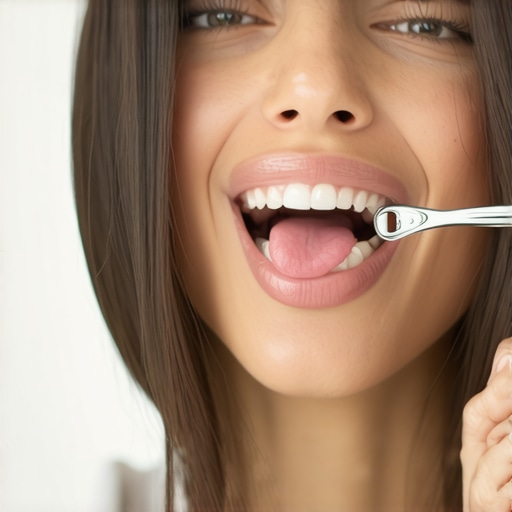
It was one of those mornings where I woke up feeling downright miserable—bad breath, a coated tongue, and a general sense that I was neglecting my oral health. I had been faithfully brushing and flossing, but somehow, something still felt off. One day, I caught a glimpse of myself in the mirror and wondered, “Is this really enough?” That lightbulb moment prompted me to dig deeper—and that’s when I stumbled upon the simple, yet surprisingly effective practice of using a tongue scraper daily.
The First Real Headache: Bad Breath That Won’t Quit
I used to dismiss bad breath as something that only happened when I skipped brushing or ate something weird. But I realized it was more persistent—lingering even after I thought I had taken care of it. I felt self-conscious during conversations and dreaded social encounters. That was my wake-up call to explore what I might be missing in my routine. I found that bacteria and debris hiding on my tongue’s surface were the real culprits. Incorporating a tongue scraper, a tool I used to overlook, made an immediate difference in my fresh breath and confidence. It’s astonishing how much better you can feel just by taking a few seconds each morning.
Question That Might Be Rooting in Your Mind: Is a Tongue Scraper Actually Worth the Hype?
I remember early on, I was skeptical—thinking, “Is this just another fleeting wellness trend?” Well, I made the mistake of dismissing this simple step and instead relied solely on brushing, which didn’t target the bacteria lurking on my tongue. That oversight initially limited my improvement. Now, I understand that an effective oral hygiene routine, including a tongue scraper, can significantly enhance overall mouth health. For more insights, I recommend checking out [teeth cleaning secrets](https://periodontistcare.com/teeth-cleaning-secrets-effective-home-practices-for-family-dental-health), which highlight effective practices for families.
So, what’s the big deal? How can a tiny device make such a difference? Well, the key is in the details—and sometimes, the small adjustments in our daily habits yield the biggest results. Up next, I’ll walk you through how to incorporate a tongue scraper into your routine and the benefits it can bring to your oral health journey.
Pick Your Weapon: Choosing the Right Tongue Scraper
Start by selecting a gentle, stainless steel or plastic tongue scraper. Hold it firmly, but don’t squeeze too tight—think of it as holding a delicate feather. I recall once grabbing a metal scraper and applying too much pressure, which caused minor irritation. After that messy incident, I switched to a softer, more ergonomic design, making the process smooth and comfortable.
Execution: How to Use a Tongue Scraper Effectively
1. Prepare Your Mouth
Rinse your mouth with water to loosen debris, much like rinsing a dish before washing it thoroughly. Open wide and stick out your tongue fully during the scraping to cover all areas.
2. Technique Matters
Place the scraper at the back of your tongue—avoid going too deep to prevent gagging—and gently pull it forward with steady pressure. Think of it as sweeping away the gunk with a soft broom. Repeat this motion 8-10 times, cleaning the entire surface. Remember, gentle pressure is key—digging can cause discomfort and damage.
3. Clean and Sanitize
After use, rinse the scraper thoroughly under warm water or with soap. This prevents bacterial buildup, similar to cleaning a paintbrush after a project. Store it in a dry place for next time.
Integrate with Your Morning Routine
Make tongue scraping a non-negotiable part of your morning. It takes less than 30 seconds but yields noticeable benefits, like fresher breath and a cleaner mouth. I incorporated mine right after brushing my teeth—initially messy, with bits of foam and saliva flying everywhere, but quick practice made it second nature.
Amplify Results with Complementary Practices
Combine tongue scraping with proper brushing and flossing for comprehensive care. Use a soft-bristle toothbrush for gentle cleaning, and consider additional tools like interdental brushes. For a guide on maintaining your dental equipment, check out https://periodontistcare.com/teeth-cleaning-secrets-effective-home-practices-for-family-dental-health.
Special Attention for Crowns and Restorations
If you have dental crowns, gentle cleaning around the edges is essential to prevent plaque buildup. Use a small, soft toothbrush or interdental cleaners to reach hard spots. Regular maintenance extends the life of your crowns, as outlined here: https://periodontistcare.com/maintaining-your-dental-crowns-dos-and-donts-for-best-results.
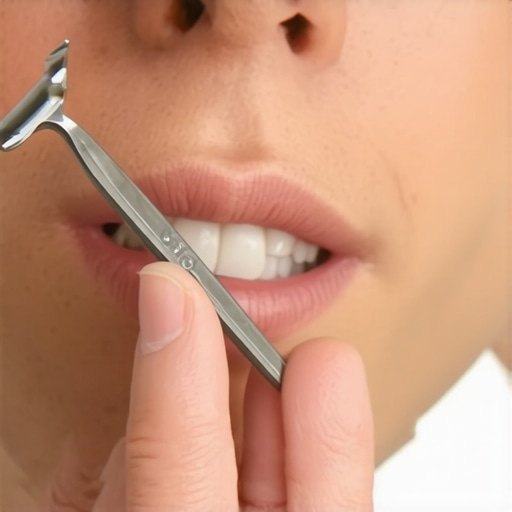 Many individuals believe that maintaining a basic routine of brushing and flossing is sufficient for optimal oral health, but the reality is far more nuanced. A common myth is that once you’ve brushed twice daily, your mouth is essentially protected from issues like cavities or gum disease. However, expert insights reveal that neglecting deeper aspects—such as targeted cleaning of crowns or understanding the intricacies of family dental care—can lead to overlooked problems. For example, dental crowns require specific maintenance routines, including gentle cleaning and regular check-ups, to prevent plaque buildup that standard brushing might miss. Interestingly, research shows that improper care of crowns can accelerate deterioration, ultimately compromising your smile’s aesthetics and function. Dive deeper into effective crown maintenance strategies by visiting [how crowns can transform your confidence](https://periodontistcare.com/how-crowns-can-transform-your-dental-confidence). Additionally, many mistakenly assume that professional cleanings are merely cosmetic; in truth, they play a pivotal role in preventing periodontal disease, which can silently escalate if ignored. Regular and thorough cleanings help remove tartar buildup beneath the gum line that ordinary brushing cannot reach, underscoring their importance in a comprehensive oral health plan. An advanced mistake many overlook involves the improper technique when using dental tools—like tongue scrapers or interdental brushes—which can do more harm than good if used incorrectly. For example, applying excessive pressure with a toothbrush or scraper may cause gum recession or enamel erosion. This emphasizes the need for proper technique, which can be learned from expert guides like [effective home practices for family dental health](https://periodontistcare.com/teeth-cleaning-secrets-effective-home-practices-for-family-dental-health). Do you see how these nuances impact long-term oral health? Recognizing and addressing these common pitfalls can dramatically improve your dental outcomes. Remember, achieving a truly healthy smile involves attention to detail and understanding the complexities beyond surface-level routines. So, next time you visit your dentist, ask about personalized care strategies for crowns and deep cleaning techniques—it’s an investment in your confidence and overall wellness. Have you ever fallen into this trap? Let me know in the comments.
Keeping Your Smile Steady Over Time
Achieving great oral health isn’t just about short-term fixes; it requires consistent maintenance using the right tools and methods. Personally, I swear by a few specific pieces of equipment that have transformed my dental routine and ensured lasting results.
The Electric Toothbrush: Why I Made the Switch
After trying multiple models, I settled on a high-quality electric toothbrush with a timer and pressure sensor. The Sonicare ProtectiveClean 6100, for instance, not only cleans more effectively than manual brushing but also prevents over-aggressive strokes that can damage gums and enamel. Its built-in quadpacer ensures I spend equal time on all quadrants of my mouth, promoting thorough cleaning. Using an electric brush has noticeably reduced plaque buildup and gum irritation over the years.
Investing in Quality Dental Tools
Beyond a toothbrush, I recommend silicone-based interdental brushes for cleaning between crowns and around dental work. Unlike floss, which can be tricky to maneuver around crowns, interdental brushes conform better to the shape of your teeth, reaching spots traditional tools might miss. I prefer the GUM Soft-Picks because they are gentle yet effective, and I use them daily after meals to prevent plaque accumulation that can compromise crowns or cause decay.
Electric Water Flossers: The Game-Changer
Incorporating a water flosser, like the Waterpik Whitening Professional, has been crucial, especially for those with crowns or orthodontic work. The pulsating water dislodges debris lodged in hard-to-reach areas, maintaining periodontal health. Plus, water flossers are more comfortable for sensitive gums, making daily flossing a breeze.
Routine and Consistency Are Key
Even the best tools need to be used regularly. I set a reminder to replace my toothbrush every three months and inspect my interdental brushes weekly. This discipline pays off—long-term results in your smile’s health and appearance are the ultimate goal. Staying ahead with maintenance also reduces the need for costly interventions like crown replacements or deep cleanings.
Future Trends in Dental Maintenance
Trend prediction points toward smarter, AI-integrated oral care devices that personalize cleaning routines based on real-time data. Innovations like smart toothbrushes that analyze plaque levels or detect early signs of gum issues will make preventive care more accessible and effective. Embracing these advancements now could substantially enhance your long-term outcomes.
How Do I Keep My Dental Work in Peak Condition?
Regular check-ups paired with targeted tools like electric toothbrushes and interdental cleaners are essential. For crowns, gentle cleaning and professional evaluations help extend their lifespan. Using specialized products and staying consistent with your daily routine ensures that your smile remains vibrant and healthy for years to come. To learn more about prolonging your crowns’ shine and durability, visit this expert guide. I strongly recommend trying out an electric water flosser—it’s a small investment for huge long-term benefits and can save you money on future dental work.
The Wisdom That Years of Dental Care Taught Me
One lesson I wish I had grasped early is that routine visits and brushing alone aren’t enough to maintain a truly healthy smile; understanding the intricacies of crowns and specific family dental practices makes a real difference. I’ve learned that personalized advice from dental professionals, especially regarding crowns, can prevent costly mistakes and extend the lifespan of your restorations. It wasn’t until I delved into expert resources—like the detailed guides on crown maintenance—that I realized how much room for improvement exists in everyday routines, which can dramatically impact your oral health journey.
Tools That Elevated My Dental Game
Exploring advanced tools like electric toothbrushes, interdental brushes, and water flossers has been a game-changer. I trust the recommendations for regular tool upgrades because they help me target hard-to-reach areas and prevent plaque buildup around crowns. For instance, my electric water flosser has minimized gum irritation and extended the longevity of my dental restorations, proving that investing in quality tools is investing in your smile’s future.
Taking Action Beyond Routine Care
Implementing simple yet effective steps—like gentle cleaning around crowns and monitoring for early signs of wear—can save you a lot of trouble down the line. I’ve discovered that asking my dentist about personalized strategies, such as specific cleaning techniques for crowns, dramatically improves long-term outcomes. Remember, consistent routines paired with expert insights form the backbone of lasting oral health, making your smile not just beautiful but durable too.