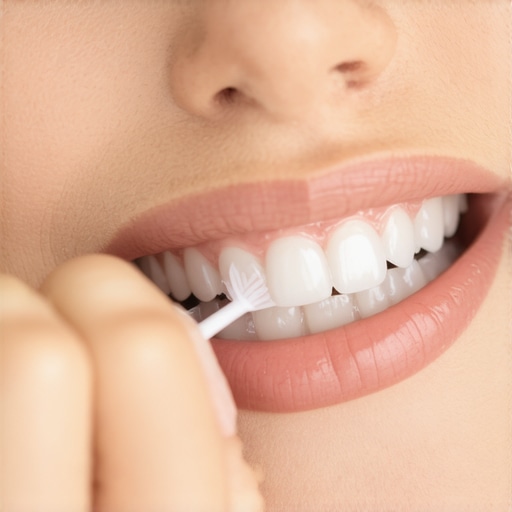
It was a morning like any other, until I noticed a strange sensation when brushing my teeth—something felt off with my dental bridge. The feeling of tightness and a tad of discomfort made me realize I’d been neglecting an important part of my oral health routine. I remember thinking, “How am I supposed to clean this properly without risking damage?” That lightbulb moment sparked my quest to find the best way to keep my dental bridge spotless and intact.
Why Maintaining Your Dental Bridge Is More Important Than You Think
Keeping your dental bridge clean isn’t just about fresh breath; it directly impacts your overall oral health. Plaque buildup around the bridge can lead to cavities, gum disease, and even compromise the seal, causing costly repairs or replacements down the line. Trust me, I learned this the hard way—early neglect led to tightening and irritation that could have been avoided.
Could Your Cleaning Routine Be Doing More Harm Than Good?
Early on, I made a critical mistake: using harsh toothbrushes and aggressive flossing techniques. I thought scrubbing vigorously would give me the best clean, but all I achieved was risking damaging the delicate seal of my bridge. It was a wake-up call—gentleness is key. Did you know that improper cleaning can weaken your bridge’s seal, making it prone to bacteria and decay? According to recent studies, regular, proper cleaning can prevent many common issues associated with dental restorations (source: The impact of regular teeth cleaning)
So, how do you maintain a healthy, clean dental bridge without causing harm? That’s what I’ll share next—simple, effective methods that I’ve personally tested and trusted. Ready to learn how to protect your smile and get rid of those stubborn plaque buildups without risking your bridge’s seal? Let’s dive in.
Choose the Right Tools for a Gentle, yet Effective Clean
Start by selecting a soft-bristled toothbrush designed for delicate surfaces. I remember once grabbing an old toothbrush with stiff bristles; I scrubbed too hard, causing irritation around my bridge. Switching to a soft brush allowed me to clean thoroughly without damaging the seal. Consider a water flosser for targeted cleaning, which can easily dislodge plaque without abrasion. This tool acts like a pressure washer for your mouth, reaching areas toothbrushes can’t. I found that using a water flosser reduces debris and makes flossing around the bridge safer and more effective, especially if you struggle with traditional flossing methods.
Master the Correct Brushing Technique
Educate yourself on gentle brushing motions—think of it as petting a delicate cat, not scrubbing a stubborn stain. Place your toothbrush at a 45-degree angle to the gum line and use small circles to clean each tooth and the surrounding gum tissue. When I first adopted this approach, I noticed less discomfort and improved cleanliness. Avoid horizontal scrubbing, which can wear down the cement of your bridge. Regular, gentle brushing prevents undue stress on the bridge seal, keeping bacteria from sneaking in. Remember, consistency is key—brush twice daily for at least two minutes each time.
Floss Smartly to Preserve Your Bridge’s Seal
Flossing around a dental bridge can be tricky but is essential for removing plaque buildup. Use a floss threader or special floss designed for bridges—it’s like a tiny bridge itself, helping you glide floss beneath the prosthetic. I once tried using a standard floss and broke it several times, risking damage. Switching to a floss threader made the process smoother and safer. Gently see-saw the floss through the contact points, making sure to clean both sides of each tooth, and carefully run it beneath the pontic to clear debris. This prevents decay and maintains the integrity of your restoration.
Incorporate Fluoride for Added Protection
Use a fluoride rinse or toothpaste designed for sensitive areas after cleaning. Fluoride acts like armor, strengthening enamel and safeguarding the surrounding teeth. I noticed that after adding a fluoride rinse into my routine, my teeth felt stronger, and cavities became less frequent. Be cautious to avoid swallowing excess, especially if swallowing reflexes are weak. Regular use boosts resistance against acid attacks from bacteria, which thrive around neglected areas—especially important near crowns and bridges. Consult your dentist for personalized recommendations on fluoride products compatible with your dental work.
Schedule Regular Professional Cleanings
Even with daily diligence, professional cleanings are critical. My experience taught me that deep cleaning techniques, like ultrasonic scalers, can reach areas my brush and floss can’t. These visits help remove stubborn tartar and check for early signs of issues, preserving the longevity of your crowns and bridges. Plan to see your dental hygienist at least twice a year, or as advised by your dentist, to keep your oral health in top shape. During these visits, ask about tailored cleaning strategies to protect your specific restorations and natural teeth alike.
Many people believe that brushing harder or flossing aggressively guarantees a better clean, but in my experience, it’s quite the opposite. Overbrushing can actually wear down tooth enamel and damage restorative work like crowns or bridges. The misconception that routine cleaning alone suffices often leads to neglecting specialized oral care for restorations. For example, some assume that once their crowns are installed, they no longer require extra attention. However, without proper maintenance, decay can develop at the margins, jeopardizing the restoration’s longevity.
A critical nuance often overlooked is how subtle differences in brushing technique and tool choice significantly impact oral health. Selecting a soft-bristled toothbrush and a water flosser tailored for dental work helps prevent micro-damage to crowns and minimizes gum irritation. Proper technique involves gentle, circular motions rather than harsh scrubbing—think of petting a delicate animal, not scrubbing a stubborn stain.
Furthermore, many believe oral health routines are one-size-fits-all, but factors like saliva composition, bite force, and existing restorations require tailored strategies. For instance, patients prone to tartar buildup should consider additional measures like antimicrobial rinses or more frequent professional cleanings. Recent studies underscore this; a 2023 research article highlights that personalized cleaning routines improve restoration longevity and gum health (source).
An advanced question many ask is: How do material differences in crowns influence cleaning strategies? Porcelain crowns, for example, are more sensitive to abrasive agents, so using non-abrasive toothpaste is crucial, while metal crowns can withstand mild cleaning agents but are susceptible to tarnish if not properly maintained. Understanding these nuances can make or break the success of your dental restorations.
Avoid falling into the trap of overconfidence in your routine—remember, even subtle improper techniques can accelerate wear or cause damage. Regular professional assessments help catch issues early and fine-tune your home care. Don’t forget, every detail counts in preserving your smile’s health and beauty. Have you ever fallen into this trap? Let me know in the comments.Maintaining your oral health over the long term requires more than just basic brushing and flossing. Investing in the right tools can make all the difference in preserving the integrity of crowns, bridges, and other restorations. Personally, I’ve found that a high-quality water flosser is indispensable. The **Waterpik Sonic-Fusion** seamlessly combines brushing and flossing, delivering targeted water streams that effectively dislodge plaque around delicate restorations without risking damage. Its adjustable pressure settings allow for a gentle yet thorough clean, which is crucial for protecting your crowns over time. According to a study published in the Journal of Clinical Dentistry, using a water flosser significantly reduces plaque and gingivitis, especially around dental restorations (source). I also recommend a **probe-style dental mirror**—small, ergonomic, and with LED lighting—to inspect hard-to-see areas regularly. This fosters proactive maintenance, enabling you to identify early signs of tartar buildup or wear. For routine but precise cleaning, a **sonic toothbrush** like the **Philips Sonicare DiamondClean** has transformed my approach. Its rapid, gentle vibrations clean deep between teeth and along the gumline more effectively than manual brushes, especially around crowns where plaque tends to accumulate. These tools together form a comprehensive system that can often extend the lifespan of your restorations and keep your smile gleaming. Looking forward, I predict that smart, app-connected dental devices—such as Bluetooth-enabled toothbrushes—will become commonplace, providing real-time feedback and personalized coaching. To start, try incorporating a water flosser into your routine; it’s a game-changer for those with crowns or bridges, as it reaches areas traditional floss might miss. Regular use, combined with quality tools, not only maintains your smile’s appearance but also significantly reduces long-term dental costs by preventing decay and restoration failure.
How do I maintain my dental tools for lasting effectiveness?
Proper cleaning and replacement of your tools are vital. Rinse your water flosser after each use, remove and soak the tips in antibacterial solution weekly, and replace tips every 3-6 months. Sonic toothbrush heads should be replaced every 3 months, or sooner if bristles flair. Keeping your devices clean ensures optimal performance and hygiene, protecting both natural teeth and restorations. Don’t underestimate the power of investing in specialized tools; they’re your frontline defense against plaque, decay, and eventual restoration failure. For additional insights into best practices, explore how regular cleanings enhance oral wellness. Give one of these tools a try today, and see the difference proper maintenance can make for your dental health.
Discovering the Hidden Realities of Dental Care for Restorations
One unexpected lesson was realizing how crucial gentle, targeted cleaning is—harsh scrubbing was actually damaging my crowns’ seals, leading me to choose softer tools and techniques. Another insight was understanding that regular professional cleanings aren’t just optional but vital; they catch early decay at margins before it becomes costly. Lastly, I learned that personal awareness—like inspecting my gums for signs of wear or swelling—can save my smile from future trouble, emphasizing the importance of proactive care over reactive fixes.
My Go-To Tools for Protecting and Enhancing My Smile
I swear by the Waterpik Sonic-Fusion, which combines brushing and water flossing for gentle yet effective cleaning around crowns. The Philips Sonicare DiamondClean is my choice for Sonic technology that reaches deep without abrasion, vital for preserving delicate restoration margins. I also recommend a small, LED-lit dental mirror for quick daily inspections, helping catch issues early. Together, these tools create a personalized routine that’s both effective and kind to my dental work. For trusted advice on choosing the right products, check out this review of expert crown care tools.
Embracing Your Power to Maintain a Healthy, Beautiful Smile
Your journey to resilient oral health and lasting restorations continues with confidence—every gentle brushstroke, floss, and inspection makes a difference. Remember, your proactive efforts today build the foundation for a lifetime of smiles that shine. Don’t wait for problems to appear—take charge now, and your future self will thank you. How will you modify your routine to protect your crowns and bridges starting today? Let’s chat below!