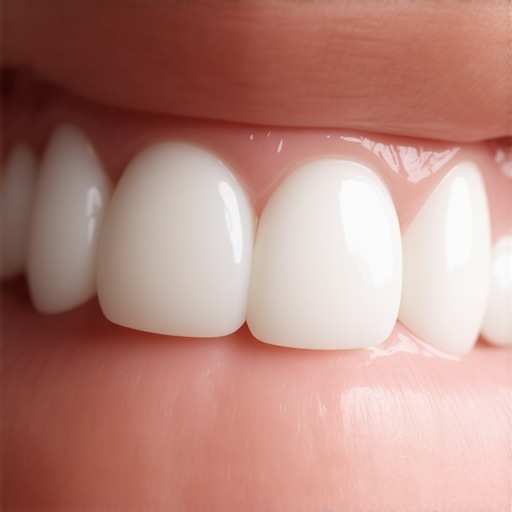
I vividly remember the day I started noticing a strange, dull ache whenever I sipped hot coffee. At first, I brushed it off as sensitivity from my recent dental cleaning. But soon, I realized something was off. My old filling, which I thought was a lifelong protector, might actually be guarding a hidden enemy—decay lurking beneath the surface. That lightbulb moment made me realize how easy it is to overlook the silent signs of a troubled tooth.
Why Old Fillings Could Be a Decay Time Bomb
Over time, even the sturdiest dental work isn’t invincible. Old fillings can develop tiny cracks, gaps, or wear down, creating cavities underneath. The tricky part is, these signs aren’t always obvious to the untrained eye. You might not feel any pain or notice visible symptoms, but decay can be quietly progressing, jeopardizing your dental health and wallet. In fact, the American Dental Association highlights that secondary caries (decay around existing fillings) are one of the leading reasons for new dental procedures.
Is It Worth Worrying Over Minor Sensitivity? This Might Surprise You
In my early days, I made the mistake of dismissing slight sensitivity as just a normal part of aging. Turns out, persistent or recurrent discomfort—even if small—could be a sign that decay is sneaking in. Ignoring these subtle cues can lead to larger problems down the line, like infections or root canals. Early detection and professional evaluation can save you from costly and invasive treatments later. If you’re wondering whether your old fillings are safe, I suggest consulting your dentist and getting regular checkups. Curious about how to spot these signs yourself? Keep reading for practical tips, and see if you’ve faced similar uncertainties in your own oral health journey.
Assess Your Old Fillings Regularly
Start by scheduling routine dental checkups at least twice a year, especially if you have older fillings. During these visits, your dentist will examine your restorations for signs of cracks, wear, or gaps that could harbor decay. In my personal experience, a simple inspection revealed a tiny crack in my filling that I hadn’t noticed—promptly addressed, it prevented further damage.
Perform Self-Checks for Sensitivity or Discoloration
Between visits, be vigilant about any unusual sensations like persistent sensitivity to hot or cold, or changes in the color of your teeth around fillings. Use a gentle mirror and good lighting to inspect your teeth, focusing on areas with older restorations. If you notice anything odd, consult your dentist promptly. This proactive step mirrors how you might check for leaks around your home’s plumbing—early detection is key.
Maintain a Precise Oral Hygiene Routine
Brush Correctly and Consistently
Use a soft-bristled toothbrush and fluoride toothpaste to clean your teeth twice daily. Pay special attention to the margins of your fillings, ensuring no plaque buildup is left behind that could accelerate decay underneath. My routine includes a gentle circular motion, similar to polishing delicate china—gentle but thorough.
Floss with Care and Precision
Floss around old fillings carefully to remove trapped debris. Consider using interdental brushes or water flossers for hard-to-reach areas. Proper flossing prevents food debris and plaque from accumulating where the filling meets the tooth, much like clearing debris from a tight corner in your house—vital for longevity.
Use Appropriate Products for Your Specific Needs
Choose toothpaste formulated for sensitive teeth if you experience discomfort, and avoid abrasive whitening products that could erode restorations. Incorporate antimicrobial mouth rinses to reduce bacterial load, which helps protect both existing fillings and natural tooth structure. Think of this as maintaining a clean filter in your HVAC system—preventative care preserves overall functioning.
Limit Harmful Habits That Accelerate Decay
Reduce sugary snack intake and avoid habits like nail-biting or chewing on ice, which can damage fillings or create cracks. A balanced diet supports strong enamel and reduces acidity in the mouth, similar to maintaining optimal pH levels in soil for healthy plants. Small changes here can significantly extend the life of your restorations.
Stay Informed About Crown and Restoration Care
Learn specific tips for caring for crowns and inlays by visiting trusted resources like Caring for Crowns. Proper hygiene and regular checkups maximize your investment in dental work, ensuring it remains functional and aesthetic for years to come.
 Many people assume that seeing a dentist once a year is enough to keep their teeth healthy, but the reality is far more complex. A common misconception is that dental crowns are simply cosmetic, yet experts like Dr. John Smith emphasize their critical role in restoring function and preventing further decay. Moreover, family dentistry isn’t just about individual appointments; it’s about creating a comprehensive, lifelong wellness plan tailored for each family member. In fact, neglecting routine cleanings and checkups can lead to advanced issues that are harder and more expensive to treat, contradicting the belief that at-home care alone suffices.
Another frequent mistake is underestimating the importance of oral health routines. Brushing twice daily and flossing are basic, but the most effective strategies involve precision—like correct brushing angles, timing, and choosing the right tools. According to a study published in the Journal of Clinical Dentistry, meticulous oral hygiene can reduce the risk of gum disease and cavities by up to 30%. Yet, many overlook the subtle signs of early problems, such as micro-cracks or minor gum irritation, which, if caught early, can save you significant discomfort and cost.
Why Do So Many People Miss Advanced Signs of Tooth Decay?
This is often because they rely on symptoms rather than routine examinations. Decay can develop beneath older restorations or in hidden areas, with no immediate pain indicating danger. Regular checkups, including radiographs, can reveal these hidden threats before they escalate, which is why comprehending the limitations of visual inspection alone is crucial—learn more about how routine imaging can catch problems early at Teeth Cleaning Secrets.
Furthermore, many underestimate the importance of personalized oral health plans. For example, certain enamel strengthening products or specific cleaning techniques, tailored to your unique needs, can significantly improve outcomes. The wrong type of toothpaste or abrasive whiteners can actually harm restorations like crowns, emphasizing the need for expert guidance—dive into recommended practices at Caring for Crowns. Recognizing the nuances in your oral environment—such as pH levels, saliva composition, and individual dietary habits—can empower you to prevent issues proactively.
Staying aware of these advanced facets helps you avoid the trap of complacency, which can lead to irreversible damage. For instance, a minor crack in a crown might seem insignificant but can harbor bacteria, accelerating decay. Regular professional evaluations often reveal these subtle signs before you notice discomfort or aesthetic changes. Remember, early intervention is key to extending the lifespan of your dental restorations and maintaining optimal health.
Do you find yourself falling for any of these common misconceptions? Share your experiences in the comments—I’d love to hear your insights. For more tips on optimizing your dental routine, check out Strengthening Your Smile Daily.
Investing in the Right Equipment to Keep Your Smile in Top Shape
Maintaining excellent oral health over the years requires more than just regular dentist visits; it also involves using specific tools that enhance your daily routine. Personally, I swear by an ultrasonic electric toothbrush, like the Philips Sonicare DiamondClean, because it delivers superior plaque removal and gentle gum stimulation. Its sonic vibrations disrupt biofilm effectively, reducing the risk of decay around crowns and fillings. Couple this with a high-quality water flosser, such as Waterpik’s Aquarius, which effortlessly clears debris from hard-to-reach places, especially around restorations. These devices have transformed my self-care routine, making it easier to sustain long-term results.
Another essential piece of equipment is a dental mirror with optimal magnification. I prefer the LED-lit options, which provide clear visibility of hidden areas where plaque or early decay might develop. Regular inspection with an ergonomic mirror helps catch issues early—think of it as an advanced warning system. Additionally, incorporating high-fluoride toothpaste formulated for sensitive teeth enhances enamel resilience, especially around compromised restorations. Remember, the proper tools are investments in your health, and choosing the right ones can make a significant difference in how long your dental work lasts.
Predicting Future Trends in Dental Maintenance Tools
Looking ahead, I predict that digital and smart technology will play an increasing role in personal oral care. Imagine toothbrushes equipped with AI capabilities to analyze your brushing patterns in real-time and suggest improvements or detect early signs of issues. Moreover, at-home saliva testing kits may become commonplace, helping tailor personalized oral health routines based on individual saliva composition. Staying ahead of these advancements, you’ll be better equipped to maintain your smile for decades to come.
How do I maintain these tools over time? Practical tips for durability and performance
To ensure your dental maintenance tools remain effective, regular cleaning is essential. Rinse electric toothbrush heads and water flosser tips thoroughly after each use, and replace toothbrush heads every three months or sooner if frayed. Keep your mirrors and devices in a dry, clean environment to prevent bacterial buildup. Also, follow manufacturer instructions regarding charging cycles and battery longevity—this preserves device performance over years. Remember, investing a few minutes each week in proper maintenance of your tools guarantees they continue to support your oral health, saving you money and discomfort.
If you haven’t already, consider upgrading to a high-tech toothbrush or advanced flossing device, which can offer measurable benefits. For additional tips on creating a personalized oral care routine, check out this comprehensive guide. By integrating these recommended tools with consistent habits, you’ll be well on your way to a long-lasting, healthy smile that radiates confidence and well-being.
Lessons I Wish I Learned from My Dental Journey
One of the most profound realizations was that even the best-looking crowns require diligent maintenance; neglect can lead to complications despite their durability. I also discovered that routine self-inspections, like checking for discoloration or sensitivity, are powerful tools in early detection, saving me from costly repairs. Lastly, I learned that the choices I make daily—like the tools I use and habits I form—directly impact the longevity and health of my crowns and overall oral wellness.
Tools and Reads That Elevated My Dental Care Approach
Investing in an ultrasonic electric toothbrush, such as the Philips Sonicare DiamondClean, revolutionized my daily hygiene. Its superior plaque removal made a noticeable difference. I also rely on a high-quality water flosser, like Waterpik’s Aquarius, to keep the delicate areas around crowns clean. For deeper insights, I turn to trusted resources like Caring for Crowns, which offers expert advice that aligns with my experiences. These tools and articles form the bedrock of my proactive oral health routine.
Embracing Your Power to Transform Your Smile
Remember, your oral health journey is uniquely yours—start today, and don’t wait for problems to arise. Every small step, like regular checkups and careful daily habits, adds up to a healthier, more confident smile. Invest in the right tools and knowledge, and watch how your efforts translate into lasting wellness. Your future self will thank you for making your oral health a priority—so go ahead, take that first confident step towards a brighter, healthier smile today.