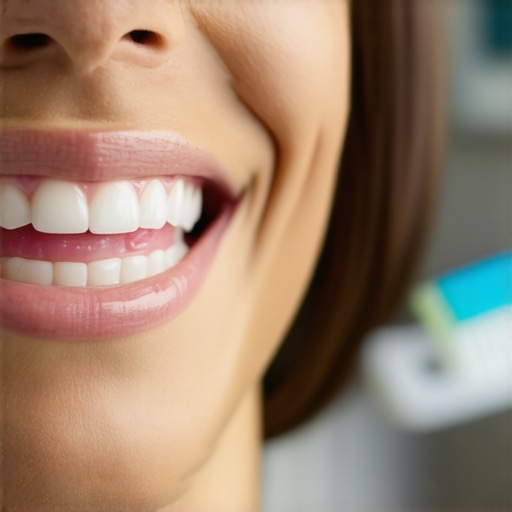
I remember the day I first noticed my teeth feeling oddly fuzzy after a long day. It was that uncomfortable, almost gritty sensation that made me hesitant to smile or even speak comfortably. At first, I brushed it off, thinking maybe I just needed a stronger toothpaste or a quick rinse. But that fuzzy feeling persisted, sneaking up on me every evening, and it made me wonder: what’s really going on inside my mouth?
Feeling That Fuzzy Buzz? You’re Not Alone
Many people experience a strange sensation on their teeth as the day winds down. It’s like a thin film or coating that wasn’t there in the morning. This isn’t just a minor annoyance—it’s a sign that something might be amiss with your oral health, often tied to enamel wear, plaque buildup, or other underlying issues. Understanding why your teeth feel fuzzy can help you take the right steps to preserve your smile.
Is the Fuzz Just Plaque? Or Something More Serious?
I admit, early on, I made the mistake of thinking that brushing harder would fix the fuzz. Spoiler alert: that often makes things worse, potentially damaging your enamel and exacerbating the problem. It wasn’t until I learned about the importance of gentle, thorough cleaning and regular checkups that I started making progress. Did you know that consistent plaque accumulation can lead to cavities and gum disease? According to the American Dental Association, plaque is a sticky film of bacteria that forms on teeth and can harden into tartar if not removed properly. Proper dental care, including regular professional cleanings, is essential to prevent this.
If you’ve faced this fuzzy predicament, you’re probably wondering what causes it and how to get rid of it for good. Well, the good news is, with some simple changes and expert advice, you can restore your teeth’s smooth, clean feel and keep that gritty sensation at bay.
Next, we’ll explore the most common reasons behind this phenomenon and practical steps you can take today to protect your smile. Want to discover the secrets behind proper teeth cleaning and how to maintain that fresh feeling all day long? Let’s dive in.
Master Your Daily Oral Hygiene Routine
Start by brushing your teeth twice a day with a soft-bristled toothbrush to prevent enamel abrasion. I remember a morning I decided to upgrade my brushing technique, gently circular, covering all surfaces for two minutes. This simple change made my teeth feel smoother and cleaner. Use fluoride toothpaste to strengthen enamel and consider an electric toothbrush for more consistent cleaning. Don’t forget to replace your toothbrush every three months or sooner if bristles fray, ensuring effective cleansing.
Prioritize Proper Flossing and Interdental Cleaning
Floss daily to remove plaque and food debris between teeth, where your toothbrush can’t reach. I once used regular floss but found that a water flosser significantly improved my gum health and removed residues causing the fuzzy sensation. When flossing, gently slide between teeth, curve around each tooth, and avoid snapping into gums to prevent irritation. Incorporate interdental brushes for larger gaps, especially around crowns, to prevent plaque buildup that contributes to the fuzzy feeling.
Schedule Regular Professional Cleanings
Professional dental cleanings remove tartar and stubborn plaque that home care cannot address. I booked a cleaning appointment and was amazed at how my teeth felt afterwards—so much smoother and vibrant. During cleanings, the hygienist uses specialized tools, much like a gardener trimming overgrown bushes, to clear deposits from your teeth. Visit your dentist at least twice a year, or more if recommended, to maintain optimal enamel health and prevent conditions that cause the fuzzy sensation.
Address Cavities and Restorations Promptly
Small cavities or worn-down fillings can create uneven surfaces that trap plaque, leading to a gritty feeling. I once ignored a tiny dark spot and later had a larger, more invasive procedure. Regular checkups catch issues early, saving you discomfort and extensive treatments. If you have crowns, learn how to care for them with tips from this guide to ensure they stay smooth and functional. Proper restoration maintenance prevents the rough, fuzzy feeling from returning.
Implement Rinsing and Supplementary Care
After brushing and flossing, rinsing with an alcohol-free mouthwash can reduce bacterial load without dry mouth side effects. I experimented with different rinses and found that a neutral-flavored, moisturizing rinse kept my mouth feeling fresh longer. Additionally, consider using products with xylitol, which inhibits bacterial growth. Maintaining saliva flow through hydration and avoiding sugary snacks helps preserve your enamel’s integrity, keeping that clean sensation intact throughout the day.
Monitor Your Diet and Avoid Erosive Foods
Acidic foods and beverages erode enamel, making teeth feel rough and fuzzy. I noticed that drinking citrus juices without rinsing first increased sensitivity, so I adjusted my intake. Using a straw can minimize contact with enamel for acidic drinks. Also, limit eating sweets and sticky candies that promote plaque formation. Opt for crunchy vegetables and cheese, which naturally clean teeth and neutralize acids—like nature’s own toothbrush and buffer system.
Consider Enamel Restoration Options
If abrasion or erosion has significantly compromised your enamel, ask your dentist about restorative procedures like veneers or crowns. For example, I consulted a specialist and learned how crowns not only restore function but also smooth away irregular surfaces contributing to the fuzzy sensation. Visualizing your options, such as crowns in smile makeovers, can help motivate better care and prevent future issues. Properly restored teeth are smoother, healthier, and more comfortable.
Many believe that brushing twice a day and regular visits are enough to maintain optimal oral health, but in my experience, this oversimplification overlooks nuanced factors crucial for lasting dental wellness. For instance, the misconception that all dental crowns are permanent often leads to delayed replacements, risking more extensive damage. Crowns, especially those not properly cared for, can develop microleaks, allowing bacteria to infiltrate and cause decay underneath, which is a common but underestimated beginner mistake. To truly understand the longevity of crowns, it’s essential to consider material quality and proper maintenance procedures—details explained in [this comprehensive guide](https://periodontistcare.com/how-crowns-can-transform-your-dental-confidence).
Another hidden nuance concerns the role of saliva in oral health. Many dismiss dry mouth as merely a discomfort, but it’s a silent culprit behind increased cavity risk and enamel erosion. Extensive research shows that saliva’s natural buffering capacity shields teeth from acids; ignoring this can lead to what I call the “silent erosion”. Regular hydration and saliva-stimulating techniques, such as sugar-free gum, can mitigate this issue but are often overlooked because of a misbelief that only sugary foods cause decay.
Common myths persist about deep cleaning procedures, with many fearing that they are invasive or unnecessary unless there’s pain. However, advanced plaque and tartar removal at the early stages can prevent complex issues involving gum disease and bone loss. Dental professionals emphasize that proactive cleanings are less about addressing existing problems and more about preventing future complications, a fact supported by multiple clinical studies including one from the [American Academy of Periodontology](https://periodontistcare.com/the-impact-of-regular-teeth-cleaning-on-overall-oral-wellness).
The biggest trap I’ve seen among families is underestimating the significance of interdental cleaning tools like water flossers. A common mistake is relying solely on traditional floss, ignoring that some interdental spaces, especially around crowns or braces, require specialized care. Incorporating interdental brushes or water flossers significantly reduces plaque accumulation in hard-to-reach areas, which is why I recommend visiting [this resource](https://periodontistcare.com/teeth-cleaning-secrets-effective-home-practices-for-family-dental-health) for effective techniques.
Now, you might wonder: what advanced mistake could cause more damage than neglecting proper brushing? Well, over-enthusiastic brushing with hard bristles, believing it’ll clean better, can actually abrade enamel and damage gums. This counterintuitive error emphasizes why choosing softer brushes and proper technique outweigh brute force. To ensure your routine isn’t doing more harm than good, consider professional tips from [this expert advice](https://periodontistcare.com/expert-advice-on-crowns-and-teeth-cleaning-for-lasting-results).
Finally, many don’t realize that irregular dental checkups can hide underlying issues that surface as costly and complex problems later. Early intervention, especially regarding minor wear or fillings, can save your teeth from more invasive procedures like root canals or extractions. Regular evaluations, combined with advanced techniques like digital radiography, help identify problems before they become critical. The importance of staying proactive is underscored in our [family dentistry overview](https://periodontistcare.com/family-dentistry-focus-building-a-lifetime-of-healthy-smiles).
Have you ever fallen into this trap of misconceptions or overlooked these nuanced factors? Let me know in the comments and share your journey towards better oral health.Maintaining oral health over time requires more than just brushing and flossing; it demands investing in the right tools and knowing how to use them effectively. One of my go-to devices is the SonicClean Electric Toothbrush, which offers multiple cleaning modes and timers to ensure I brush thoroughly for the recommended two minutes. The oscillating-rotating brush head gently removes plaque without damaging your enamel, making it ideal for people with crowns or sensitive teeth. Additionally, I incorporate interdental brushes like the TePe Interdental Brush, especially around crowns and bridges, because they reach areas that traditional floss can sometimes miss, helping to prevent plaque buildup and maintain smooth restorations. For a deeper clean, I use the WaterFloss Pro—a water flosser designed to dislodge debris and bacteria from stubborn spots, providing a massage to your gums that promotes healthier tissue. I personally prefer models with adjustable water pressure, so I can customize the experience and avoid irritation. Regularly updating these tools ensures optimal performance; for example, replacing brush heads every three months keeps bacteria at bay and maintains cleaning efficacy. When it comes to long-term results, I also rely on professional-grade whitening products like the OpalGlow system, which can be used at home but should be applied with proper technique and caution—consult your dentist to choose the best option for your specific needs. Looking ahead, technological advances such as AI-enabled brushes may adapt their cleaning patterns based on your oral profile, bringing personalized care to a new level.
How do I maintain my dental tools over time?
Proper maintenance involves thorough cleaning after each use—rinsing your electric toothbrush and water flosser according to the manufacturer’s instructions prevents bacterial buildup and prolongs their lifespan. Storing devices in a dry, clean place further ensures hygiene. I also recommend scheduling regular checkups to assess the condition of your restorations and make adjustments or replacements when necessary. Trust me, investing in high-quality tools and maintaining them diligently not only enhances your daily oral hygiene but also preserves the longevity of crowns and other restorations, making your smile resilient against the passage of years. For detailed guidance, visit [this resource](https://periodontistcare.com/maintaining-your-dental-crowns-dos-and-donts-for-best-results). Don’t forget to try out the water flosser—it’s my secret to preventing those pesky plaque deposits around crowns and bridges, which can cause discomfort and compromise your smile’s appearance. Remember, staying proactive with these advanced tools can significantly reduce long-term dental issues and keep your mouth feeling fresh and healthy for years to come.
How Small Adjustments Unlock Big Dental Benefits
Early on, I underestimated how subtle changes in my daily routine could dramatically improve my oral health. Switching to gentle circular brushing with a soft-bristled toothbrush and sticking to a consistent schedule made my teeth feel noticeably smoother. It taught me that precision and consistency, rather than brute force, are the real keys to prevention and maintenance, especially around restorations like crowns.
The Power of Proactive Preventive Actions
Regular professional cleanings and early detection of issues taught me that prevention is far more cost-effective and less invasive than treatment after damage occurs. For example, addressing small cavities early or replacing worn-out crowns before they cause discomfort can save you from complex procedures later, as highlighted in the impact of regular teeth cleaning.
Realizing the Nuance Behind Materials and Techniques
My experience with crowns revealed that not all materials wear equally or age the same way. Choosing the right type, along with proper care routines, significantly affects their longevity and feeling—something I only understood after consulting experts, detailed in smile makeover guides.
Decoding Misinformation and Myths That Hold Us Back
Believing that intense brushing keeps plaque at bay or that flossing isn’t necessary for those with crowns were misconceptions I had to unlearn. Recognizing these myths helped me adopt smarter practices, including using interdental brushes and water flossers, which I found invaluable.
The Value of Embracing Technology and Quality Tools
Investing in the right tools, like electric toothbrushes and water flossers, transformed my daily routine. These devices, combined with proper technique, delivered results that oral rinses or manual brushing alone couldn’t achieve. Learning from reputable sources and recommendations ensures you’re using the best tools for sustainable oral health.
My Essential Toolkit for Lasting Smile Health
Over time, I’ve come to depend on my SonicClean Electric Toothbrush, the TePe Interdental Brush, and the WaterFloss Pro. Each has played a role in maintaining my crowns and natural teeth, preventing the gritty, fuzzy sensation from returning. These tools, trusted and recommended by experts, make daily oral care effective and manageable.
Let Your Actions Inspire Confidence in Your Smile
Cultivating responsible habits and staying informed about your oral health journey empower you to preserve your smile for years to come. Small, consistent steps not only improve your dental outcome but also boost your confidence and well-being.
What personal habits have you found most effective in maintaining healthy teeth and crowns? Share your experiences below and join the conversation about building a lifetime of smiles.