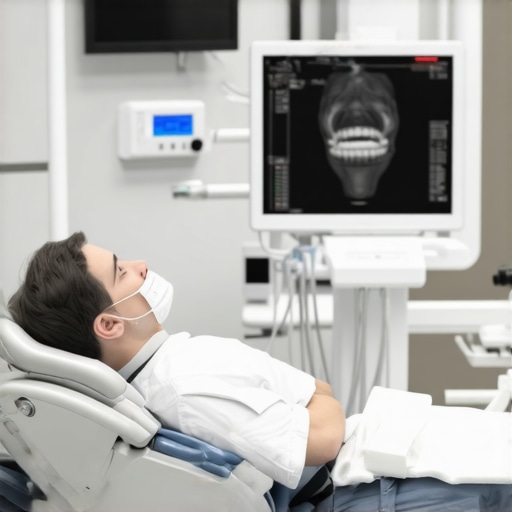
I remember the first time my dentist mentioned I needed dental X-rays. Immediately, a wave of anxiety washed over me. Images of radiation exposure and long-term health risks flashed through my mind, despite knowing deep down that the procedure was routine. If you’re like me, that initial fear can feel overwhelming, leading to avoided appointments and skipped check-ups. But here’s the thing: after digging into the science and listening to experts, I realized that my worries were based on misconceptions.
In this post, I’ll share my personal experience and the research I’ve uncovered to help you see that dental X-rays are actually safer than you might think. My goal is to reassure you and provide clear, trustworthy information so you can make informed decisions about your oral health.
Understanding the Myths: Why Many Fear Dental X-Rays
Are Dental X-Rays Really Dangerous?
Early on, I made the mistake of assuming that any exposure to radiation was risky. This common misconception led me to question the necessity of X-rays, even when my dentist explained they’d help catch issues early. I learned that modern dental X-rays use very low doses of radiation—much lower than many everyday exposures, like flying on a plane or even watching TV. According to the American Dental Association, the amount of radiation from a typical dental X-ray is minimal and considered safe for most people.
And yet, fears persist. I wondered: How can something so routine be so dangerous?
The truth is, the small amount of radiation involved is well within safety limits established by health authorities. For context, a single dental X-ray exposes you to roughly the same amount of radiation as a few days of natural background radiation—a surprisingly tiny amount.
Learning about your privacy rights and health safety policies can help ease concerns. Knowing that dental clinics follow strict guidelines to minimize exposure and protect your health is reassuring.
Now that we’ve cleared up some misconceptions, it’s time to look at how these tiny doses of radiation actually benefit your oral health and overall wellbeing. But first, I want to ask: have you ever avoided a necessary dental X-ray because of fear? If so, you’re not alone, and I understand—believe me. Let’s explore why these fears are often unfounded, and how modern dentistry keeps you safe.
Master Your Daily Oral Care Routine
Start by brushing your teeth twice a day with a soft-bristled toothbrush to prevent enamel damage. Use fluoride toothpaste to strengthen your enamel and fight cavities. When I first adopted this routine, I noticed my teeth felt cleaner and my gum health improved significantly. Incorporate gentle brushing techniques to avoid damaging sensitive gums. Consider using a tongue scraper to remove bacteria, which enhances breath freshness and overall hygiene.
Leverage Proper Flossing and Mouthwash Practices
Floss daily to remove debris and plaque between teeth, especially around crowns and orthodontic appliances. I once neglected flossing for a day, leading to slight bleeding gums; after recommitting, my gums became healthier. Use an antimicrobial mouthwash if recommended by your dentist to reduce bacterial buildup. These small but consistent steps make a big difference in preventing periodontal issues and maintaining crown longevity.
Schedule Regular Professional Cleanings
Visiting your dentist at least twice a year ensures early detection and removal of tartar buildup. During my first professional cleaning, my hygienist used ultrasonic tools to thoroughly clean difficult areas—an experience I initially found uncomfortable but later appreciated for its effectiveness. Professional cleanings help prevent gum disease, which can jeopardize crowns, bridges, and natural teeth alike. Don’t delay appointments; consistent care is key.
Protect and Care for Dental Crowns
Avoid biting into hard foods like ice or nuts to prevent cracking or damaging crowns. When I noticed a crown feeling loose after biting into popcorn, I immediately contacted my dentist through contact us for an assessment. Use a water flosser to clean around crowns gently, reducing plaque buildup without excessive force. Maintaining good habits extends the life of your restorations and preserves your smile’s integrity.
Healthy Eating Supports Dental Integrity
Limit sugary snacks that promote decay and opt for teeth-friendly foods like cheese, nuts, and crunchy vegetables, which stimulate saliva and neutralize acids. Once, I replaced my afternoon candy with apple slices and cheese, noticing a reduction in sensitivity and cavities. Proper nutrition supplies minerals that reinforce enamel, especially around crowns and natural teeth—bolstering your defenses against decay and wear.
Be Mindful of Habits That Harm Your Smile
Avoid nail-biting, pen-chewing, or using teeth as tools—they can cause fractures or loosen crowns. I once smirked at my habit of biting my pen while working, which led to a small chip on my crown, prompting an emergency visit. Recognize these behaviors and replace them with healthier habits like stress ball squeezing or chewing sugar-free gum to keep your smile intact.
Stay Informed with Expert Advice
Regularly check credible resources to stay updated on best practices, such as oral health tips for families. Sharing knowledge keeps everyone accountable and motivated. When I read about new flossing techniques, I experimented and found a method more effective for my dental bridges, resulting in cleaner, healthier gaps.
Many people assume that brushing vigorously is the best way to clean teeth or that all dental crowns are equally durable, but the truth is far more nuanced. For instance, over-brushing with a hard-bristled toothbrush can damage your enamel and gums, increasing sensitivity and risk of recession. Instead, using a soft-bristled brush combined with proper technique is far more effective and protective. Additionally, a widespread myth suggests that dental crowns are vulnerable to breaking easily. However, advancements in materials like zirconia have significantly enhanced their strength and longevity, provided you follow proper care routines. This misbelief can lead patients to avoid necessary checkups or neglect maintenance, which is a dangerous trap. Regular professional cleanings and correct at-home practices are crucial for preserving both natural teeth and restorations. From my experience and research, understanding these subtle distinctions helps optimize your oral health outcomes. For example, visiting [this guide](https://periodontistcare.com/caring-for-crowns-essential-tips-for-longevity-and-shine) can inform you on proper crown care. A question I often hear from advanced readers is: How do I prevent my crowns from causing bite issues over time? The answer lies in precise selection and adjustment of crowns and periodic assessments—something only experienced dentists can perform. External research confirms that crowns made with high-quality materials and fitted correctly can last over 15 years, especially when supported by consistent oral hygiene and habits. It’s essential to avoid common pitfalls, such as neglecting regular checkups, which can mask underlying issues until they become painful or costly. A little-known nuance is that some whitening products can subtly compromise crown surfaces if not chosen carefully. Consulting your dentist before bleaching treatments, particularly if you have restorations, safeguards against unintended damage. To sum up, mastering the complexities of dental maintenance—especially around crowns—requires an informed approach, avoiding the oversimplifications many believe. For comprehensive advice, see [expert tips on crowns and teeth cleaning](https://periodontistcare.com/expert-advice-on-crowns-and-teeth-cleaning-for-lasting-results). Have you ever fallen into this trap? Let me know in the comments.Maintaining your dental health requires more than just good daily habits; investing in the right tools and understanding how to use them effectively can make all the difference. One of my top recommendations is a high-quality electric toothbrush, like the Sonicare DiamondClean. I personally switched to this model a few years ago, and it significantly improved my plaque removal and gum health. Its sonic technology provides superior cleaning action, especially around crowns and gum lines, which traditional brushes often miss. Additionally, the built-in timers ensure you brush for the recommended two minutes, preventing over- or under-brushing. For me, this small feature has been crucial in establishing a consistent routine.
Another essential tool is a water flosser, specifically the Waterpik Rechargeable Vibrating Plus. I’ve found that it’s especially effective for cleaning around crowns and braces. The pulsating water stream reaches deep into periodontal pockets and tight spaces where traditional floss can be challenging to maneuver. Plus, its adjustable pressure settings allow for a gentle yet thorough clean, which is friendly to sensitive gums. Regular use of a water flosser can prevent tartar buildup and reduce bleeding, particularly around restorations.
When it comes to maintaining crowns and other restorations, I recommend an antimicrobial mouth rinse like Listerine Therapeutic. It helps control bacterial growth without the harshness some alcohol-based rinses can cause. I use it daily after brushing and flossing, as it provides that extra layer of protection and keeps my breath fresh.
For long-term success, leveraging software like Dental Intelligence or Dolphin Imaging can aid in tracking your oral health progress and scheduling timely check-ups. Though I personally prefer a physical diary to note down dental appointments, digital tools can send reminders and store detailed records, making it easier to discuss your progress with your dentist.
Looking ahead, the trend in dental tools is moving towards smarter devices that sync with mobile apps to provide real-time feedback and personalized coaching. I predict that in the next few years, AI-powered toothbrushes will become more affordable, offering tailored advice based on your brushing patterns and detecting early signs of issues via sensors.
How do I keep my dental tools functioning properly over time? Regularly clean your electric toothbrush head and water flosser nozzles according to manufacturer instructions—usually weekly with disinfectant or vinegar solutions. Replace brush heads every three months to prevent bacterial growth and maintain effectiveness. These small but vital steps ensure your tools remain efficient and safe.
For a comprehensive approach, pairing these tools with consistent professional cleanings is essential. Schedule appointments at least twice a year, and discuss any issues like sensitivity or crown wear with your dentist. They can advise you on specific maintenance tips tailored to your restorations, ensuring longevity and functional health.
Remember, investing in high-quality tools and staying disciplined with maintenance routines will pay off by preventing costly repairs and preserving your beautiful smile. Try incorporating a water flosser into your nightly routine—it’s a game-changer for keeping crowns and bridges clean. For more advanced tips on caring for crowns, visit [this expert guide](https://periodontistcare.com/caring-for-crowns-essential-tips-for-longevity-and-shine). Your future self will thank you for the effort you put in today to keep your dental work working hard for you.
What I Wish I Knew Before Embracing the Dental Routine
One of the most eye-opening lessons I learned was that consistency often trumps intensity. Gentle, regular care outperforms sporadic aggressive cleaning—this insight transformed my approach to brushing and flossing. Additionally, I realized that true oral health isn’t just about avoiding cavities but also understanding how small habits, like proper water flosser use and careful crown maintenance, can prevent costly future repairs. Finally, I discovered that trusted resources and staying informed empower you to make choices that truly benefit your smile in the long run.
My Curated Arsenal for Dental Success
To elevate my dental care, I rely on tools like the Sonicare DiamondClean electric toothbrush, which offers superior plaque removal and protects delicate crown surfaces—an essential for longevity. For targeted cleaning around crowns, the Waterpik Rechargeable Water Flosser ensures thorough plaque removal and reduces gum inflammation. Additionally, I trust guidance from reputable sources like oral health tips that emphasize consistent routines and new innovations in family dentistry. Lastly, consulting detailed guides like crowns maintenance helps me stay proactive in my oral health.
Lighting the Path for Your Smile’s Future
Your journey to optimal oral health is uniquely yours, and every small step adds up to a confident, healthy smile. Think of your daily routines—embracing gentle habits, leveraging advanced tools, and leveraging expert insights—as investments in your future well-being. If you’ve ever hesitated before scheduling that X-ray or skipped a cleaning out of fear, remember that informed choices and proactive care can turn anxiety into empowerment. Your smile deserves that level of attention—so take that first step today, and let your commitment shine through.