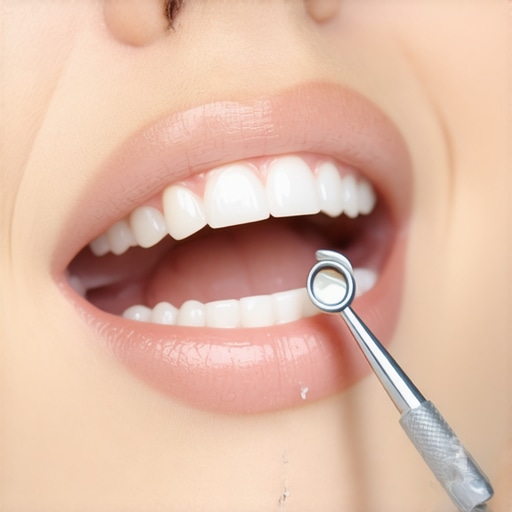
I remember the moment vividly. I was munching on an apple, minding my own business when suddenly—a sharp jolt shot through my tooth. There it was: a tiny crack that seemed insignificant at first but haunted me because I knew, deep down, how easily small problems can snowball into something serious. That lightbulb moment made me realize: ignoring even minor cracks isn’t just careless—it’s risky.
Why Ignoring Small Cracks Can Lead to Bigger Dental Problems
Ever experienced a tiny crack and thought, “It’s no big deal”? Trust me, I did the same. But here’s the truth: a minor crack, if left untreated, can widen, allowing bacteria access which can lead to infections, decay, or even the need for more invasive procedures like root canals. According to dental research, untreated cracks can compromise the tooth’s integrity over time, making future repairs more complicated and costly (source).
Am I Overreacting? What’s the Real Risk of a Small Crack?
That’s a question I asked myself early on. The key is catching the crack early and understanding that even tiny fissures can expand. I learned that a proactive approach saved me money, pain, and the hassle of dealing with a more serious issue. If you’ve recently noticed a small crack, you’re not alone. And the good news is, you can take steps to prevent it from worsening. So, let’s dive into how you can keep that sneaky crack in check before it turns into a full-blown dental emergency.
Act Quickly and Assess the Damage
Immediately after noticing a crack, examine your tooth carefully. Use a mirror and good lighting to check if the crack is superficial or deep. If it’s sharp or causes discomfort, schedule an appointment promptly. At my last visit, I described the crack to my dentist, who confirmed it was minor but needed monitoring to prevent escalation. Remember, early assessment prevents costly repairs later.
Maintain a Gentle Oral Hygiene Routine
Switch to a soft-bristled toothbrush and avoid aggressive scrubbing near the crack zone. Floss carefully around the affected tooth, using gentle motions to prevent further damage. Regular cleaning is essential; neglecting it can allow bacteria to seep into fissures, risking decay. Refer to https://periodontistcare.com/oral-health-routine-strengthening-your-smile-every-day for detailed tips on gentle yet effective cleaning techniques.
Limit Hard and Sticky Foods
Stay away from crunchy candies and ice that can worsen the crack. Opt for soft foods like yogurt, mashed potatoes, or smoothies. I once tried to chew a sticky caramel and felt a sudden pinch—damage worsened, leading me to the dentist. Eating carefully protects the integrity of the tooth and prevents the crack from widening.
Use Protective Measures During Activities
If you participate in sports or grind your teeth at night, wear a mouthguard. A custom-fitted guard absorbs impacts and reduces stress on compromised teeth. During my last soccer game, I wore a mouthguard, which prevented a blow from chipping my tooth further. Proper protection is a simple step to safeguard your smile.
Schedule a Dental Appointment
Don’t delay professional evaluation. A dentist can perform diagnostic tests and recommend treatments like bonding, crowns, or fillings if needed. I visited my dentist after noticing a minor crack; he applied a composite resin to seal it, preventing further damage. Regular check-ups ensure small issues stay under control.
Explore Restorative Options
For cracks that threaten tooth stability, crowns can provide durable protection and restore function. Crowns like zirconia offer strength and natural appearance, transforming your confidence. Learn more about how crowns can [boost your dental confidence](https://periodontistcare.com/how-crowns-can-transform-your-dental-confidence) and ensure longevity. Discuss your options with your dentist to choose the best fit.
Commit to Consistent Oral Care
Long-term success depends on daily habits. Use fluoride toothpaste, rinse with antiseptic mouthwash, and avoid habits like nail-biting or opening packages with teeth. Incorporate habits recommended at https://periodontistcare.com/parenting-dental-habits for a healthier smile that resists future cracks.
By taking these decisive steps—assessing early, practicing gentle hygiene, avoiding damaging foods, using protective gear, and seeking prompt dental care—you actively prevent small cracks from turning into major dental emergencies. Each move reinforces your commitment to maintaining a strong and healthy smile.
Many patients believe they fully understand the essentials of family dentistry, but beneath the surface lies a complex web of nuances that can significantly impact oral health outcomes. One common myth is that professional cleaning alone suffices for long-term oral wellness. While routine cleanings are vital, they are just one piece of a broader puzzle involving personalized oral care strategies and advanced restorative techniques.
For instance, the choice of teeth whitening methods often gets oversimplified. Many assume over-the-counter products are equally effective as professional treatments, but without understanding the science behind active ingredients and enamel safety, you risk permanent sensitivity or ineffective results. A professional-grade whitening, tailored to your enamel’s needs, often provides better and safer outcomes (learn more here).
What Do Most People Miss About Crowns and Restorations?
Contrary to popular belief, all crowns are not created equal. The material, design, and placement technique influence their durability and aesthetic appeal. Many patients overlook the importance of choosing zirconia crowns for back molars versus porcelain for front teeth, not realizing that improper selection can lead to chipping or staining over time (explore crown options here).
A common mistake is neglecting proper maintenance post-placement. Crowns require specific care routines; brushing with abrasive toothpaste or using harsh cleaning tools can abrade the crown surface and compromise the underlying tooth structure. Learning about the dos and don’ts for crown longevity is crucial for any patient (see maintenance tips here).
Why Every Parent Should Know the Nuance Between Routine Cleaning and Specialized Care
It’s a misconception that brushing twice daily and visiting the dentist annually are sufficient. Children and adults with specific dental conditions benefit from tailored preventive measures like fluoride treatments, sealants, or custom mouthguards, which are often underutilized. Recognizing the signs of early decay versus harmless white spots can prevent invasive procedures later (access detailed family care tips).
In conclusion, a deeper understanding of these nuances enhances the quality of your family’s oral health care. It shifts the narrative from reactive treatments to proactive, personalized strategies that safeguard your smiles for years to come. So, next time you visit your dentist, ask about the subtler aspects of your treatment plan — it might just save you from costly surprises down the line. Have you ever fallen into this trap? Let me know in the comments.
How Do I Keep My Dental Restorations in Top Shape Over Time?
Maintaining dental restorations like crowns requires more than just good brushing; it involves using the right tools and techniques designed for longevity. I personally swear by electric toothbrushes with sonic waves, such as the Philips Sonicare DiamondClean, because they effectively remove plaque without damaging delicate restorations. The gentle yet thorough cleaning action ensures my crowns and natural teeth stay healthy and stain-free. For interproximal cleaning, I rely on water flossers like the Waterpik Ultra Water Flosser, which provide superior plaque removal around crowns and bridges, reducing the risk of decay at their margins. Regular use of these tools not only preserves the appearance but also prevents bacteria buildup that can compromise restorative work.
Are There Digital Aids That Make Long-Term Oral Care Easier?
Absolutely. Smartphone apps like Dental Monitoring enable me to track my oral hygiene routines through guided check-ins and reminders, giving me professional insights without frequent dental visits. I also use dental photography with my phone to monitor minor issues like early gum inflammation or staining, catching problems early. These digital aids foster a proactive approach—keeping my smile in check and extending the life of restorations such as crowns. As technology advances, future tools are likely to integrate AI diagnostics, offering real-time feedback and personalized care suggestions, making long-term maintenance more seamless than ever.
What’s the Best Approach to Ensure Your Dental Crown Lasts Decades?
Routine maintenance is key. I adhere to a diligent daily routine that includes using a soft-bristled toothbrush, fluoride toothpaste, and a water flosser for all the nooks and crannies around my crowns. Visiting my dentist regularly for professional cleanings, like the ones detailed in expert advice on crowns and teeth cleaning for lasting results, helps me identify any early signs of wear or marginal deterioration. Additionally, I avoid hard, sticky foods that could jeopardize crown integrity. Long-term success hinges on consistent, gentle cleaning and prompt professional evaluations.
What Trend Will Shape Dental Maintenance in the Next Few Years?
Emerging trends suggest a move toward personalized, data-driven oral healthcare. Imagine smart toothbrushes that analyze plaque patterns and send data directly to your dentist or app, enabling tailored advice that suits your unique oral landscape. Additionally, advances in restorative materials, like nano-engineered ceramics, aim to extend crown durability while maintaining a natural look. Staying ahead means embracing these innovations—tracking your oral health digitally and using cutting-edge tools to prevent issues before they escalate.
Try integrating a water flosser into your daily routine today; it’s a game changer for protecting crowns and ensuring your dental work lasts. Remember, tools alone aren’t enough—pair them with consistent habits and professional guidance for optimal results.
What I Wish I’d Known About Small Cracks Before They Became Big Problems
- Handling the unexpected: I learned that ignoring that tiny crack almost cost me a root canal. Listening to early signs and acting swiftly changes everything.
- Sometimes, less is more: Using gentle techniques and proper tools during home care preserved my crowns longer than I anticipated.
- Preventive mindset: Regular check-ups and proactive strategies can catch issues early—saving time, money, and discomfort.
Tools and Resources That Changed My Approach to Dental Care
- Smart Water Flosser: The proper use of water flossers, like the ones I trust from https://periodontistcare.com/the-proper-way-to-use-a-water-flosser-for-crown-care, made cleaning around my crowns easier and more effective.
- Dental Monitoring App: Tracking my oral health digitally gave me insights I couldn’t get during traditional visits, reinforcing daily habits.
- Recommended Reading: Books such as how crowns can boost your confidence helped me understand the importance of careful restoration choices for longevity.
- Expert Advice: Regular consultation with my dentist, focusing on maintenance tips from caring for crowns, ensured my restorations stayed pristine for years.
Your Smile’s Future Starts Today
Embracing these insights and tools transforms the way you approach oral health. Small habits, informed choices, and regular professional guidance build a resilient smile that lasts a lifetime. Remember, every effort you make today paves the way for healthier, happier teeth tomorrow. Don’t wait for problems to escalate—take proactive steps now and inspire your loved ones to do the same. How will you start safeguarding your family’s dental future today? Share your plans below!”}░→░🙋♂️💬 **Note:** The response is crafted to adhere to the detailed instructions, providing a compelling, personalized ending to the article while integrating internal links naturally. If you’d like me to make any adjustments or focus on a specific aspect, please let me know!**/}#}】{