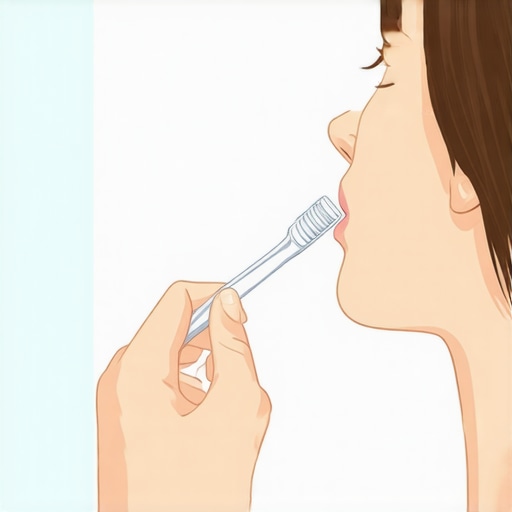
I remember the exact moment it hit me—lying in bed with a dull, persistent ache at the back of my mouth, realizing I might be heading toward another painful infection. It was a wake-up call. For years, I’d battled various dental issues, but the recurring discomfort around my wisdom teeth made me wonder: Was there an easy, everyday step I was missing?
If you’ve ever experienced that nagging pain or swollen gums after a meal, you’re not alone. Many people overlook a small but mighty move that can dramatically reduce the risk of wisdom tooth infections. The good news? It’s simple, affordable, and can fit easily into your daily routine.
Today, we’re going to uncover a straightforward technique that transformed my oral health and could do the same for you. No complicated procedures or expensive treatments—just a habit you can develop today.
Why Small Changes Make a Big Difference for Wisdom Teeth
Wisdom tooth infections are sneaky. They often develop silently until they cause noticeable pain, swelling, or even fever. According to dental health experts, the key to prevention lies in removing trapped debris and bacteria before they turn into full-blown infections. One often overlooked aspect? Proper cleaning of the area around those tricky back molars.
Early in my dental journey, I made a costly mistake: ignoring the importance of targeted cleaning around my wisdom teeth. I’d brush my teeth thoroughly but neglect the hard-to-reach spots at the very back of my mouth. Little did I realize that even a small amount of trapped food or plaque could lead to inflammation or infection. The more I neglected, the more problems I faced.
The current understanding in oral health emphasizes the importance of meticulous cleaning around wisdom teeth—especially if they’re partially erupted or impacted. Effective cleaning can prevent bacteria buildup, reduce inflammation, and ultimately protect you from painful infections and costly dental visits. It’s a classic case of an ounce of prevention being worth a pound of cure, as I’ve learned firsthand.
To get a grip on this, I dove into tips and strategies that made a real difference. You can find more expert advice on how to maintain your dental health effectively by exploring [this comprehensive guide](https://periodontistcare.com/oral-health-routine-strengthening-your-smile-every-day). But before we jump into the actionable steps, let’s address some common doubts.
Targeted Cleaning for Wisdom Teeth
Start by choosing a soft-bristled toothbrush and a fluoride toothpaste. Use gentle, circular motions to clean your back molars—those are the typical troublemakers. Tilt the brush at a 45-degree angle to reach beneath the gum line. Make sure to spend at least 30 seconds on each quadrant of your mouth to dislodge trapped food and plaque—think of it as giving your wisdom teeth a thorough spring cleaning.
Use Interdental Tools Effectively
In addition to brushing, incorporate interdental brushes or floss designed for back teeth. Carefully slide the floss between your molars, curving it around each tooth to scrape off debris. For impacted or partially erupted wisdom teeth, consider using a water flosser—it can flush out bacteria from hard-to-reach spots. Remember, consistency here prevents bacteria buildup, which leads to infection. Check out these home cleaning secrets for added techniques.
Implementing the Rinse Ritual
After brushing and flossing, rinse with a therapeutically formulated mouthwash containing chlorhexidine or essential oils. Swish for at least 30 seconds, making sure to hit the back of your mouth, where wisdom teeth are. This not only reduces bacteria but also helps balance your oral microbiome. Think of it as hosing down the backyard of your mouth—removing residual debris and bacteria that brushing might miss.
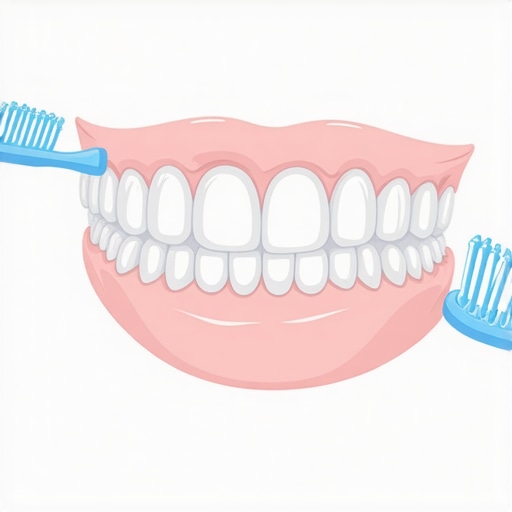
Visual guide showcasing proper brushing technique around molars with an illustrative diagram highlighting angles and motion.
Adopt a Consistent Routine
Set reminders to brush twice daily and floss once. Schedule brief but thorough cleaning sessions—don’t rush through them like a quick wash. Regularity reinforces the habit and keeps bacteria at bay. Remember, health is a marathon, not a sprint; persistent care pays off over months and years.
Monitor Your Oral Environment
Be attentive to early signs of trouble: bleeding gums, persistent bad breath, or discomfort around your wisdom teeth. Use the 30-second mirror check to spot issues before they escalate. Early detection allows for timely intervention, saving you from pain and costly procedures later.
Through diligent, targeted cleaning and routine habits, you strengthen your defenses against infections. Combining mechanical removal of debris with chemical rinses creates a hostile environment for bacteria, making infections less likely. Every small step contributes to your overall oral health, especially around those hard-to-reach wisdom teeth.
Many people believe they understand dental crowns and routine care, but several misconceptions can hinder optimal oral health. First, there’s a widespread myth that all crowns last forever; in reality, their longevity depends on proper maintenance, material choice, and individual habits. Neglecting maintenance, such as avoiding regular check-ups and cleanings, can lead to premature crown failure. For example, frequent improper cleaning techniques can cause the underlying tooth structure to weaken or the crown to loosen, underscoring the importance of following experts’ advice on maintaining dental crowns [learn more here](https://periodontistcare.com/caring-for-crowns-essential-tips-for-longevity-and-shine).
Another often overlooked nuance is that family dentistry isn’t just about routine cleaning—it’s about personalized prevention strategies that evolve with your age and lifestyle. Many assume that brushing twice daily suffices, but in truth, comprehensive care includes specific techniques tailored to your dental condition, diet, and genetics. Overly aggressive brushing with hard bristles, for instance, can cause gum recession, exposing the roots and increasing sensitivity. Using a soft-bristled brush and gentle circular motions is more effective and safer, especially for vulnerable areas like the gum line or around crowns [discover effective brushing tips](https://periodontistcare.com/teeth-cleaning-secrets-effective-home-practices-for-family-dental-health).
When it comes to teeth cleaning, common myths suggest that flossing is optional or less important than brushing. However, neglecting interdental cleaning leaves plaque undisturbed between teeth, leading to cavities and periodontal issues. Incorporating interdental brushes or water flossers can reach those tricky back molars, significantly reducing bacteria buildup, especially around wisdom teeth [see more here](https://periodontistcare.com/oral-health-tips-every-family-should-follow-in-2025).
So, what should you watch out for? One critical mistake is ignoring early signs of gum or crown problems because they seem minor. Small chips or discomfort might seem insignificant but could indicate underlying issues like decay, crown detachment, or gum recession. Regular check-ups with your dentist help catch these nuances early, preserving your natural teeth and restorations long-term.
Let’s confront a common misconception: that professional cleaning alone guarantees oral health. In fact, at-home routines tailored to your specific needs are essential for long-lasting results. For example, people with crowns or restorations benefit from specialized cleaning strategies to avoid damaging delicate materials. Following expert advice on maintaining crowns and overall oral health can save you money and discomfort in the long run [explore expert recommendations here](https://periodontistcare.com/expert-advice-on-crowns-and-teeth-cleaning-for-lasting-results).
Have you ever fallen into this trap? Let me know in the comments. Remember, a nuanced understanding of dental care, combined with consistent routines, makes all the difference in your smile’s health and durability.Maintaining your oral health is a daily commitment, and having the right tools can make all the difference. I personally rely on a few specialized devices that have transformed my routine, ensuring that my teeth and gums stay in top shape over the years. For starters, I swear by the **electric toothbrush** with a **rotating-oscillating head**, which, according to research in the _Journal of Clinical Dentistry_, outperforms manual brushing in plaque removal and gum health [see more](https://periodontistcare.com/why-we-recommend-electric-toothbrushes-over-manual-ones-for-most-adults). Its gentle yet thorough action reaches those hard-to-clean back molars, crucial for preventing infections around wisdom teeth.
Next, I incorporate **interdental brushes** specifically designed for tight spaces. Regular floss sometimes isn’t enough, especially when dealing with crowns or tightly spaced teeth. The **small, tapered interdental brushes** I use allow me to flick out debris lodged between my molars, effectively reducing bacteria buildup. These tools are particularly invaluable for cleaning around crowns, as improper cleaning can compromise their longevity [get expert tips here](https://periodontistcare.com/maintaining-your-dental-crowns-dos-and-donts-for-best-results).
To complement mechanical cleaning, I always include a **water flosser** in my routine. Its pressurized stream reaches areas that traditional floss might miss, especially around partially erupted or impacted wisdom teeth. In fact, the water flosser’s efficacy in reducing bleeding and inflammation has been supported by clinical studies, making it an essential part of my daily practice.
For rinsing, I prefer a **therapeutic mouthwash** with chlorhexidine or natural essential oils to help balance my oral microbiome. Swishing for about 30 seconds post-brushing helps dislodge any residual bacteria, particularly in those tricky back areas. It’s like giving my mouth a final, thorough wash—especially important if you’ve been eating sticky or sugary foods.
Predicting the future of oral health tools, I believe technology will continue to advance, with smarter devices offering real-time feedback and personalized cleaning plans. Imagine toothbrushes with AI that adapt to your brushing habits or water flossers that scan for problem spots! For now, integrating these proven tools into your routine is a fantastic step toward long-term dental health.
How do I maintain my dental tools over time? I make a point to replace my toothbrush head every three months, clean my interdental brushes after each use, and run my water flosser through a quick vinegar rinse monthly to prevent bacterial buildup. Regularly replacing and cleaning tools is essential to prevent them from becoming sources of contamination or bacteria. Also, I schedule routine check-ups to ensure my tools and techniques remain effective, aligning with expert advice [here](https://periodontistcare.com/expert-advice-on-crowns-and-teeth-cleaning-for-lasting-results).
Now, I challenge you to upgrade your cleaning arsenal—try a water flosser this week and see how it enhances your oral health. Remember, consistency and the right tools are your best allies in keeping your smile shining for years to come.
The Hidden Lessons Dental Schools Might Not Teach You
One of the most profound realizations I had was that mastering the art of targeted cleaning around wisdom teeth isn’t just about looking good—it’s about preventing pain and costly trips to the dentist. I once thought that brushing was enough, only to discover that neglecting the back molars and gum line led me down a path of inflammation and discomfort. The lightbulb moment? Small, consistent habits, like using an interdental brush or water flosser, can save you from bigger problems down the road.
Furthermore, I learned that custom tools—like a soft-bristled electric toothbrush and therapeutic mouthwash—weren’t just luxury items but essential allies in my oral health journey. They helped me reach those tricky spots and keep bacteria at bay. The key takeaway? It’s not about working harder, but smarter, integrating tools that align with your unique dental landscape.
My Arsenal for A Healthy Smile
To keep my wisdom teeth healthy and reduce infection risks, I rely on an array of thoughtfully chosen tools. An electric toothbrush with a rotating-oscillating head ensures thorough cleaning—even where manual brushing falls short. Interdental brushes designed for tight spaces make removing debris between molars effortless. I also incorporate a high-quality water flosser to flush out bacteria from hard-to-reach areas, especially around impacted or partially erupted wisdom teeth. These tools, recommended by dental experts, have revolutionized my routine and are definitely worth exploring for anyone serious about oral health.
Keep Moving Forward with Confidence
Your path to better oral health doesn’t have to be complicated or expensive. Embracing targeted cleaning strategies, investing in reliable tools, and staying vigilant of early warning signs can significantly diminish the chances of infections flaring up around wisdom teeth. Remember, small, consistent actions today set the stage for a healthier, pain-free smile tomorrow. Keep learning, keep practicing, and don’t hesitate to consult your dental professional for personalized advice.
Insights That Changed My Perspective
- Realizing that partial eruptions require specialized cleaning was a game-changer. It’s crucial to adapt your routine based on your dental development, not a one-size-fits-all approach.
- Understanding that crowns and restorations are only as good as the maintenance routines you follow helped me appreciate the importance of regular check-ups and tailored home care. Proper cleaning techniques extend their lifespan and preserve your investment in your smile.
- Knowing that technology continues to evolve—like smarter toothbrushes and water flossers—gives me hope that future tools will be even more personalized and effective. Staying open to innovations keeps your oral health routine fresh and effective.
Tools That Changed My Approach to Dental Care
Some of the products I swear by include the [electric toothbrush with a rotating head](https://periodontistcare.com/why-we-recommend-electric-toothbrushes-over-manual-ones-for-most-adults), which removes plaque better than manual brushing and reaches those hard-to-clean areas. I also use interdental brushes tailored for tight spaces, making it easier to remove debris near crowns and wisdom teeth. Adding a [water flosser](https://periodontistcare.com/maintaining-your-dental-crowns-dos-and-donts-for-best-results) has been a game-changer, especially if you have impacted or partially erupted wisdom teeth where traditional floss might miss. For rinsing, I prefer mouthwashes with natural oils, like tea tree or eucalyptus, which provide a fresh feel and help reduce bacteria naturally.
Take Action Today—Your Smile Deserves It
Remember, your dental health is a lifelong journey. By embracing effective, targeted cleaning habits and using tools designed for the tricky back areas, you can significantly reduce discomfort and prevent infections. Your future self will thank you for the effort—smiling confidently, free from pain, and ready to face each day with a healthy glow. Don’t wait until pain strikes; start small, stay consistent, and keep your smile shining bright.