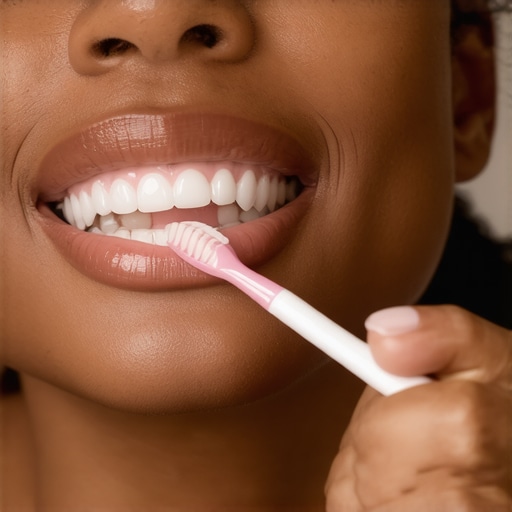
I used to dread brushing my teeth. Every morning, that uncomfortable sensation felt like tiny knives tickling my gums, making me want to skip the whole process altogether. It wasn’t just about needing a new toothbrush; it felt like a battle against my own mouth. That lightbulb moment hit me hard—my toothbrush was doing more harm than good. If you’ve ever experienced similar discomfort, you’re not alone. Many people struggle with finding the right dental tools that don’t compromise their comfort or oral health.
Why Sensitive Gums Require Special Attention
Our gums are delicate tissues, easily irritated by the wrong brushing techniques or tools. Using an aggressive or hard-bristled toothbrush can cause gum recession, bleeding, and increased sensitivity. According to a study published by the National Institutes of Health, brushing with abrasive tools can accelerate gum tissue damage, leading to long-term issues. So, how do you pick a brush that cleans effectively without hurting?
If you’ve ever bought a toothbrush solely based on a flashy packaging or the hype around a certain brand, I feel you. I made that mistake early on—thinking that a brush with the stiffest bristles was the best for plaque removal. Spoiler: it wasn’t. That mistake led to more pain, not less. Now, I want to help you avoid that trap and find a toothbrush that respects your gums while still giving you a thorough clean.
Are softer brushes just for seniors or people with dental issues? Not at all. They are perfect for anyone with sensitive gums or receding gum lines. In fact, the gentle approach can be more effective in maintaining oral health in the long run. To dive deeper into this, check out expert advice on maintaining crowns and teeth cleaning.
Next, let’s explore how to choose a toothbrush that can be both gentle and effective, transforming your daily routine into a pain-free experience.
Pick the Perfect Brush
Start by choosing a toothbrush with soft-bristled heads, like the ones designed specifically for sensitive gums. Look for labels indicating ‘soft’ or ‘extra-soft.’ I recall the first time I switched to a gentle brush—I immediately noticed less bleeding and discomfort, making my morning routine much more pleasant. Remember, a toothbrush that’s too stiff is like trying to scrub a delicate silk fabric with a wire brush—ineffective and damaging.
Master Proper Technique
Hold your toothbrush at a 45-degree angle against your gums and use gentle, circular motions. Avoid pressing too hard; think of brushing like massaging your gums rather than scrubbing them. Once, I accidentally pressed with all my might, which caused my gums to bleed. After reducing my pressure and adopting circular strokes, my gums healed within days. This technique ensures thorough cleaning without trauma.
Adopt the Right Brushing Pattern
Divide your mouth into quadrants—upper right, upper left, lower right, lower left—and spend 30 seconds on each. This systematic approach prevents neglect and ensures full coverage. I used a timer to stay disciplined. It was a bit messy at first, especially waiting for the timer, but the consistency paid off, leaving my mouth feeling cleaner and healthier.
Use Gentle, Circular Motions
Instead of aggressive back-and-forth scrubbing, focus on gentle circular movements that mimic a massage. This stimulates blood flow and cleans teeth effectively. I once tried to speed through my routine, using harsh strokes. The result was sore gums. Slowing down and adopting a gentle circular motion transformed my oral health.
Choose Quality Toothpaste
Select a toothpaste formulated for sensitive gums, preferably fluoride-rich to strengthen enamel. Applying a pea-sized amount and gently spreading it over your teeth ensures even coverage. Remember, fluoride helps remineralize enamel and protect against decay, especially useful if your gums recede, exposing more of the tooth surface.
Maintain Your Brush Properly
Rinse thoroughly after each use and replace your toothbrush every three months or sooner if the bristles fray. A worn brush is like a worn-out broom—ineffective at cleaning. I kept a backup brush, which made switching seamless, ensuring optimal cleaning power and hygiene.
Incorporate Regular Dental Checks
Even with diligent home care, routine professional cleanings are essential. They remove plaque buildup your toothbrush might miss and check for early signs of gum issues. I schedule visits every six months; it’s like a tune-up for my mouth, catching problems before they escalate. For further tips on effective home practices, visit teeth cleaning secrets.
While brushing and flossing are fundamental to oral health, many people unknowingly fall into traps that undermine their efforts. One widespread myth is that scrubbing harder removes more plaque—nothing could be further from the truth. Excessive pressure not only damages your gums but can accelerate recession and tooth sensitivity, especially if you use a hard-bristled toothbrush. Instead, gentle, circular motions with a soft brush are far more effective and protective, as highlighted by recent research in the Journal of Clinical Dentistry. Another misconception involves family dentistry practices: many assume that routine cleanings are purely cosmetic. However, they play a crucial role in preventing periodontal disease, which can influence whole-body health. Ignoring signs of gum inflammation often leads to advanced issues like bone loss, highlighting the importance of early intervention. Additionally, many believe that crowns are a one-and-done solution; in reality, they require meticulous maintenance and periodic evaluations to prevent decay at the margins, as described in our guide on crown care. One advanced nuance often overlooked is the impact of occlusion—how your bite alignment affects both crowns longevity and overall oral health. Misaligned bites can cause uneven wear and increase the risk of fractures, emphasizing the need for comprehensive assessments beyond visual checks. Don’t fall into the trap of thinking that a quick fix suffices; understanding these subtleties can make a significant difference. Have you ever fallen into this trap? Let me know in the comments. Remember, a well-informed approach to dental care not only preserves your teeth but also supports your overall health, which is why exploring mysterious oral discomforts and other niche topics can be so beneficial.Maintaining your oral health isn’t just about daily brushing and flossing; it requires reliable tools and a strategic approach to keep your smile shining for years to come. Investing in high-quality equipment can make a significant difference, especially when it comes to protecting delicate areas like crowns and preventing gum issues. One of my personal favorites is the Sonicare DiamondClean Smart toothbrush. Its ultrasonic technology ensures gentle yet thorough cleaning, which is perfect for sensitive gums and crowns. I personally use this model because it offers real-time feedback on brushing pressure and technique, helping me avoid common mistakes like brushing too hard, which can cause gum recession. Additionally, pairing it with a premium fluoride toothpaste tailored for sensitive teeth optimizes results. Clear, ergonomic handles and multiple brushing modes make routines more enjoyable and adaptable to evolving dental needs.
Beyond the toothbrush, I recommend a water flosser such as the Waterpik Aquarius. My experience has shown that water flossing disrupts plaque buildup effectively, especially around crowns and interdental spaces where traditional floss might miss. The pulsating water not only cleans but also massages the gums, improving circulation and preventing recession. When it comes to long-term results, regular professional cleanings are essential. Scheduling visits every six months allows your dentist to perform precise cleanings and catch early signs of issues, such as plaque accumulation around crown margins. For more on how regular cleanings benefit your overall health, visit this resource.
Now, as we look toward the future, innovations like AI-powered diagnostics and personalized oral health plans are expected to become commonplace. These advancements will enable dentists to tailor treatments with unprecedented precision, ensuring your dental tools and routines evolve with your needs.
Thinking about long-term maintenance, how do I keep my crowns and natural teeth in top condition over time? One key strategy is adopting a specialized cleaning regime. For instance, utilizing electric toothbrushes with built-in timers can help maintain proper brushing habits consistently, which is crucial for crown longevity. Also, regular use of antimicrobial mouth rinses can reduce bacterial loads that threaten crown margins and overall gum health. Remember, preventative maintenance doesn’t stop at tools and routine visits; it includes understanding how your unique conditions require customized solutions.
Lastly, don’t overlook the importance of proper storage and replacement of your dental equipment. Replace your toothbrush head every three months or sooner if bristles fray—as per recommendations from the ADA guidelines. Maintaining your tools is the first step toward enduring oral health.
For those looking to adopt more advanced techniques, I suggest trying a UV sanitizing toothbrush holder. It reduces bacterial contamination on your brush between uses, which is especially beneficial during flu season or after illness. Incorporate these practices, and you’ll be well on your way to keeping your smile not just healthy, but resilient for the long haul. Ready to upgrade your routine? Try a UV sanitizer today and experience the difference it can make.
What I Wish I Knew Before Starting My Oral Health Journey
One of the biggest lessons I learned is that effective dental care isn’t about devices or products alone; it’s about understanding the subtle nuances of your own mouth. Simple adjustments like choosing the right toothbrush and adopting proper technique made a world of difference. Early on, I thought brushing harder would clean better—turns out, gentleness and consistency are key. This revelation changed my approach entirely and saved me from unnecessary gum issues.
Tools That Transformed My Routine and Why I Trust Them
I rely on a Sonicare DiamondClean Smart toothbrush because its ultrasonic technology provides gentle yet thorough cleaning, perfect for sensitive gums and crowns. For interdental cleaning, I swear by the Waterpik Aquarius, which cleans deep where traditional floss can’t reach. Pairing these with a fluoride toothpaste designed for sensitive teeth keeps my smile shining without discomfort. These tools have become indispensable parts of my dental toolkit, helping me maintain a healthy, confident smile every day.
Living Your Best Smile Starts Today
Your journey to healthier teeth and gums is uniquely yours. Embrace personalized care, stay consistent, and don’t hesitate to explore new techniques. Remember, investing in the right tools and knowledge now pays dividends in long-term oral wellness. Your future self will thank you for the effort you put in today. Ready to elevate your oral health routine? Take that first step today, and your smile will thank you for it.