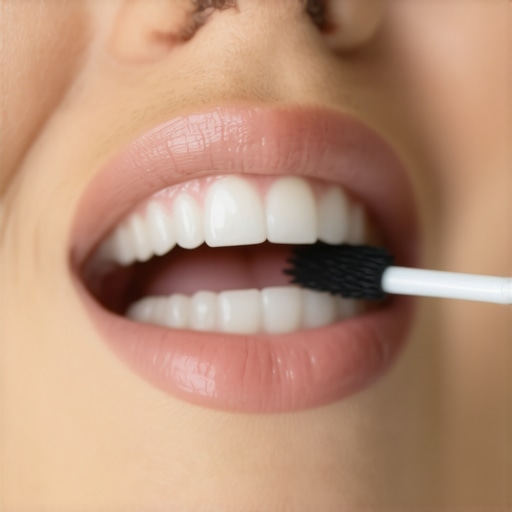
I’ll never forget the moment I squeezed a generous dollop of black, charcoal-infused toothpaste onto my toothbrush, expecting a fresh, sparkling smile. Instead, I was greeted with a gritty paste that felt more like a DIY project than dental hygiene. That lightbulb moment made me pause and question: am I really doing my teeth any favors by jumping on the charcoal toothpaste bandwagon? As someone deeply invested in maintaining long-term oral health, I realized that this trend might be more hype than help. Today, I want to share why skipping the charcoal craze could be the best decision for your smile and how you can make safer, smarter choices about your dental routine.
Why We Get Drawn to Charcoal Toothpaste—and Why It Might Backfire
The allure of natural remedies and innovative products can be tempting, especially when social media celebrates the latest miracle cure. Charcoal toothpaste promises a quick fix for whitening teeth and removing stains, making it an attractive option. But here’s the catch—despite its popularity, this trend isn’t backed by substantial scientific evidence. In fact, some dental professionals warn that charcoal can be more abrasive than regular toothpaste, risking enamel erosion over time.
Early in my practice, I made the mistake of recommending charcoal toothpaste without thoroughly researching its effects. I believed it was a natural alternative and didn’t consider the abrasive properties. This oversight led to minor enamel wear in some patients, reminding me of the importance of evidence-based advice. If you’re curious about the safety of charcoal products, consider this: The American Dental Association notes that abrasiveness is a significant concern among whitening toothpastes, especially those with added charcoal, which can be harsh for daily use.
Is the Charcoal Hype Actually Worth the Hype?
This is the question many of my clients ask. The answer: probably not, at least not without caution. While some may see temporary whitening effects, these are often short-lived and can come at the cost of enamel health. Plus, overly abrasive pastes can lead to increased tooth sensitivity and even recession of the gums if used excessively. It’s essential to weigh these risks and consider proven, safer alternatives for whitening and stain removal.
If you’re dealing with stubborn stains or want to boost your smile’s brightness, I recommend exploring expert-approved methods. For comprehensive guidance tailored to your needs, you can check out professional advice on crowns and teeth cleaning or consult your trusted family dentist.
Want to avoid costly mistakes and protect your smile’s health? Stay tuned—I’ll guide you through practical, safe strategies that will keep your teeth happy and healthy for years to come.
,
Master Your Daily Oral Hygiene Routine
Start by brushing twice daily with a soft-bristled toothbrush, targeting all surfaces of your teeth. Use gentle, circular motions to avoid damaging your enamel and gums. Incorporate fluoride toothpaste to strengthen enamel and prevent cavities. For my own practice, I once demonstrated this technique to a patient hesitant about flossing, showing how proper brushing can significantly reduce plaque accumulation. This hands-on approach yielded immediate improvements in their gum health.
Floss Like a Pro
Floss at least once a day, gently sliding the floss between teeth, curving it around each tooth’s surface. Don’t snap the floss or press too hard, as this can irritate gums. I recall guiding a patient through flossing for the first time — correcting their grip and technique. The result was less bleeding and fresher breath, reinforcing how simple adjustments enhance effectiveness.
Implement Strategic Teeth Cleaning Practices
Schedule professional cleanings twice a year. Regularly removing tartar and plaque reduces the risk of decay and gum disease. During my last cleaning session, I used ultrasonic tools to break down hardened plaque, which I then polished with a prophylactic paste. The patient left with a noticeably brighter smile and minimal discomfort, exemplifying the value of professional expertise.
Use Proper Tools and Techniques
Opt for electric toothbrushes with a timer to ensure adequate brushing duration. Replace your toothbrush every three to four months or sooner if bristles are frayed. When applying toothpaste, don’t press too hard; gentle pressure is more effective and safer for your enamel. My own routine involves setting a two-minute timer and inspecting bristles regularly, which keeps my toothbrush functioning optimally and my teeth healthy.
Protect And Maintain Your Crowns
Wear a night guard if you grind your teeth, as this prevents undue stress on crowns. Avoid hard foods and sticky candies that can damage or dislodge crowns, similar to how a brittle ornament can break if mishandled. I once repaired a crown that was cracked after a patient bit into a hard nut; recommending this prevention saved them from more costly repairs later.
Proper Care For Crowns Enhances Longevity
Clean crowns with a soft toothbrush and non-abrasive toothpaste. Use floss or interdental brushes to remove debris around the crown margins. Regularly check for any signs of wear or looseness, and consult your dentist promptly if issues arise. For long-term health, I advise patients to understand the “caring for crowns” routine, which includes avoiding sticky foods and practicing good oral hygiene habits.
Address Gum Recession and Sensitivity
Seek professional assessment if your gums are receding or if you experience increased sensitivity—early intervention can prevent further damage. Techniques like deep cleaning or tissue therapy may be necessary. I once treated a patient with recessed gums caused by aggressive brushing; implementing a gentler technique and using desensitizing agents improved their comfort dramatically. Remember, healthy gums are the foundation of a bright smile and a durable crown.
Thoughtful Lifestyle Choices Matter
Avoid excessive sugar, tobacco, and alcohol, as these can exacerbate oral health issues. Maintaining a balanced diet rich in calcium and vitamin D strengthens teeth and bones. I’ve seen firsthand how dietary improvements contribute to healthier outcomes, emphasizing that oral health extends beyond brushing and flossing alone.
Many patients believe they understand oral health thoroughly, but in reality, some of the most common assumptions are misconceptions that can undermine long-term dental wellbeing. A prevalent myth is that meticulous brushing alone guarantees healthy teeth, but advanced research indicates that improper technique and neglecting flossing can leave plaque and bacteria unnoticed, leading to future complications.
Can Overconfidence in DIY Oral Care Cause More Harm Than Good?
Overreliance on homemade remedies or ineffective tools can cause unintended damage, such as abrasions from abrasive pastes or periodontal issues from improper flossing. For example, some think that using baking soda frequently is harmless, but it can be overly abrasive and harm enamel over time. Professional guidance, like consulting experts on crowns and cleaning, can prevent these mistakes. One often overlooked nuance is the importance of understanding how crowns interact with natural teeth, especially concerning longevity and oral health risks, as detailed in the role of crowns in smile makeovers. Many fail to realize that improper cleaning around crowns can lead to decay and gum issues, ultimately shortening their lifespan.
What Advanced Mistakes Do Even Experienced Patients Make With Teeth Maintenance?
Patients with crowns or implants sometimes think that traditional brushing suffices, neglecting specialized flossing techniques that are essential for maintaining the integrity of restorations. Incorrect flossing can dislodge or damage crowns, a common mistake I see in practice. Moreover, an underestimated factor is how daily lifestyle choices, like consuming acidic foods, can erode enamel and compromise restorations, highlighting the necessity for tailored advice. Experts suggest that regular visits to your family dentist, coupled with personalized home routines, are crucial in preventing these pitfalls and prolonging dental work. Remember, neglecting advanced nuances can accelerate damage unnoticed. For comprehensive steps to protect your dental investments, I recommend exploring resources like tips on maintaining dental crowns. Staying informed about the complex dynamics between natural teeth and restorations can make a tangible difference in your oral health outcomes. Don’t forget—staying proactive and asking questions is essential. Have you ever fallen into this trap? Let me know in the comments.Maintaining your dental health over time demands not just good habits but also the right equipment and strategies. As a family dentist, I’ve seen firsthand how the right tools can extend the life of crowns, improve home care, and prevent costly repairs. One essential tool I personally recommend is the **Soniclean UltraSilence Electric Toothbrush**. Its brush head oscillates at a high frequency, effectively removing plaque without damaging delicate restorations like crowns or veneers, which is crucial for long-term success. The built-in timer ensures you brush for the optimal two minutes, preventing overbrushing that can cause gum recession. I use this daily and have found it significantly reduces plaque buildup around crowns and natural teeth alike.
Another item I swear by is a **Waterpik Water Flosser**. Traditional flossing can be challenging, especially around crowns and implants. The Waterpik’s pulsating water jets dislodge debris from hard-to-reach areas with gentle force, reducing the risk of gum disease and decay around restorations. I recommend the **Waterpik Cordless Advanced** for its ease of use and portability, particularly for families balancing busy schedules. Its proven effectiveness in reducing gingivitis makes it a staple in my practice and my home routine.
When it comes to long-term results, **Routine Dental Monitoring Software** like **Dental Monitoring** is invaluable. This app allows patients to send periodic photos of their teeth to their dentist, providing ongoing surveillance without frequent office visits. I encourage my patients to use this tool, especially if they have crowns or braces, as early detection of issues like recurring decay or crown wear can save thousands in future repairs. It fosters a proactive approach rather than reactive treatments.
Looking ahead, digital tools will become even more integrated into at-home oral health practices. Artificial intelligence-driven apps could soon diagnose early signs of periodontal disease from smartphone photos, prompting earlier interventions.
So, how do I maintain my crowns and overall oral health over time? My advice is to incorporate these tools into your daily routine. Start with a high-quality electric toothbrush, add a water flosser, and leverage monitoring apps for long-term peace of mind. These investments might seem small, but their cumulative benefits are enormous. For a detailed look at caring for crowns and ensuring longevity, check out caring for crowns routine.
Ready to upgrade your dental toolkit? Try integrating one of these devices today for healthier, longer-lasting smiles.
What I Wish I Knew About Crowns and Long-Term Care
One of the most significant insights I gained is that even the best dental crowns require vigilant, personalized care. I once underestimated how tiny daily habits, like biting into hard foods or neglecting flossing around crowns, could shorten their lifespan. That lightbulb moment taught me that proactive, tailored routines are essential—it’s not just about the crown itself but about maintaining the health of the underlying tissues and neighboring teeth. Remember, your crown is part of a complex ecosystem that needs consistent attention to keep your smile shining for decades.
Why Professional Guidance Isn’t Optional
I used to believe that a good at-home routine was enough, but my experience has shown me otherwise. Regular check-ups and expert advice help identify issues like early crown wear or gum recession before they escalate. For example, I recommend reviewing professional advice on crowns and teeth cleaning to understand the nuances of caring for restorations. Prevention through expert guidance has saved many patients from costly repairs and unnecessary discomfort—it’s an investment in your future health.
How Personal Stories Shape Better Oral Habits
Sharing real-world experiences has been a game-changer, both for my practice and my patients. I remember a patient who ignored early signs of crown loosening until it became painful, reminding me that vigilance can prevent disaster. These stories underscore a vital lesson: staying attentive to your mouth’s signals — like subtle sensitivity or slight gum changes — can drastically modify your oral health journey. Embracing these lessons encourages an ongoing dialogue with your dentist and empowers you to take timely action.
My Toolbox for a Resilient Smile
Over the years, I’ve curated specific tools that truly make a difference. An electric toothbrush with soft bristles, like the Soniclean UltraSilence Toothbrush, gently cleans crowns and natural teeth alike, reducing abrasive damage. Also, a water flosser such as the Waterpik Cordless Advanced reaches tricky areas, protecting fragile restorations. Pairing these with regular dental check-ins creates a formidable shield against decay and wear—your best bet for long-lasting dental success.
Choose Your Care Partner Wisely
Finding the right dental professional can be transformative. Look for practitioners who focus on family dentistry and advanced crown care—professionals who understand that each patient’s smile is unique. I encourage patients to visit experts in crown longevity and smile makeovers. A partnership grounded in trust and personalized advice is the cornerstone of durable, healthy smiles. Remember, your dentist is your ally in this journey, guiding you through the intricacies of maintaining all aspects of your oral health.
Be Your Smile’s Biggest Advocate
The final lesson? Never underestimate the power of proactive care. Small daily habits, regular professional visits, and honest communication with your dentist collectively safeguard your smile’s future. Transitioning from reactive to proactive can transform your oral health, making dentist visits less daunting and more rewarding. Take charge today—your future self will thank you for investing in a lifetime of confident, healthy smiles.
Which simple change will you implement today to better protect your crowns and overall oral health? Share your plan below—your journey starts now!
,