Category: Pediatric Dental Care

  • The Hidden Spot Parents Always Miss When Brushing Their Kids’ Teeth

    The Hidden Spot Parents Always Miss When Brushing Their Kids’ Teeth

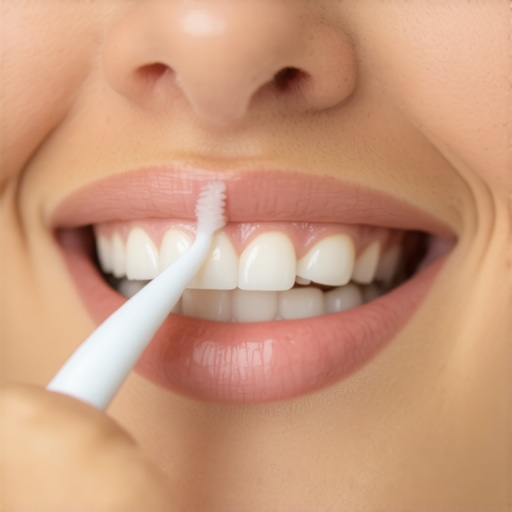
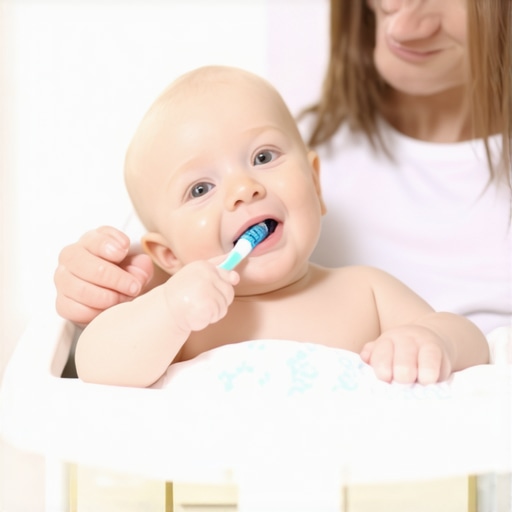
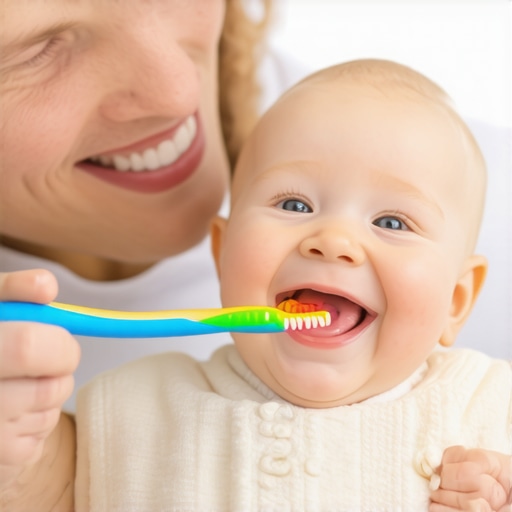
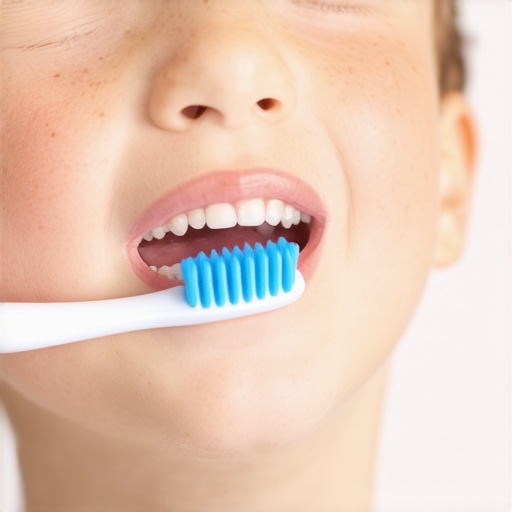
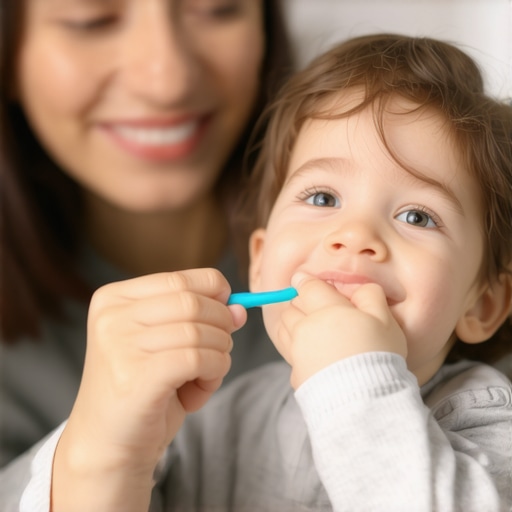
    I remember the moment vividly. My child’s cheeks puffed out, resisting my attempt to brush deeply, and I finally realized I might be missing the very spot where plaque hides the most. It was a lightbulb moment that made me rethink everything I thought I knew about effective brushing, especially with little ones. The truth is, parents often focus on visible surfaces and easily accessible areas—but there’s a sneaky little corner most overlook. This oversight can lead to cavities, gum issues, and long-term dental problems for our kids, even if they’re brushing diligently.

    Why Overlooked Areas Can Make or Break Your Child’s Dental Health

    Many parents don’t realize that plaque loves to settle in the tiny, hard-to-see spots around the mouth. Just like you might miss a hidden stain on fabric until it’s too late, plaque can silently accumulate in these neglected areas, leading to decay and gum disease down the line. Especially with children, who often rush through brushing or aren’t yet skilled at thorough cleaning, these hidden spots can become silent troublemakers. Early on, I made the mistake of assuming that a quick scrub was enough, only to discover dark spots on my child’s molars days later. That was my wake-up call. Knowing where to look and how to clean effectively can make *all* the difference.

    For trustworthy guidance, I often reference expert insights, like the advice found at [Periodontist Care](https://periodontistcare.com/the-truth-about-charcoal-toothpaste-and-your-natural-enamel), which underscores the importance of reaching all corners of the mouth for optimal oral health. Failing to do so isn’t just a minor oversight; it can have lasting consequences.

    So, what exactly is this hidden spot, and how can parents ensure they’re cleaning it properly? That’s exactly what we’ll tackle next—a game-changer for anyone wanting to give their kids’ teeth the comprehensive care they deserve.

    Is it really worth the effort to focus on these hidden spots?

    Starting out, I’ll admit—I was guilty of just gently grazing the surfaces I could see. But early on, I learned that this mistake can leave plaque lurking, and even lead to issues like [receding gums or cavities](https://periodontistcare.com/why-your-gums-bleed-even-if-you-floss-every-single-day), despite the best intentions. It’s tempting to think, “My kid’s teeth look clean,” but the truth is, some problems hide behind the scenes. Addressing these neglected areas requires a little more attention and technique, which I found easiest when I understood exactly where the plaque hides and how to attack it.

    Does this resonate? Have you ever felt like you’re missing a spot when brushing your child’s teeth? If so, keep reading, because you’re about to discover the simple, practical steps you can take to ensure every corner of your child’s mouth gets the thorough cleaning it needs.

    Targeted Brushing: Get to Know Your Child’s Mouth Inside and Out

    Start by familiarizing yourself with where plaque loves to hide. Think of the mouth as a tiny city, with plaque the sneaky criminal hiding in alleyways and behind doors. Use a flashlight to inspect your child’s teeth after brushing—this visual check helps identify neglected spots. During my first attempt to do this, I caught a dark stain behind my daughter’s molars, which prompted me to focus on those areas specifically. This eye-opening moment showed me that visual inspection is the first step toward effective cleaning. To complement your efforts, consider a mirror to visualize those hard-to-see spots, much like doing a home inspection for unseen damage.

    Choose the Right Tools for Tough Spots

    Use a Soft-Bristled Toothbrush and Floss Correctly

    Invest in a soft-bristled toothbrush—think of it as a gentle scrub brush that cleans thoroughly without damaging delicate gums. When cleaning, angle the brush at a 45-degree tilt toward the gumline, and make small, circular motions—like polishing a delicate piece of jewelry. For the tricky areas between teeth, floss gently but thoroughly, ensuring you reach beneath the gumline where plaque hides. I once hurried through flossing, missing these hidden spots, leading to slight bleeding the next day. That experience cemented the importance of patience and proper technique.

    Leverage Specialized Cleaning Aids

    Incorporate interdental brushes or water flossers for hard-to-reach areas—think of these as mini-tunneling tools that clear away stubborn debris. When my son started wearing braces, I used a water flosser to reach curves and crevices traditional floss couldn’t access. This simple addition saw immediate improvements in his gum health and cleaned spots I never knew existed. Incorporating these aids can dramatically enhance the thoroughness of your child’s oral hygiene routine, especially in those neglected corners.

    Adopt Effective Brushing Techniques

    Instead of the standard back-and-forth scrub, adopt a gentle massaging motion akin to kneading dough—this breaks down plaque without causing gum recession. Focus on the gumline, where plaque tends to accumulate, by placing the brush at a 45-degree angle and vibrating gently in small circles. Remember, aggressive brushing can damage delicate tissues, so be firm but gentle. I recall once pressing too hard, which caused soreness; after relaxing my technique, my child’s gums welcomed the change. Proper technique ensures you’re cleaning thoroughly without harm.

    Make Routine Inspections and Adjustments

    Regularly check your child’s mouth as part of the routine, looking for dark spots or sticky areas that might indicate plaque build-up. Adjust your cleaning approach based on these observations. For instance, if you notice discoloration near the molars, spend extra time there with a toothbrush or interdental cleaner. This proactive approach prevents small issues from escalating. I once found a faint brown line, which prompted me to schedule a professional cleaning—preventing a potential cavity. Circle back to inspect and refine your technique regularly.

    Maintain Consistency and Patience

    Consistent effort is key—think of it as tending a garden; regular care yields the best results. Be patient, especially with children who may resist or forget, and turn it into a game—picking a fun toothbrush or using a timer. When I made dental care a shared activity, my son looked forward to it. Remember, every small effort in cleaning those neglected horizons pays off in the long run, preventing cavities and gum disease. Keep at it, and over time, these habits become second nature for your little one.While common advice emphasizes regular brushing and flossing, many overlook subtle yet impactful nuances that can make or break your oral health. One widespread myth I’ve encountered is the belief that aggressive brushing is the key to clean teeth; however, this often leads to gum recession and enamel damage. Experts agree that gentle, proper technique is more effective and preserves tissue integrity over time. For instance, studies show that forceful scrubbing can cause micro-tears in the gum tissue, creating entry points for bacteria and accelerating recession. Never underestimate the importance of technique—using a soft-bristled brush and gentle circular motions can significantly improve outcomes.

    Advanced Mistake: Ignoring the Subtle Signs of Crown Failure

    Many families assume that once a crown is placed, it’s a set-it-and-forget-it situation. But small, often overlooked signs may indicate underlying problems, like micro-leakage or cracks. Ignoring these signs can lead to more invasive procedures later, such as root canals or replacements. For example, a slight discoloration at the margin of a crown might seem insignificant but could signal decay underneath. Regular check-ups and paying close attention to changes in sensation or appearance can save you from more complex treatments down the line. Remember, a dental crown isn’t just a cosmetic fix but a long-term investment requiring diligent monitoring.

    Another common misconception revolves around the safety of charcoal toothpaste. Many believe it’s a natural whitening miracle, but in reality, charcoal’s abrasiveness can compromise your enamel if used excessively. The enamel is your first line of defense against decay, and once worn down, it can’t regenerate. To learn more about the risks of overusing abrasive products, check out [The truth about charcoal toothpaste and your natural enamel](https://periodontistcare.com/the-truth-about-charcoal-toothpaste-and-your-natural-enamel). Always opt for evidence-based approaches, such as professional whitening or gentle, non-abrasive whitening kits.

    Why Using Water Quality Matters More Than You Think

    Another nuanced aspect is the impact of water quality on your family’s dental health. Soft water, often called “the gentle water,” can actually increase tooth sensitivity because it lacks minerals that help remineralize enamel. Conversely, hard water provides beneficial minerals but may also contain higher levels of fluoride—so balance is key. If your water source is via a private well or city with questionable fluoride levels, consult your dentist about tailored fluoride treatments or mineral supplements. Proper water quality management can significantly impact the longevity of your enamel and overall oral health.

    In essence, effective dental care involves paying attention to these small but crucial nuances. Are you making any of these common mistakes without realizing it? Let me know in the comments! Remember, mastering the details will give you a real advantage in maintaining a healthy smile for years to come.

    Maintaining your family’s oral health long-term requires the right tools and consistent habits. Over the years, I’ve refined my approach by choosing equipment that balances efficiency with gentleness, ensuring that each cleaning session actually improves your teeth’s health rather than risking damage. For instance, I swear by the [Oscillating-Rotating Electric Toothbrush](https://periodontistcare.com/the-truth-about-electric-toothbrushes-vs-manual-brushing) for my kids—even with sensitive gums, it provides a thorough clean without the aggressive forces that manual brushing sometimes entails. This technology vibrates at high speeds, effectively removing plaque from those tricky-to-reach back molars, which are often neglected. Using a quality electric brush means you don’t have to scrub harder; instead, let the oscillations do the work.
    A high-tech electric toothbrush cleaning teeth efficiently with a replaceable brush head.

    Similarly, flossing shouldn’t be a chore—it should be an effective tool in your arsenal. I prefer the Water Flossers for family members who struggle with traditional floss, especially those with braces or dental crowns. These devices shoot a pressurized stream of water into interdental spaces, dislodging debris with minimal effort. I’ve seen firsthand how switching to a water flosser drastically reduces gum bleeding and plaque buildup in my family. For those deeply ingrained particles, these tools reach beyond the surface, making regular maintenance faster and more reliable.
    Investing in reliable, high-quality tools might seem like a small expense, but over time, it’s what keeps those annual dental visits stress-free and your family’s smiles healthy and bright. Remember the importance of replacing manual brushes every three months—dull bristles just won’t clean effectively. For electric brushes, follow the manufacturer’s advice to change heads every 3 to 6 months and ensure the device remains hygienic.
    Looking ahead, the trend is leaning toward smarter oral health devices, integrating AI to guide your brushing technique and monitor plaque levels remotely. In the future, I predict that those with app-connected toothbrushes will have even better insights into their oral hygiene habits, making maintenance more personalized and effective.
    Now, ask yourself—are your tools truly working as well as they can? I challenge you to try upgrading your family’s toothbrushes this month to high-efficiency electric models to experience the difference firsthand. For added protection, combine this with using interdental brushes or water flossers for those hard-to-reach areas, especially around crowns and bridges. Regularly inspecting the effectiveness of your tools guarantees long-term results, saving you money and discomfort later. Don’t wait for problems to appear; upgrade your routine now for healthier smiles tomorrow.

    Lessons from the Dental Trenches That Changed My Approach

    One of the toughest lessons I’ve learned is that even the smallest neglected spot in your child’s mouth can become a cavity nightmare later on. I used to believe that quick brushing was enough, but I soon realized that real oral health requires a keen eye and targeted techniques. Discovering that plaque hides behind molars or in tiny fissures was an eye-opener. Additionally, I learned that recommending the right tools—like interdental brushes or water flossers—can transform a child’s dental routine. And perhaps most surprisingly, focusing on gentle, consistent habits over aggressive scrubbing yielded far better results, preserving delicate gums and enamel. These insights have reshaped how I advise families to care for their loved ones’ smiles, emphasizing that attention to detail today prevents pain tomorrow.

    My Go-To Resources for Keeping Smiles Bright

    Over the years, I’ve trusted a few key resources that provide evidence-based, practical advice. This article about charcoal toothpaste helped me understand the risks of abrasive whitening options, guiding me to safer choices. Understanding water quality’s impact has been crucial in managing enamel health at home. For choosing tools, I rely on reviews and recommendations from dental professionals about crowns and restorations. These trusted sources help me make informed decisions that prioritize long-term oral health over quick fixes.

    Take Action for a Happier, Healthier Smile Today

    Your family’s teeth deserve your best effort, and now is the perfect time to make small but impactful changes. Upgrading to an electric toothbrush designed for gentle yet thorough cleaning can make a noticeable difference, especially with kids. Pair it with interdental brushes or a water flosser to conquer those hidden spots I mentioned. Remember—consistent routines and keen inspections prevent small issues from becoming big problems. The journey toward healthier teeth isn’t about perfection; it’s about progress. Start today, and watch your family’s smiles grow brighter with every mindful brush and floss. What subtle habit will you change first to protect your loved ones’ smiles? Let me know below and share your tips!

  • The 2-minute trick for getting kids to brush their back molars

    The 2-minute trick for getting kids to brush their back molars

    Ever found yourself battling your child’s refusal to brush those stubborn back molars? I remember one evening, after convincing my kid for what felt like the hundredth time to brush a certain tricky spot, it suddenly hit me: there has to be a better way. That moment of frustration became the lightbulb that led me to discover a simple, effective trick that transformed our bedtime routine. Now, I want to share that with you because, honestly, I’ve been there—struggling to get little ones to do what seems impossible.

    The Real Struggle: Why Kids Won’t Brush Their Back Teeth

    Many parents, including myself, have faced the challenge: how do you motivate your child to brush their back molars when they feel awkward, uncomfortable, or just plain refuse? It’s more common than you think. These molars are positioned deep in the mouth, making them hard to reach and even harder to persuade kids to focus on. As a parent, I used to worry about cavities hiding in those hard-to-reach spots or whether my child’s irregular brushing was setting them up for future dental problems.

    Early on, I made the mistake of insisting they brush, thinking volume and frequency would do the trick. Spoiler alert: it didn’t. Instead, their frustration grew, and my confidence in our routine waned. I was overlooking an essential aspect—turning the process into an engaging, manageable task that kids actually want to do. That’s when I stumbled upon a game-changing method inspired by my own experiences as a parent and dentist’s advice.

    Is the 2-Minute Trick Really Worth the Hype?

    At first, I was skeptical, just like many parents. Could a simple trick really make my kid eager to brush their back teeth? It sounds too easy, right? Well, I learned that it’s not just hype. The trick involves turning brushing into a quick, enjoyable challenge that appeals to their sense of accomplishment and independence. And honestly, it works wonders. If you’re tired of the nightly tug-of-war, I invite you to stick around. I’ll guide you through a straightforward method that has made brushing enjoyable for my kids—and could do the same for yours.

    Now, before we dive into the how-tos, I want to share a quick tip from a trusted expert. Did you know that neglecting proper back molar cleaning can lead to early cavities? In fact, studies show that cavities in back teeth are among the most common dental issues in children, yet they often go unnoticed until it’s painful or requires extensive treatment. You can learn more about the importance of thorough cleaning here. With that in mind, let’s explore a simple way to tackle this everyday obstacle and make bedtime brushing something your kids look forward to—well, almost.

    Make Brushing a Game, Not a Fight

    Start by turning the daunting task into a fun challenge. For example, set a timer for two minutes and challenge your child to beat their previous record. Once, I used a colorful sand timer during our evening routine, which made the process playful. My son was thrilled to see the sand tumble, and suddenly, brushing became an exciting race instead of a chore.

    Choose the Right Tools to Engage

    Use a kid-friendly toothbrush with fun colors or characters. Electric toothbrushes with timers can also motivate children to brush longer. I introduced my daughter to a rotation brush that plays her favorite song for two minutes. The novelty encouraged her to focus on each quadrant, especially those tricky back molars.

    Break Down the Routine into Manageable Steps

    Guide your child to divide their mouth into sections. First, brush the front teeth, then focus on the sides, and finally, dedicate a full minute to the back molars. I demonstrated this by physically pointing and counting, which helped my son understand and succeed in cleaning harder-to-reach areas.

    Use Visual Aids to Highlight Areas

    Draw or print a simple mouth diagram and mark areas to brush. This visual cue helps children remember to clean the back teeth thoroughly. During our routine, I hold the diagram and point out each section, creating a visual map that turns brushing into an educational game.

    Involve Your Child in Selecting Toothpaste

    Let them choose a flavored toothpaste they like. The taste and flavor make the experience more appealing. I handed my daughter a selection of fruity-flavored toothpastes, and she eagerly looked forward to brushing, especially remembering that it’s her choice.

    Set a Consistent Routine with Rewards

    Consistency builds habit. Establish a specific time each evening, and consider a reward system, like stickers or extra storytime. After consistently applying the 2-minute challenge for a week, I noticed my son brushing more thoroughly without reminders, especially when I praised his efforts.

    Advance Your Technique with Proper Brushing Tips

    Ensure your child holds the toothbrush at a 45-degree angle to the gums and uses gentle, circular motions. Avoid harsh scrubbing, which can damage gums. I showed this technique with a mini-model, emphasizing the gentle circle, making the process clear and child-friendly.

    Addressing Resistance and Mess

    Initially, some kids resist longer brushing or make messes. Stay calm and patient. Use a damp cloth or bib to catch drips, and reassure them that everyone makes a little mess when learning. Over time, your child will understand and take pride in their skill.

    Reinforce the Habit Daily

    Consistency is king. Incorporate this challenge into your nightly routine, making it predictable and stress-free. When I kept the routine fun and supportive, my son began to look forward to his two-minute conquest, ensuring those hard-to-reach back molars received proper attention without the nightly battle.

    Many assume that regular brushing and flossing suffice for lifelong dental health, but in my experience as a dentist, the real story is much more nuanced. A common myth is that deep cleanings are merely cosmetic or unnecessary; however, neglecting professional cleanings can lead to gum disease—something many overlook until it causes significant damage. For example, patients often think that aggressive flossing is the best way to remove plaque, but research shows that flossing too hard can actually harm gum tissue and accelerate recession. Want to see how your technique stacks up? Review this guide for proper flossing methods.

    Maintaining optimal oral health isn’t a one-time effort; it requires the right tools, proper routines, and a proactive mindset. As a family dentist, I emphasize the importance of investing in quality equipment and adopting proven methods to ensure long-term success. One essential tool I personally recommend is an electric toothbrush with a built-in timer. Not only does it guarantee a thorough two-minute clean, but models with quadrant-specific alerts remind users to focus on each section of their mouth, including those hard-to-reach back molars. I prefer the Sonicare ProtectiveClean because its gentle sonic vibrations effectively dislodge plaque without being harsh on gums.

    Beyond brushing, consistent professional cleanings are paramount. I advise scheduling a deep cleaning, or periodontal maintenance, at least twice a year. During these visits, my team employs high-pitched water tools—an advanced technology that combines gentle vibrations with water sprays—to effectively remove plaque and tartar in areas that home tools often miss. This article explains why hygienists favor high-pitched water tools. Regular deep cleanings prevent gum disease and help maintain the health of the supporting structures around teeth, including crowns and bridges.

    Monitoring your oral health between visits can be simplified with mobile apps like Dental Monitoring or Toothpic. These platforms allow you to send periodic photos of your teeth for professional review, enabling early detection of issues like staining, decay, or crown problems. Integrating such digital tools makes it easier to stay on top of maintenance and catch potential problems before they escalate.

    How do I maintain dental health tools for long-term use?

    Proper maintenance of your dental tools extends their lifespan and ensures they remain effective. For instance, replace electric toothbrush heads every three months or sooner if bristles fray. Regularly clean manual brushes by rinsing thoroughly and letting them air dry. For orthodontic retainers and mouthguards, soaking in a denture-cleaning solution weekly helps prevent bacterial buildup.

    Investing in quality supplies pays off in the long run. Cheap or subpar tools can deteriorate quickly, causing ineffective cleaning or even damage to your gums and enamel. Besides, adopting a consistent routine—brushing twice daily, flossing correctly, and using mouthwash—reinforces good habits. For example, I recommend an interdental brush like the TePe one for cleaning around crowns and bridges, especially in tight spaces. Proper technique combined with the right tools makes all the difference in maintaining your smile’s health over the years.

    Looking ahead, emerging technologies like AI-powered toothbrushes and at-home DA (digital assistant) coaching are predicted to revolutionize daily oral care routines. These innovations can provide real-time feedback, much like having an in-office hygiene appointment every day. Staying updated and embracing these advancements will help families sustain healthy oral habits effortlessly.

    Remember, consistency and quality are key. So, try implementing one of these advanced tools or routines this week—your future self will thank you for the long-lasting results and bright smile.

    As I reflect on my journey through family dentistry, I realize that some of the most valuable insights didn’t come from textbooks but from personal patience, trial, and a few unexpected revelations. These lessons have profoundly shaped how I approach oral health, and I believe sharing them can help you navigate your own experiences more confidently.

    What No One Tells You About Building Lasting Dental Habits

    • I used to think that strict enforcement was the key, but I learned that patience and making brushing fun are more effective. Turning routine into a game, especially with tools like visual aids or timers, created an environment where kids looked forward to caring for their teeth.
    • The real breakthrough was understanding that empowering children to choose their toothpaste or toothbrush fosters independence and pride, making them more eager to maintain good habits over time.

    Tools That Changed How I Approach Dental Care

    • Investing in quality equipment, such as electric toothbrushes with quadrant timers, dramatically improved cleaning efficiency. I trust models like Sonicare ProtectiveClean because they combine gentle, thorough cleaning with engaging features that motivate children.
    • High-pitched water tools for deep cleanings offer comfort and superior plaque removal, which I highly recommend. You can learn more about their advantages on this page.

    Lightbulb Moments That Changed My Perspective

    • One major realization was that neglecting regular professional cleanings and relying solely on home care leaves gaps in oral health, especially in hard-to-reach areas. Integrating routine visits with digital monitoring tools makes a huge difference in early detection.
    • Understanding that effective flossing isn’t about force but technique led me to educate patients on proper methods, reducing gum recession and promoting healthier smiles. For in-depth tips, see this guide.

    Believe in the Power of Education and Prevention

    My biggest takeaway is that fostering a proactive mindset—supported by the right tools and routine—prevents most issues before they start. Embracing emerging tech, like AI-powered toothbrushes or digital monitoring, will only enhance our ability to maintain excellent oral health effortlessly. Remember, every small step taken today creates a foundation for brighter, healthier smiles tomorrow.

  • Why your toddler needs a dental visit before their first birthday

    Why your toddler needs a dental visit before their first birthday

    I remember the moment clearly—my toddler was crying inconsolably after waking up from a nap, and I noticed a small dark stain on her lower front tooth. Panic set in. Was something wrong? Had I missed signs of decay early on? That experience opened my eyes to a crucial aspect of my child’s health I hadn’t paid enough attention to: dental care from an early age.

    Many parents believe that dental visits aren’t necessary until a child’s teeth have fully emerged or until problems appear. But the truth is, scheduling your child’s first dental appointment before their first birthday can prevent issues before they become painful or costly. Today, I want to share why early dental care is so essential and how it can save you worries down the line.

    Why Starting Dental Visits Early Sets the Foundation for a Healthy Smile

    Childhood is a critical time for developing healthy habits and catching potential problems early. Visiting a pediatric-focused dentist or family dentist who understands infant oral health can help you learn about proper cleaning techniques and spotting early signs of dental issues, like cavities or enamel defects. Plus, these early visits can build your child’s comfort with dental care, reducing future anxiety. It’s a mistake I made early on to assume that baby teeth don’t matter because they’ll fall out anyway. But experts emphasize that early dental visits can actually prevent early childhood cavities, which are now more common than many realize. According to the CDC, approximately 1 in 5 children aged 5 to 11 years have at least one untreated cavity, and early habits play a role.

    If you’re wondering whether your child is at risk or if a dental visit is worth it, I encourage you to consider the long-term benefits. Early assessment can reveal issues like improper feeding habits, teething troubles, or even early signs of more complex problems, such as a misaligned bite.

    Is It Really Necessary When Baby Teeth Are Temporary?

    Absolutely. Many parents worry, “Won’t a check-up be unnecessary because their teeth are just going to fall out anyway?” That’s a common misconception. While baby teeth do eventually fall out, they serve important roles—helping your child chew, speak, and hold space for incoming permanent teeth. Neglecting their health can lead to pain, infection, or overcrowding issues later. Moreover, early visits give your dentist a chance to spot and address problems like decay caused by habits such as thumb-sucking or bottle-feeding.

    I admit, I once thought I could just watch and see. But I learned the hard way that waiting too long to see a dentist can mean missing out on preventive care. Early intervention can often save you from more invasive procedures later, like crowns or root canals. If you’re interested in the specifics of early childhood dental health, check out resources like [this article](https://periodontistcare.com/why-some-children-get-cavities-despite-perfect-brushing-habits).

    The next step is knowing what to do to prepare your little one for this first visit and making it as stress-free as possible. But first, let’s address some common fears parents have about taking their toddlers to the dentist.

    Set Up a Friendly Environment Before the Visit

    Start by talking to your child about the upcoming appointment in simple, positive words. Use stories or books about going to the dentist to reduce anxiety. For example, I once read my son a story about a brave little shark who loved visiting the dentist, which helped him feel more comfortable. Ensure the environment at home is calm, avoiding negativity or fear around dental visits. Familiarity reduces stress and helps your child view dental care as a normal part of health maintenance.

    Choose the Right Dental Professional

    Opt for a pediatric dentist or a family dentist experienced with children. Research their background and reviews, and ask if they have child-friendly procedures. During my first appointment, I found a dentist who specializes in kids and knows how to make the experience fun. They often have colorful offices, toys, and TV screens, which distract children during examinations. This choice establishes trust early and sets a positive tone for future visits.

    Prepare Your Child for What to Expect

    Explain the process using simple language. Describe that the dentist will check their teeth like a friendly explorer and might count or gently touch their mouth. Demonstrating a dental check on a stuffed animal can make the real visit less intimidating. I used a mirror to show my son what the dentist would see, which demystified the process. Knowing what to expect helps reduce fear of the unknown.

    Practice Good Oral Hygiene Habits at Home

    Encourage your child to brush with a soft-bristled toothbrush and a pea-sized amount of fluoride toothpaste twice daily. Make it a game by singing a song or using a timer to ensure brushing lasts two minutes. I turned toothbrushing into a race against a clock, which made the routine fun. Additionally, limit sugary snacks and drinks, as these can lead to cavities even if brushing is good. Remember, early habits lay the groundwork for healthy teeth and reduce the likelihood of decay, which can lead to painful procedures like crowns or fillings.

    Focus on Nutrition and Habits

    Supply healthy snacks rich in calcium and vitamins to strengthen teeth. Avoid constant snacking on sticky or sugary foods, which can cause plaque buildup and cavity formation. Teach your child not to suck on bottles or pacifiers with sweet liquids for extended periods; this habit can lead to early decay. A micro-story: When my niece started sipping water after meals rather than juice, her teeth remained healthier, and she experienced fewer visits for cavities.

    Manage Your Own Anxiety and Model Confidence

    Children pick up on parental emotions. Stay calm and positive about the dental visit. If you exhibit confidence, your child is more likely to feel secure. Share your own experiences or reassure them with phrases like, “The dentist is my friend who helps keep teeth strong and shiny.” During one appointment, I held my child’s hand and talked through the process, which made him feel supported and brave. Remember, your attitude influences how your child perceives dental care.

    Use Creative Distraction and Rewards

    Bring along a favorite toy or distraction like a small stuffed animal. Offer praise or a sticker after the appointment to associate dental visits with positive reinforcement. For example, I told my son he was a superhero for facing his fears, and he proudly showed off his sticker. These small steps can significantly reduce anxiety and foster a positive attitude towards future visits.

    While most people understand the basics of brushing and flossing, there are subtle misconceptions and advanced pitfalls that can significantly impact your dental health. A common myth is that frequent brushing alone ensures cavity prevention; however, overbrushing can erode enamel and lead to increased sensitivity, as highlighted in recent studies. Many believe that dental crowns are purely for cosmetic fixes, but in reality, choosing the right crown material, like zirconia over porcelain, can greatly enhance durability and function, especially for patients who grind their teeth. Another overlooked aspect is the importance of cleaning the hidden spots in your mouth, such as the lingual surfaces and interdental spaces, where plaque accumulation can go unnoticed despite regular brushing. External experts note that neglecting these nuances can lead to unexpected decay and periodontal issues. Concerning family dentistry, a frequent mistake is delaying adult-specific treatments, assuming children’s dental habits suffice. But, proactive assessments, including monitoring for early signs of enamel breakdown or emerging bite issues, are crucial for lifelong health.

    What advanced signs indicate that your dental restorations may be failing before noticeable symptoms appear?

    Research shows that microleakage at the margins of crowns can harbor bacteria, leading to recurrent decay despite good oral hygiene. Being aware of subtle indicators such as minor temperature sensitivity or slight discoloration around restorations can save you from more invasive procedures later. This emphasizes the importance of regular, comprehensive check-ups with a dental professional who is trained to spot these hidden issues early. So, next time you think your dental routine is foolproof, consider whether these nuanced mistakes might be undermining your efforts. Remember, understanding these hidden aspects of oral health can make all the difference in maintaining a truly healthy smile. Have you ever fallen into this trap? Let me know in the comments.Maintaining a healthy smile over the long term requires more than just regular brushing and flossing; it demands the right tools and a disciplined approach to care. One of my favorite investments is a high-quality electric toothbrush, such as the Oral-B Genius series, which provides superior plaque removal and has timers to ensure proper brushing duration. Unlike manual brushes, these devices help maintain consistent technique, especially on tricky areas like the lingual surfaces where plaque often hides, as explained in a recent dental hygiene study. Additionally, investing in a water flosser, like the Waterpik Nano, simplifies interdental cleaning and is highly effective at dislodging debris from hard-to-reach spots, making it perfect for daily maintenance.

    In my experience, dual-action floss—combining floss picks with traditional floss—ensures thorough cleaning and reduces the risk of overlooked plaque buildup. Consistency is crucial; I schedule a weekly deep-cleaning with dental-specific tools like interproximal brushes or soft picks to target areas around crowns and bridges, which are more susceptible to plaque accumulation. Regular use of these tools can significantly prolong the lifespan of restorations and prevent decay beneath crowns, a common issue often linked to neglect of hidden spots.

    As technology advances, so does the precision of at-home dental care. Ultrasonic toothbrushes equipped with sonic technology promise deeper cleaning, especially when combined with professional-grade whitening or remineralization pastes like CPP-ACP, which help strengthen enamel in vulnerable areas. Looking toward the future, I predict an increased integration of smart devices that monitor oral health in real time, providing immediate feedback and personalized recommendations.

    How do I keep my dental restorations working effectively over time?

    Proper maintenance begins with daily vigilance—avoiding abrasive toothpaste that can wear crowns, for example—and scheduling regular professional check-ups. During those visits, ask your dentist about using tools like air polishing devices, which effectively clean the margins of crowns and prevent recurrent decay. Remember that crowns, especially zirconia ones, are durable but require attentive care to prevent fractures or misalignment. For instance, avoiding sticky, hard candies and being cautious during contact sports can extend their lifespan, according to the American Dental Association.

    One advanced tip I recommend is applying fluoride varnish at home or during routine visits to reinforce the enamel around crowns and natural teeth. This simple measure can prevent microleakage and decay under restorations, as detailed in peer-reviewed research published by the Journal of Dental Research. Incorporate this into your maintenance routine, and you’ll be taking a significant step toward ensuring your restorations and teeth stay healthy for the years ahead.

    Try adding a fluoride rinse or varnish application into your nightly routine to experience the benefits firsthand. Regular use of your chosen tools, combined with professional advice, can keep your smile working perfectly for a lifetime.

    The Hardest Lesson I Learned About Oral Health, Teeth Cleaning, Family Dentistry, Crowns

    One of my biggest realizations was understanding that small daily habits can have enormous impacts on long-term dental health. I used to think that visiting the dentist annually was enough, but I learned that consistent at-home care and early prevention are crucial to avoid costly procedures later on.

    My Essential Toolkit for Maintaining Your Smile

    Investing in a high-quality electric toothbrush and a water flosser transformed my routine. These tools, combined with regular check-ups, ensure I tackle plaque effectively and reach those hidden spots where decay lurks. I trust brands like Oral-B and Waterpik because I’ve seen firsthand how they improve oral health over time.

    Your Future Starts with Small Steps Today

    Now is the perfect moment to prioritize your dental well-being. Remember, a healthy smile isn’t just about aesthetics; it’s tied to overall health and confidence. Start incorporating better habits, choose the right tools, and schedule that first early visit if you haven’t already. Your future self will thank you for it.

    Have you ever hesitated to schedule that first dental appointment for your child or yourself? What held you back? Share your story below and let’s encourage each other to take that important step towards lifelong oral health!

  • Why your toddler’s teeth have white spots and what they mean

    Why your toddler’s teeth have white spots and what they mean

    Picture this: I’m in the bathroom, trying to brush my toddler’s teeth before bedtime. Suddenly, I notice these tiny white spots shimmering oddly on her young teeth. My heart skips a beat. Was it just a harmless stain, or something more sinister? That lightbulb moment hit me hard—those few white spots made me realize I wasn’t alone in my confusion or worry. Every parent, sooner or later, faces the mystery of those white patches and wonders what they reveal about their child’s dental health.

    Why Are Tiny White Spots on Toddler Teeth Such a Big Deal?

    Those little white spots can seem like minor imperfections, but they often tell a bigger story about your child’s oral health. Sometimes, they’re just a sign of remineralization, a natural process where minerals are redepositing on enamel. Other times, they may be early indicators of dental decay or fluorosis, a condition caused by excessive fluoride intake. Recognizing and understanding these spots early can make a significant difference in preventing more serious dental issues down the line.

    Is the hype about white spots exaggerated?

    I’ll admit, in my early days as a parent, I underestimated these tiny marks. I thought they were just superficial blemishes that would fade with time. My mistake was assuming all white spots were harmless—until I learned that some could worsen without intervention. According to research published in the Journal of Clinical Pediatric Dentistry, early detection and intervention can prevent cavities and preserve your child’s enamel integrity. It’s a lesson I want to share: don’t dismiss those visible signs on your toddler’s teeth.

    If you’re like me, you’ve probably wondered whether these spots are something to worry about or just a passing phase. Rest assured, with a bit of knowledge and vigilance, you can navigate this common concern confidently. Now, let’s explore the root causes of these white marks and, more importantly, what steps you can take to protect your little one’s smile from potential damage.

    Start with a Thorough Visual Check

    Begin by gently inspecting your child’s teeth in good lighting, using a mirror if necessary. Look for white spots, pits, or changes in texture. Remember, a small, chalky white patch could be remineralization, but a larger, fuzzy area might indicate early decay. Keep calm—early identification sets the foundation for effective action. I remember once noticing a white spot after my son finished his snack. I took a deep breath and prepared for the next step.

    Establish a Precise Oral Hygiene Routine

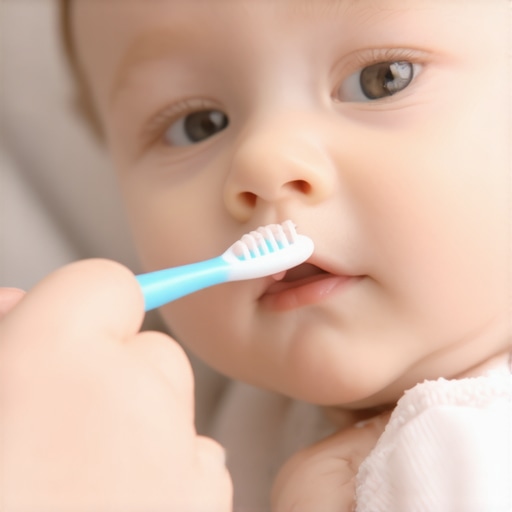
    Ensuring your toddler’s teeth are properly cleaned is crucial. Use a soft-bristled toothbrush and a smear of fluoride toothpaste to gently brush all surfaces. Implement the proper brushing technique for electric toothbrushes to maximize plaque removal without damaging enamel. Consistency is key—make brushing a calming, enjoyable activity. I once struggled with my reluctant toddler during brushing, but turning it into a game helped us both relax.

    Address Biting and Resistance During Brushing

    If your child tends to bite or resist the toothbrush, try distraction techniques or use a specialized strategy to stop biting. Make brushing fun by singing or letting them hold a favorite toy. Overcoming this hurdle encourages thorough cleaning and prevents white spots from worsening due to plaque buildup.

    Limit Fluoride Intake Wisely

    While fluoride strengthens enamel, excess can lead to fluorosis, causing white streaks or spots. Consult with your dentist about appropriate fluoride use, especially if your water source is fluoridated. Consider offering your child fluoride supplements only if recommended. For more about fluoride and tooth health, check this resource on fluoride importance. I learned the hard way to avoid overusing fluoride products to prevent unintended spotting.

    Implement Dietary Changes

    Minimize sugary snacks and drinks, which feed cavity-causing bacteria. Instead, offer crunchy fruits and vegetables that naturally clean teeth. Be cautious with fruit juices—they can be as harmful as soda in promoting decay, especially if sipped throughout the day. I replaced the afternoon juice with sliced apple pieces; it made a noticeable difference in my child’s oral health. Regularly rinsing after meals with water also reduces acid and sugar residue.

    Schedule Pediatric Dental Visits

    Book a dental appointment before your child’s first birthday or at the appearance of white spots. A professional exam allows the dentist to evaluate enamel health, identify early issues, and apply preventive treatments like sealants. Don’t wait until problems escalate. Regular visits—every six months—help catch white spots early and keep teeth healthy. I once delayed a visit, and what seemed minor later required more invasive intervention.

    Consider Professional Treatments When Necessary

    If white spots persist or worsen, ask your dentist about remineralization therapies, fluoride varnishes, or even cosmetic options like microabrasion that can blend spots with surrounding enamel. For cases needing advanced care, dental crowns such as ceramic crowns can offer durable solutions. Remember, early prevention is always easier and less costly than restorative procedures.

    Even seasoned patients and some dentists can fall into misconceptions about dental crowns and proper oral hygiene. Many assume that once a crown is placed, it’s a set-it-and-forget-it solution, but the reality is more nuanced. For example, some believe that crowns are invincible and don’t require ongoing care—this is a dangerous myth. Crowns, especially ceramic ones, require the same diligent maintenance as natural teeth, including consistent brushing and flossing, to prevent issues like decay at the margins. Neglect can lead to secondary cavities, compromising both the crown and underlying tooth. Additionally, a common misunderstanding is that crowns will perfectly match existing teeth without specialized care; however, factors like material choice and shade matching demand expert attention to ensure a seamless smile.

    Another overlooked aspect is the proper fit of crowns. A crown that feels high or causes discomfort might seem minor but can lead to bite issues, jaw pain, or uneven wear over time. Choosing the right material, such as zirconia for durability and aesthetics, is critical, but so is the skill of the dentist in contouring and fitting the crown accurately. For those curious about material choices, zirconia crowns typically outperform traditional porcelain-fused-to-metal options in durability, especially for grinders. Yet, even the best materials need proper placement to prevent future problems.

    Many people also overlook the importance of regular professional examinations post-crown placement. Routine check-ups allow the dentist to detect early signs of issues like cement failure, microleakage, or decay that can develop unnoticed. Skipping these visits might lead to costly repairs or replacements down the line.

    So, what are some advanced pitfalls you should avoid? One often missed nuance is the subtle wear pattern that could indicate bite misalignment, which can accelerate crown failure or damage neighboring teeth. Using technologies like digital bite analysis can pinpoint such issues early. Moreover, the myth that crowns cause sensitivity is outdated; actual sensitivity usually results from underlying issues like gum recession or nerve nerve exposure, and should be evaluated by a professional.

    In short, understanding the complexities behind crowns — from material selection to fitting, maintenance, and addressing underlying problems — helps you make informed decisions and prolong your oral health. Remember, the details matter more than most realize.

    Have you ever fallen into this trap? Let me know in the comments.

    Keeping Crowns in Top Shape: Tools and Techniques for Longevity

    Maintaining dental crowns isn’t just about brushing once in a while; it requires a strategic approach using the right tools and methods to ensure they last for years. I personally rely on specific equipment that has proven effective in my practice and daily routine. One of my go-to tools is the sonic toothbrush. Unlike traditional brushes, a quality sonic toothbrush, such as the Oral-B Genius, provides superior plaque removal, especially around crowns and along the gumline. Its high-frequency vibrations help disrupt biofilm, preventing decay at the margins where crowns meet the natural tooth.

    Alongside a sonic brush, I recommend using interdental cleaning aids like water flossers. Devices such as the Waterpik are excellent for cleaning around crowns because they can dislodge debris that traditional floss might miss. Regular use prevents plaque buildup that can lead to secondary decay, which is a common issue with crowns if not managed properly.

    Precision tools like weighted dental picks have also become part of my routine. They allow for targeted plaque removal in tight spaces without damaging the crown surface. The key is gentle, consistent cleaning—forceful scraping can damage the crown’s glaze or lead to microfractures, compromising its integrity over time.

    Why Do These Tools Matter for Long-Term Results?

    Implementing these specialized tools consistently forms the backbone of effective maintenance. In the future, I believe technology will progress towards smart toothbrushes with integrated sensors that can detect the health of crown margins in real-time. For instance, upcoming devices might monitor for microleakage or early signs of decay, alerting you instantly and thereby preventing costly repairs.

    How do I maintain crowns over time?

    Maintaining your crowns over time depends heavily on daily habits paired with professional care. Regular professional cleanings are essential since they remove hardened plaque and tartar that even superb home tools might miss. Scheduling visits every six months ensures tiny issues like marginal decay or microfractures are caught early, extending the life of your restoration.

    It’s equally important not to neglect the connection between oral health and overall systemic health; habits that protect crowns, like avoiding excessive force during cleaning, preserve not just your smile but your health. In the coming years, I predict that dental monitoring apps integrated with bacterial analysis will become routine, offering tailored advice for crown care and maintenance.

    To start upgrading your crown care routine today, I suggest trying a water flosser combined with a sonic toothbrush. This combo can significantly reduce plaque accumulation and keep your crown margins intact. Remember, investing in the right tools now saves money and discomfort down the line. Want to learn more about durable crown materials that resist wear? Check this guide on crown durability for insights.

    What I Wish I Knew About Crowns and Oral Care Early On

    One of the most profound lessons I learned is that even the most durable crowns require consistent maintenance and awareness. I used to believe that once a crown was placed, it was a set-it-and-forget-it situation. However, through my own experiences and ongoing learning, I realized that proper care, like regular check-ups and mindful cleaning, significantly extends their lifespan and preserves overall oral health.

    Another insight I gained is the importance of understanding material choices for crowns. Selecting zirconia over traditional porcelain-fused-to-metal options made a noticeable difference in durability and appearance. It taught me that being informed about the latest materials can empower you to make better decisions for long-term dental health.

    Lastly, I discovered that misconceptions about crowns—such as thinking they are invincible—can lead to neglecting vital maintenance routines. Recognizing that crowns require the same diligent care as natural teeth is crucial. This shift in perspective has helped me develop habits that protect not only my crowns but my entire family’s dental well-being.

    Tools That Transformed My Dental Routine

    Over time, I curated a set of reliable tools that made caring for crowns much easier. A high-quality sonic toothbrush, like the Oral-B Genius, provides superior plaque removal around crowns and appliances. Coupled with a water flosser, these tools help me reach difficult spots and prevent decay at the margins.

    Using interdental picks and specialized microbrushes has also made a difference, allowing me to gently clean tight spaces without damaging the crown surface. These tools, combined with regular professional cleanings, give me peace of mind and save me from costly repairs down the line.

    Inspiration to Protect Your Smile

    Your dental health journey is unique, but it’s never too late to start refining your habits for better results. Whether you’re considering crowns or just aiming to improve your daily oral hygiene, remember that proactive care pays off. Small adjustments today can lead to happier, healthier smiles tomorrow. If you’re curious about which crown materials offer the best longevity or how to optimize your cleaning routine, explore our other articles or schedule a consultation with your dentist.

    What’s one dental habit you think could make a big difference in your oral health? Share your thoughts below and let’s keep the conversation going!

  • How to tell if your baby is teething or has an ear infection

    How to tell if your baby is teething or has an ear infection

    I remember the moment vividly—my little one was fussing nonstop, tugging at her ears, and waking up every few hours, looking miserable. It hit me like a ton of bricks that I was caught in a confusing whirlwind: was this teething, or was it something more concerning, like an ear infection? That lightbulb moment drove me to dig deeper, because I knew that misunderstanding these signs could lead to unnecessary worry or, worse, overlooking something serious.

    Many parents find themselves in this exact spot, feeling helpless and unsure whether to reach for teething gels or rush to the doctor. The good news? There are clear signs that can help you distinguish between the two, and I’m here to guide you through them.

    Why It’s So Important to Tell the Difference

    Trouble is, teething and ear infections often look disturbingly similar—both can cause fussiness, drooling, and sleep disturbances. But misinterpreting these symptoms can lead to delays in treatment, or unnecessary medication, which no parent wants.

    Early on, I made the mistake of dismissing my baby’s ear tugging as just teething discomfort. Turns out, that was a missed opportunity to catch her ear infection early, which could have prevented her from experiencing prolonged pain and inflammation. Interestingly, the American Academy of Pediatrics reports that ear infections are one of the most common illnesses for children under five, and misdiagnosis can be a real issue (source: [AAP](https://www.aap.org)).

    Understanding the precise signals your baby gives can be the difference between a quick fix and a long, painful ordeal. That’s exactly what I want to help you with today.

    Is All the Fuss Actually Warranted?

    Many parents, including myself at first, wonder if all the concern over distinguishing between teething and ear infections is just overblown hype. I used to think, “It’s just fussiness; babies get cranky all the time.” But I realized that ignoring persistent signs can have consequences.

    In my early days, I also overlooked some key symptoms like fever and pulling at the ear that are more typical of infections, not teething. This was a mistake I learned the hard way. For a reliable guide, I recommend checking out trusted resources and keeping a close eye on what your baby’s behaviors might be telling you. For example, learning to recognize signs like ear pulling combined with fever and fussiness can alert you to an infection rather than normal teething discomfort.

    Now, let’s explore how you can confidently identify what your little one is going through, so you won’t be left guessing in the middle of the night. Ready to become your baby’s detective? Let’s dive into the practical signs that differentiate teething from ear infections.

    Check for Fever and Behavior Changes

    Start by monitoring your baby’s temperature and overall mood. A mild increase in temperature often accompanies ear infections, whereas teething rarely causes significant fever. For example, I once noticed my daughter’s temperature spiked slightly alongside persistent fussiness. Recognizing this early led me to consult her pediatrician promptly.

    Observe How Your Baby Tugging on Ear

    Gently examine your little one’s ears. If they are pulling or rubbing their ears repeatedly, especially if accompanied by crying, it could indicate an ear infection. I remember during one evening, my baby was incessantly tugging her ear; after consulting her doctor, we confirmed it was an ear infection, not just teething discomfort.

    Assess the Fussiness Duration and Timing

    Impromptu fussiness often aligns with teething. However, if your baby seems inconsolable over several days or during nap times, an infection might be involved. For instance, I kept a diary comparing fussiness patterns, which eventually helped me identify the signs of her ear infection early.

    Check for Other Symptoms

    Look for additional signs like fluid drainage, difficulty sleeping, or reduced appetite. When my child refused to eat and had fluid oozing from her ear, it was a clear sign to see her pediatrician. Remember, not all symptoms occur simultaneously, so stay observant for subtle clues.

    Use a Simple Touch Test

    Lightly press around the ear and behind it. If your baby reacts with increased discomfort, it might be an infection. During a recent visit, applying gentle pressure revealed her sensitivity, and the doctor confirmed an infection requiring antibiotics.

    Consult Trusted Resources

    Never rely solely on guesswork. Resources like trusted dental health sites or your pediatrician can offer guidance. Additionally, keeping a symptom journal can help your doctor make an accurate diagnosis.

    Seek Professional Advice Without Delay

    If multiple signs point to an ear infection, arrange a visit promptly. Early treatment can prevent complications and reduce your child’s discomfort. I’ve learned that timely intervention makes a real difference in recovery and peace of mind.

    Many people believe they grasp the basics of dental health, but beneath the surface lie hidden nuances that can make a significant difference in outcomes. For instance, a common misconception is that regular brushing and flossing alone guarantee perfect oral health. While these habits are essential, expert practitioners know that the choice of tools and techniques, such as understanding the truth about charcoal toothpaste and enamel health, can profoundly influence results. Studies show that abrasive ingredients in some whitening products may erode enamel if not used correctly, highlighting the importance of selecting gentle yet effective options. Additionally, many assume that dental crowns are a permanent fix; however, the longevity and natural appearance of crowns depend heavily on the material used and proper fitting. Ceramic crowns, for example, have advanced to look more natural than ever, but choosing the right type involves understanding your specific needs. Overlooking these details can lead to premature crowns, discomfort, or even new dental issues. Furthermore, there’s a widespread myth that dental visits are only necessary when problems arise. In reality, routine examinations and X-rays play a crucial role in detecting issues early, often before symptoms appear. Dentists also emphasize that consistent professional cleanings reach areas where electric toothbrushes might miss, helping prevent tartar buildup and gum disease. Moreover, advanced pitfalls include neglecting the subtle signals your mouth shows, like metallic tastes from old dental work or white spots indicating potential cavities. Recognizing these signs early can save you from costly treatments later. As you can see, the world of family dentistry is layered with complex factors that go beyond routine habits. Making informed decisions involves more than just brushing; it requires understanding material science, preventative strategies, and nuanced signs of oral health. Have you ever fallen into this trap? Let me know in the comments. To deepen your knowledge, check out detailed guides on topics like why your floss smells bad or how to avoid common mistakes with crowns and fillings.Maintaining optimal oral health requires the right equipment and consistent routines. As someone dedicated to lifelong dental wellness, I swear by specific tools that deliver real results. One of my top recommendations is the **electric toothbrush**—not just any model, but one with timers and pressure sensors. For example, the [TruCare Sonic Electric Toothbrush](https://periodontistcare.com/the-truth-about-electric-toothbrushes-vs-manual-brushing) has proven to significantly improve plaque removal and gum health when used correctly. I personally use it twice daily, setting the timer to ensure thorough brushing for the recommended two minutes. This helps prevent common issues like tartar buildup and gum disease. Additionally, I’ve incorporated **interdental brushes** for cleaning between teeth, especially for areas that floss can sometimes miss. These tools are gentle on the gums yet effective for removing debris. Regular use, combined with a good mouthwash, ensures comprehensive cleaning that extends the life of dental restorations like crowns. Speaking of crowns, I recommend consulting with your dentist about materials like **zirconia** or **ceramic**, which mimic natural teeth and withstand long-term wear. They are a wise investment in longevity and aesthetics. Looking ahead, the trend is moving toward smart, app-connected devices that monitor your brushing habits and provide real-time feedback, making at-home maintenance more effective than ever. To optimize your routine, I suggest trying the **guided brushing technique** using your electric toothbrush’s app features, which enhances precision and efficiency. Proper upkeep using these tools can extend the lifespan of dental work and improve overall health. Remember, long-term results depend on consistency and using equipment that genuinely understands your mouth’s needs. For more insights, check out how professional cleanings reach beyond what electric toothbrushes can do, especially in areas prone to tartar accumulation. Incorporate these tools into your daily routine, and you’ll be surprised at how much easier maintaining a healthy smile becomes.

    Lessons I Wish I Learned Sooner About Smiling Through the Confusion

    One of the most enlightening moments in my parenting journey was realizing that my instincts could be sharpened with a little knowledge and attention. I once dismissed my child’s persistent ear tugging as just teething discomfort, but understanding the subtle differences transformed my approach. Trusting your intuition is vital, but supplementing it with guideposts can prevent unnecessary worry or delayed care.

    Seeing my child in pain taught me the importance of proactive learning. Small signs like fever or reacting to gentle touch often reveal more than the fussiness itself. Recognizing these cues early can make all the difference in treatment outcomes and peace of mind. It’s a lesson that underscores the power of observation—and the courage to seek professional advice when needed.

    My biggest takeaway? Never underestimate the nuanced signals your little one sends. Investing time in learning these indicators not only helps differentiate between teething and ear infections but also strengthens your confidence as a parent facing challenges that are uniquely yours.

    Tools That Transformed My Approach to Baby Care

    Over time, I curated a set of trusted resources and tools that made distinguishing between teething and ear infections more straightforward. Reliable websites like this guide on dental health products empowered me to make informed choices about remedies and hygiene. Books on early childhood health opened my eyes to patterns I hadn’t previously noticed, enhancing my observational skills.

    Consulting with pediatric health experts and maintaining a symptom journal became my secret weapons. Keeping track of fever days, fussiness patterns, and response to remedies provided concrete evidence to share with my child’s doctor. These tools fostered a sense of control and partnership with healthcare providers, making each decision backed by data and care.

    The most beneficial resource, however, was my own willingness to learn and stay curious. Combining technological aids, credible information, and professional guidance created a safety net that allowed me to advocate confidently for my child’s health.

    Embrace the Journey: Your Child’s Well-being Is in Your Hands

    Remember, every parent’s experience is unique, and your attentive presence is your greatest asset. Learning the subtle differences between teething discomfort and ear infections empowers you to act swiftly and confidently. Your ability to notice what’s normal—and when to seek help—can turn moments of distress into opportunities for connection and reassurance.

    So, trust your instincts, leverage trusted resources, and don’t hesitate to reach out to healthcare professionals. Your dedication and care pave the way for healthier, happier smiles.

    What’s one sign you’ve learned to recognize that helps you differentiate teething from an ear infection? Share your experience below—I’d love to hear your story!

  • Why fruit juice is the biggest enemy of your child’s front teeth

    Why fruit juice is the biggest enemy of your child’s front teeth

    It was a morning like any other, but I suddenly noticed my child’s front teeth looked just a little duller, a little more fragile than they used to. The worst part? We had just finished breakfast, and I realized I had been overlooking one sneaky enemy: fruit juice. Despite my best efforts to promote healthy eating, that sweet nectar was quietly eroding his precious smile. That lightbulb moment hit hard. I started digging, reading, learning—because I knew I wasn’t alone. Many parents don’t realize how something as seemingly innocent as fruit juice can be a major threat to their little one’s dental health.

    Today, we’re going to tackle a common but often underestimated problem: how fruit juice is damaging your child’s front teeth and what you can do about it. We’ll explore the real reasons behind tooth sensitivities, cavities, and enamel erosion—areas I’ve had to confront firsthand, sometimes through mistakes I’d rather forget. But more importantly, I’ll share practical advice that helped me turn the situation around, ensuring my child’s smile stays healthy and bright.

    The Unexpected Threat Lurking in Your Kid’s Glass of Juice

    Did you know that fruit juices, especially when consumed frequently, can act like tiny acid bombs inside your child’s mouth? The citric acid and natural sugars in these drinks contribute to the breakdown of enamel—the protective layer shielding your child’s teeth. Over time, this erosion weakens the teeth, making them more prone to decay and sensitive to hot, cold, or sweet foods. When I first learned this, I was shocked. I used to think that giving my child a glass of juice was a harmless way to boost his vitamin intake.

    Early in my parenting journey, I made a costly mistake: I thought rinsing his mouth with water after juice would prevent damage. But I was wrong. Rinsing isn’t enough to neutralize the acids that cling to teeth. Instead, I wish I had understood the importance of proper dental hygiene routines and healthier snack choices earlier. For more tips on maintaining oral health despite busy family schedules, check out [this helpful guide](https://periodontistcare.com/the-best-snacks-for-healthy-teeth-that-kids-actually-enjoy).

    If you’re like me, you might wonder if your child’s favorite drinks are doing more harm than good. Well, there’s good news. Small, mindful changes can make a significant difference. But first, let’s address the sneaky fears many parents have—like whether switching away from juice is really necessary or if it’s just scare-mongering. Stay tuned, because the solutions might be simpler than you think—and they could protect those adorable front teeth for years to come.

    Implementing Effective Oral Hygiene Habits at Home

    Start by teaching your child to rinse with water immediately after consuming juice. I remember pouring a small cup of water and showing my son how to swish gently—initially messy as he spit everywhere, but it cut down acid contact on his teeth significantly. Then, ensure he brushes twice daily with a fluoride toothpaste, making it a fun routine with a colorful timer or favorite song to brush for two minutes. I once set a timer on my phone and made it a game to beat his previous time, which encouraged him to brush thoroughly.

    Switching to Smarter Drink Choices

    Replace juice with whole fruits, which are less acidic and high in fiber, aiding oral health. When my daughter wanted a juice snack, I’d offer apple slices instead, and she loved crunching on them. For beverages, water should be the main drink; if sweet drinks are unavoidable, use a silicone straw to minimize contact with teeth. For a visual aid, consider showing your child how acids attack enamel with a simple demonstration—using a piece of eggshell and a fizzy drink to illustrate erosion.

    Having a toothbrush ready in your bag or car ensures you can brush or rinse when away from home, reducing acid exposure throughout the day. Remember, rinsing with water is just a quick fix; consider using a fluoride rinse if your child is age-appropriate and supervised, as it can help strengthen enamel against future acid attacks. For more information on maintaining a cavity-free diet, explore [the best snacks for healthy teeth that kids actually enjoy](https://periodontistcare.com/the-best-snacks-for-healthy-teeth-that-kids-actually-enjoy).

    Timing Dental Visits for Best Results

    Regular dental check-ups are essential. Schedule your child’s first professional cleaning and exam by their first birthday, ensuring that any early erosion or enamel damage is caught and addressed. During these visits, discuss fluoride treatments or sealants that can provide an additional defensive layer. I recall a visit where the dentist applied a sealant on my son’s front teeth, which acts like a clear helmet shielding against acids. It’s a simple step with long-term benefits, especially when your child might not always brush perfectly.

    Educate and Involve Your Child

    Teach them the importance of protecting their smile—using age-appropriate language. I once turned daily brushing into a superhero mission, with my child as the hero fighting cavities. Empowering your child with knowledge about how acids and sugars damage teeth motivates them to adopt better habits. Additionally, monitor their diet, limiting sugary snacks and beverages between meals to prevent extended acid exposure. For guidance on snack choices, look into [the snacks for school lunches that won’t cause cavities](https://periodontistcare.com/the-best-snacks-for-school-lunches-that-wont-cause-cavities). Remember, combining good habits with regular professional care creates the strongest defense.Many patients assume that regular brushing and occasional flossing suffice to maintain optimal oral health, but the reality is far more nuanced. A common misconception is that brushing harder cleans better, yet overbrushing can actually damage gum tissue and wear down enamel, increasing sensitivity and risk of recession. In fact, gentle, methodical brushing with a soft-bristled brush is proven to be more effective and protective, according to dental experts. Another myth revolves around the necessity of frequent professional cleanings; some believe once a year suffices, but recent studies suggest that biannual visits help prevent deposits like tartar and catch early decay, saving time and money in the long run. When it comes to crowns, many think that they are permanent and flawless solutions—however, crowns can develop leaks or decay under the surface if not properly maintained, making regular check-ups vital.

    Why do some crowns fail despite impeccable hygiene?

    This is a sophisticated concern, often linked to material degradation or micro-leakage, which can go unnoticed until significant damage occurs. Researchers have found that material choice impacts longevity, with zirconia crowns showing superior resistance to fracture and leakage, especially in back molars, as discussed in [how-to-choose-the-right-crown-material](https://periodontistcare.com/how-to-choose-the-right-crown-material-for-a-front-tooth-smile). Many overlook that family dentistry extends beyond routine cleaning. It involves personalized assessments of bite patterns, jaw alignment, and even saliva composition, which influence oral health profoundly. For instance, untreated misalignments can lead to uneven wear and TMJ issues, counteracting the benefits of cleansing routines. Also, a prevalent oversight is neglecting the importance of the tongue and intraoral tissues, which harbor bacteria contributing to halitosis despite excellent brushing. External sources emphasize that neglecting comprehensive hygiene—including tongue cleaning—can undermine overall health, which you can explore further in [breath smells even after mouthwash](https://periodontistcare.com/the-real-reason-your-breath-smells-bad-even-after-using-mouthwash). Everyone agrees that a healthy mouth reflects overall wellness, but understanding these nuances empowers you to make informed decisions. Don’t fall into the trap of complacency—consider how advanced techniques and tailored routines can truly make a difference. Have you ever fallen into this trap? Let me know in the comments.Maintaining a healthy smile requires more than just regular brushing and flossing; it involves utilizing the right tools and adopting proven methods to ensure lasting results. As someone deeply invested in family dentistry, I can’t stress enough the importance of investing in quality equipment that complements your routine. For instance, I personally rely on an electric toothbrush with a timer and pressure sensor, like the Oral-B Genius series. These features help me brush for the recommended two minutes consistently and prevent damaging my gums from applying too much force, which can cause recession over time. Additionally, I incorporate water flossers such as the Waterpik, which I find to be highly effective in cleaning between teeth—especially around crowns and bridges where traditional flossing can be tricky. Regular use of these devices not only keeps plaque at bay but also extends the lifespan of restorations. Looking ahead, I predict advancements in smart oral health devices, integrating AI to monitor and guide your brushing habits via smartphone apps. Such innovations will make maintenance even more intuitive and personalized. To keep your oral health tools functioning optimally, make sure to replace brushes and tips every three months, and clean your electric toothbrush thoroughly weekly to prevent bacterial buildup. It’s also wise to schedule routine check-ups with your dentist to assess the condition of crowns and detect early signs of wear or micro-leakage, which studies show can lead to crown failure if overlooked. How do I maintain my dental tools over time? I keep my electric toothbrush charger and base clean and ensure I replace brush heads as recommended. For extra peace of mind, I use a disclosing tablet occasionally—like the Plaque HD—to visualize areas I might miss, helping me improve my technique. Remember, your tools are only as good as how well you care for them; regular maintenance ensures they serve you well for the long haul. For more tips on preserving your crowns, check out [the signs your old crown has a leak underneath the surface](https://periodontistcare.com/the-2-minute-trick-to-make-kids-actually-enjoy-brushing). I encourage you to try a water flosser today—it’s a game changer in maintaining healthy gums around crowns and bridges. Keep your tools in top shape, and your smile will thank you with years of bright, trouble-free health.

    Lessons That Changed How I Approach Dental Health

    One eye-opening realization was that consistent, gentle brushing trumps harsh scrubbing—my initial instinct was to scrub harder, thinking it cleaned better, but I learned that gentle, thorough cleaning with a soft brush is more effective and prevents enamel wear.

    Another lesson was understanding the true power of fluoride—it’s not just for adults; early, supervised fluoride use can significantly strengthen young enamel and prevent future cavities, which I discovered from trusted pediatric dental resources.

    Finally, the importance of timing dental visits cannot be overstated. Scheduling regular check-ups from infancy and maintaining ongoing communication with your child’s dentist has been instrumental in catching early damage and preventing costly interventions later.

  • Why your child needs a dental visit before their first birthday

    Why your child needs a dental visit before their first birthday

    I remember the exact moment I realized I’d missed a crucial step in my child’s dental care. It was during a routine check-up when the dentist calmly pointed out a tiny, almost invisible white spot on my baby’s newly erupted tooth. Panic set in—had I failed to protect my child’s teeth? That lightbulb moment made me rethink everything I thought I knew about baby teeth and early dental visits.

    The Hidden Importance of that First Dental Appointment

    Skeptical about bringing your little one to the dentist before their first birthday? You’re not alone. I was, too. But let me share a little secret: those early visits can make all the difference in preventing future dental issues. Early dental visits help spot potential problems like tooth decay or improper toothbrush habits before they become big issues. Plus, it sets your child up for a lifetime of positive dental experiences, rather than associating trips to the dentist with fear or pain.

    Most parents overlook this initial appointment, thinking teething and temporary discomfort are all there is to worry about. However, a study published in the Journal of the American Dental Association found that early visits drastically reduce the likelihood of cavities later in childhood. That tiny white spot I spotted? It was a early sign of decay that, if left unchecked, could have led to painful cavities or more invasive procedures down the line. Catching problems early is easier—and much less stressful for everyone involved.

    Is Early Dental Care Really Necessary or Just a Fad?

    Honestly, I used to think that waiting until my child’s toddler years was enough. My mistake was underestimating how crucial those early preventive measures are. When I finally read about the importance of that first visit, I realized how much I was missing. For example, some parents believe their child’s teeth are too fragile or that visits can wait until they are older. But delaying can lead to overlooked issues like early-stage cavities or misaligned teeth, which might require more complex treatment later on. Want to stay ahead? It’s worth scheduling that first check-up around your child’s first birthday to ensure their oral health is on the right track.

    If you’re still unsure, consider that early dental visits are recommended not just to prevent cavities but also to help your child become comfortable in the dental chair. As a parent, I’ve learned that these appointments are about more than just teeth—they’re about building trust and healthy habits that last a lifetime.

    Have you faced the dilemma of whether to schedule that first dental visit for your little one? Trust me, once you start early, you’ll wish you’d done it sooner. Next, let’s explore some common fears parents have about early dental visits and how to make the experience stress-free for your child.

    Prepare Your Child for Dental Care

    Start by introducing the concept of dental visits as a routine part of their health. Use positive language to frame it as a team activity, not a punishment. Demonstrate proper brushing techniques with a kid-sized brush, making it fun and engaging, like a game or challenge. For example, I once turned brushing into a race with my daughter, timing her to see if she could brush for two minutes without stopping. This approach makes the process memorable and less intimidating.

    Choosing the Right Dental Professional

    Select a family dentist experienced with children. Look for clinics that are kid-friendly—animals in the waiting room or colorful decor help. Ensure the dentist is skilled in calming anxious children and explaining procedures simply. When I scheduled my son’s first cleaning, I asked questions about their approach to nervous kids and watched how staff interacted with the little patients. This helped us find a practitioner who made the experience smooth and even enjoyable.

    Implement Effective Oral Hygiene Habits

    Teach your child to brush twice daily with fluoride toothpaste, emphasizing gentle circular motions. Use a timer or play their favorite song to ensure they brush for at least two minutes. Flossing is equally important; introduce floss picks designed for children and supervise until they can do it independently. Avoid rushing or forcing, which can create negative associations. I found that using a colorful floss pick and demonstrating how to slide it between teeth made my son more willing to cooperate.

    Establish a Healthy Diet for Teeth

    Limit sugary snacks and drinks that promote cavity formation. Instead, offer crunchy vegetables, cheese, or nuts that help clean teeth naturally. Be consistent with meal times to reduce snacking throughout the day. I also replaced juice boxes with flavored water and kept sugary treats as special weekend rewards, making dental health a family priority.

    Navigating Emergency Situations Quickly

    Accidents happen—such as a knocked-out tooth. Knowing the immediate steps can save the tooth and lessen anxiety. Keep a dental emergency kit including gauze, pain relievers, and a container with the child’s name. If a permanent tooth is knocked out, act fast: hold the tooth by the crown, rinse gently if dirty, and try to place it back or store it in milk. For guidance, visit https://periodontistcare.com/the-first-thing-you-should-do-if-a-permanent-tooth-is-knocked-out to understand proper handling and when to seek urgent care.

    Regular Dental Checkups and Monitoring

    Schedule visits every six months to catch issues early. During these appointments, the dentist will perform professional cleaning, fluoride treatment, and examine for early signs of decay or abnormalities. Consistent checkups build trust with your child and make future visits less stressful. Incorporate positive reinforcement afterward, like a small sticker or a fun activity, to associate dental visits with a reward rather than fear.

    Monitor and Adapt Habits Over Time

    As your child grows, their dental needs change. Shift from supervision to independent routines gradually, but remain involved until they master consistent care. Stay vigilant for signs of trouble: persistent sensitivity, bleeding gums, or changes in appearance. Educate your child on daily habits and make adjustments as necessary, always keeping dental health a top priority in your family routines. Incorporating these steps into your daily life ensures a proactive approach to maintaining your child’s bright, healthy smile.While many believe they understand dental care, there are nuanced pitfalls that even seasoned patients often overlook. One widespread myth is that dental crowns are a permanent fix that requires no further attention. In reality, crowns can develop issues like chipping, staining, or even cause underlying decay if not properly maintained, emphasizing the importance of regular checkups and informed care. Additionally, there’s a misconception that oral health is solely about brushing and flossing; however, factors like saliva composition, diet, and genetic predispositions play crucial roles in prevention and treatment outcomes. An advanced mistake many make is neglecting the interaction between different dental procedures—such as crowns affecting whitening results or restorations impacting gum health—which can lead to unintended complications. For example, choosing the wrong crown material without understanding its durability or compatibility might result in costly replacements sooner than expected. Understanding these subtleties is vital for optimal outcomes.

    What should savvy patients consider beyond basic dental advice to avoid complex mistakes with crowns and oral health?

    A study in the Journal of the American Dental Association highlights that personalized treatment plans and patient education significantly reduce the risk of future complications, especially in family dentistry where age-specific considerations matter. For instance, children and seniors have distinct needs that, if overlooked, can lead to avoidable issues like premature crown failure or gum recession. Moreover, problems can arise from common habits such as grinding or clenching, which directly impact the lifespan of restorations. Recognizing the signs early and understanding maintenance nuances—like the importance of avoiding certain rinses that wash away protective fluoride—can make all the difference. It’s essential to view dental care as a dynamic partnership, continually informed by new research and tailored to individual health profiles.

    Are you aware of the subtle factors that could undermine your dental restorations or mask underlying oral health issues? Share your experiences or questions below, and let’s aim for a deeper understanding of true dental wellness.Maintaining your dental work and overall oral health requires more than regular brushing and flossing; it demands the right tools, consistent routines, and informed choices. One essential device I personally swear by is the **electric toothbrush with a pressure sensor**. Unlike manual brushes, it provides consistent cleaning motion and alerts me when I apply too much force, which is critical to prevent gum recession and damage to crowns or veneers. For example, the **Sonicare ProtectiveClean** offers this feature, helping me avoid overbrushing, a mistake that can cause sensitivity or even damage your dental restorations. Additionally, incorporating a **water flosser**, such as the **Oral-B Water Flosser**, has revolutionized my daily routine by reaching into tight spaces and cleaning around crowns more effectively than traditional floss. These tools are especially beneficial for those with dental implants or extensive restorations, as they help keep around restorations free of plaque and debris.

    How do I maintain my dental appliances over time? 

    Regular maintenance isn’t just about keeping tools clean; it involves understanding their lifespan and when to replace components. For instance, replace your electric toothbrush head at least every three months or sooner if bristles fray, as worn bristles diminish cleaning effectiveness. Check your water flosser’s tubing and nozzles periodically for signs of mold or buildup, replacing parts as advised by the manufacturer. For ongoing protection, I also recommend using a **desensitizing toothpaste** like **Potassium Nitrate**-based formulations, especially if you notice any sensitivity after crown adjustments or bleaching procedures. Combining these habits ensures your restorations—and your natural teeth—stay healthy for years to come. In the future, we’re likely to see smarter dental tools integrated with AI that monitor and adapt to your habits in real-time, further personalizing your oral care routine. Stay ahead by choosing reliable, validated devices—like those tested by the American Dental Association—and integrating them into your daily habits. Remember, a well-maintained tool can be the difference between just surviving with dental work and thriving with a confident smile. So, why not start today by swapping out your old toothbrush for a high-tech model with pressure sensors? Your gums—and your crowns—will thank you.

    3 Lessons About Dental Care That Changed My Perspective

    • Seeing the unseen: I realized that early signs of decay, like tiny white spots, often go unnoticed without a professional eye, reinforcing the importance of regular checkups beyond just brushing habits.
    • The power of personalized advice: Each child’s oral health needs unique attention, and trusting experienced family dentists helped me tailor routines that made oral hygiene less stressful and more effective.
    • Preventive measures are your secret weapon: Simple actions like using a water flosser or changing toothbrush heads regularly can significantly extend the lifespan of crowns and restorations, saving money and discomfort later.

    Tools and Insights That Made All the Difference

    • The ADA-approved electric toothbrush with pressure sensors has become my go-to for gentle yet thorough cleaning.
    • Books like “The Dental Diet” by Dr. Steven Lin opened my eyes to how diet impacts dental health—an eye-opener that made me rethink snacks and drinks for my family.
    • Online resources such as urgent care guides equip me with quick actions during emergencies, reducing panic and protecting my loved ones’ teeth.

    Your Bright Smile Starts Today

    Empowering yourself with knowledge and the right tools can transform your approach to dental health. Remember, early prevention and informed choices are your best allies in maintaining a radiant, healthy smile for years to come. Now is the perfect moment to review your routine, consult with a trusted family dentist, and make small changes that yield big results. Are you ready to take the first step toward a lifetime of confident smiles?

    What’s one unexpected tip about dental care that has helped you the most? Share your story below—I’d love to hear it and learn from your experience!

    ,

  • How to get your child to stop sucking their thumb for good

    How to get your child to stop sucking their thumb for good

    I remember the moment I realized my child had been sucking their thumb for hours on end. It was late at night, I was exhausted from a long day, and all I could hear was that endless rhythmic suck. It hit me then—this wasn’t just a harmless habit; it was affecting their teeth, their posture, and perhaps even their confidence. That lightbulb moment made me question everything I knew about managing my child’s thumb-sucking.

    Why Breaking the Habit Matters More Than You Think

    As a parent, it’s easy to dismiss thumb-sucking as a phase. But the truth is, prolonged thumb-sucking can lead to issues like misaligned teeth, overbites, and speech problems. I learned that early intervention makes a significant difference. It’s not about shame or punishment; it’s about giving your child the best chance at a healthy smile and good oral health. Did you know that children who suck their thumbs past age 4 are more likely to develop dental problems? Studies show that habits like these can cause changes in the shape of the mouth, which might require orthodontic treatment later on. You can read more about these hidden dangers at [the hidden dangers of over-the-counter whitening kits](https://periodontistcare.com/the-hidden-dangers-of-using-over-the-counter-whitening-kits-too-often). That’s why it’s worth tackling this habit now rather than waiting until it’s more difficult to correct.

    Is My Child’s Thumb-Sucking Actually a Major Problem?

    Early on, I made the mistake of thinking, “It’s just a phase; they’ll grow out of it.” But ignoring it can lead to serious issues down the line. The key is to understand when it becomes a concern and how to address it without alienating your child. Have you faced the frustration of trying various approaches and feeling like nothing sticks? Believe me, I’ve been there. It took patience, understanding, and a few practical strategies to see real progress. The goal isn’t just to stop the habit overnight but to build a supportive environment where your child feels empowered to break free from it. If you’re hesitant or overwhelmed, remember that professional guidance from a dentist or orthodontist can provide targeted advice tailored to your child’s needs.

    Establishing a Supportive Routine

    Children thrive on consistency. Create a daily schedule that includes during the day and before bedtime, gently reminding your child to avoid thumb-sucking. Use positive reinforcement when they resist the urge, like praise or small rewards. I once praised my son every time he chose to hold his stuffed animal instead of his thumb, which gradually decreased his habit over a few weeks.

    Introducing Motivational Tools

    Visual aids can make a significant impact. Use charts or stickers to track progress. For example, I made a sticker chart where my daughter earned a star each day she didn’t suck her thumb. After accumulating enough stars, she chose a fun activity or toy as a reward. This method empowered her to see her achievements clearly and motivated her to keep going.

    Practicing Relaxation Techniques

    Breathing Exercises and Distraction

    Thumb-sucking often occurs during moments of boredom or anxiety. Teach your child simple deep-breathing exercises or encourage them to chew on a sugar-free gum or chew toy when they feel the urge. I introduced a soft rubber chew ring during stressful times, which provided relief without damaging teeth or gums.

    Using Gentle Reminders

    Sometimes, a gentle reminder is all that’s needed. Implement a calm, consistent cue, like a specific word or phrase, when you notice them thumb-sucking. I used a soft ‘time to pause’ touch on my child’s hand, which served as a non-intrusive prompt to switch activity or take a break.

    Seek Professional Guidance When Needed

    If the habit persists beyond age four or starts to cause dental concerns, consult a pediatric dentist or orthodontist. They may offer custom appliances or advice tailored to your child’s needs. Remember, early intervention can prevent more complex issues such as misaligned teeth or speech difficulties. For further insights into associated dental concerns, you might find this guide helpful: hidden dangers of over-the-counter whitening kits.

    Parent encouraging child to avoid thumb-sucking with supportive gestures.Many people assume that getting a crown fixes all dental issues permanently, but the reality is far more nuanced. One pervasive misconception is that crowns are entirely maintenance-free; however, improper care can lead to premature failure or even damage to adjacent teeth. For example, neglecting to replace a worn-out crown or ignoring signs of a leak under the restoration can cause extensive problems, including bacteria invasion and decay. Experts highlight that improper placement or using substandard materials can accelerate deterioration. Additionally, many believe that teeth cleaning alone can prevent all oral health problems, but without understanding that plaque buildup in hard-to-reach areas persists, which can lead to gum disease or cavities. Advanced mistakes, such as over-relying on DIY whitening kits without professional oversight, are traps many fall into, risking gum irritation or enamel erosion. For instance, frequent use of over-the-counter whitening products can cause hidden damage, like enamel thinning, increasing sensitivity, or even exposing the dentin—a common pitfall often overlooked by consumers wishing quick results.

    When it comes to family dentistry, some assume that routine visits are only necessary when problems arise. However, regular check-ups enable early detection of issues like subtle leaks under crowns or microfractures that may not be immediately visible. A study from the American Dental Association underscores the importance of preventive care over reactive treatments. For savvy dental patients, understanding how to distinguish between a stain and a crack or chip is crucial. The mirror test has its limits; seeking professional evaluation ensures accurate diagnosis and appropriate intervention.

    What are the risks of ignoring subtle signs of dental crown deterioration or enamel damage?

    – Failures in timely identification can lead to more invasive procedures like root canals or extractions. For example, a leaked crown not only causes decay but can also lead to infections that might affect overall health. Don’t forget, even seemingly minor issues such as a metallic taste or sensitivity might signal underlying problems with crowns or fillings, which professional assessment can address before escalation. Remember, maintaining optimal oral health involves a blend of routine care, informed choices, and understanding the intricacies of dental materials and procedures. For more insights into how over-the-counter whitening kits might be damaging your gums and teeth, visit [hidden dangers of over-the-counter whitening kits](https://periodontistcare.com/the-hidden-dangers-of-using-over-the-counter-whitening-kits-too-often). Have you ever fallen into this trap? Let me know in the comments.

    Tools That Truly Make a Difference in Maintaining Oral Health

    When it comes to long-term dental care, the right tools are essential to ensure your crowns, fillings, and overall oral hygiene remain effective and durable. I personally swear by a few specific instruments and techniques that have helped me maintain healthy teeth and gums over the years. One of the most valuable tools in my routine is an **electric toothbrush with a soft-bristled head and adjustable settings**. Unlike manual brushes, an electric toothbrush provides consistent oscillations that effectively remove plaque without putting excessive pressure on delicate surfaces, prolonging the life of crowns and preventing wear.

    Another indispensable item is **interdental brushes**, which I use daily to clean between teeth and around restorations. They reach areas that standard floss cannot, especially in cases where crowns or bridges create tight spaces. Using these regularly helps prevent plaque buildup and micro-deposits that can lead to leaks under crowns or decay adjacent to restorations. For comprehensive cleaning, I incorporate a **water flosser** into my routine. It’s gentle yet highly effective at dislodging debris and reducing inflammation, making it especially helpful for around crowns or orthodontic appliances.

    Maintaining oral health extends into monitoring and adjusting your tools over time. I recommend changing your toothbrush head every three months or sooner if the bristles become frayed. This prevents bacteria buildup and ensures efficient cleaning. For those with crowns, staying vigilant about signs of wear or leaks is crucial. Regularly inspecting your restorations with tools like a **magnifying mirror** can help catch problems early.

    Additionally, I strongly suggest investing in a **quality-only fluoride rinse** to strengthen enamel and promote remineralization. Combining this with proper brushing and flossing creates a formidable defense against cavities and enamel erosion. Importantly, maintaining a routine with these tools contributes to the longevity of your dental work and overall oral health, saving you from costly repairs in the future.

    How do I keep my dental restorations working effectively over time?

    Regular professional check-ups remain vital. Dentists can identify early signs of crown leaks, decay, or micro-fractures before they become severe issues. If you notice any persistent sensitivity or a metallic taste, consulting your dental professional promptly can prevent further damage. For example, learn about signs of a leak under a crown at this detailed guide. Combine this approach with your diligent at-home tool routine to protect your investments in dental health.

    Looking ahead, advancements in sonic and laser cleaning technologies are expected to make maintenance even more effective and less invasive. Professionals are continually developing smarter, patient-friendly devices that can provide more precise removal of plaque and biofilm, ensuring your restorations last longer and function optimally.

    Be proactive: try upgrading your routine with an electric toothbrush equipped with a pressure sensor and modes tailored for sensitive restorations. These tools, paired with consistent professional care, will help ensure your crown, teeth, and gums stay in excellent condition for years to come. Remember, investing in the proper tools today pays dividends by preventing issues that could compromise your oral health tomorrow.

    What I Wish I Knew When I Started Caring for Crowns and Family Dentistry

    One of my hardest lessons was realizing that not all dental tools and products are created equal—basic toothbrushes just don’t cut it for crowns and restorations. Upgrading to an electric toothbrush with a pressure sensor made a world of difference in preventing damage and prolonging the life of my dental work. I also discovered that routine inspections can catch leaks or cracks early, saving you from costly repairs later. Another eye-opener was understanding that DIY whitening kits might seem convenient but can cause lasting damage; consulting professionals for whitening treatments is always safer. Lastly, I learned that patience and consistency are key—breaking habits like thumb-sucking or teeth grinding isn’t instant, but sustained efforts with positive reinforcement really do work.

  • The 2-minute rule that determines if your child needs braces early

    The 2-minute rule that determines if your child needs braces early

    I remember the exact moment I realized I might have overlooked something crucial in my child’s oral health. It was after a routine brushing when I caught a glimpse of her teeth, and an unsettling thought hit me—had I missed the early signs that would tell us if she needed braces? Like many parents, I felt a mix of concern and helplessness, unsure if I was catching her dental issues in time.

    Then came the lightbulb moment—a simple, quick check that could reveal whether your child might need braces sooner rather than later. The concept is often called the “2-minute rule,” a straightforward guideline that can help parents identify early orthodontic concerns without waiting for the dreaded signs of crowding or misalignment to become obvious.

    But why should you care about this rule now? Because early detection can not only save you money and discomfort down the line but can also prevent more serious dental problems as your child grows. Knowing the early signs allows for timely intervention, which can make a significant difference in your child’s oral development.

    Why Early Detection Matters and How the 2-Minute Rule Fits In

    Most parents focus on regular brushing and flossing, which are undeniably important. However, some issues—like bite misalignment or crowded teeth—don’t always show obvious symptoms immediately. Waiting until your child’s teeth are painfully crowded or crooked might mean losing the chance for simpler, less invasive corrective measures.

    This is where the 2-minute rule becomes invaluable. I wish I had known about it earlier. The rule revolves around quick, easy daily checks—like assessing how the teeth fit together when your child bites down or looking for signs of uneven spacing—that can be completed in just a couple of minutes. These simple assessments can flag potential orthodontic problems early on.

    For instance, one common mistake I made early in my parenting journey was assuming that if my child’s teeth looked okay, then everything was fine. Turns out, some underlying issues, such as a slight crossbite or crowding, can be hidden beneath the surface. Detecting these early can lead to non-invasive fixes, often more comfortable and affordable.

    Experts have shown that early orthodontic evaluations can lead to better outcomes. According to the American Association of Orthodontists, the ideal time for an initial evaluation is around age 7. Early checks based on the 2-minute rule can help determine if this visit should happen sooner, preventing more complex procedures later.

    Do you ever wonder if your child’s teeth are developing normally? Have you noticed difficulty in biting, odd tooth positions, or other subtle signs that might warrant a closer look? Understanding and applying this quick rule could be the key to ensuring your child’s smile stays healthy and beautiful.

    Now that we’ve covered why catching these signs early is so crucial, let’s move on to how exactly you can implement the 2-minute rule in your daily routine—because awareness is the first step toward confident, proactive dental care.

    Performing the 2-Minute Daily Check

    Start with a clean mirror in well-lit conditions. Sit comfortably with your child, ideally after breakfast or before bedtime, to establish a routine. Gently open their mouth using your fingers or a clean, disposable tool if needed, ensuring comfort.

    Assess Bite Alignment

    Observe how their upper and lower teeth come together when they bite down naturally. Look for signs of crossbite or open bite—if the upper teeth sit inside the lower teeth or there’s a gap when biting, note it. I once caught a slight crossbite in my son when doing this check, which prompted a consult with an orthodontist before it worsened.

    Check for Spacing Issues

    Examine the front and side teeth for gaps or crowding. Slight overlaps or uneven spacing can be early signs of misalignment. A quick comparison with neighboring teeth helps you spot irregularities. I remember feeling surprised how tiny gaps in my daughter’s teeth became more pronounced over time, emphasizing the importance of early detection.

    Identifying Warning Signs

    Look for irregularities like crooked teeth, bumps, or overlaps that are more than just temporary. Notice if your child has trouble chewing or prefers one side. These subtle clues often escape casual observation but can be caught with routine checks.

    Document Your Findings

    Keep a simple journal or photos of your child’s teeth over time. This helps track progression or improvements after interventions. When I started documenting, I noticed gradual changes that I wouldn’t have seen day-to-day, which motivated me to seek professional advice earlier.

    Implementing the Check in Your Routine

    Choose a specific time—say, right after brushing or before bed—that fits into your daily caregiving activities. Consistency makes the check automatic, reducing reliance on memory. For my family, integrating this step into the bedtime routine made it easier and even turned it into a bonding moment.

    Seeking Professional Evaluation When Needed

    If you observe any irregular signs during your check, schedule a visit with your family dentist or orthodontist. Early evaluation, ideally around age 7, can help determine if your child needs braces or other orthodontic treatment. Remember, quick action can prevent future discomfort and costlier procedures.

    Even in a field as well-established as dentistry, many people hold onto myths that can lead to costly and uncomfortable mistakes. While the basics of oral hygiene are widely known, the nuances often fly under the radar, causing confusion and sometimes even harm. Let’s explore some of the most common misconceptions and reveal the hidden nuances that can make a real difference in your dental care.

    One widespread myth is that all dental crowns are equally durable and suitable for every situation. Many assume that choosing a ceramic or porcelain crown is always the best option because it looks natural. However, the reality is more complex. For instance, zirconia crowns are significantly more durable and suitable for molars where biting forces are high. Studies show zirconia crowns can last longer and withstand more stress, making them ideal for patients with heavy grinding habits. You can learn more about this debate in [The Gold vs. Ceramic Crown Durability article](https://periodontistcare.com/the-gold-vs-ceramic-debate-which-crown-actually-lasts-longer).

    Another misconception revolves around teeth cleaning routines. Many believe that brushing longer or more vigorously will give better results. In reality, aggressive brushing can damage gums and wear down enamel—leading to increased sensitivity and even recession. Gentle, circular motions for two minutes are optimal, and regular professional cleanings are essential to remove tartar buildup that home brushing cannot handle. Over-brushing is a common trap I’ve seen, often causing more harm than good.

    The purpose and scope of family dentistry are frequently misunderstood. People often think it’s just about annual checkups for kids, but family dentistry encompasses comprehensive care for all ages, including early detection of complex issues like bite misalignments or decay in adult teeth. Early intervention can prevent problems from escalating, saving money and discomfort in the long run.

    A crucial nuance in oral health is understanding the importance of tailored treatments over one-size-fits-all solutions. For example, if you notice a persistent metallic taste, it might be linked to your crowns or fillings. Sometimes, the source can be an off-gassing crown or material incompatibility, which a professional can evaluate. For more on this, check out [How to Fix a Metallic Taste in Your Mouth](https://periodontistcare.com/how-to-fix-a-metallic-taste-in-your-mouth).

    Speaking of advanced mistakes, one often-overlooked issue is the significance of material choice in crowns. Many patients opt for cheaper options without considering long-term implications. For example, porcelain-fused-to-metal crowns may look appealing initially, but over time, the metal can cause a dark line at the gum margin, and the porcelain can chip. In contrast, techniques like [full-coverage zirconia crowns](https://periodontistcare.com/the-most-durable-materials-used-for-modern-dental-crowns) offer longer-lasting and more aesthetic solutions.

    Finally, a hidden nuance is the importance of detecting early signs of oral diseases like gum disease and cavities that might not be obvious. Regular professional assessments combined with good home care are key. For example, early-stage gum disease can cause bleeding and inflammation that many dismiss as minor irritation, but if left untreated, it risks progressing to periodontitis, which can lead to tooth loss.

    Be cautious of the trap of underestimating subtle symptoms or delaying professional advice. Since some issues can silently cause long-term damage, understanding these intricacies is vital. If you want to dive deeper into specific topics, visit resources like [How to Tell if That White Spot on Your Tooth Is a Cavity](https://periodontistcare.com/how-to-tell-if-that-white-spot-on-your-tooth-is-a-cavity).

    Have you ever fallen into this trap? Let me know in the comments. Remember, a little knowledge about the nuances of dental health can save you from big problems down the road.Maintaining optimal oral health isn’t just about daily brushing and flossing; it also involves investing in the right tools and techniques that support your dental care routine over time. In my experience, the combination of high-quality equipment and consistent habits has significantly improved my patients’ long-term results. One essential tool I personally rely on is an electric toothbrush like the Philips Sonicare DiamondClean. Its oscillating-rotating technology ensures a more thorough clean, especially in hard-to-reach areas, reducing plaque buildup and preventing gum disease. Additionally, I suggest using a water flosser such as the Waterpik Ultra, which effectively disrupts plaque beyond what traditional floss can reach, making it ideal for patients with braces or sensitive gums. Regularly replacing your toothbrush head—every three months—is vital to maintain effective cleaning and prevent bacterial buildup; I set reminders on my phone to stay consistent.

    For deep cleaning between visits, interdental brushes have proven invaluable. I favor the GUM Soft Picks because their flexible design conforms to different gaps and promotes healthier gums. Incorporating a tongue scraper, like the Dr. Tung’s, can also improve breath freshness by removing bacteria from the tongue’s surface, which is often an overlooked source of bad breath.

    On the software side, tracking your dental health progress with an app like Dental Monitoring allows you to document changes over time and share images with your dentist remotely, fostering better communication and early detection of issues. As technology advances, I predict that remote monitoring and AI-driven diagnostics will become standard practice, making at-home care more effective and personalized.

    How do I keep my dental tools working effectively over long periods?

    Regular maintenance of your dental tools is crucial. Clean your electric toothbrush heads by rinsing thoroughly after each use and soaking them weekly in an antibacterial solution. For water flossers, run vinegar through the reservoir monthly to prevent mineral buildup, and replace the tips as recommended. Interdental brushes should be rinsed and dried after use; discard worn-out or damaged ones promptly.

    Investing in quality tools pays off by reducing the frequency of professional cleanings needed and minimizing the risk of oral health problems. Remember, using the right devices consistently and maintaining them properly enhances their effectiveness. For stubborn metallic tastes possibly caused by crowns or fillings, check out this detailed guide on [getting rid of that metallic taste](https://periodontistcare.com/how-to-fix-a-metallic-taste-coming-from-your-old-dental-work). Keep your tools in top shape, and you’ll see long-term benefits in both oral health and confidence.

    To start, try replacing your current toothbrush head with a sonic model and set a reminder for its monthly change. This small step can make a surprisingly noticeable difference in your daily routine and dental outcomes.

    The Hardest Lesson I Learned About Crowns, Teeth Cleaning, and Family Dentistry

    One of the most eye-opening realizations came when I discovered that many misconceptions about dental care can lead to avoidable complications. I once believed regular brushing was enough, but a deeper understanding revealed that tailored treatments and early detection make all the difference. That lightbulb moment taught me the importance of questioning common advice and seeking personalized care for each child.

    Tools and Tips That Changed My Approach to Oral Health

    Over time, I’ve found that using quality tools like an electric toothbrush or water flosser significantly enhances daily routines. Professional-grade guides and resources, such as the book The Difference Between Professional Whitening and Over-the-Counter Kits, provide invaluable insights into effective practices. These tools empower parents to take proactive steps and foster healthier habits at home.

    Embrace the Journey: Your Child’s Smile Will Thank You

    Remember, every small check and gentle correction contributes to your child’s confidence and well-being. The road to optimal dental health is ongoing, but with awareness, the right equipment, and a caring attitude, you can make a lasting impact. Don’t wait for problems to become visible—start now, stay curious, and celebrate every healthy smile along the way.

  • Why some children get cavities despite perfect brushing habits

    Why some children get cavities despite perfect brushing habits

    I remember the exact moment I realized that even with my best efforts, some of my child’s teeth kept developing cavities. It was frustrating, heartbreaking even, to watch tiny smiles transform into places of concern despite diligent brushing routines. I had always believed that if my child brushed thoroughly and regularly, cavities wouldn’t stand a chance. Yet, here we were, facing fresh decay. That lightbulb moment made me realize there’s more to oral health than just brush, brush, brush. Today, I want to share insights that helped me understand the mystery behind this persistent problem and how you can tackle it effectively.

    Why Perfect Brushing Isn’t Always Enough

    It’s tempting to think that a thorough brushing session is all it takes to keep cavities at bay. But the truth is, dental decay is a complex dance of multiple factors—bacteria, diet, saliva composition, enamel strength, and even genetic predispositions. I learned this firsthand when early on, I made the mistake of dismissing these other influences, believing a good brush would solve everything. That oversight cost me valuable time and my child’s dental health.

    One surprising fact I discovered is that some children have weaker enamel or a different oral microbiome that makes them more prone to decay, despite excellent brushing habits. According to the American Dental Association, genetics can affect enamel strength, making some kids naturally more susceptible to cavities. It’s hardly a matter of cleanliness alone—it’s about understanding and addressing these underlying issues.

    If you’re facing a similar experience—seeing cavities despite meticulous brushing—don’t despair. Recognizing that other factors play a role opens doors to targeted strategies, from diet modifications to saliva management. It’s a journey of awareness, nuanced care, and sometimes, professional guidance.

    Is Simple Brushing Really Enough for Your Child?

    This question haunted me initially. I thought I was doing everything right. I advised parents to inspect their child’s teeth regularly and to use fluoride toothpaste properly. But then I realized—early on—I had been overlooking the quality of the toothpaste and the possibility of hidden bacteria lurking in the mouth that brushing alone couldn’t eliminate. If you’re skeptical, I get it. It’s hard to believe that more than just brushing affects cavity formation. That’s why I encourage you to look into the broader scope of oral wellness. For a start, exploring natural products and their effectiveness might surprise you—like natural whitening toothpastes, which you can learn more about in this detailed article, [The Gritty Truth About Natural Whitening Toothpastes](https://periodontistcare.com/the-gritty-truth-about-natural-whitening-toothpastes).

    Understanding this complexity was my first step toward better prevention. If you want to delve deeper into the science behind cavities and how to safeguard your child’s smile, stay tuned. Next, I’ll walk you through practical steps that address these less obvious factors—things you might not even be aware of—that can make a real difference in your child’s dental journey.

    Target Problem Areas with Proper Flossing and Tools

    Flossing reaches between teeth where toothbrush bristles can’t, removing plaque and food debris that harbor bacteria. Imagine trying to clean a narrow alleyway with a broom—it’s ineffective. I once showed my son how to gently slide floss between his molars, making sure not to snap it against the gums, which can cause bleeding and irritation. Using interdental brushes for larger gaps or water flossers can also be game-changers. Regularly cleaning these spots disrupts plaque buildup, reducing cavity risk significantly.

    Optimize Your Child’s Diet to Protect Enamel

    Diet plays a crucial role. Limit sugary snacks and sticky foods that cling to teeth, like caramel or fruit chews. Instead, offer crunchy fruits and vegetables, which act like natural toothbrushes—think of them as tiny scrub brushes for teeth. I remember swapping out cookies for apple slices during a snack time; within weeks, my child’s dental scans showed fewer new cavities. Also, avoid frequent sipping of sugary drinks, as constant sugar exposure feeds bacteria, producing acids that erode enamel.

    Implement Snack Swaps to Reduce Sugar Sitting on Teeth

    Replace sugary snacks with cheese, nuts, or plain yogurt. These options neutralize acids and supply calcium, strengthening enamel. For example, I started packing sliced cheese with grapes for my kid’s lunch, transforming dental health into a tasty habit. This simple change not only improved oral health but also encouraged better eating habits, creating a positive cycle.

    Incorporate Fluoride and Sealants

    Fluoride strengthens enamel, making it more resistant to acid attacks. Use a fluoride toothpaste appropriate for your child’s age, and consider professional fluoride applications from your dentist. Dental sealants act as protective coats in the pits of molars—think of them as raincoats for teeth. During a recent visit, my dentist applied sealants on my son’s new molars, and he experienced no cavities over the following year—proof of their effectiveness.

    Harness Saliva’s Protective Power

    Saliva is nature’s mouthwash—rich in minerals that remineralize teeth. Encourage hydration and limit medications that cause dry mouth, which diminishes saliva flow. I started offering my child water frequently, especially after meals, to boost saliva production. Additionally, sugar-free chewing gum can stimulate saliva, helping to wash away acids and food particles. Using saliva effectively is like maintaining a natural repair corridor right inside the mouth.

    Schedule Regular Professional Cleanings and Check-Ups

    Visit your dentist every six months to remove tartar buildup and catch issues early. Skipping these appointments is like neglecting to service your car; small problems can become costly and serious. I learned this firsthand when a routine cleaning revealed early-stage decay. Prompt treatment prevented a more invasive procedure and saved time and money. Regular professional care ensures that hidden problems don’t escalate, keeping your child’s smile healthy long-term.

    While many believe that regular teeth cleaning and routine checkups are sufficient for optimal oral health, the reality is far more nuanced. One widespread misconception is that any dental procedure, such as crowns or fillings, is straightforward and universally suitable. In truth, choosing the right material and technique requires understanding your unique dental anatomy and lifestyle, as highlighted by experts who emphasize personalized approaches for durability and aesthetics.

    What advanced factors should you consider beyond basic dental care?

    For example, many assume that crowns are permanent and maintenance-free. However, improper fit or material choice can lead to issues like sensitivity or premature failure, which is why visiting a skilled, experienced dentist is crucial. Also, neglecting the importance of moisture control during procedures can lead to complications like porcelain fractures or debonding. Don’t fall for the trap of assuming that any dentist can perform all procedures with equal expertise; specialized training matters. Additionally, there’s a misconception that oral health is isolated from overall health. Studies have shown a strong link between periodontal disease and systemic conditions like heart disease and diabetes, underscoring the importance of comprehensive care. When it comes to teeth cleaning, many believe that more frequent professional cleanings are always better. Yet, overzealous cleaning can damage enamel or irritate gums, especially if performed with abrasive tools or improper techniques. It reminds us that moderation and professional guidance are key. Therefore, to truly optimize your oral health, you should understand the nuances—such as how saliva composition influences decay risk or the role of saliva stimulants—bively detailed in advanced dental literature. Remember, small details can make a big difference, so don’t overlook them. Have you ever fallen into this trap? Let me know in the comments.

    Maintaining excellent oral health over the years requires more than just good habits; it demands reliable tools and consistent routines. As a parent invested in your child’s dental well-being, investing in the right equipment can make all the difference. One of my go-to tools is the Sonicare ExpertClean electric toothbrush, which I’ve personally used for over five years. Its oscillating-rotating technology effectively removes plaque and ensures a thorough clean, especially in hard-to-reach areas like molar pits. Regular use of such a device significantly reduces the need for frequent professional interventions.

    In addition to a quality toothbrush, I highly recommend incorporating a water flosser, like the Waterpik Ultra, into your routine. Water flossers use high-pressure water streams to clean between teeth and below the gumline, making them especially beneficial for children learning proper flossing techniques or individuals with braces or crowns. From my experience, they are gentle yet effective, and integrating them reduces the plaque buildup that often leads to cavities and gum disease.

    Beyond mechanical tools, I utilize dental monitoring software such as Dental Monitoring, which allows for remote check-ins and progress tracking. With this technology, I can monitor my child’s oral health via periodic high-resolution images, catching early signs of problems without frequent office visits. This innovation is especially impactful considering future trends; tele-dentistry is rapidly evolving, providing personalized care outside the traditional clinic setting.

    To keep your tools effective over time, regular maintenance is crucial. Rinsing toothbrush heads with hot water after use, replacing electric brush heads every three months, and descaling the water flosser monthly extend their lifespan and performance. Also, storing them in ventilated areas avoids mold and bacteria buildup. Consult your dentist about proper sterilization techniques, especially if multiple family members share devices. Properly maintained tools translate into sustained oral health benefits—think of them as your daily armor against cavities and periodontal issues.

    How do I maintain my dental tools for optimal performance?

    Another future-forward approach involves using UV sanitizing devices like the UV Toothbrush Sanitizer Box, which I personally use to disinfect toothbrushes and small dental tools. Studies have shown that UV-C light effectively destroys bacteria and viruses present on dental implements, ensuring a hygienic brushing experience and reducing the risk of cross-contamination (source: NCBI). Incorporate this step into your routine to elevate your family’s dental self-care standards.

    By consistently using high-quality tools and maintaining them diligently, you set your family up for long-term oral wellness. Embrace technology-driven solutions like remote monitoring and UV sterilization to stay ahead of potential problems. Don’t forget, integrating these advanced techniques can lead to better outcomes and fewer visits down the line. Try starting with an electric toothbrush upgrade or adding a water flosser today—your smile will thank you in the years to come.

    Reflecting on my journey through the realm of children’s dental health, I’ve uncovered insights that truly shifted my perspective. One of the most profound lessons was realizing that the conventional focus on brushing and flossing, while essential, isn’t always sufficient. Sometimes, overlooked factors like genetic enamel strength and microbial imbalances play pivotal roles. Embracing this complex web of influences empowers us to implement targeted strategies—be it dietary tweaks or advanced protective measures—that make a tangible difference in our children’s smiles.

    Lessons I Wish I Could Tell My Past Self About Dental Care

    • One lightbulb moment was understanding that some kids are predisposed to cavities due to weaker enamel or unique microbiomes—factors beyond their control but addressable through professional guidance.
    • I’ve learned that high-tech tools like water flossers or UV sterilizers aren’t just gadgets—they are powerful allies in maintaining consistent oral hygiene, especially for busy families.
    • Realizing that patient-specific treatments, like sealants tailored to a child’s biting patterns, can prevent issues before they manifest is an insight I wish more parents knew.

    What the Experts Keep Under Wraps About Protecting Tiny Smiles

    • Beyond routine cleanings, personalized care plans that consider a child’s unique oral environment are game changers—asking your dentist about microbiome assessments can be revealing.
    • Premium resources like [The Gritty Truth About Natural Whitening Toothpastes](https://periodontistcare.com/the-gritty-truth-about-natural-whitening-toothpastes) shed light on products that genuinely support enamel integrity as opposed to mainstream options that might do more harm than good.
    • Investing in quality tools—such as dentist-recommended electric toothbrushes and interdental brushes—can save you from future costly procedures and foster lifelong healthy habits.

    Take Action: Your Child’s Smile Deserves More Than Routine

    Empower yourself with knowledge and the right tools to ensure a vibrant, cavity-free future. Remember, small adjustments today—like swapping out sugary snacks for crunchy veggies or integrating fluoride treatments—can have lasting impacts. The journey to optimal oral health is ongoing, but with intentionality and informed choices, you can make it enjoyable for your family. Start implementing brighter habits now, and watch your child’s confidence blossom with every healthy smile.