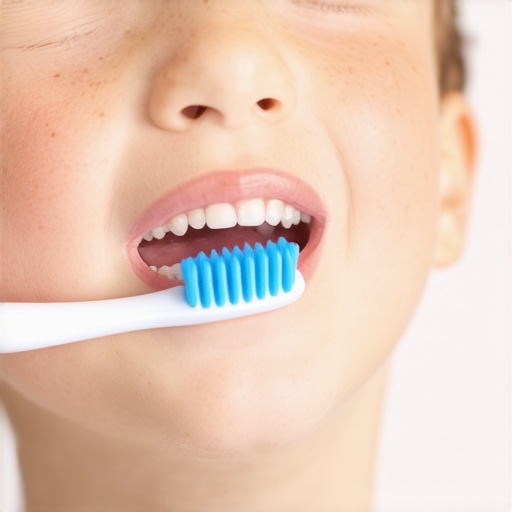
I remember the moment clearly—a frantic scramble in the bathroom mirror, toothbrush in hand, and my child’s innocent face staring back at me. As I watched them scrub, I suddenly questioned whether they were actually cleaning their teeth or just moving the brush around aimlessly. It hit me then—how can I tell if my child is genuinely brushing or simply wetting the bristles without any real cleaning happening? That realization was a wake-up call. If you’re a parent, caregiver, or simply someone concerned about your child’s oral hygiene, you know how tricky this little detail can be.
How to recognize real brushing from mere wetting
Is your child’s brushing effective or just a splashy attempt?
The difference might seem minor but can have long-term consequences. When my little one started brushing on their own, I noticed the brush’s bristles getting damp but no real plaque removal. I initially thought that was enough—after all, moisture is a good start, right? Wrong. It turns out that just wetting the bristles doesn’t necessarily mean they’re cleaning. Effective brushing requires technique: the right angle, proper duration, and coverage of all surfaces. A mistake I made early on was assuming that wet bristles meant good brushing—that’s a common misconception, and it can lead to dental issues over time.
According to dental experts, observing your child’s technique and the presence of visible plaque can be better indicators than just watching how wet the brush gets. So, how can you tell if the effort is real? Keep an eye on their brushing habits. Are they covering all areas? Are they using gentle yet thorough strokes? Do they spend two full minutes brushing? These small cues are essential. Want a more reliable way to evaluate your child’s brushing? Check out our expert advice on teeth cleaning for practical tips.
Stay tuned as we uncover simple, effective ways to ensure your little one is truly taking care of their smile—no more guessing games about wet brushes and half-hearted attempts. Ready to take action? Let’s dive into how you can guide them toward better brushing habits that stick.
Set Clear Expectations and Demonstrate Proper Technique
Begin by showing your child how to brush correctly. Use a soft-bristled toothbrush and non-mint flavored toothpaste to make the experience pleasant. Demonstrate a gentle 45-degree angle against the gums, focusing on one section at a time. For example, start with the outer surfaces of the upper teeth, moving in small circular motions. During a recent morning routine, I sat with my son at the bathroom sink, mimicking a professional brushing session. I gently guided his hand, demonstrating the motion, and when he practiced, I corrected his angle and pressure. This hands-on approach resulted in visible improvement, and he felt more confident tackling his oral hygiene independently.
Break Down the Two-Minute Rule into Manageable Segments
To ensure thorough cleaning, divide the two-minute brushing time into four 30-second sections: upper teeth, lower teeth, inside surfaces, and the tongue. Use a timer or a singing song to keep track. I once used a kitchen timer and challenged my daughter to beat her previous record. Initially, she rushed through the last segment, but after a week, she was completing her routine meticulously. This method keeps the process manageable for children and reinforces consistent habits.
Incorporate Visual Guides and Rewards
Use colorful charts or apps that track brushing time and technique. Reward progress with stickers or small prizes to motivate your child. When my son achieved consistent two-minute sessions for a week, he earned a sticker on his chart, which he proudly displayed. Reward systems make the routine fun and instill a sense of accomplishment, encouraging longer-term commitment to good habits.
Regularly Inspect and Adjust Technique
Periodically examine your child’s teeth and gums for plaque or missed spots. Use a mirror and a flashlight for better visibility. During one inspection, I noticed some areas near the back molars still had plaque buildup—common blind spots for children. I adjusted our routine, emphasizing those spots, and showed my child how to reach the hard-to-see areas. Consistent oversight ensures that technique improves over time and that no plaque is left behind, which is crucial for preventing cavities and gum issues.
Coordinate with Dental Professionals for Feedback
Schedule regular dental checkups where a professional can evaluate your child’s brushing habits. Ask for personalized advice and demonstrations. During a recent visit, the dentist showed my son the proper brushing motion on a model and provided tips tailored to his specific needs. Incorporating expert feedback helps refine your child’s technique and reaffirms the importance of proper oral care.
Utilize Educational Resources and Family Routines
Integrate brushing into your family’s daily schedule, making it a non-negotiable part of the day. Use educational videos or stories aimed at children to reinforce proper techniques. For example, I found engaging videos that personify toothbrushes and plaque battles, making brushing an adventure. This consistency and engaging content help cement good habits and make oral hygiene a shared family value.
Remember, effective brushing isn’t just about moving the brush around; it involves technique, time, and motivation. Integrate these concrete steps into your routine, and you’ll see a significant improvement in your child’s dental health. For further details on maintaining dental crowns or more expert tips, visit expert advice on crowns and teeth cleaning.
Many assume that brushing twice a day and visiting the dentist yearly are all it takes for optimal oral health, but this oversimplification masks some critical nuances. A common misconception is that dental crowns are a temporary fix, leading many to neglect proper care once they’re in place. In reality, as highlighted in expert advice, crowns require meticulous maintenance to ensure longevity; neglecting this can result in early failure or color mismatch, which can be avoided by following guidelines outlined in our post on [maintaining dental crowns](https://periodontistcare.com/maintaining-your-dental-crowns-dos-and-donts-for-best-results).
Are We Overlooking the Impact of Minor Oral Habits?
One subtlety often overlooked is how seemingly harmless habits, such as nail-biting or using teeth as tools, can cause substantial damage over time. Many believe these habits are inconsequential, but study findings suggest they can lead to chipping, wear, or even crown loosening if not addressed promptly. It’s a myth that only large accidents threaten dental restorations—tiny, repeated stresses can be just as destructive, underscoring the importance of behavioral awareness and proactive adjustments. Furthermore, frequent use of abrasive toothpaste or harsh mouthwashes can erode enamel gradually, a nuance that many fail to consider when selecting oral hygiene products. Transitioning to gentle, fluoride-rich options and consulting with your dentist about suitable routines can prevent unintended damage. Have you ever fallen into this trap? Let me know in the comments.
Another advanced misconception revolves around the belief that whitening procedures are purely cosmetic. In fact, over-the-counter whiteners, when misused, can weaken enamel if their active ingredients are too abrasive or used excessively. Dental professionals warn that such practices may lead to increased sensitivity or even cavities. For those considering whitening, professional guidance ensures safe and lasting results; you can find valuable insights in our article on [how to whiten teeth safely](https://periodontistcare.com/how-to-whiten-teeth-without-damaging-your-natural-enamel).
Ordinal detection and maintenance of invisible issues like microcracks or early caries are beyond the scope of routine visuals, but they are crucial for long-term health. Modern diagnostic tools, such as digital radiography, reveal these subtle problems before they escalate. Regular checkups with your dentist, coupled with advanced diagnostics, can catch these hidden threats early, avoiding costly and invasive procedures later. It’s a common mistake to assume that if your teeth don’t hurt, everything is fine — but silent damage often precedes symptoms. Therefore, embarking on proactive, informed dental care is critical. For more tips on integrating routine visits with advanced diagnostics, visit [family dentistry](https://periodontistcare.com/family-dentistry-focus-building-a-lifetime-of-healthy-smiles).
How do I keep my dental care routine effective over time?
Maintaining your oral health requires more than just daily brushing and regular dental visits. Investing in high-quality tools can make a significant difference. I personally recommend using an electric toothbrush with oscillating-rotating technology, such as the Sonicare DiamondClean, because it provides consistent, powerful cleaning that surpasses manual brushing. Its timer ensures you brush for the recommended two minutes, helping to improve technique and coverage. Additionally, incorporating a water flosser like the Waterpik Ultra can target hard-to-reach areas and remove plaque effectively, especially around crowns or bridges.
For keeping your crowns shiny and protected, consider using a toothbrush designed with softer bristles to avoid damaging the porcelain. Regularly replacing your brush or brush head is crucial—every three months or sooner if the bristles fray. I also incorporate interdental brushes for specific spaces, especially if I have dental appliances. These small, wire-loop brushes improve plaque removal in tight spots that traditional floss might miss.
In terms of maintaining long-term results, I rely on professional tools like digital intraoral cameras during checkups to monitor areas that are difficult to see directly. Modern diagnostics, such as the use of cariogenic detection dyes, help identify early decay or plaque buildup before it becomes problematic. Ultimately, combining technological tools with an effective oral routine can dramatically extend the lifespan of your crowns and overall oral health, as detailed in this comprehensive guide.
What are some reliable methods to keep dental crowns functioning well?
Beyond tools, technique is vital. Regularly inspecting your crowns for signs of wear, discoloration, or loosening can prevent more serious issues. I suggest scheduling semi-annual professional cleanings using gentle ultrasonic scalers that can remove tartar without damaging the crown surface. For at-home maintenance, use non-abrasive whitening toothpaste if you want to keep the crowns bright, and avoid biting hard objects like ice or popcorn kernels, which can cause fracture.
Looking ahead, the trend in dental maintenance is leaning towards smart technology integration. Innovations like app-connected toothbrushes provide real-time feedback on brushing habits, encouraging better technique and duration. As these tools become more affordable, I predict they’ll become standard in personal oral care routines, further enhancing the longevity of restorations like crowns.
Discovering the hidden benefits of an integrated oral health approach
Combining superior equipment with disciplined routines and professional oversight creates a robust shield against dental deterioration. I challenge you to incorporate a water flosser into your daily practice—many users report dramatic improvements in gum health and crown maintenance after just a few weeks. For guidance tailored to your unique needs, consider consulting your dental professional, and explore options at our contact page to get personalized recommendations.
Lessons That Changed How I Protect My Kid’s Dental Future
- One of the biggest epiphanies was realizing that a child’s brushing isn’t just about movement—it’s about technique. Watching my child scrub with a splashy motion made me understand the importance of guiding proper method early to prevent future cavities and gum issues.
- I’ve learned that daily routines become habits only when they’re engaging. Introducing timers, rewards, and visual charts transformed brushing from a chore into a game, ensuring consistency and motivation for my little one.
- Professional insights revealed that even the most diligent brushing can miss hidden plaque in hard-to-reach spots. Regular dental checkups and inspections became my secret weapon in maintaining long-term oral health for my family.
- The most surprising lesson was understanding how minor habits—like biting pens or chewing on ice—can undermine dental work. Awareness and gentle correction can save you from costly repairs down the line.
- Finally, I discovered the power of technology. Using an electric toothbrush with a built-in timer and advanced diagnostics during visits keeps our routine effective and our smiles bright.
My Go-To Tools and Resources for Family Smiles
- Sonicare DiamondClean: Its consistent cleaning power and smart timers help my family achieve professional-grade brushing at home, ensuring thorough coverage every time.
- Expert advice on crowns and teeth cleaning: Trusting information directly from specialists guides our routines and keeps us proactive about dental health.
- Educational Apps for Kids: Interactive and engaging, these apps turn brushing time into a fun, educational experience, reinforcing proper habits naturally.
- Daily routine tips: Simple actions I adopted from trusted sources to strengthen our family’s oral health every day.
Take Action and Celebrate Your Progress
Building a happy, healthy smile in your family is a journey filled with small victories. The key is consistency, patience, and using the right tools to guide your loved ones. Remember, each good habit today lays the foundation for a cavity-free future. Are you ready to implement these insights and watch your child’s confidence blossom? Share your experiences or questions below—your story could inspire someone else to take the next step toward better oral health.