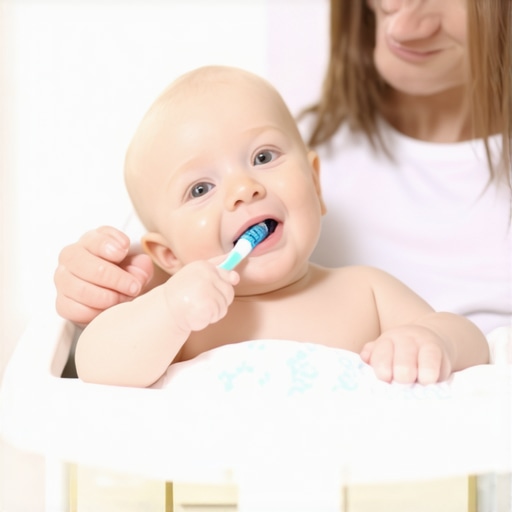
I vividly remember the day I tried to brush my baby’s teeth for the first time. My tiny angel turned into a squirming, fists-clenched bundle of resistance, refusing to open her mouth no matter how gently I tried. It was a lightbulb moment for me—realizing that what worked with adults didn’t necessarily apply to little ones. That initial failure felt frustrating and helpless, but it also sparked my determination to find a better way.
Why Brushing a Resistant Baby’s Teeth Is a Parenting Test
Dealing with a baby who refuses to open their mouth during teeth brushing can feel like an uphill battle. It’s more than just a stubborn phase—it’s a critical part of establishing good oral health early on. If neglected, even short-term resistance can lead to plaque buildup, cavities, and future dental anxiety. The good news is, you’re not alone in this challenge. Many parents face the same struggle, and with the right techniques, you can turn this brushing battle into a bonding moment.
Struggling with Doubts: Is This Really Essential for My Baby?
I also made the mistake early on of thinking that baby teeth weren’t a big deal since they fall out anyway. That misconception can be costly. According to dental health experts, early oral care sets the foundation for lifelong dental habits and health. In fact, neglecting baby teeth can lead to infections and misaligned permanent teeth down the line. For further insights, check out routine tips for strengthening your child’s smile. So, ensuring your baby’s teeth are clean isn’t just about preventing cavities—it’s about shaping their overall health trajectory.
But how do you do that when your little one is determined to keep their mouth shut tight? That’s exactly what I’ll help you unravel. We’ll explore practical strategies to make this essential routine less of a chore and more of a cooperative, even enjoyable, experience.
Create a Fun Routine to Engage Your Baby
Start by turning teeth brushing into a game; use a colorful toothbrush with your child’s favorite character and sing a catchy song during the process. During one session, I used a bright, musical toothbrush that captivated my baby’s attention, turning a fuss into giggles. This approach distracts her from the sensation and makes the routine enjoyable.
Introduce the Brush at Playtime
Let your baby hold and explore the toothbrush during play to reduce fear. I handed my infant her toothbrush before any cleaning, allowing her to examine it closely. Gradually, I introduced a gentle brushing action, which she soon associated with a positive experience. This familiarity eases resistance and helps her feel in control.
Use Gentle Techniques with a Focus on Comfort
Hold your baby securely, supporting her head and body like cradling a precious treasure, and tilt her chin slightly upward. Use your fingertip or a soft toothbrush to gently rub her gums and teeth in small circles. When I performed this softly, my baby squirmed initially but calmed down as I maintained a gentle, steady motion. Consistency and patience are key to avoiding overwhelm.
Time It Right and Set a Routine
Choose a calm time, such as after a bath or nap, when your baby is relaxed. Consistency helps set expectations. I found that brushing right after a warm bath, when my baby was sleepy and calm, reduced her resistance significantly. Making it part of a daily routine emphasizes its importance without creating stress.
Involve Your Baby in the Process
Let your child watch you brush your teeth first, showing enthusiasm and good hygiene habits. When she saw me brush and rinse, curiosity sparked. She mimicked my actions, grabbing her own brush with enthusiasm. This method fosters imitation and reduces anxiety around her own routine.
Use Distraction and Rewards
Distract with a favorite toy or sing a silly song during brushing. When my toddler finally cooperated, I praised her loudly and offered a small star sticker. Positive reinforcement encourages cooperation and turns teeth cleaning into a successful, even fun, activity.
Set Realistic Expectations and Monitor Progress
Recognize that resistance might persist initially, and that’s normal. Focus on small wins—like her opening her mouth for a few seconds or allowing gentle brushing near the gums. Over time, patience and consistent application of these strategies lead to smoother routines. For detailed insights, review effective home teeth cleaning practices for families.
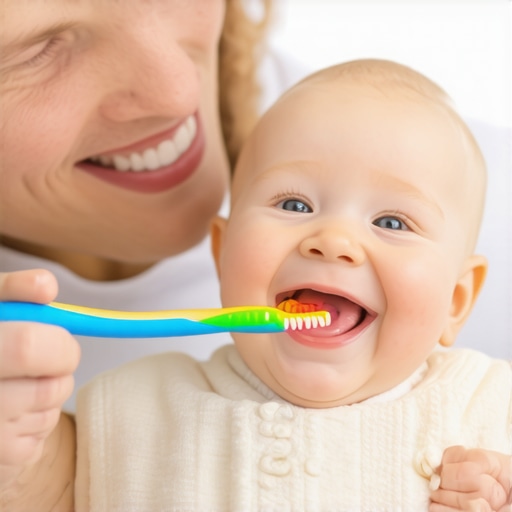 Many people enter the world of dental care with assumptions that, upon closer inspection, can hinder their progress or even cause harm. For example, a widespread myth is that crowns are only a cosmetic fix rather than a functional restoration. In reality, modern crowns not only restore the tooth’s strength but also play a vital role in maintaining jaw alignment and preventing further decay. Interestingly, some patients believe that once a crown is placed, regular dental check-ups become optional. This is a dangerous misconception because, as highlighted in expert resources, ongoing monitoring is essential to ensure the longevity and health of both the crown and surrounding tissues. Failing to adhere to routine visits can lead to unnoticed issues like secondary decay or gum recession, ultimately compromising the investment in your dental health.
Why do many think that teeth cleaning is just about removing surface stains? The truth is, professional cleaning addresses much more—removing tartar buildup buried beneath the gum line and preventing periodontal disease, which has been linked to systemic conditions like heart disease. Overlooking the importance of comprehensive cleanings leaves many vulnerable to silent infections that can worsen over time.Advanced Mistakes That Undermine Your Oral Care
One common oversight is neglecting the role of family-centered techniques in building lifelong healthy habits. For instance, parents often assume that brushing a child’s teeth is sufficient without establishing a positive routine or demonstrating proper technique daily. Early education and modeling influence children’s oral health behaviors profoundly. Additionally, many underestimate how crucial diet is in dental health. Consuming frequent sugary snacks not only fosters cavities but also disrupts the pH balance in the mouth, accelerating enamel erosion. To learn how to effectively incorporate these practices into your routine, visit [routine tips for strengthening your child’s smile](https://periodontistcare.com/oral-health-routine-strengthening-your-smile-every-day).
The Hidden Impact of Ignoring Oral Health Nuances
One advanced issue involves the misconception that all dental crowns are equally durable. In fact, the material choice—porcelain, zirconia, or metal—significantly influences longevity and aesthetic outcome. For example, zirconia crowns offer superior strength and are less prone to chipping, making them suitable for molars, while porcelain provides a more natural appearance for front teeth. Failure to consider these nuances can lead to premature crown failure or dissatisfaction with the result. For a detailed comparison, check out [how crowns can boost your confidence](https://periodontistcare.com/how-crowns-can-transform-your-dental-confidence).
What Are the Risks of Overlooking Oral Health Details? An expert from the American Dental Association states that neglecting precise techniques or materials during procedures can compromise both function and aesthetics, ultimately leading to additional treatments or even tooth loss. Always consult with a professional to tailor your treatment plan to your unique needs.Maintain Your Crowns and Dental Tools for Lasting Results
Effective dental care extends beyond the initial treatment; it’s about consistent maintenance and using the right tools. Personally, I rely on high-quality ultrasonic cleaners like the Sonicor Dental Ultrasonic for parts like crowns and retainers. This device utilizes sonic vibrations to deeply remove plaque and debris that brushing alone can’t reach, ensuring your restorations stay pristine and functional over time. Regular use of such equipment significantly reduces the risk of secondary decay and gum disease around crowns, giving you peace of mind and extending their lifespan. Prediction suggests that advancements in ultrasonic technology will become more integrated into home dental care, blending professional-level cleaning with convenience.
How do I maintain my crowns and tools over time?
Consistency is key. I recommend a routine that includes daily brushing with a soft-bristled, ADA-approved toothbrush and weekly ultrasonic cleaning sessions. Incorporate specialized cleaning solutions like those from GUM’s Deep Cleaning Kit, which help dissolve tartar buildup and refresh your tools, preventing bacterial harboring. Furthermore, using water flossers such as the Waterpik Water Flosser with Ultra Mode enhances removal of debris without risking damage to delicate crowns, especially when combined with fluoride mouthwashes like Listerine to strengthen enamel around restorations. Taking meticulous care of your dental tools and crowns not only preserves their appearance but also safeguards your overall oral health.
Long-term results hinge on diligent maintenance. Regular check-ups with your dentist will ensure your crowns are well-seated and do not show signs of deterioration. I also advise paying attention to the materials used; zirconia crowns, for example, are more durable and resistant to staining, making them easier to care for over time. To further optimize your regimen, consider using a tongue scraper daily to minimize bacterial colonies that can compromise oral health and restoration longevity. Remember, integrating these practices now will pay dividends in maintaining a healthy, confident smile for years to come.
Tools I recommend for optimal oral health
Personally, I vouch for the Quip Electric Toothbrush for its gentle yet effective cleaning and built-in timers that encourage thorough brushing. For deep cleaning, the Philips Sonicare DiamondClean offers superior plaque removal and gum health benefits, especially when paired with correct technique and routine. Don’t overlook the importance of periodic professional cleanings, which address tartar beneath the gums—these are vital for preventing periodontal diseases that can threaten your restorations and natural teeth alike. For more on effective home practices, review effective home teeth cleaning tips.
Looking ahead, I believe the integration of smart toothbrushes with AI capabilities will revolutionize personal oral health management, reminding users when to brush and providing real-time feedback. Embracing these innovations can help you stay on top of your dental health effortlessly.
The Hardest Lesson I Learned About crowns,family dentistry,teeth cleaning,oral health
One of the biggest surprises was realizing that not all dental crowns are created equal; choosing the right material can drastically impact longevity and appearance. I once opted for a cheaper option, only to face chipping and staining within a year, which taught me the importance of investing in quality from the start.
Overestimating Routine Care
I used to believe that regular brushing was enough to maintain my crowns and overall oral health. It wasn’t until I learned about ultrasonic cleaning tools and proper maintenance that I truly understood how vital supplementary tools and techniques are for lasting results. Neglecting this can lead to secondary decay and crown failure.
Ignoring the Subtle Signs
A tiny crack or a change in my crown’s fit once went unnoticed because I assumed it was nothing serious. That experience underscored the importance of paying attention to small changes and scheduling prompt dental evaluations, which can prevent costly repairs down the line.
My Essential Toolkit for crowns,family dentistry,teeth cleaning,oral health
I’ve come to trust high-quality ultrasonic cleaners like the Sonicor Dental Ultrasonic because they effectively remove plaque from hard-to-reach areas on crowns, preventing buildup and extending their lifespan. Pairing this with an electric toothbrush such as the Quip Electric Toothbrush ensures thorough daily cleaning. For deep cleaning and maintaining your restorations, I recommend the Philips Sonicare DiamondClean, which I personally use and trust. Regular professional check-ups remain indispensable, especially for monitoring crowns’ condition and overall oral health. To stay ahead of potential issues, incorporating a tongue scraper and using water flossers like the Waterpik with Ultra Mode have been game changers in my routine. These tools support a comprehensive approach that keeps my smile confident and healthy over time.
Your Next Step Toward Dental Confidence
Prioritizing your oral health might seem daunting at first, but with the right tools, knowledge, and a proactive mindset, you can enjoy lasting results and a radiant smile. Remember, small daily habits compound into significant benefits—embrace them, and watch your dental confidence grow. Don’t wait for discomfort or cosmetic issues to arise; start implementing these strategies today and experience the transformation firsthand.
Have you ever struggled with maintaining your crowns or finding the right tools for effective cleaning? Share your story below—I’d love to hear your experiences and questions!