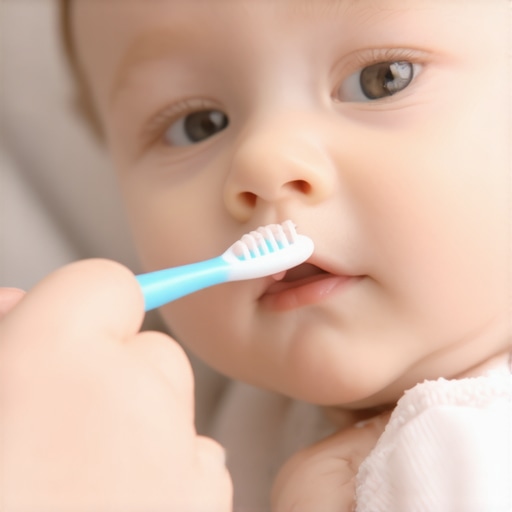
I remember the exact moment I realized my baby’s first tooth was teething—it was a tiny, sharp ridge that caught me off guard during a cuddle. Suddenly, the thought of oral care became more urgent. Like many parents, I was overwhelmed. How do I get my little one used to a toothbrush without turning every brushing session into a battle? The struggle is real, and I know many of you have faced the same frustration. Today, I want to share my journey and offer proven strategies to introduce a toothbrush to your infant smoothly.
Starting the Oral Care Journey: Don’t Wait for Cavities to Strike
As parents, we often begin worrying about our child’s teeth when issues arise. But did you know that establishing a routine early can significantly impact their lifelong oral health? According to the American Dental Association, early introduction to oral hygiene practices sets the foundation for healthy habits as children grow. If you’re unsure how to start, you’re not alone. My initial mistake was waiting until my child’s teeth were more prominent, thinking that was the right time. It made the process tougher, and I wish I had begun sooner. Today, I’ll guide you through how to make this introduction natural and stress-free.
Is Your Baby Ready for a Toothbrush or Just Tempting Trouble?
Many parents worry that their infant isn’t ready, or that using a toothbrush might cause discomfort. Trust me, I thought the same. The key is patience and observation. Some signs your baby is ready include showing interest in your mouth or attempting to put things in their mouth frequently. The goal is to make the experience positive, not forced. I learned early on that making it fun—using bright, soft toothbrushes and singing silly songs—helped my baby associate toothbrushing with something pleasant.
It’s also easy to fall into common traps. One mistake I made initially was rushing through the process or using overly harsh brushes, which scared my baby rather than comforted him. Always opt for a small, soft-bristled toothbrush designed for infants, and be gentle. For more detailed advice on age-appropriate tools, check out my trusted resource on [caring for crowns](https://periodontistcare.com/caring-for-crowns-essential-tips-for-longevity-and-shine). Building a positive routine now will pave the way for healthier teeth and happier smiles later.
Choose the Right Time and Tools for Your Little One
Picking the perfect moment is crucial. I vividly remember trying to brush my baby’s teeth right after a nap, thinking he was rested enough. Initially, he resisted fiercely—screaming and flailing. That day taught me to wait until he’s calm and slightly distracted, like during a playful moment. Use a tiny, soft-bristled toothbrush designed for infants, similar to how you select gentle tools for delicate jewelry cleaning. Don’t rush; patience is your best ally.
Make Toothbrushing a Playful Experience
Transform routine into fun: sing silly songs, use colorful brushes with favorite characters, or give your child a favorite stuffed animal for companionship. One time, I handed my son a toothbrush shaped like a superhero cape, which instantly captured his imagination. I demonstrated brushing his pretend teeth with exaggerated motions, encouraging him to imitate. This approach shifted his perception from a dreaded chore to an exciting game, reducing tears and increasing cooperation.
Develop a Consistent, Stress-Free Routine
Set a predictable schedule—perhaps after bath time or before bedtime. Consistency builds trust, making future cleanings easier. I learned not to pressure him if he was uncooperative. Instead, I would gently wipe his teeth with a damp cloth on tough days, gradually introducing the brush again. Using a visual timer for two minutes helps children understand the duration, much like using a sand timer during cooking. Over time, this routine became second nature, laying a foundation for lifelong oral health.
Gradually Increase the Scope of Dental Care
Start with the front teeth before tackling the back molars. At first, I focused solely on upper front teeth, praising every successful attempt. As my child’s comfort grew, I gently introduced brushing the sides and eventually the molars. Use a mirror to show your child what you’re doing; this mirrors adult routines and fosters curiosity. Remember, teeth are like tiny soldiers—each needs attention to stay strong. Progress incrementally to avoid overwhelming your little one.
Stay Calm and Positive Throughout
Your attitude influences your child’s reaction. On a particularly challenging day, I maintained a calm tone and praised even the smallest cooperation. Mimicking the calm, gentle approach used in family dentistry—like in [family dentistry focus](https://periodontistcare.com/family-dentistry-focus-building-a-lifetime-of-healthy-smiles)—can encourage positive experiences. A relaxed environment reduces anxiety and helps children associate toothbrushing with safety and care. Tenderness and patience make the process less intimidating and more successful in the long run.
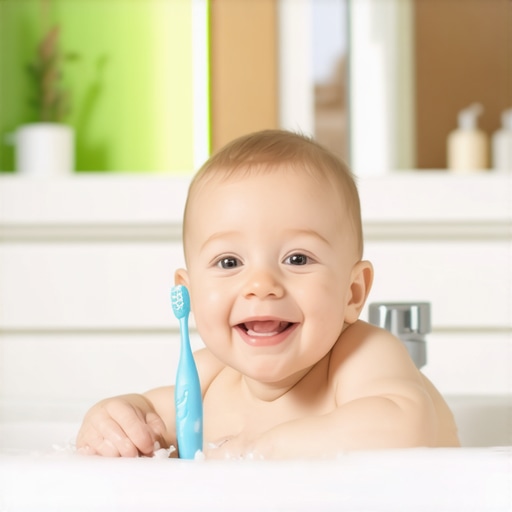 Many people believe they know everything about family dentistry and oral health, but in reality, some common misconceptions can hinder the effectiveness of dental care. One widespread myth is that dental crowns are only for aesthetic purposes, but in fact, they play a vital role in restoring damaged teeth and preventing further decay. Overlooking the importance of properly fitted crowns can lead to recurring issues, emphasizing the need for expert advice, like the insights found in [caring for your crowns](https://periodontistcare.com/caring-for-crowns-essential-tips-for-longevity-and-shine). Furthermore, a frequently misunderstood aspect is the routine of teeth cleaning; many assume that frequent, aggressive brushing is better, yet overbrushing can damage gums and enamel, reducing oral health over time. Instead, gentle, consistent cleaning with the right tools, such as soft-bristled brushes, yields superior results.
Why do some believe that cheaper dental treatments are equally effective?
This misconception can lead to opting for cheaper solutions that may not address underlying issues or last as long. Research indicates that investing in quality materials and professional procedures, like well-placed crowns and thorough cleanings, offers long-term benefits, which are well discussed in [expert advice on crowns and teeth cleaning](https://periodontistcare.com/expert-advice-on-crowns-and-teeth-cleaning-for-lasting-results).
A common pitfall is neglecting personalized oral health routines suited for individual needs. For example, people with recession or sensitive gums require tailored approaches rather than one-size-fits-all solutions. Failing to recognize nuances such as these can worsen existing problems or delay recovery. Another nuance that many overlook is the significance of the timing and technique of teeth cleaning—using improper methods can erode enamel or amplify sensitivity. This is why regular visits to a family dentist ensure customized care plans that adapt to changing needs, as discussed in [family dentistry focus](https://periodontistcare.com/family-dentistry-focus-building-a-lifetime-of-healthy-smiles).
Beware of the trap of thinking that all dental treatments are instantly effective or permanent without maintenance. Crowns, for instance, require ongoing care to prevent issues like discoloration or loosening; neglecting maintenance can compromise their longevity. Additionally, advancements in modern dentistry—such as laser treatments and digital imaging—highlight the importance of staying informed about newer, more effective options. Recognizing these nuances can greatly improve your long-term oral health strategy.
Have you ever fallen into this trap? Let me know in the comments.Maintaining your dental health over the years requires more than just good habits—it demands reliable tools and targeted approaches. Personally, I swear by using an electric toothbrush with a pressure sensor, like the Philips Sonicare DiamondClean. Its built-in timer ensures I brush for the recommended two minutes, which is crucial for effective plaque removal. The gentle oscillating motion is particularly beneficial for those with sensitive gums, as it provides thorough cleaning without causing irritation. Regular use of interdental brushes, specifically those with fine, flexible bristles, helps me reach those hard-to-clean spots between teeth, preventing tartar buildup and decay. I also incorporate a water flosser into my routine, which Family Dentistry experts endorse for its efficiency, especially for individuals with braces or crowns. As technology advances, smart toothbrushes that connect to smartphone apps are becoming increasingly popular; they track brushing habits and provide personalized feedback, promoting better oral hygiene over time. Looking ahead, I believe these intelligent tools will become more integrated with your overall health monitoring systems, offering comprehensive insights and customized care plans. To keep your dental investments working effectively, schedule regular professional cleanings—typically every six months—because even the best tools can’t replace expert insights. When it comes to maintenance, I follow recommendations from dental specialists, like [caring for crowns](https://periodontistcare.com/caring-for-crowns-essential-tips-for-longevity-and-shine), to ensure longevity and shine. Remember, consistency is key; combining top-tier tools with professional advice maximizes your long-term results. Interested in elevating your routine? Try integrating a smart toothbrush with a built-in coach feature this month to see immediate improvements in your daily care. For more expert-approved tips, revisit my article on [teeth cleaning secrets](https://periodontistcare.com/teeth-cleaning-secrets-effective-home-practices-for-family-dental-health). Keeping your smile healthy ensures confidence and comfort for years to come.
Throughout my journey with family dentistry, crowns, and maintaining oral health, I discovered that the most profound lessons come from unexpected moments. One of the hardest lessons I learned was the importance of patience—rushing through dental routines often backfires, making children associate dental care with discomfort rather than confidence. Another insight was understanding that misconceptions, such as believing that all dental crowns are purely cosmetic, can delay vital treatments and lead to recurring issues. Most surprisingly, I realized that investing in quality tools, like gentle toothbrushes and professional advice, pays off in the long run, preventing pain and costly repairs. These personal revelations emphasized that a proactive, informed approach transforms routine care into a lasting investment in health and happiness.