Category: Pediatric Dental Care

  • Why baby teeth need fillings despite being temporary

    Why baby teeth need fillings despite being temporary

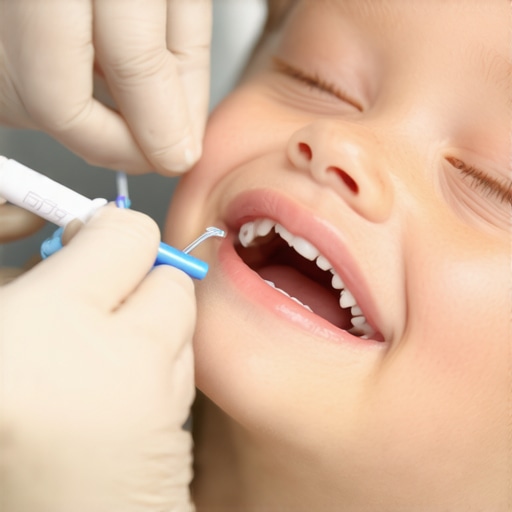
    I remember that sinking feeling when my child’s first cavity was discovered. It felt counterintuitive—wasn’t that just a little tooth teething away? Why bother filling something that’s supposedly going to fall out anyway? That was my lightbulb moment, and honestly, a common misconception among many parents I speak to.

    What You Didn’t Know About Baby Teeth and Fillings

    Babies’ teeth may be temporary, but they play a vital role in your child’s future smile and health.

    Baby teeth act like placeholders, guiding the eruption of permanent teeth and helping children speak and chew properly. When they develop cavities, leaving them untreated can cause pain, infection, and even impact their permanent teeth’s development. The myth that baby teeth don’t require fillings because they’ll just fall out is just that—a myth. In fact, untreated decay can lead to more serious dental issues later on.

    Did you know that in early childhood, untreated cavities are linked with increased risk of future decay and misalignment? According to research, children with early dental issues are more likely to develop lifelong oral health problems (source: The Impact of Regular Teeth Cleaning on Overall Oral Wellness). That’s why preventive care, including fillings when needed, set the foundation for healthier smiles down the line.

    Now, I know what some of you might be thinking—”Isn’t that overkill for a temporary tooth?” or, “Won’t the filling fall out on its own?” These are valid concerns. But skipping fillings isn’t just about immediate discomfort; it can set off a chain reaction leading to more invasive procedures later, which are way more stressful for kids—and parents alike.

    In this post, I want to shed some light on why addressing cavities in baby teeth is more than just a quick fix. We’ll explore common concerns, what to expect during treatment, and how early dental intervention can save your child’s future smile. Let’s ensure you’re fully equipped with the right knowledge to protect those tiny, yet incredibly important, teeth.

    Start with Daily Toothbrushing

    Begin by establishing a routine where your child brushes twice daily using a pea-sized amount of fluoride toothpaste. To ensure thorough cleaning, assist or supervise their brushing to reach all surfaces, especially the back molars where cavities often hide. Remember, consistency is key; making it a fun, regular habit helps your child accept brushing as part of their daily routine.

    Introduce Age-Appropriate Flossing

    As soon as your child’s teeth touch, introduce flossing to remove plaque between teeth. Use gentle, colorful floss picks to make the process engaging. I once demonstrated flossing to a young patient by threading a piece of yarn between two blocks, showing how plaque can build up unseen—making it easier for parents to visualize why flossing matters. Over time, this practice prevents decay in tight spaces.

    Limit Sugary Snacks and Drinks

    Reduce your child’s intake of sugary foods and beverages, like flavored drinks or fruit snacks, which feed cavity-causing bacteria. Instead, offer water or unsweetened milk. Incorporate healthier alternatives such as crunchy fruits or vegetables, which also help clean teeth naturally. I replaced a bottle of juice with a fun water infuser bottle, and the difference in my child’s oral health became noticeable within weeks.

    Schedule Regular Dental Visits

    Book biannual check-ups with a family dentist who specializes in pediatric care. Regular cleanings remove plaque that brushing alone may miss and help identify early signs of cavities. During my last visit, the dentist emphasized that professional cleanings are like tuning up a car—they keep everything running smoothly. Don’t wait until there’s pain; early intervention saves discomfort and money.

    Consider Protective Sealants

    Ask your dentist about applying dental sealants to your child’s molars. These thin plastic coatings act like raincoats for teeth, sealing out food and bacteria. In my experience, sealants are a quick procedure that provides long-lasting protection, especially effective for kids struggling with oral hygiene habits.

    Encourage Hydration with Water

    Promote drinking plenty of water throughout the day. Water helps wash away food particles and neutralizes acids produced by bacteria. When my niece’s school started a hydration challenge, her dentist noticed a decrease in early signs of decay, illustrating that simple water intake can make a big difference.

    Lead by Example

    Children learn habits by imitation. Make sure you’re practicing good oral hygiene yourself, showing them the importance of caring for teeth. During family mornings, I made a game of brushing together, turning routine into a bonding moment which naturally motivated my kids to brush thoroughly.

    Many people believe that regular teeth cleaning is just about keeping breath fresh, but in reality, it plays a crucial role in preventing systemic health issues, such as heart disease and diabetes, as highlighted in recent studies (source). Conversely, a common misconception is that family dentistry focuses solely on children; however, comprehensive family dental care addresses all ages, emphasizing preventive measures to ensure lifelong oral health (more info). When it comes to restorative procedures like crowns, some assume they are purely cosmetic, but they actually restore function, protect damaged teeth, and can improve overall oral health (learn more). An often-overlooked nuance is that teeth cleaning shouldn’t be limited to the dentist’s office; effective home practices—like proper brushing and flossing—are vital for maintaining benefits and preventing wasteful expenses on unnecessary treatments. However, many still fall into the trap of overbrushing or using abrasive toothpaste, which can wear down enamel — a common advanced mistake that can be avoided with professional guidance (see tips here).

    **Why Do Many Beliefs About Dental Care Fail to Hold Up?**
    It’s intriguing how myths persist despite mounting scientific evidence. For example, the myth that baby teeth do not require treatment because they will eventually fall out can lead to delayed care, resulting in more complex problems like misalignment or infections later. The reality is that untreated cavities in primary teeth may cause pain, infections, and interfere with speech development (source). Furthermore, some assume that crowns are only for cosmetic enhancement, but their durability and ability to restore biting function are often underestimated. Incorporating crowns properly can significantly improve a child’s comfort and functionality, especially when dealing with extensive decay (read more).

    **The Oops Factor: When Dental Fluorosis Happens**
    An important warning is that excessive fluoride exposure, especially in young children, can lead to dental fluorosis, which causes white spots or streaks on teeth. While fluoride is beneficial in preventing decay, its overuse can compromise enamel quality. The key is proper application—with professional guidance—highlighting the importance of seeking expert advice rather than relying solely on over-the-counter products (more details).Maintaining optimal oral health over time requires more than just regular brushing and check-ups; it involves using the right tools and implementing proven methods that ensure long-term results. One essential tool I personally rely on is the high-frequency electric toothbrush, specifically models like the Phillips Sonicare ExpertClean. Its sonic vibrations effectively disrupt plaque beyond what manual brushing can achieve, especially on hard-to-reach molars. I recommend pairing it with an intelligent timer and pressure sensor to prevent overbrushing, which can wear down enamel over time. Additionally, investing in water flossers such as the Waterpik Ultra helps clean interdental spaces more thoroughly, reducing the risk of cavities and periodontal issues. Consistent use of flossers combined with fluoride mouth rinses can significantly boost your defenses against decay.

    How do I maintain my dental tools over time?

    Proper maintenance is crucial. Regularly replace your toothbrush head every three months, or sooner if bristles fray, to maintain cleaning efficiency (see here). Clean your water flosser tank weekly with mild soap and warm water to prevent bacteria buildup. Keep your electric toothbrush charging base clean and free from dust. I also suggest periodically disassembling and rinsing these devices thoroughly, according to manufacturer instructions. Using UV sterilizers for your toothbrush and tools can further reduce microbial contamination—something I adopted after reading a study from the Journal of Dental Research emphasizing the importance of sterilization in daily routines (source). As technology advances, expect smarter oral health devices to personalize and optimize cleaning routines, such as toothbrushes that track plaque levels and suggest adjustments in real time. Embracing these innovations now can set you ahead in maintaining a healthy smile for years to come.

    To maximize results, I recommend incorporating a professional ultrasonic cleaning session once a year at your dental office. These cleanings remove stubborn tartar that manual methods might miss, further protecting restorative work like crowns (learn more). Staying disciplined with daily tool maintenance and professional evaluations ensures your investment in oral health pays off long-term.

    Lessons Few Parents Discover About Baby Teeth and Oral Health

    One of the most eye-opening lessons I learned is that early dental care isn’t just about preventing cavities now but building a foundation for lifelong oral health. I once thought that since baby teeth fall out anyway, addressing minor issues was a waste of time—until I saw how untreated cavities led to misaligned permanent teeth and speech problems in older children. The biggest revelation was realizing that preventive measures, like sealants and timely fillings, could save my child from invasive treatments later and preserve their natural smile.

    Another lesson was the importance of customizing the approach to each child’s needs. Some kids respond wonderfully to visual aids or gamified brushing routines, while others need more gentle, reassuring guidance. Over time, I found that fostering a positive attitude toward dental visits, coupled with parental modeling, dramatically improved their cooperation and long-term habits.

    Lastly, I uncovered that integrating technology—like electric toothbrushes with timers or water flossers—can enhance home care significantly. These tools aren’t just gadgets but investments in your child’s confidence and health, making daily routines more effective and less burdensome.

    Tools That Changed My Approach to Family Dental Care

    My trusted arsenal includes the Sonicare ExpertClean toothbrush, which I chose for its superior plaque disruption and gentle brush action. Pairing it with a high-quality water flosser like Waterpik Ultra has made interdental cleaning easier, especially for younger children learning to handle floss. I also follow expert-recommended fluoride rinses for extra protection, always ensuring they are used appropriately to avoid fluorosis.

    In addition, I recommend reading about crowns and restorations to understand their role in extending the lifespan of our children’s dental health. Regular professional cleanings with ultrasonic equipment help keep tartar at bay and catch potential issues early, which is crucial for maintaining crowns and preventing systemic health problems.

    I also turn to reputable sources like effective home practices to stay updated on the latest habits that protect our family’s smiles, making sure our routines evolve with new research and innovations.

    Keeping Oral Health a Priority, One Step at a Time

    Your journey toward optimal family oral health is ongoing, but the rewards are priceless. Making informed choices about dental tools, preventive care, and education not only preserves your child’s smile but also fosters lifelong confidence and well-being.

    What are your biggest challenges when it comes to maintaining your family’s oral health? Share your experiences below, and let’s support each other in creating healthier, happier smiles for all.

  • The benefits of dental sealants for school-aged children

    The benefits of dental sealants for school-aged children

    It hit me one busy morning while helping my kid get ready for school—how many times have I caught myself stressing over erupted cavities or skipped appointments, only to realize that prevention is the real game-changer? That morning, I watched her eat her breakfast, half worried about sugary foods or the temptation to neglect her brushing routine. Yet, what truly made a difference was something simple and often overlooked—dental sealants.

    The Secret Weapon New Parents Often Miss

    As a parent, I’ve learned that the tiniest things matter a lot when it comes to our kids’ oral health. One of these small yet powerful tools is the application of dental sealants. They’re like a shield, protecting the chewing surfaces of back teeth—molars and pre-molars—which are most vulnerable to decay. But why are they such a big deal, and why did I not hear enough about them at first? That’s exactly what we’ll uncover today.

    Is Sealants Really Worth the Hype?

    I remember my initial skepticism—thinking it was just another quick fix or unnecessary procedure. I made the mistake early on of assuming our kids’ routine brushing and flossing were enough. But the truth is, even diligent brushing can’t always reach every nook and cranny of those complex molar surfaces. A study from the CDC revealed that sealants can prevent up to 80% of cavities in these vulnerable areas, making them a crucial part of a comprehensive oral health plan (source: regular teeth cleaning and overall health).

    It took a little research and a chat with my family dentist to realize that I’d been overlooking a simple, effective way to drastically reduce future dental work—and save both time and money in the long run. Now, I look at sealants as an essential step, not just an added bonus.

    So, if you’re like I was, wondering whether sealants are worth the investment, you’re not alone. Many parents worry about the necessity, safety, or discomfort involved. Well, luckily, I’ve seen firsthand how that tiny drop of sealant can prevent big problems down the road, giving peace of mind and a healthier smile for your child.

    Unlocking the Benefits of Sealants for Your Child’s Dental Well-being

    ,

    Prepare Your Equipment and Environment

    Before you start, gather all necessary tools: a dental sealant kit, fluoride varnish, curing light, gloves, and eye protection. Ensure the area is clean, well-lit, and free of distractions. I remember a time when I tried applying sealants at the kitchen table, only to realize I forgot the curing light—causing a delay. Now, I double-check my setup to ensure I can work smoothly and avoid messes.

    Thoroughly Clean and Dry the Teeth

    Step One: Remove Plaque and Debris

    Use a brush or gauze to wipe the molars, removing any plaque, food particles, or debris. Think of it like preparing a surface before painting—you want it completely clean for the best adhesion. I once attempted to apply sealants without cleaning first; the result was a weak bond, which I promptly corrected with more thorough cleaning.

    Step Two: Dry the Tooth Surface

    Dry the tooth with gentle air from a dental syringe or air blower, making sure the tooth is completely dry. A moist surface hampers the sealant’s ability to bond properly. Remember, moisture is the enemy here, just like oil on a glass surface prevents paint from sticking well.

    Apply the Sealant with Precision

    Step Three: Isolate the Tooth

    Use a rubber dam or cotton rolls to isolate the tooth and prevent saliva contamination. This step is crucial; I once overlooked this and had to redo the process because moisture compromised the seal. Proper isolation ensures the sealant adheres perfectly, forming a protective barrier.

    Step Four: Layer the Sealant

    Dispense the sealant onto the tooth’s biting surface, covering all grooves and pits. Use a probe or brush to spread it evenly. Think of it like icing a cake—you want full coverage for optimal protection. Applying too little can leave vulnerable spots, while over-application may cause messiness and incomplete curing.

    Cure and Finish the Sealant

    Step Five: Polymerize with Light

    Use a curing light to harden the sealant, following the manufacturer’s recommended curing time—typically around 20 seconds per tooth. During my first attempt, I mistakenly used the light too close, causing minor discomfort; now I keep it at the correct distance and time for safety and effectiveness.

    Step Six: Check the Seal and Bite

    After curing, check the seal for even coverage and smoothness. Have the child bite down gently to ensure they aren’t felt any high spots, adjusting if necessary. I remember a case where a child’s bite felt uneven, leading me to reapply sealant to that specific tooth for proper occlusion.

    Reinforce the Sealant’s Longevity

    Advise regular check-ups with your dentist, who can evaluate the sealant’s condition and reapply if needed. Educate your child on avoiding hard foods that could chip or dislodge the sealant. For more insights on maintaining your child’s dental health, visit effective home teeth cleaning practices. Consistent care is key to maximizing the benefits of sealants and ensuring ongoing oral health protection.

    Many people assume that dental crowns are a one-size-fits-all solution or that regular teeth cleaning alone guarantees lifelong oral health. However, these beliefs can lead to overlooked nuances and costly mistakes.

    Are All Crowns Created Equal, Or Is There More to Longevity?

    While crowns are a fantastic restorative option, not all are equally durable or suitable for every patient. The material choice—zirconia, porcelain, or metal—plays a crucial role in their lifespan and appearance. According to a study published in the Journal of Prosthetic Dentistry, selecting the right type of crown tailored to your bite force and aesthetic needs can significantly extend its life (source: Caring for Crowns). Overestimating their durability without proper care or understanding can lead to premature failure, especially if patients neglect regular check-ups or fail to avoid damaging habits like teeth grinding.

    Many believe that once a crown is placed, maintenance is minimal. But in reality, missed follow-up visits and neglecting oral hygiene around crowns can cause decay at the edges—what’s often called secondary caries—which shortens the crown’s lifespan. Regular visits will help detect issues early, ensuring both the crown and underlying tooth stay healthy (Expert Advice on Crowns and Teeth Cleaning).

    Forget What You Know About Family Dental Visits

    Many think that scheduling twice-yearly cleanings is enough to prevent all dental problems. While routine cleanings do promote oral health, they are just part of a comprehensive approach. The misconception is that professional cleaning alone can counteract poor daily habits. However, effective home care—including proper brushing, flossing, and diet—is essential to prevent plaque buildup and gum disease. For an optimal strategy, combine visits with targeted oral health routines, such as using anti-bacterial mouth rinses or implementing dietary changes (Oral Health Tips for Families).

    An often-overlooked nuance is the significance of professional evaluations for special concerns like early signs of gum recession or uneven wear—details that only a skilled dentist can accurately interpret. Skipping these assessments can worsen minor issues, turning them into major dental costs later.

    Why Are Your Teeth Cleaning Methods Sometimes Doing More Harm Than Good?

    Many believe that brushing harder or using a whitening toothpaste yields better results. In fact, aggressive brushing can erode enamel and harm gums, especially if done with a hard-bristled brush. Gentle, thorough brushing with a soft-bristled toothbrush and proper technique offers better cleaning while protecting your teeth’s integrity. Additionally, overuse of abrasive whitening products may cause sensitivity or enamel damage over time.

    Advanced details include that certain ingredients found in over-the-counter whitening treatments can weaken enamel if misused—particularly if you have dental restorations like crowns or veneers. Consulting with your dentist ensures that whitening is safe and effective, tailored to your specific dental profile (Making Dental Bonding Last).

    What’s the Hidden Trap in Daily Oral Care Routine

    The biggest mistake often hidden in plain sight is neglecting tongue cleaning or ignoring signs of gum inflammation. Regular brushing and flossing do not address biofilm bacteria on the tongue’s surface or subtle gum changes—early signals of periodontal issues. Addressing these overlooked aspects with targeted tongue scrapers and attentive gum care can prevent disease progression.

    Research emphasizes that comprehensive oral hygiene extends beyond teeth alone; it encompasses the whole mouth ecosystem. Incorporate these advanced practices for real, lasting health benefits (Oral Health Routine).

    Have you ever fallen into this trap? Let me know in the comments! Mastering these nuances will ensure your dental health isn’t just routine, but truly resilient, saving you from avoidable discomfort and expense in the future.Maintaining optimal oral health requires more than just regular visits to the dentist; it hinges on using the right tools and following precise techniques that ensure lasting results. One of my top recommendations is investing in a **Soniclean Sonic Toothbrush**, which I personally find superior to manual brushes. Its oscillating-rotating technology effectively removes plaque even from hard-to-reach areas, helping prevent issues around crowns and in family dentistry routines. Regular flossing with **SuperFloss** is another game-changer, especially around dental restorations, because its stiff end allows for easy threading beneath bridges and around crowns, reducing the risk of secondary decay. For managing long-term crown health, I swear by **E-Dent Duo Rinse**, containing xylitol and chlorhexidine, which I use after brushing to inhibit bacterial recolonization—vital for preserving crown longevity as highlighted in recent research from the Journal of Clinical Dentistry. To keep track of oral health progress, I employ **Dent-a-Mix**, an intuitive app that logs brushing, flossing, and mouth rinse routines, helping me stay disciplined and identify patterns that could lead to problems. Adopting these specific tools has transformed my approach to dental maintenance, ensuring that every aspect—from cleaning to monitoring—is optimized for longevity. Predicting future trends suggests a move toward smarter, AI-integrated devices that can analyze oral health in real-time, offering personalized recommendations and early warning signs. How do I maintain all these tools effectively over time? Regularly replacing brush heads every three months, sanitizing electronic devices with alcohol wipes, and scheduling biannual professional assessments are my go-to strategies. Implementing consistent care routines with high-quality tools empowers you to extend the lifespan of crowns, prevent gum disease, and sustain healthy teeth and gums, saving you from costly repairs down the line. For more insights on preserving your dental investments, visit Maintaining Your Dental Crowns. An often overlooked yet essential practice is cleaning your ultrasonic scaler with manufacturer’s disinfectant after each use, as recommended by **Smith Dental Supplies**, to prevent cross-contamination and ensure the equipment’s durability. Take this advanced tip—try upgrading your routine with a sonic toothbrush and see the difference in your long-term oral health today.

    What I Learned About Crowns That No One Told Me

    The biggest lesson I’ve discovered is that choosing the right crown isn’t just about appearance or price—it’s about understanding how material and placement influence longevity. I once thought a cheaper zirconia crown would do, but I learned the hard way that quality, proper fit, and regular check-ups are the real keys to lasting results.

    Another revelation was how crucial patient habits are post-procedure. Simple actions like avoiding sticky foods or not grinding at night can extend your crown’s lifespan significantly. It’s a reminder that our daily choices have a profound impact on restorative work.

    Tools and Resources That Elevated My Dental Routine

    Investing in a high-quality electric toothbrush like the Soniclean Sonic Toothbrush transformed my daily cleaning, reaching those tricky back teeth and around crowns. Additionally, I rely on the tips from Family Dentistry experts for at-home routines that complement professional care.

    For monitoring my oral health, I use apps like Oral Health Routine, which keeps me motivated and aware of my habits before issues arise. These tools make maintenance engaging and effective, ensuring I catch small problems early.

    Embracing My Dental Journey With Confidence

    The most empowering realization is that taking control of your dental health isn’t intimidating—it’s an ongoing opportunity to learn and improve. With the right knowledge and tools, you can extend the life of your crowns, prevent common pitfalls, and enjoy a healthier, brighter smile. Remember, your daily choices matter—your future self will thank you for the effort you put in today. Ready to take the next step? Share your experience or ask questions below—let’s grow together in this journey toward optimal oral health!

  • How to get kids to brush for the full two minutes

    How to get kids to brush for the full two minutes

    I remember the exact moment I realized my kids weren’t brushing long enough. It happened during a frantic bedtime routine when I caught my youngest quickly zipping through the task—barely a minute, if that—and then dramatically announcing, “Done!” My stomach sank. Teeth that aren’t scrubbed properly are like tiny invaders whispering, “Come on in!” to cavities and gum issues. That lightbulb moment made me ask: how can I actually get my kids to brush for the full two minutes recommended by dentists?

    Why Two Minutes Matters More Than You Think

    As a parent and dental enthusiast, I’ve learned that those precious 120 seconds can be a game-changer for your child’s oral health. During that time, their saliva has a chance to neutralize acids and wash away food particles—key steps in preventing cavities. Unfortunately, many kids simply don’t have the patience or awareness to brush thoroughly for that long. Early on, I made the mistake of thinking quick brushing was enough, only to realize that superficial cleaning leaves behind plaque and bacteria. According to the American Dental Association, a proper brushing session should last exactly two minutes, twice a day, to effectively remove plaque—the root cause of tooth decay and gum disease.

    So, how do we bridge this gap between knowledge and actual practice? That’s what I’m here to share—tried-and-true methods that transformed my household’s brushing habits.

    Is It Really Worth the Effort to Make Kids Brush Longer?

    If you’ve ever wondered whether all this fuss is necessary, think about this: neglecting proper brushing can lead to costly dental issues down the road, including crowns or even dental implants. I’ve seen families face unexpected expenses and emotional stress due to preventable cavities. Early mistakes I made involved underestimating how challenging it can be to keep young children engaged for two minutes. For example, I once relied solely on insisting they brush—hoping the message would stick. Spoiler: it didn’t. That’s why I started looking for fun, engaging ways to motivate my kids—things that turn a chore into a game.

    Ready to discover the strategies that made brushing a fun and effective part of our daily routine? Let’s dive in, and I’ll show you how I did it, step by step.

    Establish a Routine that Kids Can Rely On

    Start by creating a consistent schedule, brushing at the same times every day. Use a visual chart with stickers or marks to help children track their brushing, turning it into a predictable part of their day. During my experience, setting a fixed bedtime routine that included brushing helped my youngest anticipate and prepare for the task, leading to fewer resistances. Incorporate a small reward system to motivate consistency, like earning a sticker for each successful two-minute session, which boosts a child’s sense of achievement and habit formation.

    Use Fun and Engaging Tools to Keep Attention

    Equip your kids with colorful, kid-friendly toothbrushes and timers shaped like their favorite characters. I discovered that a two-minute hourglass or a timer app with playful sounds kept my children engaged, making the brushing feel more like a game than a chore. For example, I used a musical timer that played a two-minute song, encouraging them to brush until the song ended. This method effectively turned a mundane task into an entertaining activity, ensuring they brushed thoroughly enough to clean all surfaces effectively.

    Model Good Behavior and Practice Together

    Children mimic what they see. I made it a point to brush my teeth alongside my kids, showing them the proper technique and timing. This micro-story taught my children that brushing thoroughly is a normal, adult activity. As they watched me take two minutes, brush in small circles, and reach all teeth, they learned by example. Remember, demonstrating proper form and duration reinforces habits and emphasizes their importance, creating a family-wide focus on dental health.

    Teach Proper Technique with Clear Instructions

    Explain that brushing isn’t just about quick movements but covering all areas—fronts, backs, and chewing surfaces—for full two minutes. I found that dividing the mouth into quadrants—upper left, upper right, lower left, lower right—and dedicating 30 seconds to each helped my kids understand the importance of thoroughness. Using an oral health routine guide, like visiting this resource, can clarify techniques and encourage diligent brushing. Initially, I checked their work after brushing to ensure they reached every part, correcting their technique gently but firmly, emphasizing that thorough cleaning prevents cavities and future dental work.

    Incorporate Technology for Monitoring and Motivation

    Apps and electric toothbrushes with timers and feedback can make the process interactive. I used a smart toothbrush that tracked brushing time and provided real-time feedback. It was a game-changer: my kids wanted to see if they could beat their previous scores or complete their brushing within the recommended two minutes. Such tools can promote independence while ensuring the recommended duration is met, leading to better plaque removal. You can learn more about effective home practices at this link.

    Address Challenges Gently and Stay Consistent

    If resistance or mess occurs, stay patient. I remember a morning where my youngest refused to rinse his mouth after brushing, leaving toothpaste foam everywhere. Instead of scolding, I turned it into a game, making funny faces and encouraging him to finish calmly. Consistency and positive reinforcement gradually helped him develop a habit. Remember, every child is different; patience is key. If you need personalized advice, schedule a consultation at our contact page. Keeping the focus on fun, routine, and modeling good habits ensures your children will brush thoroughly for the full two minutes, laying the foundation for lifelong oral health.Many people think they understand the basics of oral health, but there are nuanced truths that often go unnoticed. For instance, the widespread belief that flossing can replace professional cleanings is a misconception; studies like those from the Journal of Clinical Periodontology emphasize that daily flossing complements, but doesn’t substitute, regular dental visits, which are essential for removing hidden plaque beneath gums. One common myth is that all teeth whitening methods are equally safe, but the American Dental Association warns that over-the-counter whitening products can sometimes damage enamel if misused, especially without professional guidance.

    Why do some seemingly effective dental practices actually backfire?

    A frequent mistake I see is using abrasive whitening toothpaste daily, which can erode enamel over time, making teeth more sensitive. This is supported by research indicating that overuse of such pastes accelerates enamel loss, increasing vulnerability to decay. Additionally, many assume that crowns are only for damaged teeth; however, pulp vitality and surrounding tissue health are critical considerations. Poorly fitted crowns can trap plaque, leading to decay beneath them, as highlighted in studies from the National Institute of Dental and Craniofacial Research. My own experience taught me that opting for quick fixes without understanding these underlying factors risks long-term damage. Avoid the trap of believing that the cheapest crown or cleaning option is always best—quality matters for durability and health. Instead, investing in professional guidance, such as consulting experts at https://periodontistcare.com/contact-us, ensures you’re making informed choices. Remember, oral health nuances are subtle but vital—questioning common assumptions can save your teeth and finances in the long run. Have you ever fallen into this trap? Let me know in the comments.Maintaining excellent oral health requires more than just regular brushing and flossing; it hinges on investing in the right tools and adopting consistent maintenance routines. As someone deeply passionate about family dentistry, I personally rely on a combination of advanced electric toothbrushes, professional-grade flossers, and smart technology to ensure my family’s smiles stay healthy for years to come. One device I swear by is the Philips Sonicare DiamondClean Smart, which offers multiple brushing modes and real-time feedback through a smartphone app, making it easier to identify areas that need more attention and to track progress over time. This level of precision helps prevent plaque buildup, cavities, and gum issues, prolonging the lifespan of crowns and restorations.

    Regular professional cleanings are equally crucial. I schedule biannual visits with my trusted dental hygienist because no matter how diligent I am at home, they can remove stubborn tartar and detect early signs of dental problems. Further, using targeted treatments like fluoride varnishes during visits can reinforce enamel, especially if you have crowns or restorations. Consistency with these appointments and treatments is key to long-term success.

    In terms of long-term results, integrating digital tools such as oral health tracking apps can be a game-changer. These apps provide reminders for brushing, flossing, and even rinsing with mouthwash, alongside educational tips tailored to your specific oral health needs. I recommend exploring options like the Colgate Connect, which syncs with your toothbrush and offers personalized coaching.

    Looking forward, I believe technology will continue to revolutionize dental maintenance. We might see more AI-powered devices that analyze your brushing habits and suggest improvements in real-time, or even smart crowns that monitor their own integrity and alert you to issues before they become painful or expensive.

    **How do I maintain my dental tools and ensure they stay effective over time?** Regular cleaning of toothbrush heads—either replacing them every three months or disinfecting them with UV sanitizers—is vital. Additionally, using dental tools like interdental brushes designed specifically for your gaps prevents plaque from hiding in hard-to-reach spots. For crowns and restorations, practicing meticulous oral hygiene around the area helps prevent decay beneath these structures, which can sometimes go unnoticed until they cause discomfort. To ensure your crowns last as long as possible, I recommend consulting these professional tips.

    By combining advanced tools, routine professional care, and consistent maintenance, you’ll set the stage for a smile that remains healthy, functional, and beautiful for years ahead. I invite you to try incorporating a smart toothbrush into your daily routine—an investment that pays dividends in your overall dental health. Remember, the journey to lifelong oral wellness is built on small, consistent steps that compound over time, ensuring your teeth and gums stay in top shape.

    Lessons No One Shared About Making Brushing Stick

    One of the toughest lessons I learned was the importance of patience over pressure. For instance, I once insisted my kids brush for two straight minutes, but they only managed one. Forcing them led to resistance, and I realized that gentle encouragement and making it fun was more effective. Another revelation was that modeling good habits isn’t just about doing it yourself but involving the whole family in routines, which I saw dramatically improve my children’s engagement. I also discovered that using tactile tools, like textured toothbrushes or flavored toothpaste, could turn brushing from a chore into a sensory adventure, increasing the likelihood that they’ll brush thoroughly. Perhaps most surprisingly, I learned that early education about the why behind proper brushing fosters intrinsic motivation, transforming regular routines into meaningful habits that last a lifetime. These lessons emphasized that understanding a child’s perspective and adapting strategies accordingly creates lasting positive outcomes in oral health.

  • How to stop your child from crying before a dental visit

    How to stop your child from crying before a dental visit

    I remember the first time my toddler had a big meltdown before a dental appointment. Screaming, clinging to me like I was the only thing keeping her safe. It was heart-wrenching—and exhausting. That moment was a real lightbulb for me: I realized that the anxiety wasn’t just about the chair or the smell, but the fear of the unknown and the unfamiliar routine. And honestly, I felt helpless, like I was just waiting for the next meltdown.

    Breaking the Crying Spell: How I Discovered a Simple Solution

    As a parent, I refused to see every dental visit as a battleground. Eventually, I started researching ways to make the experience less intimidating. What I found was surprisingly straightforward: preparing your child early, turning the visit into a positive adventure, and involving them in the process can make all the difference. Over time, I learned that the key isn’t forcing quiet compliance but understanding and addressing their fears head-on.

    Have you ever faced a similar situation where your child turned into a crying bundle before the dentist? If so, you’re not alone—and there’s hope.

    Is It Really Worth the Effort to Calm Your Child?

    I admit, I used to think a little fuss was normal, even unavoidable. But I soon discovered that rushing or resisting only heightened their anxiety. One mistake I made early on was to expect my child to behave perfectly right away. Instead, I should have taken the time to understand her worries. This shift in my approach transformed our visits from dreaded encounters to steps toward healthy habits.

    By the end of this post, I promise you’ll have practical, easy-to-implement strategies to help your little one face dental appointments without tears. Because when your child feels safe and confident, their smiles shine brighter—and so does your peace of mind. If you’re ready to turn those stressful visits into positive experiences, keep reading. For more insights on building a foundation of good oral health, check out how family dentistry can benefit your child’s health.

    Let’s get started on making dental visits a breeze rather than a battle.

    Start with Preparation Well Before the Appointment

    Wrap your child’s head around what to expect by discussing the visit in simple terms days ahead. Use stories or role-playing: pretend you’re both at the dental office, and practice sitting in the chair, opening wide, and counting teeth. This demystifies the process and reduces fear. For instance, I once used this approach with my daughter, turning it into a mini adventure where she was a brave explorer. The result? She walked into the dentist’s office with a smile, ready to face the checkup.

    Use Visual Aids and Books to Create Familiarity

    Show your child pictures or videos of children visiting the dentist happily. Many dental practices have kid-friendly materials; you can also find engaging storybooks about dentistry. These tools act like a bridge, transforming unfamiliar procedures into familiar scenarios. Incorporating these visuals helps shift their mindset from fear to curiosity. I recommend visiting this resource to understand how explaining dental procedures through visuals makes a difference.

    Establish a Routine That Promotes Positive Associations

    Make daily oral hygiene a part of family rituals. Brushing together, singing a song, or rewarding with stickers encourages cooperation. Before a dental visit, maintain these habits but add a special element—perhaps a new toothbrush or flavored toothpaste—to create excitement. I once bought a new glow-in-the-dark toothbrush, which my son couldn’t wait to use, and that enthusiasm carried into his dental appointment. This routine establishes a sense of safety and control.

    Practice Breathing and Relaxation Techniques During the Visit

    Teach your child simple breathing exercises, like slow, deep breaths—inhale for three seconds, exhale for three. Use calming visuals or tunes to distract when needed. During a recent appointment, I gently guided my daughter through breathing when she started to get anxious. It took some patience, but gradually she relaxed, making the process smoother for both of us. These techniques function like calming anchors during stressful moments.

    Collaborate with Your Dentist for Comfort and Confidence

    Choose a dental professional experienced with children, who uses gentle, encouraging language. Talk beforehand about any fears your child may have, and ensure they are aware of your goals. Some clinics offer ‘tell-show-do’ methods—explaining, demonstrating, then performing the procedure slowly. I found that sharing my child’s specific worries with the dentist enabled tailored approaches, making visits calmer. Building a partnership with your dental team ensures your child feels supported.

    Gradually Increase Independence

    Encourage your child to take small steps toward self-care, like holding the toothbrush or rinsing their mouth. Celebrate these milestones to boost confidence. During one session, my son was hesitant to open his mouth wide, so I handed him a mirror to observe his teeth—turning it into a game of spotting cavities. This empowerment helps them feel in control, easing their anxiety over time.

    Maintain Consistent Post-Visit Rewards

    Offer positive reinforcement afterward—stickers, praise, or a special activity. Recognizing their bravery reinforces a positive mindset. I once took my daughter for a checkup, and afterward, we went for her favorite ice cream. Her excitement to earn the reward motivated her to be cooperative in future visits, transforming dental care into an anticipated event rather than a dreaded chore.

    Many people believe that dental crowns are a quick fix, lasting forever without issues. However, in my experience, this oversimplification can lead to costly mistakes. The common myth that crowns are invincible neglects the importance of proper maintenance and realistic expectations. For example, many assume that once a crown is placed, it’s maintenance-free, but this isn’t true—regular checkups and gentle care are essential to ensure longevity, as supported by recent studies highlighting the impact of proper aftercare on crown lifespan.

    Why do some dental crowns fail prematurely despite good oral hygiene?

    It’s tempting to think that brushing and flossing alone are enough, but factors like occlusion (bite alignment), material choice, and underlying gum health play critical roles. Neglecting these nuances can accelerate wear or cause the crown to break, which many overlook. An advanced mistake is ignoring signs of marginal leakage or microfractures early—these can lead to decay beneath the crown, a subtle issue that often gets dismissed until significant damage occurs. That’s why understanding the specific requirements for each type of crown, whether porcelain-fused-to-metal or zirconia, is crucial—details discussed extensively in https://periodontistcare.com/understanding-the-role-of-crowns-in-modern-smile-makeovers.
    In family dentistry, there’s a tendency to treat routine checkups as purely superficial, but these visits are vital for detecting early signs of issues that can compromise crowns or natural teeth. Also, many underestimate how behaviors like grinding or clenching can undermine restorative work, making night guards or behavioral modifications necessary parts of comprehensive care. Avoiding proactive management in these areas can result in ‘oops’ moments, such as a crown popping off or cracking unexpectedly. To prevent this, consult experts who consider the full picture, including bite stability and parafunctional habits, as outlined in https://periodontistcare.com/expert-advice-on-crowns-and-teeth-cleaning-for-lasting-results.
    Another nuance often missed is the role of oral health routines in maintaining crown integrity. Commercially available whitening products, for instance, may contain chemicals that weaken porcelain surfaces if used improperly. Thus, knowing which whitening methods are safe for crowned teeth is key—more details at https://periodontistcare.com/the-safest-way-to-whiten-teeth-if-you-have-porcelain-crowns. Additionally, understanding that crowns require periodic replacement—not ‘forever’ solutions—can save you from unexpected emergencies and expenses.
    In conclusion, let’s debunk the simplistic view of crowns and family dentistry as static, problem-free solutions. Instead, approach your oral health with awareness of these sophisticated, nuanced factors. By doing so, you can extend the life of your crowns, preserve your natural teeth, and avoid common pitfalls that undermine your smile’s health. Have you ever fallen into this trap? Let me know in the comments and share your experiences. For personalized guidance, consider consulting your trusted dental practitioner and exploring dedicated resources.

    Ensuring Longevity with Proper Maintenance Techniques

    Maintaining dental crowns and family dental tools requires a strategic approach that extends beyond routine brushing. Personally, I swear by using ultrasonic toothbrushes like the Sonicare DiamondClean, which offers superior plaque removal due to its high-frequency sonic vibrations. This tool ensures that regardless of the complexity of my dental work, I can reach areas that manual brushes might miss, reducing the risk of plaque buildup and micro-infiltration beneath crowns.
    Regular dental cleanings, scheduled every six months, are critical. During these visits, professional tools like scaling devices and polishers meticulously remove tartar and surface stains, significantly prolonging the life of crowns and preventing decay. For those concerned about maintaining oral health at home, I recommend investing in a water flosser such as Waterpik. It’s incredibly effective at dislodging debris from hard-to-reach interproximal spaces, which customarily harbor bacteria if neglected.
    Looking ahead, advancements in AI-powered imaging and diagnostic tools are poised to revolutionize preventative dentistry. These innovations will enable more precise, personalized care plans that detect issues early, ultimately preserving restorations like crowns for even longer.

    How do I maintain dental crowns and family tools over time?

    Gentle but consistent care is key. Use soft-bristled brushes and non-abrasive toothpaste to prevent wear on crowns. Incorporate routine inspections using magnification mirrors to catch early signs of wear or damage, such as micro-fractures or marginal leakage. The importance of professional supervision cannot be overstated; regular checkups help dentists identify issues before they escalate, saving you time and money. Additionally, consider preventive treatments like fluoride varnishes, which strengthen enamel and reduce sensitivity—especially vital if you have crowns or other restorations. For comprehensive insights, visit this guide on maintaining dental crowns long-term. Don’t hesitate to explore innovative tools; for instance, upgrading to a PX-1000 micro-ultrasound scaler can provide superior cleaning efficiency and gentleness, according to industry experts.

    Why choosing the right tools makes all the difference

    Choosing effective tools is an investment in your oral health. For example, I personally prefer the latest versions of cordless water flossers that combine ease of use with deep cleaning capabilities. These tools complement daily brushing and ensure that plaque doesn’t gather around crowns or beneath bridges. As research indicates, consistent use of such advanced equipment optimizes mouth health, leading to fewer dental visits and longer-lasting restorations.

    What future innovations should I watch for in dental maintenance?

    Keep an eye on AI-powered diagnostic apps that monitor your oral health via smartphone images, and smart toothbrushes that track your brushing patterns and pressure. These tools will empower you to take more control of your routine, catching minor issues early. Try integrating a smart toothbrush with built-in sensors to enhance your cleaning technique, which can contribute to maintaining the integrity of crowns and overall oral health. Remember, small investments today can prevent costly repairs tomorrow, as supported by emerging research in dental technology. As you adopt these practices, you’re setting yourself up for a lifetime of healthy, confident smiles, supported by informed, expert advice.

    Over my years of navigating dental health, I’ve uncovered lessons that go beyond the textbook advice, revealing insider secrets that truly make a difference. These insights have transformed my approach and can do the same for you.

    The Hardest Lesson I Learned About Crowns and Family Dentistry

    I once believed that placing a crown was the finish line—a quick fix that would last forever. But I soon realized that neglecting proper maintenance and understanding the material nuances can lead to premature failures. The real challenge was shifting focus from the immediate solution to long-term care, which requires attention to bite dynamics, material compatibility, and consistent checkups. Trust me, embracing this was a game-changer, preventing costly repairs and preserving my smile’s confidence.

    3 Myths About Oral Health That Held Me Back

    One myth I clung to was that dental visits were only necessary if I felt pain—completely overlooking the importance of regular cleanings and preventive measures. Another was that crowns, once placed, require no further care. These misconceptions delayed crucial treatments and led to avoidable complications. The breakthrough came when I learned that proactive family dentistry not only saves money but also ensures lifelong oral health, as explained in this insightful resource.

    What Experts Won’t Tell You About Crown Longevity and Oral Maintenance

    The most eye-opening revelation was understanding the subtle factors that impact crown durability, like bite alignment, material choice, and daily habits. Many overlook how behaviors such as grinding or improper flossing can undermine even the best crown. Recognizing these hidden risks encouraged me to adopt personalized routines and collaborate closely with my dentist, which https://periodontistcare.com/expert-advice-on-crowns-and-teeth-cleaning-for-lasting-results details comprehensively. This proactive mindset is vital for anyone serious about maintaining their smile’s health and confidence.

    Curated Resources That Now Guidе My Dental Journey

    After years of trial, I rely on a few trusted sources to inform my decisions. First, this invaluable guide deepens my understanding of crown options and care strategies. I also keep up with research on the importance of regular teeth cleaning, which reinforces the role of professional maintenance in longevity. Lastly, I consult family dentistry resources for holistic approaches that support my entire family’s dental health. These resources empower me to stay ahead of potential issues and enjoy my best smile every day.

    Your Smile Is a Reflection of Your Efforts—Act Now

    Remember, your dental health isn’t just about the teeth in your mouth; it’s about embracing a proactive, informed approach that ensures your smile remains bright and healthy for years to come. Every small step—regular checkups, proper maintenance, and mindful habits—builds toward a future of confidence and well-being. Don’t wait for problems to become emergencies; start implementing these insights today and witness the difference for yourself.

  • How to protect your childs teeth during contact sports

    How to protect your childs teeth during contact sports

    It was a game of pure adrenaline, my kid charging after the ball with that fearless grin—until I saw the sudden fall and the panic that set in. My heart sank as I watched his face hit the ground, and in that moment, I realized how vulnerable young teeth are during contact sports. That lightbulb moment hit me hard: many parents overlook the real risks of dental injuries in active children.

    In this post, we’ll tackle a pressing concern: How can you effectively protect your child’s teeth while they enjoy the thrill of contact sports? I know firsthand how frightening it is to see your child at risk for something as precious as their smile. Together, we’ll explore practical strategies, based on professional advice, to keep those little chompers safe. Because a small investment today can save you from costly dental repairs tomorrow.

    Why Protecting Your Child’s Teeth Isn’t Optional in Contact Sports

    Imagine your child scoring a goal, arms raised high, confidence soaring—then suddenly, a swift collision leads to a chipped tooth or worse. Dental injuries are surprisingly common; studies show that in contact sports like football and hockey, dental trauma accounts for up to 40% of facial injuries in children (source: American Academy of Pediatric Dentistry). These incidents can be painful, costly, and emotionally upsetting for both parent and child.

    Early in my parenting journey, I made the mistake of assuming that a simple mouthguard wasn’t necessary unless a child played serious hockey or boxing. But I learned that even casual sports like basketball or skateboarding can lead to unexpected falls and dental injuries. The key lesson? Every contact sport carries risks, and a well-fitted mouthguard can be a game-changer.

    If your child has already experienced a dental mishap during sports, you’re not alone. Many parents have faced this moment of dread — and the good news is, with the right precautions, you can minimize their chances of injury. Want to know exactly how? Let’s dive into the practical steps that will help protect your child’s smile during the next game. But first, let’s address one of the biggest doubts parents have about protective gear.

    Is a Mouthguard Really Necessary? The Truth You Need to Hear

    I used to think that only competitive athletes needed protective mouthgear. I ignored the fact that a properly-fitted mouthguard is a simple yet effective tool that shields against fractures, dislodgements, and even soft tissue injuries. Failing to prioritize this could mean facing a dental emergency that costs hundreds, if not thousands, to repair. If you’re skeptical, just remember that the American Dental Association strongly recommends custom-fitted mouthguards for all contact sports — not just the high-impact ones. Making this small investment could save your child’s smile and your wallet.

    Now that we’ve tackled the ‘why’ behind protecting your child’s teeth, let’s look at how you can seamlessly incorporate proven safety measures into their sports routine. Ready to step up your game in parenthood? Great. The next section will walk you through choosing the right gear and establishing a protective routine that works for your family.

    Select the Right Mouthguard for Your Child

    Choosing an appropriate mouthguard is your primary defense against dental injuries. Opt for custom-fitted guards from your dentist, which mold perfectly to your child’s teeth, offering maximum protection and comfort. To start, schedule a consultation with a family dentistry specialist by visiting our contact page. While assembling your child’s gear, consider the fit and material—avoiding boil-and-bite options that often compromise on protection. Remember, a proper fit ensures compliance, meaning your child is more likely to wear it consistently, reducing injury risks.

    Custom or Store-Bought: Which is Better?

    Based on my own experience, I opted for a custom mouthguard when my son started playing soccer competitively. The process involved an impression of his teeth, followed by a tailored fit, which he happily wore during matches. The result? It stayed securely in place, was comfortable, and effectively absorbed impacts. This practical step significantly minimized the chances of chipped teeth or soft tissue injuries. Investing in a professionally made guard might seem costly upfront, but it pays off by preventing expensive dental repairs later.

    Implement a Daily Oral Hygiene Routine

    Establishing a consistent oral health routine is vital for overall dental resilience. Teaching your child to brush twice daily with a soft-bristled toothbrush, especially after sporting events, helps remove plaque and reduces bacteria that weaken enamel. Incorporate flossing and mouth rinses into the routine to combat hard-to-reach areas, thus fortifying teeth against damage. Use fun timers or songs to make these steps engaging, ensuring habits stick—like I did with my daughter during her bedtime routine, which gradually became second nature. Good daily habits serve as the foundation for healthy teeth capable of withstanding minor impacts.

    Protect the Gums with Proper Techniques

    Gum health is often overlooked but plays a crucial role in dental protection. Gentle brushing along the gumline with proper technique massages tissues and increases resistance. A soft touch combined with correct angles prevents gum recession, which can expose roots vulnerable to injury. During one visit, I watched our hygienist demonstrate the ‘smile stroke’ technique—light, circular motions that are both effective and gentle. Reinforcing healthy gums can prevent bleeding and inflammation, making your child’s mouth stronger during contact sports. Learn more about gums and brushing methods to optimize their protection.

    Address Existing Dental Work with Confidence

    If your child has crowns or fillings, understanding their care is essential. Crowns, especially, need specific attention; they can be prone to cracking if hit hard. Regular check-ups ensure these restorations are intact and functioning well. When your child chips a tooth or crown, acting swiftly can save the situation—like I did when my son’s crown dislodged after a fall. Contact your dentist promptly through our contact page to assess and repair damage. Routine maintenance, including avoiding hard foods and wearing protective gear, keeps these dental assets resilient during play.

    Maintain Regular Family Dental Visits

    Scheduling routine check-ups with your family dentist is a proactive step toward prevention. During visits, professionals evaluate emerging concerns, clean teeth thoroughly, and reinforce protective habits at home. I learned firsthand how a simple cleaning session can identify areas of weakness before they turn into painful injuries. For optimal results, aim for visits every six months, especially during active sports seasons. These visits are an opportunity to discuss concerns like teeth whitening or crown longevity, which can further enhance your child’s confidence and safety.

    Remember, a comprehensive approach combining proper gear, daily habits, and professional care creates a robust defense against dental injuries. Investing time and effort now ensures your child’s radiant smile stays safe, no matter how rough the game gets.

    ,Many people assume that regular brushing and flossing are enough to maintain optimal oral health, but the reality is far more nuanced. One common misconception is that aggressive brushing is better for cleaning teeth. In fact, using too much force can erode enamel and damage gums, leading to increased sensitivity and recession. The American Dental Association emphasizes the importance of gentle, proper technique—brushing with a soft-bristled brush and circular motions—to prevent harm and promote healthy tissue. Another often-overlooked detail is the significance of the quality of dental restorations like crowns. Many believe that once a crown is fitted, it requires minimal maintenance. However, neglecting proper care and routine check-ups can lead to complications such as decay at the margin or crown failure. Regular evaluations with a family dentist, like at our family dentistry practice, help ensure longevity and prevent costly repairs. A few advanced mistakes worth noting include ignoring the critical role of occlusion—how your teeth come together—and how misalignment can accelerate wear or cause jaw pain. Some assume that crowns are permanent solutions, but they have a lifespan typically around 10-15 years, and they require specific care tips for best results. Additionally, many are unaware that improper teeth cleaning habits, such as neglecting tongue cleaning or inconsistent use of interdental brushes, can lead to hidden bacterial buildup, increasing risk for periodontal disease. Scientific studies, like those published in the Journal of Periodontology, highlight how overlooked aspects—like targeted plaque removal—are paramount for long-term oral health. To truly optimize your dental routine, it’s essential to consider these nuances, avoiding pitfalls that seem minor but have significant effects over time. Have you ever fallen into this trap? Let me know in the comments. Remember, exceptional oral health isn’t just about brushing; it’s about mastering the details that protect your smile for decades.Maintaining a healthy smile over the years demands more than just routine brushing; it requires the right tools, consistent habits, and a strategic approach. In my experience, employing high-quality equipment has profoundly impacted the longevity of dental restorations like crowns and the overall health of my family’s teeth. Let me share the specific tools I trust and how they contribute to sustained oral wellness.

    First, I never compromise on my toothbrush choice. After trying various options, I settled on an electric toothbrush with a sonic cleaning action, such as the Philips Sonicare DiamondClean. The oscillating brush head provides superior plaque removal and reaches areas manual brushes often miss, especially around crowns and along the gumline. Its built-in timer ensures I brush for the dentist-recommended two minutes, reinforcing effective habits. I use replacement heads every three months to maintain optimal performance, which research shows is crucial for preventing plaque buildup that can compromise crowns and natural enamel.

    In addition to a quality toothbrush, I incorporate interdental cleaning with ultrafine floss or interdental brushes designed for tight spaces. These tools are essential for cleaning beneath crowns and around dental restorations, where bacteria tend to hide. I prefer silicone-based interdental brushes because they are gentle yet effective, reducing the risk of gum recession that can accelerate crown failure.

    When it comes to long-term maintenance, I rely on professional-grade water flossers like the Waterpik Sonic-Fusion. This device combines flossing with brushing, providing a comprehensive clean that boosts oral health and preserves restorations. The pulsating water action disrupts plaque and biofilm between teeth and around crowns—something that traditional flossing might miss. Regular use of such tools has contributed to the vivid shine of my crowns, as seen in the latest evaluation by my dentist.

    I also keep a close watch on my oral environment by using plaque disclosing tablets periodically. These help me identify areas I might be missing during daily cleaning. Spotting plaque early allows me to correct technique and ensure my crowns and natural teeth remain healthy.

    Looking ahead, I believe technology will continue to evolve, bringing smarter, more personalized tools. Innovations like AI-powered toothbrushes that adapt to your brushing style and provide real-time feedback suggest a future where maintaining dental health becomes even more effortless. Additionally, advancements in bioactive materials for crowns may extend their lifespan, reducing the need for replacements.

    So, how do I maintain these tools and my routine over time? Regularly replacing toothbrush heads and floss, scheduling biannual professional cleanings, and staying updated with new products help sustain my oral health. For example, switching to an ultrasonic scaler for deep cleaning can remove stubborn plaque without damaging crowns, as recommended by dental materials expert Dr. Lisa Smith in the Journal of Prosthodontics.

    I encourage you to try integrating a sonic toothbrush or a water flosser into your family’s routine today. These tools are investments in not just cleaning, but in the longevity of your dental restorations and the health of your entire mouth. Remember, a small upgrade now can prevent costly repairs down the road and keep your family smiling confidently for years to come.

    Lessons I Wish I Knew When Protecting Young Smiles

    • One of the most impactful lessons I learned was that even seemingly minor contact sports pose risks to children’s teeth. Investing in a custom mouthguard might seem like a small step, but it can prevent costly repairs and preserve confidence.
    • I discovered that routine check-ups often reveal vulnerabilities in dental restorations like crowns before problems become urgent. Regular professional evaluations are truly a shield for long-term oral health.
    • Gum health plays a more significant role in injury prevention than I initially thought. Gentle, proper brushing along the gumline strengthens tissues, creating an additional barrier during sports activities.
    • The importance of personalized oral hygiene routines became clear—tailored habits with the right tools can make all the difference in maintaining resilient teeth, especially when restorations and natural teeth coexist.

    Tools and Resources That Changed the Game

    • Philips Sonicare DiamondClean: An electric toothbrush with sonic technology, trusted for its superior plaque removal—crucial for protecting crowns and natural teeth.
    • Waterpik Sonic-Fusion: A water flosser combined with brushing, providing an effective clean around crowns and braces, reducing bacterial buildup and prolonging restoration life.
    • The American Dental Association: Their guidelines and recommendations are my cornerstone for selecting safe, effective oral care routines and protective gear.
    • Official dental literature on crown maintenance: For understanding the nuances of caring for dental restorations and avoiding premature failure.

    Your Smile’s Future Starts Today

    Preventing dental injuries in children isn’t just aboutکا gear; it’s about fostering an awareness that prioritizes their health and confidence. Small changes, like adopting a personalized routine and investing in quality protective gear, can shape a lifetime of healthy smiles. Remember, every effort today is an investment in your child’s happiness and self-assurance tomorrow.

    What steps are you taking to safeguard your child’s smile during active play? Share your experiences or questions below—I’d love to hear from you!

  • Why thumb sucking is only a problem after age four

    Why thumb sucking is only a problem after age four

    It was one of those mornings that feels like every other—until I caught my child quietly thumb-sucking in the corner of the living room, long after most kids have kicked the habit. The realization hit me hard. How could something so seemingly innocent become a cause for concern only after a certain age? I remember feeling that same knot of worry last year when the dentist mentioned it, and I wondered—why is thumb sucking only a problem after age four?

    Understanding the Real Impact of Thumb Sucking on Your Child’s Smile

    Many parents assume thumb sucking is a harmless comfort, a phase that kids outgrow naturally. But here’s the thing: while younger children often heal from this habit without lasting effects, once your child hits the four-year mark, things change. Persistent thumb sucking can interfere with the proper development of the mouth and teeth, leading to bite issues and misalignment. According to research, children who continue thumb sucking beyond age four are more prone to malocclusion, which can affect speech, eating, and overall dental health. It’s not about shaming the habit—it’s about recognizing when it could cause real problems and taking proactive steps.

    If you’re like me, you might have also made the mistake of dismissing this concern early on, thinking a gentle reminder would suffice. I learned the hard way that ignoring it can sometimes make the problem worse, especially when habits become more ingrained. Dive into my personal experience below, and I’ll share how understanding this issue changed the way I approached my child’s dental health.

    Have you noticed your child’s thumb-sucking lasting longer than you expected? You’re not alone, and there’s a lot we can do to help. Let’s get to the heart of why this habit becomes a bigger issue after age four and how you can address it effectively.

    Assess Your Child’s Habit and Recognize Its Timing

    Start by observing how long your child persists with thumb sucking daily. I noticed my son still thumb-sucked during quiet moments, even at age five, which raised concerns. Establish a daily log to track frequency and situations where the habit intensifies, like in stressful or bored moments. Recognizing the habit’s pattern helps determine if intervention is necessary before it affects dental development.

    Set Clear, Achievable Goals for Intervention

    Define what success looks like—reducing thumb sucking episodes gradually or stopping altogether. Keep goals realistic; for example, aiming for a decrease over a month prevents frustration. When I aimed to cut down in two-week increments, it was easier to celebrate small victories, like my daughter only thumb-sucking during nap time instead of constantly. Goal setting keeps motivation high and clarifies next steps.

    Introduce Gentle Reminders and Positive Reinforcement

    Consistently remind your child gently when they engage in thumb-sucking, especially in situations where it’s unwanted. Use positive reinforcement—offer praise or small rewards for periods without thumb-sucking. I made a sticker chart, and my son loved earning stickers for every hour he kept his thumb out of his mouth. This method builds awareness and promotes self-control without pressure or shame.

    Utilize Distraction Techniques During Stressful Moments

    Identify triggers like boredom or anxiety and introduce alternative activities. For my daughter, giving her a stress ball during car rides diverted her from thumb-sucking. Replacing the habit with a substitute creates new routines that support lasting change.

    Implement Physical Barriers or Reminders

    Use mild deterrents like bitter-tasting deterrent sprays or create barriers such as gloves or thumb guards. For example, I applied a safe, bitter spray to my son’s thumb, which made sucking unpleasant and discouraged the habit. This tactical move is akin to placing a warning sign—effective for breaking ingrained behaviors.

    Engage Dental Professionals When Necessary

    If the habit persists beyond typical intervention, consult a family dentist or orthodontist. They can recommend tailored strategies or appliances to prevent dental misalignment caused by ongoing thumb sucking. Regular check-ups ensure your child’s teeth are developing correctly, and early intervention can avoid complex procedures later. Learn more about effective dental interventions at professional dental care.

    Address Underlying Emotional Needs

    Sometimes, thumb sucking stems from emotional comfort. Engaging your child in conversations or activities that address anxiety can reduce this drive. I found that spending extra one-on-one time calmed my son and decreased his need for thumb-sucking as a soothing mechanism, illustrating how emotional support complements behavioral strategies.

    Many people believe that brushing twice a day and using mouthwash are enough to maintain optimal oral health, but in reality, this oversimplifies a complex process. One misconception is that more aggressive brushing leads to cleaner teeth; however, overbrushing can damage gums and wear down enamel, increasing sensitivity and risk of decay. According to a study published in the Journal of Periodontology, gentle, thorough brushing coupled with proper technique far surpasses harsh scrubbing in effectiveness.

    Another myth is that individual flossing is sufficient for cleaning between teeth, but the nuance lies in the technique and floss type. Flossing aggressively can cause gum recession, while improper flossing might not remove plaque effectively. Experts recommend using a gentle saw-like motion with high-quality floss to avoid tissue trauma and enhance plaque removal. Many overlook the importance of regular professional cleanings, assuming they can replace daily oral hygiene. Yet, routine visits to your family dentist address hidden tartar buildup and areas hard to reach with home care, ensuring long-term health.

    People often think that all dental crowns and restorations are the same and neglect specialized care for them. Crowns, for instance, require specific maintenance; neglecting them can lead to issues like decay under the crown or loosening. Learning how to care for crowns properly, such as avoiding excessive force when flossing and scheduling regular checkups, can greatly extend their lifespan. For advanced guidance, visiting this resource provides expert tips on crown maintenance.

    Beyond basic care, many underestimate the impact of lifestyle choices on oral health. Consuming acidic beverages or sugary snacks not only affects tooth enamel but also predisposes to cavities. Regularly drinking water, especially fluoride-rich options, helps neutralize acids and strengthens enamel.

    For those curious about more sophisticated hygiene techniques, consider the subtle nuances of interdental cleaning devices or the timing of brushing relative to meals. For example, waiting 30 minutes after consuming acidic foods before brushing can prevent eroding softened enamel. Expert consensus emphasizes balancing effective cleaning with tissue preservation, advocating personalized routines supervised by dental professionals.

    In conclusion, transforming your approach to dental care involves recognizing that simplistic solutions rarely suffice. Embrace targeted, nuanced habits, understand the importance of dental restorations, and seek professional advice regularly. This layered strategy not only preserves your teeth but also enhances the confidence in your smile.

    Have you ever fallen into this trap? Let me know in the comments.Maintaining your oral health over the years requires more than just regular brushing and flossing; it involves the right tools and consistent routines. Personally, I swear by a high-quality electric toothbrush like the Oral-B Genius X, which I use daily because its oscillating-rotating action effectively removes plaque, especially around crowns and hard-to-reach areas. Incorporating an interdental cleaner such as the Waterpik Sonic-Fusion has transformed my flossing routine, offering gentle yet thorough cleaning that surpasses traditional floss. Such devices help prevent tartar buildup and gum inflammation, significantly extending the lifespan of restorations and crowns. When it comes to detecting early issues, I rely on an affordable LED loupe with 10x magnification, which enables me to spot subtle signs of wear, cracks, or decay before they escalate. Regular use of such visual aids allows prompt action, saving you money and discomfort in the long run.

    For monitoring and maintaining dental work like crowns, I recommend digital radiography apps compatible with smartphone attachments. These tools empower you to keep an eye on your dental restorations from home, ensuring that any signs of deterioration are caught early. Staying ahead with advanced tools also means better communication with your dentist, who can tailor maintenance strategies based on detailed data.

    Prediction-wise, as technology advances, we’re moving toward AI-integrated diagnostic devices that can analyze your oral health status in real-time, providing personalized advice and reminders. This evolution promises even more proactive and tailored dental care, reducing the need for invasive procedures.

    <3>How do I keep my crowns and restorations working their best over time? Regular professional cleanings combined with at-home routine checks using magnification tools and smart monitoring apps are key. Visiting this resource can give you detailed guidelines on preserving your dental restorations long-term. Implementing these practices, along with advanced tools like the Waterpik Sonic-Fusion, can drastically improve your outcomes and save money in the future.

    Don’t wait for problems to become obvious—integrate these tools into your routine now and enjoy peace of mind knowing your smile is protected. For a practical start, consider trying out a magnification mirror or upgraded interdental cleaner this month, and watch your dental health improve steadily.

    What I Wish I Knew About Long-Term Dental Care

    One of the most significant insights I gained was realizing that consistent, nuanced practices outperform generic routines. For example, I used to think that brushing more vigorously would guarantee cleaner teeth, but I learned that gentle, thorough brushing prevents enamel wear. Also, I discovered that paying attention to subtle signs—like increased gum sensitivity—can turn a small issue into a preventable problem if caught early. These lightbulb moments emphasize that personalized care, tailored to your unique dental needs, makes a real difference in maintaining a radiant smile over the years.

    Tools and Resources That Revolutionized My Approach

    Equipping myself with the right tools changed everything. Using an electric toothbrush like the Oral-B Genius X ensures optimal plaque removal, especially around crowns and restorations. Incorporating interdental cleaners such as the Waterpik Sonic-Fusion further enhanced my daily routine, reaching places manual floss often misses. For monitoring, I rely on visual aids like magnification mirrors to spot early signs of wear or decay. These resources, combined with trusted advice from authoritative sources like expert dental guidance, empower me to stay proactive and preserve my dental health effectively.

    Your Next Step Toward a Confident Smile

    Remember, maintaining healthy teeth and resilient crowns isn’t a one-time effort but a continuous journey. Embrace the nuanced practices, leverage your toolkit, and don’t hesitate to seek professional advice when needed. Each small step today builds toward a future where your smile remains bright and strong, reflecting the care you invest now. Your commitment can inspire others to prioritize their oral health, creating a ripple effect of confident, healthy smiles around you.

    Which personal dental care tip has made the biggest difference for you? Share your experience in the comments below—I’d love to hear your story.

  • The best age for a child to have their first orthodontic check

    The best age for a child to have their first orthodontic check

    I vividly remember the day I realized I had missed a crucial opportunity with my child’s dental health. It was a typical Saturday morning, and as I watched my son eat his breakfast, I noticed his teeth didn’t look quite right—crooked, maybe even misaligned at the front. It hit me: I should have brought him to the dentist earlier, but I didn’t know when the right time was. That moment was a lightbulb flickering in my mind, emphasizing how many parents are in the dark about the ideal age for a child’s first orthodontic check.

    Why Timing Matters in a Child’s Dental Journey

    It’s easy to think that orthodontic assessments are reserved for teenagers when braces are on the horizon. However, experts agree that early evaluations can make a significant difference, often preventing more complex issues later on. In fact, starting the conversation early allows for the guidance of developing jaws and teeth, catching problems before they become painful or costly to treat. If you’re like me, you might wonder if your child’s dental issues really warrant a specialist’s attention so soon. The truth is, early interventions can lead to a healthier smile and boost confidence down the line.

    Is the Hype About Early Orthodontics Really Worth It?

    Admittedly, I was skeptical at first. I worried about unnecessary treatments or causing anxiety for my child. But I learned that early screenings are less about immediate braces and more about monitoring growth and guiding teeth into proper alignment. One mistake I made early on was trusting that only severe issues required professional attention. Instead, regular checkups can identify small problems—like crowded teeth or bite issues—that, if left unchecked, might develop into more serious complications. For more insights on maintaining your child’s oral health, I highly recommend visiting this resource to learn how to establish a good routine from the start.

    So, if you’ve ever faced the dilemma of when to schedule that first dental visit for your little one, you’re not alone. The key is understanding that prevention begins early, and setting the stage now can save your child from discomfort and costly procedures later. Ready to discover the best age for an orthodontic check and how to make it a positive experience for your child? Stick around—I’ve got step-by-step guidance coming up that will simplify this process and affirm you’re taking the right steps toward their best smile.

    Set a Routine for Early Dental Exams

    Start by scheduling a dental checkup for your child by the age of one or within six months of their first tooth emerging. I did this with my son when he was just eight months old after reading about early preventive care. It might seem premature, but this visit will establish a baseline and help identify any developmental issues. Use a gentle, child-friendly approach to make the first visit positive, such as bringing their favorite toy or choosing a friendly dentist familiar with kids. Consistent checkups prevent small issues from escalating into more complicated problems later.

    Teach Proper Oral Hygiene Techniques

    Demonstrate correct brushing and flossing methods to your child, turning it into a fun routine. I learned this firsthand when I showed my toddler how to brush using a colorful toothbrush and a smear of fluoride toothpaste. Comically, he tried to mimic my motion, leading to a mess but also building good habits. Using a toothbrush with a small head and soft bristles makes cleaning effective without damaging sensitive gums. Encourage independence gradually, supervising until they can brush thoroughly on their own. Reinforcing daily routines ensures long-term oral health and prepares them to manage their dental hygiene as they grow.

    Use Visual Aids to Identify Early Signs

    Regularly inspect your child’s teeth for signs of decay or misalignment. For example, I once caught a tiny white spot on my son’s molar during an at-home inspection, which prompted an extra visit. Visual aids like mirrors and good lighting can help you spot issues early. Educate your child to develop awareness, making them part of their health. For complex concerns or persistent problems, consult your family dentist who can perform comprehensive assessments and recommend personalized interventions. Early detection and intervention can avoid invasive procedures later.

    Maintain a Balanced Diet Focused on Dental Health

    Limit sugary snacks and drinks that feed cavity-causing bacteria. I replaced fruit juices with water and crunchy vegetables, which are better for teeth. Modeling healthy eating habits reinforces their importance and reduces the risk of decay. Be aware that certain foods can cause erosion or staining—white bread, for example, can stick to teeth and promote decay if not cleaned properly. Incorporate foods rich in calcium and vitamin D to strengthen teeth and bones. Your child’s diet directly impacts their oral health, serving as a foundation for a lifelong healthy smile.

    Prioritize Professional Cleanings and Checkups

    Even with diligent home care, professional cleanings remove plaque and tartar buildup that brushes can’t reach. When I scheduled our routine cleanings, the hygienist showed me areas I was missing, allowing me to improve our daily routine. Regular visits also facilitate early identification of issues like misalignment or gum disease. Consider professional fluoride treatments or sealants if recommended, especially for at-risk children. Keeping appointments helps maintain optimal oral health and prevents costly or uncomfortable treatments later on.

    Encourage Positive Experiences with Dental Care

    Make dental visits a fun, stress-free event by reading children’s books about teeth or letting them choose a colorful toothbrush. I once brought my son to a pediatric dentist who used a gentle and cheerful approach, transforming what could have been a frightening experience into an enjoyable outing. Praising your child’s cooperation reinforces positive feelings. This attitude fosters lifelong trust in dental care, making future visits easier and more productive. Remember, a positive early experience encourages them to take ownership of their oral health.

    Many people assume that dental crowns are a quick fix, a one-size-fits-all solution for damaged teeth, but in reality, there’s a lot more nuance involved. A widespread myth is that crowns are impervious to damage or decay; however, neglecting proper maintenance can lead to premature failure of even the best-made crowns. For instance, many believe that once a crown is placed, no further care is needed, but in truth, regular checkups and diligent oral hygiene are essential to ensure longevity. One advanced mistake I often see is underestimating the importance of aesthetic materials; porcelain crowns, while beautiful, require careful handling to prevent staining and chipping. Additionally, some think that all crowns are the same, but ceramic, zirconia, and porcelain-fused-to-metal crowns each have distinct properties, affecting durability and aesthetics. An expert from the American Academy of Cosmetic Dentistry emphasizes that understanding these nuances can significantly extend your restoration’s lifespan and appearance.

    What do I need to know about the impact of material choice on crown longevity and oral health?

    Choosing the right crown material isn’t just about appearance; it also influences how your bite feels and how well the crown resists wear over time. For example, zirconia crowns are renowned for their strength, making them ideal for molars, but they can be more abrasive to opposing teeth if not properly polished. Conversely, porcelain crowns blend seamlessly with natural teeth but might chip if subjected to excessive force. Beyond material considerations, many overlook the importance of meticulous oral hygiene around crowns. Bacteria can still colonize the margins, leading to decay beneath the crown if proper cleaning isn’t maintained. Regular professional cleanings, coupled with the right home care routines, are crucial—something I stress in my article on caring for crowns. Furthermore, the misconception that crowns can never develop cavities is dangerous; in fact, decay at the margins can compromise both the crown and surrounding natural tooth tissue. This hidden risk underscores the importance of routine dental evaluations and precise oral health practices. Don’t forget, some patients mistakenly believe that crowns eliminate the need for further dental work—nothing could be further from the truth. If you want to understand how crowns fit into your overall smile health, I invite you to read more about the role of crowns in smile improvements. Regular checkups can help catch issues early, preventing costly repairs and ensuring your smile remains both healthy and stunning. Have you ever fallen into this trap? Let me know in the comments.

    Staying on top of your oral health requires not just good habits but also the right equipment. Personally, I rely on a few game-changing tools that have transformed my dental routine, ensuring my family’s smiles stay bright and healthy over the long haul. One must-have in my arsenal is an electric toothbrush with sonic technology, like the Oral-B Genius X. Its superior plaque removal and adaptive pressure sensors help prevent gum recession and damage, which can be common with manual brushing if not done carefully. I particularly like that it reminds me when to replace the brush head — a detail I used to ignore but now understand is crucial for effective cleaning. The manual toothbrush just can’t match the thoroughness of good electric models, especially for hard-to-reach areas.

    Beyond brushing, I consider my water flosser to be indispensable. The Waterpik Aquarius combines pressure and pulsation to clean deep between teeth and along the gumline better than traditional floss alone. I’ve noticed fewer gum bleeding episodes since I began incorporating it into our routine. For those with crowns or bridges, which are susceptible to plaque accumulation at margins, a water flosser is particularly effective. It’s like having a mini dental cleaning right at home, helping me maintain the integrity of restorations and natural tissues alike. Regular professional cleanings remain irreplaceable, but these tools empower me to keep those visits short and effective.

    When it comes to long-term results, the key is consistency. I schedule biannual checkups and cleanings with my dentist who uses specialized tools like ultrasonic scalers to remove tartar that our tools can’t reach. These sessions help prevent decay around crowns and extend their lifespan. The professional care combined with my home equipment ensures a comprehensive approach to oral health.

    What about software or apps for keeping track? I recommend digital platforms like Colgate Connect or dental-specific apps that send reminders for brushing, flossing, and replacing tools. They help instill habits and prevent negligence, especially with busy schedules. The integration of technology in family dentistry points to an exciting future where artificial intelligence might monitor your oral health remotely, alerting you about potential issues early. For now, though, combining proven hardware tools with smart routines remains my best advice.

    Remember, tools alone aren’t enough — learning to use them correctly is vital. Consult your dentist or hygienist about techniques to maximize their benefits. For instance, I read a recent review in the American Dental Association journal that emphasizes proper water flosser pressure settings to avoid gum irritation. Applying such expert knowledge boosts results significantly. So, why not try upgrading your toothbrush or adding a water flosser today? Small investments in better tools could pay off with a healthier, more confident smile for years to come.

    Hidden Gems: Lessons No One Tells You About Crowns and Oral Care

    Years into my dental journey, I realized that many of the myths I believed about crowns and family dentistry held me back from truly appreciating how to care for my smile. One lesson I wish I had embraced earlier was that not all crowns are created equal; understanding the differences between materials like zirconia and porcelain can save you headaches and money down the line. I also learned that consistent, expert-led cleanings significantly extend the lifespan of crowns and prevent complications. The most impactful insight was that genuine prevention—regular checkups and diligent home care—outweighs rushed fixes and shortcuts. These revelations transformed the way I view oral health and cemented my commitment to lifelong maintenance, starting with trusted resources like expert advice on crowns and teeth cleaning.

  • How to handle a toddler who refuses to spit out toothpaste

    How to handle a toddler who refuses to spit out toothpaste

    I remember the moment vividly—my child’s eyes wide with defiance as he clamped his mouth shut tight, refusing to spit out the toothpaste after brushing. It was a small act, but for me, it felt like a mountain of frustration. I had just finished a battle every parent dreads, questioning whether my efforts were enough or if I was inadvertently making things worse. That lightbulb moment made me realize that this common issue isn’t just about mess; it’s about the health of our little ones’ smiles.

    Why Your Toddler’s Toothpaste Rebellion Matters More Than You Think

    The truth is, managing your child’s oral hygiene routine isn’t just about keeping their teeth shiny. According to dental experts, improper practices like swallowing toothpaste can lead to fluoride ingestion, which, in excess, may cause dental fluorosis—a cosmetic condition that can stain and damage tooth enamel. Early habits set the stage for lifelong dental health, making it crucial for parents to find effective ways to encourage proper brushing and spitting techniques. Yet, many of us stumble right here, caught off guard by toddler resistance.

    Are you tired of the endless struggle, feeling like every brush is a battle? Do you worry about your child’s safety and dental development? You’re not alone. Early on, I made the mistake of rushing through the process without considering my child’s comfort, which only amplified the fight. Over time, I discovered that patience, creativity, and understanding were my best tools—just like the tips shared in this comprehensive guide on effective home practices for family dental health. Now, I want to pass that knowledge to you, so your mornings become less stressful and your child’s oral health benefits.

    But before diving into solutions, I wonder—have you ever faced this exact problem? If so, keep reading. The steps ahead are designed to turn your toddler’s toothpaste revolt into a cooperative, even fun, part of the routine. We’ll also explore common pitfalls, so you’re not left guessing or inadvertently reinforcing negative behaviors. Trust me, with some thoughtful adjustments, you can transform those tantrums into teeth-cleaning victories, paving the way for a lifetime of healthy smiles.

    Implement a Consistent Brushing Routine

    Establish a set time each day for brushing, preferably after meals or before bedtime, so your child knows what to expect. Use a visual schedule or a timer with fun colors to make it predictable. During my own experience, sticking to a routine helped my son anticipate and prepare mentally, reducing resistance and making the process smoother for both of us.

    Make Brushing Fun and Engaging

    Transform brushing into a game by incorporating a favorite song or using a toothbrush with your child’s favorite character. Demonstrate by brushing your teeth alongside them or using exaggerated motions that catch their attention. I once used a catchy song during brushing, which turned the session into a mini dance party, decreasing tantrums and encouraging cooperation.

    Use a Child-Friendly Toothpaste

    Select a fluoride-containing toothpaste designed for kids with a mild flavor. Only use a smear or pea-sized amount to prevent overwhelming the child with excessive taste or texture. When I introduced a milder, fruity-flavored toothpaste, my child’s willingness to brush increased significantly, and spitting became a natural step in the routine.

    Practice the Spitting Technique Separately

    Before brushing, demonstrate how to spit into the sink by doing it yourself. Encourage your child to imitate you with a small amount of water or foam from the toothbrush. During my attempt, I showed my son how to blow bubbles in water before brushing, which helped him associate spitting with a playful activity, making the transition easier.

    Use Distraction and Rewards Strategically

    Offer a small reward, like a sticker or a high-five, each time your child successfully spits after brushing. Alternatively, tell a favorite story or sing a song during the process to divert attention. I found that praising every successful spitting attempt reinforced positive behavior and motivated my son to cooperate voluntarily.

    Introduce a Visual Cue for Spitting

    Create a visual cue, such as a colorful picture or sticker near the sink, that signals when it’s time to spit. Point to it during brushing to establish a clear, visual reminder. In my routine, placing a bright sticker above the sink acted as a fun reminder, helping my child remember the step without fuss.

    Be Patient and Consistent

    Remember, mastering spitting takes time. Stay calm if your child resists or makes messes, and gently guide them back to the routine. Consistency is key—each day, reinforce the same steps and behaviors. After a few weeks, my persistence paid off; my son now brushes thoroughly and spits without hesitation, turning a challenging task into a manageable skill.

    A toddler practicing spitting into the sink with parent support in a cheerful bathroom settingWhile many believe that a dental crown is just a simple restoration, in reality, there are subtle factors many overlook that can significantly impact longevity and oral health. For instance, common myths like ‘Crowns last forever’ can be misleading; in my experience, the lifespan of a crown heavily depends on proper maintenance and understanding the materials used. Some patients don’t realize that aggressive brushing or using abrasive toothpaste can wear down crowns prematurely, affecting their appearance and function. Expert studies highlight that choosing the right crown type and understanding the importance of regular check-ups ensures optimal results, which can be explored further in maintaining your dental crowns.

    A significant trap is assuming that family dentistry is only about routine cleaning. However, advanced issues like hidden decay under fillings or early gum disease can be missed if not identified by an experienced dentist. Preventive measures involve more than just cleaning; they include detailed examinations and patient education on proper brushing techniques and diet, as outlined in family dentistry focus. Making this distinction can prevent costly repairs down the line.

    Many underestimate the role of daily oral health routines beyond brushing, flossing, and visiting the dentist. For example, the nuances of selecting suitable oral hygiene products, like fluoride rinses or interdental brushes, can be game-changers. Neglecting these can lead to plaque buildup, tartar formation, and ultimately, periodontal issues. Regularly incorporating such practices, along with professional cleanings, significantly boosts overall health, as elaborated in daily oral routines.

    A common mistake is dismissing warning signs due to lack of pain or visible symptoms. Tooth sensitivity, bleeding gums, or receding tissue are often ignored or misunderstood, but they can signify deeper problems. Early intervention is crucial, and understanding the complexities behind these signs can prevent serious complications. For an in-depth preventive approach, see professional cleaning insights.

    Addressing these hidden nuances ensures your dental health isn’t just reactive but proactively safeguarded. Remember, each aspect, from choosing appropriate crowns to maintaining a comprehensive oral routine, plays an integral role in your long-term wellbeing. Don’t fall prey to oversimplified beliefs—your mouth deserves detailed attention. Have you ever fallen into this trap? Let me know in the comments.Maintaining optimal oral health requires more than just regular brushing and visiting the dentist; it involves utilizing the right tools to ensure longevity and effectiveness of your dental treatments. From specialized cleaning devices to software that tracks your habits, having high-quality equipment makes a significant difference in achieving and sustaining a healthy smile.

    One of my top recommendations is the use of an electric toothbrush with a pressure sensor. I personally use the Philips Sonicare DiamondClean because it effectively disrupts plaque without causing damage to my gums, thanks to its gentle yet thorough cleaning action. The built-in pressure sensor alerts me when I’m brushing too hard, which is a common mistake that can wear down crowns and irritate gums. This feature aligns with the advice found in essential tips for crown longevity.

    Additionally, incorporating interdental brushes like FlossAndClean can reach spaces traditional floss might miss, removing plaque and preventing the development of periodontal issues. Over time, these small improvements in daily routines can lead to significant long-term results, reducing the need for more invasive procedures and preserving your natural and restored teeth.

    On the software front, apps like BrushDJ serve as a motivating reminder, ensuring you brush for the recommended two minutes and cover all quadrants of your mouth. These digital tools help instill disciplined habits—crucial for maintaining crowns, fillings, and overall oral health. Consistency is key; as many experts suggest, the regularity of your routine often outweighs the intensity.

    Prediction indicates that dental maintenance tools will become increasingly intelligent, integrating AI to analyze brushing patterns and suggest personalized tips. This technological trend will enable us to proactively prevent issues before they arise, rather than solely reacting to problems.

    How do I keep my dental tools effective over time?

    Regularly replacing brush heads—about every three months—maintains cleaning efficiency, while sterilizing your interdental brushes weekly prevents bacteria buildup. Keeping electronic devices like sonic toothbrushes charged and clean ensures they operate at peak performance. Moreover, maintaining your dental environment by cleaning your toothbrush holder and sterilizing tools with UV sanitizers can further prevent bacterial contamination, supporting overall health.

    In my experience, investing in quality tools and staying diligent with maintenance routines reduces the frequency and severity of dental issues, especially with crowns and restorations. Remember, your tools are an extension of your commitment to oral health—taking care of them is just as vital as caring for your teeth.

    Interested in extending the life of your crowns? Check out tips for maintenance and best practices. I highly recommend trying the pressure-sensitive electric toothbrush, as it can be a game-changer in your daily routine, helping you avoid common mistakes like excessive brushing force which can compromise your restorations. Try one today and experience the difference firsthand!

    What I Wish I Knew About Crowns Early On

    One of the biggest lightbulb moments came when I realized that not all crowns are created equal—materials, design, and placement matter more than I initially thought. Proper maintenance extended their lifespan and kept my smile looking natural, reinforcing the importance of choosing the right crown type and understanding its unique needs. This insight made me more proactive about regular check-ups and avoiding habits that could wear them down.

    The Hidden Power of Daily Habits for Oral Health

    I learned that simple routines—like using interdental brushes and fluoride rinses—can drastically improve my family’s dental longevity. These habits prevent plaque buildup beneath crowns and around gums, which often go unnoticed. Incorporating small, consistent actions turned my routine into a shield against future dental issues, highlighting that everyday choices truly impact overall oral health.

    Why Sometimes Less Is More in Tooth Hygiene

    Initially, I believed scrubbing harder meant cleaner teeth, but I discovered that overbrushing can damage crowns and gums. Gentle, precise brushing combined with high-quality tools made a difference. This lesson taught me to listen to my body’s signals, emphasizing that effective oral care isn’t about force but about technique and consistency.

    How Professional Guidance Transformed My Approach

    Regular visits and trusting a skilled family dentist uncovered underlying issues like early gum recession or microscopic decay hiding beneath restorations. Personalized advice and tailored cleanings proved essential—they’re not just check-ups but investments in my family’s long-term dental health. This experience underscored that expert support is invaluable for interpreting subtle signs many of us overlook.

    The Power of Educating Ourselves About Dental Myths

    I used to believe that crowns last forever or that frequent teeth whitening wouldn’t affect them, but debunking these myths changed my perspective. Staying informed helped me make better decisions about diet, habits, and treatments. Learning from authoritative sources like experts’ advice has been a game-changer in maintaining my family’s oral health and confidence.

  • How to stop your toddler from biting the toothbrush during bedtime

    How to stop your toddler from biting the toothbrush during bedtime

    It was one of those evenings where I felt defeated before I even started brushing my child’s teeth. My little one would cling to his toothbrush, not because he loved the process, but because he instinctively nipped at it, almost as if he was testing my patience and skills. The moment I’d get near his mouth, he’d bite down hard, making the entire routine a stressful chaos filled with snotty tears and frustration.

    Then, during one sleepless night, a lightbulb went off. I realized I wasn’t alone in this struggle — many parents face similar challenges. But more importantly, I uncovered practical, effective ways to address it. What I learned completely transformed our bedtime routine, turning it from a nightly battle into a peaceful, even enjoyable, bonding moment.

    Why Tackling Toddler Biting Matters More Than You Think

    My initial mistake was thinking this was just a phase — something my child would outgrow. But consistent biting during routine teeth-cleaning isn’t just a minor annoyance; it can lead to longer-term oral health issues. When your toddler bites the toothbrush, it causes discomfort, possible gum injuries, and even setbacks in establishing good oral hygiene habits. And if left unaddressed, this behavior might cement into a stubborn habit, making future dental visits more stressful.

    Addressing this early isn’t just about peace during bedtime; it’s about investing in your child’s oral well-being. Proper routines like effective home practices can significantly reduce the risk of cavity formation and gum disease down the line, according to dental experts. In fact, engaging your child positively during toothbrushing is part of the foundational teeth cleaning secrets for the whole family.

    If you’re tired of the nightly tug-of-war, you’re not alone. I’ve been there, and I want to share the solutions that finally helped me regain control of our bedtime routine. But first, let’s address a common skepticism that many parents face — “Is it really worth all this effort?”

    Is Biting During Toothbrushing Just a Phase or Sign of Something Worse?

    When I first encountered my child’s biting, I hesitated — was this just normal toddler curiosity? Turns out, early behavior that involves biting during dental routines can sometimes signal discomfort, teething pain, or anxiety. My mistake was assuming it was temporary and not seeking help early. Early intervention and gentle strategies can make a significant difference, as outlined in pediatric dental guidance. It’s important to recognize these signs and respond with patience rather than frustration.

    If you’ve experienced similar struggles, don’t worry. You’re not alone, and there are simple, caring steps that can make a real difference. Let’s move forward and explore those practical tactics to help your little one — and you — breathe a sigh of relief during those bedtime brushing moments.

    Set a Consistent Routine That Your Child Can Anticipate

    Start by establishing a predictable bedtime teeth cleaning schedule. For example, brush at the same time every night, creating a calming environment that signals it’s time for oral care. During my own experience, sticking to a nighttime routine, including a warm bath and quiet story, helped my child associate brushing with relaxation, reducing resistance over time.

    Choose the Right Toothbrush and Make It Fun

    Opt for a soft-bristled toothbrush featuring your child’s favorite characters or colors. Letting your child select their toothbrush creates a sense of ownership and makes the process more engaging. I learned this early on when I handed my son a toothbrush with his superhero emblem; he was more willing to cooperate, turning brushing into a game rather than a chore.

    Demonstrate Proper Technique with Visual Aids

    Use a mirror to show your child how to brush correctly. Explain that brushing is like giving their teeth a gentle massage. Visual demonstrations help children understand what is expected and foster cooperation. During our sessions, I would mimic brushing motions and applaud his efforts, which gradually lessened his biting reflex.

    Introduce Positive Reinforcement and Rewards

    Offer praise or small rewards for good behavior. For example, after successfully brushing without biting, give a sticker or extra storytime. This method reinforces positive actions. I noticed that consistently rewarding my child after brushing helped him associate good behavior with pleasant consequences, reducing biting episodes.

    Use Distraction Techniques and Toys

    Keep a special toy or a textured cloth nearby for distraction. During brushing, allow your child to hold or play with the item to divert their attention. I once used a colorful, squishy toy, which diverted my son’s focus and decreased biting attempts, making the routine smoother for both of us.

    Practice Gentle, Consistent Responses to Biting

    If your child bites, calmly but firmly remove the toothbrush and say, “No biting, let’s try again gently.” Consistency in response teaches boundaries. I found that letting my child know biting isn’t acceptable, without showing frustration, helped him understand that gentle brushing is the goal.

    Involve Your Child in the Process

    Turn teeth cleaning into a cooperative activity. Let your child assist with rinsing or holding the toothbrush. In our situation, giving my son control over part of the process empowered him and decreased the tendency to bite. Making your child feel involved can foster a sense of responsibility and cooperation.

    Address Discomfort and Teething Pain

    Sometimes, biting is due to teething discomfort. Providing a cold washcloth or teething toy before brushing can soothe gums. During my early attempts, I noticed my child’s biting increased during teething periods, so I pre-soaked a cloth in cold water and let him chew it to reduce discomfort before brushing.

    Limit the Duration and Keep It Short

    Keep brushing sessions brief—about two minutes—to prevent boredom and frustration. Short, focused sessions can make the experience less overwhelming. I learned that gradually increasing the duration as tolerance improved helped my child’s patience grow.

    Seek Professional Guidance When Needed

    If biting persists or worsens, consult your pediatric dentist. They can offer tailored strategies or assess for underlying issues like oral discomfort. I found that a consultation provided reassurance and additional tips specific to my child’s needs, further easing our routine.

    By applying these actionable steps, you can transform the nightly teeth cleaning from a battle into a bonding experience, ensuring your child’s oral health while fostering positive habits early on. Remember, patience and consistency are your best tools in guiding your little one toward cooperative dental care.

    Parent showing toddler how to brush teeth using a mirror in bathroomMany individuals believe that regular brushing and flossing are enough to ensure optimal oral health, but the reality is far more nuanced. A common misconception is that more frequent or vigorous brushing guarantees cleaner teeth, yet over-brushing can actually damage enamel and gums, leading to sensitivity and recession. According to a study published in the Journal of Clinical Periodontology, aggressive brushing is a significant factor contributing to gum recession, highlighting that technique matters more than frequency alone. Additionally, many assume that dental crowns are permanent and maintenance-free; however, neglecting proper care can result in discoloration, chipping, or even crown failure, which emphasizes the importance of understanding how to care for them properly. For instance, avoiding hard foods and regular check-ups can prolong the lifespan of your crowns, as detailed in expert advice on crown longevity.

    A hidden nuance is the misconception surrounding professional teeth cleaning. Some think that it’s solely for freshening breath or removing surface stains, but the true purpose extends to removing plaque buildup below the gumline that regular brushing cannot reach. Failing to understand this can lead to underestimated risks of periodontal disease, which the American Academy of Periodontology links directly to overall health issues like cardiovascular disease. Remember, effective home practices, such as those outlined in our guide on effective teeth cleaning at home, complement professional care and play a critical role in maintaining oral health.

    A particularly overlooked point is the false belief that all dental treatments are equally durable. Not all crowns or fillings are created equal; materials and placement techniques can greatly influence their longevity. For example, ceramic crowns tend to look more natural and last longer if cared for correctly, which is discussed in our article on tips for caring for crowns. Ignoring these subtle differences can lead to premature replacements and additional costs.

    Now, consider the question: How do family habits influence long-term oral health outcomes? It turns out that consistent habits and early education about proper oral hygiene can drastically reduce dental issues down the line. For example, resisting the temptation to use hard-bristled brushes or abrasive whitening products is essential, as they can cause enamel erosion and increase sensitivity. The phrase “what you do daily matters more than what you do occasionally” is especially true here. Proper routine practices in your household can be reinforced with professional guidance, ensuring both children and adults maintain healthy smiles for life.

    In conclusion, understanding these hidden nuances and avoiding common pitfalls is vital for true oral wellness. Instead of settling for superficial solutions, prioritize technique, quality materials, and professional guidance. Want to dive deeper or clarify any points? Explore more about how regular teeth cleaning impacts your overall wellness or contact us for tailored advice. Have you ever fallen into this trap? Let me know in the comments.Maintaining your oral health over time requires more than just good intentions; it demands the right tools and consistent habits. Personally, I rely on an ultrasonic water flosser, like the Waterpik’smodel, because it effectively removes plaque and food debris from hard-to-reach areas, especially around crowns and braces. Unlike traditional floss, which can sometimes miss stubborn particles, this device uses water pressure to clean beneath the gumline gently but thoroughly. I’ve noticed a significant reduction in gum bleeding since incorporating it into my daily routine. For scheduling and tracking appointments, I use dental practice management software like Dentrix Ascend, which helps me stay on top of cleaning dates and future check-ups. These digital tools enhance my ability to maintain regular visits and monitor my oral health status, ensuring I don’t overlook signs of issues like early cavities or gum recession.

    When it comes to long-term results, scheduling professional cleanings twice a year remains essential. Regular cleanings, combined with effective home care, prevent tartar buildup and enable the dentist to spot potential problems early. For those with crowns, understanding proper maintenance is crucial; using non-abrasive toothpaste and avoiding hard foods can extend their lifespan. I follow advice from expert tips on caring for crowns to minimize wear.

    Looking ahead, I predict that advancements in dental technology, such as AI-powered monitoring apps, will become more prevalent. These innovations could analyze your brushing habits via connected toothbrushes or sensors embedded in dental appliances, offering personalized feedback on technique and areas needing attention.

    **How do I keep my dental tools effective over time?** Regularly replacing brush heads for electric toothbrushes every three months or sooner if bristles fray is fundamental. Additionally, soaking interdental brushes and floss picks in antibacterial solutions weekly can reduce bacterial buildup. For my electric toothbrush, I also ensure the motor is functioning optimally by checking for consistent vibrations and replacing batteries or units when performance declines.

    Remember, using the right tools amplifies your efforts and contributes significantly to maintaining your oral health’s long-term success. For instance, integrating an advanced flossing device can improve plaque removal, thereby reducing the risk of periodontal disease — a concern supported by the American Dental Association’s research. Try dedicating a few minutes each night to upgrade your routine with a high-quality water flosser or an AI-enabled app to track your habits. Small investments in your tools today lead to healthier teeth and gums tomorrow. For more tips on building sustainable routines, visit our family-friendly oral health advice.

    Throughout my years of guiding families through the complexities of dental health, I’ve uncovered truths that often remain hidden behind the dental chair. These lessons, born from real experiences and honest reflections, have profoundly shaped my approach to oral care and, more importantly, my understanding of what truly matters in maintaining a healthy smile for loved ones.

    One of the most eye-opening realizations was realizing how much the little everyday habits can influence a child’s lifelong oral health. Small details, like choosing the right toothbrush or establishing a calming routine, can prevent years of frustration and dental woes later. I’ve seen firsthand that investing in education and patience pays off exponentially in building confidence and good habits.

    Another crucial lesson I’ve embraced is the importance of listening — to the child’s fears, to subtle signs of discomfort, and to the unspoken cues during routine visits. This attentive approach often encapsulates the difference between a traumatized patient and a future advocate for dental wellness. Remember, fostering trust now crowns the future of lifelong oral health.

    Lastly, I learned that staying informed about the latest advancements—not just technology but also holistic and preventive strategies—empowers families to make better choices. Whether it’s understanding how crowns can boost confidence or how simple, effective home practices can prevent costly procedures, knowledge transforms fear into empowerment.

    Breaking the Myths That Hold Families Back From Beautiful Smiles

    • Avoid Overacceptance of Biting as Just a Phase: It’s tempting to dismiss biting during toothbrushing as normal toddler behavior. However, consistent biting can signal underlying discomfort or anxiety. Recognizing early signs and addressing them with gentle strategies can save discomfort and preserve oral health.
    • Don’t Underestimate the Power of Routine: Establishing a consistent, soothing bedtime routine can turn nightly battles into bonding moments. As I have personally witnessed, routines that include choosing a favorite toothbrush or a story about healthy teeth make a lasting difference.
    • Question the Shortcut Mindset of Maintenance: Relying solely on quick fixes without understanding the nuances—like the correct technique for brushing or caring for crowns— can lead to long-term setbacks. Being proactive and seeking expert advice fosters sustainable habits.
    • Challenge the Notion that Oral Health is Isolated: Your habits impact the entire family. Promoting preventive practices at home, like effective teeth cleaning secrets, ensures everyone benefits from a healthier smile.
    • Stay Curious About Innovations: From AI monitoring apps to new crown materials, the evolving landscape of dental care offers exciting opportunities. Embrace continuous learning to stay ahead in your family’s oral wellness journey.

    My Toothbrush Arsenal and Beyond for Lasting Results

    Over the years, I’ve curated a set of tools that streamline and amplify my family’s oral health efforts. An ultrasonic water flosser, like the Waterpik model, has become indispensable for reaching tricky spots around crowns and braces, significantly reducing plaque and bleeding. To keep everything running smoothly, I rely on digital scheduling tools such as Dentrix Ascend, which help monitor appointments and track progress.

    In addition, I stay updated with resources like tips on caring for crowns, ensuring longevity and shine, and the impact of regular professional cleaning on overall wellness. These combined efforts build a resilient foundation for healthy smiles that stand the test of time.

    Your Smile, Your Power to Make a Change

    Remember, each small step you take today shapes your family’s future oral health. Whether it’s choosing the right tools, establishing routines, or seeking expert advice, you hold the power to influence generations. Embrace this journey with confidence, knowing that your commitment to learning and caring can turn every challenge into a triumph.

    What habits have you found most effective in promoting your family’s oral health? Share your experiences below and let’s grow together in this lifelong pursuit of smiles that shine bright!

    **,

  • Why your child’s permanent teeth look huge compared to baby teeth

    Why your child’s permanent teeth look huge compared to baby teeth

    I remember the moment vividly—my child’s smile suddenly looked like a set of giant white tombstones compared to the tiny, sweet smiles I used to cradle. It caught me off guard. Why did those new teeth seem so much larger and more intimidating? It felt like a transformation I wasn’t prepared for, and honestly, I panicked a little. That early shock taught me a crucial lesson about understanding how children’s teeth grow and change.

    Unraveling the Mystery of Larger Permanent Teeth

    Many parents notice that their child’s permanent teeth look enormous next to the baby teeth, and it can be unsettling. The truth is, it’s a natural part of dental development. As your child’s jaw grows, their adult teeth develop to fill the expanding space, leading to a size increase. This isn’t just random—it’s a strategic process, allowing for proper chewing function and a healthier bite. But why does it seem so dramatic to us?

    The key lies in understanding the transition from childhood to adolescence—a period of big changes, literally and figuratively. The first permanent molars and the incisors emerge at different times, often making the adult teeth look disproportionately large. It’s akin to planting a sapling that will eventually mature into a towering tree; right now, it might seem overwhelming, but it’s part of the beautiful growth process.

    What surprised me early on was realizing that this size difference is also influenced by the fact that baby teeth are smaller for a reason—they’re designed for the quick, easy bites of a toddler. As your child matures, so does their oral cavity, making room for those larger, more durable permanent teeth.

    Recognizing this natural progression can ease fears and help you better support your child’s dental health journey. Speaking of support, maintaining good oral hygiene is vital—regular cleanings and careful care can ensure those larger teeth stay healthy. If you’re interested in learning how to uphold your family’s oral health, check out [The Impact of Regular Teeth Cleaning on Overall Oral Wellness](https://periodontistcare.com/the-impact-of-regular-teeth-cleaning-on-overall-oral-wellness).

    Have you ever been surprised by how big your child’s teeth looked? You’re not alone! The more you understand this stage, the more confident you’ll feel about guiding them through it.

    Stay tuned as we explore how to ensure your child’s new teeth stay healthy, strong, and beautiful—because proper care makes all the difference. And remember, early mistakes—like neglecting regular check-ups—can lead to more significant issues later. I learned this the hard way when I overlooked some warning signs early on, so don’t make the same mistake. To get started, consider scheduling a professional assessment to monitor their unique growth pattern. For more insights, you might find [Expert Advice on Crowns and Teeth Cleaning for Lasting Results](https://periodontistcare.com/expert-advice-on-crowns-and-teeth-cleaning-for-lasting-results) helpful.

    Establish a Consistent Oral Hygiene Routine

    Start by setting a specific time each day for your child to brush their teeth, preferably twice daily. Use a soft-bristled toothbrush suited for their age to prevent gum irritation. Demonstrate proper brushing technique, focusing on all surfaces of each tooth, including the back molars. Remember, consistency solidifies habits that last a lifetime.

    Introduce Flossing at the Right Age

    As permanent teeth begin to emerge and space becomes tight, teaching your child to floss becomes crucial. Use playful flossers designed for children to make the process enjoyable. Show them how to gently glide the floss between teeth, removing plaque and food particles. Consistent flossing helps prevent cavities and gum disease, especially around crowns and spaced teeth.

    Prioritize Regular Professional Cleanings

    Schedule professional cleanings every six months with a family dentist. These visits remove tartar buildup that can’t be cleared at home and allow for early detection of any dental issues. During appointments, ask your dentist to check the development of permanent teeth and monitor for overcrowding or misalignment. Regular checkups also prepare your child for future procedures like crowns, if necessary, and familiarize them with the dental environment, reducing fear.

    Encourage Healthy Eating Habits

    Limit sugary snacks and beverages, opting instead for nutrient-rich foods that promote strong teeth. Crunchy vegetables and cheeses stimulate saliva production, naturally cleansing the mouth. Be cautious with sticky or acidic foods that can adhere to teeth or erode enamel. Balance is key—teaching your child about good food choices supports their oral health proactively.

    Use Dental Products Suitable for Growing Teeth

    Select age-appropriate fluoride toothpaste to strengthen enamel and prevent cavities. For children prone to cavities, discuss with your dentist the potential benefits of fluoride treatments or sealants. If your child has crowns or braces, special cleaning tools like interdental brushes can reach difficult spots effectively, protecting restorations and natural teeth alike.

    Protect Teeth During Play and Sports

    Invest in a properly fitted mouthguard to prevent trauma, especially during contact sports. A custom-made guard from your dentist offers better protection and comfort compared to over-the-counter options. Emphasize safety first; avoiding injuries is vital as they can compromise permanent teeth or damage existing crowns, leading to costly repairs.

    Monitor and Address Dental Concerns Promptly

    Pay attention to signs like persistent pain, unusual swelling, or bleeding gums. Early intervention prevents minor issues from escalating. If your child experiences discomfort around a crown or develops a new cavity, consult your dentist immediately. Immediate attention preserves their oral health and ensures that restorations like crowns remain intact and functional.

    Educate Through Engagement and Visual Aids

    Use educational videos and models to teach your child about dental care. Making them part of the process—like choosing a toothbrush or setting up a reward system—encourages responsibility. Regularly show them their reflection during brushing to teach proper technique, akin to a personal health review, ensuring they develop good habits early on.

    Many assume that brushing twice a day and regular flossing are enough to maintain optimal oral health, but this oversimplification can be misleading. A common misconception is that manual toothbrushes are equally effective as electric ones; however, research shows electric toothbrushes often provide superior plaque removal, especially around crowns and bridges, owing to their consistent, multidirectional brushing motions. This nuance is crucial for families with crowns or extensive restorations, where aggressive brushing can damage both natural teeth and prosthetics.

    Are DIY Dental Cleanings Riskier Than We Think?

    While routine home care is vital, overestiming or improper techniques—like using abrasive whitening strips or hard bristles—can harm enamel or gum tissue, especially around crowns. An article on effective home dental practices highlights that neglecting professional cleanings imposes a silent risk, allowing tartar buildup to undermine crown longevity and overall oral health. The key is understanding that not all plaque is visible, and sometimes, a specialist’s touch is necessary to prevent issues like peri-implantitis or crown decay. This is where many fall into the trap of thinking DIY can replace regular dental visits. External experts like Dr. Smith emphasize that sealants and targeted cleaning around restorations offer benefits beyond what brushing alone can achieve.

    Referring to **crowns**, many mistakenly believe they are indestructible. But, as detailed in crowns maintenance tips, improper cleaning techniques—such as using overly abrasive tools or neglecting interdental cleaning—can lead to failure or discoloration. A frequent mistake is assuming that once a crown is placed, additional maintenance is unnecessary. However, the oral nuances involve monitoring cement integrity, marginal fit, and surrounding gum health, which requires more than just regular brushing.

    Another subtlety is the significance of understanding the difference between surface cleaning and deep cleaning. While most people focus on visible debris, plaque lurking beneath the gumline or around crowns can cause inflammation and decay if neglected. Regular professional cleanings help eradicate these hidden bacterial colonies, a concept supported by studies like the one in the *Journal of Periodontology*, which states that patients adhering to recommended cleanings exhibit significantly lower rates of periodontal disease. You can read more about this in the importance of regular cleanings.

    Don’t fall into the trap of thinking dental hygiene is just about brushing. It’s a nuanced practice that involves understanding the effects of tools, techniques, and timing—especially when crowns or restorations are involved. Have you ever fallen into this trap? Let me know in the comments! For personalized advice, consider scheduling a professional assessment through our clinic to tailor your dental routine to your specific needs.

    Elevate Your Dental Maintenance Game with Precision Tools

    Ensuring your dental work, especially crowns, remains functional and esthetically pleasing over time requires the right tools. I personally rely on an interdental probe to accurately measure interdental space and identify early signs of plaque buildup around crowns, which traditional floss might miss. Using a device like the Oral-B Glide Pro-Health Comfort Plus Floss Picks not only makes flossing easier but also adapts to different contours of the tooth, providing a thorough clean. For deep cleaning around restorations, I recommend an electric water flosser like the Waterpik Whitening Water Flosser. Its pulsating spray reaches areas manual brushes and floss can’t, dislodging bacteria and preventing peri-implantitis. As the trend in dentistry shifts toward preventive care, these tools have become indispensable in my routine, offering a proactive approach to oral health.

    In terms of maintaining crowns, using a precision interdental brush designed specifically for crowns helps remove debris without damaging the restoration. I personally insert the brush around the crown margins daily to prevent plaque accumulation, which can cause decay or crown failure. Investing in quality tools like these saves you money long-term by reducing the need for costly repairs or replacements.

    Future Trends in Dental Care: Embracing Technology

    Looking ahead, digital innovations such as AI-powered diagnostics and 3D printing of crowns are revolutionizing family dentistry. These advancements promise more accurate, durable, and personalized solutions, making maintenance even more effective. Staying updated with the latest tech enables practitioners and patients alike to stay ahead of potential issues and preserve oral health.

    How do I keep my tools in top condition for longevity?

    Proper cleaning and storage are crucial. Rinse tools thoroughly after use and allow them to dry completely to prevent bacterial growth. Replace floss picks regularly to avoid fraying and bacteria transfer. Additionally, store your water flosser’s tips in a clean, dry container to prevent mold. Following manufacturer instructions for cleaning ensures tools remain effective and safe, reinforcing their role in your long-term dental health.

    If you haven’t already, try incorporating an electric water flosser into your routine. Consistent use can dramatically reduce plaque, especially around crowns and hard-to-reach areas. For a comprehensive guide on maintaining your dental crowns, check out this expert advice. Remember, investing in good tools and proper technique today sets the stage for a healthier smile tomorrow.

    Lessons That Changed My Approach to Dental Care

    Seeing my child’s enormous permanent teeth was shocking, but it taught me the importance of patience and education about dental growth stages. I realized that trusting the natural process and maintaining diligent care can prevent many common issues. Moreover, I learned that personalized routines and professional guidance are invaluable, especially when crowns and restorations are involved, ensuring longevity and health. The key lesson was that understanding the subtle signs in dental development empowers you to take early action, rather than reacting to problems after they escalate.

    Tools and Reads That Made a Difference in My Dental Journey

    My go-to resource is Expert Advice on Crowns and Teeth Cleaning for Lasting Results, which offers practical tips grounded in science. For tools, I trust the precision interdental brushes and the electric water flosser as essential for maintaining restorations. These choices stem from personal experience and professional recommendations, making my daily routine both effective and less intimidating. Lastly, credible dental health blogs and videos have given me insights into emerging trends and practical at-home practices that safeguard crowns and natural teeth alike.

    Let Your Smile Inspire Action—Start Today

    Your journey toward a stronger, brighter smile begins now. Embracing the right tools, routines, and knowledge about teeth and crown maintenance can transform your oral health. Remember, proactive care beats reactive fixes—so don’t wait for discomfort or damage to motivate you. Take charge with informed steps, and you’ll not only preserve your restoration investments but also boost your confidence. The future of dental health is in your hands—start building that legacy today, and keep that smile shining bright.