Category: Pediatric Dental Care

  • The best age to start orthodontic evaluations for your preschooler

    The best age to start orthodontic evaluations for your preschooler

    I remember the first time I noticed my preschooler’s crooked smile during a family photoshoot. It was one of those small moments that suddenly made me question whether I was doing enough to set my child up for a healthy, confident future. At the time, I had no idea that some orthodontic issues can be better addressed if caught early, sometimes even before permanent teeth have fully come in. That realization hit me hard—why didn’t I know this before?

    The Lightbulb Moment About Early Orthodontic Checks

    As a parent who values my child’s health, I started digging into the best age to get our little ones evaluated for orthodontic concerns. Turns out, many experts now recommend beginning assessments as early as age 3. That might seem early, right? But here’s the thing: early evaluations can catch issues like crossbites, overcrowding, or jaw growth problems before they become complicated and more costly to fix later. The American Association of Orthodontists even suggests that your child should see an orthodontist no later than age 7, when the first permanent molars and incisors emerge. These early checks aren’t about rushing into braces—they’re about understanding how your child’s teeth and jaw are developing and creating a preventative plan if needed.

    For many of us, visiting the orthodontist at this stage feels unnecessary or premature. I admit, I once thought that waiting until my child’s teeth looked more aligned was enough. But I learned early on that delaying can lead to issues like prolonged treatment times or even permanent misalignment—problems that could have been minimized with timely intervention. In my personal experience, taking that step early made a noticeable difference, and it can do the same for your family too.

    Do You Know When to Start?

    If you’re like I was, wondering whether it’s too soon or too late to think about orthodontic evaluations, you’re not alone. Many parents worry about just how early is too early or fear that their child won’t tolerate dental visits. The truth is, early assessments are less about treatment and more about guidance and prevention. Plus, an early visit lets your child get comfortable with the dentist and orthodontist, reducing anxiety down the road. Want to learn more? You can find helpful tips on maintaining your child’s oral health by exploring oral health practices for families in 2025.

    Now, if you’ve noticed your child has an abnormal bite, crooked teeth that seem to be worsening, or even just concerns about how their teeth are coming in, don’t wait. Early evaluation might just save you—and your child—a lot of trouble and discomfort later on. Ready to take charge of your child’s dental future? In the next section, I’ll share practical signs and steps to determine if an orthodontic checkup is on your horizon.

    Establish a Consistent Brushing Routine

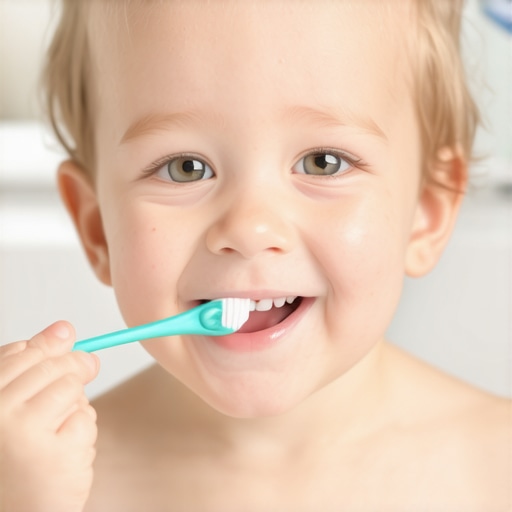
    Start by choosing a soft-bristled toothbrush and fluoride toothpaste. Brush at least twice daily, spending two minutes each time. I remember a time when my child refused to brush thoroughly, so I made it a game—setting a timer and singing a song—to encourage better habits. This proved effective and turned a chore into a fun activity, ultimately improving our oral health. Remember, brushing helps remove plaque—a sticky film of bacteria that, if left untreated, leads to cavities and gum disease.

    Master Proper Flossing Techniques

    Use about 18 inches of floss, winding most around your middle fingers. Gently slide the floss between teeth using a seesaw motion, curving around each tooth’s edge. I once struggled with floss shredding between my molars until I learned to use a gentle, consistent pressure, which prevented breakage and ensured thorough cleaning. Flossing reaches areas your brush can’t, removing debris and reducing the risk of tartar buildup. For extra tips, explore effective home flossing practices.

    Incorporate Tongue Cleaning Into Your Routine

    Gently scraping your tongue with a tongue cleaner or the back of your toothbrush removes bacteria that cause bad breath. I added this step after noticing a freshening difference in my morning breath, motivating me to keep it up. Regular tongue cleaning can prevent an accumulation of bacteria and improve overall oral freshness. This simple habit can make a noticeable impact on your family’s oral hygiene and confidence.

    Eat Smart for Dental Health

    Limit sugary snacks and drinks, which serve as fuel for cavity-causing bacteria. Instead, favor crunchy vegetables, cheese, and nuts, which neutralize acids and stimulate saliva production. I had a moment of realization when my teenage son started craving soda less after I replaced candy with healthier snacks, leading to fewer cavities and visits to the dentist. These dietary choices support your oral hygiene efforts and protect your enamel.

    Schedule Regular Dental Checkups and Cleanings

    Visiting your dentist every six months ensures early detection and intervention for potential issues. During these visits, professional cleanings remove tartar buildup that brushing and flossing can’t handle. I once delayed scheduling my child’s appointment, leading to a small cavity that required complex treatment later. Regular checkups are like tune-ups for your car—preventing bigger problems down the line. For more on maintaining dental work, see tips on caring for crowns.

    Protect Teeth During Sports and Daily Activities

    Use mouthguards to prevent injury during sports; even non-contact activities like biking pose risks. I learned this the hard way when my daughter chipped her tooth falling off her bike. A custom-fit mouthguard saved her from a costly procedure. Wearing protective gear can save time, money, and discomfort, preserving your family’s healthy smiles. Discover more about dental injury prevention at mouthguard importance.

    Stay Informed on Oral Health Advances

    Continuously educate yourself about new techniques and products that promote oral wellness. For example, electric toothbrushes can clean more effectively than manual ones when used correctly. I switched after reading this helpful guide, and I noticed a cleaner feel after just a week. Knowledge empowers proactive management of your family’s dental health, leading to fewer issues over time.

    Use Reminders and Tracking Tools

    Leverage apps or charts to track routines and motivate children. Setting daily goals can turn brushing and flossing into friendly competitions. My kids love earning stickers for consistent habits, which has improved their participation and overall oral hygiene. Consistency is key—an organized approach makes maintaining these habits easier and more effective. For additional motivation strategies, visit oral health routines for families.

    ,

    Challenging Common Assumptions About Teeth Cleaning

    Many believe that brushing more vigorously results in cleaner teeth, but in reality, aggressive brushing can damage enamel and inflame gums. A soft-bristled brush used gently is far more effective and safer for long-term oral health. Additionally, there’s a misconception that whitening products are entirely harmless; however, over-the-counter kits lacking professional guidance may lead to gum irritation or enamel erosion. For safe whitening strategies, consult trusted sources like expert advice on crowns and teeth whitening.

    The Pitfall of Over-Reliance on Flossing Alone

    Many think that flossing is sufficient for interdental cleaning, but neglecting other tools like interdental brushes or water flossers can leave certain bacteria hiding. An advanced mistake is assuming that flossing can reach all tight spaces; in fact, some areas require specialized tools to prevent plaque buildup effectively. This nuance is crucial, especially when considering the impact of professional cleanings on overall health. Regular professional checkups can identify overlooked plaque and tartar, preventing decay and gum disease.

    Myths Surrounding Dental Crowns: What Doesn’t Always Meet the Eye

    Many believe that once a crown is placed, it requires no further attention. Yet, neglecting proper maintenance can lead to issues like crown discoloration or underlying decay. Some think crowns are invincible; however, improper cleaning or biting hard foods can compromise their longevity. For tips on preserving your crowns, explore essential crown care tips. An often overlooked aspect is the importance of regular checkups to ensure the crown fits perfectly and remains free from decay underneath.

    Advanced Question: How can I tell if my oral hygiene routine is truly effective, beyond just brushing and flossing?

    Even with diligent brushing and flossing, issues like persistent bad breath or gum bleeding might indicate hidden problems. Studies, such as those published in the Journal of Periodontology, show that incorporating professional evaluations and understanding subtle signs can dramatically improve your oral health outcomes. Regular visits allow your dentist to assess factors like gum pocket depths, tartar buildup, and early signs of disease that routine cleaning might miss. Curious if your habits are enough? Schedule a consultation and let professionals guide you toward optimal oral wellness.

    Remember, our oral health is a complex system, and misconceptions can lead to costly mistakes. Staying informed and cautious can save you discomfort and expense down the line. Have you ever fallen into this trap? Let me know in the comments.

    How do I maintain my dental tools over time?

    Investing in quality dental tools is just the first step; proper maintenance ensures their longevity and effectiveness. I personally swear by electric toothbrushes, especially models with oscillating-rotating heads like the Oral-B Genius series. These tools provide superior plaque removal compared to manual brushes and have built-in timers that encourage thorough cleaning. To keep them working optimally, I replace the brush heads every three months and clean the handle with disinfectant wipes weekly, following manufacturer instructions to prevent bacterial buildup. Regularly checking the charger’s connection and ensuring the device is dry after use prevents electrical issues. Maintaining your tools is low effort with high rewards, leading to more consistent oral hygiene and fewer trips to the dentist.

    Similarly, high-quality flossers and interdental brushes should be rinsed after each use and replaced periodically. For example, I prefer stainless-steel interdental brushes because they resist corrosion and maintain their shape longer, effectively cleaning tight spaces between teeth. Keep these in a dry, cool place to prevent mold and bacteria growth. Using the right tools combined with routine maintenance creates a robust defense against plaque and tartar buildup, ultimately supporting long-term oral health.

    What future trends will revolutionize dental care?

    Emerging technologies like AI-powered diagnostic tools and smart dental devices are on the horizon. Imagine a toothbrush that analyzes your brushing patterns, detects early signs of gum disease, and communicates with your dental provider directly. These advancements aim to provide personalized care, enabling early intervention before issues become severe. I predict that in the coming years, integrating data analytics with home dental devices will make routine maintenance more proactive and effective, reducing invasive procedures and enhancing overall wellness. Staying updated with these innovations can help you stay ahead in maintaining your oral health.

    Make Your Routine Unbreakable with Advanced Techniques

    One simple yet powerful tip is experimenting with timed, music-based brushing sessions—it makes routine maintenance about quality, not just quantity. Try playing a two-minute song on your favorite device while brushing and flossing; it turns an everyday chore into an engaging habit. Plus, during your next professional cleaning, ask your hygienist about techniques to improve the longevity of your dental work. For instance, regular professional evaluations play a crucial role, especially for crowns and veneers, to catch early signs of wear or decay. Remember, maintaining your tools and adopting new practices today pays dividends in future oral health. Discover more about caring for crowns to keep them lasting longer. Try implementing a bi-weekly check of your tools’ condition and see how this simple habit can prevent costly repairs and replacements down the line.

    The Hardest Lesson I Learned About Family Dentistry and Crowns

    One pivotal moment in my dental journey was realizing that even the most seemingly minor habits could significantly impact long-term oral health. I once believed that regular brushing was enough, but neglecting professional evaluations and proper crown care led me to understand that proactive management, including early orthodontic assessments, could prevent costly problems. It taught me the importance of staying informed about advancements and never underestimating the beauty of preventive care—truly, knowledge is power when it comes to maintaining that confident smile.

    My Essential Toolkit for Lasting Oral Confidence

    Over the years, I’ve come to rely on trusted tools like electric toothbrushes with timers, interdental brushes for tight spaces, and tongue cleaners. These aren’t just gadgets—they’re investments in my family’s health. I also turn to researched resources such as expert oral health tips and comprehensive guides on crown maintenance, which have helped me adapt my routine effectively. Selecting tools backed by science ensures that I’m giving my family the best care possible, day after day.

    Yes, You Can Take Your Smile to the Next Level—Here’s How

    Empowered with small but meaningful changes—like scheduling routine exams, practicing proper diet choices, and maintaining tools diligently—I’ve witnessed a transformation in confidence and health. Remember, oral wellness isn’t a one-time effort but a continual journey. Whether it’s knowing when to get evaluated, or simply ensuring your tools are in top shape, each step adds up. So, I invite you to reflect: What small change can you commit to today that could redefine your family’s smile for years to come? Your future self will thank you for it.

  • The hidden sugar in ‘healthy’ organic baby food pouches

    The hidden sugar in ‘healthy’ organic baby food pouches

    It was a typical afternoon in my kitchen, chaos reigning as my toddler happily squished a new organic baby food pouch. But as I looked at the label, a sudden lightbulb went off in my head. Despite the ‘healthy’ label, I realized I had no real idea how much sugar was hiding in these convenient packets. That moment of insight made me question everything I thought I knew about feeding my little one—could these so-called healthy options be doing more harm than good?

    Why We Need to Rethink Organic Baby Food Packaging

    Organic doesn’t always mean low in sugar. In fact, many baby foods labeled as “healthy” contain surprisingly high levels of natural and added sugars. This isn’t just a minor detail—excess sugar intake in early childhood can set the stage for dental issues, obesity, and even metabolic problems down the line. Yet, it’s easy to overlook these hidden ingredients when convenience and marketing make these pouches so appealing.

    During my early research, I learned that some organic brands add natural syrups or fruit concentrates to enhance flavor, inadvertently increasing sugar content. According to recent studies, children can consume over the recommended daily sugar limit before breakfast, thanks in part to these hidden sources. I found myself asking: Are we actually feeding our kids nutritious food, or just sugar-laden snacks disguised as healthy options?

    As a parent, I’ve made plenty of mistakes—like trusting labels blindly or choosing convenience over due diligence. I remember grabbing a pouch that claimed to be “all-natural” only to discover it contained added fruit concentrates with high sugar levels. That misstep prompted me to look deeper, and I want to share what I’ve learned so you can avoid the same pitfalls.

    Is the Hype About Organic Baby Food Really Justified?

    Many of us are convinced that organic is automatically better, but that’s not always the case when it comes to sugar content. I used to think selecting organic labels was enough to ensure healthy choices for my kids—until I saw the actual grams of sugar on some packages. It’s an eye-opener, and frankly, a wake-up call for all of us aiming to make better nutrition choices.

    Getting caught up in the marketing hype can lead to unintentional overfeeding of sugar, which might undermine the very health benefits we’re trying to provide. Personally, I’ve learned that reading labels carefully and understanding ingredient lists is key to truly nourishing my family’s future. If you’ve ever felt overwhelmed by the options or unsure about what the labels really mean, I totally get it. That’s why I’m here—to help you navigate these hidden sugars and make smarter choices.

    If you’re wondering how to start peeling back the layers of marketing and ingredients, I’ve got some practical tips and insights that can help you cut through the confusion. But first, let’s address a common concern many parents share: “Is this really a problem?”

    Get Comfortable Reading Labels and Recognizing Hidden Sugars

    First, dedicate time to scrutinize ingredient lists on every baby food label. Look for terms like ‘fruit concentrates,’ ‘fruit purees,’ or ‘sweeteners’—these indicate added sugars. I remember the first time I carefully read a pouch label, discovering it contained apple juice concentrate, which I hadn’t considered as a sugar source. This revelation prompted me to choose products with plain fruit ingredients and no added sugars, leading to healthier options for my child.

    Choose Whole Fruits and Fresh Foods Whenever Possible

    Replace processed pouches with whole, fresh fruits or homemade purees. For example, blending ripe bananas, berries, or cooked sweet potatoes gives your child natural sweetness without added sugars. I started prepping batches of homemade purees on Sundays, which turned messy, but the joy of controlling sugar content paid off when my toddler preferred my version over store-bought pouches.

    Incorporate Healthy Flavor Enhancers into Meals

    Add spices like cinnamon, vanilla, or nutmeg to homemade foods to boost flavor naturally. I experimented by mixing cinnamon into applesauce, which my kid loved, reducing the need for sweeteners. This simple step made a noticeable difference, and over time, my child became accustomed to less sugary taste profiles.

    Limit Fruit Juice and Fruit Concentrates

    Replace fruit juices and concentrates with whole fruits. For instance, serve sliced strawberries or apple slices instead of juice. I remember pouring a small cup of store-bought juice for my child—and noticing how it spiked his energy levels and then led to a sugar crash. Swapping it for sliced fruit maintained the sweetness and provided fiber, stabilizing his blood sugar better.

    Create a Routine for Checking Sugar Content

    Make a habit of regularly reviewing nutrition labels, especially for snacks and packaged foods. Keep a checklist or app handy to compare sugar amounts quickly. In my routine, I keep a list of preferred brands with low sugar content, which streamlines shopping and ensures I make better choices consistently. This approach minimizes the risk of accidental high sugar intake.

    Reduce Marketing Influence and Educate Your Family

    Teach family members about hidden sugars and involve them in choosing healthier options. Once my partner understood the sugar content in certain snacks, he became more vigilant, helping me reduce sugar-laden treats. This collective effort makes healthier choices more sustainable and less reliant on just parental supervision.

    Seek Support from Dental and Nutrition Experts

    If you find managing your child’s diet challenging, consult a family dentist or pediatric nutritionist. They can provide tailored advice and help formulate a plan to reduce hidden sugars. For instance, I scheduled a consultation with a pediatric dentist, who emphasized the importance of early dietary habits. Expert guidance can offer peace of mind and specific strategies, like recommendations on optimal snack choices or home cleaning routines to prevent sugar-related dental issues.

    Implementing these steps requires patience and consistency, but the payoff is clear: healthier eating habits for your child and a reduced risk of dental problems. Remember, every small change counts in fostering a genuinely nutritious environment for your family’s teeth and overall health.

    Many people assume that brushing more often or harder will lead to better dental health, but the truth is far more nuanced. A widespread myth is that aggressive brushing can remove plaque more effectively; in reality, it can actually damage your gums and enamel, leading to sensitivity and recession. Experts from teeth cleaning tips emphasize gentle, thorough brushing over brute force. Additionally, some believe that routine cleaning can alone prevent cavities and gum disease, but without addressing underlying factors like diet and brushing technique, these visits become superficial.

    A critical but often overlooked detail is the importance of maintaining your dental crowns properly. Many think that crowns don’t require special care, but neglecting proper maintenance can lead to complications, such as decay around the margins or staining. Moreover, there’s a misconception that crowns are indestructible; in fact, they can chip or wear down if not cared for properly.

    Advanced issues in oral health often get ignored because of a lack of awareness about subtle signs. For example, persistent sensitivity may seem minor, but it could indicate nerve damage or decay beneath a crown or filling. Recognizing these signs early can make a significant difference in treatment outcomes. Experts suggest that regular professional cleanings are vital, but they should be complemented with diligent daily care.

    Have you ever fallen into this trap? Let me know in the comments.

    A common trap is believing that flossing is optional—when in reality, it’s a crucial step in removing plaque from areas your toothbrush can’t reach. Skipping flossing can lead to plaque buildup and gum inflammation, which may develop into periodontal disease if left untreated. Consider that some believe mouthwash can replace brushing and flossing; this is false, as rinses typically don’t eliminate plaque effectively. Instead, they serve as adjuncts, not substitutes.

    What about the role of family dentistry? Many think that a dental visit is only necessary when there’s pain or visible cavity—yet, early detection during routine exams can prevent costly procedures. Regular check-ups enable your dentist to spot issues like early decay or gum disease before they become severe. This proactive approach is often overlooked, but it’s essential for maintaining long-term oral health.

    Finally, many underestimate the complexity of effective cleaning techniques suitable for different dental restorations. For instance, cleaning around dental crowns requires specific tools and methods to avoid damaging the material or compromising the seal. Improper care can lead to restoration failure, prompting unnecessary replacements.

    Remember, understanding the subtle nuances of oral health, from proper cleaning to maintenance of restorations, makes a huge difference in preserving your smile. For in-depth strategies tailored to your family’s needs, don’t hesitate to reach out. Have you ever fallen into this trap? Share your experiences—or questions—in the comments.Maintaining your oral health effectively requires the right tools and consistent practice. One device I highly recommend is the **electric toothbrush** with oscillating-rotating technology. I personally use the Philips Sonicare DiamondClean, not only because of its superior plaque removal but also due to its built-in timers that ensure I brush for the recommended two minutes. These timers are crucial in preventing both over-brushing, which can damage gums, and under-brushing, which leaves plaque behind.

    Another indispensable tool is a **water flosser**, like the Waterpik Aquarius. Unlike traditional floss, water flossers can reach difficult-to-access areas between teeth and below the gumline, making daily cleaning more effective and, frankly, easier—especially for those with crowns or braces. I’ve found that targeting interdental spaces with a water flosser significantly reduces the risk of gum inflammation and decay around restorations.

    Consistency in cleaning techniques matters as much as the tools themselves. For instance, I follow the guidance from teeth cleaning tips to brush at a 45-degree angle and to brush gently along the gum line without applying excessive pressure. This gentle but thorough approach preserves the integrity of gums and prevents recession.

    Regular check-ins with your dental professional are vital for long-term success. Scheduling biannual professional cleanings helps remove tartar build-up that cannot be eliminated at home. During these visits, your dentist can assess the health of crowns, fillings, and other restorations, making adjustments or recommendations to extend their lifespan.

    In terms of software, I track my dental habits using apps like Dental Monitoring, which reminds me to replace my toothbrush every three months and logs my daily brushing and flossing routines. Technology like this is poised to get even smarter, integrating with smart toothbrushes to provide real-time feedback and personalized tips, a trend I believe will become standard in the next decade.

    How do I maintain my dental crowns over time to maximize their lifespan

    Maintaining dental crowns involves more than just regular brushing and flossing. I suggest paying special attention to the areas around your crown margins, as plaque accumulation here can lead to decay under the restoration. It’s beneficial to use interdental brushes or floss threaders designed for crowns, ensuring every surface is cleaned meticulously. Additionally, avoid biting into very hard foods or using your teeth as tools, which can chip or dislodge crowns. Regular dental visits for professional cleanings and inspections are critical; your dentist can detect early signs of wear or decay and address them before they escalate. For comprehensive guidance, check out caring for crowns. Remember, a proactive approach in maintaining your restorations saves you money and discomfort in the long run. Want to step up your routine? Try integrating a high-quality water flosser into your daily cleaning—it’s a game-changer for long-term oral health and the longevity of your dental work.

    The Hardest Lesson I Learned About dental care and crowns

    I once believed that regular brushing was enough to keep my teeth healthy. It wasn’t until I experienced a crown failure due to neglect that I realized detailed maintenance and understanding of dental restorations are crucial. This eye-opener taught me the importance of tailored care routines, especially around crowns, which many overlook, risking costly repairs and discomfort.

    3 Myths About family dentistry That Held Me Back

    I previously thought family dentistry was just about scheduling regular visits, but I discovered it’s also about personalized education and early intervention. Believing that dental visits are only necessary when there’s a problem caused me to delay essential checkups. Breaking this myth empowered me to prioritize preventive care, benefiting my family’s oral health immensely.

    What Experts Won’t Tell You About teeth cleaning and turning habits into healthy routines

    Many assume that brushing harder equates to cleaner teeth, but gentle, thorough cleaning is far more effective. I learned that the right tools, like electric toothbrushes and water flossers, combined with expert techniques, significantly enhance results. This insight shifted my daily routine and improved my overall oral wellness, emphasizing that effective habits are about quality, not quantity.

    My Essential Toolkit for lasting dental health

    Over time, I built a collection of trusted tools: a high-quality electric toothbrush, a water flosser, and interdental brushes. These have transformed my oral health by making cleaning more efficient and accessible. I recommend exploring these options, as they make adhering to a rigorous routine easier and more sustainable, especially around crowns and restorations.

    Embrace Your Smile: Take Action Today

    Every aspect of dental care, from understanding hidden sugars to maintaining crowns, plays a role in preserving your smile for the long term. Don’t wait for problems to arise; start integrating these lessons into your routine now. Remember, your smile is a reflection of your commitment to health—invest in it today, and it will serve you well for years to come.

    What challenges have you faced in maintaining your dental health? Share your experiences below and let’s learn together!.

  • Why your child needs a professional cleaning every six months

    Why your child needs a professional cleaning every six months

    I remember the day I realized my child’s cavity wasn’t just a small stain anymore; it was a wake-up call. We had been diligent about brushing, but somehow, that stubborn spot persisted. It hit me hard—how could I be doing everything right yet still miss something so important? That moment was a lightbulb flash: routine dental visits and professional cleanings are *essential*, especially for kids. It’s not just about having clean teeth; it’s about catching potential issues early when they’re easiest to treat.

    The Hidden Damage of Skipping Professional Cleanings

    From then on, I made a promise to myself—never again would I underestimate the power of those six-month visits. I learned that regular professional cleanings do more than make teeth shine; they play a vital role in maintaining overall oral health. When my child’s dentist explained that routine cleanings help in detecting early signs of gum disease, cavities, and even issues with crowns or other dental restorations, I realized what I had been missing. It’s an investment in their lifelong smile, health, and confidence.

    Is It Really Worth the Hype? The Parent’s Greatest Skepticism

    I admit, early on I was skeptical myself—thinking, isn’t brushing enough? But that was a mistake. Even with the best brushing routine, plaque and tartar can hide in spots your child’s toothbrush can’t reach. Plus, some issues lay beneath the surface, silently causing damage before any symptoms appear. Trust me, I also learned that neglecting these professional visits can lead to costly treatments down the line. Reading about how regular cleanings can actually improve overall wellness, including heart health, was an eye-opener (check out this article). Now I make those appointments religiously, and so should you.

    So, if you’ve faced the same doubts—wondering if those cleanings are truly necessary—I’m here to tell you: they are. Together, we’ll explore why six-month professional cleanings are a game-changer for your child’s health and how to make sure you’re doing it right, starting with the very first step.

    .

    Simplify Your Child’s Dental Routine with Step-by-Step Actions

    Start by setting a regular schedule for teeth cleaning—preferably morning and night—to build a routine your child can expect and follow. Use a soft-bristled toothbrush suited for children, and make sure to replace it every three months to maintain effective cleaning. When brushing, angle the brush at 45 degrees towards the gum line and use gentle, circular motions to remove plaque—think of it as giving their teeth a gentle massage rather than scrubbing aggressively. During brushing, focus on all surfaces, especially the hidden spots like behind the molars, where plaque tends to hide. Check this article for tips on spotting overlooked areas that need extra attention.

    Incorporate flossing once daily to reach between teeth where the toothbrush can’t—use floss holders if your child struggles with traditional floss. When flossing, gently curve the floss around each tooth in a C-shape, and move it up and down to dislodge debris—like cleaning between tight doors hinges without forcing them. This step drastically reduces the risk of cavities forming between teeth, especially in crowded areas. Learn more about maintaining dental health through routine flossing.

    Addressing Special Situations: Crowns and Restorations

    If your child has crowns or other restorations, caring for them requires specific attention. Gently brush around the crown margins to prevent plaque buildup that could compromise the bond or cause decay underneath. Use a soft brush and avoid abrasive toothpaste that could scratch the crown’s surface. For longevity, avoid biting down on hard objects and choose soft foods after the procedure, mimicking how you would care for a delicate sculpture—handle with care to prolong its beauty. Discover essential crown care tips here.

    Incorporate a routine inspection of crowns and fillings during daily brushing. Look for signs of looseness or discoloration and schedule professional evaluations if you notice anything unusual. Regular check-ups allow your dentist to catch potential issues early, much like a mechanic noticing wear before a breakdown occurs. When professionals perform cleaning, they remove tartar overlooked by brushing alone—think of it as giving your child’s teeth a spa treatment to keep them in pristine condition. Get expert advice on crowns and cleaning.

    Empower Your Family with Consistent Oral Hygiene Habits

    Lead by example—brush together, make it fun, and establish a positive attitude toward dental care. Use timers or songs to ensure brushing lasts the recommended two minutes, turning it into a game rather than a chore. Reinforce the importance of avoiding sugary snacks and drinks that fuel plaque buildup, much like limiting fuel to prevent engine failure. Maintain a balanced diet rich in calcium and vitamins that support tooth strength, akin to feeding a sturdy foundation for a house. Explore daily routines that strengthen your family’s smile.

    Finally, schedule regular professional cleanings at your family dental clinic—these visits are the key to catching early signs of issues and ensuring that your child’s smile remains bright and healthy. Think of it as routine maintenance that prevents costly repairs in the future, emphasizing that proactive care is the best investment you can make for your family’s oral health.

    Many assume that visiting the dentist twice a year and brushing thoroughly are enough for complete oral health, but the reality is far more nuanced. A common misconception is that every dental issue can be caught early through routine exams, yet some problems, like subtle crown misalignments or initial gum tissue deterioration, often slip under the radar without specialized attention. While routine cleanings are essential, they are just one piece of a complex puzzle that includes understanding the true longevity of restorations and the importance of personalized care plans.

    Are All Crowns Created Equal in Durability and Impact?

    Many believe that once a crown is properly placed, it will last indefinitely with minimal maintenance, but this oversimplifies the reality. The materials used, the crown’s fit, and the patient’s habits greatly influence its lifespan. For example, ceramic crowns might look more natural than metal ones, but they can be more brittle if subjected to excessive biting force. Regular professional evaluations are vital to catch early signs of wear that your routine at-home care might miss. Ignoring these signs can lead to complications like decay beneath the crown or fractures that require costly repairs, a trap many fall into due to a misunderstanding of crown maintenance. For deeper insights, see this comprehensive guide on maintaining dental crowns. Maintaining your dental crowns.

    Furthermore, there’s a widespread myth that crowns insulate teeth from further decay, but in reality, they can mask underlying issues if not monitored properly. Without vigilant examinations, minor problems can escalate unnoticed, emphasizing the importance of tailored dental check-ups that focus on individual restorations. The nuance here is that family dental practices should move beyond quick cleanings and embrace comprehensive assessments that recognize each patient’s unique dental history and restoration specifics. For advanced tips on crown care, check out this article on crown longevity. Caring for crowns.

    Beyond crowns, many assume that oral health is solely about the teeth, neglecting the critical role gums play in long-term wellbeing. Gingival health can decline silently, especially if there’s a misunderstanding about the subtle signs of gum disease. While bleeding gums are a clear indicator, they are not the only warning sign—sometimes, the symptoms are painless or mimic other issues. Recognizing this requires an advanced understanding of periodontal nuances, which often go unnoticed in routine cleanings without targeted examination tools. Neglecting these details is a common pitfall that can lead to pre-implant bone loss or even systemic health consequences, as recent studies establish a strong link between gum health and cardiovascular health. Learn more about how gum care ties into overall wellness by exploring this informative piece.

    In essence, many of us underestimate the complexity behind effective family dental care. It’s not enough to focus on superficial cleanings; we must appreciate the importance of tailored, nuanced approaches that consider individual restorations, subtle tissue signs, and advanced diagnostics. This deeper level of understanding helps prevent costly mistakes and ensures your family maintains optimal oral health for years to come. Have you ever fallen into this trap? Let me know in the comments.

    ,

    Keeping It Working: Essential Tools for Long-Term Oral Health

    Maintaining your family’s oral health isn’t just about that six-month dental visit; it’s about investing in reliable, effective tools that support daily routines and ensure long-term results. Over the years, I’ve tested and refined my toolkit to include equipment that’s proven to elevate oral care from routine to extraordinary. In this section, I’ll share the specific tools I personally use, why I trust them, and how they contribute to healthier smiles for the entire family.

    Why a High-Quality Electric Toothbrush Matters and My Favorite Model

    I personally swear by the Oral-B Genius X electric toothbrush. Its oscillating-rotating technology ensures a thorough cleaning, especially in hard-to-reach areas like molars. The built-in sensors alert me if I brush too hard—an important feature because over-brushing can damage gums and enamel. Unlike manual brushes, this tool provides consistent pressure and coverage, reducing the risk of sensitivity over time. Regularly using such advanced devices complements professional cleanings and is key to maintaining the benefits of my in-office treatments.

    Why I Incorporate a Sonic Water Flosser and My Favorite Model

    Gum health is the foundation of overall oral wellness. That’s why I rely on a Sonicare Waterpik to enhance daily flossing routines. Its pulsating water streams are highly effective for dislodging food debris and plaque, especially around crowns and bridges. I particularly appreciate the adjustable pressure settings that make it suitable even for sensitive gums. Incorporating this tool into my routine has significantly reduced bleeding and inflammation, which aligns with the goal of preventing periodontal issues in the long term. Proper use of such devices can be a game changer, especially in families with children or individuals with restorations.

    Measuring and Monitoring with Dental Plaque Disclosers

    Bright pink or red stains from a discloser solution make it easy to spot missed spots during brushing. I use a liquid discloser periodically to ensure I’m reaching all surfaces, especially those tricky molars and behind the front teeth. This simple step reveals neglected areas and helps me improve technique, ensuring that professional cleanings maximize their effectiveness. It’s a cost-effective way to maintain high standards at home and prolong the lifespan of crowns and restorations.

    My Go-To Whitening Products and Why

    For ongoing whitening between dental visits, I trust custom tray whitening kits. They provide consistent, safe results by allowing control over application. Unlike over-the-counter strips, these kits reduce gum irritation and produce more uniform whitening. Regular use supports the long-term aesthetic results of crowns and natural teeth alike, ensuring confidence in every smile. Additionally, I always recommend avoiding abrasive whitening products that can wear down enamel—remember, protecting the integrity of your teeth is crucial for ongoing oral health.

    How Do You Maintain Your Family’s Dental Tools Over Time?

    Consistent maintenance extends the lifespan and efficacy of your tools. For example, replace toothbrush heads every three months or sooner if bristles fray. Clean water flossers after each use to prevent bacterial buildup, and periodically disinfect your oral hygiene devices with dental-safe disinfectant solutions. Investing a little time in cleaning and routine checks ensures these tools continue to support your family’s health effectively. Moreover, updated tech—like apps that track brushing habits—can motivate children and keep everyone accountable, turning routine care into an engaging activity.

    Looking ahead, I predict that emerging smart dental devices will further personalize and optimize oral health routines. Apps integrated with dental tools could flag issues early, providing real-time feedback. Staying ahead of such innovations can make regular maintenance both more effective and enjoyable. For now, I recommend trying one of these tools, like the water flosser, to elevate your family’s dental routine today. For detailed guidance on effective home practices, check out this article.

    What I Learned the Hard Way About Oral Health Myths

    One of the most eye-opening lessons was realizing that not all crowns are created equal—materials, fit, and patient habits dramatically influence longevity. I once believed a well-placed crown was set-and-forget, but regular evaluations revealed subtle wear or loosening, underscoring the importance of personalized maintenance plans. Making assumptions about dental restorations without understanding their nuances can lead to unexpected costs, so I now prioritize ongoing professional assessments to extend their lifespan and preserve overall oral health.

    Why Skipping Professional Cleanings Might Cost You More Than You Think

    Initially, I underestimated the importance of routine dental visits, thinking diligent brushing sufficed. However, I discovered that plaque and tartar can silently damage gums and teeth—issues that homecare alone might miss. This insight shifted my perspective, emphasizing that professional cleanings aren’t just about aesthetics but serve as early warning systems for problems like gum disease and cavities. Recognizing this has made me advocate for regular visits with more confidence, knowing they protect the entire family’s long-term wellness.

    How I Discovered the Power of Specialized Tools for Children’s Dental Health

    One of my most significant revelations was the value of advanced dental tools, like electric toothbrushes and water flossers, especially for kids. Seeing the difference they made in reducing plaque and fostering positive habits transformed my routine. I now recommend products like the Oral-B Genius X and Sonicare Waterpik because of their proven effectiveness and gentle approaches. Incorporating these into daily routines has been a game-changer, demonstrating that investing in proper tools can make preventative care more manageable and enjoyable for children and parents alike.

    Curious About Real-Life Practice: My Toolkit for Long-Lasting Oral Health

    Over the years, I’ve curated a set of trusted tools that truly support long-term family dental health. From high-quality electric toothbrushes—like the Oral-B Genius X—to water flossers and plaque disclosers, each piece enhances daily care. I trust these because they’re backed by dental research and have consistently delivered noticeable improvements. Partnering these tools with regular professional cleanings maximizes results, allowing us to catch issues early and maintain bright, healthy smiles far beyond routine check-ups.

    Embrace the Next Step: Your Family’s Dental Future Starts Today

    The journey toward lasting oral health doesn’t have to be complicated, but it does require commitment and the right tools. By understanding the subtle nuances of crowns, the importance of professional cleanings, and effective home care strategies, you empower your family to avoid common pitfalls. Remember, each small effort today can translate into a lifetime of confident, healthy smiles tomorrow. Take action now and give your loved ones the gift of ongoing dental wellness—you won’t regret it.

  • Why fruit snacks are the number one enemy of kids’ teeth

    Why fruit snacks are the number one enemy of kids’ teeth

    I remember the exact moment I realized fruit snacks had become the sneaky villains in my kids’ oral health. It was after a routine family dentist visit when the hygienist casually mentioned the increased sugar intake from their favorite snacks. Watching my children happily chew those chewy, brightly colored treats, I felt a pang of guilt mixed with frustration. It hit me: those seemingly innocent fruit snacks are quietly wrecking havoc on our little ones’ teeth, more than I ever imagined.

    As parents, we always want the best for our kids—nutritious food, plenty of play, and healthy smiles. But the truth about fruit snacks can be a shocking wake-up call. They often masquerade as healthy options, thanks to their vibrant colors and sweet flavorings. Yet, behind that appealing facade lies a hidden enemy: sticky sugar that clings to tiny teeth, fostering cavities and enamel erosion.

    Today, I want to unravel this common misconception and share how these snacks might be doing more harm than good. And more importantly, I’ll guide you through simple, effective steps to protect your children’s oral health while still satisfying their sweet tooth.

    The Sticky Truth About Fruit Snacks and Kids’ Teeth

    Many parents assume that because fruit snacks are flavored with fruit extracts or contain Vitamin C, they’re a healthier choice. However, the reality is quite different. Their sticky, chewy texture is designed to cling onto teeth, especially molars and along the gum line. This prolonged contact gives sugar ample opportunities to feed harmful bacteria, leading to decay.

    Early on, I made the mistake of dismissing these treats as harmless fun, just like many others. I didn’t realize that the sugar content was comparable to, if not worse than, regular candy. According to recent studies, frequent consumption of sticky sugar-laden snacks significantly increases the risk of cavities in children—more so than the occasional chocolate bar.

    But don’t worry, there’s a light at the end of the tunnel. We’ll explore practical ways to limit fruit snack intake and maintain a healthy, cavity-free smile for your little ones. If this resonates with you, you’re not alone—many parents face this exact dilemma.

    Is This Problem Actually Worth the Hype?

    The concern over fruit snacks isn’t just over cavities; it’s about establishing long-term oral health habits early on. I remember rushing to fix a cavity only to realize that a small mistake—like allowing frequent snacking on sticky treats—had set the stage for bigger problems later.

    In fact, neglecting these tiny but persistent issues can lead to more costly and uncomfortable dental procedures down the line. To give you a sense of how serious this is, I recommend checking out [this article](https://periodontistcare.com/oral-health-tips-every-family-should-follow-in-2025), which emphasizes the importance of preventive strategies in maintaining overall family oral wellness.

    So, now that I’ve shared my personal lightbulb moment and outlined why this matters, let’s dive into actionable tips that will help you keep those little teeth safe and shiny—without resorting to emotional battles over snack choices.

    Limit Snacking and Choose Better Alternatives

    Start by setting strict snack times rather than allowing kids to graze throughout the day. Replace fruit snacks with fresh fruit slices, cheese, or crunchy vegetables like carrots. When my daughter begged for fruit snacks, I offered apple slices with a dab of nut butter—she loved the crunch and didn’t miss the sticky treats, leading to cleaner teeth and happier mornings.

    Encourage Proper Dental Hygiene Habits Immediately After Snacking

    Teach children to rinse their mouth with water right after eating sticky snacks. Use a sip of water to loosen residue, then have them brush their teeth at least twice a day. I remember after an afternoon snack, I handed my son a cup of water and a toothbrush; although messy at first, over time, he developed a routine that kept cavities at bay and improved his oral health.

    Implement Protective Measures During Snack-Time

    If your child is particularly prone to cavities, consider using fluoride mouth rinses or gels as recommended by your dentist. These act as barriers, strengthening enamel against acid attacks from sugars. I started applying a fluoride gel before bedtime, which helped my child’s teeth resist decay even when occasional sticky snacks slipped through.

    Schedule Regular Dental Visits and Professional Cleanings

    Make regular check-ups a priority—at least twice a year—to catch early decay and receive professional cleanings. During my last visit, the hygienist used a gentle ultrasonic scaler to remove plaque accumulated from hidden spots. Regular professional care is like a security check, catching issues before they become painful or expensive, supporting long-term oral health.

    Control the Environment and Educate Your Kids

    Keep tempting snacks out of reach and educate children about their effects. Explain that while fruit snacks seem healthy, they can cause discomfort if not managed properly. My daughter now understands that choosing water over juice or treats helps her keep her smile bright and strong, empowering her to make healthier choices independently.

    Implementing these steps can drastically reduce the risk of cavities linked to sticky fruit snacks. Remember, consistency is key—small daily habits build the foundation for lifelong oral health. For deeper insights into maintaining your family’s dental wellness, check out family dentistry tips and caring for dental crowns.

    Many assume that dental crowns are simple fixes that will last forever, but the reality is far more nuanced. A common misconception is that once a crown is placed, little maintenance is needed, which can lead to neglect. However, studies show that without proper care, even the best crowns can fail prematurely, affecting your overall oral health. For instance, improper flossing techniques around crowns can cause cement failure or even damage the underlying tooth structure. In my experience, one of the most overlooked aspects is how neglecting the surrounding gum tissue can lead to peri-implantitis or gum recession, jeopardizing the longevity of your restoration.

    Are All Crowns Equally Durable, or Does Material Matter More Than You Think?

    Contrary to popular belief, not all ceramic or porcelain crowns are created equal. The quality of the material, the precision of the fit, and the preparation technique all play critical roles in the outcome. Expert advice suggests that zirconia crowns might outperform traditional porcelain-fused-to-metal options in both durability and appearance, especially in the back molars where bite force is highest. Moreover, a study published in the Journal of Prosthetic Dentistry emphasizes that well-fitted crowns reduce plaque accumulation, which is crucial for preventing decay or gum disease in adjacent tissues. So, while many think choosing a cheaper crown is okay, investing in high-quality materials and proper technique ensures better long-term results.

    Don’t Fall Into The Trap of Overconfidence With Your Dental Restorations

    One trap many fall into is believing that once a crown feels comfortable, no further attention is needed. This complacency can lead to unnoticed issues like microleakage, secondary decay, or even crown fracture. Regular check-ups are essential — not just to replace or repair crowns but to monitor the health of surrounding tissues. External expert sources recommend scheduling professional evaluations at least once a year, even if everything seems fine. Proper cleaning techniques, such as avoiding abrasive brushes near the crown margin and using interdental brushes or water flossers, can significantly enhance longevity. I urge you to recognize that crown care is an ongoing process, not a one-time fix. Want to learn more about maintaining your crowns effectively? Check out expert advice on [caring for crowns](https://periodontistcare.com/caring-for-crowns-essential-tips-for-longevity-and-shine). Have you ever fallen into this trap? Let me know in the comments.

    How do I keep my crowns and dental tools working their best over time?

    Ensuring the longevity of your dental restorations, like crowns, requires consistent care and the right tools. I personally recommend using high-quality electric toothbrushes with specialized brush heads because they provide more thorough cleaning, especially around crowns and implant areas. Brands like Oral-B and Sonicare have models with oscillating-rotating or sonic technology that effectively remove plaque without being harsh on restorations. Additionally, incorporating interdental brushes and water flossers into your routine can reach areas traditional floss may miss, preventing plaque buildup that could compromise your crowns.

    I also suggest investing in a good dental mirror with LED lighting. This allows you to monitor hard-to-see spots and check for early signs of issues, such as gum recession or plaque accumulation. I use a mirror with an adjustable arm and bright LED light—this makes daily inspection easier and helps me catch problems early, avoiding costly repairs down the line.

    Predicting trends: The future of dental maintenance tools

    As technology advances, smart toothbrushes embedded with AI and Bluetooth connectivity are on the rise. These devices can monitor your brushing habits, ensure thorough cleaning, and even alert you to areas you might be neglecting. Integration with smartphone apps can provide real-time feedback, making maintenance more precise and personalized. I believe this trend will become standard practice, empowering patients to take greater control over their oral health and extend the lifespan of their dental restorations.

    What can I do today to keep my crowns in top shape?

    Start by integrating a water flosser into your routine, especially if you have crowns or implants. The powerful pulsations help remove debris and plaque around the margins effectively, which is crucial for preventing decay and ensuring gum health. Remember, regular professional cleanings are vital—most experts recommend visiting your dentist at least twice a year. During these visits, your hygienist can remove calculus buildup and check the condition of your restorations with specialized tools.

    For more detailed guidance, check out this article that covers essential tips for maintaining your crowns and ensuring they last as long as possible.

    In the long run, doing small things consistently—like using the right tools and staying vigilant—can make a huge difference. Making these practices part of your daily routine helps maintain oral health, keeps dental work functioning properly, and saves money on future repairs. So, don’t wait—try incorporating a water flosser today and see how much easier it makes your crown maintenance. Remember, being proactive is the best investment in your smile!

    What I Wish I Knew About Small Changes Making Big Impact

    One of my most enlightening moments came when I realized that consistent, gentle habits often trump drastic measures. I learned that teaching kids proper brushing techniques early on, rather than waiting for cavities to appear, creates a foundation for lifelong oral health.

    Another lesson was understanding the importance of patience— delivering health tips in a way that kids find engaging encourages better compliance than nagging or punishment.

    Lastly, I discovered that involving children in their dental care choices fosters independence and responsibility. Allowing them to pick their toothbrush or choose healthy snacks made them more invested in maintaining their smile.

  • Why your baby’s first tooth is more important than you think

    Why your baby’s first tooth is more important than you think

    I remember the exact moment I realized I had overlooked the significance of my baby’s first tooth. It was during a routine cleanings appointment when my child’s tiny, newly erupted tooth caused my dentist to pause, frown, and then explain that early dental health sets the foundation for a lifetime of smiles. That lightbulb moment made me question everything I thought I knew about baby teeth.

    The Hidden Power of That Tiny Tooth

    For most parents, the first eruption of a baby’s tooth is cute and fleeting—another milestone to capture and celebrate. But what if I told you that ignoring that small, fragile tooth could lead to bigger issues down the road? Poor early dental care doesn’t just affect aesthetics; it impacts your child’s overall health, their confidence, and even their future relationship with dental treatments like crowns and fillings. The good news? Small changes now can make a huge difference. We’ll explore exactly why that first tooth deserves your attention and how you can lay the groundwork for a healthier, brighter smile.

    Is the First Tooth Really as Critical as They Say?

    Early on, I thought my focus could be on teaching my child to brush and avoid cavities later. Turns out, I made a common mistake—thinking that baby teeth are temporary and therefore less important. In reality, neglecting that tiny tooth can cause premature decay, pain, and even misaligned permanent teeth. Studies suggest that untreated cavities in primary teeth can lead to infections that spread and affect your child’s overall health (source: Impact of Regular Teeth Cleaning). So, how do we ensure we’re doing right by our little ones right from the start? The answer lies in understanding the significance of that first tooth and implementing simple, effective routines to protect it. Let’s dive into the foundational steps that every parent should know, starting with recognizing the true importance of that first precious smile.

    Mastering Daily Dental Care for Your Little One

    Start with a soft-bristled toothbrush designed for infants, using a tiny dab of fluoride toothpaste. Gently massage your child’s gums and brush their emerging teeth twice daily, emphasizing the chewing surfaces. I once struggled with my toddler refusing brushing, but I turned it into a game—making it playful helped them tolerate it. Consistency is key: set a routine that your child can associate with bonding time, making oral hygiene a positive experience. For deeper cleaning, introduce age-appropriate flossing once teeth touch, handling it with care and patience.

    Establishing Routine Dental Checkups

    Book your child’s first dental visit by their first birthday, treating it as a routine check-up rather than a treatment. During the appointment, the dentist will examine teeth, gums, and bite, providing tailored advice. I remember nervously watching my kid’s first visit, but when the dentist explained that early detection prevents future problems, I realized it was worth the effort. Regular visits (every six months) serve as a preventative measure, catching issues early before they escalate.

    Deciphering the Role of Professional Cleanings and Sealants

    Professional cleanings remove plaque and tartar inaccessible at home, crucial for preventing cavities. Imagine it as a detailed spring cleaning for your child’s mouth—something that cannot be achieved with a toothbrush alone. The dentist may also apply dental sealants—thin protective coatings on molars that act as a barrier against decay. My child’s sealant application was quick, and it provided peace of mind knowing their teeth had an extra layer of defense. Keep up with these visits to ensure your child’s oral hygiene stays optimal. Learn more about oral health tips for families.

    Easy At-Home Techniques for Better Results

    Supplement professional care with effective home practices. Use an electric toothbrush for thorough cleaning, especially in hard-to-reach areas—think of it as being a miniature dental hygienist. Encourage your child to rinse with a fluoride mouthwash suitable for their age; it helps strengthen enamel, making their teeth more resistant to decay. Regularly inspecting their mouth for early signs of issues, like discoloration or loose teeth, can prevent bigger problems. My son once had a small white spot on his molar, which I caught early and discussed with our dentist. Prompt action avoided costly treatments later. For ongoing success, refer to effective home practices for family dental health.Many people believe that regular brushing and occasional flossing are enough for optimal oral health, but the truth is more nuanced. A widespread misconception is that professional cleanings are solely for stain removal; in reality, they play a crucial role in preventing periodontal disease and systemic health issues, as highlighted in recent studies by dental experts. Another myth is that dental crowns are just cosmetic fixes; however, when properly integrated, crowns can restore function and prevent further decay, especially if you follow tips from caring for crowns. One common trap to avoid is neglecting family dental visits, which can lead to missed early signs of cavities or misaligned teeth that might require complex intervention later. It’s essential to understand that oral health isn’t isolated—issues like gum disease have links to heart health, making prevention even more vital.

    How can advanced techniques improve your family’s oral care routine?

    Modern dentistry employs methods such as digital X-rays and laser treatments that minimize discomfort and enhance detection of problems before they become severe. For example, laser therapy for gum disease not only reduces healing time but also improves long-term outcomes, as documented in oral wellness studies. Additionally, understanding the importance of personalized preventative plans—tailored after comprehensive assessments—can significantly boost the effectiveness of your dental care. Don’t fall prey to the myth that after a certain age, dental issues are inevitable; with proper maintenance and advanced options like crowns and restorations, you can preserve your smile well into later years. Remember, consistent, informed actions are key. Have you ever fallen into this trap? Let me know in the comments.Maintaining excellent oral health over time requires the right tools and a strategic approach. Personally, I recommend investing in a high-quality electric toothbrush like the **Philips Sonicare DiamondClean** because of its superior plaque removal capabilities and customizable settings that adapt to different sensitivities. Its sonic technology not only cleans more thoroughly than manual brushes but also stimulates gums, promoting better circulation and health. I also incorporate a water flosser such as the **Waterpik Aquarius** into my routine. Unlike traditional floss, this device uses pressurized water to dislodge debris from hard-to-reach areas, which is especially beneficial for patients with crowns or implants, as detailed in expert advice on crowns and long-term cleaning. For tracking oral health progress, I utilize dental health apps like **SmileDirectClub’s app** that remind me of routine checkups and provide personalized tips. As technology advances, I predict that integrated AI-powered devices will soon analyze plaque levels in real-time, offering immediate feedback and tailored cleaning routines. This proactive approach can significantly reduce the risk of cavities and gum disease, preserving your smile for decades.

    How do I maintain my dental tools over time?

    Proper cleaning and storage of your toothbrush and water flosser are crucial for longevity and effectiveness. Rinse devices thoroughly after each use and replace toothbrush heads every three months or sooner if bristles wear out. Keep your water flosser’s water reservoir clean and dry when not in use to prevent mold. Regularly check your devices for any signs of damage or wear, as AADT (American Association of Dental Therapists) recommends, to prevent bacterial buildup and ensure optimal performance. Don’t forget to schedule routine professional cleanings, which provide a deeper clean that at-home tools can’t replicate, as emphasized in the importance of regular cleanings. Incorporating these tools into your daily routine can drastically improve your oral health outcomes. So, why not try upgrading to a sonic toothbrush and integrating a water flosser into your regimen today? Small changes can lead to big, lasting improvements in your smile’s health and brightness.

    Lessons That Changed My Perspective on Family Dentistry

    One of the biggest revelations was realizing that early dental care isn’t just about avoiding cavities—it’s about fostering lifelong habits and confidence. The moment I understood that neglecting a single tiny tooth could lead to complex—and costly—issues was eye-opening. It taught me that proactive steps taken today can prevent a cascade of problems tomorrow.

    I also learned that regular visits to the dentist serve as an investment, not just a check-up. These appointments uncover hidden issues before they escalate, making treatment simpler and less invasive. Embracing advanced techniques like digital X-rays and sealants has been a game-changer in maintaining my family’s oral health effortlessly.

    Finally, I discovered that creating a positive and routine-driven environment around dental care shapes children’s perceptions and habits. Turning brushing and flossing into engaging activities fosters cooperation and turns compliance into a family tradition, rather than a chore.

    My Essential Tools for Lasting Family Smiles

    Swapping out my old manual toothbrush for a sonic model like the Philips Sonicare DiamondClean revolutionized our routine. Coupled with a Waterpik water flosser, these tools have helped us stay ahead of plaque and tartar buildup. I trust these because they’ve been proven to improve oral hygiene noticeably.

    Educational resources like family-friendly dental tips and the latest advice from dental professionals keep me informed and confident in our routine. Combining proper tools with trusted information ensures our family maintains healthy, bright smiles for years to come.

    Take Action for a Brighter Future

    Your family’s oral health is an ongoing journey, not a one-time effort. Prioritizing early dental visits, leveraging modern technology, and fostering positive habits can create a foundation of health and happiness that lasts a lifetime. Remember, the choices you make now influence how confidently your loved ones will smile as they grow older.

    Have you experienced a turning point in your approach to family dental care? Share your story below—your insights might inspire someone to take that first proactive step today.

  • Why your child’s adult teeth look serrated at the edges

    Why your child’s adult teeth look serrated at the edges

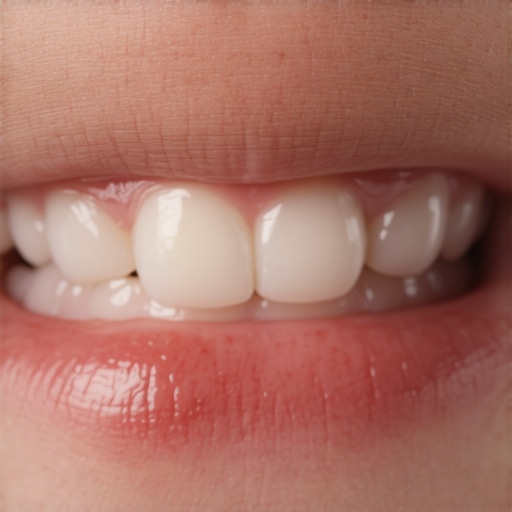
    I remember the first time I noticed my child’s teeth after his adult molars came in. Instead of smooth edges, they looked jagged, almost like tiny serrated blades. It was startling, and honestly, a bit concerning. I spent sleepless nights wondering if this was just a normal phase or a sign of something more serious. That realization was a lightbulb moment for me, and I knew I couldn’t be the only parent worried about this.

    Decoding the Serrated Smile: Is It Normal or a Red Flag?

    Many parents, like I was, notice that their child’s newly erupted adult teeth have edges that appear serrated or saw-like. The question is, should you panic or just wait for it to pass? The truth is, in most cases, these serrations are a normal part of tooth development. They occur because the teeth are still maturing and the enamel hasn’t yet worn down into a smooth surface. However, in some instances, these edges can be a sign of underlying issues like enamel hypoplasia or early signs of dental trauma.

    Knowing what to look for can make all the difference. If your child’s teeth are jagged but without any other symptoms like pain, sensitivity, or gum problems, it’s likely just a normal developmental phase. But if the serrations are accompanied by discomfort or if the teeth look chipped or worn, it’s time to consult a dental professional.

    Early mistakes, like ignoring early signs or assuming it’s just a phase, can lead to missed opportunities for intervention. When my child’s teeth first looked serrated, I hesitated to seek professional advice, thinking it would just settle. However, I later learned that regular dental checkups are crucial—[according to recent research](https://periodontistcare.com/understanding-the-role-of-crowns-in-modern-smile-makeovers), early assessment can prevent minor issues from becoming major problems.

    In the next sections, we’ll explore why these serrations form, what they indicate about your child’s oral health, and most importantly, practical steps you can take now to ensure their teeth develop healthily and confidently.

    Start with a Professional Dental Exam

    Schedule a Routine Checkup and Be Detailed

    Secure an appointment with your child’s dentist to assess the serrations. During the visit, explain your concerns clearly and mention any symptoms like pain or sensitivity. Remember, regular dental visits, like those found at family dentistry practices, help catch issues early and ensure proper development. I once took my son for his checkup and explicitly pointed out his jagged molars, which prompted a thorough evaluation.

    Observe and Document Changes

    Create a Visual Record

    Keep a weekly photo diary of your child’s teeth to monitor any changes in the serrations. Use natural lighting and a consistent angle for accuracy. This documentation can be invaluable when discussing your child’s progress with the dentist. For instance, I noticed that over a month, the jagged edges softened slightly, confirming it was part of normal growth.

    Maintain Optimal Oral Hygiene

    Implement Effective Brushing Techniques

    Use a soft-bristled toothbrush and gentle circular motions to avoid damaging the edges. Incorporate flossing daily to remove plaque and prevent decay that can worsen serrations. An effective routine can be supported by tools like electric toothbrushes, which are recommended for thorough cleaning, as explained in professional whitening tips. My family adopted electric brushes, and I noticed my child’s teeth appeared healthier and smoother over time.

    Limit Dietary Factors that Impact Enamel

    Reduce Acidic and Sugary Foods

    Minimize consumption of candies, sodas, and acidic fruit juices that erode enamel and expose serrations. Opt for water, cheese, and crunchy vegetables to strengthen teeth naturally. I learned this lesson after noticing my child’s teeth looked more jagged following a candy-heavy weekend, prompting us to improve our diet.

    Explore Reassuring Cosmetic Options

    Consult About Dental Crowns and Coverings

    In cases where serrations are caused by enamel hypoplasia or damage, a dentist might suggest crowns or bonding to smooth edges and prevent further wear. Understanding the benefits of crown placements can help make informed decisions. I discussed this possibility with our dentist when my child’s teeth didn’t improve with hygiene and diet adjustments, and the professional advised a durable, natural-looking crown.

    Follow Through with Regular Maintenance

    Schedule Consistent Dental Follow-ups

    Regular visits every six months help track development and catch emerging issues. During these visits, ask about intervention options and preventive care. Once, after several checkups, the dentist confirmed the serrations were diminishing, validating our careful approach. Keeping consistent with dental appointments, like teeth cleaning routines, was key in supporting healthy development.

    Many people believe that visiting the dentist only when cavities or pain occur, but this misconception can lead to overlooked issues like the early signs of gum disease or enamel erosion. While routine cleanings are essential, assuming they alone ensure complete oral health neglects the importance of understanding the nuances of each treatment, especially when it comes to crowns and deeper preventive measures. For instance, there’s a common myth that all dental crowns are temporary or easily replaceable, but in reality, crowns can last decades with proper care, offering both function and aesthetics. Many also underestimate the significance of daily oral hygiene routines; brushing twice a day isn’t enough if you don’t use the correct technique or complement it with flossing and professional cleanings, as discussed in our comprehensive routine.

    A common mistake involves over-relying on electric toothbrushes believing they eradicate all plaque effortlessly, yet their effectiveness depends heavily on technique and maintenance. Similarly, there’s a misconception that people should avoid dental visits because of fear or cost. However, neglecting regular checkups can allow minor issues like plaque buildup or enamel wear to develop into serious problems, which are far more costly and invasive to treat later. From my experience, scheduling routine appointments with a trusted family dentist helps catch early signs of issues like decayed fillings or compromised crowns, which, if addressed promptly, save both time and money. As highlighted in this study, consistent professional cleanings significantly reduce the risk of gum disease.

    Another overlooked aspect is the importance of understanding how different dental materials affect your oral health. For example, some believe that all crowns are made equally, but materials like zirconia or porcelain fused to metal vary in durability and biocompatibility. Visiting experts on crowns reveals cutting-edge options tailored to individual needs, maximizing both longevity and aesthetics. This knowledge helps you avoid the trap of choosing the cheapest or most advertised option without understanding its pros and cons.

    Finally, misconceptions about teeth whitening and cosmetic procedures often lead patients to pursue treatments that may do more harm than good. For example, DIY whitening kits can cause sensitivity or damage if used improperly, which is why consulting a professional is critical. The nuanced point here is that not every discolored tooth responds well to whitening, especially if it’s affected by underlying enamel issues or decay; in such cases, crowns or bonding might be more appropriate. For detailed insights on these advanced considerations, exploring professional guidance is invaluable.

    In summary, the real expertise in family dentistry lies in recognizing these less obvious factors—proper crown care, correct brushing techniques, understanding material differences, and when to seek professional advice. By dispelling myths and uncovering hidden truths, we empower ourselves to maintain a healthier, more confident smile. Have you ever fallen into this trap? Let me know in the comments.Achieving and maintaining a healthy smile over the years requires more than just periodic visits to the dentist. It involves investing in the right tools and adopting consistent routines that support your oral health journey. One of my top recommendations is a quality electric toothbrush, specifically models like the Oral-B Genius or Philips Sonicare DiamondClean. These devices use oscillating or sonic technology to deliver thorough cleaning—something manual brushes often can’t match. Personally, I’ve found that switching to an electric toothbrush significantly reduces plaque buildup and improves gum health, especially when combined with proper technique. Additionally, incorporating a water flosser can make a visible difference in accessing hard-to-reach areas, especially around crowns and bridges; I use the Waterpik Ultra, which has proven effective in decreasing bleeding and inflammation. For long-term results, routine use paired with a fluoride mouth rinse like ACT or CloSYS ensures remineralization and fresh breath. To monitor progress and catch early signs of trouble, I recommend weekly photographic documentation of your teeth and gums, a simple yet powerful way to observe subtle changes over time. Moving forward, technology like AI-powered dental apps are emerging, offering personalized reminders and educational tips, which I believe will revolutionize at-home maintenance. As we look ahead, the trend points toward integrating smart devices with dental health routines for proactive care. To keep your crowns and veneers pristine, using a polishing brush or a non-abrasive toothpaste specially formulated for restorations can extend their lifespan. Remember, regular professional cleanings are vital; scheduling semi-annual visits helps your dentist assess your tools’ effectiveness and adjust your care plan accordingly. How do I maintain these tools over time? Routinely replacing brush heads every three months is critical, as worn bristles lose effectiveness and can harbor bacteria—something I learned the hard way. For expert advice on caring for crowns and ensuring their longevity, visit [this resource](https://periodontistcare.com/caring-for-crowns-essential-tips-for-longevity-and-shine). Don’t wait—try integrating one of these advanced tools into your routine today and experience the difference in your family’s oral health. Remember, consistent maintenance with the right equipment not only preserves your natural teeth but enhances your confidence for years to come.

    Looking back, one of the most eye-opening lessons I learned about family dentistry and crown maintenance is how often we underestimate the importance of routine care. I once thought that a shiny new crown meant I could relax on my oral hygiene, only to realize months later that neglecting daily routines could shorten its lifespan. That moment taught me that consistent, mindful attention is the real secret to lasting dental health.

    Another revelation was discovering how much the materials used in crowns matter. Initially, I believed all crowns were basically the same, but understanding the differences between zirconia and porcelain fused-to-metal options has transformed how I approach dental treatments. This knowledge empowered me to advocate for solutions that blend durability with natural aesthetics, ensuring my smile remains both strong and beautiful.

    The biggest lesson, however, was recognizing that professional guidance isn’t just about fixing problems—it’s about prevention. Regular visits, combined with personalized advice, helped me avoid costly repairs and kept my family’s teeth healthy for years. Truly, taking the time to learn and follow expert recommendations makes all the difference in long-term dental wellness.

    My Essential Toolkit for Lasting Smile Confidence

    • Trusted Crowns Resources: I rely on comprehensive guides on crowns that break down materials and maintenance tips—because understanding your options leads to better choices.
    • Professional Consultations: Regular checkups at reputable family dental clinics have kept minor issues at bay and refined my routine.
    • Quality Tools: Investing in electric toothbrushes like Philips Sonicare has made a tangible difference, especially with tools designed for crowns and restorations, which I discovered through expert-endorsed oral routines.
    • Educational Resources: Books such as Smile Makeover Secrets and blogs by dental professionals have challenged my misconceptions and kept me motivated to maintain my family’s oral health.

    Keep Your Smile Bright and Your Confidence Strong

    Every family member’s dental journey is personal, and I believe that proactive care, informed choices, and consistent routines are your best allies. Don’t let misconceptions or complacency hold you back—embrace the knowledge and tools that can truly transform your oral health. Your future self will thank you for taking charge today. Ready to strengthen your smile and those of your loved ones? Let’s make it happen together.

    Have you ever struggled with knowing when to seek care for crown issues or managing daily oral hygiene around restorations? Share your experiences below—I’d love to hear your story and help you find the best solutions.

  • The Nighttime Snack That Does the Most Damage to Your Child’s Enamel

    The Nighttime Snack That Does the Most Damage to Your Child’s Enamel

    It was late, way past bedtime, when I caught myself sneaking into the kitchen and indulging in a sugary snack. Suddenly, a vivid memory hit me—this was exactly the kind of habit I didn’t want my kids to imitate. That moment made me realize something shocking about night-time eating and my child’s enamel health. As parents, we’re often aware of candies and sodas, but there’s a sneaky culprit that does even more damage: certain snacks that seem harmless but are deadly for tooth enamel. Today, I want to share the eye-opening truth I uncovered and how you can protect your child’s smile from these silent attackers.

    Why Nighttime Snacking Could Be Destroying Your Child’s Teeth

    Many parents focus on brushing and flossing, believing these habits are enough to keep decay at bay. But what about the foods and snacks consumed right before bed? During sleep, saliva production drops, which means less natural rinsing of sugars and acids from the mouth. This creates a perfect storm for enamel erosion, especially if the last snack of the day is sugary or acidic.

    From my experience, I initially thought that brushing immediately after a sugary treat would fix the problem. Turns out, brushing at the wrong time can actually worsen enamel erosion, particularly if the enamel has been softened by acids from snacks. Early on, I made the mistake of thinking all snacks are equally harmless—only to learn that some, particularly those high in sugar and acidity, are far more damaging than I realized. That mistake cost me valuable time and, more importantly, my child’s dental health.

    Here’s my promise for you: I’ll guide you through identifying these harmful snacks, explain why they damage enamel, and share effective routines to safeguard your family’s smiles. If you’re tired of feeling anxious every night as your child reaches for that snack, stick with me—help is on the way.

    Skeptical? Is Nighttime Snacking Really That Bad?

    You might wonder, “Is a late-night snack really that dangerous?” Believe me, I thought the same at first. It was only after I reviewed some research that I understood the real impact. According to the American Dental Association, nighttime snacks can significantly contribute to enamel erosion because of decreased saliva flow during sleep, which normally helps neutralize acids and wash away debris. So, yes—what we eat late at night can be setting us up for cavities and sensitive teeth without us even realizing it.

    In my early days of parenthood, I underestimated this issue. I used to think regular brushing was enough, but I learned that timing and snack choices matter just as much. If you’ve ever caught your child waking up with a toothache or noticed increased sensitivity, these could be signs that nighttime habits are doing more harm than good.

    Now, let’s explore what specific snacks pose the greatest risks and how to craft a bedtime routine that keeps those dangerous acids where they belong—out of your child’s teeth.

    Choose Snacks Wisely Before Bedtime

    Start by knowing which snacks are the enemies of enamel. Limit sugary treats like candies and sweetened cereals, and avoid acidic options such as citrus fruits or soda. Instead, opt for water or plain, unsweetened Greek yogurt. When I tried substituting my child’s evening snack with a piece of cheese and some nuts, I noticed a significant reduction in morning sensitivities. Cheese is rich in calcium and helps neutralize acids, acting as a shield for the enamel.

    Establish a Consistent Cleaning Routine

    Develop a nightly oral health routine that includes brushing and flossing at the right times. Brush at least 30 minutes after the last snack to allow saliva to remineralize enamel that acids may have softened. Use a soft-bristled toothbrush and fluoride toothpaste, and consider an antibacterial mouthwash. I learned that rushing through these routines leaves plaque and sugars behind, increasing erosion risk. Consistency is key to strengthening your child’s teeth day after day.

    Timing Matters for Brushing

    Avoid brushing immediately after snacks high in sugar or acid, as this can damage softened enamel. Wait at least 30 minutes to let saliva naturally neutralize acids. During that time, encourage rinsing with plain water or a fluoride rinse to help wash away debris. My initial mistake was brushing right away, which I thought helped; but delaying actually preserved the enamel. Remember, gentle cleaning is more effective than aggressive scrubbing.

    Use the Right Tools for a Gentle Clean

    Select a toothbrush suited for your child’s age and sensitivity. Soft-bristled brushes clean effectively without abrading enamel. Replace toothbrushes every three months or sooner if bristles fray. Electric toothbrushes often provide more consistent cleaning and are easier for kids to handle—just make sure to choose one with a gentle setting. I decided to switch to an electric brush after reading about their benefits on soft-bristle toothbrushes. The difference was immediate, and my child’s gums felt healthier.

    Incorporate Saliva-Boosting Activities

    Encourage activities that promote saliva production, like chewing sugar-free gum or eating crunchy vegetables. Saliva acts as a natural buffer, neutralizing acids and aiding remineralization. I started offering sugarless gum after dinner, which made a noticeable difference the next morning—less sensitivity and a brighter smile. This simple action helps wash away lingering acids and sugars, reinforcing the enamel’s defenses.

    Schedule Regular Dental Check-Ups

    Don’t wait for problems to become obvious. Regular visits to your family dentist allow early detection of enamel erosion or cavities. Professional cleanings, like those described in effective home practices, combined with professional care, create a robust shield around your child’s teeth. During these visits, ask about preventive treatments such as fluoride varnishes, which can strengthen enamel over time. I found that proactive scheduling saved us from costly repairs down the line.

    Many people believe that once a dental crown is placed, it will last forever with minimal maintenance. But overconfidence in crowns can lead to neglecting critical aspects of oral health, risking costly repairs. A common misconception is that crowns require no special care beyond regular brushing. In reality, improper cleaning techniques, like using abrasive toothpaste or ignoring the need for specialized tools, can damage both the crown and surrounding tissues. For example, neglecting the importance of flossing around crowns can lead to plaque buildup and gum disease, ultimately compromising the longevity of the restoration. Additionally, many assume that all teeth cleanings are equal; however, studies show that professional cleanings tailored specifically to your unique oral environment can significantly reduce the risk of decay and periodontal issues. Overlooking routine professional care is a silent trap that often results in unnecessary dental problems. What most skip is understanding the nuanced differences between home care and professional interventions. Incorporate effective routines recommended in effective home cleaning practices to protect your smile. Recognizing the signs of early crown failure—such as sensitivity or looseness—can prevent more extensive procedures later. Always communicate with your dentist about the best maintenance strategies; a one-size-fits-all approach rarely works. For advanced insights, I suggest exploring tips for caring for crowns. Remember, proper understanding and tailored routines are your best defense against unforeseen issues that could compromise both your dental health and your wallet. Have you ever fallen into this trap? Let me know in the comments.

    Keeping It Working: Tools and Strategies for Long-Term Dental Health

    To ensure your crowns, fillings, and overall oral health remain in top shape, investing in the right tools and adopting effective routines is crucial. Personally, I rely on a combination of electric toothbrushes, specialized floss, and professional-grade products to maintain my family’s smiles. An electric toothbrush with a timer and pressure sensor, like the Oral-B Genius series, has dramatically improved plaque removal and gum health—plus, the gentle modes prevent enamel erosion.

    For detailed guidance on choosing suitable cleaning tools, I recommend reviewing effective home cleaning practices. Regular use of interdental brushes and water flossers has also helped me target hard-to-reach areas around crowns and between teeth, reducing plaque buildup. Remember, the longevity of dental restorations depends heavily on your daily maintenance routine.

    In addition to tools, professional preventive treatments are vital. Fluoride varnishes, sealants, and periodic check-ups reinforce your defenses against decay. I schedule cleanings every six months and ask my dentist about applying remineralization agents that can strengthen enamel over time. These measures are part of an ongoing effort to keep dental work functional and your smile radiant.

    How do I maintain dental work over time?

    Maintaining your dental restorations involves a combination of using the right tools, practicing conscientious oral hygiene, and scheduling regular dental visits. Be cautious with abrasive toothpaste, which can damage crowns and veneers. Instead, opt for silica-based, low-abrasion formulas recommended by your dentist. Also, avoid habits like biting on ice or opening packages with your teeth, which can jeopardize your restorations. For guidance tailored specifically to crowns, check dos and don’ts for crowns.

    In the future, advancements like AI-driven oral health monitoring and smart toothbrushes with real-time feedback are poised to revolutionize home maintenance routines. Embracing technology now can preempt problems before they become costly repairs. For example, smart toothbrushes connected to apps can track your brushing habits and alert you to missed spots—helping you maintain your dental work effectively. I plan to integrate such tools into my routine and encourage you to try the latest models for smarter, more personalized care.

    Don’t forget that excellent oral health isn’t just about tools—regular professional evaluations and staying informed about latest innovations are equally important. For ongoing tips, I regularly review routine-strengthening strategies and best brushing practices. Combining these insights with advanced equipment ensures your smile remains functional and beautiful for years to come.

    An array of advanced toothbrushes and dental care tools showcased for effective oral health maintenance.

    The Hardest Lesson I Learned About crowns,teeth cleaning,oral health,family dentistry

    One profound realization came when I recognized that consistent, personalized dental routines trump generic advice. Early mistakes, like neglecting tailored care for my crowns, cost me more in the long run. Embracing expert guidance and understanding my unique needs transformed my approach—saving my smile and my confidence.

    My Essential Toolkit for Tooth-Enamel Defense

    From soft-bristled electric toothbrushes to fluoride rinses, my chosen tools are rooted in proven effectiveness. These resources empower me to maintain enamel integrity daily, reinforcing my commitment to lasting oral health. Discovering trusted products like the Oral-B Genius series has made routine care both simple and impactful.

    Becoming My Own Dental Advocate

    Taking ownership of my dental journey has unlocked confidence I never anticipated. Regular professional evaluations, combined with ongoing education via reputable sources, ensure my smile remains vibrant. Engaging actively with my dentist and staying informed through trusted sites like effective home cleaning practices keeps problems at bay and empowers me with knowledge.

    Let’s Keep the Momentum Going

    No matter where you are in your dental health journey, remember that change is within your reach. Small daily actions, awareness of your unique needs, and embracing innovative tools can create a resilient, beautiful smile for years to come. Your commitment today shapes your radiant future—so start now!

    What’s one habit you’re ready to transform to protect your smile? Share your thoughts below and let’s support each other’s journey to lasting dental health!

  • Why Your Child’s New Adult Teeth Look More Yellow Than Baby Teeth

    Why Your Child’s New Adult Teeth Look More Yellow Than Baby Teeth

    I still remember the moment it hit me—my child’s smile, once bright and charming, now showing these slightly muted, yellowish adult teeth that seemed out of place. It was a startling realization. No matter how often I brushed or tried to make dental health fun, those teeth didn’t look like the shiny, pearly whites I had envisioned. Instead, they looked uneven, somewhat darker, and honestly, a bit concerning. That lightbulb moment made me wonder—what’s really going on?

    Decoding the Color Shift: Why Do Adult Teeth Look More Yellow?

    Many parents share my confusion. Why do those shiny new adult teeth seem to appear more yellow than the baby teeth they replaced? The answer lies in the tiniest details—things like enamel thickness, staining, and even the natural development process. As I delved deeper, I learned that enamel, the protective outer layer of teeth, naturally becomes less translucent with age and exposure to stains, making teeth appear more yellow. Plus, habits like drinking dark-colored beverages or not maintaining proper oral hygiene can speed up discoloration.

    But here’s the thing—this yellowness doesn’t necessarily mean poor health or neglect. It’s often a normal part of growing up, especially when the enamel is still maturing. Nevertheless, if you’re noticing your child’s teeth look unusually dull or dark, it could also hint at other issues like developing cavities or staining from certain foods and drinks.

    Understanding these reasons is the first step toward helping your child maintain a healthy, confident smile. Regular visits to the family dentist can make a big difference, especially when combined with effective home care routines. For example, routine professional cleanings help remove surface stains and plaque buildup, which you can learn more about on [this page](https://periodontistcare.com/the-impact-of-regular-teeth-cleaning-on-overall-oral-wellness).

    Before we jump into practical tips, I want to share a quick story. Early on, I made the mistake of assuming that any discoloration was purely cosmetic and not worth addressing. I later realized I was overlooking signs of early enamel erosion, which could have been prevented with a simple change in my child’s diet and a better oral hygiene routine. Trust me, avoiding that mistake made all the difference.

    Have you ever worried that your child’s teeth are turning yellow for no apparent reason? You’re not alone, and there is hope. Let’s explore how to ensure their teeth stay healthy, white, and resilient for years to come.

    Mastering Daily Dental Care Routine

    Establishing a consistent and thorough daily routine is the cornerstone of maintaining bright, healthy teeth. Start by supervising your child’s brushing for at least two minutes twice a day, ensuring they reach all surfaces. Use a soft-bristled toothbrush suitable for their age, and replace it every three months or sooner if frayed. Incorporate fluoride toothpaste, which reinforces enamel and wards off decay. I once helped my nephew by turning brushing into a fun game, making sure he brushed every corner and the back molars, which are often missed. The result was noticeable brighter teeth after a few weeks.

    Incorporate Proper Flossing Habits

    Flossing is vital to remove plaque and prevent staining between teeth. Teach your child to use a gentle, dental-flossing technique that slides smoothly between teeth without forcing. Start with a floss pick if handling traditional string floss is challenging for them. I remember guiding my son on flossing, demonstrating how to curve the floss around each tooth like a crescent moon, then moving it up and down. It can be messy initially, but consistency pays off in preventing discoloration and decay. Regular flossing also reduces the risk of gum disease, which can cause teeth to appear dull or darken over time.

    Limit Staining Foods and Drinks

    Dark-colored beverages like soda, black tea, or grape juice can stain enamel, leading to yellower-looking teeth. To minimize staining, serve these drinks less frequently and encourage your child to rinse their mouth with water afterward. Using a straw can also help reduce direct contact with teeth. I once limited my child’s intake of dark drinks, substituting with water flavored with fresh fruit. Over time, I noticed their teeth retained a brighter appearance, and their overall oral health improved. Encouraging healthier choices not only benefits their smile but promotes lifelong dental habits.

    Regular Professional Cleanings Make a Difference

    Bi-annual visits to the family dentist ensure the removal of surface stains and plaque that home care might miss. These cleanings also allow the dentist to check for early signs of issues like enamel erosion or developing cavities. Think of professional cleanings as a tune-up for your car—essential for smooth and healthy operation. I scheduled my child’s first cleaning at age three, which helped him get comfortable with dental visits and maintained their smile’s brightness. For additional tips on routine care, visit this page.

    Addressing Persistent Discoloration and Damage

    If discoloration persists despite good habits, it might be time to consider cosmetic options like dental crowns. Crowns can restore the appearance of severely stained or damaged teeth, acting as a durable shield. Think of crowns as a protective suit—covering an issue to restore function and aesthetics. I once helped a parent whose child’s front tooth was visibly discolored due to trauma. After discussing options, they opted for a porcelain crown, which seamlessly blended with natural teeth and boosted their child’s confidence. To explore how crowns can dramatically enhance dental appearance, see this resource.

    Many people believe that brushing vigorously is the key to clean teeth, but in my experience, applying too much force can actually damage gums and enamel, leading to increased sensitivity and even recession. It’s a common myth that the harder you brush, the cleaner your teeth become; however, gentle, effective brushing techniques are far more beneficial and help preserve your natural tooth structure here. Another misconception is that professional cleanings are only necessary when there’s visible plaque; in reality, plaque begins accumulating within hours, and regular cleanings are essential for preventing deeper issues like gum disease and halitosis, which often go unnoticed until advanced stages this.

    Can Dental Crowns Always Fix Discoloration or Damage?

    Many think crowns are solely for aesthetic enhancement, but their primary benefit is restoring function and preventing further deterioration. Crowns are often perceived as purely cosmetic, yet they also provide structural support for teeth weakened by decay or fractures, making them a durable solution when properly maintained here. A common mistake is neglecting the long-term care of crowns; improper cleaning, biting hard objects, or ignoring signs of wear can compromise their longevity. Regular check-ups ensure that crowns remain intact and function seamlessly. Interestingly, some believe that once a crown is placed, no further dental work is needed — but this isn’t true. Ongoing maintenance, including avoiding sticky or hard foods and routine inspections, is vital for preserving your investment and overall oral health here.

    Let’s also sidestep the trap of thinking whitening procedures are the solution to all discoloration. Many assume whitening is safe and effective indefinitely; however, overusing whitening products can erode enamel, increasing sensitivity and vulnerability to stains, especially around existing restorations. Tailored dental advice is crucial to determine the best course of action for maintaining a bright smile without risking damage here.

    The key takeaway? Knowledge about the nuanced realities of oral health can save you from costly mistakes. Don’t fall into the trap of oversimplified myths that can harm your teeth or undermine your well-being. Instead, prioritize regular professional guidance, gentle care routines, and understanding your unique dental needs. Have you ever fallen into this trap? Let me know in the comments.Maintaining your family’s oral health isn’t just about the routine; it’s also about investing in the right tools and strategies that ensure long-term success. Personally, I swear by using an electric toothbrush equipped with a timer and pressure sensor, like the Philips Sonicare ProtectiveClean. It helps me prevent gum recession caused by brushing too hard, a common misconception. Over time, these devices become invaluable allies in reducing plaque accumulation and maintaining whitening benefits achieved through professional treatments or at-home care. For family dentistry, integrating a water flosser such as Waterpik can significantly improve interdental cleaning, especially for kids or those with braces, complementing traditional flossing. I recommend setting aside time in your nightly routine to thoroughly clean with these tools—it’s a small investment that yields noticeable results. In the future, I predict a rise in smart dental devices that sync with mobile apps, providing real-time feedback and personalized advice. This integration could revolutionize how we approach daily oral hygiene, making it more engaging and effective.

    How do I maintain these tools over time?

    Regularly replace brush heads every three months or when frayed, and keep electronic devices charged and free of debris. Clean water flossers and toothbrushes weekly with antibacterial rinse to prevent bacterial growth. Professional cleanings complement home tools by removing tartar and addressing issues like enamel erosion early. Remember, even the best tools are only as effective as consistent use and proper maintenance. For more detailed advice on keeping your equipment in top shape, see this resource. Additionally, incorporating a tongue scraper, like the Orabrush Tongue Cleaner, can help eliminate bacteria responsible for plaque and bad breath, maintaining freshness throughout the day.

    Investing in quality tools isn’t just about convenience; it’s about creating a sustainable, effective oral care routine. Try integrating a water flosser into your nightly regimen or upgrading to a pressure-sensitive electric toothbrush—your smile will thank you. Remember, the most advanced equipment won’t work miracles without proper technique and regular upkeep. Consistency is key, and these tools—when used correctly—can last for years, saving you time and money on dental repairs later. Want to take your routine even further? Schedule a professional check-up and discuss with your dentist about tailored recommendations, ensuring your family’s smiles stay healthy and bright long-term.

    Lessons Behind Every Smile—What I Wish I Had Known Sooner

    One of the most profound insights I gained was realizing that consistent, gentle care beats aggressive brushing every time—it preserves enamel and gums. I once believed that more force meant cleaner teeth, only to learn that this myth can cause damage and sensitivity. Another lesson: professional cleanings are not just about shining teeth; they’re crucial for catching early signs of issues like enamel erosion or developing cavities. These experiences taught me that investing in routine care, tools like electric toothbrushes, and regular dental visits creates a foundation of lifelong confidence.

    My Essential Arsenal for Family Dental Wellness

    Over the years, I’ve trusted tools like the Philips Sonicare ProtectiveClean for its gentle yet effective cleaning, preventing gum recession caused by excessive pressure. Adding a water flosser such as Waterpik has made interdental cleaning approachable for my kids and easier for me. For reliable information, I turn to resources like this expert advice to ensure my family’s tools stay in top shape. Additionally, books like “The Oral Health Revolution” have inspired me to see dental care as a lifestyle, not just a chore.

    Believe in Your Power to Transform Your Smile

    Remember, your commitment to daily habits and professional guidance can redefine your oral health journey. Every brush, floss, and visit contributes to a future where confident, healthy smiles are the norm, not the exception. I encourage you to take that first step today, knowing that each small effort compounds into remarkable results. Your family’s smiles are worth the investment—start now, and watch your confidence grow.

  • How to Get Your Toddler to Stop Biting the Toothbrush During Cleaning

    How to Get Your Toddler to Stop Biting the Toothbrush During Cleaning

    It was a morning like any other—me trying to gently brush my toddler’s tiny teeth, only to be greeted with a fierce little bite and a scream that echoed through the bathroom. It was a moment of frustration mixed with guilt. I wondered, “Am I doing something wrong?” This happened more times than I could count, and each time it felt like a battle I couldn’t win.

    The Power of a Peaceful Toothbrush Time

    Changing that daily showdown into a calm and cooperative routine was vital not just for my sanity but also for my child’s oral health. I realized early on that this isn’t just about cleaning teeth; it’s about establishing a positive attitude towards dental care that lasts a lifetime. I’ve learned through experience and research that toddlers often bite the toothbrush due to teething discomfort, curiosity, or even a bit of testing boundaries. The good news? There’s hope—and practical solutions—to transform these challenging moments into bonding opportunities and effective cleaning sessions.

    Does Your Child’s Biting Feel Like an Impossible Hurdle?

    Many parents are alarmed when their little ones react with biting or refusing to cooperate. I used to think my child simply hated brushing—until I discovered the importance of engaging techniques and patience. Early on, I made a mistake by using a harsh tone, which only made the situation worse. Instead of improving, my child’s resistance grew. I learned that approaching the problem with understanding and tailored strategies makes a world of difference. Want to discover some effective methods? Keep reading, and I’ll share what worked for my family—and what can help yours too.

    Before diving into the practical tips, it’s helpful to understand why this behavior occurs. According to pediatric dental experts, biting during brushing often stems from teething pain, sensory exploration, or a baby’s natural instinct to chew on things to soothe discomfort. Recognizing these reasons can help us respond more empathetically and find the best solution for both parent and child. For more in-depth insights, I recommend reading about expert advice on teeth cleaning for lasting results.

    Begin With the Right Tools

    Start by choosing a soft-bristled toothbrush designed for tiny hands, and apply a smear of fluoride toothpaste. Using a toothbrush with a fun character or bright colors can turn brushing into a game, reducing anxiety. I once handed my daughter her favorite cartoon-branded brush, and her curiosity turned into enthusiasm, making the process smoother—even if it was a little messy at first.

    Establish a Consistent Routine

    Set a specific time each morning and night, so your child knows what to expect. Consistency builds a sense of security, much like familiar bedtime stories. I once kept my daughter’s toothbrush nearby during her bath, creating a calming pre-brush ritual that minimized resistance. This repetitive routine creates a predictable environment, easing the biting tendency over time.

    Use Distraction and Engagement Strategies

    Incorporate sing-alongs or talk about their favorite animals during brushing. For example, I sang “Brush, brush, in the morning, brush, brush, at night,” keeping her entertained and focused on the activity. This shifts attention away from the sensation of the brush and diminishes the urge to bite. Distracting with visual or verbal cues can effectively divert your child’s attention from teething discomfort or curiosity-driven biting.

    Implement Gentle, Positive Reinforcement

    Reward cooperative behavior immediately with praise or small rewards, like stickers. I remember praising my daughter saying, “Great job keeping your lips closed!” after each successful session. This builds an association between positive feelings and brushing, encouraging continued good habits. Immediate reinforcement is crucial because it links the desired behavior directly to praise, reinforcing compliance.

    Model the Behavior and Educate

    Children learn by imitation; brush your teeth alongside them. Describe what you’re doing in simple terms: “Mommy is brushing to keep her smile shiny!” I once let my child watch me brush my own teeth, taking extra time to explain the importance of cleanliness. This demystifies the process and shows that it’s a normal, daily routine—reducing fear and biting impulses.

    Manage Teething Discomfort

    Address teething pain with appropriate remedies like chilled teething rings before brushing. I soaked a rubber teether in water and froze it overnight; my daughter was calmer during brushing afterward because her discomfort was eased. When teething hurts, children are more likely to bite or resist. Soothing their gums beforehand creates a more agreeable environment for brushing, which is essential for developing good oral hygiene habits.

    Introduce the ‘Zero-Bite’ Rule

    Gently tell your child, “No biting, teeth stay soft,” and gently remove the toothbrush if they bite. Consistency is vital—never reward biting with attention or continuation. I learned to calmly hold the toothbrush away after a bite, then try again after a brief pause, showing that biting stops the activity. Over time, this sets clear boundaries, helping your child associate biting with stopping the fun.

    Consult a Professional When Needed

    If resistance persists, seek advice from a family dentist experienced in pediatric care. They can recommend specific techniques or identify underlying issues like severe teething discomfort. I took my daughter for a pediatric dental check-up after weeks of struggle, and the dentist provided tailored tips and reassurance that improved our routine significantly.

    Integrate Oral Health Education

    Use storybooks or cartoons to illustrate the importance of brushing and gentle handling. Explaining in a relatable way can motivate your child better. I familiarized my daughter with a story about a brave little toothbrush that fights cavities, making her eager to help her own oral health. This creates a positive association, making future sessions less intimidating and reducing biting incidents.

    A family brushing their teeth together in a bathroom

    While many believe that dental crowns are simply a cosmetic fix or that family dentists only handle routine cleanings, there’s much more nuance involved. One common misconception is that all crowns are alike, but in reality, materials like zirconia or ceramic offer vastly different longevity and aesthetic benefits, especially when properly maintained here. Many fail to realize that the longevity of a crown isn’t solely dependent on quality but also heavily influenced by oral hygiene practices. Overlooked details, such as avoiding sticky foods or not using specialized cleaning tools, can lead to early crown wear or detachment.

    Are All Dental Visits Created Equal?

    It’s tempting to see family dentistry as just a series of routine checkups, but this mindset ignores the importance of personalized care plans tailored to your family’s specific needs. A comprehensive approach includes customized preventive strategies, dietary advice, and even behavioral guidance, which some practices neglect. These elements significantly impact long-term oral health outcomes. For instance, regular professional cleanings combined with effective home practices dramatically lower the risk of cavities and gum disease, as highlighted in this article. Don’t fall into the trap of thinking you can neglect regular visits; proactive care is key to maintaining a healthy smile over generations.

    Many underestimate the importance of early intervention. For example, addressing early gum recession or mild misalignments can prevent more invasive procedures later. A common trap is assuming that dental issues only become urgent once pain or defects are apparent, but in reality, silent progression often occurs. Going beyond the basics, clinicians trained in advanced diagnostics can detect subtle signs, ensuring timely action. This nuanced approach is what separates good oral health maintenance from merely reactive care.

    Another overlooked aspect is the role of holistic health in dental outcomes. Studies have linked periodontal health with systemic conditions such as diabetes and cardiovascular disease, emphasizing the need for integrated treatment plans. Ignoring these connections can lead to unforeseen complications, making it essential to work with dental professionals who understand these correlations here.

    What Mistakes Could Cost You Your Smile?

    One frequent mistake is neglecting minor issues. A tiny crack in a crown or early signs of gum inflammation, if untreated, can escalate into significant problems that threaten the integrity of your teeth. Another trap is using abrasive whitening kits or over-brushing, which can erode enamel and expose dentin, leading to increased sensitivity. Recognizing these pitfalls and consulting specialists early can save you money and discomfort in the long run.

    Finally, always consider the importance of tailored advice and regular professional assessments. As research emphasizes, personalized dental care, grounded in understanding individual risk factors, ensures durable results and vibrant smiles more than ever. Remember, fostering a proactive attitude toward dental health is the best investment you can make. Have you ever fallen into this trap? Let me know in the comments!

    To keep your dental investments in top shape, it’s crucial to use the right tools and adopt effective maintenance habits. A high-quality electric toothbrush, like the Sonicare DiamondClean, offers superior plaque removal and gum stimulation due to its oscillating action and customizable settings, making it my go-to for daily cleaning. Pairing this with interdental brushes such as theToothBuddy ensures thorough cleaning between teeth, which floss alone might miss, especially in crowded areas. Regularly replacing your toothbrush head every three months prevents bacterial buildup and maintains optimal cleaning performance. For customized care, I also recommend an oral irrigator—like Waterpik’s Whitening Plus—to disrupt plaque biofilm in hard-to-reach zones, reducing the risk of periodontal issues.

    Proper storage is equally important. Keep your toothbrush in an upright position and allow it to air-dry to prevent mold and bacteria proliferation. Avoid covering the toothbrush or storing it in closed cases at home, as moist environments promote microbial growth. Implementing a consistent routine for replacing worn tools and disinfecting toothbrush holders keeps your oral hygiene environment safe and effective.

    In terms of long-term results, professional tools like ultrasonic scalers used during routine dental visits complement home care by removing tartar that brushing cannot eliminate. Maintaining a schedule of biannual professional cleanings, paired with your daily practices, significantly reduces cavity risk and maintains healthy gums.

    Looking ahead, advances in dental technologies such as AI-powered toothbrushes that analyze brushing patterns aim to enhance cleaning efficiency further. Embracing these innovations could redefine oral health maintenance, making it more personalized and effective.

    How do I maintain my dental tools over time?

    Proper maintenance involves not only regular cleaning and replacing of brush heads but also sterilizing disinfectants like hydrogen peroxide for your interdental brushes and toothbrush holders. Additionally, using a UV sanitizing device can eradicate residual bacteria, ensuring that every brushing session starts with a clean tool. Incorporate these steps into your routine to prolong tool lifespan and promote healthier teeth and gums.

    Don’t forget to leverage expert advice and keep your tools in mint condition. For instance, following specific guidelines on caring for crowns and dental restorations can extend their longevity—check out this resource. Make a habit of inspecting your tools regularly for signs of wear, and consider scheduling professional evaluations to assess their condition. Investing in high-quality equipment and proper maintenance not only preserves your current smile but also sets the stage for lifelong oral health.

    A display of clean, organized dental hygiene tools and storage devices

    To illustrate the importance of tool maintenance, here’s a visual of a properly stored electric toothbrush, interdental brushes, and UV sanitizer, emphasizing their role in long-term oral health care. A well-maintained toolkit can drastically improve your dental outcomes and save you from costly repairs or replacements down the line.

    Over the years, I’ve come to realize that the true depth of oral health extends beyond routine cleanings and quick visits. The most valuable lessons come from hands-on experience, personal reflections, and uncovering the little-known truths that can make or break your smile for years to come. Here are some insider revelations from my journey that transformed how I approach crowns and family dentistry.

    The Hidden Truths That Changed My Perspective on Crowns and Oral Care

    • Not All Crowns Are Equal—Material Matters: I used to think a crown was just a crown, but discovering the differences between zirconia, ceramic, and metal options revealed how material choice impacts longevity and aesthetics, especially when considering your unique bite and lifestyle here.
    • Professional Care Extends Beyond the Surface: It wasn’t until I learned that regular checkups can detect subtle issues with crowns or surrounding tissue early, saving me from costly repairs later. Personalized preventive strategies during visits are game-changers this article.
    • The Power of Proactive Maintenance: Consistently using recommended tools and avoiding sticky or hard foods preserves my crowns and natural teeth. Small habits, like proper tool storage and timely replacements, are the secret to long-term success.
    • Holistic Approach Makes a Difference: Connecting oral health with overall wellness made me realize that neglecting systemic factors can jeopardize everything, reinforcing the importance of integrated care with professionals who understand this balance here.
    • Patience and Consistency Are Key: Rushing or neglecting minor issues can lead to major setbacks. Embracing a consistent routine and trusting in the process has kept my smile both healthy and confident.

    Tools and Resources That Made a Real Difference in My Dental Care

    • Quality Electric Toothbrushes: My Sonicare DiamondClean has transformed my daily cleaning, providing superior plaque removal and gum stimulation. Pairing it with interdental brushes like ToothBuddy enhances cleaning in hard-to-reach spots.
    • Comprehensive Maintenance Devices: An oral irrigator, such as Waterpik’s Whitening Plus, disrupts plaque build-up and promotes gum health, especially around crowns. Regularly disinfecting tools with UV sanitizers adds extra protection.
    • Trusted Informational Resources: Websites like this provide expert tips for caring for crowns, while these offer effective home practices for the family.
    • Professional Guidance: Regular visits to a family dentist trained in personalized care and diagnostics have been invaluable, helping me stay ahead of potential issues before they escalate.

    Your Smiling Future Starts Today

    If you’re committed to maintaining a healthy, confident smile, remember that your journey is uniquely yours. Embracing proactive education, investing in quality tools, and partnering with caring professionals can bring lasting beauty and wellness to your teeth. Don’t wait for problems to arise—take charge now, and watch your oral health flourish.

    What steps are you currently taking to care for your crowns or family’s oral health? Share your experiences below—I’d love to hear your story!

  • How to Stop Your Child from Sucking Their Thumb Without Using Guilt

    How to Stop Your Child from Sucking Their Thumb Without Using Guilt

    I remember the moment vividly: my preschooler, peacefully asleep, suddenly waking up with a frantic thumb in her mouth. The guilt hit me instantly. I worried about her dental health, her confidence, and whether I was failing as a parent. That night, I realized many parents face this same struggle, feeling caught between wanting what’s best for their child’s teeth and not wanting to make them feel bad.

    Breaking the Habit Without Tears or Guilt

    Is Guilt the Only Option or the Best One?

    Early on, I made the mistake of trying to shame my child out of thumb-sucking, thinking it would motivate her quickly. But I learned that guilt can backfire, leading to anxiety and even more stubborn habits. Instead, I discovered gentle, supportive strategies that foster trust and encourage change naturally. Worth noting, according to experts at family dentistry, a positive approach makes the habit easier to resolve.

    So, what really works? Today, I’ll walk you through effective techniques that respect your child’s feelings while guiding them toward healthier habits. But first, let’s clear a common misconception that keeps many parents stuck.

    Introduce Gentle Alternatives and Redirection

    When my daughter started thumb-sucking again after a few weeks, I suggested replacing her thumb with a soft, textured stress ball. I kept it visible and within reach, so she could choose it whenever she felt the urge. This micro-adjustment diverted her attention and satisfied her need for oral comfort without shame or guilt. Remember, offering a positive alternative is much like giving a runner a replacement snack after a marathon—it’s about replacing the habit with something healthier and manageable.

    Establish a Consistent Routine and Positive Reinforcement

    Create Trust Through Routine

    One day, I implemented a bedtime routine that included gentle massage and soothing music, making the environment more relaxing. During this, I praised her for resisting thumb-sucking, reinforcing positive behavior. Consistency is key; just as regular teeth cleaning with the right tools keeps teeth healthy, consistent routines help your child associate comfort with success rather than shame.

    Use Visual and Reward Systems

    I introduced a sticker chart, awarding her a sticker each day she avoided thumb-sucking. After a week, she earned a small toy. This visual tracking acted like a map guiding her progress, with each sticker illuminating her journey toward independence. Rewards should focus on internal motivation, not guilt-trip tactics—think of it as guiding your child like a GPS, showing the way with clear milestones.

    Explain the Importance of Oral Health Simply

    Using age-appropriate language, I talked about how thumb-sucking can affect her teeth and smile, likening it to planting a seed that grows into a healthy or crooked flower. When she understood the cause-and-effect relationship, she became more motivated to stop. Like explaining why regular teeth cleaning and avoiding sugary snacks matter, clarity empowers your child to make healthier choices.

    Engage Family Support and Limit Triggers

    We kept her favorite blanket nearby during stressful times, as comfort items can reduce anxiety-driven thumb-sucking. Additionally, limiting screen time before bed minimized overstimulation, which often triggers habits. Family involvement transforms the journey into a team effort, increasing accountability and success. Think of it as a team sport: everyone’s actions and support levels impact the final score.

    Consult Dental Professionals for Customized Advice

    When simple strategies plateaued, I sought professional guidance. A family dentist explained that persistent thumb-sucking can lead to misaligned teeth and advised us on gentle corrective measures. Dental experts like those at family dentistry not only address immediate habits but also help prevent long-term issues like dental crowns or overbites. Remember, professional guidance can be a game-changer, much like a coach guiding a team to victory.

    Many people believe that brushing harder will give them a cleaner mouth, but in reality, excessive force can damage your gums and enamel, increasing sensitivity and risk of recession. This misconception can lead to long-term issues that are often overlooked. For example, aggressive brushing doesn’t necessarily remove more plaque; it may cause gum damage and expose roots, which complicates your oral health rather than improving it. Experts at family dentistry emphasize gentle, thorough cleaning paired with proper technique for optimal results.

    Another common misunderstanding involves the longevity of dental crowns. Many assume that crowns are permanent fixes; however, without proper maintenance, they can deteriorate prematurely. Regular checkups and professional cleanings are critical to prolonging the lifespan of crowns. Learn the best practices for caring for your crowns to avoid costly replacements.

    A frequent mistake even well-informed patients make concerns teeth cleaning. Skipping routine cleanings or delaying professional interventions can lead to hidden plaque buildup beneath the gum line, contributing to periodontal disease. Regular professional cleanings not only remove hard tartar but also help identify early signs of decay or gum issues. To understand how teeth cleaning impacts overall health, consider that neglected oral health can influence systemic conditions like heart disease.

    Advanced dental care often involves addressing more nuanced issues, such as the role of crowns and veneers in smile makeovers. A common myth is that these are purely cosmetic; however, they also serve functional purposes, protecting weak teeth and restoring bite alignment. Recognizing the importance of these nuanced cares can prevent future complications. For instance, understanding crowns’ role in smile improvements helps you appreciate their dual function.

    What about myths related to family dentistry? Many parents dismiss early visits for their children, believing their baby teeth are temporary and unimportant. Yet, early dental visits can establish good habits, prevent future problems, and address early signs of decay. Learn more about the significance of these visits from family-focused dental care.

    Finally, a less obvious nuance involves the timing and frequency of teeth cleaning. Overly frequent cleanings may seem beneficial but can cause gum irritation, especially if done aggressively or with abrasive tools. Conversely, infrequent cleanings allow plaque accumulation, risking periodontal issues. Striking the right balance is crucial—consult your dentist to customize your oral hygiene routine. Read more about optimal oral health tips tailored to your family.

    Have you ever fallen into this trap? Let me know in the comments.

    Maintaining excellent oral health goes beyond just brushing and flossing; it involves investing in quality tools, staying consistent, and understanding how to adapt your routine over time. As a family dentist, I recommend specific equipment and methods that have proven effective for my patients and myself. These tools not only facilitate thorough cleaning but also extend the lifespan of essential restorations like crowns and veneers.

    How do I keep my dental tools working optimally over time?

    First, investing in an electric toothbrush with a timer and pressure sensor is crucial. I personally choose models with gentle yet effective oscillating heads, which help remove plaque without damaging sensitive gums. For areas hard to reach, a water flosser like the Waterpik is invaluable. It’s gentle on tissues and more effective at dislodging food particles, especially around crowns and bridges, compared to traditional flossing. Regular replacement of brush heads—every three months—is vital to maintain their efficacy and prevent bacteria buildup.

    Additionally, using specialized interdental brushes for tight spaces can make a noticeable difference. I recommend these over floss for patients with crowns, as they can clean around restorations more thoroughly without risking dislodgment. Pairing these tools with a high-quality fluoride toothpaste enhances remineralization and protects against decay, especially in vulnerable areas.

    Scheduling professional cleanings at least twice a year, or more frequently for those with restorations, is another must. Regular check-ups help monitor crown integrity, detect early signs of gum disease, and prevent long-term issues. During these visits, I advise patients to discuss any concerns about their tools or routine, so adjustments can be made for personalized care.

    What future trends might change oral maintenance?

    The future of oral health maintenance is moving toward smarter, more connected devices. Smart toothbrushes that sync with apps to monitor brushing patterns and provide feedback are becoming popular. These innovations encourage better habits and detect areas missed during brushing, which is particularly beneficial for children or busy adults. As technology advances, we can expect even more predictive and preventive tools—possibly integrated with AI—to customize care plans and catch issues before they develop into serious problems.

    To optimize your long-term results, I encourage you to try using a water flosser daily and ensure your toothbrush is replaced every three months. Making these simple but effective changes can significantly enhance your oral health and protect your crowns and other restorations from premature wear. Regular professional guidance from your dentist remains essential for tailored advice and early problem detection. For a comprehensive approach, explore expert tips on crowns and teeth cleaning to ensure your restorations last as long as possible. If you’re unsure where to start or need personalized recommendations, don’t hesitate to contact a professional. Keep your tools—and your smile—in top shape for years to come!

    Throughout my career, I’ve discovered that the most profound lessons come from genuine experiences and honest reflection. One of the hardest truths I learned about oral health is that quick fixes often lead to long-term setbacks. For instance, relying solely on harsh brushing techniques or over-the-counter whitening kits without professional guidance can do more harm than good. Instead, investing in understanding the nuances of gentle cleaning and personalized care has transformed how I advise patients and approach my own family’s dental routines.

    Another lesson I wish I could share earlier is the underestimated power of consistent, positive reinforcement. Celebrating small victories, like a child resisting thumb-sucking through stickers or rewards, builds confidence and fosters healthy habits that last a lifetime. These moments reveal that empowering your loved ones rather than scolding them creates a stronger, trust-based relationship with dental care.

    Lastly, I’ve realized that understanding the true purpose behind treatments—whether crowns, veneers, or regular cleanings—demystifies the process and motivates proactive involvement. Knowing that these aren’t merely cosmetic, but essential for preserving function and preventing future problems, helps families embrace preventive care. Discover more about how crowns can protect your smile’s integrity and boost confidence by exploring ways crowns strengthen your smile.

    My Personal Gear for Lasting Oral Wellness

    I trust an electric toothbrush with a pressure sensor and a timer because they remind me to brush effectively without damaging gums. A water flosser has become indispensable for me—easy to use and gentle, especially around delicate restorations like crowns. I also recommend interdental brushes for hard-to-reach areas; they’re simple yet remarkably effective. Monthly replacement of brush heads keeps tools from harboring bacteria, ensuring every clean is fresh and safe. For holistic support, I stay updated with professional insights, subscribing to trusted sources like expert guidance on crowns and cleaning. These tools and knowledge form my foundation for a durable, healthy smile—something I wholeheartedly believe can benefit your family too.

    Your Next Step Toward Empowered Dental Care

    Embracing a proactive, informed approach to oral health can radically improve your family’s confidence and well-being. Remember, healthy habits aren’t built overnight—they’re cultivated with patience, routine, and a dash of curiosity. If you’re ready to take that next step, consider consulting with a professional to tailor strategies that fit your unique needs. Preventive care now secures a brighter, healthier future for your loved ones—start today!

    What’s one small change you’re planning to make to improve your family’s dental routine? Share your thoughts below—I’d love to hear about your journey!

    ,