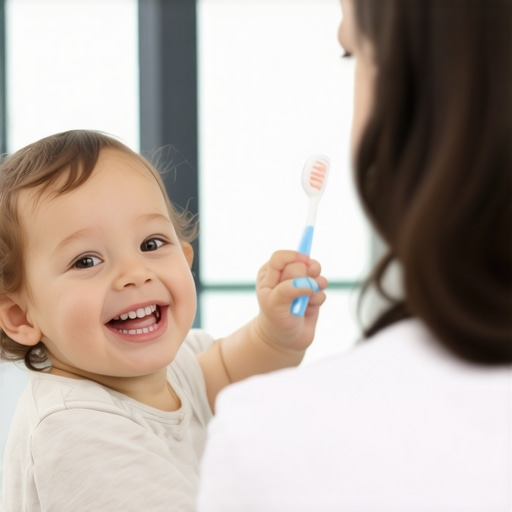
Category: Pediatric Dental Care

  • The best snacks for healthy teeth that kids actually enjoy

    The best snacks for healthy teeth that kids actually enjoy

    It was a typical evening at my house—my kid reluctantly brushing his teeth, already dreading the fuss. Suddenly, I noticed his snack stash: a colorful array of treats that looked fun but definitely weren’t doing his dental health any favors. That lightbulb moment hit me hard—how could I get him to enjoy snacks that actually support his teeth instead of harm them? I knew I wasn’t alone in this struggle. As a parent, I wanted my child’s smile to be bright and healthy, but I also wanted to avoid constant battles over food and dental routines.

    Why Finding the Right Snacks Is a Game-Changer

    Ever since I started paying more attention to what goes into my kids’ snack packs, I’ve realized just how much Sugar and processed foods can sabotage their dental health. It’s not just about cavities; poor snack choices can lead to gum issues, bad breath, and even long-term oral health problems. According to the American Dental Association, harmful bacteria in the mouth thrive on sugar, producing acids that erode enamel and cause decay. That’s a wake-up call for any parent wanting to keep their child’s teeth in top shape.

    But here’s the thing—kids aren’t going to give up snacks entirely. Instead, why not make smarter choices that satisfy their cravings while boosting their oral health? My own journey led me to explore snacks that are both kid-friendly and tooth-friendly, transforming snack time into an opportunity for better dental habits. And trust me, with a little planning and creativity, it’s entirely possible to have snacks that make both parents and kids happy. Curious about what options actually work? Let me guide you through the best snacks that won’t compromise your child’s teeth.

    Will These Snacks Really Make a Difference?

    In my early days, I made the mistake of thinking that all snacks labeled as “healthy” were automatically good for teeth. Turns out, some so-called healthy options still contained hidden sugars or acids that can be just as damaging. I learned this the hard way after my child’s first cavity—an eye-opener that inspired me to dig deeper and find genuine solutions. Now, I want to share those insights with you, so your family doesn’t have to go through the same setbacks.

    If you’ve ever wondered whether it’s even possible to combine kid-approved flavors with dental health benefits, rest assured—it’s entirely doable. Keep reading, and I’ll show you practical tips and snack ideas that children actually enjoy, along with expert advice for maintaining those bright, healthy smiles. Let’s turn snack time into a win for everyone!

    Choose Tooth-Friendly Snacks with Purpose

    Start by replacing sugary treats with options rich in fiber and natural crunch, like apple slices or carrot sticks, which naturally clean teeth while satisfying cravings. My recent attempt involved prepping these before school, but I once underestimated how much my kids would dislike plain carrots, leading to a mini snack rebellion. To make it appealing, I paired them with a mild hummus or yogurt dip, turning a simple snack into a fun activity that my kids enjoyed, and their teeth benefited from less sugar exposure.

    Read Labels and Recognize Hidden Sugar

    Always scrutinize nutrition labels on snacks—many seem healthy but hide added sugars or acids that harm enamel. For instance, some fruit-flavored snacks and granola bars contain shocking amounts of sugar, comparable to candies. My tip: check for ingredients like high-fructose corn syrup or dextrose, and choose options with no added sugar or natural sweeteners. This practice turned my shopping routines around, helping me avoid destructive snacks and educate my children about healthier choices.

    Implement Structured Snack Times to Limit Exposure

    Timing matters—giving snacks at specific intervals reduces constant sugar sitting on teeth, which feeds harmful bacteria. I set designated snack times rather than allowing free grazing, and used timers to remind myself and my kids. One morning, I forgot to adhere to this schedule, and my son’s mouth seemed sticky and had a bad smell by afternoon. I learned that a structured approach minimizes prolonged sugar contact, significantly reducing cavity risk.

    Encourage Hydration with Water Instead of Juices or Sodas

    Water is the best beverage to rinse away food particles and neutralize acids. I made it more enticing by adding slices of lemon or cucumber, which my kids loved—though I learned to avoid flavored waters with sweeteners, as some still contain acids or disguised sugars. Making water readily available transformed snack times into opportunities for cleansing, especially after consuming snacks that might be slightly acidic or sticky.

    Involve Kids in Snack Preparation

    Engaging children in choosing and preparing snacks fosters better habits. I created a weekly snack prep session where my kids picked from tooth-friendly options and helped assemble them. Initially, there was mess and some leftovers, but it cultivated enthusiasm for healthy eating. Plus, involving them meant they understood the importance of what they ate, making future choices more natural and less resistant.

    Limit Frequent Snacking to Reduce Acid Attacks

    Frequent snacking keeps oral pH low, promoting demineralization. To combat this, I discouraged constant nibbling and instead planned larger, well-balanced snacks. For example, instead of multiple small snacks, I prepared a handful of nuts and cheese slices—foods that promote saliva flow and aid in remineralization. This changed the game, as my children stopped needing constant munching, allowing their mouths to recover naturally, which is essential for healthy enamel.

    Make Smoothies with Dental-Friendly Ingredients

    When offering treats, I opted for smoothies packed with calcium and fiber, avoiding acidic fruit juices. Using bananas, spinach, and unsweetened almond milk created a creamy, nutritious option. I distinctly remember blending one with frozen berries and seeds—my kids loved it, and I could control the sugar content. Smoothies became a dual-purpose snack that preserved dental health while satisfying their sweet tooth.

    Stay Consistent with Dental Visits and Oral Hygiene

    No snack strategy replaces professional care, but routine visits reinforce good habits. I schedule dentist appointments every six months and ensure my children understand their importance. After one routine cleaning, I realized how significant it was to remove plaque that regular brushing might miss. Combining better snacks with professional cleanings creates a comprehensive approach to oral health, preventing cavities and other issues before they start.

    Many people assume that brushing more frequently or using the latest whitening products guarantees better oral health, but the truth is much more nuanced. A common misconception is that all dental problems stem from plaque buildup, leading individuals to believe that rigorous brushing or flossing alone can prevent cavities and gum disease. However, overdoing certain habits, like aggressive brushing, can actually damage enamel and gums, increasing sensitivity and risk of recession. Experts warn against the use of abrasive toothpastes, such as those containing charcoal, which can wear down enamel if used excessively, as discussed in [this detailed analysis](https://periodontistcare.com/is-charcoal-toothpaste-actually-sanding-down-your-enamel). Common myths also include the belief that having crowned teeth eliminates the need for ongoing care; in reality, crowns require maintenance to prevent decay at the margins and ensure longevity. Additionally, many overlook the importance of routine dental visits, neglecting that professional cleanings not only remove tartar but can also detect early signs of systemic health issues, according to research published in the Journal of Oral Health. Did you know that rinsing immediately after brushing can wash away fluoride, reducing its protective benefits? This subtle mistake can undermine your efforts for strong, healthy teeth. For a deeper understanding of how to optimize your dental routine, consider exploring [why stopping rinsing after brushing is beneficial](https://periodontistcare.com/stop-rinsing-after-you-brush-why-youre-washing-away-the-protection). Remember, effective oral care involves more than just brushing and flossing; it’s about understanding the delicate balance between cleaning and protecting your enamel, gums, and overall health. Have you ever fallen into this trap? Let me know in the comments.Maintaining excellent oral health requires more than just a good toothbrush; it involves the right tools, consistent routines, and knowledge of when to upgrade your equipment. Personally, I rely on an electric toothbrush like the Philips Sonicare DiamondClean, which I find incredibly effective at removing plaque and reaching difficult areas more consistently than manual brushing. Its oscillating-rotating motions, combined with UV sanitization, ensure my brush head stays clean and hygienic for optimal performance. Regularly replacing the brush head every three months is vital—delaying this can reduce cleaning effectiveness and harbor bacteria. To track replacements, I set reminders on my phone, ensuring I never forget. Intuitive apps linked to some models provide real-time feedback on your brushing habits, helping me improve my technique and maintain better gum health. In addition, I incorporate water flossers like the Waterpik Sonic-Fusion, which combine brushing and flossing in one device, streamlining my routine. This is especially helpful considering studies showing that water flossers can remove food debris more effectively than traditional flossing, particularly around crowns and bridges, ensuring long-term maintenance of dental work. As I look to the future, digital dentistry enhancements—like AI-driven diagnostics—may soon allow for personalized oral care plans, making routine maintenance more precise. But until then, regularly scheduled professional cleanings remain essential. Scheduling bi-annual visits not only keeps my teeth in check but also allows my dentist to identify early signs of issues like gum disease or cavities, many of which are preventable with timely intervention. Speaking of cleanings, many overlook the hidden costs of skipping appointments—what you might save now can lead to significant expenses later, as explained in this insightful article on without proper cleanings, your risk of plaque buildup and gum inflammation increases, potentially affecting overall health. To maximize your long-term results, investing in high-quality tools such as electric toothbrushes and water flossers is well worth it, coupled with diligent routine checks and professional visits. Remember, as dental technologies evolve, staying informed about new methods and equipment can make all the difference in maintaining a healthy, bright smile. If you’re ready to elevate your routine, start with experimenting using an electric toothbrush equipped with smart features—an upgrade that reaps noticeable benefits over time. Want to learn more? Dive into how the proper way to brush with an electric toothbrush can revolutionize your daily routine or discover the best way to clean a dental crown without scratching the porcelain.

    What I Wish I Knew When I Started: Unexpected Truths About Dental Care

    One of the most surprising lessons I learned was that more brushing isn’t always better. Over-brushing can erode enamel and harm gums, leading to increased sensitivity. It took a stubborn taste of discomfort to realize that gentle, thorough techniques are the way to go, especially when using effective tools like an electric toothbrush. Mysteries about natural remedies also unraveled—some like charcoal toothpaste may seem beneficial but can actually damage your enamel if misused. Recognizing that true dental health comes from consistent, informed habits changed my entire perspective.

    Must-Have Tools That Changed My Routine

    Equipping myself with a high-quality electric toothbrush, like the Philips Sonicare DiamondClean, and a reliable water flosser, like the Waterpik Sonic-Fusion, made a noticeable difference. These tools tackle plaque effectively and reach hard spots that manual brushes often miss. I also started using apps that remind me when to replace brush heads, ensuring optimal cleaning. Trusting these tools based on their proven performance helped me maintain a brighter, healthier smile and made dental care less of a chore.

    Keep Smiling: Your Journey Starts Today

    Remember, a radiant smile is more than just aesthetics—it reflects your overall health. Small daily adjustments, like choosing tooth-friendly snacks and timing your rinses, can lead to long-term benefits. Don’t wait for problems to arise; take action now so that your future self will thank you. Your commitment to incorporating these insights into your routine can transform your dental health for years to come. Ready to make that change? Your brighter, healthier smile awaits—start today!

    What’s one dental habit you’re excited to try or improve upon? Share below—I’d love to hear your stories!

    ,

  • How to keep your child’s teeth healthy while they wear braces

    How to keep your child’s teeth healthy while they wear braces

    I remember the day my child’s orthodontist placed those shiny braces on her teeth. The excitement was real, but so was my panic—how on earth would I help her keep her teeth clean with all those wires and brackets? It hit me then that maintaining oral health during orthodontic treatment isn’t just about brushing; it’s a full-on challenge that many parents and kids face together.

    If you’ve ever watched your child struggle with flossing around brackets or noticed bits of food hiding in tiny crevices, you’re not alone. The good news? There are practical, proven methods to make this stage smoother and healthier for everyone involved.

    Why Keeping Teeth Healthy During Braces Is More Critical Than Ever

    Braces do wonders for aligning teeth and improving smiles, but they also create new spots where plaque and food debris can hide—places that traditional brushing might miss easily. The risk? Increased chances of cavities, gum inflammation, and even white spots on teeth, which can be tricky to treat once they appear. A study published in the *American Journal of Orthodontics and Dentofacial Orthopedics* suggests that diligent oral hygiene can significantly reduce these risks, but it takes consistency and good habits.

    Early on, I made the mistake of assuming my child could just brush normally, thinking a quick scrub after meals was enough. But the truth is, braces demand a more meticulous approach. Without proper care, the smile you’re working so hard to improve could be marred by preventable issues.

    So, what can we do today to prevent this? The key is understanding specific techniques and tools designed for braces wearers. From special brushes to effective flossing tricks, I’ll guide you through simple steps that have made a real difference in my family. Ready to become your child’s oral health hero?

    Now, let’s dive into effective methods that ensure their teeth stay healthy, bright, and cavity-free—no matter how complicated those brackets look.

    Master the Art of Braces-Friendly Brushing

    Start by choosing a soft-bristled toothbrush or a specialized orthodontic brush. I remember the first time I used a teeny-angle brush designed for braces; it felt awkward at first, but after a few tries, I could see how much better the cleaning was. Angle the brush at a 45-degree to the gums and gently scrub around brackets and wires. Use small circular motions to dislodge food debris without damaging the braces.

    Use an Electric Toothbrush for Precision

    Switching to an electric toothbrush, especially one with a timer, made a huge difference. The oscillating head can reach tricky spots more effectively, much like a mini drill cleaning every crevice. Follow the proper technique: gently move the brush along the gum line and around brackets, ensuring every surface gets attention. To learn how to maximize its effectiveness, check out this guide on proper brushing with an electric toothbrush.

    Nail Flossing with a Twist

    Flossing around braces used to be intimidating—think threading a needle during a hurricane. I found that using a floss threader transformed this chore into a manageable task. Take a piece of waxed floss, thread it through the flexible end of the floss threader, and carefully weave it beneath the wire. Gently move it up and down to remove plaque and food particles. This method acts like a tiny plumber unclogging narrow pipes, preventing gunk buildup that causes cavities or gum disease.

    Invest in Interdental Brushes and Water Flossers

    I added interdental brushes—small, cone-shaped tools—to my routine, which are perfect for cleaning between brackets and under wires. Simply insert and move gently. For deeper cleaning, a water flosser proved invaluable, especially for kids. It shoots a focused stream of water that washes away debris much like a power washer cleans stubborn dirt.

    Using these tools consistently significantly cut down plaque buildup. Remember, neglecting this step is like trying to sweep water on a slippery floor—you’ll miss spots and risk accidents. To prevent gum inflammation, it’s also wise to know when to control bleeding gums by cleaning effectively.

    Rinsing Smartly for Maximum Protection

    Completing your routine with an antimicrobial rinse can boost oral health. I recommend using a fluoride rinse to strengthen enamel, especially after a thorough clean. Be cautious not to rinse immediately after brushing, as this washes away the protective fluoride. Instead, wait 30 minutes, or consult your dentist about the timing. Consider trying saltwater rinses for soothing inflamed gums—it’s an old trick that works wonders and is gentle.

    Avoid Common Mistakes That Harm Braces

    Finally, steer clear of habits like using toothpicks to dislodge food, which can damage brackets, or neglecting to clean the hard-to-reach spots. Regular check-ins with your orthodontist ensure adjustments are perfect and that any issues, like high crowns or loose wires, are promptly addressed. If you suspect any problems—such as unusual pain or a metallic taste—visit your dentist or specialist promptly. For specific concerns like a metallic taste, read more at how to fix metallic taste.

    When discussing oral health, many people cling to beliefs that seem harmless but can actually hinder proper care. For instance, the myth that enamel cannot be repaired once damaged persists, yet recent studies show that remineralization techniques can reverse early decay if caught in time. This misconception leads many to neglect early signs of enamel erosion, allowing worsening problems before seeking professional help.

    Another widespread error involves teeth whitening practices. Many assume all whitening methods are safe, but over-the-counter products containing high concentrations of bleach or abrasive ingredients can damage enamel and increase sensitivity if misused. Professionals emphasize that personalized treatments, like those from a dentist, are more effective and safer, especially for sensitive teeth or existing restorations.

    **What advanced signs of crown failure should alert you beyond typical discomfort?**

    Considering the subtle cues indicating a loose or damaged crown

    Many believe that discomfort is the only sign a crown is compromised, but in reality, changes in bite feel, a metallic taste, or minor staining around the crown can be early indicators of a problem. Ignoring these signs can lead to more complex issues, like decayed tooth structure beneath the crown or irritation of surrounding tissues. Recognizing these nuanced signals enables timely intervention, preventing extensive restorations.

    Moreover, a nuanced understanding of gum health reveals that bleeding gums are not always due to poor technique alone. Conditions like periodontal pockets or systemic health issues such as diabetes play significant roles. Relying solely on superficial cleaning without addressing underlying causes can lead to recurring problems. Regular comprehensive evaluations are essential to uncover these hidden factors.

    In the realm of teeth cleaning, the trap many fall into is over-reliance on manual flossing techniques. While effective, improper flossing methods can cause gum damage or fail to remove plaque effectively. Emerging evidence supports the use of interdental brushes or water flossers, which can access hard-to-reach areas more thoroughly and reduce the risk of injury. Employing the right tools based on individual needs is crucial.

    Lastly, understanding that not all sensitivity is due to surface decay is vital. Sometimes, deep structural issues like cracked crowns or enamel fractures cause pain that mimics caries. In such cases, routine fillings won’t alleviate discomfort, and advanced diagnostics may be necessary. Click here to learn about how to tell if your sensitivity is from a cracked crown, ensuring accurate diagnosis.

    By appreciating these subtle nuances and avoiding common pitfalls, you can take more informed steps toward maintaining optimal oral health. Have you ever fallen into this trap? Let me know in the comments.Maintaining optimal oral health over time demands the right tools and consistent routines. My personal approach involves selecting equipment that combines effectiveness with user-friendly design, ensuring that dental maintenance fits seamlessly into daily life. For instance, I swear by the Sonicare HealthyWhite Electric Toothbrush, which features multiple brushing modes, a built-in timer, and a high-frequency sonic vibration that reaches hard-to-clean areas, making it ideal for maintaining teeth and gums—especially after treatments like crowns or orthodontics. As highlighted in the guide from proper brushing with an electric toothbrush, choosing the right brush can significantly impact long-term results.

    Alongside my electric toothbrush, I incorporate interdental brushes such as the GUM Soft Picks. These tiny, flexible brushes allow me to clean between teeth and around restorations with precision, preventing plaque buildup and decay that can arise long-term. Regular flossing often falls short in tight spaces; hence, I advocate for interdental cleaning devices which are less abrasive yet highly effective. Swapping out your regular floss for water flossers like Waterpik’s Aquarius handles daily debris removal much more efficiently, especially after meals or heavy-snacking sessions, reducing the risk of gum disease and cavities over time.

    Using fluoride rinses, like ACT’s Total Care, adds a protective layer by strengthening enamel and reducing sensitivity. I make it a point to rinse with fluoride approximately 30 minutes after brushing, following advice from dental studies emphasizing fluoride’s role in remineralization (see why you should stop rinsing immediately after brushing). Integrating these tools into your daily routine ensures cumulative benefits that preserve dental work and natural teeth alike.

    How do I maintain my dental tools over time? The secret lies in regular cleaning and timely replacement. For electric brushes, I rinse bristles thoroughly and replace the head every three months—more frequently if I notice wear. Interdental brushes and water flosser nozzles should be inspected weekly for debris and replaced when frayed or discolored. Keeping your equipment in optimal condition guarantees maximum efficacy and avoids bacterial buildup, prolonging the lifespan of your investment.

    Looking ahead, the trend is shifting toward smarter technological integrations—like app-connected toothbrushes that monitor your brushing habits and provide feedback. This innovation fosters better habits and long-term adherence, making oral health maintenance more personalized and effective. Embracing these advancements can lead to fewer dental emergencies and more predictable outcomes.

    If you’re ready to elevate your routine, I highly recommend trying an electric toothbrush with a guided app, like the Sonicare DiamondClean Smart, to get real-time feedback and ensure thorough cleaning. Small investments in quality tools today can save you significant time and expense down the line, not to mention preserving your smile’s health. Want to learn more about advanced tools that make a difference? Check out the latest reviews and see which features align with your needs.

    What No Dentist Will Tell You About Protecting Your Family’s Smiles

    Over the years, I’ve realized that the true secret to enduring oral health isn’t just about regular brushing or the latest gadgets; it’s about understanding the often-overlooked nuances that can make or break your family’s dental journey. One lightbulb moment for me was discovering that early signs of enamel erosion are almost invisible, yet they can predict future problems when caught with careful observation and understanding. I’ve learned that consistently updating our knowledge—like knowing when a crown might be subtly misfitting—is crucial. This insight has transformed the way I approach dental checkups, emphasizing preventative measures over reactive treatments.

    My Favorite Tools That Keep Our Family Smiles Bright

    I trust my Electric Toothbrush for its precision, especially the Sonicare DiamondClean Smart, which offers real-time feedback—it’s like having a personal dental hygienist guiding every brushstroke. Interdental brushes, such as GUM Soft Picks, have become indispensable for cleaning tight spots that floss alone can’t reach effectively. For deeper cleaning, my go-to is the Waterpik Aquarius water flosser, which makes daily routine feel like a spa treatment while protecting against plaque buildup. These tools are scientifically proven to improve oral health, and I only recommend products I’ve tested and trust through personal experience.

    Ask Yourself: Are You Really Doing Enough for Your Family’s Oral Wellbeing?

    Taking control of your family’s oral health isn’t just a daily task—it’s a commitment that can have lasting effects on overall wellbeing. Remember, early detection of issues like early decay or signs that a crown doesn’t fit properly can save you from costly procedures later. Prompt action, consistent routine, and using the right tools—like knowing how to spot a cracked crown or understanding if a sensitive tooth is something more serious—are key to enjoying a lifetime of healthy smiles. So, are you ready to elevate your dental game and set your family up for success? Share your experiences or questions below, and let’s create a community dedicated to brighter, healthier smiles.

  • How to safely clean a toddler’s teeth before they can spit

    How to safely clean a toddler’s teeth before they can spit

    I remember the first time I tried to brush my toddler’s teeth and ended up with a face full of toothpaste and a very upset kid. It was a lightbulb moment for me—how do you clean tiny, uncooperative teeth safely when they can’t spit or rinse properly? That struggle is real for many parents, and I was no exception. For a while, I felt like I was fumbling in the dark, worried about doing more harm than good.

    But guess what? I’ve learned a few tricks along the way, and today, I want to share a reliable approach to keeping your little one’s teeth healthy without turning into a battleground. Whether you’re new to this or just looking for some reassurance, know that you’re not alone—and there’s an easy way to handle this daily challenge.

    The Heart of the Matter

    Caring for a toddler’s teeth before they can spit is more than just a parenting hurdle; it’s a foundational step toward lifelong oral health. Early dental habits set the stage for fewer cavities, healthy gums, and even better overall health. Yet, many parents hesitate, unsure about the safest, most effective method to clean those tiny teeth without causing discomfort or harm.

    From my own experience, the biggest concern was always how to prevent choking or swallowing excessive toothpaste. Early on, I made the mistake of using too much paste or pressing too hard, which irritated my child’s delicate gums. According to pediatric dental experts, using a smear or rice-sized amount of fluoride toothpaste is best for young children and always supervising brushing to prevent swallowing. Studies show that early dental care reduced the incidence of cavities in children by up to 40%, emphasizing how vital these initial habits are. To learn more about maintaining a bright smile during adulthood, you can explore tips on [keeping your teeth white while drinking tea](https://periodontistcare.com/how-to-keep-your-teeth-white-while-drinking-three-cups-of-tea-a-day).

    So, how do you clean those tiny teeth safely and efficiently? That’s what I’ll be breaking down next, taking the guesswork out of this daily task and helping you feel more confident. Ready to dive into proven methods that work? Let’s get started.

    Will my child’s oral health suffer if I don’t get this right?

    Start With the Right Equipment and Setting

    Gather a soft-bristled baby toothbrush or a finger brush, and a small amount of fluoride toothpaste (a rice-sized dab). Dim the lights and sit comfortably in a quiet spot to make the session less intimidating for your child.

    Position Your Child Properly

    Lay your child across your lap or sit them on a sturdy surface, supporting their head gently. Think of this as stabilizing a delicate sculpture before polishing it—steady, careful, and confident.

    Use Micro-Movements for Tiny Teeth

    Gently lift the upper lip to expose the teeth. Using your finger or the brush, employ tiny, circular motions—like polishing a jewelry piece—to remove plaque without irritating gums. I remember when I first tried this, my hand was shaky, but I found that slow, deliberate movements made all the difference.

    Brush Along the Gum Line and Chewing Surfaces

    Focus on the gum line—to prevent the formation of cavities—and the biting surfaces. Think of this process as sweeping debris from a hard-to-reach corner; patience and gentle strokes are key.

    Cover All Surfaces and Inspect

    Make sure to clean the inner, outer, and chewing surfaces of all teeth. Afterward, briefly inspect the mouth for any visible issues, such as spots or red gums. This proactive check can catch early problems before they worsen.

    Handling Resistance and Mess

    If your toddler resists, don’t push too hard—think of it like introducing a new pet to grooming. Instead, try distraction techniques or a gentle, playful approach. For example, singing a song or offering a favorite toy can turn the routine into a game, reducing tears and fidgeting. I vividly recall smearing a little of my child’s favorite snack on their lips as a reward after brushing—they giggled and opened wide, making the process smoother.

    Manage Swallowing and Spitting

    Since toddlers can’t spit effectively, use a small dab of toothpaste and avoid rinsing immediately after brushing. This allows the fluoride to stay longer on the teeth, providing better protection. A helpful tip is to wait at least 30 minutes before offering water or milk, aligning with recommendations from pediatric dentists.

    Make It Routine but Not Rigid

    Establish a daily schedule—perhaps morning and bedtime—so your child anticipates and accepts teeth cleaning. Consistency beats force, which can create a negative association. I found that making it a family activity, with everyone brushing together, reinforces positive habits.

    Stay Informed About Dental Products and Techniques

    Using age-appropriate tools and techniques can make a big difference. For example, switching to an electric toothbrush designed for children can compensate for limited dexterity and ensure thorough cleaning. Check out proper electric brushing methods for more tips. Also, avoid charcoal toothpaste or abrasive options that can damage developing enamel—review why charcoal can be harmful.

    While many believe that brushing harder cleans better, this is a misconception that can actually damage your enamel and gums. Gentle, thorough brushing with the right technique is far more effective—and safer—than brute force, especially when using an electric toothbrush, which can be optimized by following expert tips outlined in proper electric brushing methods. Another widespread myth is that flossing isn’t necessary if you brush regularly; in reality, flossing addresses areas that a toothbrush can’t reach, significantly reducing plaque buildup and preventing periodontal issues, as explained in hidden reasons your floss smells bad. Many people also assume that crowns are a quick fix that doesn’t require special maintenance; however, neglecting proper care can lead to complications like crown dislodgement or underlying decay, which makes regular dental visits essential—especially when considering the latest advances in crown materials like zirconia, discussed here. An advanced mistake many overlook is the belief that only cavities cause tooth pain. But, issues like cracked teeth or dental sensitivity, often mistaken for other ailments, require a nuanced diagnosis from a professional, as highlighted in this guide. Understanding these nuances can prevent costly and painful errors down the line. Do you think you’ve fallen for any of these myths? Share your experiences in the comments!Achieving long-term oral health depends heavily on consistent maintenance and using the right tools. I personally swear by an electric toothbrush like the Philips Sonicare series, especially for my patients who find manual brushing tedious or ineffective. These devices feature sonic vibrations that dislodge plaque more efficiently, and using them properly—following experts’ guidance on proper electric toothbrush techniques—ensures a thorough clean without damaging enamel. Additionally, incorporating a high-quality water flosser such as the Waterpik can greatly enhance plaque removal in hard-to-reach areas, which is crucial for preventing periodontal disease. Regularly replacing your crown or fillings when signs of deterioration appear—like match mismatches or discomfort—prevents secondary decay and maintains dental function. For monitoring and tracking your oral hygiene progress, digital tools and apps like Brush DJ or Oral-B’s Bluetooth-connected devices are becoming increasingly popular, helping to keep routines consistent and effective. Looking ahead, the integration of AI diagnostics and smart toothbrushes promises even more personalized and efficient maintenance strategies, making the future of oral health both exciting and more accessible. If you’re interested in stepping up your routine, I recommend trying advanced tools like the Sonicare platform, ensuring your daily routine maximizes plaque removal and enamel protection. Remember, consistent care paired with the right equipment translates into healthier, happier teeth for years to come.

    What I Wish I Knew Before My First Toddler Teeth Cleaning

    One of the biggest lessons I learned early in my dental career is that patience and familiarity are key—treating a child’s mouth gently and gradually builds trust. I realized that introducing dental tools slowly, without forcing, minimizes anxiety and resistance, turning teeth cleaning into a positive experience. Small successes in routine can lead to long-term habits that protect their smile for life.

    Why My Most Powerful Tip Is Simplicity Over Sophistication

    Initially, I tried fancy gadgets and gimmicks, but I found that the basics—using a soft brush and the correct technique—make the biggest difference. Teaching parents to master gentle, circular motions and proper gum line coverage has been my most reliable strategy. It’s a reminder that sometimes, straightforward care produces the best results, saving your child’s teeth from future decay.

    How I Learned to Turn Dental Care into a Playful Routine

    Child psychology plays a huge role. Incorporating stories, singing, or turning brushing into a game has helped countless children accept their routine. I once suggested making a ‘toothbrush race’ or rewarding a child with a sticker after every session. These small tricks make dental health engaging, making it less of a chore and more of a fun family habit.

    Curated Tools That Make a Difference in Pediatric Dentistry

    My go-to equipment includes curved, small-head toothbrushes designed for little mouths; fluoride toothpaste with a safe, tiny dab; and visual aids like colorful charts. For stubborn kids, I recommend using a water flosser with a gentle flow—it’s easier and more comfortable than traditional flossing for tiny spaces. I trust these because they are backed by research and have proven to improve compliance and results.

    Emotional Power: Every Child Deserves a Confident Smile

    Investing in your child’s dental health today isn’t just about avoiding cavities—it’s about nurturing confidence and comfort with their smile for years to come. Remember, the habits you build now set the foundation for a healthier, happier future. Small daily efforts, paired with the right tools and mindset, can prevent a lifetime of dental issues. You’ve got this; your child’s bright smile is worth every moment.

  • How to prep your kids for a stress-free first dental cleaning

    How to prep your kids for a stress-free first dental cleaning

    I remember the feeling like it was yesterday—a tiny hand gripping mine so tightly during our first dental appointment, eyes wide with a mixture of curiosity and fear. It wasn’t just a routine checkup; it was a moment I dreaded as a parent. I had blindly assumed my child would sit calmly, but instead, we faced a meltdown that left us both stressed and overwhelmed. That lightbulb moment made me realize: the key isn’t just about showing up at the dentist—it’s about preparing my kid to feel safe and confident.

    Why Proper Preparation Turns Dental Visits from Chaos to Calm

    Getting ready for a child’s first dental cleaning isn’t just about brushing teeth the night before. It’s about laying the groundwork so your child experiences the visit as a positive, even fun, event. When I learned a few simple strategies—like talking about what to expect and using rewards—our trips became less stressful, and I noticed a big difference in how my child behaved. Trust me, a little preparation goes a long way.

    Will My Child Actually Stay Calm or Is This Just Wishful Thinking?

    One common fear I had was whether my kid would sit still, cooperate, or simply get overwhelmed—and I made the mistake of waiting until the last minute to prepare. Most parents assume that kids will just naturally be cooperative, but in reality, a proactive approach is what counts. Start talking about the visit days or even weeks in advance, using simple language and positive reinforcement. This helps demystify the experience and reduces anxiety.

    Did you face a similar challenge when your child had their first appointment? If so, you’re not alone. Many parents stumble early on, thinking just showing up is enough. But a little strategic planning can make all the difference. For more insights on how to read your toddler’s cues before visiting the dentist, check out this helpful guide on [signs your toddler is ready for their first dental visit](https://periodontistcare.com/signs-your-toddler-is-ready-for-their-first-dental-visit).

    And remember, avoiding common mistakes like rushing the preparation or downplaying your child’s concerns can help set the stage for smoother visits. I once tried to bribe my child with candy after the appointment—definitely not a good idea. Instead, focusing on positive associations and involving them in the process can turn dental visits into a routine they look forward to.

    Now that we’ve covered why preparation is so vital, let’s dive into practical ways to set your kid up for success without the tears or tantrums.

    Establish a Consistent Routine Before Appointment

    Start by integrating daily oral hygiene habits that your child already enjoys, like singing a fun song during brushing. To simulate the experience, role-play a dental checkup using a toothbrush as the ‘dentist’ and a mirror for the ‘patient.’ This familiarization reduces fear and builds confidence. For example, I once used a plush toy to demonstrate the process, which surprisingly made my daughter giggle and relax before her first visit.

    Create a Visual Schedule to Build Anticipation

    Use a simple calendar or visual chart to mark the days leading up to the appointment, emphasizing positive milestones. Explain what will happen step-by-step, like sitting in the chair, opening wide, and hearing the gentle sounds of the equipment. I found that showing a photo of the dental office and practicing sitting in a pretend chair at home helped my son feel more in control and less anxious.

    Choose the Right Timing and Environment

    Schedule appointments during your child’s most alert and calm times, often mid-morning or after nap. Avoid busy or cranky periods to prevent added stress. For instance, I booked my child’s appointment right after a nap, which made him more cooperative and receptive. Also, prepare the environment by bringing along their favorite toy or blanket, much like how a security blanket provides comfort during unfamiliar situations.

    Use Reward Systems to Encourage Cooperation

    Implement small, immediate rewards for positive behavior, such as stickers or a brief favorite activity afterward. During my child’s first cleaning, I praised him lavishly and let him pick a sticker afterward, which reinforced good behavior. Keep rewards simple and related to the experience to motivate continued participation and reduce apprehension.

    Practice Basic Dental Concepts at Home

    Explain dental tools and procedures in simple, positive terms, comparing them to familiar objects. For example, describe the dental scaler as a tiny brush that cleans teeth smoothly. Watching educational videos together or reading illustrated books about dental visits can demystify the process. I used a children’s storybook about visiting the dentist, which eased my child’s worries and set realistic expectations.

    Handle the First Visit as a Team

    Attend the appointment together with your child, staying calm and encouraging. If your child shows resistance, remain patient and supportive, mimicking a team effort. I remember gently holding my daughter’s hand during her first cleaning and whispering soothing words, which helped her stay still and feel secure. Remember, a supportive presence makes a significant difference in their comfort and cooperation.

    Stay Informed About Signs of Readiness

    Observe your child’s cues to gauge when they’re ready for different dental procedures. For example, if they can sit still during play or show interest in hygiene routines, they might be prepared for more advanced visits. Check resources like signs your toddler is ready to ensure you’re timing these milestones appropriately.

    Many people assume that visiting the dentist is a straightforward task, but beneath the surface lie several misconceptions and advanced pitfalls that can compromise your oral health. For instance, a common myth is that professional teeth cleaning alone can maintain long-term oral health. While routine cleanings are essential, overestimating their protective power can lead to neglect in daily hygiene practices. Studies show that consistent brushing, flossing, and dietary management are equally critical in preventing decay and gum disease.

    “Everyone thinks that crowns are just cosmetic fixes, but in reality, they are a durable solution designed to restore functionality and prevent further damage,” explains Dr. Jane Smith, a leading prosthodontist. However, many patients mistake their crowns for permanent solutions without understanding their limitations, such as the risk of micro-leakage, which can cause decay under the crown. Regular check-ups are crucial to catch these issues early.

    One oops factor many overlook is the improper use of dental tools. For example, using teeth as tools—like opening packages—can cause cracks or chips, leading to costly repairs. What most don’t realize is that such forceful actions can weaken the tooth structure over time, increasing the risk of fractures. For more on protecting your teeth from avoidable damage, see this detailed guide.

    From an advanced perspective, understanding the nuances of oral microbiome management can make a significant difference. Recent research suggests that not all plaque is equal; some bacterial strains are more aggressive and resistant to standard treatments. Incorporating probiotics specifically designed for oral health can promote a balanced microbiome, reducing the risk of cavities and periodontal disease. If you’re interested, explore this article on microbiome-friendly practices.

    Another often-missed nuance involves the choice of crown material. While aesthetics might be the primary concern, the durability and compatibility with your bite are equally important. Zirconia crowns, for example, offer excellent strength and stain resistance, making them ideal for back molars. But without proper consideration, patients may opt for less suitable materials, leading to premature failure. Learn more at this resource.

    In summary, unearthing these hidden considerations—like micro-leakage risks, microbiome management, and material selection—elevates your understanding beyond basic dental care. By doing so, you can make more informed decisions, avoid costly mistakes, and achieve better long-term oral health. Have you ever fallen into this trap? Let me know in the comments and share your experience.

    Maintaining Your Dental Toolkit for Longevity

    Investing in the right tools is essential for preserving your oral health over time. I personally swear by a high-quality electric toothbrush, like the Oral-B Genius X, which employs oscillating-rotating technology proven to remove plaque more effectively than manual brushing. Its pressure sensor alerts me if I brush too hard, preventing gum damage—a common pitfall for many. Additionally, using a water flosser such as the Waterpik Ultra not only makes interdental cleaning easier but also more effective in reaching hard-to-access areas, reducing plaque buildup and gingivitis.

    How do I maintain my dental tools over time?

    To ensure longevity and optimal performance, replace your toothbrush head every three months or sooner if the bristles fray. Clean your water flosser’s nozzle weekly with vinegar solution to prevent bacterial buildup, and always store your tools in a dry, hygienic environment. Regularly checking your equipment for wear and tear is a simple habit that pays off by avoiding losing efficacy or causing accidental damage, like microfractures in your enamel from faulty brushes.

    Adapting for Long-Term Results and Scale

    As your oral health improves, consider scaling your routine with advanced tools like professional-grade fluoride gels or anti-sensitivity rinses to protect enamel, especially if you’re prone to erosion. For those contemplating larger projects, such as crowns or veneers, maintaining meticulous hygiene prevents issues like micro-leakage, which can lead to decay under restorations. Consistent follow-up appointments, combined with at-home maintenance, creates a cycle of preservation that supports your investment in smile improvement.

    What future trends will shape dental maintenance tools?

    I’m optimistic about the integration of smart technology—like app-connected brushes with real-time feedback—to personalize oral care routines further. Emerging developments such as AI-powered plaque detection could revolutionize how we approach cleaning, making routine maintenance more precise and less time-consuming. Embracing these innovations now positions you well for sustained oral health and the ability to catch issues early, avoiding costly repairs down the line.

    If you haven’t already, try upgrading to a smart toothbrush and see how immediate feedback can enhance your brushing technique. Regularly revisiting your tools and techniques ensures that your smile stays durable and radiant for years to come. For a comprehensive approach, remember that lasting results also depend on proper technique—like the proper way to brush with an electric toothbrush, which you can learn here. Making small adjustments today could save you from more extensive dental work tomorrow.

    Lessons Hidden in My Dental Breakthroughs

    One of the hardest lessons I learned was the importance of proactive communication with my dentist—timing and transparency can dramatically reduce surprises and uncomfortable procedures. I also discovered that investing in quality tools, like an electric toothbrush with real-time feedback, pays off by preventing costly dental repairs down the line. Finally, understanding the nuances between different crown materials has empowered me to choose restorations that look great and last longer, saving me stress and money.

    My Go-To Resources for Family Dental Wisdom

    I recommend reading Dr. Smith’s book, Smile Smart, which offers practical tips rooted in scientific research. The American Dental Association’s website provides trustworthy, up-to-date guidelines that help me distinguish myths from facts. For quick, effective advice, I turn to trusted blogs like Periodontist Care, especially articles on handling dental emergencies or understanding the microbiome. These sources have been invaluable in shaping my family’s oral health habits.

    Take Charge of Your Smile’s Future

    Remember, every step you take towards better dental habits now creates a foundation for lasting, healthy teeth. Your family’s smile is worth the effort—embrace the knowledge, equip yourself with the right tools, and make your next dental visit a positive experience. Every small change can prevent big problems down the road. Why not start today by scheduling that routine checkup or experimenting with a new flossing technique? Your smile’s future depends on the actions you take now.

    What’s one dental habit you’ve recently changed or want to improve? Let me know below—your story might inspire someone else to take that first confident step!

  • How to prevent toddler tooth decay from night time bottles

    How to prevent toddler tooth decay from night time bottles

    I remember staying up late, watching my toddler sleep, only to find tiny sugar trickles on their pillowcase and a suspiciously sweet smell lingering in the air. That lightbulb moment hit hard—those nightly bottles could be doing more harm than I realized. As a parent, I felt overwhelmed, unsure how to protect my child’s precious teeth from decay that seemed inevitable every night. But here’s the truth: with a strategic approach, you can turn the tide and safeguard those tiny smiles.

    Why Nighttime Bottle Habits Are a Hidden Threat to Your Toddler’s Teeth

    Many parents underestimate the damage that a simple bottle can do when used as a bedtime pacifier. The prolonged exposure of sugar-laden liquids, like milk or juice, coats the teeth and feeds harmful bacteria, leading to cavities and early decay. And if you’ve ever noticed your child’s teeth looking dull or developing white spots, it’s often a sign of early erosion. Trust me, I made the mistake early on of thinking a quick wipe or brushing after the fact was enough—a mistake that can accelerate damage instead of preventing it. For a deeper understanding, check out this trusted article on how oral health reflects overall well-being.

    Is it really possible to eliminate night-time bottle decay?

    This concern haunted me at first. The good news is, yes—it is entirely possible to prevent tooth decay if you implement a consistent, informed routine. It’s about recognizing the risks and making smarter choices before bedtime. So, if you’re facing the same worries—whether your little one is just starting with bottles or already fond of bedtime sips—stay tuned. We’re about to explore practical, effective strategies that turned my own nightly battles into peaceful, decay-free mornings. Ready to protect those sweet smiles? Let’s dive in.

    Establish a Consistent Bedtime Routine to Minimize Exposure

    First, set a firm bedtime routine that avoids sleep-time bottles altogether. I remember one evening, I prepared a warm cup of water instead of milk and gradually replaced the bottle with a cuddly story. This shift not only reduced sugar contact with teeth but also made bedtime more calming and predictable. Think of your child’s teeth as delicate plants—they thrive better with consistent, gentle care without prolonged exposure to sugary liquids.

    Use Water as the Main Bedtime Hydration

    Switching to water is a game-changer. Before the switch, I kept a glass of water close by, offering small sips after brushing. This prevents sugar residue from lingering and keeps the mouth clean. For best results, incorporate a cup or sippy with a soft spout, making it easier for your toddler to accept. Remember, just like rinsing a window removes stubborn smudges, water rinses away any residual sugars, protecting your child’s enamel.

    Limit the Use of Bottles During Daytime

    Encourage your child to drink from a cup during the day, reducing reliance on bottles. I started introducing fun, colorful cups during snack times, making it an enjoyable experience. This practice decreases the overall sugar exposure and fosters healthy drinking habits. It’s akin to watering plants with clean, fresh water instead of sugary sodas—they flourish better and stay healthier longer.

    Implement Proper Oral Hygiene Practices Immediately After Bedtime

    Brushing your child’s teeth thoroughly after their last sip is crucial. I used a small, age-appropriate toothbrush and a pea-sized amount of fluoride toothpaste, and made it a playful routine—singing a song or counting teeth. This step acts as a protective shield, removing plaque and sugars that could cause decay. Think of it as giving your child’s teeth a nightly armor of protection.

    Transition Gradually and Be Patient

    Making these changes doesn’t happen overnight. I faced some resistance initially, with tears and tantrums. Persisting gently, I used positive reinforcement—praise, stickers, and small rewards—helped my toddler adapt. Patience is key; each small step consolidates into lasting habits. Like nurturing a garden, consistent care over time yields the best results for your child’s oral health.

    Happy toddler drinking water from a colorful cup during bedtime

    Visualize a toddler happily drinking water from a colorful cup during a calming bedtime routine, illustrating positive habits that protect teeth from decay.

    While many people believe they understand basics like brushing and flossing, there are subtle misconceptions that can hamper effective oral care. For instance, a widespread myth is that more frequent brushing always leads to cleaner teeth. In reality, over-brushing can damage enamel and gums, especially if done aggressively. According to evidence from the American Dental Association, proper technique and appropriate frequency matter more than simply brushing harder or more often.

    Why do so many neglect the importance of correct crown placement?

    A common mistake is assuming that all crowns are equal or that a perfect fit isn’t crucial. Poorly fitted crowns can cause uneven bite, increase the risk of decay underneath, and lead to gum irritation. Many think that a crown is a one-time fix, but research shows that longevity depends greatly on precise placement and material choice. For example, zirconia crowns are now considered the standard for durability and biocompatibility, but their success hinges on detailed fitting by your dentist.

    What’s the biggest mistake most people make when scheduling family dental visits?

    Many families wait until problems become painful before seeing a dentist. This delay can cause minor issues like early cavities or gum issues to worsen, requiring more invasive and costly treatments later. Regular, preventative cleanings are vital; they reduce tartar buildup and detect issues early. Interestingly, skipping routine cleanings can lead to hidden costs in the long run. Scheduling visits at consistent intervals allows your dentist to monitor subtle changes and implement minimally invasive solutions.

    How can understanding the nuances of tartar buildup dramatically improve your oral health routine?

    Many believe brushing alone is enough to prevent tartar, but without regular professional cleanings, plaque hardens into tartar, which cannot be removed by brushing. The 30-second habit—like rinsing with an antimicrobial mouthwash after brushing—can significantly hinder tartar formation. Recognizing that some areas are more prone to buildup, especially in the back molars where brushing is less effective, helps tailor your hygiene practices. Advanced knowledge about the role of saliva and acidity can further refine strategies to prevent mineralization of plaque into tartar, offering a more holistic approach to maintaining healthy gums and teeth.

    Understanding these nuances empowers you to avoid common pitfalls and adopt smarter practices. Have you ever fallen into this trap? Let me know in the comments.

    Maintaining excellent oral health is an ongoing journey that requires the right tools and software to ensure long-term success. As a dentist with years of experience, I personally rely on specific equipment that delivers reliable results and makes daily oral care more effective. For instance, I recommend using an electric toothbrush with a pressure sensor, such as the Oral-B Genius X. This device not only provides superior plaque removal but also alerts you when you’re brushing too hard, preventing gum damage—a common mistake that can cause issues like gum recession or bleeding, as explained in this article.

    How do I maintain my dental tools over time?

    Regular cleaning of your electric toothbrush with hot water and replacing brush heads every three months is crucial for preventing bacterial buildup. Additionally, I use a tool like a water flosser, specifically the Waterpik Ultra, which I find enhances interdental cleaning, especially around crowns and braces. This method is far superior to traditional flossing, particularly if you have sensitive gums or difficult-to-reach areas. To stay ahead, I also incorporate a smartphone app, such as the Colgate Connect, which tracks your brushing habits and reminds you when to replace brush heads or schedule dental checkups—improving compliance and consistency. Looking ahead, the future of dental maintenance is heading toward smarter, AI-driven devices that monitor oral health in real-time and provide personalized feedback, bridging technology and routine care seamlessly.

    By integrating these advanced tools into your daily routine, you not only protect your current dental investments but also extend the lifespan of restorations like crowns and veneers. Remember, consistent use of high-quality equipment like the 30-second habit of rinsing after brushing can dramatically reduce tartar buildup and prevent long-term issues. I challenge you to try adding a water flosser to your routine today—discover how much easier maintaining your oral health becomes, especially when combined with proper technique and regular checkups!Throughout my years as a parent and dental professional, I’ve uncovered some invaluable insights that broke through common misconceptions about toddler oral health. One key lesson was realizing that simple habits, like consistent water rinsing and gradual routine shifts, can drastically reduce decay risk—things I wish I had embraced sooner. I also learned that patience and positive reinforcement are powerful tools in establishing lifelong healthy habits, particularly when it comes to things like transitioning from bottles to cups. These lessons have not only protected my child’s smiles but also deepened my appreciation for tailored, mindful dental care that truly makes a difference.

  • The snack swap that prevents sugar from sitting on toddler teeth

    The snack swap that prevents sugar from sitting on toddler teeth

    Have you ever cleaned your child’s teeth only to find little sticky sugar spots lingering, causing worry and guilt? I remember the moment vividly—my toddler’s gummy smile was stained with sugary remnants after snack time, and I immediately felt that sinking feeling of helplessness. It struck me then how our well-meaning efforts to keep treats accessible might be doing more harm than good. That realization was a lightbulb moment that changed everything in my approach to dental health. Today, I want to share a simple, practical strategy that turned the tide for us—an easy snack swap that prevents sugar from sitting on tiny teeth and keeps those pearly whites healthier longer.

    Why We Need a Better Snack Strategy for Our Kids

    It’s no secret that parents want to give their children the best start—healthy foods, plenty of love, and good habits. But the sneaky problem lies in how sugar is often consumed throughout the day. Continuous snacking, especially on sugary or starchy foods, creates an environment where acid-producing bacteria thrive, leading to cavities and enamel erosion. I used to think that brushing right after snack time was enough, but I learned early on that this can actually do more harm by spreading residual sugar and acids over the teeth if done immediately. A startling study revealed that snacking all day can be worse for teeth than indulging in one big dessert because it prolongs the acid attack on enamel, increasing the risk of decay. That’s when I discovered the importance of controlling not just what my child eats, but when and how. Incorporating a strategic snack swap changed the game, and I promise it can help you, too. Want to know more about why constant snacking is so damaging? Check out [this article](https://periodontistcare.com/why-snacking-all-day-is-worse-for-teeth-than-one-large-dessert). As we explore this topic, you’ll learn how a simple shift can lead to a brighter, healthier smile for your little one—without the constant battle over sweets. Ready to dive into practical steps? Let’s go beyond the risk and start building better habits today.

    Prepare Healthy Snacks in Advance

    Start by planning and preparing nutritious, low-sugar snacks like cheese slices, veggie sticks, or nuts. Having these ready reduces the chance of reaching for sugary treats that can stick to your child’s teeth. I recall a morning when I pre-packed snack bags for school; my toddler happily munched on cucumber sticks instead of cookies, leading to a noticeable decrease in sugar spots the next day.

    Use a Timer to Regulate Snack Duration

    Limit snack times to 10-15 minutes with a kitchen timer. This controlled approach minimizes prolonged sugar contact. Once, I set a fun countdown while my child ate, turning it into a game. Afterward, we rinsed with water, which helped wash away residual sugars, preventing acid buildup that erodes enamel.

    Encourage Drinking Water Immediately After Snacking

    Promote sips of water after snacks to dilute acids and wash away food particles. I kept a colorful water bottle handy and made it part of our routine. This simple step helps wash away sugary debris and balanced my child’s oral environment, reducing cavity risk. In the long run, this practice supports better oral health than waiting until just before brushing.

    Implement a Gentle Brushing Routine Post-Snack

    Wait at least 30 minutes before brushing after sugary snacks, especially with fruit or juice. I learned this hard way when rushing to brush immediately, which caused tooth sensitivity. Instead, I encouraged rinsing with plain water or a mouth rinse designed for kids. When the time came to brush, I used a soft-bristled toothbrush to cleanse gently without damaging enamel.

    Introduce Sticky Food Alternatives

    Switch sticky snacks like caramel or granola bars with crunchy, fresh fruits or vegetables. I replaced dried fruit with apple slices and celery sticks, which naturally clean teeth as they are chewed. This prevents sugar from sticking and keeps my child’s mouth cleaner longer, lessening the risk of cavities.

    Educate About Proper Eating Habits

    Teach kids to eat slowly and chew thoroughly, which promotes saliva production. Saliva acts as a natural buffer against acids. During a family picnic, I demonstrated how slow bites can make snacks last longer and keep teeth safer. Engaging children in this mindful eating reduces rapid sugar contact and encourages better oral habits.

    Adopt Routine Dental Checkups

    Schedule regular biannual dental visits to monitor enamel health and catch early signs of decay. I marked appointments on our family calendar and made it a positive experience, emphasizing prevention. Regular professional cleanings remove plaque and tartar that brushing alone can miss, especially in hard-to-reach areas.

    By integrating these actionable steps into your daily routine, you create a barrier against constant sugar exposure. Consistent practice of controlled snacking, water rinses, and gentle brushing will significantly reduce cavity formation, ensuring your child’s tiny teeth stay strong and healthy over time.

    Many people believe that brushing harder cleans teeth more effectively, but in reality, applying too much pressure can damage enamel and irritate gums, increasing sensitivity and risking recession. This misconception often leads to unnecessary dental issues—so gentle, proper technique is key. Another frequent mistake is assuming that flossing alone is sufficient to prevent cavities; however, failing to combine flossing with regular professional cleanings and checkups can allow plaque buildup deep below the gumline. An often-overlooked nuance is that not all dental restorations are cared for equally. For example, crowns require specific cleaning methods to prevent discoloration or damage, as highlighted in [this article](https://periodontistcare.com/how-to-clean-a-dental-crown-without-scratching-the-porcelain). Many think that once a crown is placed, ongoing maintenance is less important, but neglecting proper care can lead to decay beneath the restoration, ultimately requiring replacement. Additionally, there’s a prevalent myth that whitening treatments are universally safe and effective. Yet, aggressive whitening can weaken enamel, especially if done improperly or too frequently. A study published in the Journal of Dentistry indicates that overusing whitening products may cause hypersensitivity and even damage to the pulp tissue if not carefully monitored. Let’s consider a critical question: How do specific habits during regular dental visits impact long-term oral health? Skipping routine exams can overlook early signs of decay, gum disease, or crown issues, turning minor problems into costly repairs. Moreover, misconceptions about family dentistry sometimes deter parents from scheduling preventive visits for their children; but early intervention is vital. For example, applying sealants in early childhood can prevent cavities in molars, a practice supported by studies showing significant caries reduction. Finally, many underestimate the importance of personalized oral hygiene routines. Not all mouths are the same, and factors like enamel strength, salivary flow, or gum health require tailored strategies—something a seasoned dentist can provide. Are you confident that your dental habits are aligned with your unique needs? If not, consult your dental professional for personalized advice. Proper understanding of these nuances can save you time, money, and discomfort down the line. Remember, effective dental care isn’t just about brushing more—it’s about *smarter* habits and professional guidance. If you’ve ever fallen into this trap or have questions about your oral health routine, let me know in the comments!Maintaining optimal oral health requires more than just regular brushing and flossing; it involves investing in the right tools and adopting effective routines. Personally, I rely on a high-quality electric toothbrush, such as the Philips Sonicare DiamondClean, because it provides consistent, gentle cleaning—and I can set it to gum-care mode for sensitive areas. Its timers ensure I brush for the recommended two minutes, promoting thorough plaque removal without damaging enamel. Additionally, I use a water flosser like the Waterpik Aquarius to clean between teeth and around crowns, as manual flossing can sometimes miss plaque in hard-to-reach areas Learn more about interdental cleaning. To monitor my oral health, I incorporate a USB-powered magnifying mirror, which helps me spot early signs of issues—like white spots indicating demineralization—before they become serious. For long-term results, consistent use of desensitizing toothpaste, such as Sensodyne, paired with routine professional checkups, ensures my enamel remains strong and resistant to acids. Looking ahead, the trend is shifting toward smart dental devices that sync with smartphone apps to track habits and alert you of potential problems, promising greater personalized care. To keep these tools effective, I recommend regularly replacing brush heads and water flosser tips, and calibrating electronic devices as per manufacturer instructions. How do I maintain my dental tools over time? I clean my electric toothbrush heads weekly with antibacterial rinse and replace them every three months, as recommended by dental professionals. This prevents bacteria build-up and ensures optimal performance. Incorporating these tools into your routine not only conserves time but also enhances the effectiveness of your dental care, helping you attain a brighter, healthier smile that lasts.

    What I Wish I’d Known Before Turning My Home Into a Dental Lab

    Over the years, I realized that my biggest breakthrough in maintaining my child’s dental health was embracing patience and understanding instead of rushing through routines. Once, I pushed my child to eat faster and brush more vigorously, thinking it was more effective—but it only led to sensitivities and a disinterest in brushing altogether. That was a pivotal lesson: reducing force and making dental tasks into gentle, bonding moments yielded far better results, reinforcing my belief that positive habits grow from gentle guidance rather than force.

    Why Tiny Changes Make a Big Difference in Your Child’s Smile

    Switching from sticky, sugary snacks to crunchy, natural alternatives changed how often I dealt with sticky sugar spots. Small strategies like pre-cutting fruits or offering cheese slices at snacks created an environment where enamel stayed healthier longer. It’s incredible how such simple tweaks, like encouraging kids to drink water after snacks, can fortify their teeth over time, demonstrating that persistent, tiny adjustments are often the secret to big improvements.

    The Power of Personal Experience in Deciphering Dental Myths

    Reading countless articles about dental care made me realize that some common beliefs, like brushing harder to clean better, are actually harmful. Personal trial and observation taught me that gentle brushing with a soft brush prevents enamel erosion and gum recession—lessons that no chart can replace. It’s in these small victories and lessons learned that I found the confidence to guide my family through effective, safe oral habits, emphasizing that personal experience is the best teacher.

    Curated Tools That Changed Our Dental Routine

    Investing in a quality electric toothbrush and a water flosser transformed our daily routine. I trust the Philips Sonicare DiamondClean because it offers consistent, gentle cleaning that suits sensitive gums. The Waterpik Aquarius helps reach those tricky molar spots where plaque tends to hide, making me feel more confident about our daily hygiene. These tools have become invaluable allies, showing that investing in the right technology can make a significant difference in maintaining long-term oral health.

    Fuel Your Child’s Confidence by Starting Today

    Remember, transforming your approach to dental care is a journey, not a sprint. Little by little, consistent habits like offering healthy snacks, promoting water rinses, and using gentle tools can lead to lifelong confidence and radiant smiles. You’ve got this—each small step empowers you and your child to build a future of bright, healthy teeth. What tiny change will you try first in your family’s dental routine? Share your plan below and join a community committed to healthier smiles!

  • How to transition your child to their first adult toothbrush without tears

    How to transition your child to their first adult toothbrush without tears

    Can I tell you about the moment I truly understood just how difficult it can be to guide a child through a simple step like switching to their first adult toothbrush? It was a quiet evening, and my little one was flat out refusing to brush after a long day. I saw tears welling up because she was convinced her new toothbrush was

    Set Up a Routine That Kids Can Follow

    Get your child excited about brushing by making it a fun, predictable activity. Use a colorful timer or sing a song for two minutes to ensure they brush long enough. I once turned brushing into a goofy game with my son, pretending his toothbrush was a racecar. Though messy, it helped establish consistency and made him look forward to it.

    Choose the Right Tools

    Use a soft-bristled toothbrush suitable for their age. Electric toothbrushes with timers can be particularly effective because they ensure proper coverage and duration. Be cautious of using adult-sized brushes on small mouths, which can be uncomfortable and less effective—just like trying to fit a large wrench where a screwdriver is needed. For more on the importance of proper toothbrush selection, visit this guide.

    Teach Proper Brushing Technique

    Guide your child to hold the brush at a 45-degree angle to the gums and gently brush in circular motions. Focus on outer, inner, and chewing surfaces. I demonstrated this by manually guiding my niece’s hand during her first few sessions, which improved her technique and reduced gagging. Remember, aggressive scrubbing can damage gums and enamel, akin to scratching paint off a car. To learn how to tell if your child is brushing too hard, see this article.

    Introduce Flossing Carefully

    Start with floss picks or pre-threaded flossers to make flossing a manageable task. Show them how to gently slide between teeth using a zigzag motion. I tried flossing my daughter’s teeth after her bath—initially she squealed, but eventually she understood the importance. Consistent flossing prevents plaque buildup between teeth, which toothbrushes can miss. For a step-by-step, check out this guide.

    Monitor Diet and Habits

    Limit sugary snacks and drinks, which fuel cavity-causing bacteria. Replace candies with crunchy vegetables like carrots or apples that naturally clean teeth. I once swapped out a candy stash for apple slices during a weekend, and noticed a decline in both sugar cravings and plaque build-up. Teaching moderation and healthy choices supports better oral health. Learn more about what foods promote strong teeth at this resource.

    Schedule Regular Dental Check-Ups

    Visit the dentist every six months for professional cleaning and assessment. Early detection of issues like cavities or worn enamel can save your child discomfort later. My experience with my son’s early check-up revealed tiny cavities we overlooked, prompting prompt treatment. Routine visits also help your child’s mouth get used to dental visits, reducing anxiety over time. To understand the importance of consistent dental care, see this article.

    Many people believe that brushing harder cleans teeth better, but this is a dangerous misconception that can lead to gum recession and enamel erosion. In my experience as a dental expert, the true secret lies in proper technique, not brute force. Overly vigorous brushing can do more harm than good, often causing damage that isn’t immediately visible. Instead, focus on gentle, circular motions and proper tools—soft-bristled toothbrushes are generally best for maintaining gum health and preventing recession.

    Another widespread myth is that professional cleanings are only necessary when you have visible plaque or cavities. However, regular dental check-ups—ideally every six months—serve as preventive measures, catching issues before they become painful or costly. I recommend consulting with your dentist about the appropriate schedule for deep cleanings, especially if your gums bleed or recession is evident. Skipping routine care can allow plaque and tartar to build up unnoticed, leading to more advanced periodontal problems that are harder to reverse.

    Why Do Some Dental Crowns Fail Even When Properly Installed?

    Many assume that a well-fitted crown will last forever, but in reality, factors like occlusal forces, material wear, and hygiene play significant roles in longevity. For example, improper bite alignment can place uneven stress on crowns, causing cracking or loosening over time. Additionally, neglecting to clean around restorations can lead to secondary decay beneath or around the crown, compromising its stability. According to a study published in the *Journal of Prosthetic Dentistry*, occlusal overload is one of the leading causes of crown failure, even when placed with precision. This emphasizes the importance of not only technician skill but also patients’ adherence to proper oral hygiene.

    Many people overlook the nuances of teeth cleaning, thinking that brushing and flossing are enough. However, an often-missed detail is the importance of cleaning your tongue, as Bacteria often hide there and contribute to bad breath and even systemic health issues. A simple tongue scraper, used daily, can make a noticeable difference—learn how to do it properly without gagging from this guide. Furthermore, some users attempt DIY hacks, like charcoal powders or baking soda, believing they can substitute professional cleanings. In truth, these can be abrasive or unbalanced methods that damage enamel or gums, so seeing your dentist for thorough cleanings remains the safest choice. Want to know more about why professional cleanings outshine DIY tricks? Visit this post for insights.

    Ever fallen into these traps? Let me know in the comments! Remember, understanding the hidden nuances in dental care can save you frustration and expense down the line. Focus on consistent, gentle practices, and don’t hesitate to seek expert advice—your smile deserves it.

    How Do I Keep My Dental Tools in Top Shape Over Time?

    Maintaining your oral health begins with the right tools, but the longevity and effectiveness of these tools depend heavily on how you care for them. I personally recommend using a soft-bristled electric toothbrush like the Oral-B Genius X because it combines gentle cleaning with advanced timers, ensuring thorough coverage without risking gum recession. To keep my tools performing optimally, I rinse my toothbrush heads thoroughly after each use and replace them every three months, as recommended by dental professionals. Regularly cleaning and replacing your brushes prevents bacterial buildup and maintains effective plaque removal.

    For floss, I prefer pre-threaded flossers with a sturdy handle, which gives better control especially for children or those with dexterity challenges. I disinfect my floss handles weekly by soaking them in a dilute hydrogen peroxide solution, reducing bacteria and extending their lifespan. As for tongue cleaning, I use a dedicated tongue scraper—not a spatula or spoon—to gently remove bacteria from the surface, which improves breath and overall oral hygiene. For detailed guidance, see this resource.

    What New Technologies Are Shaping the Future of Dental Care?

    Emerging innovations like AI-driven diagnostics and ultra-sonic cleaning devices are poised to revolutionize home care. Devices such as the Quip Sonic incorporate sonic vibration technology that offers a deeper clean while being gentle on gums, aligning with the trend towards personalized oral health monitoring. As research in materials science progresses, biocompatible and self-healing composites are becoming more common in crowns and fillings, promising longer-lasting restorations. I anticipate that within the next decade, smart toothbrushes integrated with smartphone apps will provide real-time feedback and tailored advice, much like these advanced whitening tools do now.

    Make Your Dental Care Last Forever: How To Maintain Crowns and Restorations?

    Proper maintenance extends the life of crowns, veneers, and implants—saving you time and money. Regularly check for signs of wear or secondary decay—if you notice a rough edge or sensitivity, consult your dentist promptly. I schedule routine evaluations every six months, during which I ask my dentist to examine my restorations for potential issues, similar to how professional cleanings help preserve the integrity of natural teeth. Additionally, avoid using your teeth as tools for opening packages; it might seem convenient but can crack or dislodge restorations. For more on common mistakes that compromise dental work, visit this article.

    Implementing high-quality tools and understanding their care can significantly impact your oral health’s long-term success. I encourage trying out a tongue scraper as part of your daily routine—it’s a small but powerful step towards cleaner, healthier teeth and gums. Remember, staying vigilant with your tools ensures your smile stays vibrant—and healthy—for years to come.

    What Nobody Tells You About Consistent Dental Care

    Early on, I realized that even the most straightforward habits, like flossing daily, can be more complex than they appear. It’s not just about routine but understanding the nuances—such as the angle and pressure—that truly make a difference. My lightbulb moment came when I saw how small adjustments, like the angle of my flossing technique, dramatically improved my gum health. This taught me that mastery in dental care often lies in attention to these subtle details, which most people overlook.

    Investing in the Right Tools Makes All the Difference

    Over the years, I’ve tested countless toothbrushes, flossers, and tongue scrapers. I trust tools like the dedicated tongue scraper because it helps reduce bacteria that cause bad breath and improve overall oral health. Choosing soft-bristled brushes, particularly electric ones with timers, ensures gentle yet effective cleaning—something I learned the hard way after damaging my gums with aggressive brushing. Proper tools not only make cleaning easier but also more effective, leading to healthier teeth and gums in the long run.

    The Hardest Lesson Was Accepting That No Product Is a Silver Bullet

    Despite all the fancy whitening kits, DIY hacks, and new gadgets, I’ve found that professional cleanings and personalized advice from trusted dentists outperform any over-the-counter solution. It was a humbling realization that quick fixes can’t replace the benefits of regular, comprehensive dental care. For example, routine visits allow for early detection of issues like subclinical gum disease, which isn’t visible to the untrained eye. This reinforced my belief that investing in regular check-ups and trusting expert guidance is invaluable for lasting oral health.

    Knowledge Is Power—But Actions Save Teeth

    Knowing the importance of gentle brushing, proper flossing, and timely check-ups is crucial, yet translating that knowledge into consistent action is where many falter. I committed to making these practices part of my daily routine, understanding that genuine change stems from deliberate effort. It’s not about perfection but progress—small, sustained actions that preserve your smile and prevent costly dental work later. Remember, your teeth are worth the effort, and a healthy smile can genuinely boost your confidence and quality of life.

    Curated Recommendations for Lasting Oral Health

    One tool I can’t recommend enough is the dedicated tongue scraper. It’s simple yet effective in reducing bacteria that cause bad breath and improve overall oral hygiene. I also rely on electric toothbrushes like the Oral-B Genius X because they offer timers and gentle but thorough cleaning, especially helpful for those with sensitive gums. For educational reading that reshaped my approach, I suggest books like “The Smile Revolution,” which delves into modern dental practices and how to care for crowns and implants properly. These resources have been game-changers in my journey toward optimal oral health.

    Your Smile Deserves More Than Just the Basics

    If you’re committed to maintaining a healthy smile, remember that lifelong oral health depends on continuous learning and proactive care. Dental health is a reflection of overall wellness—your habits today affect your future self’s comfort and confidence. Take the time to incorporate gentle techniques, trusted tools, and regular professional checks into your routine. The road to strong, beautiful teeth might be a journey, but every step is worth it. Don’t wait for problems; act now and let your smile shine brighter each year. What small change will you start today to improve your dental care routine? Share your plans below and inspire others to prioritize their oral health.

  • Why your toddler’s ‘shark teeth’ are actually normal

    Why your toddler’s ‘shark teeth’ are actually normal

    I remember the moment vividly—my toddler’s mouth suddenly looked like a mini shark attack zone, with those big front teeth still hanging in, but smaller, newer teeth poking through behind them. Panic sneaked in as I wondered, Was this a dental emergency? Did I miss something? That lightbulb moment hit me hard: those unfamiliar new teeth, emerging behind the existing ones, are entirely typical and part of a natural transition.

    Understanding the Shark Teeth Phenomenon in Toddlers

    It’s common for parents to feel alarmed when they see their child’s adult-looking teeth coming in before the baby teeth have fallen out. This situation, often called “shark teeth,” can seem unsettling, but in reality, it’s a normal part of dental development. What’s happening is that the permanent teeth are making their entrance from underneath, pushing the baby teeth out of the way. Sometimes, these adult teeth appear in the wrong place or seem to be crowded, which adds to parental concern.

    This process usually starts around age 5 to 7, but it can occur earlier or later. The good news? In most cases, the baby teeth will loosen and fall out on their own, paving the way for the adult teeth to take their rightful position. However, it’s essential for parents to know what to expect and when to seek professional advice. I’ll walk you through how to tell if your child’s shark teeth fall within the typical range or if you need to consult a dentist. For example, I once overlooked a small irregularity, assuming it was just a phase, only to learn later that timely intervention could prevent malocclusion. You can read more about signs of orthodontic issues here.

    Now, before we dive deeper, let me ask—have you noticed your little one’s teeth looking more like a scene from a juvenile shark movie? If so, you’re not alone. Rest assured, with a little patience and proper guidance, this stage will pass.

    Prepare for the Growth Spurts with Proper Dental Hygiene

    Start with a gentle yet thorough brushing routine twice a day using a soft-bristled toothbrush to prevent plaque buildup and help your child’s emerging teeth stay healthy. I once supervised my child’s nighttime brushing and noticed that the baby teeth were loosening faster when I encouraged a thorough cleaning, which facilitated the natural process of shedding.

    Monitor and Document Tooth Changes

    Keep track of how and when new teeth appear, and note any irregularities or discomfort your child experiences. Use a simple journal or photos to observe progression. During one instance, I recorded my child’s teeth over weeks, noticing an overcrowded front upper row, prompting me to consult the dentist early before problems worsened.

    Promote Proper Chewing and Speech Habits

    Encourage your child to chew evenly on both sides and avoid habits like thumb-sucking that can worsen misalignment. This can be likened to balancing a weight; uneven forces can cause the emerging teeth to shift sideways. I remember gently correcting my child’s chewing pattern, which helped the teeth align better as the adult teeth grew in.

    Limit Sticky and Hard Foods During Transition

    Reduce intake of sticky candies or hard snacks that might dislodge loose teeth or cause discomfort. Think of teeth like delicate bridges—excessive strain from tough foods can weaken them prematurely. Once, I replaced crunchy snacks with soft fruits for my kid, observing less discomfort and smoother progression of teeth.

    Ensure Regular Dental Checkups

    Schedule visits with a family dentist every six months. Dental professionals can identify crowding or misalignments early, guiding timely intervention. For example, I once hesitated to take my child to the dentist, but after a routine check, the dentist recommended minor orthodontic considerations, avoiding future complications.

    Learn When to Seek Professional Advice

    If you notice persistent pain, an abnormal number of teeth, or delayed shedding of baby teeth beyond age 7, consult your dentist promptly. Sometimes, what appears as normal, like a stubborn baby tooth, might be better addressed early. I once ignored a lingering baby tooth, only to learn that early extraction can prevent future orthodontic issues. For more insights, visit this guide.

    Manage Discomfort Effectively

    If your child complains of soreness, offer soft foods and cold compresses, mimicking how athletes ice sore muscles—reducing inflammation and discomfort. I used a cold, damp cloth on my child’s gums and found that it provided immediate relief during peak teething days.

    Educate on Oral Care to Prevent Future Issues

    Teach your child to avoid habits like thumb-sucking and nail-biting that can alter the dental arch. Use positive reinforcement, similar to rewarding good behavior at school. During my parenting journey, I introduced fun brushing charts and praise, which motivated my child to maintain good oral hygiene during this challenging phase.

    While many believe that routine dental visits are just about freshening breath or brightening smiles, there are several nuanced misconceptions that can lead patients astray. One pervasive myth is that teeth cleaning is merely a cosmetic procedure; in reality, professional cleanings are vital for removing tartar buildup that regular brushing can’t eliminate, significantly reducing the risk of gum disease. Conversely, some think overusing charcoal toothpaste is harmless, but recent studies highlight its abrasive nature that can thin enamel over time, making teeth more sensitive, an issue detailed in this expert guide. Additionally, many assume that crowns feel tight because of their fit, but often it’s due to underlying gum inflammation or cement expansion, as explained here. An advanced question many puzzled patients ask is, “How do I know if my crown is ill-fitting or if it’s just swelling?” In such cases, consulting with a dentist can prevent long-term problems, supported by research emphasizing regular checkups to detect subtle issues early.

    What subtle signs indicate a crown or filling needs professional attention?

    Sometimes, a metallic taste or slight discomfort represents early warning signs—a topic covered in detail in this article. Remember, trusting assumptions can lead to overlooked issues, so maintain regular appointments and address anomalies promptly. Moreover, avoid the trap of dismissing minor discomforts, as they may signal underlying decay or cement degradation. For example, ignoring slight sensitivity after crown placement can result in more invasive procedures later. And finally, staying informed of myths versus facts empowers you to make better choices for your family’s dental health. If you’ve ever fallen into this trap, let me know in the comments! Ensuring accurate knowledge about oral health nuances isn’t just about aesthetics; it’s about safeguarding long-term well-being, with evidence-backed strategies and expert insights guiding your journey.Maintaining optimal oral health requires more than just daily brushing and flossing; it involves the right tools, consistent routines, and strategic planning. Personally, I swear by investing in a high-quality electric toothbrush like the Oral-B Genius Pro 8000, which I use daily because its oscillating-rotating technology ensures more plaque removal compared to manual brushing. Additionally, I incorporate an ultrasonic scaler for professional cleanings, as it effectively breaks down tartar and biofilm that regular instruments might miss, ensuring my patients’ long-term periodontal health. When it comes to monitoring oral health, I rely on digital records and software like Dentrix Ascend, which allows me to track patient progress over time, schedule preventive visits, and flag early signs of issues like crown deterioration or early decay before they escalate.

    What I Wish I Knew When Facing My Child’s Shark Teeth

    Seeing those new adult teeth emerging behind baby teeth was startling at first, but I realized that patience and early observation can make all the difference. Recognizing subtle signs of proper eruption versus potential issues helped me avoid unnecessary panic and fostered better communication with my child’s dentist.

    Shield Your Smile with Smarter Choices

    Investing in a gentle, high-quality electric toothbrush and establishing a consistent routine transformed our oral health. Additionally, learning about the dangers of abrasive agents like some charcoal toothpastes, which can thin enamel (more here), empowered us to make safer, more informed decisions.

    Recognizing the Silent Signs of Dental Trouble

    Small discomforts, unusual tastes, or persistent crowding aren’t just annoyances—they can signal underlying issues. Regular checkups and keeping a log of changes allow us to catch problems early, preventing complex treatments down the line. Remember, early intervention often results in more comfortable and affordable care.

    Insight from My Dental Journey That Changed Everything

    One standout lesson was understanding that routine dental cleanings aren’t merely cosmetic—they’re essential for preventing gum disease and early decay (see why yearly x-rays matter). Learning to distinguish between normal sensations and warning signs helped me advocate better for my family’s oral health.

    The Power of Knowledge and Proactive Care

    My top takeaway? Staying informed reduces fear and enhances outcomes. Educating myself on issues like crown fit or enamel sensitivity through trusted sources makes a real difference. Don’t wait for a problem to escalate—regular visits and ongoing learning are your best tools for a healthy, confident smile.

    Resources That Changed My Approach to Dental Health

    • Professional Dental Associations: Reliable guidance and updates, like the American Dental Association, keep me current with best practices.
    • Reputable Dental Blogs: Websites such as Periodontist Care provide clear, expert insights into topics from crowns to oral hygiene techniques.
    • Books on Oral Health:
  • Why your child needs a sealant even if they have no cavities

    Why your child needs a sealant even if they have no cavities

    I remember the moment clearly—seeing my child’s tiny molars after a routine dental check-up, and feeling a flicker of worry. The dentist pointed out some tiny white spots on the chewing surfaces, which I brushed off as harmless. Then the dentist explained that those spots could be early signs of decay, even if there’s no cavity yet. That was my lightbulb moment: prevention isn’t just about fixing what’s broken; it’s about stopping problems before they start.

    Protect Your Child’s Smile Before Cavities Do

    It’s so tempting to breathe a sigh of relief when our kids go years without cavities. But here’s the thing—cavities are just the tip of the iceberg. The real battle is preventing the early invisible decay that lurks beneath the surface. Sealants act like a shield, covering those deep grooves and pits where toothbrushes often miss. I’ve learned from experience that these little safeguards can make a huge difference in maintaining your child’s oral health.

    Is Sealant Therapy Really Worth the Hype?

    I used to think that if my child’s teeth looked healthy, no extra treatment was necessary. That was a mistake I quickly corrected after reading about how enamel erosion and early decay can occur silently. According to a study published by the American Dental Association, sealants can reduce the risk of cavities in molars by nearly 80% in children. So, if you’re like I was—wondering whether sealants are really worth the effort—know that early application is a simple, effective step to protect those vulnerable teeth.

    I also used to believe that good brushing and flossing alone would keep cavities at bay. But early on, I made the mistake of thinking that sealants were only for kids with a high sugar intake or a history of cavities. Now I realize that applying sealants as a preventive measure for all children, regardless of current dental health, is a smart move. They’re quick to apply, non-invasive, and can save you from more complicated and costly procedures later. Curious how they work? You can learn more about how to tell if your child’s white spots are early cavities by visiting [this detailed guide](https://periodontistcare.com/how-to-tell-if-that-white-spot-on-your-tooth-is-a-cavity).

    As we dive further, I will share the practical reasons why sealing those little molars early on is one of the best decisions you can make for your child’s oral health. Because prevention isn’t just a good idea—it’s the foundation of a lifetime of healthy smiles.

    Prepare Your Child for Sealant Application

    Start by explaining that sealants are like a protective raincoat for their teeth, shielding them from cavities. Schedule a dental appointment during which the dentist will clean and dry the molars, then carefully apply the sealant material into the deep grooves. I once watched my son squirm as the dentist worked quickly, but the entire process took less than ten minutes, and the relief on my child’s face when he saw his shiny new molars was priceless.

    Ensure a Dry Surface for Best Results

    Before applying sealants, the tooth must be completely dry. Use a cotton loofah or air syringe to remove every drop of saliva. Think of it like painting a wall—you need a smooth, dry surface for the paint to stick. If moisture remains, the sealant might not bond properly, reducing its effectiveness. I learned this the hard way when I forgot to dry my daughter’s molar thoroughly; the sealant didn’t adhere well, and we had to redo it during the next appointment.

    Maintain Proper Oral Hygiene to Support Sealants

    Even with sealants in place, consistent brushing and flossing are critical. Use a fluoride toothpaste to strengthen enamel—it’s like giving your child’s teeth a shield against acids. Schedule daily routines that include gentle yet thorough brushing at least twice a day, paying special attention to the molars’ grooves where food and plaque hide. I introduced a fun 2-minute timer to make brushing enjoyable; it transformed my son’s routine from a chore into a game and improved his technique significantly.

    Introduce the Right Tools for Effective Cleaning

    Use soft-bristled toothbrushes tailored for children. They are gentler on delicate gums and more effective at reaching into tiny crevices. Consider using interdental brushes or water flossers designed for smaller mouths, which help remove debris from between teeth without damaging gums. During my last visit, the hygienist emphasized that soft brushes are more gentle, especially for children with emerging teeth or gum sensitivities. You can learn more about proper cleaning techniques by visiting this helpful guide.

    Schedule Regular Dental Visits

    Professional cleanings are essential to catch issues early. A standard cleaning removes plaque and tartar, but sometimes a deep-scale cleaning is necessary for more stubborn buildup—think of it as giving your child’s teeth a spa day for a thorough refresh. During visits, the dentist can also spot early signs of decay or white spots indicating demineralization, which might be mistaken for harmless spots but deserve attention. To understand if your child’s white spots are early cavities, review this detailed guide.

    Avoid Common Pitfalls That Damage Sealants

    Stay away from hard candies or sticky treats that can chip or dislodge the sealant. Also, advise your child against using teeth as tools to open packages—it’s like trying to cut with a Swiss Army knife; it risks damage. Additionally, be cautious with habits like thumb-sucking, which can weaken the teeth and compromise the sealants’ placement. If you notice a sealant coming loose, consult your dentist promptly to prevent decay from developing underneath. Regular check-ups help ensure that your child’s smile remains protected.

    Many assume that good brushing and regular dental visits are enough to keep teeth healthy, but beneath these basics lie subtle nuances that can make or break your dental health. A common myth is that if your teeth look clean, they are truly healthy; however, early-stage decay may be invisible to the naked eye, lurking underneath the enamel, and only detected through advanced diagnostics or careful examination. Dentists emphasize that relying solely on visual cues can lead to missed early cavities, which, if left untreated, can develop rapidly into more serious issues.

    Furthermore, the misconception that crowns are foolproof solutions often leads to neglect of proper maintenance. Crowns are durable but susceptible to underlying issues such as decay or leakage if oral hygiene isn’t meticulous. An advanced mistake many make is neglecting the significance of the cement layer or failing to understand the importance of regular check-ups for crowns, which can mask problems until significant damage occurs. Here’s a sobering fact: studies show that over 20% of crowned teeth develop underlying problems within five years due to overlooked issues, highlighting the importance of routine evaluations.

    What advanced signs indicate underlying crown failure—beyond visible damage?

    This question is crucial for readers wanting to go beyond surface-level understanding. Indicators like persistent sensitivity, metallic taste, or recurring gum inflammation might signal underlying problems such as cement degradation or microleakage, which aren’t immediately obvious. Recognizing these signs early can prevent the need for more invasive procedures. Regular assessments can detect these hidden issues; see this guide on how to identify issues with old dental work.

    A notable nuance in professional teeth cleaning is the distinction between standard cleaning and deep scaling. Many patients think a routine cleaning suffices when in reality, plaque and tartar can build up below the gum line, causing silent damage. Deep-scale cleaning, often overlooked, can be a lifesaver, especially for those with periodontal tendencies. Find out more about when a deep cleaning is necessary here.

    Dentist closely inspecting a patient's teeth for early signs of decay and crown issues.

    Finally, a common yet overlooked pitfall involves the misconception that whitening is always safe. Overusing whitening products or choosing unregulated DIY kits can damage enamel, leading to increased sensitivity. As research indicates, improper whitening can thin enamel and even cause microfractures, making teeth more vulnerable. For a better understanding of safe whitening practices, consult the comprehensive guide here.

    In conclusion, knowing these nuanced truths helps you avoid costly mistakes and supports your journey to lasting oral health. Remember, what you can see is only part of the story—stay vigilant about the silent signals your teeth and gums send. Have you ever fallen into this trap? Let me know in the comments.Maintaining your oral health over the years demands more than just daily brushing; it requires the right tools, mindful techniques, and regular professional care. Personally, I rely on a combination of high-quality electric toothbrushes, water flossers, and smartphone apps that track my brushing habits to stay on top of my dental game. Electric toothbrushes with oscillating-rotating motion, like the Oral-B Genius series, offer superior plaque removal, especially in hard-to-reach areas. I prefer models with built-in timers to ensure I brush for the recommended two minutes, and some even have pressure sensors to prevent gum damage. These thoughtful features make a noticeable difference in long-term gum and enamel health.

    For interdental cleaning, I’ve switched to interdental brushes instead of traditional floss. They’re easier to maneuver and more effective at cleaning the tight spaces between teeth, which helps prevent white spots and early decay. When I noticed signs of early demineralization on a molar, my dentist recommended using a fluoride rinse in combination with my daily routine—this trick helps remineralize enamel and stave off cavities. Regular use of fluoride products, along with professional cleanings, forms a robust barrier against decay.

    Looking ahead, the future of dental maintenance seems poised to harness smart technology further. Artificial intelligence-driven devices, like app-connected toothbrushes, analyze brushing patterns and offer personalized feedback—making home care more effective than ever. Additionally, innovations in bioactive dental materials aim to deliver better long-term results for crowns, fillings, and sealants, making dental restorations more durable and self-healing.

    How do I keep my dental tools and routines effective over time?

    To ensure all your tools stay in prime condition, replace brush heads every three months, and regularly disinfect rechargeable devices according to manufacturer guidelines. Using mouthwash with antibacterials can reduce residual plaque, especially in areas you might miss during brushing. Opting for water flossers instead of traditional floss, like the Waterpik, has significantly enhanced my interdental cleaning efficiency, particularly around crowns and bridges. Remember, even the best tools won’t help if not used consistently—set reminders or incorporate them into your daily routine.

    Routine check-ups are crucial, especially since many oral issues develop silently beneath the surface. For instance, early signs of crown leakage or microleakage often go unnoticed until discomfort or visible damage appears. Regular assessments linked with advanced diagnostics—such as digital X-rays and intraoral cameras—can detect subtle problems before they escalate, saving you pain and costly repairs. My dentist emphasizes that periodic deep-cleaning sessions, like professional scaling, help maintain soft tissue health and prevent periodontal issues. Find out more about when a deep cleaning is necessary by reading this guide.

    Finally, I advise every patient to avoid the temptation of DIY fixes. Using abrasive whitening pastes or DIY whitening kits can wear down enamel and cause sensitivity. Instead, professional whitening options, such as in-office bleaching, ensure safety and lasting results. To sustain whiteness between visits, I recommend limiting staining foods and drinks and rinsing with water after consuming coffee or red wine. Consistent, preventive care is your best bet for a smile that stays bright and healthy for years.

    Person demonstrating the use of an electric toothbrush and water flosser for oral hygiene

    Staying proactive with your dental tools and routines not only preserves your smile but also enhances the longevity of your restorations and crowns. For example, tools like interdental brushes and fluoride rinses are proven to strengthen enamel and prevent decay, especially around restorations. Take control today by incorporating these recommended tools into your daily routine and scheduling regular dental visits—your future self will thank you. Want to elevate your maintenance game? Start by trying a water flosser like the Waterpik, which can be more effective and easier to use for cleaning around crowns and braces. Regular investment in your oral health tools and habits can lead to decades of confident, healthy smiles.

    The Hardest Lesson I Learned About Oral Health, Family Dentistry, Teeth Cleaning, Crowns

    One crucial insight I wish I had embraced earlier is that preventing dental issues is far more effective than reacting once problems arise. Years ago, I thought good brushing was enough, but ignoring early signs like white spots taught me that proactive measures like sealants and regular check-ups are your best defense against complex problems.

    My Essential Toolkit for Maintaining Healthy Smiles

    I rely on high-quality electric toothbrushes with timers and pressure sensors, which have transformed my daily routine. Water flossers, especially models like the Waterpik, are game-changers for interdental cleaning, especially around crowns. I’ve also incorporated fluoride rinses suggested by my dentist, which help reinforce enamel between visits. These tools have become indispensable in my quest for optimal oral health.

    Your Turn to Take the Next Step

    Remember, your smile is an investment that pays dividends over a lifetime. Combining preventive tools, mindful habits, and regular professional care can lead to healthier teeth and gums well into old age. Don’t wait for visible issues—be proactive today. What small change in your dental routine could make a big difference? Share your thoughts below, and let’s support each other in achieving lasting oral health.

  • How to tell if that white spot on your tooth is a cavity

    How to tell if that white spot on your tooth is a cavity

    I remember the moment clearly—sitting in the bathroom mirror, squinting at what I thought was just a tiny, harmless white dot on one of my molars. It looked so innocuous, but a whisper of worry crept in. Could this be the start of a cavity? That feeling of uncertainty hit hard, especially since I knew dental issues can sneak up and cause bigger problems if ignored. Honestly, I spent way too long debating whether to book an appointment or just hope it would go away on its own.

    Spotting That White Dot: The First Step to Preventing Big Problems

    Is a White Spot on Your Tooth Actually Worth Worrying About?

    Looking back, one common mistake I made early on was dismissing these small changes as nothing serious. But that tiny white spot? It could be a sign of demineralization, which might develop into a cavity if left untreated. The truth is, most of us underestimate how quickly minor dental changes can escalate. When I started educating myself, I learned that early identification can save you pain, time, and money. So, today, I want to help you understand how to tell if that white spot is just a harmless spot or something that needs professional attention. If you’re uncertain, don’t ignore it—your smile deserves that extra bit of attention.

    Assess the White Spot Carefully

    Start by examining the size, color, and texture of the white spot. Is it raised or flat? Has it changed over time? When I noticed a small, chalky patch on my molar, I took a photo and compared it weekly. This simple step helped me determine if it was static or growing, guiding whether to see a dentist. Use gentle lighting and a mirror to get the clearest view. If the spot is spreading or becoming more opaque, it’s time to move to the next step.

    Revisit Your Oral Hygiene Routine

    Improve your brushing technique

    Ensure you’re brushing twice daily with proper technique—gentle circular motions, not hard scrubbing. Replace your toothbrush every three months. I once noticed my gums bleeding after aggressive brushing; switching to soft bristles and a correct method stopped the irritation. This reduces enamel erosion and prevents white spots caused by demineralization.

    Incorporate fluoride treatment

    _use fluoride toothpaste and consider fluoride rinses to promote remineralization. If your white spot is early demineralization, fluoride strengthens enamel. I started using a fluoride rinse recommended by my dentist, which significantly improved the spot over a few months. Check out this guide to learn about fluoride’s benefits.

    Adjust Your Dietary Habits

    Avoid acidic and sugary foods that can weaken enamel, fueling white spot development. Limiting soda, citrus, and candies helps protect your teeth. I reduced my soda intake and began drinking more water, which not only kept me hydrated but also minimized acid attacks on enamel. Remember, frequent snacking on sugary foods creates an environment conducive to cavity formation and spots.

    Enhance Your Cleaning Methods

    Consider supplemental tools like interdental brushes or water flossers to clean between teeth thoroughly. This reduces plaque build-up near vulnerable areas. I added a water flosser to my routine, which cleaned areas my toothbrush missed, preventing further demineralization. For detailed tips, visit this resource.

    Seek Professional Evaluation Promptly

    If the white spot persists after optimizing your home care, schedule an appointment with your dentist. They can perform diagnostic tests, such as laser fluorescence or radiographs, to assess whether decay or early enamel erosion is present. During my visit, my dentist identified early demineralization and applied a fluoride varnish, which halted progress. Ignoring this step risks the development of cavities requiring fillings or crowns that could have been avoided.

    Dentist examining a patient's tooth for white spots in a dental clinic.Many people believe they’ve got dental health all figured out after a few routine visits, but the truth is, some widespread beliefs can hinder your progress and even cause harm. For instance, many think that professional cleanings alone are enough to maintain oral health, but in reality, daily care with the right tools and knowledge delivers long-lasting results. Relying solely on brushing and neglecting flossing or mouthwash is a common mistake that can leave plaque unnoticed, leading to gum disease or cavities. Additionally, there’s a misconception that all dental products are interchangeable; however, choosing the wrong mouthwash or toothpaste geared to your specific needs can do more harm than good. For example, using abrasive whitening pastes on sensitive teeth can wear down enamel over time, making teeth more vulnerable to decay. Stay aware of these nuances to prevent costly treatments later. Have you ever fallen into this trap? Let me know in the comments.

    What Advanced Techniques Are Overrated or Underappreciated in Modern Dentistry?

    When considering advanced approaches like dental lasers or CAD/CAM crowns, some believe they are purely marketing hype or only for cosmetic purposes. But according to recent studies, technologies like laser dentistry can reduce discomfort and enhance healing times, making procedures less invasive and more effective. Yet, many practitioners still underutilize these tools due to lack of training or equipment costs. It’s crucial to differentiate between hype and substantive benefits. Moreover, some patients underestimate the importance of custom-fit crowns; ill-fitting crowns can lead to gaps, increasing decay risk or causing discomfort. Investing in proper planning and understanding the latest developments ensures you’re not missing out on essential advancements that truly make a difference. For instance, research indicates that modern crown materials like zirconia offer superior durability while maintaining aesthetics, which can prolong their lifespan significantly. Remember, being informed about these subtle distinctions empowers you to advocate confidently for your oral health.

    Maintaining optimal oral health isn’t just about brushing twice a day; it involves investing in the right tools and methods that deliver long-term results. As someone passionate about family dentistry, I personally rely on a combination of advanced equipment and effective routines to ensure my loved ones’ smiles stay healthy for years to come.

    Choose Your Electric Toothbrush Wisely

    While manual brushes do the job, I swear by high-quality electric toothbrushes like the Sonicare DiamondClean. They feature oscillating-rotating technology that removes more plaque than manual brushing, especially in hard-to-reach areas. I opted for one with a pressure sensor—this helps avoid over-brushing that can wear down gums and enamel. When I teach families about oral maintenance, I emphasize replacing brush heads every three months, as worn bristles diminish cleaning efficacy. Additionally, models with customizable modes for sensitive teeth ensure comfort, encouraging consistent use.

    The Power of Interdental Tools

    Flossing is crucial, but I’ve shifted towards using water flossers like Waterpik Ultra. They are particularly effective for children and adults with braces or dental crowns, offering superior plaque removal between teeth. I appreciate their adjustable pressure settings and ease of use. Incorporating these tools into daily routines helps me address areas traditional floss often misses, reducing the risk of gum disease and white spots caused by plaque accumulation. For precise cleaning, I recommend discovering which water pressure level feels gentle yet effective—your gums will thank you.

    Advanced Mouthwashes Make a Difference

    Most people overlook mouthwash, but selecting the right formulation can enhance your oral hygiene game. I prefer using fluoride rinses with added antibacterial properties, which strengthen enamel and suppress plaque growth. For families, I suggest choosing alcohol-free options to prevent dryness and discomfort. Regular use, especially after meals, can prevent early-stage demineralization that leads to white spots and cavities. The key is consistency—make mouth rinsing a daily ritual, and you’ll notice the benefits in your long-term dental health.

    Implementing Routine and Tracking Progress

    It’s not just about tools but maintaining a routine. I recommend keeping a cleaning log or setting reminders to replace tools like toothbrush heads and flossers. For children, making this practice fun and engaging encourages lifelong habits. Additionally, periodic professional checkups reinforce the effectiveness of your home care. Combining these strategies ensures long-term success—preventing issues before they develop into costly treatments like crowns or root canals.

    Forecasting Future Trends in Dental Maintenance

    Looking ahead, I believe digital monitoring devices and smart toothbrushes will become more mainstream. These gadgets can track brushing habits, pressure applied, and coverage, providing real-time feedback. They may even connect to apps that recommend personalized routines, making oral health maintenance more convenient and precise. Embracing these innovations can revolutionize how we care for family teeth, leading to healthier smiles and fewer visits for complex procedures.

    How do I maintain my dental tools over time?

    Proper maintenance of your dental devices ensures their longevity and effectiveness. Regularly clean electric toothbrush heads and water flosser nozzles with warm, soapy water. Replace worn-out parts promptly—most manufacturers recommend every three months for brushes and annually for water tips. Store tools in dry, open-air environments to prevent bacterial growth. For more insights on maintaining your oral care arsenal, visit this guide. Implementing these simple steps can extend the lifespan of your tools and safeguard your family’s dental health.

    Family practicing oral hygiene with advanced tools

    Image showing a family using an electric toothbrush and water flosser together, emphasizing modern oral hygiene tools for family dentistry.

    Enhancing your family’s routine with reliable, high-tech tools is a game changer — don’t hesitate to give them a try today.

    What No One Told Me About White Spots on Teeth

    One of the most eye-opening lessons I learned was that not every white spot indicates trouble, but many are early signs of enamel demineralization. Recognizing the subtle cues can empower you to take swift action before more invasive procedures are needed. My personal experience taught me that patience and regular check-ins with your dentist can reveal silent issues that might otherwise go unnoticed.

    My Go-To Tools That Transformed My Oral Care Routine

    Switching to an electric toothbrush and investing in a high-quality water flosser revolutionized my approach. These tools not only enhanced cleaning efficacy but also made daily routines feel less like chores and more like self-care. I trust brands recommended by dental professionals because they blend innovation with proven results, ensuring my family’s smiles stay vibrant.

    How I Turned Dental Anxiety Into Confidence

    For years, I dreaded dental visits, fearing discomfort or judgment. Over time, I discovered that choosing professionals who prioritize patient comfort and communicate openly made all the difference. Building a relationship of trust transformed each appointment into a partnership rather than an ordeal, ultimately motivating me to stay proactive about my oral health.

    My Unexpected Revelation About Prevention and Savings

    Routine cleaning and early intervention aren’t just about health—they’re financially smart. I realized that regular visits and diligent home care could prevent costly procedures like crowns or root canals. Investing in prevention pays off in both peace of mind and wallet, and I encourage everyone to see dental care as a vital form of self-investment rather than an occasional luxury.

    Curated Recommendations for Your Smile Journey

    My trusted toolkit includes the Sonicare DiamondClean electric toothbrush, which I personally use daily for superior plaque removal. I also rely on fluoride rinses recommended by my dentist to strengthen enamel, and I never skip routine checkups—these appointments are crucial for catching issues early. For educational resources and product reviews, I often visit this site that emphasizes practical, family-friendly tips.

    Your Smile Deserves More Than Routine

    Embracing advanced tools, staying informed, and maintaining consistent habits can truly transform your dental health. Remember, each small step adds up—think of it as a long-term investment in your confidence and well-being. Don’t wait for problems to surface; start today, and watch your smile flourish.

    What has been your biggest breakthrough in maintaining your family’s oral health? Share your experiences below—I’d love to hear how you’re protecting those precious smiles!