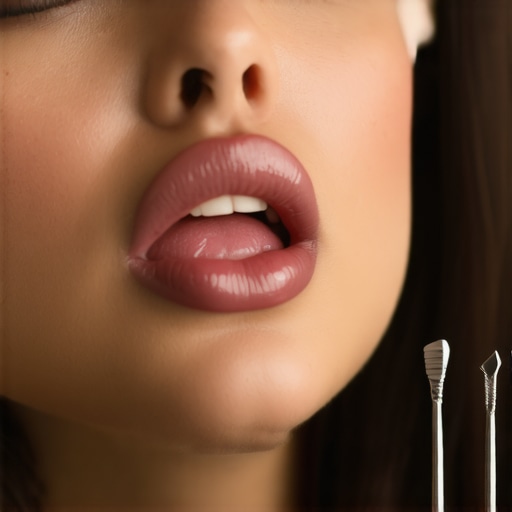
I vividly remember the day I first sat in that dental chair, bracing myself for yet another routine check-up. As the hygienist gently patted my shoulder and asked me to stick out my tongue, I thought, “Just another quick glance, nothing to worry about.” But what happened next was a lightbulb moment. She examined my tongue with a keen, almost detective-like focus, noting every detail—color, texture, movements. I wondered: why does my dentist pay so much attention to my tongue?
The Hidden Clues Your Tongue Reveals About Your Health
It turns out, that seemingly simple piece of tissue can tell a story far beyond oral hygiene. Dentists and health professionals look at the tongue to spot early signs of infections, nutritional deficiencies, and even systemic issues like diabetes or vitamin B12 deficiency. That little examination can uncover problems you might not even be aware of, making it a crucial part of your overall health check-up.
Is the Tongue Exam Really Worth the Fuss?
Certainly! Early detection is key. I made a mistake early on by neglecting to mention minor symptoms I noticed—like a persistent coated tongue or small sores. Had I shared even small concerns, my dentist could have caught underlying issues much sooner. Remember, paying attention to your tongue isn’t just about fresh breath; it’s a vital health indicator. If you’re curious about how to get the most out of your dental visits, including tongue exams, check out these essential oral health tips.
Clean Your Teeth Like a Pro
Start with a thorough brushing at least twice daily using a soft-bristled electric toothbrush. Place the brush at a 45-degree angle against your gums and gently move in circular motions. I once time-pressed through a quick brush, but I noticed a significant decrease in plaque after dedicating two minutes per session, especially around the gumline—an area often overlooked.
Focus on Missing Spots
Dividing your mouth into quadrants ensures each section gets equal attention. Use a timer or an app to keep track of your brushing time, preventing neglect of hard-to-reach areas. Remember, a neglected spot can develop into a cavity or gum disease. I made a point to spend extra seconds on the back molars during my routine and saw fewer cavities in those zones.
Master the Art of Flossing
Pull a 18-inch strand of floss, wind it around your middle fingers, and glide it gently between your teeth. Curving it into a C around each tooth cleans under the gumline. When I first tried flossing, I was too aggressive, causing minor gum bleeding. Learning to be gentle yet thorough improved my gum health in just weeks. Intriguingly, flossing dislodges food particles and plaque, preventing tartar buildup that a simple brush can’t handle.
Use the Right Floss Type
For sensitive gums, consider waxed floss for smoother gliding. For wider gaps, a dental pick or water floss can be more effective. I experimented with a water flosser, finding it particularly helpful for kids and those with braces. Which method suits your family best? Experiment until you find your perfect match.
Implement Tongue Cleaning Rituals
Use a tongue scraper or the back of your toothbrush to gently remove bacteria and debris from your tongue’s surface. This step freshens breath and reduces bacteria that cause plaque. I used to ignore my tongue, but after adding a quick scrape each morning, my breath felt fresher, and my mouth health improved visibly.
Don’t Skip Routine Inspections
Regular visits to your dentist are vital. Schedule professional cleanings and examinations every six months. These visits help catch issues early—just as I once neglected a small cavity, which later required more extensive treatment. Think of professional cleanings as a deep service for your entire oral health machine.
Incorporate Family-Friendly Practices
Educate children early on proper brushing and flossing. Make the routine fun with timers or colorful tools. To prevent cavities in little ones, limit sugary snacks and schedule their first dental visit by age one. I introduced my kids to their toothbrushes by turning it into a game, resulting in healthier habits from a young age.
Keep an Eye on Dental Crowns and Restorations
If your family has crowns or fillings, monitor their condition. Crowns can last over a decade with proper care. Regular checkups ensure they stay intact and functional. I learned that neglecting a loose crown can lead to more complicated issues; hence, prompt consultation at the family dentistry is essential.
Adopt a Holistic Oral Health Mindset
Combine daily hygiene with a balanced diet rich in calcium and vitamin D to support jawbone health. Avoid tobacco and excessive alcohol, which can undermine your efforts. During my last check, I realized that my diet directly impacted my gum health, inspiring me to prioritize nutrient-rich foods.
Stay Consistent and Vigilant
Creating and sticking to a daily routine is your best defense against dental problems. Use a checklist or habit tracker to maintain consistency. Once I committed to my daily regimen, my dental visits became easier, and my smile more confident.
Many assume that routine dental visits and basic hygiene are enough to ensure lifelong oral health, but the reality is far more nuanced. A common misconception is that once teeth look clean and healthy, no further attention is needed. However, the intricacies of family dentistry reveal hidden pitfalls and advanced mistakes that can undermine even diligent care. For example, people often believe that crowns are a quick fix, overlooking their maintenance requirements for optimal longevity. Proper crown care is crucial to prevent premature failure, yet many neglect regular checkups and hygiene practices that prolong their lifespan.
Are All Dental Cleanings Equal? The Hidden Risks of Penny-Pinching
Contrary to popular belief, not all teeth cleaning sessions deliver the same benefits. Many skip professional cleanings, thinking home brushing suffices, but research indicates that regular professional cleanings significantly reduce tartar and plaque buildup, preventing gum disease and systemic health issues. An often-overlooked nuance is that aggressive brushing at home may damage enamel and gums, particularly if done incorrectly. This is why understanding the correct techniques and frequencies is essential for effective oral hygiene. Advanced mistake alert: Overbrushing or using abrasive toothpaste can erode enamel, making teeth more sensitive and prone to decay. Consulting with your dentist about personalized cleaning routines is invaluable—don’t rely solely on DIY methods.
Why Do Family Dental Practices Sometimes Miss Critical Issues?
Many patients assume that a quick check-up catches everything, but family dental care requires a nuanced approach. For instance, crowns and restorations demand careful examination for signs of wear, cracks, or decay underneath. Missing these subtle issues can lead to restorations failing prematurely or more severe damage. An advanced mistake is neglecting bite alignment problems or bruxism, which can cause long-term wear but aren’t always visible during routine inspections. Dentists with expertise in comprehensive assessments can identify such issues early, saving you money and discomfort later on.
What About Mouthwash and Its Role in Advanced Oral Health?
Many believe mouthwash is a necessary daily ritual, but experts warn that not all mouthwashes are beneficial, especially those with alcohol or harsh chemicals. Using the wrong product can disrupt your oral microbiome, leading to dryness, irritation, or even increased plaque formation. Studies in clinical research suggest that antimicrobial rinses should be chosen carefully and used appropriately—overuse can be counterproductive. An advanced mistake is relying solely on mouthwash without addressing underlying hygiene habits, which can mask issues instead of resolving them. Effective oral health combines proper brushing, flossing, diet, and targeted use of adjuncts like mouthwash.
In essence, mastering nuanced oral care means recognizing that family dentistry isn’t just about superficial cleanliness but about understanding complex interactions, material longevity, and preventive strategies. Even seasoned individuals can fall prey to myths or overlook subtle signs that indicate deeper problems. So, stay vigilant, ask your dentist about personalized routines, and remember that small details often make the biggest difference in lifelong oral health. Have you ever fallen into this trap? Let me know in the comments.
Keep Your Dental Equipment in Top Shape
Investing in high-quality tools can make a significant difference in your routine. I personally swear by the Oral-B Genius Pro electric toothbrush because of its advanced oscillating-rotating technology, which effectively removes plaque even in hard-to-reach areas. Regularly replacing toothbrush heads—every three months—is crucial to maintain optimal cleaning performance. Additionally, a good-quality tongue scraper, like the Dental Duty Tongue Cleaner, helps in removing bacteria that cause bad breath and improve overall oral hygiene.
Embrace Smart Technology for Better Oral Care
Modern dental devices with smart features can track your brushing habits and provide personalized feedback. I use the Philips Sonicare FlexCare+ because of its app connectivity, which guides me to cover all quadrants evenly. This integration encourages consistency and ensures I don’t miss spots. Over time, such technology can enhance your family’s routines, especially if you set reminders for routine maintenance, such as flossing or replacing tools.
Scheduled Professional Maintenance: A Game Changer
Preventive visits are the backbone of long-term oral health. I schedule my family’s dental appointments every six months, aligning with the recommendations in oral health guidelines. During these visits, professional cleanings and examinations catch issues early, saving time and money. Remember, even with meticulous home care, plaque buildup and tartar can only be effectively removed through professional tools like ultrasonic scalers, which many modern practices utilize for comfort and efficiency.
Optimize Your Routine with Proven Methods
Beyond equipment, mastering specific techniques enhances results. I utilize the bass brushing method—placing the toothbrush at a 45-degree angle to gums and gently vibrating—to maximize plaque removal. Flossing with waxed floss prevents gum injury and ensures thorough cleaning. Additionally, incorporating interdental brushes, such as the TePe Interdental Brush, helps clean wider gaps that traditional floss might miss. Consistency is vital; set a reminder to brush and floss at the same times daily, fostering lifelong habits.
Future Trends in Dental Maintenance
Emerging innovations like AI-powered oral health monitors are poised to revolutionize personal dental care. Devices that analyze saliva for early signs of systemic diseases are already in development, promising a holistic approach. Staying abreast of these tools ensures your family’s oral health remains proactive rather than reactive.
How do I maintain my dental tools over time?
Proper maintenance involves regular cleaning of your toothbrush and accessories. Rinse toothbrush heads thoroughly after each use, and store them in a upright position to air dry—preventing bacterial growth. For electric toothbrushes, replace the brush head every three months or sooner if you notice wear. Using disinfecting UV sanitizers can further reduce microbial presence, as evidenced by studies in peer-reviewed research. Incorporate these practices into your routine to extend the lifespan of your tools and ensure they operate effectively for your family’s oral health.
Want to boost your maintenance game? Try setting up a quarterly tool disinfecting schedule and observe the improved cleanliness and performance. Remember, the key to sustained oral health is unwavering attention to the tools that keep your smile bright and healthy.
Lessons That Shattered My Preconceptions About Family Dentistry
One of the most eye-opening lessons I learned was that consistent communication with your dentist often uncovers hidden issues before they escalate. I once dismissed minor gum bleeding, thinking it was normal, only to discover underlying gum disease at a later stage. Realizing the importance of sharing every symptom—even minor ones—has empowered me to take proactive steps for my family’s oral health.
Another revelation was understanding that crowns aren’t just a quick fix but require ongoing care and monitoring. Neglecting this can shorten their lifespan and lead to unnecessary discomfort. Regular checkups, as I found out through personal experience, can extend the durability and appearance of restorations, saving time and money in the long run.
The third lesson involved the misconception that home routines alone are sufficient. Professional cleanings and examinations provide insights that cannot be achieved through DIY methods. My own journey taught me that investing in expert care is an essential component of a comprehensive oral health strategy.
Tools and Resources That Elevated My Dental Game
My go-to resource has been these essential oral health tips. They offer practical advice tailored for families and help maintain routines that prevent common issues like cavities and gum disease. Additionally, I trust the teeth cleaning secrets guide for effective home practices that complement professional visits.
To keep my tools in top shape, I rely on the recommended maintenance routines for toothbrushes and accessories. And for ongoing motivation, I use the smart technology of the connected dental devices, which encourage consistent habits through personalized feedback.
Your Next Step in Crafting a Smile That Lasts for a Lifetime
Remember, the journey to optimal oral health isn’t a one-time effort but a lifelong commitment. Embrace regular checkups, educate yourself about your dental restorations, and leverage trustworthy tools and resources to stay ahead of issues. Your family’s smile deserves this proactive approach, and the rewards—a healthier, more confident you—are well worth it.
Have you ever struggled with maintaining your dental routine or navigating complex restorations? Share your experiences below—I’d love to hear how you’re making your smile last a lifetime!