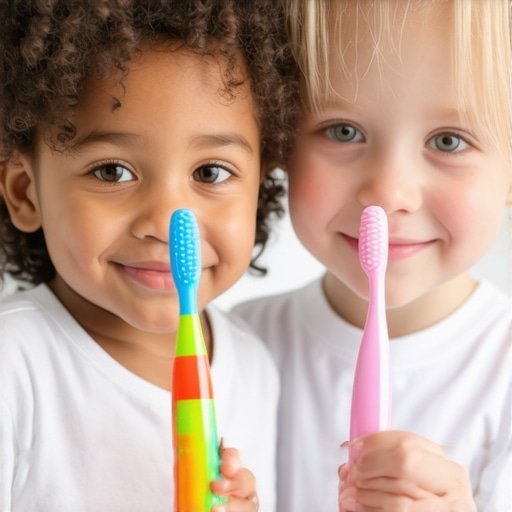
I remember the first time I opened my child’s toothbrush drawer and realized they had a collection of tiny, colorful brushes—more diverse than my own. It hit me then how much our oral hygiene routines need to differ, especially when it comes to our little ones. That realization was my lightbulb moment: kids aren’t just miniature adults; their teeth and gums have unique needs, and using the right toothbrush can make all the difference.
Why We Should Rethink Toothbrushes for Kids
For a long time, I simply grabbed my own trusty electric toothbrush and used it on my kids, assuming one size fits all. But early on, I made a mistake that taught me a crucial lesson: toothbrushes designed for adults aren’t suitable for tiny, developing mouths. Kids need toothbrushes tailored to their smaller, softer teeth and gums, and employing the wrong tools can even hinder their oral health journey.
Choosing the right toothbrush isn’t just about size; it’s about ensuring children develop proper brushing habits without discomfort or gagging. Plus, a toothbrush that’s too big or too hard can damage delicate gums or lead to less frequent brushing, as kids might dislike the sensation. I’ve seen firsthand how a kid’s enthusiasm for brushing can dwindle if their toothbrush isn’t comfortable or fun—something I didn’t realize at first.
Have you ever struggled to get your child to brush effectively? Or noticed complaints about discomfort? You’re not alone. The good news is, with a few simple swaps, you can make brushing an enjoyable part of their routine—setting them up for healthy smiles for years to come. And it all begins with understanding why a tailored toothbrush matters so much. For more tips on establishing a good oral health routine, check out this helpful guide.
Are Special Toothbrushes Really Necessary? My Biggest Mistake Early On
When I first started, I thought any toothbrush would do, so I bought a store-brand pack of adult toothbrushes for the kids. BIG mistake. Not only were they too large, but the bristles were too stiff for their sensitive gums. It wasn’t until I did a bit of research that I learned about age-appropriate brushes with softer bristles and smaller heads designed specifically for tiny mouths. That change improved not only their comfort but also the thoroughness of their brushing. Trust me, using the right toothbrush can truly transform your child’s oral health experience.
To dive deeper into how to care for your child’s developing smile, you might find this article on crowns and teeth cleaning helpful. Now, let’s explore practical steps to pick the best toothbrush for your little one, ensuring effective cleaning without fuss.
Pick the Perfect Size and Shape
Start by selecting a toothbrush with a small, rounded head designed specifically for children. Test it by gently fitting it into your child’s mouth—if it’s too big to comfortably reach all areas, continue searching. I once bought a standard-sized brush, and my daughter gagged within seconds, making the entire routine stressful. After switching to a smaller, softer brush, brushing became smoother and more effective.
Prioritize Soft Bristles for Sensitive Gums
The softer the bristles, the gentler the cleaning. Look for brushes labeled “soft” or “extra-soft.” Hard bristles can cause gum irritation and discourage brushing. I once used a stiff-bristled brush, and my son complained of bleeding gums; switching to soft bristles turned brushing from a battle into a breeze.
Choose the Right Handle for Comfort and Control
Ergonomic, non-slip handles make it easier for small hands to grip and maneuver. Consider handles with textured grips or larger, cushioned handles for better control. I found that when my daughter had trouble gripping thin handles, using a thicker one reduced frustration and improved her brushing technique.
Select Fun Designs to Encourage Routine
Kids are more willing to brush when their toothbrush features their favorite characters or bright colors. Incorporate toothbrushes with fun prints or characters to make the routine exciting. I noticed this small change increased my child’s enthusiasm, leading to more consistent brushing habits.
Incorporate Fluoride Toothpaste Tailored for Kids
Pair the toothbrush with a pea-sized amount of fluoride toothpaste formulated for children. This not only cleans effectively but also helps prevent cavities. During my early days of parenting, I overlooked this step, and after switching to kid-safe toothpaste, I saw a marked improvement in their oral health.
Teach Proper Brushing Technique
Assist your child in learning gentle circular motions, covering all surfaces—outer, inner, and chewing sides of teeth. Make sure they angle the brush at 45 degrees toward the gums. I once demonstrated this technique during a messy, laughter-filled evening, which significantly improved their brushing effectiveness over time.
Establish a Routine with Regular Replacement
Replace the toothbrush every 3-4 months or sooner if bristles are frayed. A worn brush loses its effectiveness. I remember once neglecting this, leading to less effective cleaning and leftover plaque. Regular updates keep the brushing process optimal and reinforce a habit of attention to oral hygiene.
Visit the Dentist for Guidance and Checks
Schedule regular dental check-ups to ensure your child’s toothbrush is suitable and their technique is effective. Professionals can recommend the best toothbrushes and provide personalized advice. I found that routine visits helped me fine-tune my approach, ensuring my child’s oral health stayed on track, especially during the tricky teething and early brushing phases.
 Many people assume that dental crowns and routine teeth cleaning are simple, straightforward procedures. However, even experienced patients often get the fundamentals wrong, leading to potential complications and compromised oral health. Let’s dive into some common misconceptions and advanced pitfalls that can trip up even the most diligent individuals.
Why Does Selecting the Wrong Crown Material Matter More Than You Think?
Contrary to popular belief, not all crowns are created equal. While porcelain is favored for its aesthetic appeal, recent studies indicate that zirconia crowns, with their superior strength and longevity, are often the better choice for molars subjected to heavy chewing forces.Understanding the role of crowns can help you make informed decisions tailored to your needs. Choosing a crown simply based on cost or appearance might save money upfront but could cost more long-term in repairs or replacements. Many overlook this nuance, risking crown failure and additional dental work.
Are You Mistaken About the Effectiveness of Home Teeth Cleaning?
While daily brushing and flossing are fundamental, overdoing it or using improper techniques can do more harm than good. Aggressive brushing with stiff-bristled brushes can erode gums and enamel, making teeth more sensitive and prone to decay. Moreover, some assume that high-end electric toothbrushes automatically guarantee better cleaning, but without proper technique, their benefits are wasted. Effective home practices emphasize gentle, thorough cleaning and the correct use of tools. The ‘oops’ factor here is people believing that more force equals cleaner teeth, neglecting the importance of technique and appropriate tools.
Advanced Mistakes Family Dentists Warn Against
One overlooked aspect is scheduling routine dental check-ups and cleanings. Many delay visits, thinking that occasional brushings suffice. However, professional cleanings remove tartar buildup that regular brushing can’t handle, especially in areas prone to plaque accumulation. Neglecting these visits might lead to periodontal disease or unnoticed dental decay. An important myth is that dental visits are only necessary when problems arise – in reality, prevention is more cost-effective and healthier. For comprehensive routines, see daily oral health tips. Additionally, some believe that all dental procedures are equally invasive or risky, but advancements in laser dentistry and sedation have minimized discomfort and healing times. Recognizing which treatments are appropriate and safe for your situation is key.
How Can These Nuances Impact Your Dental Future?
Understanding these hidden aspects ensures you’re not just a passive recipient of dental care but an active participant. Recognizing the difference between crown materials, employing correct brushing techniques, and prioritizing regular professional visits can significantly extend the lifespan of your dental work and improve overall oral health. Caring for crowns and maintaining routine check-ups are investments in your future smile. Don’t let common misconceptions hold you back from achieving optimal health—being informed can make all the difference. Have you ever fallen into this trap? Let me know in the comments.Maintaining your dental health over time requires more than just a daily routine; it hinges on selecting the right tools, understanding their use, and adopting maintenance practices that ensure longevity. My go-to equipment includes a high-quality electric toothbrush, such as the Sonicare DiamondClean, which I personally trust for its superior plaque removal and gentle cleaning action, especially when combined with a timer that ensures consistent brushing duration. Additionally, I recommend a water flosser like the Waterpik Ultra, which effectively reaches areas traditional flossing might miss, promoting healthier gums and preventing tartar buildup—a key factor in avoiding costly dental procedures down the line.
Equally important is routine replacement and proper cleaning of your tools. I replace my toothbrush head every three months, aligning with professional guidelines, to prevent bacteria accumulation and maintain optimal cleaning efficacy. Regularly disinfecting my electric toothbrush using isopropyl alcohol ensures that I don’t reintroduce germs into my mouth, which is an often-overlooked aspect of tool maintenance.
How do I maintain dental tools for ongoing effectiveness?
Once a week, I soak my toothbrush in a cup of hydrogen peroxide solution to eliminate residual bacteria. The water flosser’s nozzles are sterilized in boiling water or replaced every six months to keep the device functioning at its best. This disciplined approach to maintenance preserves the tools’ efficiency and supports continuous oral health benefits.
Looking ahead, this trend in personal dental management is moving toward smarter, app-connected devices that track brushing habits and provide real-time feedback. As technology evolves, integrating Bluetooth-enabled tools with your smartphone can help monitor your technique, remind you when to replace parts, and motivate better long-term habits. This integration is already making waves in the industry and promises to streamline our approach to oral care further.
For families seeking a comprehensive approach, I suggest exploring family-specific dental plans that include routine check-ups and personalized tool recommendations, ensuring each member’s oral health needs are addressed. Regular professional visits not only catch issues early but also allow your dentist to advise on the most effective tools tailored to your unique dental landscape, helping you avoid common pitfalls and maintain a radiant smile for years to come. For more insights, visit this resource on strengthening your smile daily.
Don’t underestimate the power of consistent tool upkeep. Try implementing a weekly disinfection routine with hydrogen peroxide for your toothbrush and sterilize flosser nozzles—you’ll be surprised at the difference in plaque control and gum health. Taking these small but impactful steps now guarantees that your tools remain effective, reducing the need for invasive procedures later and securing your long-term oral wellness.
What I Wish I Knew About Tiny Brushes and Big Smiles
One of the most profound insights I gained was that early dental habits are less about the tools and more about the mindset. I used to believe that any toothbrush would do, but I quickly realized that the right tools—small, soft, and fun—would set the stage for lifelong healthy habits. Recognizing this changed how I approached my child’s oral health, turning routine into an enjoyable ritual rather than a battle.
Another lesson was understanding that patience and personalized guidance make a world of difference. Instead of merely showing my child how to brush, I learned to make it a shared experience—using gentle encouragement and celebrating small victories. This approach fostered confidence and a positive attitude toward dental care, which benefits them well into adulthood.
Lastly, I discovered that routine replacement and proper maintenance extend beyond brushing tools—they symbolize respect for their developing mouths. Replacing toothbrushes regularly and keeping tools sanitized were simple steps, but they underscored the importance of ongoing care—an essential message I want my kids to carry forward.
Tools That Transformed My Approach to Kids’ Dental Care
My go-to equipment includes pediatric toothbrushes with ergonomic handles that fit little hands comfortably. I trust brands that incorporate fun characters, making brushing feel like a treat rather than a chore. Additionally, I rely on gentle, fluoride toothpaste formulated specifically for children, ensuring safety and effectiveness.
I also incorporated a water flosser designed for kids, which eases the challenge of flossing and promotes healthier gums. Regularly disinfected, these tools become partners in maintaining their oral health. For deeper insights into caring for crowns and long-term dental health, I recommend exploring tips on caring for crowns to ensure all dental interventions serve their best purpose.
Empower Your Family’s Smile Future Today
Building a nurturing environment where oral health is a priority starts with small, consistent steps. Whether it’s selecting the perfect toothbrush or establishing a routine of regular dental visits, you hold the power to shape your family’s oral wellness. Embrace these lessons, and watch your children develop not just clean teeth, but a positive attitude toward lifelong care. Your journey towards robust oral health begins now—take that first confident step today and lead by example. Discover more daily tips for a stronger smile.