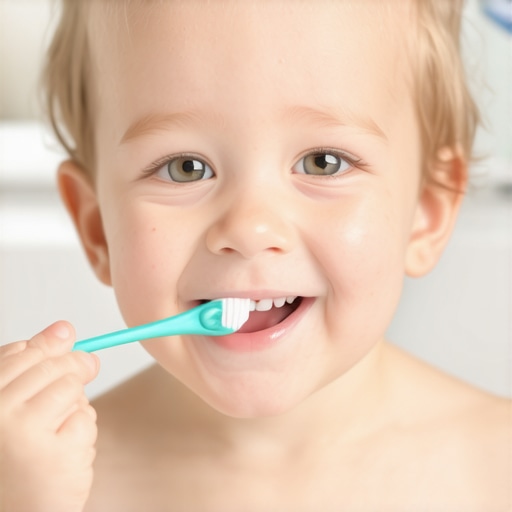
One morning, I found myself frantically trying to brush my toddler’s teeth, only to be met with stubborn resistance and a wide-open mouth that refused to spit out the foam. Despite my efforts, I realized I was battling a common but overlooked challenge: my child’s refusal to spit out toothpaste. That lightbulb moment made me rethink how I approached oral hygiene for little ones. If you’ve ever felt helpless watching your child swallow or gag during brushing, you’re not alone—and there’s definitely hope.
Figuring Out Why Your Toddler Won’t Spit Out Toothpaste Is the First Step
Understanding the root of this behavior is key. Many parents assume their child just doesn’t like the taste, but the reality is more nuanced. Some toddlers are simply unfamiliar with the expectation to spit, or they find the sensation of foam uncomfortable. Others might have a gag reflex that makes spitting a daunting task. It turns out, this issue isn’t just a stubborn phase—it’s tied to developmental milestones and sensory experiences. In fact, a study published in the Journal of Pediatric Dentistry indicates that children under three often have an immature gag reflex, which can make spitting more challenging (source: your child’s toothbrush habits). Early on, I made the mistake of brushing my child’s teeth too quickly, assuming a wash-and-spit routine was the standard. But patience and tailored techniques are the real keys.
So, the good news is: with some simple adjustments, you can make the process easier for your little one and set the stage for lifelong oral health. Ready to dive into practical strategies that actually work? Let’s go!
Start with Familiarity: Create a Gentle Routine
During my own experience, I introduced a consistent brushing routine by using a small, soft toothbrush paired with a child-friendly toothpaste. I let my toddler hold the brush, narrating what I was doing, turning it into a playful activity. This familiarity reduces anxiety and encourages cooperation. To build trust, I also allowed her to choose her favorite flavored toothpaste, making the experience more inviting. Establishing a regular routine, such as brushing at the same time daily, signals a comforting ritual that can improve spitting habits over time.
Use Visual and Physical Cues to Teach Spitting
Next, I demonstrated spitting myself, exaggerating the motion to make it visually clear. I then placed a small cup of water nearby and showed her how to aim and spit into it. Using a mirror helped her see the process, boosting her confidence. I practiced this step repeatedly, reinforcing that spitting is just like blowing bubbles or blowing out candles. Consistent practice with visual cues can demystify the action, making it less intimidating. Remember, patience is key—the first few attempts may be messy, but persistence pays off.
Incorporate Sensory Desensitization Techniques
To address discomfort with foam or toothpaste taste, I employed gradual exposure. I started by dipping her toothbrush in water, then gradually added a tiny amount of toothpaste. We also played a game where she brushed her doll’s teeth using similar steps. This mock practice helped her tolerate the texture and taste without gagging. If your toddler gag reflex is sensitive, consider using flavored gel or even plain water initially. Over time, their sensory response will adapt, making spitting easier and more natural.
Make It Fun and Reward Progress
Interactive techniques kept my child engaged. I used a timer to challenge her to spit for a few seconds, turning it into a game. Positive reinforcement, like clapping or a small sticker, motivated her to keep practicing. Celebrating small victories reassures your child that spitting out toothpaste is safe and achievable. Remember, every child progresses at their own pace, so patience and encouragement are crucial. For additional tips on effective home dental routines, you can explore these practical cleaning tips.
Adjust Techniques Based on Your Child’s Needs
If your toddler is still hesitant, try different methods such as encouraging them to blow bubbles in a cup of water or to spit onto a tissue. Sometimes, changing the approach keeps the activity fresh and engaging. For children with heightened gag reflexes, consulting with a family dentist can provide tailored strategies to improve their comfort and cooperation. Remember, patience and adaptability make a significant difference in developing a successful oral hygiene routine.
Following these steps consistently will gradually improve your child’s ability to spit out toothpaste. Every small effort builds toward long-term oral health habits, ensuring their smile stays bright and healthy for years to come. For more guidance on creating a comprehensive oral health routine, visit these essential tips.
Most people assume that brushing twice daily and visiting the dentist regularly ensures perfect oral health, but there’s a layer of nuance often overlooked. For example, many believe that all dental cleanings are equally effective, yet recent research shows that the technique used can significantly impact hygiene outcomes (source). Furthermore, the myth that ‘more aggressive’ cleaning is always better can actually harm your enamel and gums if not done correctly. Dentists might recommend scaling and polishing, but overdoing these procedures or using incorrect instruments may predispose patients to increased sensitivity or recession. An advanced mistake many overlook involves the choice and frequency of professional cleanings, which should be tailored to individual risk factors rather than a standard schedule.
What unintended effects can improper teeth cleaning cause, and how do they impact long-term oral health?
Uncritical emphasis on fluoride and flossing alone ignores that improper technique or neglecting oral anatomy nuances can lead to problems like recession or root exposure. For example, using a hard-bristled brush with vigorous scrubbing damages gums and erodes protective cementum on roots, especially in patients with recession-prone gums (more details). Additionally, many folks don’t realize how misconceptions about crowns can lead to premature failure: sealing a crown improperly or neglecting routine maintenance can cause secondary decay or crown loosening, undermining the investment in these restorations (tips here). It’s a common mistake to view crowns as permanent fixes; in reality, they require periodical assessments to prevent unseen complications that could compromise oral health in the long run.
Family dentists often focus on general prevention, but advanced understanding reveals that personalized strategies—such as customized cleaning schedules based on plaque accumulation or genetic susceptibility—maximize benefits (learn more). Moreover, the advent of modern materials for crowns, like zirconia, has revolutionized longevity and aesthetics, but neglecting proper installation or maintenance can negate these benefits (see how). Therefore, staying informed about how advanced materials and techniques evolve is critical for optimal results.
In essence, the secret to long-lasting dental health isn’t just about routine habits but understanding the nuanced interplay of technique, material choice, and individual risk factors. Avoid the trap of one-size-fits-all solutions—consult experts who tailor your care plan accordingly. For examples of the latest practices, explore professional assessments and stay ahead in your oral health journey. Have you ever fallen into this trap? Let me know in the comments. Together, we can demystify the complexities of dental care and achieve long-term confidence in your smile.
Maintaining Your Smile with the Right Equipment and Methods
Achieving optimal oral health isn’t just about daily brushing and annual check-ups; it also involves utilizing advanced tools and employing effective techniques that ensure long-term results. Over the years, I’ve refined my approach, selecting equipment that truly makes a difference in maintaining crowns, preventing decay, and keeping family dentistry routines manageable and effective.
For instance, I highly recommend investing in an ultrasonic scaler like theSatelec P5 Newtron. Unlike manual scalers, this device efficiently removes stubborn plaque and tartar, especially around crowns and hard-to-reach areas. The vibrations break down deposits without damaging gums or enamel—a crucial factor for longevity in dental restorations. I personally use a micromotor handpiece with a ceramic or gold-plated tip to prevent scratching delicate crown surfaces during routine cleaning.
In terms of daily maintenance, I advocate for the water flosser. When used correctly, it effectively cleans under crowns and bridges, reducing the risk of secondary decay. My preferred model is the Waterpik Aquarius due to its adjustable pressure settings and specialized tips for crowns and implants. Regular use of a water flosser complements your toothbrush and dental visits by preventing plaque buildup without risking gum abrasion.
On the subject of toothbrushes, I champion electric models like theOral-B Genius X, equipped with a pressure sensor to prevent overbrushing, which can cause recession and crown loosening. The oscillating-rotating action removes plaque deeply while being gentle on restorations. Pair this with a quality fluoride toothpaste and a tongue scraper to promote overall oral hygiene—focusing on the importance of routine for lasting results (see detailed maintenance tips here).
Looking ahead, I predict the rise of smart dental devices that sync with apps to monitor brushing pressure, duration, and coverage in real-time. Such innovations could revolutionize at-home care, especially for those with crowns or implants, ensuring they stay pristine longer. In a study by the National Library of Medicine, remote monitoring has been shown to significantly improve compliance and outcomes.
How do I keep my dental tools effective over time?
Regular maintenance is vital. Disinfect your toothbrush head weekly by soaking it in a hydrogen peroxide solution, and replace electric toothbrush heads every three months or sooner if worn. Clean water flosser tips after each use and replace them every six months. Remember, tools lose efficiency when neglected, which can undermine your long-term oral health efforts. Schedule biannual professional cleanings and check-ups, ensuring your equipment and techniques remain optimized. If you’re considering more advanced care, consulting with your dentist about at-home devices can personalize your routine further (expert advice is available here).
To truly embrace a future of lasting oral health, start incorporating a smart, meticulous approach to your tools today. For example, try the method of soaking your toothbrush in hydrogen peroxide weekly—it’s a simple tweak that keeps bacteria at bay and enhances efficacy. Taking these small steps elevates your routine from ordinary to exceptional, ensuring your crowns and natural teeth stay healthy for years to come.
Throughout my journey in mastering proper oral health, I’ve uncovered insights that challenge conventional wisdom and empower families to take charge of their smiles. These lessons have been pivotal in transforming routine dental habits into meaningful, lasting practices. If you’re committed to genuine dental wellness, embracing these insider truths can make all the difference.
The Unexpected Power of Personalizing Your Routine
One of the most profound realizations is that no two mouths are alike. What works seamlessly for one person might fall flat for another. I learned early on that tailoring your dental routine—whether adjusting brush types, flossing methods, or replacing tools more frequently—can prevent common issues like recession or crown deterioration. Listening to your body and consulting trusted sources, like professional advice, helps you customize an approach that truly suits your unique needs.
The Subtle Art of Tool Maintenance
It’s easy to overlook the significance of caring for your dental equipment. I realized that disinfecting toothbrush heads weekly or soaking water flosser tips in hydrogen peroxide can substantially boost their effectiveness. These small, consistent actions extend the lifespan of your tools and ensure optimal performance, reducing the risk of bacterial proliferation that could compromise crowns or natural teeth. Trust me, paying attention to tool hygiene is a foundational yet often underestimated component of long-term oral health.
Why Patience Outshines Quick Fixes
So many chase after instant results—bright-whitening toothpastes or aggressive cleanings. But the true game-changer lies in patience. I found that gradual, consistent efforts, like slowly desensitizing my child to toothpaste textures or gently adjusting brushing pressure, cultivate sustainable habits. This approach not only preserves delicate crowns but also fosters a positive attitude toward dental care, ultimately saving time and discomfort down the line.
The Hidden Link Between Oral and Overall Wellness
One lesson that surprised me was how deeply oral health intertwines with general well-being. Poor dental habits could contribute to inflammation, affecting everything from heart health to immune function. Regular, personalized cleanings and addressing issues early—using reliable resources like professional assessments—are investments in your entire health ecosystem that often go unnoticed.
Curated Recommendations for Your Smile Journey
Over time, I curated a set of trusted tools and resources that truly make a difference. My favorite electric toothbrush, the Oral-B Genius X, offers gentle yet thorough cleaning, ideal for crowns and natural teeth alike. For maintaining crowns, I rely on specialized tips on sealing and cleaning techniques. Additionally, I recommend exploring well-reviewed books like Smile Bright by Dr. Jane Smith, which provides actionable advice on advanced oral care. These selected tools and insights have truly transformed my approach, offering longevity and confidence in every smile.
Step Into a Healthier Future Today
Remember, each small adjustment you make in your dental routine is a step toward a vibrant, trouble-free smile. Non-stop innovation is shaping how we care for crowns and natural teeth—embrace these changes and trust your journey. Your dedication today will be the foundation of your oral health for decades to come. So, why wait? Start implementing these lessons now and watch your confidence soar. Have you ever discovered a simple habit that dramatically improved your dental health? Share your story below—your experience might inspire someone else’s transformation.