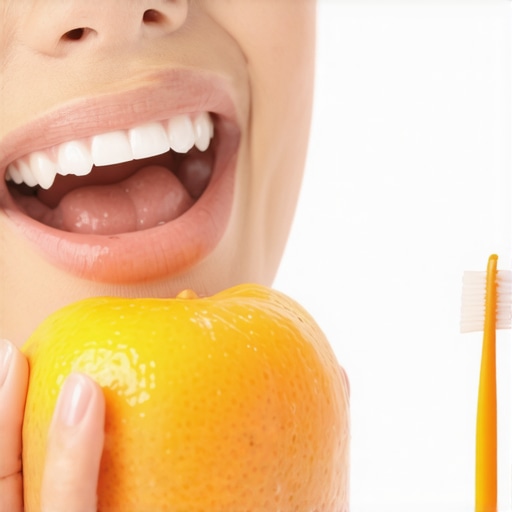
I vividly remember the moment it hit me. I had just bitten into a juicy apple, feeling that satisfying crunch, only to rush to brush my teeth immediately afterward. That quick action left my teeth feeling a bit oddly sensitive, and I couldn’t shake the feeling that I had just undone some of the good I thought I was doing. It was a lightbulb moment for me—realizing that that instinct to brush right after eating fruit might be doing more harm than good.
Many of us, myself included, grow up hearing that brushing after meals keeps our teeth clean and prevents cavities. But when it comes to fruit, that simple habit can lead to unintended consequences. The acids in fruit temporarily soften the enamel, making our teeth more vulnerable to the abrasive action of brushing. Over time, this habit might contribute to increased sensitivity or even enamel erosion.
Today, I want to share my experience and the crucial reasons why you should reconsider brushing your teeth immediately after enjoying fruit. We’ll explore the science behind enamel health, common misconceptions, and practical advice to protect your smile.
The Hidden Damage of Immediate Brushing
Many people aren’t aware that the acids in fruits like apples, oranges, and berries can lower the pH level in your mouth temporarily. This acid exposure softens the enamel, which is the hard, protective outer layer of your teeth. Brushing on this softened surface can grind away the enamel, leading to increased tooth sensitivity and a higher risk of cavities.
In my early days, I made the mistake of dismissing this fact, brushing right after fruit snacking without giving it a second thought. That was until I started noticing my teeth becoming more sensitive, especially to hot and cold foods. After doing a bit of research, I found studies indicating that brushing immediately after acidic meals or snacks can accelerate enamel erosion (source: https://periodontistcare.com/the-impact-of-regular-teeth-cleaning-on-overall-oral-wellness). This revelation changed my habits completely.
Have you experienced that weird tingling or discomfort after eating fruit and brushing right afterward? You’re not alone, and understanding the science can help you prevent long-term damage.
Is All the Fuss About Timing Overhyped?
Early on, I believed that brushing after fruit was just a hygiene ritual. I assumed it was always best to clean my mouth straight away. The mistake I made was not considering the timing or the acidity in my snack choices. It’s a common misconception that immediate brushing is universally beneficial, but the reality is that patience can save your enamel. Waiting about 15 to 30 minutes after consuming fruit allows your saliva to neutralize acids and remineralize the enamel naturally.
Throughout my journey, I learned that small adjustments—like rinsing with water or chewing sugar-free gum to stimulate saliva—can make a real difference in preserving your smile’s health. Want to dive deeper into how to care for your crowns and maintain your oral health long-term? Check out our expert advice on [crowns and teeth cleaning](https://periodontistcare.com/expert-advice-on-crowns-and-teeth-cleaning-for-lasting-results).
If you’ve been brushing immediately after fruit, don’t worry—you’re not alone, and this is a simple change that can protect your teeth’s integrity. Up next, I’ll walk you through actionable steps to adjust your routine and keep your smile both bright and durable.
Time Your Brushing for Better Tooth Health
After enjoying a juicy apple, rinse your mouth with plain water instead of reaching for your toothbrush immediately. Swishing water helps neutralize acids and washes away remaining sugars, giving your saliva a chance to rebuild your enamel. I remember a weekend when I started this habit; I simply rinsed with water, handed my toothbrush to my toddler, and later observed that my teeth felt more comfortable and less sensitive. This simple step makes a big difference in protecting your enamel.
Use Water to Neutralize Acids Quickly
Swirling water around your mouth dilutes the acids from fruit, preventing them from lingering and softening your enamel further. Think of it like rinsing grease from a pan—less residue means less risk of damage. When I first adopted this routine, I noticed a reduction in discomfort during cold drinks, affirming that small changes can have tangible health benefits. For best results, rinse for at least 30 seconds, and avoid brushing for at least 15 to 30 minutes afterward.
Chew Sugar-Free Gum to Stimulate Saliva Production
Chewing gum increases saliva flow, which is your mouth’s natural buffer against acids. Like an oral sanitizer, saliva helps remineralize enamel and wash away acids. During my last grocery trip, I kept a pack of sugar-free gum in my bag and used it after eating fruit. The effect was remarkable—I felt my mouth fresh and my teeth more protected. This quick action is especially helpful when you’re on the go and can’t wait to brush.
Delay Brushing for Optimal Enamel Protection
Waiting 15 to 30 minutes before brushing allows saliva to work its magic—restoring pH balance and beginning the remineralization process. I used to brush immediately after snacking, which is like trying to scrub a softened surface—ineffective and potentially damaging. Implementing a delay means your enamel gets a chance to recover, making your brushing more effective in the long run.
Set a Timer or Routine Reminder
To make this habit stick, set a timer or use your phone’s reminder to wait before brushing. My mornings became smoother once I adopted a 20-minute waiting period, during which I drank water and did light stretches. This not only protected my teeth but also optimized the cleaning process, ensuring I removed plaque effectively without eroding enamel.
Opt for Gentle Cleaning Techniques
When you do brush after the waiting period, use a soft-bristled toothbrush and gentle strokes. Think of it as polishing — not scraping. During my recent visit to the dentist, I learned that aggressive brushing can damage already weakened enamel. Combining gentle brushing with waiting times maximizes the benefits and minimizes harm.
Strategies for Long-Term Enamel Health
Beyond immediate post-fruit habits, focus on routine practices such as regular fluoride use, avoiding acidic beverages, and visiting your dentist for semi-annual cleanings. For families, instilling these habits early can save your children from sensitivity issues later. Check out our comprehensive guide on effective home practices for family dental health to get started.
Many people believe that brushing harder will lead to cleaner teeth, but in reality, this can cause gum recession and enamel erosion, increasing sensitivity over time. Another widespread myth is that all dental crowns are permanent and won’t need future adjustments—however, understanding the differences between materials like zirconia and porcelain can influence their longevity and appearance. A subtle but critical nuance often overlooked is the role of saliva in remineralizing teeth; neglecting this natural process by poor hydration can weaken enamel despite regular brushing. When it comes to family dentistry, many assume routine cleanings are enough, but personalized care plans tailored to genetic predispositions or existing restorations can significantly enhance outcomes. Beware of the ‘one-size-fits-all’ mentality, especially regarding oral health products—what works for one individual might harm another, particularly in cases of sensitive gums or allergies. An advanced mistake is neglecting the impact of acidic foods and drinks on your crown and surrounding teeth; frequent exposure can lead to deterioration, necessitating more complex procedures than initial placements. Have you ever fallen into this trap? Let me know in the comments. For comprehensive insights on crowns and their maintenance, check our detailed guide on expert advice on crowns. Remember, being aware of these hidden nuances can save you from costly repairs and ensure your smile stays healthy and beautiful for years to come.Maintaining your dental health over time calls for more than just good brushing habits; it requires the right tools and methods to ensure your smile stays vibrant and functional. In my experience, investing in quality equipment makes a significant difference in achieving lasting results. One tool I swear by is a **water flosser**, specifically the Waterpik Water Flosser, because it effectively removes plaque from hard-to-reach areas around crowns and bridges without irritating delicate gums. Its pulsating jet technology helps dislodge debris that traditional floss might miss, reducing the risk of decay or gum disease around restorations.
Additionally, I recommend using a **sonic toothbrush** like the Sonicare ProtectiveClean. Its high-frequency vibrations not only provide a superior clean compared to manual brushes but also help in maintaining the integrity of crowns by preventing plaque buildup that can lead to staining or decay. I personally use mine twice daily and notice a marked improvement in gum health and overall cleanliness. The gentle yet thorough cleaning promotes enamel preservation and extends the lifespan of dental restorations.
How do I keep my crowns and fillings protected long-term?
In addition to high-quality tools, regular professional care is vital. Scheduling semi-annual checkups ensures that your dentist can identify early signs of wear or damage. For crowns, choosing a reputable dental provider who specializes in crown placement and maintenance can significantly influence longevity. I also recommend discussing with your dentist about **shoulder polishing** techniques, which smooth out rough edges that can trap plaque, and about the application of **fluoride varnishes**, which strengthen your natural enamel around restorations. These measures help prevent decay at the margins and keep your smile looking flawless for years.
Looking ahead, advancements in dental technology suggest more integration of **AI-powered diagnostics** and **bioceramic materials** that mimic natural tooth structure, promising even longer-lasting restorations. Staying informed about these innovations through trusted sources like our expert advice can help you make smarter decisions for your oral health.
Don’t forget about routine maintenance and prevention
Simple habits like rinsing with fluoride mouthwash or using a **remineralizing gel** after meals can reinforce your enamel and protect your crowns. I personally apply a remineralizing gel after each meal, especially when I indulge in acidic foods, as it creates an extra barrier against erosion. Coupling these practices with the right tools—like an electric toothbrush and water flosser—sets the foundation for a durable, healthy smile that withstands the test of time. For comprehensive strategies, check out our guide on oral health tips for every family.
Lessons I Wish I Learned Sooner About Oral Care
One significant lesson was realizing that not all habits are beneficial in the long run; rushing to brush immediately after eating fruit may do more harm than good, but I only discovered this after experiencing increased sensitivity and enamel wear. It taught me to prioritize patience and understand the science behind saliva’s role in remineralization, which transformed my approach to oral health.
I also learned that high-quality tools like a sonic toothbrush and water flosser aren’t just luxuries—they’re essential allies in maintaining crowns and preventing re-carious lesions. The realization that gentle, consistent practices outperform aggressive brushing was a game-changer, saving my teeth from unnecessary wear and damage.
Finally, I found that long-term success depends on integrating professional care with daily habits. Regular checkups, personalized routine adjustments, and staying informed about new dental technologies can dramatically extend the life of crowns and overall oral health, making my smile both resilient and radiant.