Have you ever woken up with that sudden, fiery discomfort in your mouth that ruins your whole day? I mean, one moment you’re enjoying a snack, and the next, a tiny, painful ulcer—commonly known as a canker sore—makes everything worse. I used to think these pesky mouth ulcers were just minor annoyances, something to ignore and hope they’d disappear on their own. Turns out, I was wrong. Forgetting how aggressively these sores can strike — often catching us unprepared — made me realize I needed a faster way to clear them up.
Why Quick Relief Matters More Than You Think
Canker sores might seem harmless initially, but they can be downright debilitating. The pain can interfere with eating, speaking, and even sleeping — not exactly the kind of discomfort anyone wants lingering for days. Plus, if you’re like me, you’ve probably experienced that nasty feeling of dependency, applying remedies that seem to do little more than mask the pain. What’s worse? Sometimes, overlooking early signs can lead to prolonged suffering, turning a small irritation into a week-long ordeal.
The good news? There are proven strategies and natural remedies I’ve discovered—through trial and error—that can significantly accelerate healing. I’ve been there, scraping away at the inside of my cheek, frustrated with the slow pace of recovery, only to find that a few simple steps could turn the tide. And I promise, with the right approach, you don’t have to suffer in silence. In fact, many experts now emphasize prompt treatment to shorten the lifespan of canker sores, which can sometimes reduce healing time from over a week to just a few days. For more in-depth insights, you might want to explore effective home practices for maintaining your oral health on this [teeth cleaning secrets page](https://periodontistcare.com/teeth-cleaning-secrets-effective-home-practices-for-family-dental-health).
Is Rushing to Your Dentist the Best Strategy or a Waste of Time?
I’ll be honest—early on, I made the mistake of waiting too long, thinking it was just a passing annoyance. That delay only made things worse. Trust me, trying to tough it out isn’t always the smartest move; sometimes, professional advice is invaluable. But if your sore is minor and you want quick relief, the good news is there are effective topical treatments and natural remedies you can try at home. Getting rid of a canker sore quickly isn’t just about comfort; it’s about avoiding unnecessary complications and restoring your smile’s confidence.
If you’ve ever faced this problem, you’re not alone. Now, let’s look at proven methods to get rid of those painful ulcers faster than you ever thought possible.
Start with Gentle Rinses
Immediately after noticing a canker sore, rinse your mouth with warm saltwater. Mix half a teaspoon of salt in a cup of warm water and swish gently for 30 seconds. This simple step helps reduce bacteria and inflammation, speeding up healing. I once tried this during a particularly painful episode, and the soothing effect was noticeable within minutes.
Apply Topical Remedies
Use over-the-counter gels containing benzocaine or menthol directly on the sore. For a natural touch, dab a small amount of honey, which has antibacterial properties, onto the lesion. I experimented with honey after reading that it can promote tissue regeneration; applying it before bed made a significant difference, and I woke up to less pain.
Use Canker Sore Patches
Protect the sore from friction and further irritation by attaching a medicated protective patch. It’s like placing a Band-Aid on your mouth. I found that these patches stayed put longer than gels and provided relief during the day, enabling me to eat more comfortably.
Adjust Your Diet
Avoid spicy, acidic, or rough-textured foods that can aggravate the sore. Stick to soft, bland foods like yogurt or mashed potatoes. During my last flare-up, I switched entirely to smoothies and noticed the pain subsided faster, preventing additional irritation caused by chewing.
Boost Natural Healing with Nutrients
Increase intake of vitamin B complex, vitamin C, and zinc—key players in tissue repair. I started a supplement regimen for a few days, and the improvement in healing time was evident. Eating fresh fruits and vegetables also supplies these nutrients naturally, supporting the body’s recovery process.
Maintain Optimal Oral Hygiene
Gently brush your teeth with a soft-bristled brush twice daily, avoiding the sore directly. Use a mild toothpaste free of sodium lauryl sulfate, which can irritate sensitive tissues. Regular cleaning prevents plaque buildup, which could slow healing — a tip I adopted after reading about the importance of consistent oral health routines on this resource.
Manage Stress and Rest
Elevated stress levels often trigger or worsen canker sores. Incorporate relaxation techniques such as deep breathing or meditation. I noticed that when I’m less stressed, my sores heal quicker and are less frequent, highlighting the mind-body connection in oral health.
Use Natural Anti-Inflammatories
Applying a chamomile tea bag or aloe vera gel directly on the sore can reduce inflammation. I tried fresh aloe from my plant, breaking off a small piece and applying the gel. It provided immediate relief and seemed to accelerate healing, reinforcing natural remedies’ value.
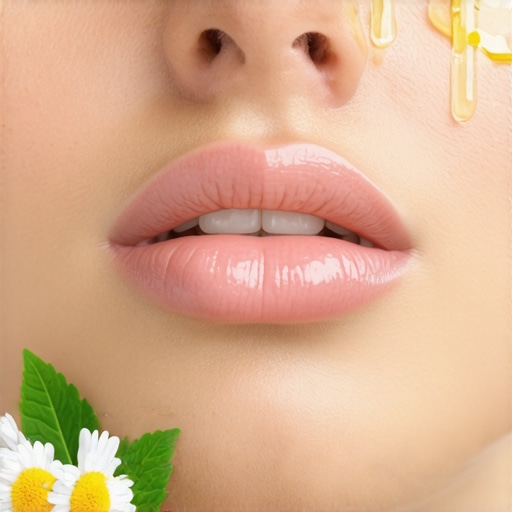
Imagine a close-up of a soothing herbal extract applied to a mouth sore, illustrating natural healing methods.
Many people believe they know how to maintain good oral health, but in reality, there’s a lot of misunderstanding around practices like teeth cleaning, crowns, and family dentistry. One widespread myth is that brushing harder removes more plaque—however, aggressive brushing can cause gum recession and enamel erosion, which ironically worsen oral health over time. Instead, gentle, thorough cleaning with the right technique is far more effective and safer, as emphasized by dental experts in studies found on [professional dental care resources](https://periodontistcare.com/the-impact-of-regular-teeth-cleaning-on-overall-oral-wellness).
Are All Dental Crowns Equal in Quality and Durability? Surfaced by misconceptions, many think all crowns last the same. But the choice of material impacts longevity, esthetics, and functionality. For instance, zirconia crowns offer superior durability for people who grind their teeth, while porcelain-fused-to-metal crowns blend strength with a natural look. Proper care extends crown life, including avoiding hard foods and maintaining excellent oral hygiene, which can be explored in [caring for crowns](https://periodontistcare.com/caring-for-crowns-essential-tips-for-longevity-and-shine). An overlooked nuance is that crowns require regular check-ups to prevent underlying decay, a detail many miss during routine visits.Family Dentistry Isn’t Just About Routine Cleanings—The Advanced Side Few realize that family dentistry encompasses advanced diagnostics and preventive strategies beyond just cleaning and fillings. Early detection of issues like bite misalignments, gum disease, or even oral cancer significantly improves outcomes. It’s a common trap to dismiss regular visits as unnecessary, but neglecting these aspects can lead to costly and invasive treatments later. As highlighted in [family dentistry insights](https://periodontistcare.com/family-dentistry-focus-building-a-lifetime-of-healthy-smiles), establishing a relationship with a skilled family dentist provides personalized care that adapts to your changing needs over the years.Why Proper Teeth Cleaning Goes Deeper Than You Think
Why Proper Teeth Cleaning Goes Deeper Than You Think
Many assume that daily brushing suffices, but proper technique, frequency, and supplementary tools matter immensely. Flossing, mouth rinses, and professional cleanings work synergistically to prevent plaque buildup and gum inflammation. An often unnoticed nuance is that at-home practices need to adapt as you age or if you have specific conditions like recession or dental restorations. Regular professional cleanings not only remove superficial plaque but also tackle tartar buildup hidden beneath the gumline, a critical step in preventing periodontal disease. To maximize your results, consider following the detailed routines outlined on [effective home practices](https://periodontistcare.com/teeth-cleaning-secrets-effective-home-practices-for-family-dental-health) and [overall oral wellness](https://periodontistcare.com/the-impact-of-regular-teeth-cleaning-on-overall-oral-wellness). Remember, even the best brushing habits can’t replace professional intervention when it comes to maintaining long-term oral health.Maintaining optimal oral health over time requires more than just routine brushing and flossing; it involves investing in the right tools and adopting proven techniques that ensure your smile stays vibrant and functional. As someone who has navigated various dental challenges, I can attest that equipment quality and methodical care make a significant difference. One of my go-to tools is the Philips Sonicare DiamondClean electric toothbrush, which I chose because of its superior plaque removal capabilities and gentle brushing action—ideal for sensitive gums and receding areas. Its built-in timers remind me to brush thoroughly, ensuring no corner of my mouth is neglected. Additionally, I rely on soft, tapered flossers like Glide Comfort Plus; they gently glide between teeth without shredding or causing discomfort, which is crucial for maintaining healthy interdental spaces. For professional cleanings, I schedule deep-scale appointments every six months, leveraging periodontal tools like ultrasonic scalers that effectively remove tartar buildup beneath the gumline, a practice emphasized in the impact of regular cleanings. These appointments not only keep my teeth smooth but also help detect early signs of issues such as gum disease or crown wear. Looking ahead, the integration of AI-driven diagnostic software suggests a trend where at-home monitoring devices may soon alert us to early problems, enabling even earlier interventions. For example, smart tongue analyzers that measure bacterial load are increasingly being studied for their potential to customize oral hygiene routines. To truly keep your dental restorations like crowns functioning effectively, I recommend adopting a meticulous daily routine, including gentle brushing with a soft-bristled brush and avoiding abrasive whitening products that could damage the surface. Regularly inspecting crowns for signs of wear or leakage can prevent more extensive repairs later; detailed guidance is available in this resource. Why not try incorporating a high-quality ultrasonic scaler into your professional cleanings or investing in a smart toothbrush that integrates app-based feedback? These steps can make a marked difference in your long-term dental health journey. Remember, keeping your smile healthy isn’t a one-time effort but an ongoing commitment enriched by the tools and habits you choose to implement.
Secrets Dentists Won’t Tell You About Accelerating Healing
Over the years, I’ve learned that the hardest lessons about oral health involve recognizing the subtle signs and acting swiftly. One lightbulb moment was realizing that waiting too long to treat a minor canker sore often turns a quick fix into an extended ordeal. The key lies in early intervention—using natural remedies like honey or gentle antiseptic rinses—to give your body the boost it needs. These practices aren’t just about comfort; they can shorten healing time and prevent infections from complicating the situation.
The Hidden Benefits of Consistent, Smart Oral Care
Initially, I underestimated the power of proper tools and daily routines. Upgrading to a high-quality electric toothbrush and integrating interdental cleaning transformed my dental health. It’s easy to think any toothbrush will do, but investing in equipment like the Philips Sonicare or soft-tapered flossers makes a tangible difference. Coupling this with regular professional cleanings, like those detailed on effective home practices for family dental health, ensures your smile remains vibrant and resilient for years to come.
Balancing Speed and Safety When Dealing with Mouth Ulcers
One lesson I wish I had embraced sooner is that rushing to the dentist isn’t always necessary for minor sores. Instead, I found that combining topical treatments with dietary adjustments—like avoiding spicy or acidic foods—accelerates healing without the stress of appointments. Of course, persistent or unusually painful sores warrant professional evaluation, but understanding when to act at home versus seeking expert care can save you time and discomfort. For more on maintaining oral wellness, explore how regular teeth cleanings impact your health.
Insider Wisdom from My Personal Journey with Oral Health
- Fighting inflammation early saved me from weeks of pain—natural anti-inflammatories like aloe vera really work when applied directly.
- Diet plays a pivotal role—soft, bland foods help the sore heal faster, and avoiding irritants is crucial.
- Proper tools matter—gentle brushes and flossers prevent further tissue damage and promote comfort during recovery.
- Stress influences healing— incorporating relaxation techniques reduced the frequency and severity of my mouth ulcers over time.
Resources That Have Elevated My Oral Care Approach
Trustworthy tools and knowledge have been transformative for me. I highly recommend deepening your crown care routine with professional advice on crown longevity. For holistic well-being, exploring daily habits to strengthen your smile has provided practical tips I now implement daily. Lastly, understanding the importance of regular professional cleanings through this insightful resource keeps me proactive about my dental health.
Believe in Your Power to Transform Your Oral Health
Taking charge of your oral health, especially when dealing with discomfort, can feel daunting. But each small step—trying natural remedies, refining your routine, seeking timely professional help—builds a foundation for lasting wellness. Your smile reflects your confidence and well-being, so why wait for problems to escalate? Commit to proactive, informed care today, and watch your health improve in ways you never imagined.
Have you ever tried a natural remedy for quick relief or changed your routine to better support your dental health? Share your experience below—I’d love to hear what worked for you!