It was exactly 8:37 PM on a Friday—I remember because we were just settling in for pizza and a movie—when my fifteen-year-old let out a yelp that made my heart drop. He wasn’t choking; he was clutching his cheek like he’d been stung by a hornet. I grabbed my phone, flipped on the flashlight, and saw it: a rogue archwire had slipped from the back molar bracket and was digging into his soft tissue. I’ll admit it, my first thought was to run to the garage for my heavy-duty needle-nose pliers. Terrible idea. I nearly slipped and scratched his enamel, which would have been a way more expensive problem than a loose wire. It was a classic ‘over-eager dad’ mistake that I still cringe about years later. We’ve always tried to maintain a solid focus on building a lifetime of healthy smiles in this house, but in that moment, I felt like I was failing the basic Orthodontics 101 test. Today, I’m going to save you from my garage-tool blunders. We’re going to walk through exactly how to handle that loose wire without a panicked trip to the emergency dentist or, heaven forbid, causing more damage to those expensive brackets.
Stop the Stabbing Before the Meltdown Begins
Dealing with a poking wire is a lot like the sudden panic you feel when a dental crown falls out while you are eating; it feels like a massive emergency because the discomfort is so immediate and sharp. But here is the secret: most of the time, the wire hasn’t actually broken. It has just slid around the arch. This happens because teeth are moving, and sometimes that movement creates a little ‘extra’ wire at the end of the line. I once thought my son was being dramatic until I felt the wire myself—it’s like having a tiny fishing hook embedded in your cheek. Even if you are diligent about the proper way to brush your teeth if you have braces, these mechanical shifts are just part of the process. According to the American Association of Orthodontists, these minor irritations are the number one reason for after-hours calls, yet they are almost always manageable with a few simple household items. Have you ever been stuck in an ‘ortho-emergency’ at the worst possible time? I’d love to hear your horror stories in the comments below!
Is a quick DIY fix actually worth the hype?
You might be skeptical. I certainly was. I worried that if I touched anything, I’d ruin the massive investment sitting in my kid’s mouth. But the reality is that leaving a wire to lacerate the inside of a cheek for 48 hours is far worse. It leads to sores, potential infections, and a very grumpy teenager who refuses to eat. I definitely learned the hard way that you should never use superglue to fix a broken dental bridge or anything else in the mouth, and the same rule applies to braces—we want to manage the wire, not weld it. By using a few safe techniques, we can provide instant relief without making the orthodontist’s job harder on Monday morning. Let’s look at the safe way to tuck, snip, or wax that wire into submission.
Set Up Your Work Station Like a Pro
Before you even think about putting your hands in your child’s mouth, you need to treat this like a mini-medical procedure. You wouldn’t try to fix a leaky faucet in the dark, so don’t try to navigate the tight corridors of a teenager’s mouth without proper lighting. Grab a high-powered flashlight and a small makeup mirror. You want to see exactly where that wire is exiting the bracket. This isn’t just about comfort; it’s about following the best oral health tips every family should follow in 2025 to ensure safety. First, have them wash their mouth with warm salt water to clear any debris. If they’ve been poking at it with their tongue, the area is likely already irritated. Think of the wire like a stray guitar string—it’s thin, sharp, and resilient, and you need a steady hand to guide it back to its ‘fret.’
Nudge the Wire Back with a Pencil Eraser
This is my favorite ‘dad-hack’ that actually works. If the wire has just slid out of the back bracket, you can often push it back into a comfortable position using the eraser end of a standard pencil. The rubber provides enough grip to move the metal without the risk of scratching the enamel or the gums. I remember the time I tried to help my daughter with a rogue wire while we were camping. I didn’t have a mirror, so I was using the reflection in a car window. It was a mess until I found a stray pencil in the junk drawer. That little bit of rubber allowed me to gently blunt the end of the wire back toward the tooth. It’s a much more controlled movement than using your fingers, which are often too bulky for the job. This helps maintain a consistent oral health routine by preventing the mouth from becoming too sore to brush normally.
Bone-Dry the Area Before Using Wax
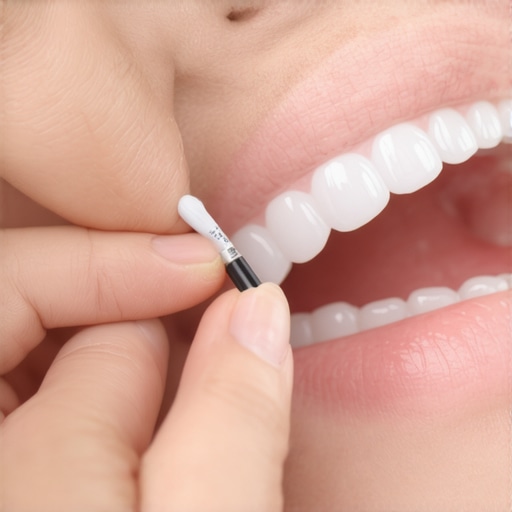
The biggest mistake people make with orthodontic wax is trying to apply it to a wet surface. It just won’t stick. It’s like trying to put a Band-Aid on a wet arm in the middle of a swimming pool. Use a clean paper towel or a cotton swab to dry the offending wire and the surrounding bracket completely. Once it’s bone-dry, roll a pea-sized amount of wax between your fingers to warm it up. Press it firmly over the sharp end. This creates a smooth buffer that feels like a soft cushion against the cheek. Knowing these small tricks is the best way to stop a minor toothache from becoming a major emergency. If the wire is poking because of trapped debris, make sure you use the safest way to remove food stuck between your teeth before sealing it with wax, so you don’t trap bacteria against the gum line.
Clip the Excess Only if Tucking Fails
If the wire is truly long—meaning it has shifted significantly and can’t be tucked back or covered—you might need to snip it. Only do this if the orthodontist’s office is closed for the weekend. Use a pair of sharp nail clippers or small wire cutters, and most importantly, sanitize them with rubbing alcohol first. Have your child hold a piece of folded tissue or a paper towel behind the wire to catch the ‘clippings.’ You do NOT want them swallowing a tiny shard of orthodontic steel. When I had to do this for my son, my hands were shaking like I was defusing a bomb, but once that sharp tip was gone, the relief on his face was instant. It turned a night of misery back into a normal family evening.
While managing a poking wire at home is a great temporary fix, it highlights a much bigger reality in family dentistry: what you do in the quiet moments between appointments dictates whether you’ll need a major repair later. I used to think that once a tooth was crowned, it was basically shielded like a knight in armor. I was wrong. A crown doesn’t mean the tooth is invincible; in fact, the margin where the porcelain meets your gum is actually more vulnerable to plaque than natural enamel. If you aren’t prioritizing expert advice on crowns and teeth cleaning for lasting results, you’re essentially leaving the back door of your castle wide open.
Why does your crown feel sensitive years after placement?
It’s a question I hear all the time from parents who finally got their own dental work sorted. You’d think after five years, a crown would be ‘settled.’ However, why your crown might feel sensitive to cold even years after placement often points to a ‘micro-leak’—a tiny gap where the cement has started to wash away. According to a study published in the Journal of Dentistry, the degradation of luting cements is a primary cause of secondary caries under restorations. If you’re wondering how to tell if your dental crown has a small leak, look for a sharp zing when you drink cold water. This isn’t just an annoyance; it’s a warning sign that bacteria are sneaking underneath the porcelain. Ignoring this is the fastest way to turn a simple crown into a root canal emergency.
Don’t fall for the ‘natural’ abrasive trap
Here is the contrarian truth: many ‘natural’ oral health trends are actually doing more harm than good. I’ve seen a massive surge in people using charcoal-based powders, thinking they are being healthier for their families. In reality, the truth about the charcoal whitening trend is that it’s often too abrasive. It’s like using sandpaper on your bathroom vanity; sure, it removes the stain, but it also takes the finish off. Once your enamel is gone, it’s gone forever. Instead of scouring, I always recommend looking at why ultrasonic cleaning is faster and more comfortable than hand scaling during your professional visits. It uses high-frequency vibrations to shatter plaque without the ‘scrape’ that makes so many people cringe. 
The real reason cleanings matter for your heart
Most people view a professional cleaning as a beauty treatment for their smile. That is a dangerous mistake. There is a profound connection between your heart health and your last dental cleaning. Chronic inflammation in the gums allows oral bacteria to enter the bloodstream, which has been linked to endocarditis and other cardiovascular issues. If your gums bleed even a little, it’s a sign of an active infection. Have you ever fallen into the trap of thinking a little blood in the sink is ‘normal’ as long as it doesn’t hurt? Let me know in the comments, because that’s the number one myth that keeps people from seeking the care they need.
Upgrade Your Toolkit with These Non-Negotiables
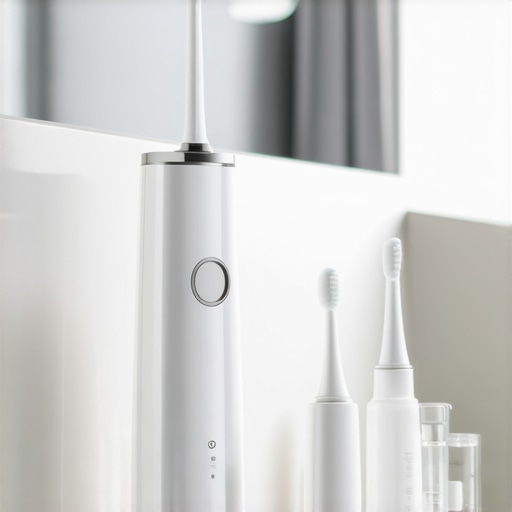
I used to think a standard toothbrush was enough, but as my family grew, so did our dental bills. The single most important tool I’ve introduced to our bathroom counter is a high-quality water flosser. If you have a bridge, this isn’t optional; it is the only way to reach the debris trapped in the ‘no-man’s-land’ beneath the prosthetic. I personally use the Waterpik Aquarius because of the specialized orthodontic tip that makes clearing out braces a ten-second job instead of a ten-minute struggle. Mastering the best way to clean plaque from under a dental bridge changed everything for my wife’s gum health, turning her ‘deep cleaning’ sessions into quick check-ups. A study in the Journal of Clinical Periodontology found that water flossing can be up to 50% more effective than traditional string floss for reducing gingivitis, which is exactly the kind of edge we need when balancing a busy household.
Protect Your Investment While You Sleep
We spend thousands on crowns, but we often treat them like they are indestructible. If you wake up with a sore jaw, you are likely grinding down that expensive porcelain. I finally caved and got a custom-fitted guard, and the difference was night and day. Learning how a simple night guard can save you thousands in future dental work is the ultimate ‘boring’ secret to dental longevity. It’s not flashy, but it prevents the micro-fractures that eventually lead to a crown popping off at a 4th of July BBQ. This type of proactive care ensures you are following a consistent oral health routine that actually protects your wallet.
How do I keep my crowns and cleaning results lasting for a decade?
The secret isn’t a magic potion; it’s consistency and knowing maintaining your dental crowns: dos and donts for best results. You have to treat your dental work with the same respect you give your car—you wouldn’t skip an oil change and expect the engine to last 200,000 miles. I predict that by 2030, we will all be using AI-integrated brushes that sync with our dentist’s office in real-time, catching leaks before they become root canals. Until then, stay ahead by following the oral health tips every family should follow in 2025. My pro tip for this week? Grab some plaque-disclosing tablets. It’s a fun—and slightly horrifying—way to show your kids exactly where they are missing during their nightly routine. It turns a chore into a game of ‘spot the pink spots’ and ensures they are actually cleaning, not just moving paste around.
3 Dental Myths That Almost Cost Me My Molars
Looking back on that Friday night with the pliers, I realize how much I didn’t know. First, I used to think a poking wire was just ‘part of the deal’ and something to suffer through. It isn’t. Proactive management is the only way to avoid sores that make eating impossible. Second, I believed that once a crown was in place, that tooth was invincible. In reality, maintaining your dental crowns: dos and donts for best results is a daily commitment, not a one-time fix. Finally, I thought dental emergencies were always big, dramatic events. Most of the time, they start as a tiny ‘zing’ or a loose bracket that we ignore because we are too busy. Learning how to stop a minor toothache from becoming a major emergency changed the way I look at my kids’ complaints—I listen much closer now.
#IMAGE_PLACEHOLDER_E#
My Family’s Go-To Smile Saving Kit
You don’t need a medical degree to keep your family’s teeth in top shape, but you do need the right gear. I trust these three things above all else: a high-quality water flosser for finding the best way to clean plaque from under a dental bridge, a dedicated container of orthodontic wax that stays in the car, and a custom night guard. If you are still using a drugstore boil-and-bite guard, you’re missing out on how a simple night guard can save you thousands in future dental work by actually fitting your bite correctly. These aren’t just ‘extras’; they are the foundation of our family dentistry focus on building a lifetime of healthy smiles.
Your Journey to a Fearless Smile Starts Tonight
Whether you’re currently wrestling with a rogue orthodontic wire or just trying to keep your crowns shining, remember that every small habit adds up. You don’t have to be perfect; you just have to be consistent. By staying informed and using expert advice on crowns and teeth cleaning for lasting results, you’re already miles ahead of where I was that Friday night. Take the time to refine your oral health routine today, and your future self—and your wallet—will thank you. Have you ever had a dental emergency happen at the worst possible moment, like right before a big trip or a holiday? Tell me your story in the comments below!