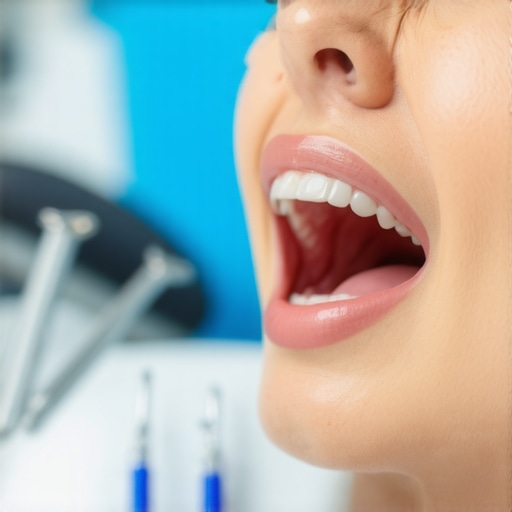
I remember sitting in that sterile dental chair, the bright light overhead glaring down as my dentist finished up. I thought the worst was over—until I stood up and felt a sharp, lingering ache in my jaw that wouldn’t go away. It caught me off guard. I’d just had a routine cleaning, yet my jaw felt sore and tired, like I’d just finished a grueling workout. That lightbulb moment made me realize: jaw pain after dental visits is more common than we think, and it’s something I had to understand to protect my oral health.
Dealing with Jaw Discomfort After Dental Visits: What’s Really Going On?
Many people ignore post-appointment jaw pain, dismissing it as normal or insignificant. But the truth is, this discomfort can be a sign of underlying issues like jaw muscle fatigue, misalignment, or even the way we open our mouths during procedures. The good news is, these problems are usually manageable once you identify the cause.
Research shows that prolonged mouth opening during dental procedures can strain jaw muscles, leading to soreness or temporomandibular joint (TMJ) issues. In fact, studies indicate that up to 20% of dental patients experience some form of TMJ discomfort following treatments (source: https://periodontistcare.com/expert-advice-on-crowns-and-teeth-cleaning-for-lasting-results). Early on, I made the mistake of dismissing slight soreness as just temporary. But ignoring it only worsened my symptoms. That’s why understanding what’s happening and how to address it can save you trouble down the line.
Thinking about your own experience—have you ever felt that nagging ache in your jaw after a dental appointment? If yes, you’re not alone. Many patients face this discomfort, and addressing it involves more than just pain relievers. It’s about making smart choices before, during, and after your visit to ensure your jaw stays healthy.
Next, let’s dive into practical steps to prevent and relieve post-dental jaw pain. The key is in understanding your habits, communication with your dentist, and some simple exercises that can help keep your jaw relaxed and healthy.
Prepare Your Jaw Before Your Appointment
Start by communicating any jaw discomfort to your dentist during scheduling. Request brief procedures to minimize mouth opening duration. Practice gentle jaw stretches—slowly opening and closing your mouth for a few seconds—to loosen tense muscles. For example, I once asked my dentist to pause midway during a long cleaning to relax my jaw, which significantly reduced post-visit soreness.
Control Your Mouth Opening During Procedures
During dental work, avoid forcing your mouth open wider than necessary. Use your hand to support your jaw lightly if permitted. Remember, opening too wide is like overstretching a rubber band—eventually it weakens and causes pain. Communicate with your hygienist about discomfort; they can adjust instrument positioning or take breaks. I found that requesting small, manageable mouth openings made a noticeable difference in recovery time.
Post-Visit Care to Reduce Soreness
Apply a cold pack to your jaw for 10-15 minutes to reduce inflammation. Take over-the-counter anti-inflammatory medication if advised by your dentist. Rub your jaw gently in circular motions to promote blood flow and relax muscles. For instance, I used a cold pack after a deep cleaning, which instantly lessened the pain and sped up healing.
Incorporate Jaw Exercises into Your Routine
Daily gentle exercises help strengthen jaw muscles and improve mobility. Try opening your mouth wide, holding for a few seconds, then slowly closing. Repeat slowly 10 times. I started doing this in the mornings, and after a week, my jaw felt noticeably more relaxed, making future visits more comfortable. Consistent movement prevents stiffness and eases tension during and after dental procedures.
Optimize Your Oral Health Habits
Maintain regular brushing and flossing and avoid habits like teeth grinding that strain your jaw. Use a soft-bristled toothbrush to prevent unnecessary pressure. Schedule routine check-ups to catch any underlying issues early, supporting overall jaw health. Regular cleanings from a family dentistry expert are like regular tune-ups for your car—preventing problems from escalating. Check out family dentistry tips for more insight.
Many patients assume that getting a dental crown is a straightforward fix, but the nuances often escape notice. A common myth is that crowns are entirely maintenance-free, yet neglecting proper care can lead to premature failure or discoloration. In reality, the longevity of a crown heavily depends on understanding the material properties and how they interact with your daily habits. Furthermore, overestimating the effectiveness of routine teeth cleaning alone can be misleading; underlying issues like gum disease require targeted treatments, not just surface cleaning.
Why Do Some Crowns Last Longer Than Others Despite Similar Care?
Research indicates that the type of material used—be it porcelain, zirconia, or metal—significantly impacts durability. Additionally, occlusal forces and habits such as teeth grinding play a role. Patients often overlook the importance of customizing bite adjustments; neglecting this can cause uneven wear and eventual crown failure. Consulting with a knowledgeable dentist about material options and bite management is essential for lasting results. For comprehensive insights, explore tips on caring for crowns.
Another misconception involves the scope of family dentistry. Many believe it focuses solely on children’s oral health, but in its essence, it provides holistic dental care for all ages. Skipping regular check-ups due to the misconception that only problems require attention can be costly. Preventative care, including professional cleanings, plays a crucial role in avoiding complex issues that become harder to treat later. Remember, early detection and management of problems like recession or cavities are vital. To strengthen your family’s oral health routine, consider family dentistry best practices.
A frequent mistake is underestimating the importance of individualized oral health strategies. What works for one person might not work for another, especially regarding flossing techniques or dietary habits. A personalized plan developed with your dentist can address unique risks, such as susceptibility to tartar buildup or enamel erosion. This tailored approach ensures more effective long-term protection and saves money over time.
Let’s not forget the misleading belief that more frequent teeth cleaning always equals better health. While professional cleanings are essential, overdoing them or choosing improper techniques can cause gum recession or enamel wear. The key lies in optimizing frequency and using proper tools, as highlighted in effective home cleaning practices. Regular check-ins allow your dentist to adjust your care plan appropriately, emphasizing quality over quantity.
Are you vigilantly questioning what you’ve been told about your dental care? The nuances and misconceptions are many, but understanding these can vastly improve your oral health outcomes. Remember, being proactive and informed is your best defense against unseen dental pitfalls. Have you ever fallen into this trap? Let me know in the comments.
Keep Your Smile Running Smoothly with the Right Tools
Maintaining optimal oral health and ensuring the longevity of crowns and other dental work requires more than just good habits; it hinges on the quality of tools and routine practices you employ. I personally swear by my electric toothbrush, the Sonicare DiamondClean, because of its superior plaque removal capabilities and gentle gum care features. Its oscillating-rotating technology reaches places manual brushes often miss, making it indispensable for me in maintaining that sparkling smile.
Alongside a high-quality toothbrush, I recommend using interdental brushes like the GUM Proxabrush for cleaning hard-to-reach areas between teeth and around crowns. These little devices help prevent plaque buildup that can undermine long-term restorations, supporting overall oral health. Regular flossing with dental tape ensures you remove debris from tight spaces, reducing cavity and gum disease risk. Incorporating these tools into your daily routine is the cornerstone of preventing issues like crown failure or gum recession.
In addition, I rely on fluoride rinses such as ACT Total Care for extra enamel protection, especially if you’re prone to sensitivity or enamel erosion. These rinses strengthen your teeth’s defenses, making routine cleaning more effective and your crowns more durable over time.
Future Trends: Digital Monitoring and Smart Technologies
The future of maintenance is moving towards smart devices that monitor oral health in real time. Imagine toothbrushes that connect to your smartphone, providing feedback on brushing habits or detecting early signs of gum disease. Companies like Philips and Colgate are investing heavily in this space, making it easier for patients to stay proactive about their oral wellness. Embracing these innovations now can elevate your routine and prevent costly repairs down the line.
Questions to Ask Yourself About Sustained Oral Care
How do I maintain my crowns and family dentistry routines over time? One proven method is to incorporate routine professional check-ups aligned with at-home maintenance. Regular visits to your dentist, such as through family dentistry clinics, help catch issues early—think of it as a proactive tune-up. Deep cleanings, when combined with effective daily practices, diminish plaque buildup and bacterial growth that can compromise dental restorations or cause gum recession.
For comprehensive tips on keeping your crown and oral health in top shape, visit this guide. Remember, investing in quality tools like electric toothbrushes, interdental cleaners, and fluoride rinses—or even adopting emerging smart tech—can make all the difference. Want to supercharge your routine? Try integrating a smart toothbrush with app feedback today and see immediate improvements in your oral cleanliness and crown longevity. For professional advice tailored to your needs, don’t hesitate to reach out to your dental clinic for personalized recommendations.Reflecting on my dental journey, I realized that my greatest breakthroughs came from those unexpected moments of discomfort and curiosity—like discovering just how crucial proper bite adjustment is for crown longevity. Yet, many overlook these subtle signals, missing opportunities to prevent future issues. Recognizing that even routine procedures carry nuances taught me to listen more intently to my body’s responses and advocate for open communication with my dentist. Sometimes, the most valuable lessons are wrapped in discomfort or overlooked details—reminding us that attentive, proactive care makes all the difference in maintaining a healthy, confident smile.