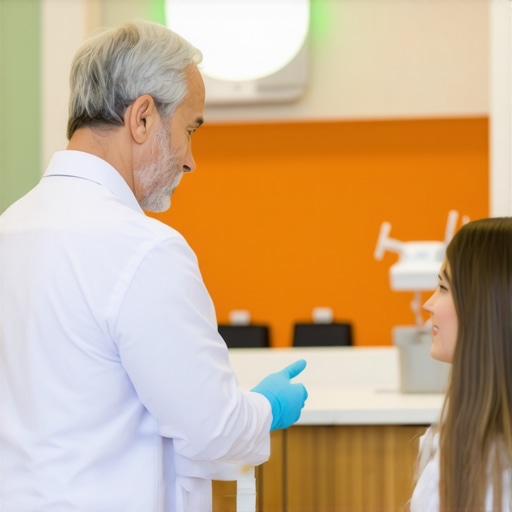
It all started with a panic attack in the dental chair. Just the thought of lying back, eyes fixed on the bright lights, and the fear of unbearable pain made my heartbeat race and palms sweat. I realized I wasn’t alone—many people dread the dentist, especially when anxiety takes hold. That lightbulb moment prompted me to search for a solution so I wouldn’t have to skip my dental visits or suffer in silence anymore.
Why Choosing the Right Dentist for Anxiety Matters
Navigating the world of dental care when you’re anxious can feel overwhelming. The wrong choice could mean more stress, missed appointments, or even neglecting your oral health altogether. Over time, unresolved anxiety can lead to issues like gum disease or cavities—conditions that are far more unpleasant than a routine cleaning.
The good news? Finding a dentist who understands your fears can transform your experience, making trips to the dentist not just bearable but even comfortable. From personal experience and countless stories I’ve read, a dentist who specializes in anxious patients employs techniques like gentle sedation, soothing communication, and a calm environment. These strategies can make a world of difference. And believe me, I wish I had known earlier that seeking out such a professional was as important as regular brushing.
If you’ve ever sat in a chair, debating whether to cancel or push through just to avoid the panic, then you’re probably wondering: *Is it really worth the effort to find someone who specializes in anxious patients?* Spoiler alert—absolutely. Building a relationship with a compassionate dentist can help prevent small problems from escalating into big, painful crises.
Early on, I made a mistake that I now advise everyone to avoid: I went to a dentist who wasn’t understanding of my fears. Their no-nonsense approach only heightened my anxiety, leading me to delay treatments and ignore warning signs. This is a common pitfall—a reminder that your dentist’s attitude and methods are just as critical as their skills.
Choosing the right dental professional isn’t just about the technical qualifications; it’s about how they make you feel and whether they prioritize your emotional comfort. If you’re unsure how to find such a specialist, don’t worry. In the next sections, I’ll share practical tips and resources to help you make that crucial decision. Remember, your oral health—and your peace of mind—are worth every effort.
Preparing for Your Dental Visit
Know What to Expect and Set Goals
Before heading to the dentist, list your concerns and questions. Describe any pain, sensitivity, or issues you notice. Preparing ensures you communicate effectively and get tailored advice. Think of this as charting a map before a journey—clarity will guide your experience. During my last check-up, I wrote down my sensitivity to cold; this highlighted a potential cavity, saving me time and discomfort later.
Establish a Daily Oral Hygiene Routine
Brush Correctly and Floss Effectively
Use a soft-bristled brush and gentle, circular motions to clean teeth thoroughly without damaging gums. Incorporate flossing to remove plaque between teeth, preventing cavities and gum disease. Consider using an interdental brush for wider gaps. I once neglected my flossing, which led to bleeding gums—a reminder of consistency’s importance.
Choose the Right Oral Care Products
Select toothpaste with fluoride and a brush that fits comfortably. An electric toothbrush can improve plaque removal, especially on hard-to-reach molars. For those with sensitive teeth, fluoride rinses or toothpaste can strengthen enamel. Switching to an electric brush dramatically improved my cleaning efficiency.
Adopt Proper Techniques for Special Treatments
Getting Ready for Crowns or Restorations
When preparing for crowns, understanding the process helps reduce anxiety. Crowns reinforce damaged teeth and can enhance aesthetics. They are like a cap on a worn-out jar—restoring function and appearance. To ensure longevity, avoid biting hard objects and follow your dentist’s instructions on care. Learn how crowns can boost your confidence and how to care for them properly.
Family Dentistry Strategies
For children and family members, establishing a routine early fosters lifelong habits. Use gentle techniques and make it fun. For example, singing a song while brushing keeps kids engaged. Regular visits ensure teeth develop healthily and catch issues early. I started taking my kids to the dentist at age three, which made upcoming treatments smoother and less intimidating.
Optimize Your Oral Hygiene at Home
Effective Teeth Cleaning Tips
Incorporate tongue scraping and mouth rinses to reduce bacteria. Consider natural remedies like brushing with baking soda once a week for whitening, but avoid overuse to protect enamel. Regular professional cleanings are essential—aim for every six months to prevent tartar buildup. My teeth felt smoother and cleaner after switching to a twice-weekly cleaning routine at home and regular dental visits. Discover expert teeth cleaning secrets for lasting freshness.
Stay Consistent and Recognize Early Signs
Monitor Oral Health Regularly
Keep an eye out for signs like bleeding gums, persistent bad breath, or tooth sensitivity. Early detection allows prompt treatment, preventing minor issues from escalating. Regular self-assessments, combined with professional exams, create a strong defense. I once noticed slight bleeding after flossing, prompting me to schedule a check-up before it worsened.
Use Visual Aids and Reminders
Mirrors and smartphone apps can help track your oral health routine. Visual cues remind you to brush, floss, and rinse. Consistency pays off—your future self will thank you for the effort. Implementing these small habits proved invaluable in maintaining my oral wellness.
Seek Professional Advice When in Doubt
Schedule Follow-Ups and Specialized Treatments
Regular dental visits are your cornerstone for a healthy smile. Discuss concerns like crowns or deep cleanings, and request tailored advice. For complex issues, specialists like periodontists offer targeted solutions that enhance overall health. Visiting experts ensures that you’re not just reactive but proactive. I once had a deep cleaning to remove tartar; the experience was smooth thanks to clear communication with my hygienist. Contact your dental team for personalized care.While many believe that regular brushing and flossing are enough to maintain healthy teeth, the reality is far more nuanced. A common misconception is that more aggressive brushing always leads to cleaner teeth, but in fact, over-brushing can cause gum recession and enamel erosion, making teeth more sensitive over time. Experts warn against using hard-bristled brushes excessively, as they can damage periodontal tissue and contribute to recession—something many don’t realize. Instead, opt for gentle, circular motions with a soft-bristled brush, and consider electric toothbrushes with pressure sensors for optimal cleaning without harm. Additionally, many assume that dental crowns are a static solution that lasts forever; however, neglecting proper care and maintenance can lead to failure or chipping. Proper shedding of old, misfitting crowns and timely replacements are crucial, and ongoing hygiene practices are essential to prolong their longevity learn how to care for your crowns effectively. When it comes to family dentistry, there’s a surprising misconception that kids are less prone to cavities because they are young. On the contrary, children’s developing teeth are vulnerable to decay if oral hygiene isn’t properly instilled early on. In fact, early detection through regular check-ups can prevent more complex issues later discover how family dentistry fosters lifelong health.
But let’s dig deeper—what are the less obvious pitfalls that even seasoned patients tend to overlook?
### What Most People Get Wrong About Teeth Cleaning and Oral Maintenance
One critical mistake is believing that professional cleanings alone suffice for long-term oral health. While professional cleanings remove tartar and plaque effectively, neglecting daily oral hygiene routines can negate these benefits. For instance, ignoring tongue cleaning or not replacing toothbrushes frequently can reintroduce bacteria, increasing the risk of decay and bad breath. Moreover, many overlook the importance of natural remedies and adjuncts—like mouth rinses—that can support overall health. Regularly using an antimicrobial rinse can reduce bacterial load, but overuse may lead to resistant strains, so moderation and proper usage are key.
An advanced nuance involves understanding how saliva and diet influence oral health. Saliva acts as a natural buffer against acids, and dehydration can diminish its effectiveness, increasing vulnerability to decay. Experts recommend staying hydrated and chewing sugar-free gum to stimulate saliva production, especially after meals more on saliva’s role in oral health.
### Why DIY Methods Can Sometimes Backfire
Many people turn to charcoal toothpaste or baking soda for whitening, assuming they are safer and cheaper options. However, these abrasives can damage enamel if used excessively, leading to increased sensitivity and even accelerated aging of the teeth’s surface. A study published in the Journal of Clinical Dentistry highlights the potential harm caused by over-the-counter whitening products lacking professional supervision, emphasizing the importance of dentist-guided treatments see the risks of DIY whitening. These alternatives often overlook the complex chemistry of tooth enamel and can do more harm than good in the long run.
### How Can a Little-Known Detail Affect Your Dental Success?
Have you ever considered how the fit and sealing of your crown impact its lifespan? A poorly fitted crown creates spaces for bacteria to thrive, increasing decay risk beneath the restoration. Even a slight misalignment can cause discomfort, bite issues, or eventual failure. Most people neglect the importance of regular check-ups to assess crown stability, focusing only on appearance. For advanced patients seeking durable solutions, understanding the technical nuances—such as cementation quality and marginal adaptation—is vital. Ensuring a precise fit by a trained specialist makes all the difference in a crown’s longevity, so don’t overlook this often hidden aspect learn about maintaining crowns for best results.
In conclusion, mastering your oral health involves more than just routine brushing. It requires understanding the subtle nuances, avoiding common myths, and addressing advanced considerations that can make a real difference in your dental journey. Have you ever fallen into this trap? Let me know in the comments.Maintaining a healthy smile over the years requires more than just good daily habits; it calls for the right tools and methods to ensure longevity and prevent issues. One of my go-to devices is the **electric toothbrush with pressure sensors**. I personally use the Oral-B Genius series, as it alerts me when I’m brushing too hard, preventing gum recession caused by abrasive brushing techniques. Regular use of a quality electric brush not only improves plaque removal but also preserves delicate periodontal tissues, which is especially vital for those with crowns or family members prone to gum disease.
Another essential tool is a **high-quality water flosser**, such as the Waterpik Sonic-Fusion. I incorporate this into my routine every night because it reaches areas traditional floss can’t, especially around crowns, bridges, and braces. Proper interdental cleaning reduces tartar accumulation and minimizes the risk of decay beneath restorations, which can drastically extend their lifespan. For visual cues, I recommend a **tongue scraper**—a simple yet effective device that I use daily to reduce bacterial load and bad breath, making your mouth feel fresher and healthier.
How do I keep my dental tools effective over time?
Regular replacement is critical. My electric toothbrush heads are swapped every three months, as recommended, to maintain optimal cleaning power and hygiene. The water flosser tips are also replaced semi-annually. Additionally, cleaning your devices according to manufacturer instructions prevents bacterial buildup. For example, I rinse my water flosser components after each use and occasionally run them through the cleaning cycle with vinegar to prevent mold or mineral deposits.
Growing trends suggest that **smart toothbrushes** capable of tracking and analyzing your brushing habits will become standard within the next few years**. Incorporating app-connected devices helps to identify weak spots in your routine and encourages consistency—crucial for long-term success. If you’re serious about maintaining dental health, investing in such tech can be transformative. For more advanced insights, I recommend reading about the latest innovations in [professional crown care](https://periodontistcare.com/understanding-the-role-of-crowns-in-modern-smile-makeovers), which highlights how technology can help monitor restoration longevity.
To optimize your maintenance routine, I challenge you to try a **smart toothbrush with pressure sensors** this month. It’s a small step that can lead to significant benefits in preserving your crowns and natural teeth alike. Remember, consistent care today ensures the longevity of your dental work and a confident smile tomorrow.
What I Wish I Knew About Dental Anxiety and Crowns Early On
One surprising realization was how much the emotional connection with your dentist impacts the longevity of treatments like crowns. A dentist who listens and offers a calming environment can make procedures feel less like a chore and more like a partnership. I learned that trusting your provider isn’t just about their skills—it’s about feeling truly heard and cared for.
Tools That Became Game-Changers in My Oral Health Routine
After experimenting with various devices, I discovered that smart electric toothbrushes with pressure sensors and high-quality water flossers significantly improved my daily cleaning. These tools not only enhanced my confidence but also prolonged the lifespan of my crowns and restorations. Personally, I trust brands like Oral-B and Waterpik because they’ve consistently delivered results and durability.
Leaving My Comfort Zone Opened New Doors
Initially, I hesitated to seek help from specialists, fearing it might be expensive or intimidating. However, understanding that their expertise could prevent costly future issues like gum recession or crown failures motivated me to embrace their advice. This mindset shift helped me adopt a proactive approach, saving pain and money in the long run.
The Power of Consistency and Early Detection
Recognizing subtle signs—like minor bleeding or sensitivity—early on prevented bigger problems. I realized that making a habit of regular self-assessments with visual aids and sticking to routine check-ups created a strong safety net for my oral health. Small, consistent actions made a noticeable difference over time.
Where My Dental Confidence Continues to Grow
Embracing the mindset that my smile is an investment in myself has been transformative. Regular communication with my dental team, combined with personal responsibility, has built my confidence. I now view dental visits not as daunting tasks but as essential steps toward lifelong wellness.
Resources I Rely On to Keep Learning and Improving
My go-to sources include trusted websites like Understanding the role of crowns, which offers detailed insights into crown maintenance, and the article about caring for crowns for longevity. I also value books and online courses that provide comprehensive knowledge on family dentistry and preventive care. These resources empower me to maintain my smile confidently.
Seize the Moment and Take Control of Your Oral Health
Your journey toward healthier teeth and a more confident smile starts today. Small changes—like choosing the right tools and embracing regular check-ups—can lead to lifelong benefits. Remember, your smile is worth the effort, and with the right mindset, you can overcome any dental anxiety and achieve your oral health goals.
Have you ever experienced a breakthrough that changed your approach to dental care? Share your story below—I’d love to hear how you’ve taken control of your oral health!
}#}#}#}#}#}#}#}#}#}#}#}#}#}#}#}#}#}#}#}#}#}#}#}#}#}#}#}#}#}#}#}#}#}#}#}#}#}#}#}#}#}#}#}#}#}#}#}#}#}#}#}#}#}#}#}#}#}#}#}#}#}#}#}#}#}#}#}#}#}#}#}#}#}#}#}#}#}#}#}#}#}#}#}#}#}#}#}#}#}#}#}#}#}#}#}#}#}#}#}#}#}#}#}#}#}#}#}#}#}#}#}#}#}#}#}#}#}#}#}#}#}#}#}#}#}#}#}#}#}#}#}#}#}#}#}#}#}#}#}#}#}#}#}#}#}#}#}#}#}#}#}#}#}#}#}#}#}#}#}#}#}#}#}#}#}#}#}#}#}#}#}#}#}#}#}#}#}#}#}#}#}#}#}#}#}#}#}#}#}#}#}#}#}#}#}#}#}#}#}#}#}#}#}#}#}#}#}#}#}#}#}#}#}#}#}#}#}#}#}#}#}#}#}#}#}#}#}#}#}#}#}#}#}#}#}#}#}#}#}#}#}#}#}#}#}#}#}#}#}#}#}#}#}#}#}#}#}#}#}#}#}#}#}#}#}#}#}#}#}#}#}#}#}#}#}#}#}#}#}#}#}#}#}#}#}#}#}#}#}#}#}#}#}#}#}#}#}#}#}#}#}#}#}#}#}#}#}#}#}#}#}#}#}#}#}#}#}#}#}#}#}#}#}#}#}#}#}#}#}#}#}#}#}#}#}#}#}#}#}#}#}#}#}#}#}#}#}#}#}#}#}#}#}#}#}#}#}#}#}#}#}#}#}#}#}#}#}#}#}#}#}#}#}#}#}#}#}#}#}#}#}#}#}#}#}#}#}#}#}#}#}#}#}#}#}#}#}#}#}#}#}#}#}#}#}#}#}#}#}#}#}#}#}#}#}#}#}#}#}#}#}#}#}#}#}#}#}#}#}#}#}#}#}#}#}#}#}#}#}#}#}#}#}#}#}#}#}#}#}#}#}#}#}#}#}#}#}#}#}#}#}#}#}#}#}#}#}#}#}#}#}#}#}#}#}#}#}#}#}#}#}#}#}#}#}#}#}#}#}#}#}#}#}#}#}#}#}#}#}#}#}#}#}#}#}#}#}#}#}#}#}#}#}#}#}#}#}#}#}#}#}#}#}#}#}#}#}#}#}#}#}#}#}#}#}#}#}#}#}#}#}#}#}#}#}#}#}#}#}#}#}#}#}#}#}#}#}#}#}#}#}#}#}#}#}#}#}#}#}