
It was a morning like any other, but as I looked in the mirror after brushing my teeth, I noticed my gums bleeding more than usual. That little spot of blood behind my front teeth was a wake-up call—something I had ignored for too long. Suddenly, I realized how much my oral health had been taking a backseat, especially during pregnancy when everything else feels overwhelming.
Why I Had to Reassess My Oral Care Routine During Pregnancy
Pregnancy is a rollercoaster, and your body goes through so many changes. Hormonal fluctuations can make gums more sensitive, leading to discomfort, swelling, or bleeding. If you’re like I was, you might think, “Oh, it’s just pregnancy,” but neglecting dental health can cause problems that last well beyond expecting—like cavities, infections, or even preterm labor.
So, I promised myself I’d get serious about maintaining my oral health. But where do I start? And is it safe to keep up my usual routines? The good news is, with a few simple tweaks, I found I could keep my smile healthy without stressing about it. Today, I’ll share the practical steps I discovered—steps that made a real difference—not just for me, but for my entire family’s dental wellness.
Could I be ruining my teeth without realizing it?
Early on, I made the mistake of thinking that pregnancy meant I had to scale back on dental care. Nothing could be further from the truth! In fact, neglecting certain routines can do more harm. For example, I used to skip flossing because it felt uncomfortable, but I learned that gentle techniques matter. Remember, even minor oversights can lead to bigger issues down the line. According to the American Pregnancy Association, pregnant women are at higher risk for gum disease, which can affect both mother and baby (source).
Now, I focus on making dental care a priority—so I don’t have to face those dreaded bleeding gums or cavities. Ready to discover how you can do the same? Let’s dive into practical, effective steps that will keep your teeth—and your baby—happy and healthy.
Refine Your Brushing Technique for Maximum Cleanliness
One night, I caught the corner of my mouth with my toothbrush because I was rushing to finish in the dark. That gentle gouge taught me to be deliberate. Instead of scrubbing vigorously, use a soft-bristled brush and gentle circular motions—like massaging your gums—to remove plaque without causing irritation. Focus on each quadrant of your mouth for two minutes, breaking your session into manageable segments.
This mimics the technique shared in effective home practices. It’s a skill that improves with practice, reducing gum bleeding and tooth sensitivity over time.
Integrate Daily Flossing Without the Hassle
I used to avoid flossing because it felt awkward and fragile. Then, I discovered the peel-back method: gently slide a strand of floss between teeth, curving it into a C-shape around each tooth, and slide up and down. Think of flossing as ‘cleaning a tiny corner of your house’—delicate work that needs patience.
Initially, my gums bled more, but the trick was to floss softly, not forcefully. Over time, the bleeding lessened, and my gums became healthier. It’s vital because plaque hiding between teeth can lead to deeper issues, which you can prevent with proper flossing.
Harness the Power of Tongue Cleaning
Sometimes overlooked, the tongue harbors bacteria that contribute to bad breath. Using a tongue scraper or the back of your toothbrush gently removes debris and reduces overall bacterial load. One morning, I dedicated a few seconds to scraping my tongue, and I woke up with fresher breath—even after coffee!
This simple step complements brushing and flossing, making a noticeable difference in oral freshness and health.
Optimize Your Rinsing Routine
After brushing and flossing, I used an antiseptic mouthwash, swishing for 30 seconds. However, I learned that rinsing immediately after brushing can wash away fluoride, reducing benefits. Now, I wait at least 30 minutes post-brushing, as advised in routine tips. Combining this with proper rinsing enhances enamel protection and reduces plaque formation.
Schedule Professional Cleanings and Know When to Seek Help
I set reminders to visit my dentist every six months—like clockwork. During these visits, professionals remove hardened plaque (tartar) that I can’t reach and check for early issues like cavities or gum disease.
For unique cases—such as crowns—regular check-ups help keep them in prime condition. I learned to maintain crowns properly, knowing that neglect could lead to decay or damage. Prompt attention to persistent pain or bleeding ensures issues don’t escalate, protecting both mother and baby.
Embrace Family-Oriented Dental Habits
Modeling good habits encourages my entire family to follow suit. Brushing together, choosing healthy foods, and regular check-ups foster a culture of wellness. I discovered that engaging children with fun, short routines makes them more willing to participate, ensuring their teeth stay cavity-free too.
Incorporate these concrete steps into your daily routine, and you’ll develop a resilient oral health system—one that adapts to pregnancy and lifelong care. Each action, from gentle brushing to professional visits, builds a foundation for a confident, healthy smile that endures beyond this special time.
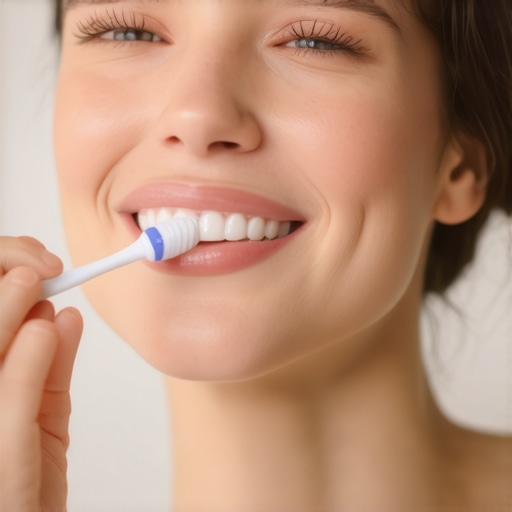 Many people believe that brushing twice a day and flossing regularly are enough for optimal oral health, but in my experience, there’s a lot more beneath the surface that many overlook. For instance, a common myth is that aggressive brushing cleans better; in reality, applying too much force can damage gums and enamel. Using a soft-bristled brush with gentle circular motions is far more effective and protective. This nuance is often missed by those who think more effort equals better cleaning. Moreover, many assume that flossing once a day suffices, but the technique matters significantly. Improper flossing can cause gum recession or bleeding, making the process counterproductive. Focus on gentle, C-shaped movements to remove plaque without trauma.
What advanced techniques can elevate your oral hygiene beyond basic routines?
Incorporating tongue cleaning, for example, helps reduce bacterial load and freshen breath, yet it’s frequently neglected despite its proven benefits. Additionally, the timing of mouthwash use can impact fluoride absorption; rinsing immediately after brushing washes away fluoride, decreasing its protective effect. Waiting at least 30 minutes enhances enamel strengthening, as supported by research in the *Journal of Clinical Dentistry*. When it comes to family dentistry, many parents worry about the longevity of crowns or restorations, but a common mistake is believing that crowns are invulnerable. In fact, improper care or neglecting professional check-ups can lead to decay, even under crowns. Regular inspections and proper maintenance, such as avoiding sticky foods that can loosen crowns, are essential.
People also often underestimate the significance of professional cleanings. While daily routines are critical, professional plaque and tartar removal can prevent periodontal issues that at-home tools can’t reach. These nuances highlight the importance of understanding the ‘hidden’ aspects of oral care—details that can make or break long-term dental health.
Have you ever fallen into this trap? Let me know in the comments. For deeper insights on advanced oral health practices, you might find this article interesting: Effective Home Practices for Family Dental Care. Remember, mastering the subtleties can transform your smile from good to outstanding.
How do I maintain my dental tools over time to ensure lasting effectiveness?
Keeping your dental tools in top shape is essential for ongoing oral health. I personally swear by using a UV sterilizer like the UVSmart sterilizer, which ensures my toothbrush and flossers are free of bacteria. Regularly replacing your toothbrush head every three months prevents wear that compromises cleaning power. For flossing, I prefer silicone interdental cleaners, such as the Dr. Tung’s, because they are durable and gentle on gums, reducing the risk of damage. Additionally, storing tools in a clean, ventilated container minimizes bacterial growth.
Looking ahead, the trend points toward smart dental devices equipped with Bluetooth tracking, reminding you when to replace tools or alerting you to potential issues like plaque buildup. Embracing these innovations can streamline maintenance and improve results.
What advanced tools can help elevate your oral health routine for lasting results?
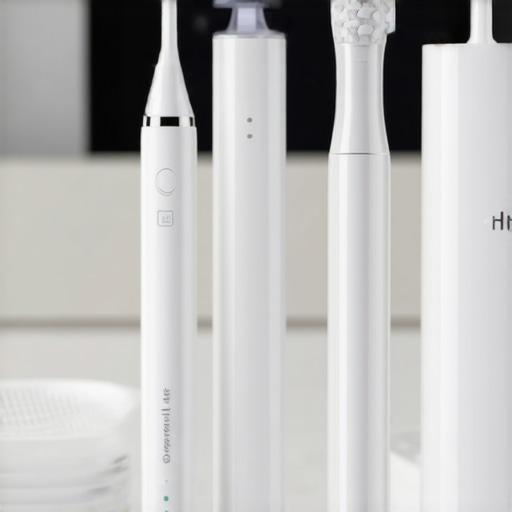
One game-changer I’ve adopted is the water flosser, specifically the Waterpik Sonic-Fusion. It combines brushing and flossing into one device, providing a thorough clean that I find superior to manual methods. The pulsating water effectively removes plaque from hard-to-reach areas, making it especially beneficial if you wear crowns or have dental restorations. Pairing this with a high-frequency sonic toothbrush, such as the Philips Sonicare DiamondClean, has drastically reduced my gum bleeding and sensitivity. These tools are backed by studies like the one from the expert advice on water flossers, demonstrating their efficacy over conventional brushing alone.
To ensure these tools deliver their best, I regularly check their components for wear and have a professional clean my water flosser annually. Proper maintenance maximizes longevity and keeps my oral environment healthy.
Scaling your efforts and making maintenance routine
is key to lifelong oral health
Ultimately, integrating these specialized tools into your daily regimen—like advanced toothbrushes and water flossers—helps prevent issues before they become serious. Regular professional cleanings combined with at-home upkeep create a powerful shield against decay, gum disease, and complications with crowns. To stay proactive, I schedule follow-ups and have a dedicated checklist to monitor tool replacement and maintenance tasks.
For personalized guidance on caring for crowns or managing family dental health, consider reaching out to a professional. Discover more about how innovative techniques can transform your long-term results by visiting effective home practices. Take the next step today by trying eco-friendly interdental cleaners—they’re a simple yet impactful upgrade to your routine.
Lessons That Changed How I Care for My Smile
- Consistent gentle technique beats forceful brushing: I realized that applying gentle, circular motions with a soft brush was far more effective than scrubbing aggressively, preventing gum recession and enamel wear.
- Flossing is delicate work, not a chore: Patience with flossing, especially with proper C-shape motions, can dramatically reduce bleeding and improve gum health, countering the misconception that it’s painful or ineffective.
- Tongue cleaning is a game-changer: Incorporating tongue scrapers helped me fight bad breath and reduce bacterial load, adding a fresh feeling I didn’t expect.
- Timing your mouthwash maximizes benefits: Waiting at least 30 minutes after brushing to rinse with antiseptic mouthwash preserves fluoride absorption and enhances enamel protection.
- Regular professional care prevents surprises: Biannual dental visits are indispensable—they can catch problems early and keep crowns and restorations in top shape, avoiding costly repairs later.
My Go-To Tools for Lasting Oral Wellness
- Electric water flosser: The Waterpik Sonic-Fusion simplifies deep cleaning, especially around crowns, and has become my daily essential.
- Sonic toothbrush: The Philips Sonicare DiamondClean upgraded my routine, reducing sensitivity and bleeding significantly.
- UV toothbrush sterilizer: Ensuring my tools are bacteria-free keeps my mouth healthier long-term.
- Interdental brushes: Eco-friendly silicone options help me maintain hard-to-reach spots without irritation.
Keep Smiling, Keep Growing
My journey taught me that mastery over subtle details—from brushing techniques to professional check-ups—can transform your dental health, especially during the transformative time of pregnancy. Don’t wait for issues to surprise you; take charge today and nurture your smile as fiercely as you care for your little one. The future of your oral health is in your hands—start now and enjoy the confidence that comes with a truly healthy smile.
What’s the one oral health habit you’ve found hardest to stick to? Let me know below and let’s support each other’s journey to better dental wellness!