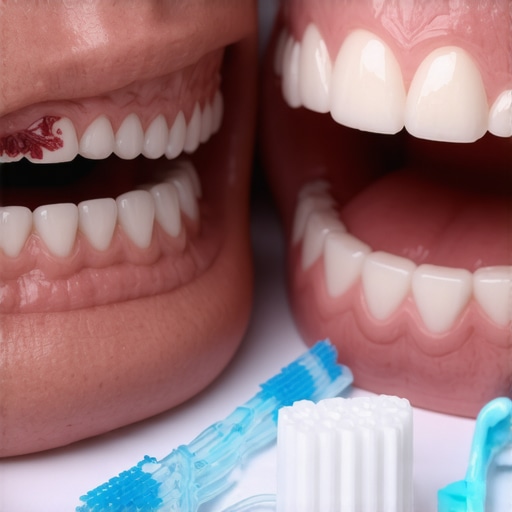
It was a typical Tuesday evening when I looked in the mirror and caught a glimpse of one of my molars. The tiny dark spot made my stomach drop. How could I brush diligently every day and still end up with a cavity? That moment was a real lightbulb—realizing that brushing alone isn’t always enough to maintain a healthy smile. Later, I learned that some people, despite their best oral hygiene efforts, are more prone to cavities than others. And honestly, it’s not always their fault.
Many of us believe that brushing, flossing, and regular cleanings are the gold standards for cavity prevention. But deep down, I wondered—why do some folks seem to withstand the sugar assaults and plaque buildup better than others? Is it just luck, or is there more to the story?
Today, I want to share with you what I’ve discovered over years of helping families keep their smiles bright and healthy. We’re going to explore why some individuals are more susceptible to cavities despite diligent care—and what you can do about it.
Understanding the Root Cause of Cavity Proneness
Let’s talk about the real reasons behind why some teeth fight back harder. It turns out, factors like the composition of your saliva, your genetic makeup, and even the bacteria naturally residing in your mouth play a crucial role. For example, certain bacteria produce more acid, which softens enamel faster, leading to cavities. Interestingly, a 2018 study published in the Journal of Dental Research found that genetics can influence the strength of your enamel, making some individuals naturally more vulnerable (source: JDR Study on Enamel Strength).
But here’s the kicker: even with perfect brushing, if your saliva doesn’t contain enough minerals or your bacteria are especially aggressive, cavities are still a threat. That’s why understanding your unique oral chemistry is so important.
Have you ever noticed that despite your strict routine, cavities still sneak in? You’re not alone, and the good news is, there are targeted ways to combat these hidden factors. Before diving into solutions, let’s address the hesitations many have about all this complexity.
Is It Really Worth the Hype? The Truth About Cavity Risks
I used to make the mistake of thinking that simply brushing more would solve everything. Spoiler: it doesn’t. Over-brushing can even harm gums, which only worsens the problem. Recognizing that cavities are a multifaceted issue was a game-changer for me—and for my practice.
If this sounds familiar, I’d love to hear your experience. Have you ever wondered why your efforts haven’t prevented cavities? Knowing these nuances can truly change how you approach oral health.
In the next section, I’ll walk you through practical, science-backed steps to address your individual risk factors—so you can finally keep cavities at bay and enjoy a healthier, happier smile.
Refine Your Oral Hygiene Routine with Precision
Start by selecting the right toothbrush—soft-bristled, ergonomic brushes clean effectively without damaging enamel or gums. Replace your brush every three months to maintain optimal cleaning power. When brushing, use gentle, circular motions that mimic polishing a precious gemstone—think of each stroke as buffing away plaque without scratching the surface. Incorporate flossing into your daily ritual, focusing on the ‘hidden’ spots where plaque and bacteria hide, like behind molars or along the gumline. For visual guidance, consider watching expert videos on improving your technique to ensure you’re doing it right.
Harness the Power of Proper Teeth Cleaning
Deep clean beyond the surface with professional tools, like ultrasonic scalers, which reach areas manual brushing misses—similar to how power washers clean dirt from a stubborn driveway. Schedule professional cleanings every six months; these sessions are essential for removing tartar buildup that can harbor decay-causing bacteria. During cleaning, dental hygienists use specialized instruments to scrape away hardened plaque—think of it as a meticulous gardener trimming overgrown branches to keep your garden healthy. This process not only prevents cavities but also reduces gum disease risk.
Read more about professional cleaning benefits.
Address Unique Risks with Custom Solutions
Every mouth has its quirks—some teeth are more prone to cavities because of anatomy, bacteria, or saliva composition. Consult with a dental professional to identify specific vulnerabilities, much like a mechanic diagnosing engine issues before recommending repairs. For instance, if your saliva lacks minerals, your dentist may suggest remineralization treatments—think of it as adding a protective coating to your teeth, akin to applying a sealant on a car’s paint to resist damage. If bacterial profile plays a role, targeted antimicrobial rinses or probiotics can shift the balance toward healthier bacteria, turning your mouth into a fortress rather than a battleground.
Incorporate Fluoride and Sealants for Armor
Fluoride strengthens enamel, acting as a shield against acid attacks. Use fluoride toothpaste consistently and consider professionally applied fluoride varnishes that penetrate deeply, much like a waterproof paint seals your home from moisture. Sealants provide an extra layer of defense, especially on the molars’ chewing surfaces—visualize them as a protective jacket that prevents food particles and bacteria from settling in vulnerable grooves. Regularly check for sealant wear or cracks, and consult your dentist about touch-ups or replacements.
Adjust Your Diet and Lifestyle for Long-Lasting Defense
Reduce frequent sugar and acidic beverage intake—imagine cutting off the fuel supply for bacteria that produce cavity-causing acid. Incorporate foods rich in calcium, phosphate, and vitamin D to support enamel repair, much like supplying raw materials for building a sturdy wall. Chewing sugar-free gum stimulates saliva flow, which acts as the body’s natural mouthwash—bringing a fresh, neutralizing wave that washes away acids and bacteria. For persistent issues, your dentist might recommend specific oral health supplements or remedies tailored to your unique needs; scheduling a consultation is the first step to customized care. Discover more about strengthening your smile daily at this comprehensive routine guide.
Recognize When Advanced Interventions Are Necessary
Sometimes, prevention reaches its limit, and restorative work becomes essential—think of it as repairing a weathered fence before it collapses. Crowns, for example, are like durable armor plating—restoring strength and preventing further decay in compromised teeth. Invest in high-quality crowns, such as zirconia, which resemble natural teeth both in appearance and resilience. Properly caring for crowns—avoiding hard foods or sticking to a gentle cleaning routine—ensures they last for years. If you notice persistent sensitivity, cracks, or chips, consult your dentist promptly; delaying repairs can lead to more extensive, costly treatments later.
Most people believe that visiting the dentist regularly and brushing twice a day are enough to ensure lifelong oral health. This common assumption simplifies a complex reality. In my experience, a significant misconception lies in the idea that routine care alone can prevent advanced issues like crowns or deep decay, without considering individual nuances. Challenging this myth, I often see patients who think that if they follow the generic advice, their teeth are invincible. But in fact, professional cleanings reveal hidden plaque buildup that over-the-counter brushing can’t eliminate, especially in hard-to-reach areas, emphasizing the importance of tailored treatments.
Another trap is oversimplifying the role of crowns. Many assume that getting a crown is a straightforward fix, but the truth is, not all crowns are created equal. The success of a crown depends on proper placement, material choice, and ongoing maintenance. Neglecting these nuances can lead to premature failure, which often surprises patients who thought their dental work was a permanent solution.
How can understanding these subtleties change your approach to oral health?
Let’s dig deeper. Recognizing that individual factors like saliva chemistry or bacterial profiles influence cavity risk means personalized prevention strategies are essential. For example, some patients benefit from remineralization therapies or specific antimicrobial rinses, rather than generic advice. A study published in the Journal of Dental Research highlights the significance of these individualized approaches, showing that targeted treatments yield better long-term results. Think of it this way: your mouth is a unique ecosystem, and effective dentistry respects those differences rather than applying a one-size-fits-all solution.
Beware of the ‘oops’ moment: many overestimate the durability of crowns or underestimate the impact of saliva composition, leading to unexpected setbacks. For instance, neglecting regular checkups or failing to understand how saliva mineral content can affect crown longevity risks corrosion or decay at margins. These complexities underscore why working closely with your dental professional to customize your oral health plan makes all the difference.
Have you ever fallen into this trap? Let me know in the comments. For those keen on proactive strategies, consider exploring the transformative role of crowns or effective home practices that supplement professional care. Recognizing and respecting these nuances can elevate your routine from simple maintenance to a comprehensive, tailored approach that ensures lasting oral health.Maintaining a healthy smile over the long term requires the right tools and disciplined routines. As a family dentist with years of experience, I emphasize selecting equipment that not only cleans effectively but also supports ongoing maintenance without damaging your enamel or gums. For instance, I personally rely on the Sonicare DiamondClean Smart electric toothbrush because its dynamic sonic technology produces up to 62,000 brush strokes per minute, removing plaque more thoroughly than manual brushing, especially in hard-to-reach areas. Its customizable intensity settings help prevent gum irritation, making it suitable for sensitive mouths. Additionally, I use xylitol-based mouth rinses like XyliWhite, which have demonstrated a significant reduction in cavity-causing bacteria by neutralizing acids, thus supporting the natural remineralization process.
What I Wish I Had Learned Sooner About Family Dentistry and Crowns
Throughout my years practicing family dentistry, one lesson stands out: the importance of understanding your body’s unique oral ecosystem. Realizing that genetics, saliva composition, and bacterial profiles influence cavity risk was a revelation that transformed my approach. I learned to communicate these nuances to my patients, empowering them to take personalized steps toward healthier smiles. This insight underscored that a cookie-cutter routine isn’t enough; tailored strategies are essential for lasting results.
Another hard-earned wisdom came from witnessing how quickly impact can be lost without ongoing education. I often see patients relying solely on professional cleanings or crowns without grasping the significance of daily habits and diet. Teaching them about remineralization, saliva support, and proper hygiene techniques—tools I trust like the comprehensive daily routine—has made a tangible difference in their outcomes.
Finally, I recognized that the emotional bond to our smiles influences our commitment to care. Encouraging consistency, celebrating small victories, and addressing anxieties openly fosters a proactive mindset. These lessons have shown me that genuine understanding, personalized care, and emotional support are the triad for enduring oral health—lessons I hope every family can embrace for a lifetime of confidence.
My Go-To Resources for Family Dentistry Success
Over the years, I’ve curated a set of tools and references that guide my practice and recommendations. The Expert Advice on Crowns and Teeth Cleaning offers insights into choosing durable materials and maintenance tips that extend crown longevity, which I trust because it combines scientific evidence with practical guidance. The article on professional cleanings reminds me of the critical role of regular visits—not just for plaque removal but for early detection of emerging issues.
The home practice guide is a favorite resource for educating families on effective brushing and flossing techniques, making daily routines more impactful. Lastly, I rely on trusted books like “Caring for Crowns” to deepen my understanding and pass on well-founded advice that encourages patients to maintain their restorations and overall oral health.
Seize Your Smile’s Future Today
Your journey to a resilient, radiant smile is ongoing, and with the right knowledge and tools, you’re better equipped than ever to face it head-on. Small, consistent actions—like choosing quality toothbrushes, understanding when to seek help, or exploring personalized prevention—can have profound effects over time. Remember, your oral health reflects your overall well-being, and investing in your smile now pays dividends for decades to come. If you’re ready to take the next step or have questions about your family’s dental care, don’t hesitate to reach out through our contact page. Your future smile depends on today’s choices—make them count, and let’s build a healthier, happier family together.