I sat in that reclining chair, staring at the ceiling, and waited for the praise. I’d brushed twice a day, every single day. But when my hygienist pulled back, she didn’t give me a gold star; she gave me a mirror. My gums were red, receding, and I had missed entire patches of plaque behind my molars. I was a ‘scrubber’—someone who thought muscle was the key to a clean mouth. It was a classic case of 5 dental habits that are actually ruining your enamel, and I was the poster child for it. That was the day my dentist finally sat me down and explained why my manual brush was essentially a blunt instrument compared to the precision of an electric one. Today, I’m going to break down exactly why that buzzing gadget is a game-changer and how it solves the hidden problems you didn’t even know you had. Have you ever felt like you’re brushing perfectly but still getting ‘the talk’ at your check-up? [image_placeholder]
Why Your Manual Brushing Technique is Failing You
I used to think that the harder I pressed, the whiter my teeth would get. I was wrong. In fact, why hard brushing actually makes your teeth look darker is a lesson I learned the hard way—by wearing down my own protective enamel. The problem with manual brushes isn’t the brush itself; it’s us. We get tired, we get distracted, or we press too hard and cause why your gums recede even if you brush twice a day. An electric toothbrush takes the human error out of the equation. It provides thousands of strokes per minute that your hand simply cannot replicate.
Is Spending $100 on a Toothbrush Really Worth the Hype?
I get it. Dropping a hundred bucks on something that essentially does what a three-dollar stick does seems like a scam. I was a skeptic too. But when you look at the impact of regular teeth cleaning on overall oral wellness, the investment starts to make sense. According to a comprehensive review by the Cochrane Oral Health Group, users of electric toothbrushes saw a 21 percent reduction in plaque and an 11 percent reduction in gingivitis after just three months. That’s not just marketing; that’s clinical data. My big mistake was thinking I was ‘better’ than the machine. I wasn’t. The machine doesn’t get bored or miss the back of the wisdom teeth.
Stop Moving Your Wrist and Let the Motor Do the Work
I remember the first week I used my high-end electric brush. I was still making those frantic, back-and-forth sawing motions I’d used for twenty years. When I went for my follow-up, my hygienist looked at my brush head and laughed. It was completely splayed out, the bristles pointing in every direction but forward. I’d basically turned a precision tool into a frayed broom. She told me, ‘Stop fighting the brush. You’re paying for the motor, so let it drive.’ Since then, I’ve learned that the ‘how’ is much more important than the ‘how hard.’ Using an electric toothbrush is less like scrubbing a floor and more like guiding a high-tech lawnmower. You don’t need to push it; you just need to steer it.
Guide Your Brush Like a Gentle Car Wash
To get the best results, hold the brush at a 45-degree angle toward your gum line. Instead of moving in circles, simply hold the brush head on each tooth for two to three seconds. Let the vibrations break up the biofilm. If you press too hard, most modern brushes will flash a red light or slow down to protect you. This is crucial for teeth cleaning secrets effective home practices for family dental health because it prevents the ‘scrubber’s recession’ that many of us develop. Think of it as a massage for your gums rather than a power-wash for a sidewalk.
Get Into the Dark Corners of Your Back Molars
The biggest mistake people make is ignoring the very back. It’s tight back there, and it’s exactly why your back molars always get the most cavities. When you reach the molars, close your mouth slightly. This relaxes your cheek muscles, giving the brush head enough room to slide all the way to the back surface of the last tooth. If you keep your mouth wide open, your jawbone actually blocks the path. It’s a tiny anatomical hack that saves you from expensive fillings down the road.
Protect Your Crowns and Fillings Without Popping Them Loose
If you have restorative work, you might be nervous about the high-frequency vibrations. I used to worry that my vibrating brush would vibrate my expensive porcelain right off. However, caring for crowns essential tips for longevity and shine actually involves using these tools to keep the margin—where the crown meets the gum—immaculate. Bacteria love to hide at that seam. By gently guiding the electric brush along the base of the crown, you prevent the decay that leads to replacements. Just be sure to follow the ‘no-pull’ rule: guide the brush, don’t yank it, to ensure you know how to keep your dental crown from popping off while chewing or brushing. This level of care is a cornerstone of family dentistry focus building a lifetime of healthy smiles.
Finish the Job with Interdental Precision
Even the best electric toothbrush can’t reach the tight spaces between teeth where they touch. This is where most gum disease starts. After your two-minute timer is up, you need to address the gaps. Learning the proper way to use interdental brushes for best results is the final piece of the puzzle. These tiny brushes slide into the gaps that floss often misses, scrubbing the ‘walls’ of your teeth. When I started doing this, my ‘pocket depths’ at the dentist dropped from fours and fives to twos and ones in just six months.
But even with the best tools, there is one common habit that almost everyone gets wrong, and it’s the very last thing you do before leaving the bathroom. We’ve been conditioned to ‘rinse and spit,’ but if you want the full benefit of your toothpaste, you need to understand why you should stop rinsing with water immediately after brushing. When you rinse, you’re literally washing away the concentrated fluoride that needs time to remineralize your enamel. A study published in the Journal of Dentistry found that individuals who rinsed with water after brushing had significantly higher levels of new cavities compared to those who simply spat out the excess paste. It takes about thirty minutes for that fluoride ‘slurry’ to really do its job. Have you ever fallen into this trap? Let me know in the comments.
Stop Rinsing Away Your Enamel Protection
Beyond the rinse rule, let’s talk about the ‘set it and forget it’ myth regarding restorations. I’ve seen people spend thousands on a smile makeover only to neglect the maintenance because they think porcelain can’t decay. While the crown itself won’t get a cavity, the tooth underneath it certainly can. If you’ve ever wondered why your new crown smells and how to fix it, the answer usually lies in the microscopic gap where the porcelain meets your natural gum line. This is where expert advice on crowns and teeth cleaning for lasting results becomes your best friend. You aren’t just cleaning a tooth; you’re maintaining a biological seal.
Why Does My New Crown Feel Tight After a Long Flight?
It sounds like a strange nuance, but atmospheric pressure and hydration levels can actually affect how your dental work feels. If you notice why your crown feels tight after a long flight, it’s often due to slight gum inflammation or changes in the air pockets within your dentin. It’s a sophisticated reminder that your mouth is a living, breathing ecosystem. Part of that ecosystem is your spit. Understanding why your saliva is your best defense against decay helps you realize that dry mouth isn’t just an annoyance—it’s an invitation for bacteria to thrive. If you find yourself asking why your mouth feels like sandpaper every morning, you might be dealing with nocturnal mouth breathing, which bypasses your saliva’s natural pH-balancing powers. 
The Scary Truth Behind Online Whitening Kits
Don’t fall for the ‘instant white’ trap that plagues social media. I see so many people destroy their enamel with charcoal or acid-heavy home remedies. The scary truth about buying DIY whitening kits online is that they often lack the protective buffers found in professional treatments. You might get a shade lighter today, but you’re trading away the thickness of your enamel for a temporary glow. Finally, if you’re diligent about cleaning but still notice why your breath smells bad even after using a tongue scraper, you might be missing the volatile sulfur compounds hiding in the tonsillar crypts or deep periodontal pockets. Real oral health isn’t about looking clean; it’s about the chemistry and the hidden corners we often overlook.
Stop Fighting Your Floss and Try This Instead
I used to think water flossers were just messy toys that sprayed my bathroom mirror more than my teeth. That changed when I got my first porcelain crown. If you’re serious about expert advice on crowns and teeth cleaning for lasting results, you need a way to flush out the debris that your toothbrush simply cannot touch. I personally recommend the Waterpik Aquarius because of its ten pressure settings; I start low to massage the gums and dial it up to clear out the tight spaces. This is a game changer for maintaining your dental crowns dos and donts for best results, especially if you’re prone to that ‘old food’ smell I mentioned earlier. I use the specialized ‘Plaque Seeker’ tip which has three thin tufts of bristles to reach around the margin of the restoration.
A study conducted at the University of Nebraska Medical Center showed that the water flosser was 51% more effective than string floss for reducing gingivitis. For me, that wasn’t just a statistic—it was the difference between a painful deep cleaning and a ‘see you in six months’ breeze. It’s all part of a solid oral health routine strengthening your smile every day that prevents your dental work from becoming a liability. I also upgraded to a brush with a visible pressure sensor. It’s not just a light; it’s a coach that stops me from destroying my gums when I’m in a rush.
How do I keep my dental work looking brand new for a decade?
Maintenance isn’t a one-time event; it’s a series of small, intentional habits. I treat my crowns like the investment they are. That means no using my teeth as tools—seriously, stop opening plastic bags with your front teeth—and being incredibly diligent about caring for crowns essential tips for longevity and shine. If you want to see how crowns can transform your dental confidence, you have to respect the material. I use a non-abrasive gel toothpaste rather than a gritty whitening paste that can scratch the surface of the porcelain over time. Scratched porcelain attracts more stain, creating a vicious cycle of dullness.
Why AI is Moving Into Your Bathroom Cabinet
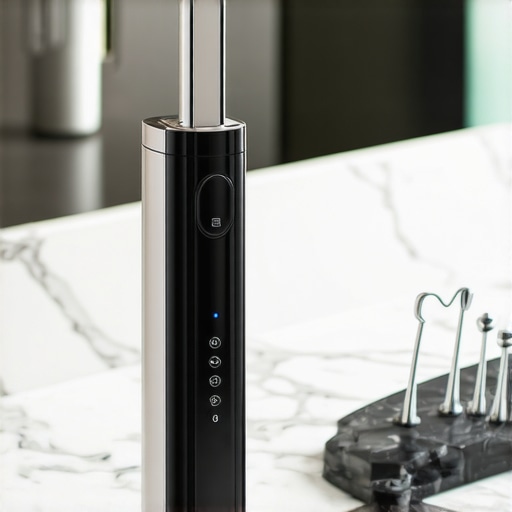
Looking ahead, I’m seeing a massive shift toward bio-feedback tools. By the time we reach the peak of oral health tips every family should follow in 2025, your toothbrush will likely sync with an app that tells you exactly which molar you’re neglecting in real-time. We are already seeing brushes that use 3D mouth mapping. This level of precision is the heart of family dentistry focus building a lifetime of healthy smiles. We are moving away from ‘guessing’ if we brushed well and moving toward data-driven certainty. For my kids, this gamification makes the process actually fun, which is half the battle.
If you want to start improving your results today, try my ‘no-rinse’ challenge. For the next three nights, spit out your toothpaste but don’t rinse with water or mouthwash. Let those minerals sit on your teeth while you sleep. You’ll be surprised at how much smoother your enamel feels by morning. It’s one of those teeth cleaning secrets effective home practices for family dental health that costs nothing but changes everything. Just spit, set your brush down, and walk away.
The Three Shifts That Saved My Enamel
First, I realized that plaque isn’t just food debris—it’s an organized biofilm that gets tougher to move the longer it sits. My manual brush was just skimming the surface, while the electric vibrations actually disrupt that microscopic structure. Second, I learned that my gums are the foundation of everything. If you don’t prioritize the impact of regular teeth cleaning on overall oral wellness, you’re essentially building a house on sand. Finally, I stopped seeing my dental visits as a test I had to pass and started seeing them as a collaboration. My dentist isn’t a judge; they’re a mechanic for my mouth, helping me optimize my routine rather than just fixing what’s broken.
The Tools That Actually Do the Heavy Lifting
I don’t believe in buying every gadget, but three things changed my oral health trajectory. A high-end electric toothbrush with a pressure sensor is non-negotiable for anyone who wants expert advice on crowns and teeth cleaning for lasting results. I also swear by a water flosser for cleaning the margins of my dental work; it flushes out the plaque that a brush can’t touch. Lastly, I keep a stash of interdental brushes in my car—it’s the easiest way to catch up on cleaning during a commute. If you’re looking for more ways to level up, I’ve found that teeth cleaning secrets effective home practices for family dental health often come down to these simple mechanical advantages rather than expensive chemicals. This is particularly vital when caring for crowns essential tips for longevity and shine is a priority for your smile’s aesthetics.
A Lifetime of Smiling Without the Stress
At the end of the day, your smile is one of your greatest assets. It’s the first thing people notice and a primary indicator of your overall well-being. By shifting from manual scrubbing to a more precise, tech-supported approach, you are choosing to invest in a future where you don’t dread the dentist’s chair. You can achieve family dentistry focus building a lifetime of healthy smiles just by making these small, intentional changes to your daily oral health routine strengthening your smile every day. It’s never too late to start protecting the teeth you have and the investment you’ve made in your dental work. Have you made the switch to an electric toothbrush yet, or are you still a manual brush loyalist? Let me know your thoughts in the comments below!