
I remember sitting in my car, staring at the clinic door like it was the entrance to a haunted house. My heart thudded. I’d spent weeks ignoring a dull ache because I was terrified of the dentist. It was a classic case of avoiding the inevitable, and let me tell you, that wait only made things worse. I finally realized that my daily routine for your smile wasn’t enough to save a tooth I’d already neglected. I was there for a root canal, and I was absolutely spiraling. The smell of the clinic—that sharp, sterile scent—usually sent me running, but the pain had become a louder voice than my fear. [image_placeholder] Today, I’m going to share exactly how I flipped the script on that fear so you can walk into your appointment feeling like a human being instead of a bundle of nerves. We are going to tackle the mental prep that your dentist might not mention but that makes all the difference for your sanity.
My Near-Fainting Spell and the Lessons It Taught Me
Years ago, I made a massive mistake. I assumed that if I didn’t think about the pain, it wasn’t happening. I let a small problem fester until I had to learn how to spot an infected root the hard way—with a throbbing jaw and a fever. When the dentist told me I needed a root canal followed by a crown, I nearly passed out right there in the chair. I had spent hours the night before reading horror stories on forums, which is the absolute worst thing you can do. My big error was thinking that Google knew more about my mouth than a professional. But here is the thing: the fear is almost always worse than the chair time. Modern family dentistry has come so far that the procedure itself is often no more uncomfortable than getting a cavity filled. I remember how the light reflected off the metal tools once I actually got inside. Every clink made me jump. It felt like I was waiting for a storm to hit. But once the numbing agent kicked in, the ‘storm’ turned out to be more like a quiet afternoon in a chair. According to the American Association of Endodontists, more than 15 million root canals are performed annually in the US, and most patients report the process is virtually painless thanks to effective numbing. The shock for me wasn’t the pain of the procedure, but the relief I felt when it was over. Have you ever found yourself paralyzed by the thought of a dental procedure, even when you knew you needed it?
Is This Fear Actually Just in Your Head?
It’s easy for people to say ‘just relax,’ but your brain is hardwired to protect you from perceived threats. When I finally accepted that my anxiety was a physical response I could manage, rather than a character flaw, everything changed. I started focusing on the end result—a pain-free mouth and the fact that crowns are part of the process of getting your confidence back. I used to think I was the only person who felt like this, but then I talked to my neighbors and realized almost everyone has a ‘dentist story.’ I even worried about the impact of regular teeth cleaning and if I’d already ruined my chances of a healthy smile forever. Spoiler: I hadn’t. The key isn’t to get rid of the fear entirely, but to have a toolkit to manage it. Whether it’s the right playlist or a specific conversation with your provider, you have more control than you think. In the next few sections, we’ll dive into the specific breathing tricks and prep steps that actually work, plus how expert advice on teeth cleaning can prevent you from needing this procedure ever again.
Establish a Signal Before the Drill Starts
One of the most terrifying aspects of being in that chair is the feeling of losing your voice. You are reclined, your mouth is open, and you feel like you can’t speak up if something hurts or if you just need a second to breathe. I used to sit there white-knuckling the armrests until my knuckles literally turned grey. Now, I use a simple ‘stop’ signal. Before the dentist even picks up a tool, I say, ‘If I raise my left hand, I need you to stop immediately.’ It sounds simple, but that tiny bit of agency changes the power dynamic in the room. I remember a specific root canal where the suction was catching on my cheek. Instead of panicking and gagging, I just lifted my hand. The dentist stopped, adjusted the tool, and we kept going. It turned a potential panic attack into a two-second pause. This is the most comfortable way to get a professional deep cleaning or any major procedure done—by keeping the remote control in your own hand.
Block Out the Noise with Your Own Soundtrack
The high-pitched whine of a dental drill is a universal trigger for anxiety. It’s an evolutionary response to a sound that mimics something breaking. To counter this, I started bringing noise-canceling headphones. Don’t just pick any music; pick something dense and complex like a podcast or a heavy bass track. 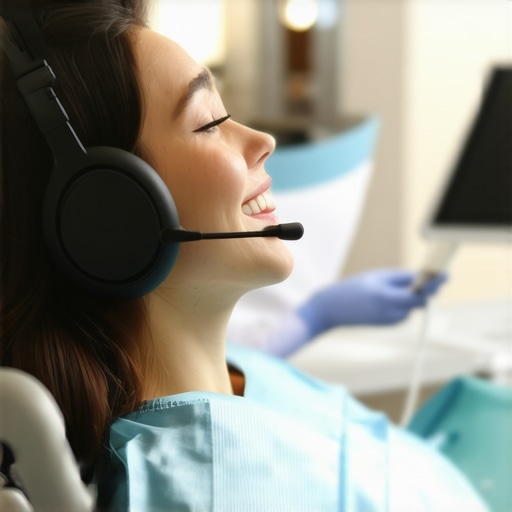 During my last crown fitting, I listened to an audiobook about deep-sea exploration. As the narrator described the quiet of the ocean floor, I completely tuned out the clinking of metal tools and the hum of the overhead lights. It created a sensory barrier that my brain desperately needed. If you are worried about the noise, ask your provider about family dentistry focus practices that offer ‘silent’ electric drills, which are significantly quieter than the older air-driven models.
Why Zirconia Crowns Win the Battle for Your Back Molars
When you move past the procedure and into the restoration phase, you have choices to make. If you are getting a crown on a back molar where you do the heavy lifting of chewing, you want something that won’t crack under pressure. I learned the hard way that not all materials are equal. I once had a porcelain-fused-to-metal crown that chipped within two years because I’m a night-time tooth grinder. Switching to a different material changed everything. Why zirconia crowns are often better for back molars comes down to sheer durability; they are virtually indestructible and can withstand the intense forces of your jaw. They also require less of your natural tooth to be shaved down, which is a huge win for long-term health.
Keep That New Crown From Popping Off at Dinner
Once the procedure is done, the ‘how-to’ shifts to maintenance. There is a specific fear associated with a new crown—that it’s going to fly out while you’re eating a steak. To avoid this, you need to master how to keep your dental crown from popping off while chewing, especially in those first 24 hours. I used to think I could go back to eating sticky taffy immediately, but the cement needs time to fully bond. The real secret is in the flossing technique. Instead of pulling the floss back up through the contact point, which can act like a lever against the crown, pull it through the side. This simple mechanical shift prevents you from accidentally ‘fishing’ your new tooth out of your mouth. Following caring for crowns: essential tips for longevity and shine will ensure that the work you just endured lasts for decades rather than months.
The Prep Work That Shortens Your Time in the Chair
The less time you spend in the chair, the less time you have to be anxious. Most people don’t realize that their home habits directly dictate how long the professional cleaning or procedure takes. If your gums are inflamed, you’ll bleed more, which makes it harder for the dentist to see what they are doing, lengthening the appointment. I found that teeth cleaning secrets: effective home practices for family dental health—like using an interdental brush—reduced my chair time by twenty minutes. Also, the one thing you must do before your next dental cleaning is to hydrate. A dry mouth makes your tissues more sensitive to the touch. By simply drinking more water the morning of, I noticed the scaling tools didn’t feel nearly as sharp against my gums.
It’s easy to think that once you’ve mastered the basics, you’re in the clear, but there is a nuance to family dentistry that most people completely overlook. Let’s talk about the ‘clean’ feeling we all chase. Many of us were taught to brush and then immediately rinse our mouths with water. I did this for years, thinking I was washing away the debris. But in my experience, and according to the Oral Health Foundation, this is actually a major mistake. When you rinse with water right after brushing, you are washing away the concentrated fluoride in the remaining toothpaste. This essentially dilutes the ‘treatment’ before it has a chance to strengthen your enamel. It is far better to stop rinsing with water immediately after brushing and simply spit out the excess. Have you ever fallen into this trap of the ‘water-rinse’ habit? Let me know in the comments.
The Counterintuitive Reality of ‘Loose’ Teeth After a Cleaning
One of the biggest ‘oops’ moments for patients happens after a long-overdue professional visit. I’ve seen people panic because their teeth feel slightly wiggly after the hygienist is finished. The common myth is that the cleaning somehow damaged the stability of the tooth. The reality is much more nuanced: the tartar (calculus) had built up so much that it was acting like a bridge between your teeth, masking the fact that you had underlying gum recession. When that ‘bridge’ is removed, you finally feel the actual state of your oral health. This is exactly why your teeth feel loose right after a professional cleaning; it’s the start of the healing process, not a sign of damage. 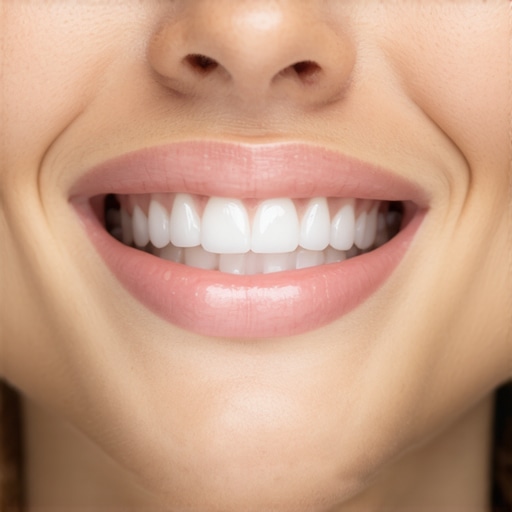
Why Does My Breath Still Smell Bad Even After Scrubbing?
If you are brushing and flossing religiously but still notice a lingering odor, you might be falling for the ‘surface-level’ trap. Many people focus on the teeth but ignore the biological hideouts for bacteria. Your tongue and the deep pockets of your gums are the primary culprits. In fact, why your breath smells bad even after using a tongue scraper often comes down to volatile sulfur compounds produced by bacteria living deep in the posterior part of the tongue or within periodontal pockets. This is why the most comfortable way to get a professional deep cleaning involves targeting those sub-gingival areas that a standard toothbrush simply cannot reach. If you ignore these hidden zones, you’re only treating half the problem.
Stop Scrubbing Like You’re Cleaning the Kitchen Floor
Here is a contrarian view: ‘Clean’ doesn’t mean ‘scrubbed.’ I used to think that the harder I pressed, the whiter my teeth would get. I was wrong. Aggressive brushing is a silent killer for your smile. It causes the gums to pull back and wears down the translucent enamel, which ironically makes your teeth look more yellow because the dark dentin underneath starts to show through. This is a classic example of why hard brushing actually makes your teeth look darker. Modern oral health tips every family should follow in 2025 prioritize the ‘massage’ technique over the ‘scrub’ technique. When you combine this gentle approach with expert advice on crowns and teeth cleaning, you ensure that your restorations—like those zirconia crowns—last as long as possible without the surrounding gum tissue receding and exposing a dark margin. Maintaining that seal is the difference between a crown that lasts five years and one that lasts twenty.
I have spent a small fortune on dental work over the years, and I will be damned if I let it go to waste because I was lazy with my equipment. The most significant shift for me was not just brushing more; it was switching to a high-end sonic toothbrush with a real-time pressure sensor. I used to think I had a ‘light touch’ until the red light on my brush started flashing every five seconds. This tool is a total game-changer because it removes the guesswork. When you combine this with teeth cleaning secrets like the haptic two-minute timer, you realize how much surface area you were actually missing during those rushed morning sessions. But the brush is only half the battle. If you have tight gaps like I do, standard floss is a nightmare that often ends in bleeding gums and frustration. I now swear by interdental cleaners. Finding the proper way to use interdental brushes is like finding the right key for a lock; you need the exact size that fits snugly without forcing it. Since I started using these daily, my hygienist actually asked what I changed because my gum pockets showed significant signs of tightening and healing.
Upgrade Your Arsenal Without Breaking the Bank
Maintaining that investment requires a complete shift in your daily mindset. You have to treat your crowns like high-performance machinery that needs specialized care. I follow the dos and donts for best results religiously, which means no chewing ice and certainly no using my teeth as tools to open stubborn plastic packages. For those of us with zirconia crowns, the material durability is incredibly high, but the seal at the gumline remains the primary weak point. According to Dr. Gordon Christensen of the Clinicians Report, a niche authority on restorative materials, while zirconia is virtually indestructible in the lab, the long-term success of the restoration depends heavily on the ‘ferrule effect’—the amount of natural tooth structure available to support the crown. If you let decay sneak under that margin, the strongest material in the world will not save the tooth. This is why you must stop your crown from smelling like old food by cleaning that margin every single night with meticulous care.
How do I keep my dental work from failing years later?
The key is consistency and the right tech. Looking ahead, I suspect we are moving toward a world where your toothbrush does not just clean; it analyzes. I predict that oral health tips every family should follow in 2025 will include the use of smart brushes that check your saliva for biomarkers of inflammation before you even feel a twinge of pain. We are already seeing brushes that map your mouth in 3D on a smartphone app, and this data-driven approach will make ‘blind brushing’ a thing of the past. 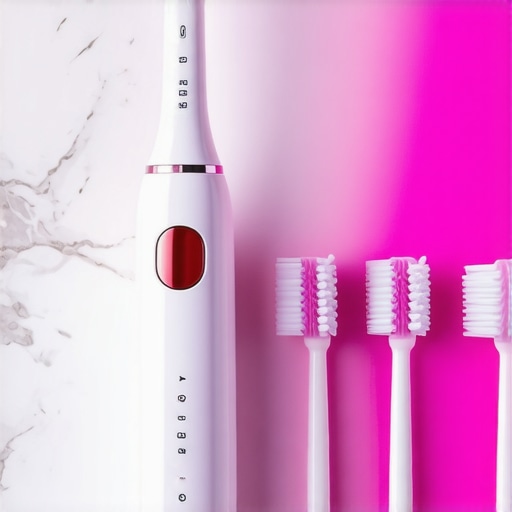 Before you go, I want you to try one specific thing tonight: Skip the water rinse after you brush. Let that fluoride film sit on your enamel while you sleep to maximize remineralization. It feels slightly chalky at first, but your teeth will be much stronger for it. If you are ready to really step up your maintenance game, check out these essential tips for longevity and shine to keep your restorations looking brand new for the next decade.
Lessons from the Other Side of the Drill
After years of anxiety and multiple procedures, I’ve realized that the most expensive dental work is the work you have to do twice. I used to think a crown was a permanent shield, but I learned that even the best family dentistry requires you to show up at home every single night. The biggest lightbulb moment for me was realizing that my gums are the foundation; if the foundation is shaky, the tooth won’t stand regardless of the material. I also learned that how crowns can transform your dental confidence is only possible if you commit to a lifestyle shift, not just a one-time fix. Procrastination is the real enemy, not the dentist. [image_placeholder]
The Survival Kit for Your Next Appointment
If you want to walk into your next cleaning without that sinking feeling in your stomach, you need a better arsenal. I trust these tools because they’ve literally saved me from returning to the specialist for repairs:
- A pressure-sensing electric brush: It prevents aggressive scrubbing that ruins enamel and reveals yellow dentin.
- Interdental brushes: These are far superior to string floss for cleaning the tricky margins of your crowns.
- The ‘no-rinse’ rule: Leaving that fluoride film on your teeth overnight is essentially a free treatment.
For more specific strategies, I always revisit teeth cleaning secrets that professionals use to maintain their own smiles.
Take the First Step Toward Confidence
The anxiety you feel right now is just a signal that you care about your health. Don’t let it paralyze you. Whether you’re looking for family dentistry focus for your kids or you need a major restoration yourself, the technology available today is designed for your comfort. By following the dos and donts for best results, you can ensure your smile stays strong for years to come. Your future self will thank you for the courage you show today. Have you ever had a dental experience that completely changed the way you look at your oral health routine? Let me know in the comments below!