
I stood in the doorway of the bathroom, the smell of minty toothpaste lingering in the air, watching my fourteen-year-old son execute a ‘brushing’ routine that lasted exactly six seconds. When I asked the dreaded question—’Did you floss?’—he didn’t even look up. He just mumbled a ‘Yep’ while the container of floss sat under a layer of dust on the vanity. It brought me back to my own rebellion, a period of my life that eventually resulted in a cracked molar and a very expensive dental crown. The dentist’s office had that sharp, clinical smell, and the sound of the drill was enough to make me regret every skipped night of my youth. I realized right then that my constant nagging wasn’t just annoying him; it was making him associate family dentistry with a lecture series he never signed up for. Today, we are going to fix that. I am going to show you how to move from being the ‘Floss Police’ to a helpful guide, ensuring your teen protects their smile without the nightly shouting match. This isn’t just about avoiding a lecture; it’s about avoiding the impact of poor oral hygiene on their long-term health.
My Nagging Actually Made the Problem Worse
For years, I thought the only way to get results was to be louder. I would point out that his gums looked red or remind him for the tenth time about strengthening your smile. It was a massive mistake. By turning a health habit into a power struggle, I gave him a reason to say no just to prove he was in control. My ‘lightbulb moment’ came when I stopped talking about the future and started making the present easier. We often forget that childhood habits don’t just disappear; they solidify into adult problems. According to the American Academy of Periodontology, nearly half of American adults over age 30 have some form of periodontal disease, a statistic that often begins with the skipped flosses of our youth. I had to swallow my pride and admit that my approach was failing both of us.
Does a tiny piece of string really change anything?
You might be wondering if it is even worth the fight. After all, if they are brushing twice a day, isn’t that enough? I used to think so too, until I saw the truth about why gums bleed during a routine check-up. Brushing only cleans about 60% of the tooth surface. Leaving that other 40% to rot is like washing only the outside of a dirty dish and calling it clean. This neglect is exactly what happens if you skip cleaning for too long. Have you ever found yourself in a stalemate over a toothbrush, wondering why such a simple task feels like a marathon?
Stop Fighting and Start Strategizing
Once I shifted my approach from confrontation to convenience, everything changed. I stopped buying the cheap, painful string that cut into his fingers and invested in interdental brushes and flavored picks that didn’t feel like a chore. I also had to be honest about my own failures; I told him about the time I ignored professional oral health tips and ended up needing a specialist to scrape away months of neglect. It was embarrassing, but it built a bridge. Have you tried any of the high-tech gadgets like water flossers, or is your bathroom still a daily battleground? The trick is to find the simple switch that removes the friction from their nightly routine. Let’s dive into the specific psychological ‘switches’ you can flip tonight to get them flossing without you saying a single word.
Why String Floss is the VCR of Dental Care
I remember the night I handed my son those little disclosing tablets—the ones that turn plaque bright purple. He looked like he’d just eaten a grape popsicle, but when he saw the dark rings around his gums, the reality of the impact of regular teeth cleaning hit him harder than any lecture I could ever deliver. It wasn’t about my rules anymore; it was about the literal purple fuzz on his teeth that he could see in the mirror. We often expect teens to care about long-term health, but they live in the now. To get them to act, you have to make the problem visible and the solution effortless. If you are still handing them a container of waxy string, you are basically asking them to use a VCR in a Netflix world. It is slow, it is clunky, and they are going to find every excuse to avoid it. Transitioning to modern tools is the first ‘how’ in this process.
Fix the Friction for Tight Teeth
If your teen has crowded teeth, standard floss feels like trying to pull a rope through a needle. I watched my son snap three pieces of string in one go, his face getting redder with every failed attempt, before he finally threw the floss in the trash. That was my cue to stop talking and start shopping. Using the proper way to use interdental brushes can be a total game-changer because these tiny brushes slide in and out of gaps with zero friction. If they are struggling with how to clean between teeth if you have tight spacing, you need to provide the right hardware. Think of it like this: you wouldn’t expect someone to mow a lawn with a pair of scissors. When I brought home a pack of high-quality, flavored interdental picks and a water flosser, the ‘it takes too long’ excuse vanished overnight. 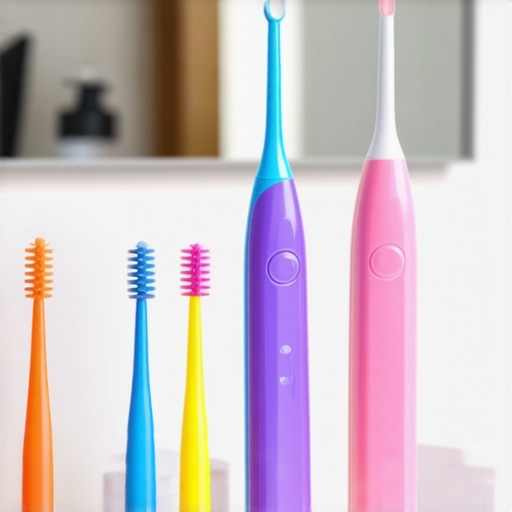
Let the Purple Dye Do the Talking
Instead of telling them their breath smells or their gums look red, let a disclosing agent be the bad guy. I spent years trying to explain teeth cleaning secrets to a kid who wasn’t listening. The moment he saw where the bacteria were hiding—specifically around his back molars where he eventually needed a dental crown later in life—he became his own investigator. This visual ‘audit’ turns a chore into a challenge. It is much easier to say ‘clean the purple off’ than ‘make sure you are reaching the gingival margin.’
Connect the Habit to Something They Love
The final step is what I call ‘habit stacking.’ The best way to get a teen to do anything is to attach it to something they already enjoy. For my son, it was his nightly gaming session or scrolling through his phone. I moved the water flosser and the interdental picks from the bathroom cabinet directly onto his desk (with a towel, of course). I told him he could have ten extra minutes of screen time if he cleaned his teeth while his game was loading. It sounds like a bribe, but in the world of family dentistry, we call it building a bridge to better health. He wasn’t thinking about expert advice on crowns; he was thinking about his high score. But the end result was a clean mouth and a much shorter visit to the dentist next time. By removing the friction and adding a small incentive, you turn a nightly battle into an automatic win.Once the kids are finally on board, we adults often fall into the trap of ‘autopilot’ dental care. We think we have mastered the basics because we have been doing them for decades, but I have learned that the most common mistakes are the ones we are most confident about. For example, everyone says you need to rinse after brushing to get the ‘soap’ out, but in my experience, that is exactly when you lose the most benefits. When you rinse with water immediately, you are literally washing away the concentrated fluoride that is meant for strengthening your smile. A meta-analysis published in the Cochrane Database of Systematic Reviews suggests that fluoride toothpaste works best when it stays in contact with the enamel for as long as possible. By spitting but not rinsing, you maintain that protective barrier. Have you ever fallen into this trap of the ‘rinse-and-run’ routine? Let me know in the comments.
Stop Rinsing Away Your Progress
This was a hard habit for me to break. I felt ‘unfinished’ if I didn’t splash my mouth with water. But understanding why you should stop rinsing with water immediately after brushing changed my perspective on how fluoride actually works. Think of it like a treatment, not just a soap. If you wash it off, you are essentially skipping the most important part of the process. We also need to remember that why your saliva is your best defense against decay involves its natural ability to remineralize your teeth when it’s not being constantly diluted. 
The High Cost of Scrubbing Too Hard
Another ‘oops’ factor that many of us experts-by-experience get wrong is the pressure we use. We assume that a harder scrub means a cleaner surface, but why hard brushing actually makes your teeth look darker is a nuance most people miss. You are essentially sanding down your bright enamel to reveal the yellowish dentin underneath. This aggressive approach is one of the 5 dental habits that are actually ruining your enamel. If you notice your gums starting to pull back, it is time to check your technique, as this is a primary reason why your gums recede even if you brush twice a day. Using a soft-bristled brush is not a sign of weakness; it is a requirement for longevity.
Why does my new dental crown feel so strange even after months?
This is a sophisticated question I get all the time. Many people believe that once they have a crown, that tooth is ‘invincible’ to decay. That is a dangerous myth. While the crown itself cannot rot, the margin where the porcelain meets your natural tooth is a magnet for bacteria. If you are not maintaining your dental crowns with the same precision as your natural teeth, you might notice a localized odor. Learning how to stop your crown from smelling like old food usually involves mastering interdental cleaning around the base. It is a subtle shift in perspective: treat the crown as a high-performance part that requires specific care, rather than a ‘set it and forget it’ fix. This is the core of expert advice on crowns that separates those who keep their dental work for twenty years from those who need a replacement in five.When I look at my bathroom counter now, it looks less like a drugstore shelf and more like a high-tech lab. I’ve realized that successful family dentistry isn’t just about the strength of your willpower; it’s about the efficiency of your gear. I personally retired my manual toothbrush years ago for a sonic model that produces 62,000 brush movements per minute. Why? Because the fluid dynamics created by those vibrations push toothpaste and water into the gaps where bristles literally cannot reach. This level of precision is exactly what I recommend for maintaining your dental crowns, as it gently vibrates plaque away from the crown margin without the abrasive scrubbing that causes recession. According to a study published in the Journal of Clinical Dentistry, users of sonic technology see a significant reduction in gingival inflammation compared to those using manual brushes. 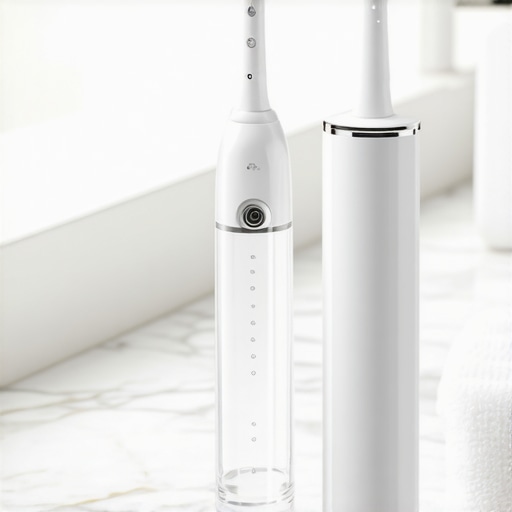
How do I maintain a consistent routine when life gets chaotic?
The biggest hurdle to strengthening your smile every day is the ‘all or nothing’ mentality that hits after a long day at work or a late school event. When my son is exhausted, we switch to a ‘minimum viable routine.’ If he can’t commit to the full three minutes, he must at least use a water flosser. I’ve found that a water flosser with an ‘orthodontic’ tip is a miracle worker for teenagers; it flushes the sulcus—the tiny pocket between the tooth and gum—more effectively than string ever could. These teeth cleaning secrets keep the mouth healthy enough that a professional scale and polish remains a preventative measure rather than a rescue mission.
Bio-monitoring is the Next Frontier in Family Health
Looking at where dental care is heading, I am most excited about the integration of AI and bio-sensors. We are moving toward a world where your toothbrush doesn’t just tell you if you missed a spot, but actually analyzes the pH levels of your saliva in real-time. Imagine getting an alert on your phone that your mouth is too acidic after a snack, prompting you to rinse before enamel erosion starts. These oral health tips every family should follow in 2025 will eventually include at-home diagnostic kits that catch biomarkers for decay weeks before a cavity forms. This shift from ‘repair’ to ‘predictive’ care will change everything. I challenge you to try one advanced tweak tonight: after you finish brushing, spit out the excess toothpaste but do not rinse with water. Let that thin film of fluoride coat your teeth while you sleep. It might feel strange at first, but it is the easiest way to give your enamel a massive boost without spending a dime.
Lessons from a Parent Who Spent a Fortune on Dental Repairs
Looking back at my own journey, I wish I hadn’t treated my mouth like an indestructible tool. Here are the three most expensive and vital lessons I learned the hard way:
- Enamel is a finite resource: Once you aggressively scrub it away or allow decay to take hold, you enter a lifelong cycle of maintenance. While understanding the role of crowns helps when damage is done, keeping your natural tooth structure is always the superior option.
- Convenience beats willpower every single time: If flossing is a chore, a teenager simply won’t do it. By providing the right tools, you remove the mental barrier and make health the path of least resistance.
- The margin is where the battle is won: Most decay doesn’t start on the flat surfaces of teeth; it starts in the gaps. Focusing on the proper way to use interdental brushes can save you thousands in future restorative work.
The Gear That Finally Ended My Dental Stress
I don’t recommend tools lightly, but a few specific items changed our family dynamic forever. First, high-quality interdental picks are non-negotiable for those with tight spacing; they are much more likely to be used than traditional string. Second, disclosing tablets are the ultimate ‘truth-teller’ for teens—it is hard to argue with purple teeth. Finally, I’ve found that focusing on teeth cleaning secrets like using a sonic-powered brush ensures that even a ‘quick’ brush is significantly more effective. These tools are essential for maintaining your dental crowns and natural teeth alike, ensuring that your home care matches the quality of professional visits.
Building a Future Where Your Kids Keep Their Natural Teeth
It’s easy to feel defeated when the nightly routine feels like a power struggle, but remember that every small adjustment is a step toward a lifetime of wellness. By shifting from a ‘police’ mindset to a ‘coach’ mindset, you are empowering your child to take ownership of their own body. This evolution in your oral health routine isn’t just about avoiding cavities today; it’s about preventing the impact of regular teeth cleaning neglect that often leads to major surgery in adulthood. Your commitment to family dentistry excellence today is the reason they will still be smiling brightly decades from now. Have you found a specific gadget or a clever ‘habit stack’ that finally got your teenager to take flossing seriously? Let me know in the comments below!