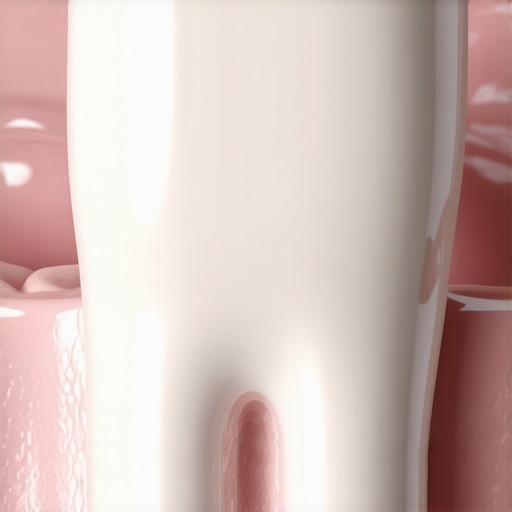
I will never forget the cold shiver I felt when my tongue first discovered that tiny, jagged ledge between my gum and my expensive new crown. It was during a dinner party, of all places. One minute I was enjoying my steak, and the next, I was obsessively poking at a space that definitely was not there when the dentist first cemented the tooth. It felt like a trap for every crumb on my plate. If you are feeling that same gap right now, I know that mix of frustration and the anxiety of wondering if you just wasted a small fortune. We spend a lot on our smiles, and seeing a dark line or feeling a ledge is enough to make anyone panic. Today, I am going to walk you through exactly why this happens and how we can address it before it turns into a bigger headache.
That Annoying Space Above Your Dental Crown Needs to Go
Let’s be real: a dental crown is supposed to look and feel like a natural tooth. When a gap appears—what dentists often call a marginal discrepancy—it is more than just a cosmetic fluke. I made the huge mistake of ignoring a similar gap years ago, thinking it was just the tooth settling in. I even tried to use a metal paperclip once to scrape out trapped food—please, never do that. It led to massive irritation and I am lucky I did not cause a full-blown infection. Proper caring for crowns involves realizing that the seal at the gumline is your first line of defense. According to the American Dental Association, even a microscopic margin opening can allow bacteria to seep underneath, potentially causing decay on the natural tooth structure that is supposed to be protected. If you have noticed that your crown is starting to smell like old food, that gap is likely the culprit.
Is a gap between your gum and crown actually a dental emergency?
You might be wondering if you can just live with it. I get it; nobody wants an extra trip to the dental chair or an unexpected bill. However, a gap is often a sign of gum recession or a crown that has shifted over time. If you notice why your gums bleed only when you floss around that specific tooth, your body is waving a red flag at you. We are not just talking about a piece of spinach getting stuck anymore; we are talking about the long-term health of your bone and tissue. Have you ever looked in the mirror and felt like your crown just does not fit your face anymore? If you have experienced that sinking feeling when your tongue hits a gap, tell me, how long have you been putting off the fix?
Don’t Ignore the Telltale Tongue Test
If you feel a ledge, the first thing you need to do is a visual audit. Grab a high-powered flashlight and a magnifying mirror. Think of your crown like a roof on a house; if the shingles do not meet the siding, the wood underneath is going to rot. I remember sitting on my bathroom counter, contorting my jaw just to see the back of my mouth. I saw a thin, dark line that looked like a tiny canyon. That was the exposed root. When I finally sought expert advice on crowns and teeth cleaning for lasting results, I learned that even a hair-thin opening is a highway for sugar. If you can see the edge of the metal or the natural tooth color poking through, the seal is broken. 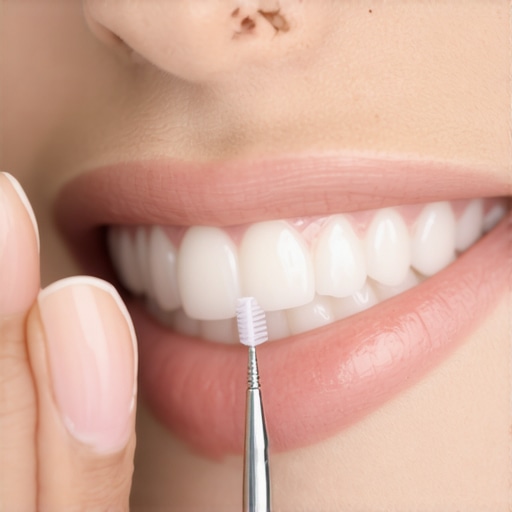
Clean the Crevice Without Causing Damage
Until you can get into the dental chair, you have to be a specialized janitor for that gap. Standard flossing often misses the ‘undercut’ where the crown meets the gum. I started using tiny brushes that look like miniature pipe cleaners. Learning the proper way to use interdental brushes for best results saved me from a massive infection. You want to slide the brush in horizontally at the gumline. If it resists, do not force it, but if it glides through, it is removing the debris that causes that ‘old food’ smell. This is a critical part of a solid oral health routine strengthening your smile every day.
Why Your Gums Might Be Running Away
Sometimes the crown is fine, but the gums are the problem. If you are a ‘scrubber’ like I used to be, you are likely pushing the tissue away from the tooth. I found out the hard way that why hard brushing actually makes your teeth look darker—it is because it wears down the gum and exposes the yellowish dentin underneath. This explains why your gums recede even if you brush twice a day. You have to switch to a ‘modified Bass technique’—angling the bristles toward the gum at 45 degrees and using tiny, circular vibrations instead of long, sawing motions.
Evaluate Your Crown Material for a Better Fit
If the gap is massive, the crown might need a total replacement. In my case, my old porcelain-fused-to-metal crown was the culprit because the metal margin was irritating my gums. Modern materials are much friendlier. For example, why zirconia crowns are often better for back molars comes down to their biocompatibility; the gums actually like being near them. This is a big reason how crowns can transform your dental confidence—when that dark line disappears, you stop hiding your smile during photos.
Stop Treating Your Crown Like It’s Indestructible
Most people assume that once a crown is cemented, that tooth is ‘safe’ from ever having another cavity. This is a massive trap. In reality, the margin—that tiny seam where the porcelain meets your natural tooth—is the most vulnerable spot in your entire mouth. While the crown itself won’t decay, the tooth structure underneath can still rot if bacteria find a way in. This is why maintaining your dental crowns dos and donts for best results focuses so heavily on the gum line rather than the top of the tooth. I’ve seen patients who thought they were doing everything right, only to find out that their ‘protective’ crown was actually harboring a secret cavity because they stopped flossing that specific spot. Have you ever fallen into this trap, thinking the crown was a free pass to skip a day? Let me know in the comments. 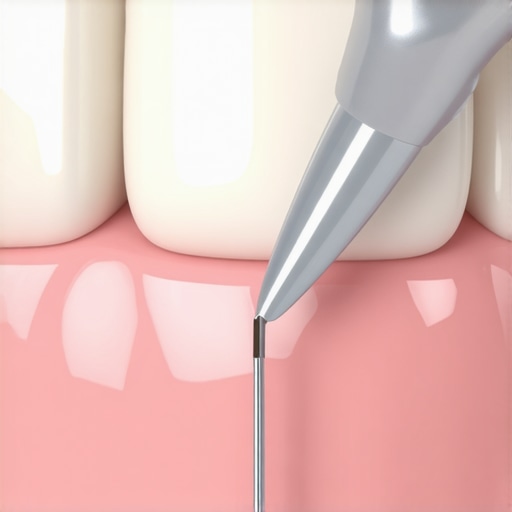
Can a crown actually cause the very gum recession you’re trying to avoid?
It sounds counterintuitive, but if a crown isn’t contoured perfectly, it can actually irritate the tissue into pulling away. This is often related to the ‘biological width’—the precise amount of space nature requires between the bone and the edge of the restoration. If a crown ‘invades’ this space, the gums will recede as an inflammatory response to protect the underlying bone. According to research in the Journal of Prosthetic Dentistry, marginal integrity is the single biggest predictor of crown longevity; even a 50-micron gap (thinner than a human hair) can lead to cement ‘washout’ over time. This is one reason why the impact of regular teeth cleaning on overall oral wellness cannot be overstated—a professional can spot this microscopic washout long before your tongue ever feels a ledge. If you ignore this, you aren’t just losing a crown; you’re losing the foundation of the tooth itself.
The Hidden Danger of Whitening Toothpaste on Porcelain
One of the most common ‘oops’ factors I see is people using highly abrasive whitening toothpastes on their expensive restorations. These pastes are often formulated with silica that can microscopically scratch the smooth glaze of your crown. Once that glaze is compromised, the crown becomes a magnet for plaque and stains, making it look dull and dark over time. This is high on the list of 5 dental habits that are actually ruining your enamel and your dental work. Instead, stick to a low-abrasive gel to keep the surface slick and bacteria-resistant. Furthermore, people often over-clean the area once they notice a gap, accidentally accelerating the wear. Before you head into your next appointment, remember the one thing you must do before your next dental cleaning: chart exactly where you feel those ledges or sensitivity points. Sharing these specific locations helps your dentist distinguish between simple gum irritation and a failing seal. Following these oral health tips every family should follow in 2025 will ensure your crowns stay as healthy as the natural teeth they are meant to protect. It’s about being proactive rather than reactive, especially when dealing with the complex mechanics of dental restorations.I used to think my standard electric toothbrush was enough, but once that gap appeared, I realized I was bringing a knife to a gunfight. To truly protect the margin of a crown, you need to upgrade your arsenal. I personally swear by a water flosser equipped with the ‘Pik Pocket’ tip. Unlike the standard high-pressure nozzle, this specific tip is designed to deliver water or antimicrobial rinses into those 5-6mm deep pockets where a brush literally cannot reach. It is a game-changer for teeth cleaning secrets effective home practices for family dental health because it flushes out the anaerobic bacteria that love to hide under the ledge of a crown. If you are not using one, you are basically leaving a Petri dish in your mouth. This level of care is what provides expert advice on crowns and teeth cleaning for lasting results.
How do I keep my crowns from failing in five years?
The secret isn’t just in the tools; it is in the frequency and the data. I started tracking my ‘pocket depths’ during my bi-annual visits. If your hygienist isn’t calling out numbers like ‘2, 2, 3’ while poking your gums, ask them to. This data is the only way to know if your oral health routine strengthening your smile every day is actually working. According to a study published in the Journal of Oral Rehabilitation, the longevity of a restoration is significantly higher when the patient maintains a plaque index of less than 20%. This is why the secrets to making your professional cleaning last longer involve focusing on that specific transition zone where the crown meets the flesh. 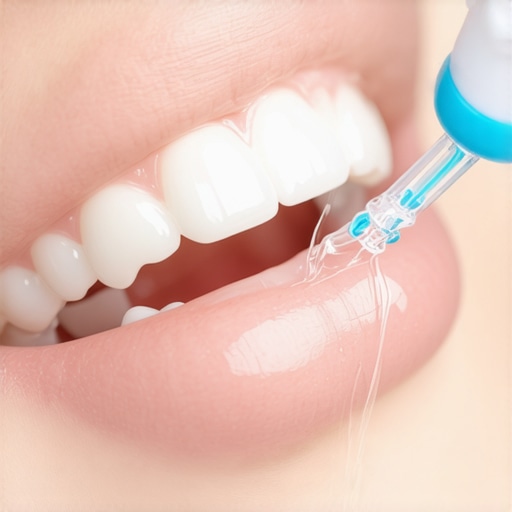
The Future of Your Smile is Digital
Looking ahead, I predict we are moving away from the ‘wait and see’ model of dentistry. We are already seeing the rise of AI-integrated intraoral cameras that can detect marginal leakage long before a human eye sees a dark line. In the next few years, understanding the role of crowns in modern smile makeovers will involve 3D-printed restorations with ‘bio-active’ cements that actually release fluoride to protect the tooth from underneath. This shift towards tech-heavy family dentistry focus building a lifetime of healthy smiles means we can catch failures in the ‘micro-gap’ stage. For now, my best advanced tip for you is to buy a pack of plaque-disclosing tablets. Chew one after you think you’ve cleaned your crown perfectly. If the margin turns bright purple, you still have work to do. It’s a reality check that prevents a thousand-dollar replacement down the road.
The Truth About Living With Porcelain
After years of dealing with my own restorations, I realized that a crown isn’t a ‘set it and forget it’ solution; it is a partnership between your dentist’s skill and your daily commitment. The biggest myth I had to unlearn was that the crown was somehow stronger than my natural teeth. In reality, that tiny seam at the gumline is the most delicate part of your mouth. If you’ve ever wondered how to stop your crown from smelling like old food, you now know it starts with acknowledging that tiny gap before it becomes a cavity. Don’t wait for pain to be your guide; by the time a crown hurts, the damage is often deep. Listening to your tongue when it feels a ‘ledge’ is the best early-warning system you own.
#IMAGE_PLACEHOLDER_E#
What’s Currently in My Bathroom Cabinet
I’ve narrowed down my routine to three specific items that provide expert advice on crowns and teeth cleaning for lasting results in physical form. First, interdental brushes are non-negotiable. Knowing the proper way to use interdental brushes for best results makes a massive difference in how long your gums stay tight against the porcelain. Second, I keep a low-abrasive gel to avoid the micro-scratches highlighted in 5 dental habits that are actually ruining your enamel. Finally, I use plaque-disclosing tablets once a week. It’s a humbling experience to see exactly where you’re missing, but it’s the only way to ensure your oral health routine strengthening your smile every day is actually working. These tools are the bridge between a five-year crown and a twenty-year crown.
Protect Your Investment Before It Becomes a Problem
Your smile is one of the few things you wear every single day, and your crowns are the pillars of that confidence. By staying proactive and following the oral health tips every family should follow in 2025, you can avoid the anxiety of unexpected failures. Modern dentistry gives us the tools to keep these restorations perfect, but the effort starts at your bathroom sink. Remember that family dentistry focus building a lifetime of healthy smiles isn’t just about the kids; it’s about you keeping your own natural teeth for as long as possible. Don’t let a tiny gap steal your peace of mind or your dental budget. Take that first step tonight by really looking at those margins in the mirror. Have you ever felt a tiny ledge with your tongue and ignored it, only to regret it later? Let me know your experience in the comments below!