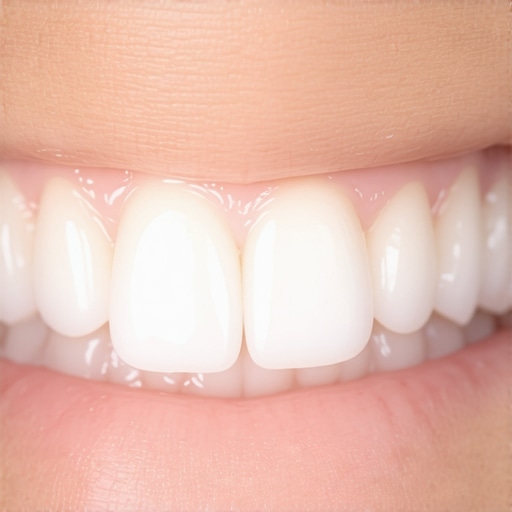
I was staring into my bathroom mirror, clutching a box of extra-strength whitening strips I’d just bought on a whim, feeling a pit in my stomach. My natural bottom teeth had taken on a slightly yellow hue—thanks to my daily double-espresso habit—while my top veneers remained their pristine, eggshell white. The contrast was starting to look like two different people lived in my mouth. In my desperation to learn how to whiten your smile without damaging your veneers, I almost made a massive mistake. I thought I could just treat them like my natural enamel, but I quickly realized that these porcelain masterpieces require a totally different playbook. Today, I’m going to share the hard-won secrets of balancing a bright smile with cosmetic dental work, so you don’t have to panic-buy the wrong products like I did.
Your Veneers Aren’t Regular Teeth—Don’t Treat Them Like They Are
When I first got my veneers, I thought I was invincible to stains. But then life happened. Coffee, red wine, and the occasional blueberry smoothie started to dull the edges where the porcelain met my real teeth. I made the classic mistake of reaching for a charcoal-based toothpaste I saw on social media. I thought the grit would scrub away the dullness. Instead, it was like using sandpaper on a fine crystal glass. I learned from the American Academy of Cosmetic Dentistry (AACD) that porcelain is essentially non-porous, meaning traditional peroxide can’t penetrate it, and abrasive cleaners can actually strip the protective glaze. This glaze is what keeps your smile looking polished, and once it’s gone, your veneers will stain ten times faster. You really have to focus on how to keep your porcelain crown from staining over time by being gentle rather than aggressive. Have you ever tried a DIY whitening hack that went totally sideways? Tell me I’m not the only one who’s been there!
Is Professional Whitening Actually Worth the Investment?
This is the hurdle everyone hits. We want the cheap fix, but the truth is that [maintaining your dental crowns](https://periodontistcare.com/maintaining-your-dental-crowns-dos-and-donts-for-best-results) and veneers often requires a professional touch to ensure the color match stays seamless. While you can look for the [safest way to use whitening strips](https://periodontistcare.com/the-safest-way-to-use-whitening-strips-without-nerve-pain) for your natural teeth, they won’t change the shade of your dental work one bit. This creates a ‘mismatch’ risk that only a pro can manage. I found that understanding [why professional whitening beats over the counter strips](https://periodontistcare.com/why-professional-whitening-beats-over-the-counter-strips) saved me hundreds of dollars in the long run because I stopped buying products that literally couldn’t work on my porcelain. We are going to dive into the exact routine that keeps both your natural teeth and your cosmetic work in perfect harmony, ensuring your smile stays bright without costing you a fortune in replacements.
Stop Using Your Toothpaste Like Sandpaper
The biggest hurdle in maintaining a mixed smile is realizing that your veneers are like a high-end marble countertop—gorgeous, but prone to scratching if you use the wrong cleaners. When I first noticed my bottom teeth yellowing, I grabbed the grittiest whitening paste I could find. Within a week, my veneers lost that mirror-like sheen. I learned the hard way that porcelain doesn’t stain the same way enamel does; instead, it loses its factory-applied glaze when you use abrasives. This is why hard brushing actually makes your teeth look darker over time by creating microscopic scratches that trap pigments. To fix this, you must switch to a non-abrasive, gel-based toothpaste. Think of it as a gentle car wash for your mouth rather than a heavy-duty scrub.
Protect the Glaze at All Costs
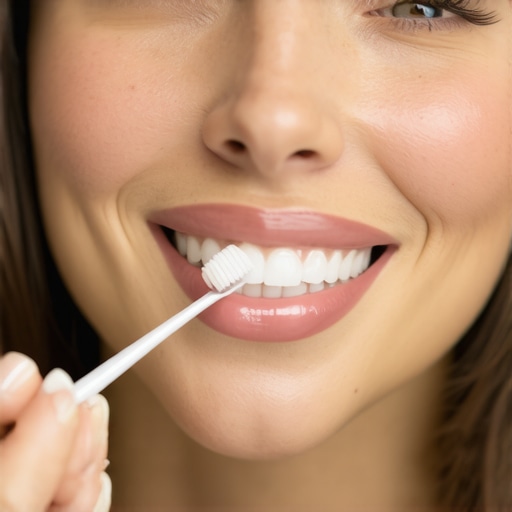
If you want to keep that bright white look, you have to be obsessive about the protective layer on your porcelain. I once tried a DIY baking soda paste because a lifestyle influencer swore by it. The result? My natural teeth looked slightly better, but my veneers felt ‘chalky’ and started picking up coffee stains almost instantly. I had to go in for a professional polish to restore the surface. Now, my oral health routine strengthening your smile every day involves using only products approved for cosmetic work. This preserves the caring for crowns essential tips for longevity and shine that keep the porcelain looking like it was just installed. If you can’t find a specific ‘veneer’ paste, look for ones labeled for sensitive teeth, as they usually have the lowest RDA (Relative Dentin Abrasivity) scores.
Master the Art of the Strategic Rinse
You don’t have to give up your morning double espresso, but you do have to change how you consume it. I used to sip coffee for three hours while working. That constant bath of acid and pigment is a nightmare for the bond between your veneer and your tooth. Now, I use a ‘wash-back’ method. Every time I take a sip of coffee, I follow it with a quick swish of plain water. This prevents the tannins from settling into the margins of your dental work. Believe it or not, why strawberries might be the secret to a brighter smile is a real phenomenon because of the malic acid, but for those of us with porcelain, plain old water is our best friend. It neutralizes the pH levels in your mouth before the stains can take hold.
The Power of a Professional Scale and Polish
No matter how well you brush at home, the junction where the veneer meets the gumline—the ‘margin’—is a magnet for plaque. Once plaque hardens into tartar, it absorbs stains like a sponge, making it look like your veneers are ‘leaking’ color. I make sure to get a professional cleaning every four months rather than the standard six. Understanding the secrets to making your professional cleaning last longer has been a game-changer for me. My hygienist uses a specialized polishing paste that is safe for porcelain, which smooths out any micro-scratches I might have accidentally caused. This is a core part of maintaining your dental crowns dos and donts for best results because it ensures the transition between your real tooth and the prosthetic remains invisible to the naked eye.
Most people treat their dental work like it’s set-it-and-forget-it armor, but that is a dangerous myth. Here is the contrarian truth that often surprises even the most diligent patients: the margin where the crown meets your natural tooth is actually more susceptible to decay than a healthy, untouched tooth. Many believe porcelain is invincible because the material itself cannot rot, but the tooth structure underneath remains alive and vulnerable. This is exactly why your dentist recommends a crown after a root canal to protect the weakened core, but that protection relies entirely on a perfect seal. If you adopt a ‘permanent’ mindset, you might ignore the subtle warning signs of a failing restoration. Even the most precisely fitted crown has a microscopic gap where biofilm can accumulate. A study in the Journal of Prosthetic Dentistry highlights that secondary caries at the restorative margin is a primary cause of long-term failure. Without integrating expert advice on crowns and teeth cleaning for lasting results, you are essentially leaving the back door unlocked for bacteria.
Why does my crown smell like old food even after brushing?
This is the ‘Oops’ factor that many people ignore until they are facing an expensive replacement. If you notice a faint, unpleasant odor specifically when flossing around a restoration, it is rarely just a hygiene issue. It is often a red flag that the dental cement is degrading or a ‘micro-leak’ has formed. You must learn how to stop your crown from smelling like old food by addressing the bacterial trap at the source. Ignoring this ‘scent signal’ is a classic mistake; I once thought a little extra mouthwash would solve it, only to find out the underlying tooth was starting to soften. 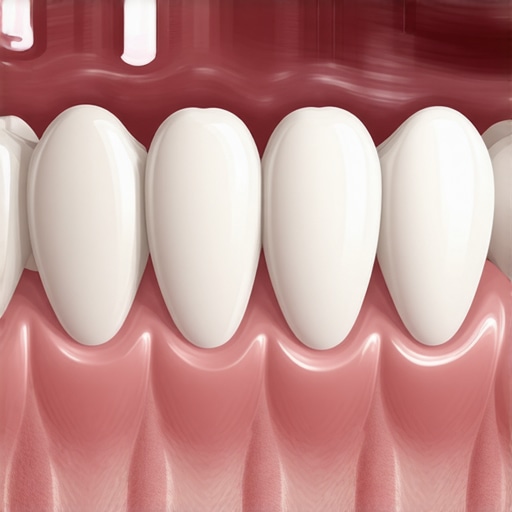
Don’t Ignore the Micro-Wiggle
Another advanced nuance is the ‘piston effect.’ If a crown feels even slightly loose, every bite you take forces liquid, sugar, and bacteria deeper into the space between the prosthetic and the natural tooth. This is often the reason your tooth hurts only when you bite down hard, as the pressure is no longer distributed evenly. Knowing how to keep your dental crown from popping off while chewing starts with recognizing that a ‘slight wiggle’ is an emergency in disguise. Maintaining a lifetime smile requires moving beyond basic brushing and understanding the mechanical stresses on your dental work. Have you ever fallen into the trap of thinking your crowns were indestructible? Let me know in the comments!Since those mechanical stresses are very real, I’ve had to completely overhaul my bathroom counter. It’s no longer just about brushing twice a day; it’s about using the right gear to mitigate the wear and tear of daily life. I made a huge mistake early on by using a manual brush and scrubbing like I was cleaning a grout line. Now, I use a high-end electric toothbrush with a built-in pressure sensor. This isn’t just a luxury; it’s essential to avoid the 5 dental habits that are actually ruining your enamel and scratching your expensive porcelain. If the light on my brush flashes red, I know I’m pushing too hard against the margins of my crowns.
Upgrade Your Bathroom Arsenal Today
My most recommended tool, however, is a high-pressure water flosser. While I used to rely on traditional string, I found it sometimes snagged on the edges of my veneers. A water flosser flushes out the biofilm that hides in the gap between the tooth and the prosthetic without any mechanical tugging. This is a huge part of expert advice on crowns and teeth cleaning for lasting results because it keeps the gum tissue healthy and firm, preventing the recession that exposes the dark edges of a crown. If you prefer manual cleaning, you must learn the proper way to use interdental brushes for best results to avoid damaging the delicate papilla—that little triangle of gum between your teeth. 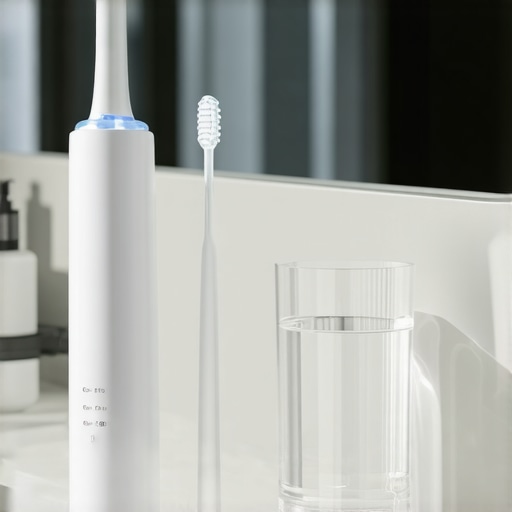
How can I keep my dental work looking new for years?
The secret is consistency across the whole household. I started implementing oral health tips every family should follow in 2025 to make sure even my kids understand that teeth aren’t indestructible. When everyone is on board, it’s easier to maintain the habit. For my own restorations, I’ve added a pH-balancing mouth rinse to my night routine. According to the International Journal of Oral Science, maintaining a neutral oral pH is critical for preventing the degradation of the resin cements used in modern crown bonding. This long-term mindset is the difference between a crown that lasts five years and one that lasts twenty. By focusing on family dentistry focus building a lifetime of healthy smiles, we ensure that our restorative work doesn’t just look good today, but remains functional for the long haul.
The Future of Smart Smiles
Looking ahead, I predict we will see a shift toward smart restorations—crowns embedded with micro-sensors that can detect shifts in pH or early signs of bacterial acid production before a cavity even forms. Until then, the burden of protection is on us. This is why caring for crowns essential tips for longevity and shine must be part of your daily ritual. The tech in our bathrooms is catching up, but it still requires the human element of discipline. My advice? Stop treating your dental cleanings like a chore and start viewing them as a high-performance tune-up. The impact of regular teeth cleaning on overall oral wellness cannot be overstated—it is the ultimate insurance policy for your smile. If you haven’t yet, I strongly encourage you to swap your standard floss for a water flosser this week and see how much cleaner those margins feel!
The Porcelain Paradox Lessons I Had to Learn
After living with a mix of natural teeth and porcelain for years, I’ve realized that the real challenge isn’t just the color of the ceramic—it’s the aging of the natural enamel right next to it. Many people fall for the scary truth about buying DIY whitening kits online because they are chasing a uniform shade that peroxide alone cannot provide for artificial materials. My biggest ‘lightbulb moment’ was realizing that you must whiten your natural teeth *before* they get too far out of sync with your restorations. If you wait until the contrast is jarring, you will find yourself constantly searching for how to keep your porcelain crown from staining over time when the real problem is actually the yellowing natural neighbor.
My Essential Smile Preservation Kit
I no longer leave my oral health to chance. My bathroom cabinet now features a curated selection of tools that I trust specifically because they respect the delicate bond of my porcelain work. I swear by teeth cleaning secrets effective home practices for family dental health that prioritize gum health over aggressive scrubbing. My kit includes a water flosser to reach those vulnerable margins, a pH-neutral mouthwash to prevent cement erosion, and a soft-bristled electric brush with a pressure sensor. I have found that the one thing you must do before your next dental cleaning is to identify any rough edges with your tongue; this allows the professional to smooth them out before they catch pigments from your favorite foods.
#IMAGE_PLACEHOLDER_E#
Your Path to a Seamless Smile Starts Today
Treating your dental work with respect isn’t just about avoiding an expensive replacement bill; it is about maintaining that surge of self-esteem you felt the day you first looked in the mirror. Seeing how crowns can transform your dental confidence is a powerful motivator to stay consistent with the daily habits—the flossing, the rinsing, and the gentle polishing. When you commit to a family dentistry focus building a lifetime of healthy smiles, you are ensuring that your aesthetic investment pays off for decades. Be kind to your enamel, stay proactive with your hygienist, and always keep a glass of water nearby. Have you ever noticed a color difference between your natural teeth and your dental work after a few years? Let me know in the comments below!