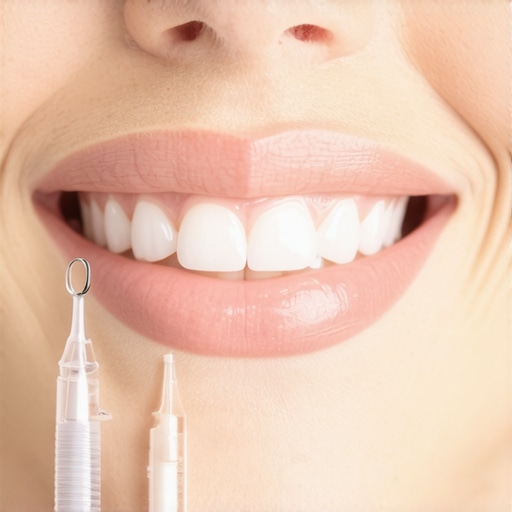
I’ll never forget the Tuesday night I sat on my bathroom floor, holding an ice cube to my gums. I had just peeled off a generic whitening strip, expecting a Hollywood glow, but instead, my mouth felt like it was on fire. I looked in the mirror and panicked because my gums were literally blanched white. It was my lightbulb moment—I realized that my DIY approach to a brighter smile was actually a recipe for long-term damage. We all want that pearly-white look, but the shortcut through the pharmacy aisle is often a dead end. Today, I’m going to break down why I finally made the switch to professional treatments and how it transformed my approach to oral health.
My DIY Whitening Disaster Was a Major Wake-Up Call
I used to be a chronic over-the-counter strip user. I figured I was saving money and getting the same results as my dentist would provide. I was wrong. I’ve learned the hard way that the reason your gums turned white after using whitening strips isn’t just a fluke; it is a sign of chemical irritation that can lead to permanent recession. I spent years chasing a brighter shade while ignoring the fact that my enamel was getting thinner and my teeth were becoming incredibly sensitive to even room-temperature water. If you have ever felt that sharp, electric zing after using a home kit, you know exactly what I am talking about. Have you ever wondered if you were actually doing more harm than good to your smile? I certainly did.
Is professional whitening actually worth the hype?
Many people believe that the higher price tag of a dental office treatment is just for the fancy office chair. I used to think the same thing until I actually looked at the science. According to the American Academy of Cosmetic Dentistry, professional whitening systems are customized to your specific tooth anatomy, which prevents the bleaching agent from leaking onto your sensitive gum tissue. In contrast, those one-size-fits-all strips are exactly that—a poor fit for almost everyone. This lack of precision is the scary truth about buying DIY whitening kits online; they often lack the protective buffers found in professional-grade gels.
The Real Difference Between Strips and the Dentist Chair
When I finally sat down with a professional, I realized I’d been missing out on the most important step: a pre-whitening assessment. A dentist looks for things like secret cavities that mimic sensitivity before they apply any chemicals. If I had known that, I could have saved myself months of discomfort. Professional treatments use much higher concentrations of active ingredients, but because they are applied in a controlled environment, they are actually safer. Sometimes, it turns out you don’t even need harsh bleach; often, how a professional scale and polish brightens your smile is enough to remove the surface stains that strips can’t touch. We’re about to dive into the specific reasons why the professional route is a better investment for your long-term health.
Scrub the Surface Before the Sparkle
You wouldn’t wax a car that is covered in mud, and the same logic applies to your teeth. If you have plaque buildup or tartar, the whitening agent just sits on top of the debris instead of hitting the enamel. This is why I always start with a professional appointment now. I learned that the impact of regular teeth cleaning on overall oral wellness goes way beyond just aesthetics; it sets the stage for the bleach to actually work. Think of it as prep work. When I skipped this step in the past, I ended up with what I call ‘camouflage teeth’—patchy white spots where the gel hit the enamel and dull yellow spots where it was blocked by plaque. It was embarrassing and completely avoidable. Often, you might find that how a professional scale and polish brightens your smile is so effective that you don’t even need the heavy-duty chemicals you originally planned on using.
Give Your Gums the VIP Treatment
The biggest difference in the chair is the barrier. In a professional setting, the dentist applies a light-cured resin or a specialized rubber dam to your gums. It is like using painter’s tape on your baseboards before you start rolling on a new color. This prevents the bleach from touching anything but the teeth. If you are still determined to do it at home, you need to know the safest way to use whitening strips without nerve pain, which usually involves custom-molded trays. These trays are created from an actual impression of your mouth, ensuring the gel stays locked against the tooth surface rather than oozing out onto your soft tissue.
Keep Your Crowns and Fillings in Mind
One thing I never considered during my DIY days was my dental work. Natural teeth whiten, but porcelain and composite resin do not. I have a crown on one of my back molars, and I noticed that while my teeth were getting brighter, that crown stayed the same dull shade. It started to look like a mismatched puzzle piece. If you have restorative work, you have to be careful about the reason your coffee habit is ruining your crowns sealant because staining around the edges of a crown can make the whole tooth look dark, regardless of how much bleach you use. Furthermore, if you are aggressive with whitening near a restoration, you risk sensitivity at the margin. Learning how to keep your dental crown from popping off while chewing or simply maintaining its integrity starts with avoiding the abrasive ‘whitening’ toothpastes that act like sandpaper on your dental work.
Master the Art of Aftercare
Once you achieve that shade of white you’ve been chasing, the real work begins. I used to think a single treatment was a lifetime pass to drink all the espresso I wanted. I was wrong. I had to learn the secret to preventing coffee stains on your front teeth, which is surprisingly simple: rinse with water immediately after every cup. This stops the tannins from settling into the micro-pores of your enamel. It’s a small habit that makes the difference between a smile that stays bright for a year and one that fades in a month. Every time I take a sip of something dark now, I follow it with a quick swish of water—it’s a non-negotiable part of my routine.
Harder Brushing is Actually Making Your Teeth Darker
You might think that putting some extra elbow grease into your morning routine is a win for a brighter smile. I used to scrub my teeth like I was trying to get a stubborn stain out of a white rug, believing the friction would polish away the yellow. But here is the nuance most people miss: why hard-brushing actually makes your teeth look darker. Your enamel is translucent, and once it is worn thin by aggressive scrubbing, it reveals the yellowish dentin underneath. It’s a vicious cycle—the more you scrub, the ‘duller’ your teeth appear. In my experience, patients who switch to an ultra-soft brush and a gentler technique often see a more consistent, natural glow than those who treat their mouth like a construction site. This aggressive behavior is also the reason your teeth look longer than they used to; you are literally brushing your gums away.
Stop Rinsing Your Progress Down the Drain
One of the most common mistakes I see involves the very last step of your routine. We have been conditioned to brush, rinse with water, and then move on with our day. However, I’ve found that the ‘spit, don’t rinse’ method is a game-changer for oral health. According to a key study published in the British Dental Journal, the act of rinsing your mouth with water immediately after brushing significantly reduces the benefits of fluoride. By rinsing, you are essentially washing away the protective layer before it has a chance to remineralize your enamel. This is why you should stop rinsing with water immediately after brushing if you want to keep your smile strong between professional whitening sessions.
Can you actually remineralize a tooth before a cavity starts?
Advanced dental science tells us that ‘white spot lesions’—the precursors to cavities—can sometimes be halted or even reversed through high-fluoride therapy and better home habits. If you catch these spots early, you avoid the drill entirely. This is why keeping up with oral health tips every family should follow in 2025 is so vital; it’s about prevention rather than just repair. 
The Margin Trap for Dental Crowns
If you have restorations, you need to understand that while a crown cannot get a cavity, the natural tooth supporting it certainly can. I’ve seen so many people neglect their expensive dental work because they think the porcelain is a shield. The real vulnerability lies at the margin—the tiny seam where the crown meets your gum. This area is a magnet for bacteria. If you don’t stay on top of maintaining your dental crowns dos and donts for best results, plaque can seep under the edge. This is often how to stop your crown from smelling like old food; that odor is usually a sign of bacterial buildup at the margin. When you bring your children in, remember that why your childs adult teeth look yellow next to baby teeth is a natural part of development, but their hygiene habits now will dictate how well their future crowns or fillings last. Have you ever fallen into the trap of scrubbing too hard or rinsing right after you brush? Let me know in the comments!
Swap the Manual Scrubber for a Pressure-Sensing Powerhouse
I used to think my old-school plastic toothbrush was doing the job just fine, but the data told a different story. I finally made the switch to a high-quality electric toothbrush, and it was a total game-changer for my plaque control. I’m not just being fancy here; the Cochrane Database of Systematic Reviews has shown that oscillating-rotating brushes provide a 21 percent reduction in plaque after three months compared to manual brushing. I personally look for a model with a pressure sensor that flashes red if I push too hard. This is one of the secrets to making your professional cleaning last longer because it prevents the buildup that leads to tartar in the first place. When you use the right tools, you aren’t just cleaning; you are preserving your enamel for the next several decades.
How do I maintain my dental work and natural teeth over the long haul?
Maintenance is less about deep scrubbing and more about precision. If you have crowded teeth like I do, you need to master how to clean between teeth if you have tight spacing. Standard floss often shreds between my molars, so I’ve started using a water flosser on a medium setting. It’s significantly gentler on the gums while flushing out the bacteria that regular brushing misses. Following expert advice on crowns and teeth cleaning for lasting results means recognizing that your home tools need to be as sophisticated as the work your dentist performs. 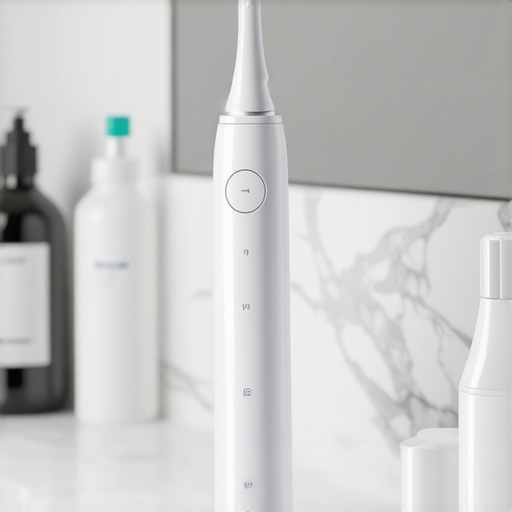
Stop Letting Stress Chip Away at Your Smile
One of the biggest threats to my dental health wasn’t sugar—it was stress. I started waking up with a tight jaw and realized I was grinding my teeth into oblivion. If you don’t learn how to stop clenching your teeth when you are stressed, you risk cracking even the strongest natural teeth. I now wear a custom night guard every single night. It acts as a shock absorber, protecting my investment in my smile. However, these tools need their own care routine; knowing how to clean a night guard without damaging the plastic is essential to prevent it from becoming a breeding ground for bacteria. I use a gentle, non-abrasive soak because toothpaste can actually create micro-scratches that trap odors.
The Future of Oral Health is Remineralization
Looking ahead, I see the industry moving away from just ‘drilling and filling’ and toward more advanced remineralization techniques. We are seeing a rise in toothpastes containing hydroxyapatite—a mineral that makes up 97 percent of your tooth enamel. By using these advanced materials daily, you are essentially ‘patching’ small weak spots before they become full-blown cavities. This is a core part of maintaining your dental crowns dos and donts for best results because it keeps the supporting tooth structure rock-solid. I predict that within the next five years, we will see smart-brushes that can actually analyze the pH level of your saliva in real-time, giving you a heads-up when your mouth is too acidic. For now, my best advice is to upgrade to an electric brush with a pressure sensor today—your gums will thank you within the first week. Try making that one switch and see if your dentist notices the difference at your next check-up!
The Hardest Lessons My Teeth Taught Me the Expensive Way
Looking back at my journey, I realize that I spent a decade trying to find shortcuts when the real answers were right in front of me. First, I learned that frequency always beats intensity; scrubbing your teeth twice as hard once a week is a disaster, but a gentle oral health routine performed daily is magic. Second, your gums are the foundation of your smile’s architecture. If they aren’t healthy, even the whitest teeth will eventually fail. I also finally understood that family dentistry focus building a lifetime of healthy smiles starts with us setting the example for the next generation. Finally, the most important lesson was that professional intervention isn’t just about the aesthetics; it’s about structural integrity. Stopping a problem before it requires a drill is the ultimate win for both your wallet and your comfort.
My Personal Arsenal for a Forever Smile
If you want to maintain a Hollywood-level glow without the damage, you need the right tools in your cabinet. I’ve narrowed my kit down to three non-negotiables. First, I never skip my pressure-sensing electric toothbrush—it’s the only way to ensure I’m not over-brushing. Second, I’ve replaced my standard paste with a hydroxyapatite formula to help remineralize my enamel overnight. Third, for anyone with dental work, caring for crowns essential tips for longevity and shine includes using a high-quality water flosser to reach those tricky margins. I trust these methods because they focus on biological health rather than just surface-level scrubbing. By implementing these teeth cleaning secrets, I’ve managed to stretch the time between my professional cleanings while seeing significantly less plaque at every check-up.
The Future of Your Smile Starts Tonight
Taking ownership of your dental health is one of the most empowering things you can do for your overall wellness. It’s not about achieving perfection overnight; it’s about making small, intentional choices—like skipping the rinse after you brush or swapping that manual scrubber for something smarter. When you shift your mindset from ‘whitening’ to ‘strengthening,’ you naturally create a smile that stays bright for decades rather than days. Don’t wait for a toothache to be your wake-up call like I did. Start prioritizing your oral health today, and you’ll find that a confident, painless smile is the best investment you’ll ever make. Which part of your daily routine are you planning to upgrade first—your toothbrush, your flossing habit, or your post-brushing rinse? Let me know in the comments!