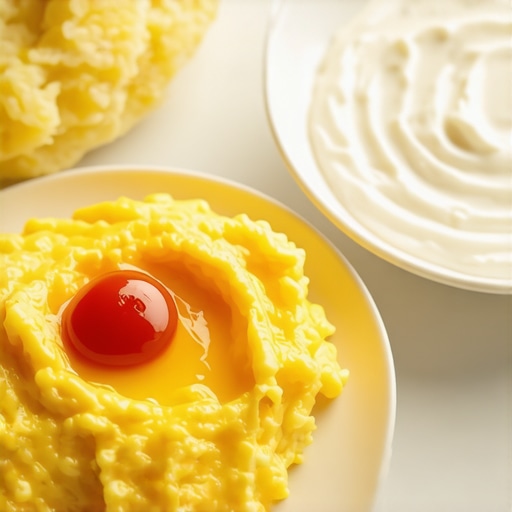
I sat in my car in the dental office parking lot, feeling that weird, numb tingle in my cheek and staring longingly at the drive-thru across the street. I had just spent two hours getting a brand-new porcelain crown, and my stomach was growling louder than the dental drill. But here is the thing—nobody really tells you that those first 24 hours are a culinary minefield. I learned that the hard way years ago when I tried to tackle a granola bar far too soon. One crunch, and I was certain I had just flushed my investment down the drain. It turns out, knowing what to put on your plate is just as vital as the expert advice on crowns and teeth cleaning for lasting results your dentist provides. Today, I am going to share the “safe list” I wish someone had handed me. We are going to make sure you stay full and satisfied without a single panicked trip back to the clinic. Have you ever walked out of the dentist and realized you have absolutely no idea what is for dinner?
Eat Without Fear While Your Cement Sets
The first day after a dental crown procedure is not just about managing sensitivity; it is about protecting a significant investment in your smile. I once made the massive mistake of thinking “soft-ish” was good enough and went for a bowl of popcorn. One rogue kernel later, and I was frantically searching for what to do when your temporary crown pops off at dinner. It was an expensive, stressful, and entirely avoidable lesson. The reality is that the adhesive needs time to stabilize. According to the American Dental Association, while some cements cure quickly, the integrity of the bond is most vulnerable during the first 24 hours. If you push it too early, you are not just risking a bit of soreness—you are potentially compromising the seal that keeps bacteria out. Proper caring for crowns starts at the dinner table.
Is it actually worth the hype to stick to a liquid diet?
You do not necessarily need to survive on thin chicken broth and water, but you do need a strategic approach to your textures. When you are learning how to prevent your crown from popping off while eating, the primary goal is to minimize lateral pressure. This means avoiding anything that requires a heavy tearing motion or creates a vacuum-like suction, such as sticky taffy. Many people fear they will be hungry for days, but there are plenty of hearty, safe options that won’t jeopardize your dental work. In the next section, I will break down the pantry staples that will keep your new crown exactly where it belongs while keeping your hunger at bay.
Load Up Your Plate with These Crown-Safe Staples
To get through that first day, you need foods that require zero heavy lifting from your jaw. Think of your new crown like a freshly paved road; it looks solid, but if you drive a semi-truck over it too soon, you are going to leave permanent ruts. Stick to soft proteins like lukewarm scrambled eggs, flaky white fish, or well-cooked lentils. For your sides, mashed potatoes are the gold standard, but make sure they are not piping hot. Extreme temperatures are the enemy right now, and you might notice that why your new crown feels cold when you breathe in is due to temporary sensitivity near the gum line. Yogurt, cottage cheese, and smooth applesauce are also fantastic because they provide nutrients without any risk of shearing the dental cement. 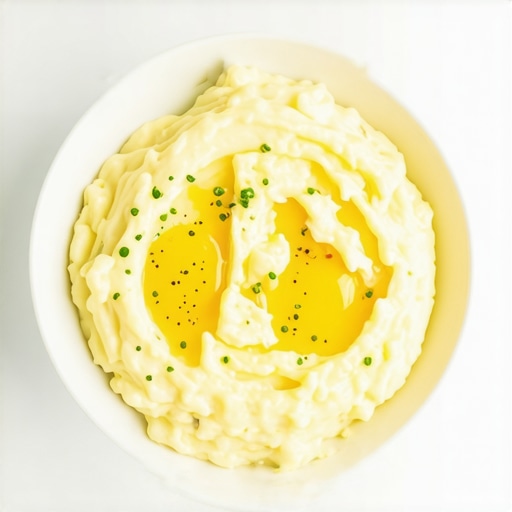
Chew Like You are Walking on Thin Ice
The mechanics of how you eat are just as important as what you eat. For the first 24 to 48 hours, you should treat the side of your mouth with the new crown as a strictly ‘no-fly zone.’ I remember my first post-crown meal was a bowl of overcooked pasta. I was so hungry I forgot the rules for a split second and bit down on the crown side. The sharp jolt of sensitivity was enough to make me drop my fork. After that, I became a pro at the ‘one-sided chew.’ Shifting every bite to the opposite side of your mouth ensures that you aren’t putting lateral pressure on the restoration. This is one of the most effective ways of how to keep your dental crown from popping off while chewing. If you must use both sides, keep the bites tiny—think pea-sized—to minimize the force required.
Stop Using Straws for the Next Day
This is the hidden trap many people fall into. You think a smoothie is the perfect safe meal, so you grab a straw and start sipping. Stop right there. The suction created by using a straw creates a negative pressure environment in your mouth that can actually tug at the margins of a fresh crown or disturb the site if you recently had a root canal. When I tried to finish a thick protein shake via straw after my procedure, I felt a weird ‘pulling’ sensation that terrified me. Drink directly from the rim of the glass instead. It feels less sophisticated, but it is much safer for your investment. Following these maintaining your dental crowns dos and donts for best results will save you a frantic emergency call later.
Clean Your Teeth Without the Tug-of-War
When it comes time to brush and floss before bed, you have to adjust your technique. You should still maintain your oral health routine strengthening your smile every day, but flossing requires a specific exit strategy. Instead of pulling the floss back up through the contact point—which can catch the edge of the crown and pop it off—slide it out sideways through the gap. This lateral exit prevents the upward ‘hook’ motion that ruins so many temporary and permanent crowns. Combining these teeth cleaning secrets effective home practices for family dental health with your eating plan ensures the cement cures perfectly, locking your smile in place for the long haul.Most people believe that to keep their new dental work pristine, they need to scrub with maximum effort. But here is the contrarian truth: aggressive brushing is a silent killer for restorations. I have seen it time and again where patients think they are being diligent, but in reality, why hard brushing actually makes your teeth look darker is due to the thinning of the enamel and the wear on the porcelain polish. When you wear down that outer layer, you expose the yellowish dentin underneath, and for a crown, you can actually damage the fine margins where the porcelain meets your gum. This is why expert advice on crowns and teeth cleaning for lasting results always emphasizes technique over force. A study published in the Journal of Clinical Periodontology indicates that gingival recession is significantly higher in individuals who use excessive force during their routine, which eventually exposes the metal or opaque base of your crown. 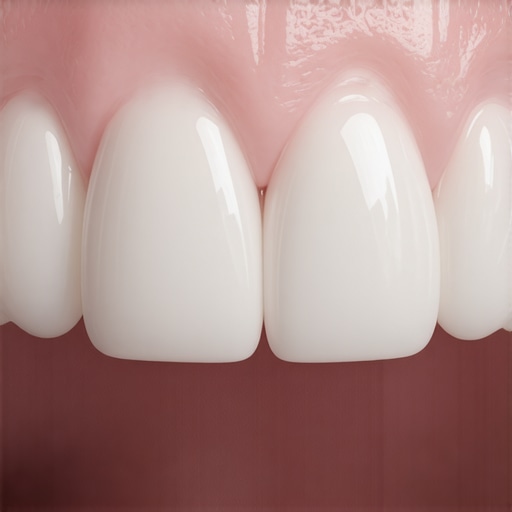
The Sixty-Minute Rule After Your Morning Coffee
Here is the ‘oops’ factor that catches almost everyone off guard: brushing immediately after eating. If you have just finished a cup of coffee or a glass of wine, your enamel is actually in a temporarily softened state due to the acid. If you brush right then, you are essentially sandpapering your teeth. I used to be guilty of this myself, thinking I was being proactive about stains. Instead, the reason your coffee habit is ruining your crowns sealant often comes down to this bad timing. You also need to rethink your post-brushing ritual. It sounds counterintuitive, but why you should stop rinsing with water immediately after brushing is that you wash away the concentrated fluoride that helps remineralize the areas around your crown. Spitting without rinsing keeps that protective layer where it belongs.
How can you tell if your crown is failing from the inside out?
One of the most advanced nuances of family dentistry focus building a lifetime of healthy smiles is identifying ‘micro-leakage.’ This happens when the seal between the crown and the tooth begins to degrade, but the crown still feels ‘tight.’ You might notice a faint, persistent odor or a strange taste, even if you are diligent with your oral health routine strengthening your smile every day. Learning how to stop your crown from smelling like old food often involves a professional check to ensure that bacteria haven’t found a microscopic doorway into the tooth structure underneath. If you catch this early, a simple re-cementing can save the tooth; if you wait until it hurts, you might be looking at a much more complex procedure. Have you ever fallen into this trap of over-cleaning or ignoring a weird taste? Let me know in the comments.I have spent a small fortune on my teeth over the years, and if there is one thing I have learned, it is that a ‘set it and forget it’ attitude is a recipe for a expensive replacement. To keep everything functioning, I have swapped my old manual routine for high-tech intervention. I personally swear by a high-pressure water flosser. Why? Because standard string floss, while effective, carries a slight risk of catching a margin if your technique is not 100% perfect. A water flosser provides a pressurized stream that flushes out the ‘dead zone’ between the crown and the gumline without any mechanical pulling. This is a game-changer for caring for crowns: essential tips for longevity and shine.
How do I maintain my dental crowns and oral health over time?
Consistency is the boring answer, but the way you scale your habits matters. It is not just about brushing; it is about ensuring the surrounding tissue stays rock-solid. The impact of regular teeth cleaning on overall oral wellness cannot be overstated because a crown is only as strong as the tooth and bone supporting it. According to the Journal of Prosthetic Dentistry, the most common cause of crown failure isn’t the porcelain breaking—it is recurrent decay at the margin where the crown meets the natural tooth. I follow oral health tips every family should follow in 2025 by scheduling a professional debridement every six months. This ensures that any plaque I missed with my home tools is cleared before it hardens into calculus.
Stop Grinding Your Investment into Dust
If you are a stress-clencher like me, your new crown is in constant danger during the night. I did not realize that why you wake up with a sore jaw and a headache was actually a sign that I was putting hundreds of pounds of pressure on my dental work while I slept. Now, a custom-fitted night guard is non-negotiable. It acts as a shock absorber for your entire jaw. If you already have one, make sure you look into how to clean a night guard without damaging the plastic, because a bacteria-laden guard can irritate the gums around your crown. Using teeth cleaning secrets: effective home practices for family dental health alongside a guard will effectively double the lifespan of your restorations.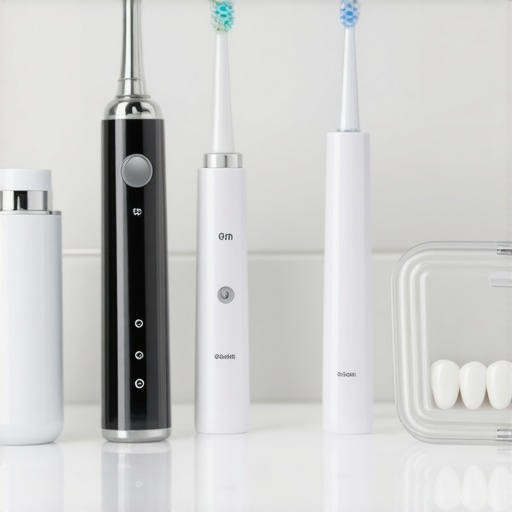
The Future of Your Smile is Sitting in Your Mirror
I predict that within the next few years, we will all be using ‘smart mirrors’ equipped with AI that scans our dental work for microscopic cracks or gum recession in real-time. Until then, you have to be your own advocate. Here is one advanced tip I want you to try tonight: instead of just brushing, use an interdental brush dipped in a tiny bit of non-abrasive fluoride gel to specifically target the base of your crown. It is the most effective way to ‘fortify the fortress’ against hidden bacteria. A family dentistry focus: building a lifetime of healthy smiles starts with these small, surgical strikes against plaque. Keep an eye on those margins, and your crown will likely outlast your car.
The Hardest Truths About Living with Restorations
The biggest lightbulb moment for me was realizing that while the crown itself is immune to cavities, the tooth structure underneath is more vulnerable than ever. If you let plaque sit at that tiny seam, you are asking for trouble. This is why how crowns can transform your dental confidence only works if you commit to the maintenance. Another realization? Temperature matters more than texture sometimes. I used to think as long as it was soft, I was fine, but ice-cold smoothies right after a procedure can cause micro-cracks in the curing cement. I have also learned that understanding the role of crowns in modern smile makeovers means seeing them as part of a living system, not a permanent fix you can ignore.
My Tested Arsenal for Perfect Margins
I do not just use whatever is on sale at the grocery store anymore. Here are the three things that changed the game for my oral health: #IMAGE_PLACEHOLDER_E#
- The High-Volume Water Flosser: This is my number one tool for clearing the dead zone where the crown meets the gum. It gets where string simply cannot reach without the risk of snagging.
- Non-Abrasive Fluoride Gel: I stopped using whitening toothpastes on my crowns because they act like liquid sandpaper. A gentle gel preserves the porcelain shine.
- The 6-Month Professional Deep Clean: No matter how good my home routine is, I never miss a professional visit. You can see the impact of regular teeth cleaning on overall oral wellness in the longevity of my oldest restorations.
Your Smile is Worth the Extra Minute
It is easy to get lazy once the initial numbness wears off and the tooth feels normal again. But remember, you have invested time and resources into this restoration. Treat it with the respect it deserves. By following the maintaining your dental crowns dos and donts for best results, you are not just saving a tooth; you are preserving your ability to eat, speak, and smile without a second thought. If you ever feel something is off, do not wait—reach out and contact us to get it checked before a small fix becomes a big problem. What was the first real meal you felt brave enough to eat after your crown procedure? Let me know in the comments below!