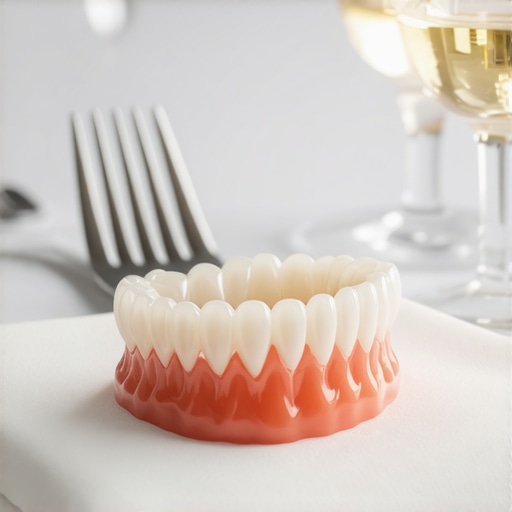
There I was, halfway through a perfectly seared ribeye, when I felt it. Not the meat. Not the potato. It was a sharp, clinical click-clack against my tongue. I froze. My hand flew to my mouth as I realized my temporary crown—the one my dentist promised would “stay put”—was now floating somewhere between a bite of steak and my esophagus. It is a moment of pure, unadulterated terror. You are in public, your tooth is suddenly a jagged stump, and the sensitivity to the cold water in your glass hits like a lightning bolt. I have been there, and let me tell you, my first instinct was to grab a tube of superglue from the junk drawer when I got home. I was desperate. That was a massive mistake that I still regret because it made the cleanup a total nightmare for my dentist. Today, I am going to show you exactly how to handle this situation without the panic, whether you are at a fancy restaurant or at home on your couch. We are going to tackle the immediate steps to protect that exposed tooth and get you through until your dentist can see you. Have you ever had a dental “wardrobe malfunction” in the middle of a nice meal? I would love to hear how you kept your cool—or if you panicked like I did.
Stay Calm and Find That Little Cap
The very first thing you need to do is stop chewing. Don’t swallow! Gently spit whatever you have in your mouth into a napkin and look for that little white cap. If you find it, you are already halfway to a solution. I once lost mine in a bowl of popcorn and let me tell you, digging through kernels is not how I planned my Friday night. [IMAGE_PLACEHOLDER] Once you have it, rinse it gently with warm water. You want to keep it safe because that little piece of acrylic is your best defense against pain. If you’re wondering how to rescue your crown if you are away from home, the key is keeping it moist and protected in a small container. While it might seem like a minor annoyance, following the proper rules for crown maintenance is crucial for your comfort. That temporary cement is designed to be weak so the dentist can pop it off easily later, but sometimes it’s a little too eager to let go. I learned the hard way that trying to “tough it out” without the crown leads to a world of hurt. If you cannot find the crown, don’t worry yet, but definitely avoid anything hot or cold on that side of your mouth.
Does This Really Count as a Dental Emergency?
It certainly feels like one when your tongue keeps hitting that sharp edge. You might be tempted to wait until your next scheduled cleaning, but that is a gamble you don’t want to take. According to the American Dental Association, a crown isn’t just for looks; it holds the space for your permanent restoration. Without it, your teeth can actually shift in a matter of days. I made the mistake of waiting three days once, and when I finally went in, the permanent crown didn’t fit anymore because my teeth had moved just a tiny bit. Beyond the movement, there is the issue of sensitivity. When the crown is gone, the underlying dentin is exposed. This is precisely why that cold air hurts so much the moment you open your mouth. It isn’t just in your head; those nerves are literally unprotected. You need to take action quickly to ensure you don’t end up needing more than just a simple re-cementing.
Why You Cannot Just Leave it on the Nightstand
A lot of people think they can just leave the crown in a drawer and wait. Trust me, your gums will start to grow over the margin of the tooth prep very quickly. This makes it much harder (and more painful) for the dentist to put the permanent one on later. You should also be looking at ways to keep things from coming loose while you eat in the future, like avoiding sticky caramels or overly crusty bread. I used to be a chronic ice-chewer until a temporary crown taught me a lesson I will never forget. If the crown is still in one piece, we can actually use some over-the-counter temporary cement to get it back in place for a day or two. It is a temporary fix for a temporary crown, but it will save you from that throbbing sensitivity and keep your teeth from moving while you wait for the office to open on Monday morning.
Scrub the Gunk Off First
Before you even think about putting that crown back in your mouth, you need to clean the ‘debris field.’ Think of this like painting a wall; if there is dust and old flakes everywhere, the new coat won’t stick. I learned this the hard way when I tried to jam my crown back on over a piece of stuck bread crust. It felt like biting down on a pebble, and it wouldn’t seat properly. Use a very soft toothbrush to gently clear away any leftover cement from your actual tooth. While you are at it, use a toothpick or a wet Q-tip to clean out the inside of the crown itself. You want both surfaces to be as smooth as possible. This is the perfect time to practice mastering effective home practices for family dental health to ensure the area stays infection-free. If you leave old, bacteria-laden cement inside the cap, you are just sealing in a problem that will smell like a swamp by morning.
Practice the Fit Before the Glue Hits
This is the step most people skip because they are panicking. Do a ‘dry run’ without any adhesive. This is exactly like fitting a puzzle piece; it only goes in one specific way. I once spent ten minutes trying to force a crown back on, only to realize I had it turned 180 degrees. If I had used cement right away, I would have been stuck with a crooked, high-sitting tooth that would have cracked the moment I closed my mouth. Once you find the right orientation, practice biting down gently to make sure it feels natural. This ensures you are following vital tips for longevity and shine even in a crisis. If the crown feels ‘tall’ or hurts when you bite, it isn’t seated correctly. Do not move forward until it feels like it did before it popped off. 
Pick the Right Adhesive for the Job
Now for the ‘glue.’ Never, under any circumstances, use household superglue. I know I mentioned wanting to do it, but the chemicals are toxic and it bonds so strongly that your dentist might have to drill your tooth down to a nub to get the crown back off. Instead, head to a pharmacy for a temporary dental repair kit. If you are stuck at home and the stores are closed, a tiny dab of plain toothpaste or even a little bit of denture adhesive can act as a temporary suction-cup. It won’t be a permanent bond, but it will keep the air off the nerves. Use just a tiny amount—about the size of a grain of rice. If you overfill it, it’s like a jelly donut; the excess will squirt out the sides and make a mess of your gums. This small step is a key part of strengthening your smile every day by protecting the sensitive internal layers of your tooth from the elements.
Keep Your Smile Safe Until Your Appointment
Once the crown is back on, your job isn’t done. You have to treat that tooth like it’s made of thin glass. Avoid chewing anything on that side of your mouth—no exceptions. I once thought a ‘soft’ sandwich would be fine, but the crust was enough to tug the crown right back off into the mayo. You should also be extra careful when flossing; instead of pulling the floss back up through the teeth, pull it out sideways through the gap so you don’t ‘hook’ the edge of the crown and lift it. Learning how to keep your dental crown from popping off while chewing is a skill you’ll want to keep in mind even after the permanent one is in. Finally, call your dentist immediately. Even if it feels fine now, that temporary fix will fail eventually. Understanding why waiting for Monday is a mistake can save you from a much more expensive root canal later if the prep gets contaminated.
Now that you have got that crown temporarily back in place, let us talk about the nuances most people miss once the immediate panic dies down. Most assume that if the crown is back on and it does not hurt, they are in the clear. In reality, this is where the real expertise of family dentistry comes into play. We often think that ‘cleaner’ means ‘scrubbing harder,’ but when you have a restoration, that logic will actually destroy your smile. Everyone says you should brush immediately after every meal, but in my experience, brushing right after a cup of coffee or a soda is one of the worst things you can do for your crown’s longevity. When you consume something acidic, your enamel—and the seal around your crown—softens temporarily. If you go in with a stiff brush right then, you are literally scrubbing away your tooth structure. A study published in the Journal of Dentistry confirmed that waiting at least 30 to 60 minutes for your saliva to neutralize the acid is far safer for your enamel. This is a huge part of why your coffee habit might be ruining your crown’s sealant without you even realizing it. 
Is Your Whitening Toothpaste Secretly Sandpaper?
Here is the ‘oops’ factor most people miss: those whitening toothpastes are often too abrasive for porcelain. While they might scrub surface stains off natural teeth, they can create micro-scratches on a crown that actually make it easier for plaque to stick. Plus, why hard brushing actually makes your teeth look darker is a lesson in biology; as you wear down the enamel, the yellow dentin underneath shows through. Instead of reaching for the harshest scrub, look for expert advice on crowns and teeth cleaning for lasting results that focuses on gentle, thorough care. This ensures the integrity of the margin—the tiny line where the crown meets your tooth—stays intact.
The Trap of the ‘Permanent’ Mindset
The biggest mistake is thinking a crown is invincible. I once met someone who stopped flossing around their crown because they thought ‘it’s fake, it can’t get a cavity.’ That is a dangerous myth. While the crown itself won’t decay, the tiny sliver of natural tooth at the gumline is more vulnerable than ever. If you aren’t careful, you will end up with a ‘secret’ cavity right under the expensive porcelain. This is why strengthening your smile every day through proper technique is more important than the materials used in your mouth. Have you ever fallen into the trap of thinking a crown meant you could slack off on your cleaning? Let me know in the comments. Finding the secret to keeping your smile white without expensive kits starts with understanding these tiny details that the pros use to keep their own teeth for a lifetime.
The Gadgets That Actually Work for Me
I’ve spent a small fortune on dental ‘innovation,’ but most of it is just fancy plastic. If you want to get serious about maintaining your dental crowns’ dos and dont’s for best results, you only need two specific tools. First, a high-quality water flosser. I don’t use it to replace traditional floss, but to clear the ‘hidden’ area where the crown meets the gum. If you’ve ever wondered how to stop your crown from smelling like old food, this is the silver bullet. The pressure flushes out the microscopic trapped debris that a string simply can’t reach. I personally use the Waterpik Aquarius because it has a ‘Floss’ mode that pulses, which I find far more effective at stimulating the gum tissue without causing irritation.
Second, I switched to a sonic toothbrush with a pressure sensor. This is crucial because, as we discussed, over-brushing is a silent killer for crown margins. A study in the International Journal of Prosthodontics highlighted that the marginal fit of a crown is the single biggest predictor of how long it lasts. By using a brush that literally stops vibrating if you press too hard, you’re protecting that seal. This isn’t just about the crown; it’s about a family dentistry focus building a lifetime of healthy smiles for everyone in the house. 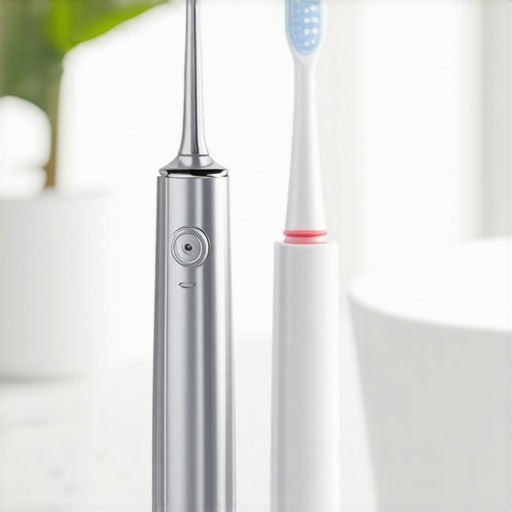
How do I maintain my smile’s integrity over the long haul?
Maintenance is less about the ten minutes you spend in the bathroom and more about the habits you build. For me, that meant finally learning the ‘C-shape’ flossing technique. Instead of just snapping the floss up and down, you wrap it around the base of the tooth (and the crown). This reaches the sulcus—the little pocket of gum—where most crown failures begin. If you’re looking for expert advice on crowns and teeth cleaning for lasting results, start with the gums. Healthy gums act like a tight turtleneck sweater for your tooth, keeping the bad stuff out. I also recommend a specific type of ‘super-floss’ that has a stiff end; it’s perfect for threading under bridges or around tight crown margins. This ensures you are following essential tips for longevity and shine that keep the restoration looking natural for decades.
The Future of Your Porcelain Smile
Looking ahead, the days of the ‘temporary crown nightmare’ are numbered. We are moving toward a world where 3D printing and intraoral scanning are the standards in every office. Instead of that gooey putty that makes everyone gag, dentists now use digital ‘cameras’ to create a perfect map of your mouth. This means the fit is precise down to the micron, virtually eliminating the gap where bacteria hide. I predict that within five years, we won’t even wait two weeks for a lab; you’ll get your permanent, high-strength ceramic crown printed while you wait in the chair. This shift will make understanding the role of crowns in modern smile makeovers even more exciting for patients who hate the ‘waiting game.’ If you take away one thing from my ordeal, let it be this: buy a water flosser tonight and use it on the lowest setting around your restorations. It’s the single most effective way I’ve found to keep that ‘new crown’ feeling for a decade instead of a couple of years.
Lessons from My Most Expensive Dental Mistake
After losing that crown, I realized that maintaining your dental crowns’ dos and dont’s for best results isn’t about being perfect; it is about being consistent. I learned that the margin of the crown—that tiny border where porcelain meets gum—is where the battle is won or lost. If you ignore the gum-line, even the most expensive restoration will fail. I also realized that stress is the silent destroyer of crowns. If you are waking up with a sore jaw, you might be clenching your investment away at night, which is a key reason many restorations fail prematurely. Lastly, I discovered that the impact of regular teeth cleaning on overall oral wellness cannot be overstated; those professional tools reach the tartar that acts like a wedge under your crown.
[IMAGE_PLACEHOLDER]
The Gear That Actually Saved My Smile
I trust a few specific tools to keep my restorations in place for the long haul. First, a high-quality water flosser is a non-negotiable for me to clear debris from the ‘hidden’ area under the crown margin. Second, I always keep an over-the-counter dental repair kit in my travel bag because knowing how to rescue your crown if you are away from home is the best peace of mind you can buy. I also recommend ‘Super-floss’ for anyone with tight contacts; it threads through gaps that regular string simply cannot handle. Following expert advice on crowns and teeth cleaning for lasting results is significantly easier when you have the right equipment in your cabinet.
Reclaim Your Confidence at the Dinner Table
You do not have to live in fear of the next ‘click-clack’ sound against your fork. By focusing on a solid oral health routine strengthening your smile every day, you can enjoy your favorite meals without that nagging anxiety. Understanding how crowns can transform your dental confidence is just the first step; the real magic happens in the daily habits that keep that porcelain shining. Your smile is your most important asset, and it is never too late to start treating it with the care it deserves. By staying proactive with oral health tips every family should follow in 2025, you ensure a lifetime of functional, beautiful teeth. Have you ever had a crown pop off at the worst possible moment? Let me know your story in the comments below!