
I’ll never forget that 3 AM feeding. There I was, rocking my six-month-old, feeling like the ultimate provider until I saw it: the tiniest, sharpest little tooth peeking through his lower gum. My heart swelled with pride, but a split second later, a wave of cold panic hit me. Was I supposed to be cleaning that? I honestly thought breast milk was some kind of liquid gold that protected everything, including enamel. I was wrong. I spent the next hour down a Google rabbit hole, terrified that my nighttime nursing habit was setting my baby up for a lifetime of expensive family dentistry problems before he could even walk.
Stop Worrying and Start Protecting Those Tiny Pearly Whites
For a long time, I made the mistake most parents make with baby bottle tooth decay by assuming that because nursing is natural, it’s automatically safe from sugar. I let my little one nurse to sleep every single night without a second thought. It turns out, while breast milk itself isn’t the primary villain, the way it pools around those new teeth—especially when combined with the introduction of solids—can create a playground for bacteria. Today, we are going to walk through the exact steps I took to fix my routine without sacrificing the nursing bond we both loved. You really don’t have to choose between breastfeeding and strengthening your child’s smile.
We will cover everything from simple silicone wipes to finding the best snacks for kids that won’t cause instant cavities as they grow. Have you ever felt that sudden pang of “mom guilt” when you realize you haven’t actually looked at your baby’s gums in days? Drop a comment below and let me know—I promise you are not alone in this. [image_placeholder_1]
Can Nursing Really Cause Cavities?
There is so much conflicting noise out there. Some people claim breastfeeding is completely protective against decay, while others act like nighttime nursing is a dental disaster waiting to happen. The truth is right in the middle. According to the American Academy of Pediatrics, tooth decay can actually begin the moment that first tiny tooth erupts. It isn’t that milk is an enemy; it’s just that we need to implement oral health tips every family should follow as soon as the pearly whites arrive. If you have ever noticed why your child’s teeth have white chalky patches, that is often the very first sign that the enamel needs more help. I wish I had known that before my own lightbulb moment. I used to think teeth cleaning secrets were only for adults. My early mistake was waiting until the first birthday to even buy a toothbrush. By then, the bacteria are already setting up camp. Let’s make sure that doesn’t happen to your little one.
Make the Wipe-Down Your New Nightly Ritual
Think of your baby’s mouth like a kitchen counter after a big dinner. If you leave the crumbs and spills overnight, they get sticky and harder to clean. The same happens with milk. Even though nursing is a beautiful bonding time, that milk contains lactose—a natural sugar—that sits on those fresh teeth. My first step was introducing a simple silicone finger brush or even a damp, clean washcloth. After that last dream feed, I’d gently wipe his gums and that one lonely tooth. It felt like a tiny detail, but it’s one of the most effective teeth cleaning secrets for infants. It breaks up the biofilm before it can harden into plaque.
Switch to a Soft Bristle Brush Early
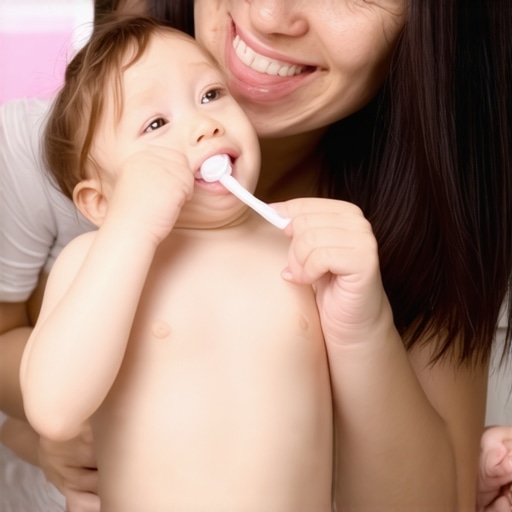
Once more than two teeth appeared, the washcloth didn’t cut it anymore. I had to graduate to a real toothbrush. Look for the ones with the massive handles—they look like toys, but they’re designed for your grip as much as theirs. I remember trying to brush my son Leo’s teeth for the first time; it was like trying to wash a caffeinated squirrel. He clamped his jaw shut and looked at me like I was betraying him. I realized I couldn’t force it. I started “brushing” my own teeth with a spare brush right in front of him, making exaggerated “ahhh” sounds. Suddenly, it was a game. This is how you build a solid oral health routine without the tears.
Teach Them to Spit Instead of Swallowing
When you start using toothpaste, the biggest hurdle is the taste. Most toddler pastes taste like candy, so naturally, they want to eat it. I struggled with how to get your child to stop swallowing their toothpaste for months. The trick I found was using a rice-sized amount—literally a tiny smear. If they swallow that little, it’s not a tragedy, but you want to encourage the “spit” early. We practiced spitting water into the sink like little fountains. It turned a chore into a bathroom science experiment. This prevents the “white chalky patches” that signal enamel distress from too much fluoride ingestion or early decay.
Watch Out for the Sneaky Sugar in Solids
As your baby moves from just milk to solid foods, the risk profile changes completely. Those pouches and jars of fruit puree are convenient, but they are sugar bombs. If your baby snacks on these and then nurses to sleep, you’re doubling the “sugar coat” on their teeth. We had to pivot to the best snacks for kids that won’t cause instant cavities, like plain yogurt or soft-cooked veggies. If we did have a fruit pouch, it was followed by a water “rinse” (just a few sips from a sippy cup) to clear the palate. It’s a simple switch that prevents the need for early family dentistry interventions like fillings or even pediatric crowns later on.
Master the Position for Easier Cleaning
If you’re struggling with how to get your toddler to sit still during a dental exam or even just a nightly brushing, try the “lap-to-lap” method at home. Have another adult sit across from you with knees touching, and lay the baby across your laps. This gives you a clear view of the upper arch where milk pools the most. I used to try to brush while he was standing, but I couldn’t see anything. Laying him down changed the game. It allowed me to see exactly where I was brushing, ensuring I didn’t miss those back molars that are so prone to baby bottle tooth decay patterns.
It’s easy to think that once you’ve mastered the toddler-brushing-tango, you’re in the clear. But as I dove deeper into the research, I realized that many of us are still following outdated advice that might actually be sabotaging our results. For years, I thought the ‘gold standard’ for my kids and myself was brushing, flossing, and then a vigorous rinse with water to wash everything away. It turns out, that’s a major mistake. If you want expert advice on crowns and teeth cleaning for lasting results, you have to look at the chemistry of your mouth rather than just the physical scrubbing.
Stop Rinsing Your Fluoride Down the Drain
Most people feel a sense of accomplishment when they rinse their mouth clean after brushing. I was exactly the same way. However, the contrarian truth that most experts now emphasize is that you should never rinse with water immediately after you brush. A study published in the British Dental Journal confirms that rinsing with water washes away the concentrated fluoride in the remaining toothpaste, which needs time to integrate with your enamel to be effective. By spitting but not rinsing, you allow that fluoride to continue strengthening your smile every day. It felt ‘gross’ at first, but understanding the science behind why you should stop rinsing with water immediately after brushing changed everything for my family’s long-term decay prevention.
The Hidden Trap of Aggressive Brushing
In our house, we often equate ‘harder’ with ‘cleaner,’ but in the world of family dentistry, this is a dangerous myth. I used to scrub my teeth like I was cleaning a grout line in the shower. The ‘oops’ factor here is that aggressive scrubbing leads to irreversible enamel abrasion. This is why hard brushing actually makes your teeth look darker over time. As you wear down the translucent enamel, the yellowish dentin underneath becomes more visible. Instead of achieving a brighter smile, you are literally polishing away your whiteness. If you are looking for the secret to keeping your smile white without expensive kits, the answer is a soft-bristle brush and a gentle, circular motion, not brute force. 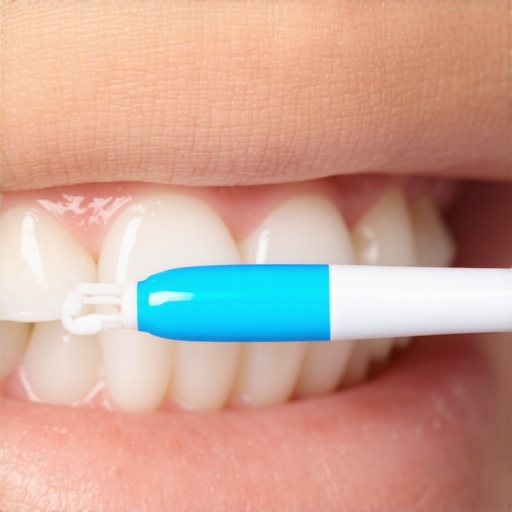
Is Your Mouthwash Fighting Against Your Toothpaste?
Many advanced dental patients use mouthwash as a final step, but did you know that many common mouthwashes contain ingredients that can deactivate the fluoride in your toothpaste? If you notice why your mouth stings when you use alcohol-based mouthwash, it is often a sign that the formula is too harsh for your oral microbiome. Alcohol-based rinses can cause dry mouth, which ironically increases the risk of cavities and bad breath by killing off beneficial bacteria. For those of us with restorative work, maintaining your dental crowns-dos and donts for best results is slightly different; a dry mouth can lead to bacteria accumulation at the crown margin. This is often the real trick regarding how to stop your crown from smelling like old food—ensuring your natural saliva flow isn’t being stripped by harsh chemicals.
We also have to consider how our lifestyle impacts our physical oral health. I’ve noticed that when my stress levels spike, my jaw starts to ache, and my teeth feel more sensitive. Learning how to stop clenching your teeth when you are stressed is just as important as any brushing technique. It prevents the micro-fractures that eventually lead to the need for crowns or root canals. Modern oral health tips every family should follow in 2025 focus on this holistic approach. Have you ever fallen into the ‘aggressive rinsing’ or ‘hard scrubbing’ trap? Let me know in the comments below—I’d love to hear how you’ve adjusted your routine to see the impact of regular teeth cleaning on overall oral wellness in your own home.
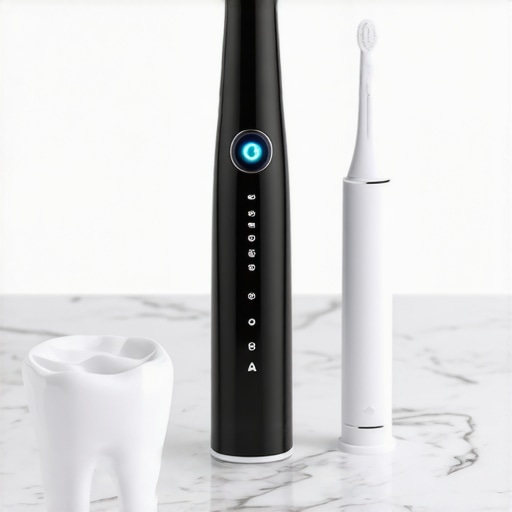
It took me years to realize that willpower alone isn’t enough to maintain a perfect smile—you really need the right gear to back you up. I personally swear by electric toothbrushes with built-in pressure sensors, like the high-end Sonicare or Oral-B iO models. Why? Because as someone who spent a decade scrubbing my teeth like I was scouring a cast-iron skillet, that little red light warning me to back off was a literal lifesaver for my thinning enamel. If you are looking for expert advice on crowns and teeth cleaning for lasting results, you have to automate the safety checks that your manual brush just can’t provide. I also added a water flosser to my nightly routine, specifically because it’s the only way I can truly feel confident about how to stop your crown from smelling like old food by clearing out debris that traditional floss often misses at the gumline.
Upgrade Your Gear to Stop Enamel Erosion
The tech you use matters just as much as the technique. In my home, we moved away from generic plastic brushes and invested in tools that provide bio-feedback. For the kids, we use brushes that sync to an app, turning the boring two-minute wait into a treasure hunt. For myself, I’ve found that using a water flosser with a specialized tip is one of the most teeth cleaning secrets for preventing localized gingivitis. According to a meta-analysis published in the Journal of Clinical Dentistry, water flossing can be significantly more effective than string floss at reducing gingival bleeding and plaque when used consistently. It’s about creating a system where the impact of regular teeth cleaning on overall oral wellness becomes a measurable daily win rather than a guessing game.
How do I maintain my dental crowns over time?
If you’ve invested in restorative work, you probably worry about how to prevent your crown from popping off while eating. The key isn’t just avoiding sticky candy; it’s about the health of the tooth underneath. I follow a strict regimen of caring for crowns with essential tips for longevity and shine, which includes using a non-abrasive fluoride gel at night. High-abrasion toothpastes (often those marketed for ‘extra whitening’) can actually create microscopic scratches on porcelain and resin. By switching to a low-RDA (Relative Dentin Abrasivity) paste, you ensure you are maintaining your dental crowns without wearing down the glaze. This keeps them looking natural and prevents the ‘dull’ look that often plagues older dental work.
The Future of Oral Care is Actually Smart
I predict that in the next five years, we will see a massive shift toward AI-integrated oral diagnostics at home. We are already seeing smart brushes that map your mouth in real-time, but soon, I expect we will have simple saliva-based test kits that tell us exactly which strains of bacteria are flourishing. This will allow for hyper-personalized oral health tips every family should follow in 2025. We won’t just be ‘cleaning’ our teeth; we will be balancing our oral microbiomes. For now, the best thing you can do is focus on an oral health routine for strengthening your smile every day using the best tools you can afford. I challenge you to try this today: switch to a water flosser for one week and see if your gums don’t look significantly pinker and healthier by next Monday.
My Biggest Aha Moments in Dental Parenting
Looking back, I realize that oral health isn’t just about avoiding candy; it’s about the small habits that become second nature. One major realization was that family dentistry starts in the high chair, not the dentist’s chair. I also learned that teeth cleaning secrets are often just about consistency over intensity. My third ‘lightbulb’ moment? Realizing that learning how to get your child to stop swallowing their toothpaste is a developmental milestone, not a discipline issue. Be patient with yourself and them—the progress happens in the tiny wins every night.
The Tools That Actually Restored My Peace of Mind
I don’t recommend products lightly, but a few things changed our lives. First, a high-quality electric toothbrush with a pressure sensor is non-negotiable to prevent hard brushing from darkening your teeth over time. Second, I rely on the latest oral health tips every family should follow in 2025 to stay updated on fluoride recommendations. For those of us with restorative work, following the guide on maintaining your dental crowns is the best way to protect your investment for decades. I also suggest keeping a simple pH-balanced mouthwash on hand—it’s far better than the stinging alcohol versions we grew up with.
Your Future Smiles Start with Tonight’s Routine
It’s never too late to pivot. Whether you’re dealing with a fussy toddler or trying to understand the impact of regular teeth cleaning on overall oral wellness for yourself, every small effort counts. You are building a foundation for a lifetime of confidence, one brush at a time. Don’t let the fear of ‘doing it wrong’ stop you from doing it at all. Have you ever struggled with how to get your toddler to sit still during a dental exam or even just a nightly brushing? Let me know in the comments below—I’d love to share more of what worked for us!