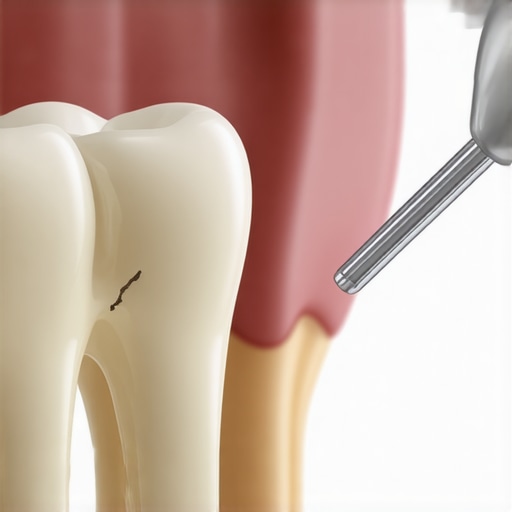
I’ll never forget the Tuesday morning I finally realized I wasn’t just “sensitive” to my morning brew. I took a sip of my favorite dark roast, and instead of that warm, comforting wake-up call, I felt a sharp, electric shock that made me drop my spoon right back into the mug. It felt like a tiny lightning bolt had decided to strike my back left molar. I’d been blaming my “thin enamel” for months, babying that one side of my mouth like it was a piece of fragile heirloom china. I made the classic mistake of thinking that if the pain went away after a few seconds, it wasn’t a “real” problem. Boy, was I wrong. By the time I actually sat in the dentist’s chair, my “slight sensitivity” had turned into a full-blown structural issue that required more than just a quick fix. I spent years thinking I was just getting older, but in reality, I was letting a tiny bacterial colony set up a permanent residence in my tooth.
Stop Telling Yourself It’s Just the Cold Air
Most of us want to believe our teeth are just reacting to the environment. We buy the special pastes, we avoid the ice cubes, and we hope for the best. But here’s the thing: general sensitivity usually affects all your teeth equally—a sort of vague, across-the-board discomfort. If you have a specific “hot spot” that screams when you hit it with a piece of chocolate or a cold drink, you aren’t just sensitive; you’re likely hosting a secret cavity. I learned the hard way that why your new filling feels sensitive to cold air is often a very different sensation than a hole forming in your enamel. When I finally went in, my dentist explained that a cavity is basically a slow-motion car crash for your tooth. According to the Mayo Clinic, cavities are among the world’s most common health problems, and they don’t always hurt at first. If you wait until the pain is constant and throbbing, you might be looking at a root canal instead of a simple filling. Have you ever felt that localized “zing” and just hoped it would disappear by tomorrow?
Is this tiny ache actually worth the dental bill?
I get it. Life is busy, the mortgage is due, and dental visits can be intimidating for the wallet and the nerves. You might be wondering if it’s worth the time and money for a sensation that only lasts a few seconds. But think about it this way: catching a cavity while it’s still “just” a sensation is the difference between a small repair and why your dentist recommends a crown after a root canal later on. One of my biggest regrets was not realizing that the reason your tooth hurts only when you bite down hard is often a structural crack or a deep-seated decay point. If you’re also noticing that you’re suddenly struggling with how to deal with a tooth that is sensitive to heat, that’s a major red flag that the pulp—the “heart” of your tooth—is getting involved. Trust me, the “wait and see” method is the most expensive dental plan you can have. I once let a small “sweet tooth” sensation go for three months, only to find out I needed a porcelain overlay. We’re going to break down exactly how to tell these two apart so you can save your smile—and your bank account—before the real damage is done.
Identify the Zing Before It Becomes a Throb
To stop playing the guessing game, you need to perform a simple sensory audit. Think of your tooth like a house: sensitivity is a drafty window, but a cavity is a hole in the roof. If you feel a sharp pain specifically when eating something sugary—like a piece of dried fruit or a gummy—that is almost always a sign of decay. I remember trying to ignore a sharp twinge every time I ate a granola bar. I figured it was just the sticky texture, but eventually, I learned about the reason your teeth are sensitive to sugar but not ice, which is a classic indicator that bacteria have eaten through the enamel. If the pain stays in one spot and lingers for more than a few seconds, you’ve moved past simple sensitivity. This is especially true for the teeth in the back of your mouth, as there are many reasons why your back molars always get the most cavities, ranging from deep grooves to the simple difficulty of reaching them with a brush. 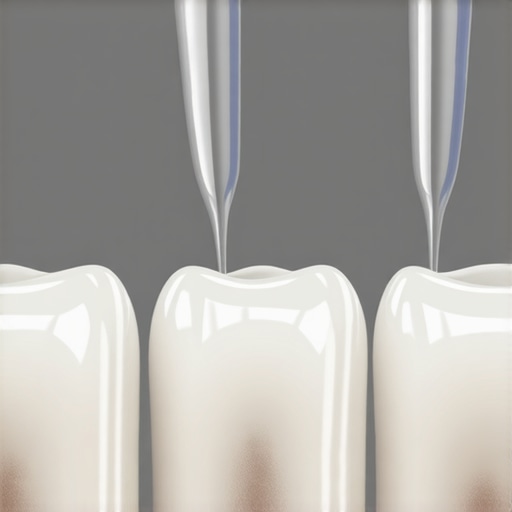
Stop the Rot with Better Home Care
Once you suspect a problem, your first instinct might be to scrub harder. I did exactly that. I once noticed a small, slightly dark spot on my premolar and spent three days trying to ‘brush it away’ with a whitening paste. Not only did the spot stay, but my gums ended up irritated and sore. I actually panicked because I saw the reason your gums turned white after using whitening strips reflected in my own mouth after overusing harsh chemicals to try and fix a structural hole. Instead of aggressive scrubbing, focus on an oral health routine strengthening your smile every day. This means using a soft-bristled brush and high-quality floss to clear out the tight spaces. You also need to learn how to prevent cavities between teeth where you can’t see, because those ‘hidden’ cavities are the ones that lead to the most expensive repairs.
Save the Tooth with a Durable Shield
If the decay has gone deep enough that a simple cleaning won’t fix it, you have to talk about reinforcement. Think of a dental crown as a helmet for a weakened tooth. I used to think crowns were only for the elderly, but a modern family dentistry focus building a lifetime of healthy smiles often involves using crowns to save a tooth that still has a healthy root. When a filling just won’t hold because the hole is too large, getting expert advice on crowns and teeth cleaning for lasting results is the only way to avoid an extraction. It’s a literal shield that prevents the tooth from splitting apart when you chew. Don’t underestimate the impact of regular teeth cleaning on overall oral wellness either; a professional can often spot these structural failures months before they cause that dreaded electric shock.To truly safeguard your smile, we have to look past the surface level of daily brushing and address the nuances that even the most diligent flossers often miss. Let’s dig deeper into the structural realities of your mouth. Most people believe that the more pressure they apply with a toothbrush, the cleaner their teeth will be. This is a dangerous misconception that can lead to permanent damage. I call this the ‘scrub-brush trap,’ where you think you are removing plaque but are actually grinding away your most precious asset.
Your Toothbrush Might Be Your Enamel’s Worst Enemy
In my experience, patients who scrub with the most vigor often end up with the most dental complications. Enamel does not grow back, and once it is gone, you are left with the more porous, sensitive dentin layer exposed to the world. Interestingly, why hard brushing actually makes your teeth look darker is a technical nuance many people overlook; as the white enamel thins, the yellowish core of the tooth becomes more visible. This is also the real reason some teeth are naturally yellower than others despite care. A study published in the Journal of Clinical Periodontology highlights that excessive brushing force is the primary driver of non-carious cervical lesions and gingival recession. If you aren’t using a soft-bristled head, you are essentially using sandpaper on your smile.
Why does my tooth still throb if it already has a crown?
This is the ‘Oops’ factor that catches many off guard: the belief that a crowned tooth is invulnerable. While the porcelain or ceramic itself cannot rot, the natural tooth structure underneath it is still very much alive and at risk. The most critical point of failure is the ‘margin’—the microscopic line where the crown meets your gum tissue. If you aren’t prioritizing maintaining your dental crowns dos and donts for best results, bacteria can seep into this hairline gap, causing ‘secondary caries’ that are notoriously difficult to detect without an X-ray. This is why caring for crowns essential tips for longevity and shine must include focused cleaning at the gumline. 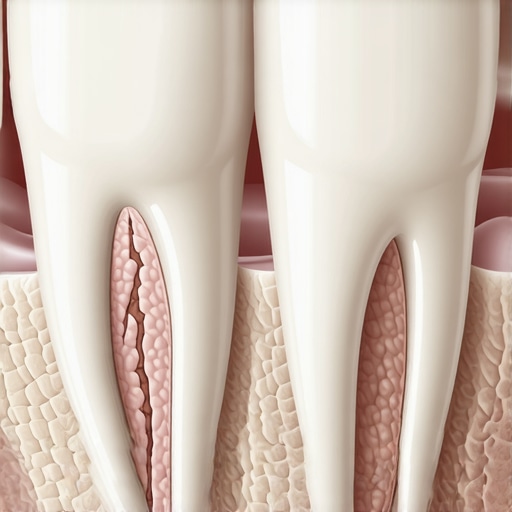
The Hidden Complexity of a Growing Family Smile
When we shift our focus to family-wide health, the nuances change again. For parents, there is often a moment of panic when the first adult teeth appear. It is a common mistake to assume something is wrong when new permanent teeth look vastly different from their predecessors. Specifically, why your child’s adult teeth look yellow next to baby teeth is a natural biological occurrence; adult teeth simply have more dentin and thinner enamel during their initial eruption phase. Understanding these shifts is a core part of oral health tips every family should follow in 2025. Furthermore, many people ignore the long-term consequences of missed appointments. If you’ve ever wondered what actually happens if you skip your dental cleaning for too long, it’s not just a few cavities; it’s the calcification of plaque into tartar that can only be removed by a professional. By mastering teeth cleaning secrets effective home practices for family dental health, such as pH-balanced rinsing and interproximal cleaning, you can stop issues before they require a drill. Have you ever fallen into the trap of thinking a crown was a ‘fix and forget’ solution? Let me know in the comments below.
I used to think that as long as I owned a toothbrush, I was ‘good to go.’ But after my first porcelain restoration, I realized that my $10 manual brush was like trying to maintain a Ferrari with a kitchen sponge. If you want to keep your smile intact, especially if you have existing work, you need to upgrade your toolkit. I personally swear by a high-pressure water flosser equipped with a specialized plaque seeker tip. Why? Because string flossing often glides right over the ‘margin’ of a crown without actually clearing the bio-film.
The Toolbox That Actually Keeps My Crowns in Place
My daily survival kit isn’t complex, but it is specific. I use a sonic toothbrush with a built-in pressure sensor because, as we discussed, I’m a chronic ‘scrubber.’ According to a clinical study published in the Journal of Dental Research, oscillating-rotating power toothbrushes provide a statistically significant reduction in gingivitis and plaque compared to manual brushing over both short and long terms. But the real MVP is the interproximal brush. These tiny, mascara-wand-looking tools are the only things that truly help with how to prevent cavities between teeth where you can’t see. When you have a crown, those tiny gaps are magnets for trouble. I’ve found that caring for crowns essential tips for longevity and shine often comes down to the mechanical action of these small brushes rather than the toothpaste you choose. 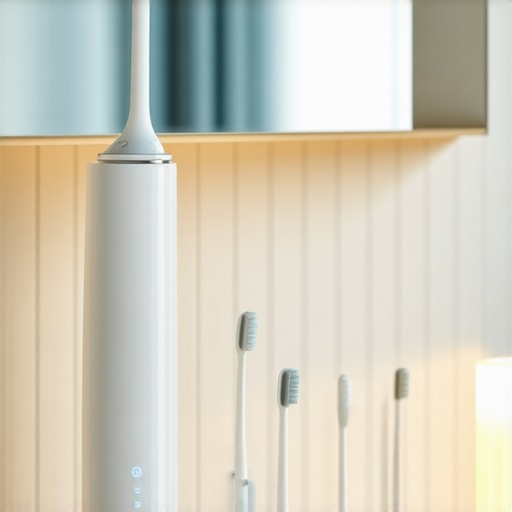
How do I keep my expensive dental work from failing over time?
Consistency is your only insurance policy. I’ve made it a rule: no matter how tired I am, I perform a three-step ‘shutdown’ routine every night. First, the water flosser to dislodge large particles; second, the sonic brush for two full minutes; and third, a pH-balancing rinse. This is crucial for maintaining your dental crowns dos and donts for best results because it neutralizes the acids that eat away at the natural tooth structure holding your crown in place. If you are traveling, don’t slack off. I always keep a travel kit ready because I know how to save a crown that fell out while you were traveling is a conversation nobody wants to have with an emergency dentist in a foreign city. Beyond the tools, you must be mindful of your habits. I’ve completely stopped chewing ice or using my teeth as ‘tools’ to open packages. Even the strongest porcelain can’t withstand the sheer force of a bad habit.
The Next Decade of Digital Dental Care
Looking ahead, I predict we are moving toward a ‘smart’ dental era. We are already seeing toothbrushes that sync to apps to show you exactly where you missed a spot, but the next step is home-based intraoral cameras. Imagine being able to snap a high-res photo of a suspicious spot and sending it to your dentist before it ever starts to hurt. This level of family dentistry focus building a lifetime of healthy smiles will make the ‘surprise cavity’ a thing of the past. If you really want to take control, my biggest piece of advice is this: go buy a water flosser with a specialized tip today. It is the single most effective way to protect the margins of your dental work and ensure your oral health routine strengthening your smile every day actually yields results.
Hard Lessons My Toothache Taught Me
Looking back at my journey from that first electric ‘zing’ to a fully restored smile, I’ve realized a few things that most people only learn when it’s too late. First, pain is a terrible indicator of health. If you wait until it hurts to act, you’ve already lost the battle for prevention. I also discovered that understanding the role of crowns in modern smile makeovers isn’t just for cosmetic reasons; it’s about structural survival. Finally, never ignore the little things, like finding the most comfortable way to get a professional deep cleaning so you actually show up to your appointments rather than cancelling out of fear.
The Gadgets That Keep My Smile Out of the Drill Zone
I don’t leave my dental future to chance anymore. My toolkit is built on products that provide the highest return on investment for my time. I highly recommend a pH-neutralizing mouthwash to combat the acids from coffee and snacks. Before you head into your next check-up, make sure you know the one thing you must do before your next dental cleaning to get the best results from the hygienist’s tools. I also focus heavily on aesthetics; learning how to keep your porcelain crown from staining over time has kept my smile looking natural and bright years after the procedure. #IMAGE_PLACE_HOLDER_E#
Why Your Future Self Will Thank You for That Appointment
The anxiety of the dentist’s chair is temporary, but the relief of a healthy mouth is permanent. Taking control of your oral health today means you won’t be dealing with emergency extractions or sudden throbbing pain during your next vacation. Whether you are teaching your kids the right habits or maintaining your own dental work, consistency is the only secret that actually works. You have the power to stop the decay before it stops your day. Have you ever ignored a ‘zing’ in your tooth only to regret it later? Let me know in the comments below.