I will be honest with you: I used to think my bathroom vanity was a mini dental clinic. I had the fancy electric brush, the minty floss, and the whitening paste that promised a Hollywood glow. Because everything looked white in the mirror, I figured I could push my six-month appointment back a bit. Then a bit turned into two years. One morning, I bit into a piece of sourdough toast and heard a sickening crack. It was not the bread; it was the side of my molar. That was the moment I realized that ignoring professional maintenance does not just lead to cavities—it leads to structural failure. Today, I want to walk you through the invisible chaos that unfolds when you ghost your hygienist and how we can stop the cycle of emergency-only visits.
The Day My Great Hygiene Routine Failed Me
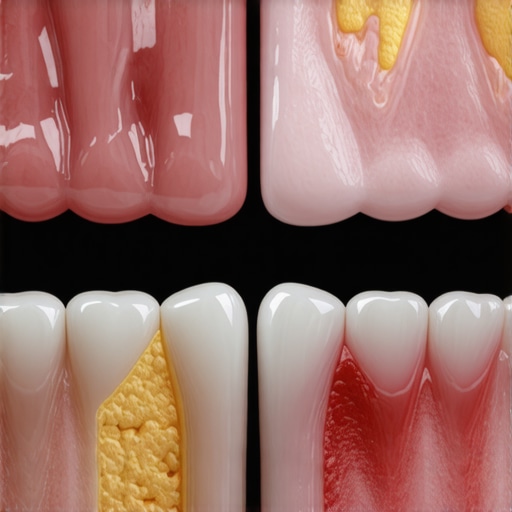
Skipping a cleaning is not just about avoiding a lecture from the hygienist; it is about the biology happening under the surface. When we miss those sessions, plaque hardens into tartar—a substance so stubborn that no amount of home scrubbing will budge it. I learned the hard way that the impact of regular teeth cleaning on overall oral wellness goes way beyond just fresh breath. It is about preventing the slow erosion of the bone that holds your teeth in place. Without that professional scaling, you are essentially leaving a slow-burning fire in your mouth.
Does skipping a cleaning really matter if I brush twice a day?
I get the skepticism. If you are not in pain, why spend the time and money? But here is the catch: gum disease is a silent thief. According to the American Academy of Periodontology, nearly half of adults over 30 have some form of periodontal disease, many without realizing it because it rarely hurts in the early stages. By the time I felt that crack in my tooth, the damage was already deep. I had neglected my oral health routine, thinking I was smarter than the biology of my mouth.
Your Gums Are Keeping Secrets You Should Know
One of the biggest mistakes I made early on was assuming that bleeding gums were just something that happens when I flossed too hard. In reality, that was my body’s SOS signal. If you have noticed why your gums feel sore after flossing for the first time in a while, it is a sign of chronic inflammation. There is even a scientifically proven connection between your heart health and your last dental cleaning. When bacteria sit in those deep gum pockets, they can enter your bloodstream and cause inflammation throughout your entire body. Have you ever put off a cleaning because you were just too busy, only to regret it later when a tooth started throbbing at 2 AM? Tell me I am not the only one who has played that dangerous game with their smile. Family dentistry focus is about more than just filling holes; it is about ensuring your foundation stays solid for decades. We are about to look at the specific stages of what happens to your enamel when that professional touch is missing.
The Brutal Reality of Professional Scaling
When you skip the dentist, plaque doesn’t just hang out on your teeth; it mineralizes into calculus, also known as tartar. Think of it like barnacles on the hull of a ship. Once they are attached, you can’t just wish them away. You need a professional to go in and physically scrape that ‘concrete’ off. I remember my first session after my two-year hiatus. The hygienist used an ultrasonic scaler, and the sensation was jarring. I was convinced she was chipping away my actual teeth, but she was just removing the layers of neglect. I quickly learned why ultrasonic cleaning is faster and more comfortable than hand scaling once the initial shock wore off. This process is the only way to halt the bone loss that eventually leads to loose teeth. Most people don’t realize how often you actually need a professional scaling to prevent bone loss until the damage shows up on an X-ray. It is not just a cleaning; it is a structural intervention.
The One Move You Must Make Before Your Appointment
To make the process less of a bloodbath, you have to prep. If you haven’t flossed in months, starting the night before won’t save you, but the one thing you must do before your next dental cleaning is to document any sensitivity. When I went in, I didn’t mention my sourdough-induced crack immediately, which wasted precious time. Be direct about where it hurts. 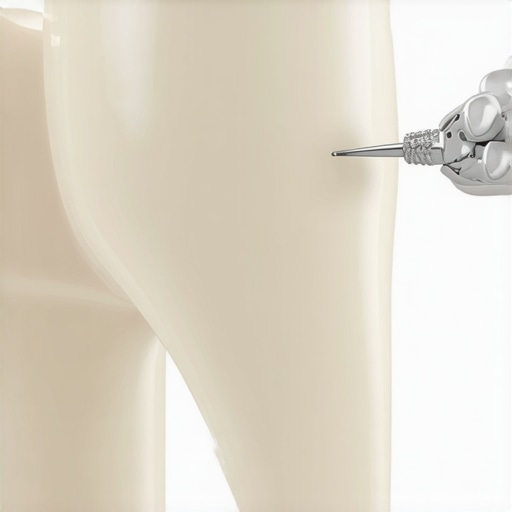
Put a Helmet on Your Tooth with a Crown
When a tooth is compromised by a deep cavity or a crack, a filling is like putting a band-aid on a broken leg. You need a crown. Think of a crown as a custom-fitted helmet that protects the remaining structure of your tooth from the immense pressure of chewing. My dentist explained that understanding the role of crowns in modern smile makeovers is about both durability and aesthetics. It wasn’t just about the crack; it was about preventing the whole tooth from splitting down to the root. If you have had a major procedure, there is a specific reason why your dentist recommends a crown after a root canal—without it, the tooth becomes brittle and prone to shattering. I ignored the reason your tooth hurts when you bite down hard for weeks, thinking it was just a passing phase, only to find out I was lucky the tooth was still salvageable.
How to Ensure Your New Crown Actually Lasts
Once you have the crown, the work isn’t over. You have to treat it with more respect than your original teeth. You need expert advice on crowns and teeth cleaning for lasting results because bacteria can still sneak in at the margin where the crown meets the gum. I started following caring for crowns essential tips for longevity and shine, which involves using a non-abrasive paste and a high-quality electric brush. It is a small price to pay when you consider the truth about how long a porcelain crown actually lasts before replacement—it can be decades if you aren’t reckless with it.
A Crown Is Not a Suit of Armor
Common wisdom suggests that once you get a crown, that tooth is ‘done’ and you can stop worrying about it. I have seen so many people fall into the trap of thinking porcelain is invincible. While the crown itself cannot decay, the natural tooth structure underneath is more vulnerable than ever. If you neglect maintaining your dental crowns dos and donts for best results, you are essentially building a house on shifting sand. In my experience, the biggest mistake is assuming the seal is permanent. Over time, that seal can degrade, allowing microscopic bacteria to tunnel underneath. Have you ever fallen into this trap of thinking a crown means a free pass from flossing? Let me know in the comments because I certainly did until my dentist showed me a localized X-ray of ‘marginal decay.’
Why does my crown feel sensitive years after the procedure?
It is the question that keeps patients up at night. If the nerve was removed or the tooth was sealed, why the sudden zing? Sometimes, it is not the tooth at all but the gum tissue surrounding it. I discovered that why your crown might feel sensitive to cold even years after placement often boils down to gum recession or a slight shift in your bite. Research published in the Journal of Prosthetic Dentistry indicates that the longevity of a restoration is tied directly to the health of the periodontium—the foundation. If your gums recede just a millimeter, the sensitive root surface is exposed, and suddenly that morning coffee feels like a lightning bolt. This is why oral health tips every family should follow in 2025 emphasize the gum line just as much as the enamel.
The Marginal Trap You Might Be Missing
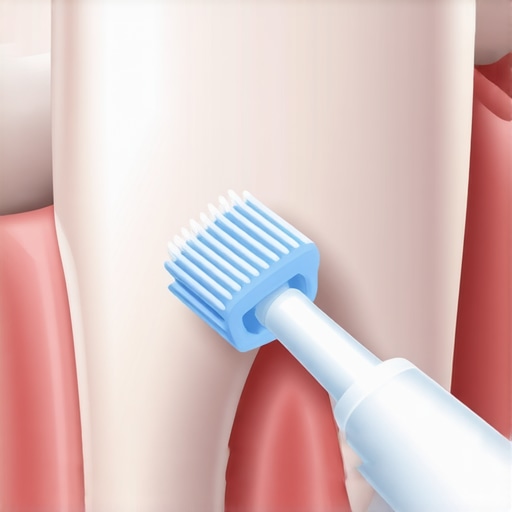
The ‘oops’ factor in most family dental routines is the failure to clean the ‘margin’—the exact line where the crown meets your gum. This is the ultimate hiding spot for plaque. Most people brush the ‘chewing’ part of the crown and call it a day, but that is not where the trouble starts. To truly protect your investment, you need to master teeth cleaning secrets effective home practices for family dental health, which includes using a dedicated interdental brush or a water flosser specifically aimed at those crown edges. I used to be a ‘chainsaw’ brusher, scrubbing side-to-side with a hard bristle, which only made my gums pull away faster. Switching to a soft-bristle technique is a small change that yields massive dividends for the life of your dental work.
How Crowns Rebuild More Than Just Teeth
We often talk about the mechanics, but we forget the psychological shift. Seeing how crowns can transform your dental confidence is often the catalyst for a patient finally taking their routine seriously. Once you see a perfect, functional smile in the mirror, you are more likely to stay consistent with expert advice on crowns and teeth cleaning for lasting results. It becomes about preservation rather than just repair. If you are currently dealing with a lingering ache or a crown that feels ‘off,’ do not wait for the structural failure I experienced. You can contact us to get ahead of the issue before a small leak becomes a total replacement.
Confidence is a powerful motivator, but even the most radiant smile requires a high-tech defensive strategy to stay that way. Once I had my crown, I realized that my old-school routine wasn’t going to cut it anymore. I had to transition from a ‘scrubber’ to a ‘strategist.’ Maintaining the integrity of your restorations and natural teeth means moving beyond the basic brush and looking at the specific tools that actually reach where decay starts.
The Only Gadget That Saved My Crown Margins
For years, I thought flossing was just about getting the spinach out of my front teeth. Then, a specialist pointed out that the gap between my crown and the gum line is a microscopic playground for bacteria. I personally switched to a high-pressure water flosser, and the difference was immediate. A meta-analysis published in the Journal of Clinical Dentistry highlighted that water flossing can be up to 29% more effective than traditional string floss for removing plaque in hard-to-reach areas. By utilizing teeth cleaning secrets effective home practices for family dental health, I finally felt like I was cleaning *under* the surface rather than just sliding over it. This tool is non-negotiable if you want to avoid the ‘marginal trap’ I mentioned earlier. 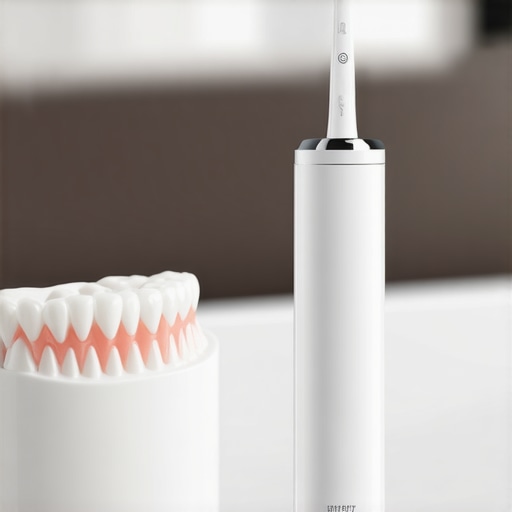
Why I Swapped My Sugar Habit for Xylitol
We all know sugar is the enemy, but the real issue is the acid it produces. I started carrying 100% Xylitol mints everywhere. Xylitol doesn’t just taste sweet; it actually starves the decay-causing bacteria by tricking them into consuming a ‘sugar’ they can’t digest. It is honestly the best snack to prevent cavities during a long road trip or even a busy workday. I also became hyper-aware of how the reason your coffee habit is ruining your crowns sealant isn’t just the staining—it’s the constant acid bath. If you can’t give up the caffeine, at least learn how to keep your porcelain crown from staining over time by rinsing with water immediately after your last sip.
How do I keep my dental work from failing after five years?
The secret isn’t just what you do while you’re awake. If you wake up with a sore jaw, you might be slowly pulverizing your expensive crowns in your sleep. I discovered that how a simple night guard can save you thousands in future dental work is often the most overlooked part of a long-term plan. Protecting the physical structure from the force of grinding is just as vital as cleaning it. Just make sure you know how to clean a night guard without damaging the plastic, as a dirty guard can become a breeding ground for the very bacteria we are trying to escape.
Where Smart Tech is Taking Our Smiles
Looking ahead, the days of guessing where you missed a spot are numbered. I predict that within the next five years, we will see bio-compatible sensors integrated directly into dental restorations that can alert your smartphone to localized pH changes. Until then, sticking to a rigid maintaining your dental crowns dos and donts for best results list and a consistent oral health routine strengthening your smile every day is your best defense. If you want to take your care to the next level, I challenge you to try this: Swap your post-lunch coffee for a quick water rinse and a Xylitol mint for one week. You will feel the difference in the ‘slickness’ of your teeth by day three.
What I Finally Learned After Three Replacement Crowns
After years of trial and error, I realized that the impact of regular teeth cleaning on overall oral wellness isn’t just a marketing slogan; it is a biological necessity. One “lightbulb moment” was discovering that the crown isn’t the finish line—it is the midpoint. If the gum health fails, the porcelain restoration goes with it. I also learned that why your teeth feel brittle and prone to chipping is often due to the pH levels in your saliva—something your family dentistry focus can help you balance during routine checks. It is much easier to manage the chemistry of your mouth than to repair the mechanical failure of an acidic environment.
My Daily Defensive Lineup for a Resilient Smile
To keep my restorations in top shape, I rely on a few key tools that have transformed my results. First, a high-quality electric brush—it is the gold standard for an oral health routine strengthening your smile every day. Second, I cannot recommend a custom night guard enough; seeing how a simple night guard can save you thousands in future dental work made me a believer after I saw the micro-fractures in my own natural teeth. Finally, I always have Xylitol mints on hand. They are the best snack to prevent cavities during a long road trip or a long day at the office where brushing isn’t an option. #IMAGE_PLACEHOLDER_E#
The Future of Your Oral Health Starts Tonight
Your smile is a living part of you, and it deserves more than reactive care. By focusing on maintaining your dental crowns dos and donts for best results, you are not just saving money—you are preserving your quality of life and confidence. Don’t wait for a crack or a throb to take action. If you have questions about your specific needs or want to start fresh after a long break, you can contact us for a personalized assessment. Let’s make this the year your oral health becomes your strongest asset rather than your biggest worry. Which part of your dental routine is the hardest for you to stay consistent with—the flossing, the night guard, or the regular cleanings? Let me know in the comments below.