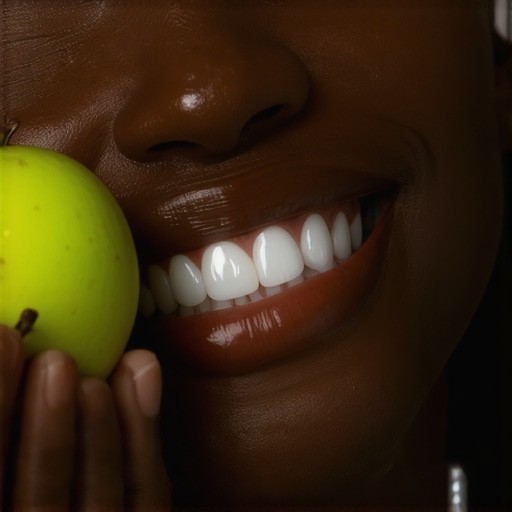
I’ll never forget the sting of my first professional whitening attempt—not just the price tag, but the literal, physical pain. I was sitting in my car after the appointment, nursing a lukewarm coffee I definitely shouldn’t have been drinking, and every breath of air felt like a tiny lightning bolt hitting my molars. I’d spent $400 to look ‘radiant,’ but I couldn’t even smile because the sensitivity was so intense. That was the day I realized there had to be a better way to handle my oral health without feeling like I was punishing my enamel for its color. We often get caught up in the chase for a Hollywood glow, forgetting that our teeth are living parts of our bodies, not porcelain tiles. My kids would ask why I was wincing at the dinner table, and I had to explain that I’d basically chemically burned my mouth for the sake of a vanity project. Never again. Today, I’m going to share how you can maintain a stunning, bright smile using simple, everyday habits that won’t leave you wincing every time you take a sip of water or breathe in a cold breeze. [IMAGE_PLACEHOLDER]
Your Enamel Deserves Better Than Abrasive Pastes
We’ve been sold this idea that a white smile only comes out of a syringe or a high-powered laser. It’s just not true. After my ‘lightning bolt’ incident, I went down a deep rabbit hole of research and talked to my family dentist about how to achieve a natural glow. I learned that much of what we call ‘yellowing’ is actually us wearing down our protection. For instance, I used to think scrubbing harder meant cleaner teeth, but that’s a fast track to thinning your enamel. If you’re dealing with very thin enamel, the last thing you want is a bleach kit. I actually made the huge mistake of trying the charcoal whitening trend a few years back. It looked cool on social media, but it felt like I was brushing with sandpaper. I ended up with microscopic scratches on my front teeth that actually made them catch stains faster than before. It was a mess. Now, I focus on how to maintain a bright smile without abrasive strips, and my teeth have never felt stronger.
Is it really possible to skip the expensive kits and see a change?
I know what you’re thinking. ‘If I don’t use the strong stuff, won’t my coffee habit win?’ I was skeptical too. I’m a three-cups-a-day person. But once I focused on a consistent oral health routine that prioritized plaque removal and stain prevention, the difference was night and day. A surprising fact from a study published in the Journal of Evidence-Based Dental Practice is that over-the-counter whitening products can significantly reduce the micro-hardness of your enamel if used incorrectly. Moreover, some teeth are naturally yellower than others regardless of how well you brush, which is why chasing an artificial white is often a losing game. Have you ever tried a whitening kit only to end up with teeth so sensitive you couldn’t even drink room-temperature water? It’s a common struggle, and honestly, a sign that we need to pivot. By incorporating certain foods that act as natural toothbrushes and being smarter about our daily habits, we can keep that shine without the trauma. Let’s look at what actually works when you want to glow from the inside out.
Stop Scrubbing Your Enamel Away
The biggest mistake I made for years was treating my teeth like a stained kitchen floor. I used to bear down with a hard-bristled brush, thinking force equaled cleanliness. It didn’t; all I did was irritate my gums and wear down my natural protection. Now, I advocate for teeth cleaning secrets that focus on massage rather than friction. You want to angle your brush at 45 degrees toward the gum line and use tiny, circular vibrations. If you’ve been using a manual brush, you might find that your gums bleed when you switch to an electric toothbrush at first, but that’s usually just your tissue adjusting to the increased efficiency of plaque removal and stimulated blood flow.
Master the Gentle Sweep Technique
When I finally transitioned the whole family to a better oral health routine, the ‘fuzziness’ on our teeth disappeared. I remember one morning my youngest son complained his teeth felt ‘hairy’ because he’d rushed his brushing. We sat down and practiced the ‘sweep’—moving from the gum toward the edge of the tooth. This simple shift prevents you from pushing debris under the gumline, which is exactly how to prevent cavities between teeth where a standard brush usually fails to reach. It’s about precision, not power.
How to Drink Coffee Without the Yellow Tint
I am a die-hard coffee lover, but I had to learn how to avoid staining your teeth without giving up my morning brew. The secret isn’t just about what you drink, but how you drink it. Sipping on a latte for three hours keeps your enamel in an acidic bath. I started finishing my coffee in a shorter window and immediately rinsing with water. This simple habit keeps the dark pigments from settling into the microscopic pores of your teeth. 
Protect Your Dental Work
If you have restorations, you have to be even more careful. I learned the hard way that your coffee habit can ruin your crowns’ sealant over time if the acidity isn’t managed. Maintaining that ‘just-installed’ look requires caring for crowns with non-abrasive gels. Once, I used a harsh ‘smoker’s toothpaste’ on my porcelain crown and it actually dulled the glaze, making it look like a piece of matte plastic instead of a natural tooth. Now, I stick to pH-balanced rinses to ensure the longevity of a porcelain crown remains intact and vibrant.
The Critical Role of Professional Scaling
No matter how well you brush at home, there are spots—especially behind the lower front teeth—where minerals in your saliva harden into tartar that no brush can move. I used to skip my six-month cleanings until I realized the impact of regular teeth cleaning on my overall health. A professional understands what a professional prophy cleaning removes that your manual brush simply cannot budge. During my last visit, my hygienist showed me how much better my gums looked just by incorporating foods that act as natural toothbrushes like apples and carrots, which physically scrub the surfaces while you chew. It’s all about a family dentistry focus that looks at the big picture of health, rather than just chasing an artificial white shade.
One thing I’ve noticed in my years of obsessing over dental hygiene is a dangerous misconception: the idea that once you have a crown, that tooth is ‘fixed’ forever. I used to think my porcelain-capped molars were invincible, treating them like little ceramic shields that didn’t need the same attention as my natural teeth. This is a massive ‘oops’ factor that leads to thousands in preventable repairs. In reality, the margin—that tiny line where the crown meets your gum—is the most vulnerable spot in your entire mouth. If you aren’t focused on expert advice on crowns and teeth cleaning for lasting results, bacteria will find a way in. A study published in the Journal of Dentistry highlights that ‘micro-leakage’ at the margins is a leading cause of secondary decay, which is often invisible until the crown literally fails. 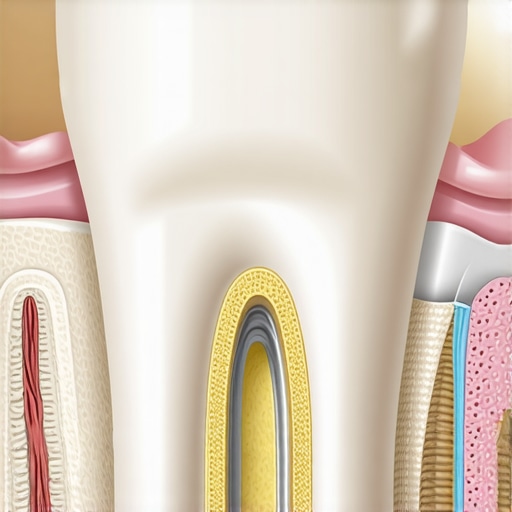
Why do some crowns look like real teeth while others have a dark line?
If you’ve ever looked in the mirror and noticed a dark, greyish line at the base of a crown, you aren’t seeing rot—usually. It’s often the metal substructure of a Porcelain-Fused-to-Metal (PFM) crown showing through as the gum recedes. This is why many people now prefer why ceramic crowns are the best choice for your front teeth because they mimic the translucency of natural enamel without that ‘dead’ look. But here’s the nuance: even the most beautiful ceramic work requires you to know how to tell if your dental crown is cracked or just the cement. A tiny click or a slight sensitivity to cold can be the first sign that the seal has been compromised. If you’ve ever wondered why your dental crown feels like it has a click when you bite, it is a definitive sign of micro-movement that needs immediate attention.
Throw away the ‘natural is always better’ mindset
I’m all for organic living, but when it comes to oral health tips every family should follow in 2025, I have to be the bearer of bad news: the ‘natural’ toothpaste trend is often a trap. I’ve seen parents skip fluoride entirely, only to find their kids have rampant decay by age five. This is why natural toothpastes without fluoride might be a risk for your kids; they simply don’t provide the remineralization needed to fight modern sugars. Maintaining a family dentistry focus means understanding that a ‘clean’ mouth isn’t a sterile one—it’s a balanced one. If you’re constantly using harsh alcohol-based mouthwashes, you’re nuking the good bacteria along with the bad, leading to chronic dry mouth and further decay.
Stop assuming your teeth look longer just because of aging
Many people assume their teeth look longer because of ‘aging,’ but often the reason your teeth look longer as you get older is due to aggressive brushing or untreated gum disease. It’s not an inevitable part of getting older; it’s a symptom of mechanical wear. When I switched to a softer touch and prioritized maintaining your dental crowns: dos and donts for best results, I noticed my gums stopped receding. Have you ever fallen into this trap, thinking ‘the more it burns or the harder I scrub, the better it works’? Let me know in the comments. We need to shift toward a routine that respects our biological balance rather than fighting against it.
Transitioning from basic habits to the right equipment was the moment I stopped surviving my dental appointments and started aceing them. I used to wake up with a dull jaw ache and couldn’t figure out why my teeth were starting to chip. It turns out, I was grinding my stress away every night. Learning the signs your dull morning headache is actually a dental emergency changed everything for me. I finally invested in a custom-fitted guard, and I’m not exaggerating when I say how a simple night guard can save you thousands in future dental work is the single best piece of advice I ever followed. It’s not just about protecting your natural teeth; it’s about ensuring you aren’t putting unnecessary pressure on your restorations, which is exactly how to prevent your crown from popping off or cracking under the pressure of a midnight clench session. 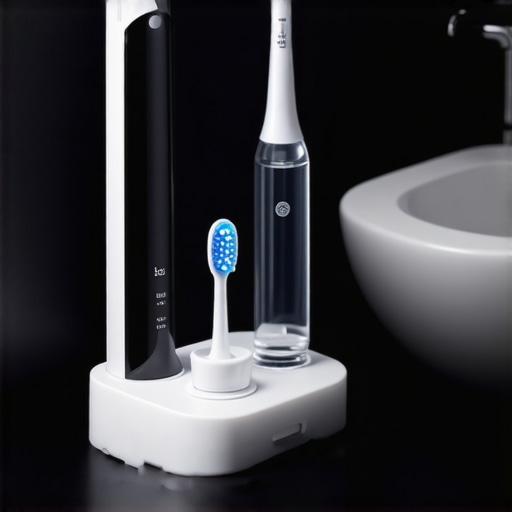
Save Your Wallet with a Custom Night Guard
If you’ve ever noticed why your dental crown might feel loose, it’s often because the bond has been weakened by constant lateral pressure. I now keep a night guard on my nightstand as if it’s a piece of fine jewelry. For my tools, I’ve moved away from the ‘cheapest option’ mindset. I use a high-end sonic toothbrush because the micro-bubbles it creates actually penetrate the tiny gaps between my teeth and my gums. According to a technical report by the American Academy of Periodontology (AAP), consistent use of automated plaque-removal devices can result in a 21% reduction in plaque after three months compared to manual brushing. That’s a massive margin when you’re trying to avoid a deep cleaning. Speaking of professional care, I always ask for the ‘power wash.’ I’ve found why ultrasonic cleaning is faster and more comfortable than hand scaling to be a game-changer for my comfort during my checkups.
How can I keep my dental work looking fresh for years?
The secret is consistency and the right tech. I use a water flosser every single night. If you have any dental work, you know the best way to clean plaque from under a dental bridge or around a crown isn’t with traditional string—it’s with pressurized water that can reach the nooks and crannies. I also follow a strict set of maintaining your dental crowns: dos and donts that includes avoiding using my teeth as tools (no more opening plastic packages with my molars!). Looking ahead, I see the industry moving toward biomimetic materials and AI-integrated toothbrushes that track your ‘missed spots’ in real-time. We are entering an era where oral health tips every family should follow in 2025 will involve much more personalized data. To stay ahead, make sure you know how often you actually need a professional scaling based on your specific plaque buildup, not just a generic six-month rule. I want you to do one thing today: swap your hard-bristled brush for a high-quality electric one and commit to the full two-minute timer. Your future self will thank you for the thousands of dollars you didn’t have to spend on repairs.
The Hard Truths About What Actually Keeps Your Teeth White
After years of trial and error, I’ve realized that a white smile is a byproduct of health, not a goal to be forced. One of the biggest shifts for me was learning how to tell if your dental crown has a small leak before it turns into a major procedure. I also learned that the most expensive whitening kit in the world won’t fix the damage done by a routine that lacks protection. Most importantly, I discovered that the impact of regular teeth cleaning goes far beyond just a shiny surface—it is about keeping the bone and tissue that support your smile strong for decades. A healthy mouth naturally looks more vibrant because the enamel is hydrated and the gums are a healthy, pale pink.
My Non-Negotiable Tools for Family Dental Care
If you want to move from reactive to proactive, you need the right gear. I swear by my water flosser because it is the safest way to remove food stuck between your teeth without shredding your delicate gums. Pair that with a soft-bristled electric brush and you are already ahead of most of the population. For my kids, I prioritize a family dentistry focus that emphasizes education over lectures. We use fluoride-rich pastes and avoid the hidden traps that lead to early cavities, ensuring their teeth stay strong into adulthood. These tools are the foundation of a routine that saves both your teeth and your bank account.
[IMAGE_PLACEHOLDER]
Protect Your Future Smile Starting Tonight
The best time to start caring for your enamel was ten years ago, but the second best time is right now. By adopting these oral health tips every family should follow in 2025, you aren’t just saving money on future crowns—you are investing in your long-term confidence. Don’t wait for a sensitivity flare-up or a loose restoration to take action. Consistent, gentle care is the only way to ensure your smile remains functional and beautiful. If you have questions about your specific situation or need a professional assessment, don’t hesitate to contact us for expert guidance. Have you ever had a dental ‘horror story’ that changed how you view your daily routine? Let me know in the comments below.