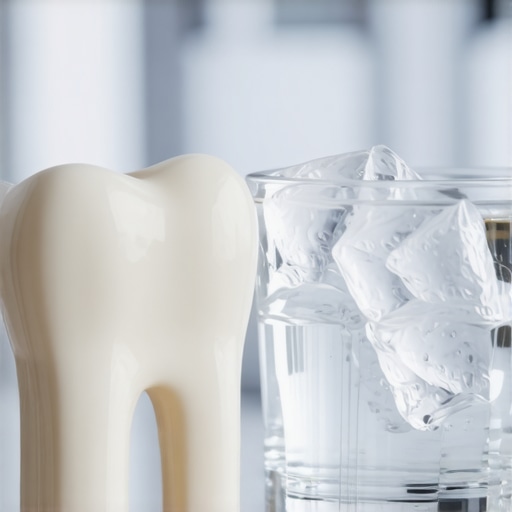
I’ll never forget the time I walked out of my dentist’s office feeling like I had a Hollywood smile, only to be humbled by a single ice cube ten minutes later. It was last March, and after a particularly thorough session, I felt great until I hit the drive-thru for an iced tea. One sip and—bam—a lightning bolt of pain shot through my jaw. I honestly thought my hygienist had accidentally chipped something or that my enamel had suddenly vanished. It turns out, I was just dealing with a very common, albeit annoying, side effect of getting my oral health back on track. If you have ever winced at a cold drink after leaving the chair, I want to show you exactly why your teeth are acting up and how we can calm them down together. Today, we are going to dive into the mechanics of that post-prophy ‘zing’ and why it is actually a sign that your cleaning was effective.
Your Enamel Just Lost Its Heavy Winter Coat
I like to think of tartar—that hard, calcified stuff the dentist scrapes away—as a thick, dirty winter coat for your teeth. When we ignore the impact of regular teeth cleaning on overall oral wellness, that tartar builds up and actually insulates your teeth from temperature. When your hygienist finally removes it, your teeth are suddenly ‘naked’ and exposed to the world. I made the classic mistake early on of thinking this meant my enamel was damaged. In reality, the tools used, especially if your office uses ultrasonic cleaning which is faster and more comfortable, are designed to save your teeth, not hurt them. However, removing that buildup exposes the dentin and tiny nerve pathways that haven’t felt the air in months. According to the American Dental Association, this sensitivity is often just the result of ‘dentinal hypersensitivity’ occurring as the gums and teeth adjust to their new, clean environment. It is a temporary phase, but man, it can be startling if you aren’t expecting it.
Is it possible my dental hygienist was a little too rough?
It is the question we all whisper to ourselves when our gums feel tender. While it might feel like they were ‘digging’ in there, they were actually uncovering areas that were likely already inflamed. I once tried to ‘fix’ my post-cleaning sensitivity by using a harsh whitening toothpaste the very next day, thinking it would keep my smile bright. That was a huge mistake; the abrasives in the whitening paste only irritated my newly exposed surfaces more. Instead, focusing on oral health tips every family should follow in 2025 suggests being gentle for the first 48 hours. Have you ever felt like your teeth were actually more sensitive after a cleaning than before you went in? You aren’t alone, and it doesn’t mean your hygienist failed. It means your teeth are finally breathing again. Let’s look at how we can manage this sensation without giving up our favorite cold snacks.
Calm the Zing with This 48-Hour Game Plan
The first rule of post-cleaning sensitivity is simple: stop the thermal shock. When I had that lightning-bolt moment after my tea, I immediately switched to lukewarm water for the next two days. Think of your teeth like a freshly polished car; you wouldn’t take a brand-new paint job through a sandstorm. By keeping your intake at room temperature, you give the nerves time to settle back into their protected state. If the discomfort is sharp, you should learn how to fix a sensitive tooth flare-up before your next appointment by using a potassium nitrate-based toothpaste. I keep a tube of desensitizing paste in my cabinet specifically for the week following my checkup. Instead of brushing normally, I sometimes dab a little bit of the paste directly onto the sensitive spot and let it sit for a minute—it is like a cooling balm for the tooth nerve.
The Salt Water Trick That Actually Works
I used to think salt water rinses were just something my grandma did, but it is a cornerstone of strengthening your smile every day. After a deep cleaning, your gums might be slightly recessed from where the tartar was previously sitting. This leaves the neck of the tooth exposed. The salt water trick that calms gum inflammation in minutes works by balancing the pH in your mouth and reducing the swelling that often contributes to that achey feeling. I usually dissolve half a teaspoon of sea salt into eight ounces of warm water and swish gently. The relief isn’t just psychological; it physically shrinks the inflamed tissue around the base of the tooth.

Ditch the Scrubbing Habit Right Now
When our teeth feel a bit sensitive, our instinct is often to brush harder to clean away the discomfort. That is the worst thing you can do. My hygienist once told me to imagine I was brushing a ripe tomato rather than scrubbing a tile floor. This is why your dentist wants you to stop using hard bristles immediately. Hard bristles on newly exposed dentin act like sandpaper. I once made the mistake of using a firm brush because I wanted to maintain that pro-clean feeling, and I ended up making my sensitivity last for two weeks instead of two days. Switching to a soft or extra-soft brush ensures you are removing plaque without gouging the sensitive pathways. Remember, what a professional prophy cleaning removes that your toothbrush cant touch is often the very thing that was shielding those nerves, so be gentle while they adjust.
Wait Before Reaching for the Whitening Strips
We all love the brightness that comes after a professional prophy, but this is the most dangerous time to use over-the-counter whitening products. Many whitening gels use peroxide which travels through those same tiny tubules in your dentin to reach the stains. If your teeth are already zinging, those chemicals will feel like needles. Instead, focus on teeth cleaning secrets and effective home practices for family dental health that prioritize remineralization. I wait at least five days before even thinking about whitening. If you have crowns, you have to be even more careful; caring for crowns involves essential tips for longevity that often include avoiding abrasive chemicals when the surrounding gum tissue is still recovering from a scaling session.
While that post-cleaning ‘zing’ is a temporary rite of passage, there is a much deeper layer to oral health that most people overlook once they leave the chair. Let’s dig deeper into a common misconception: the idea that once a tooth is ‘fixed’ with a crown, it is effectively bulletproof. I used to believe that my porcelain-covered teeth were safe from the standard rules of decay, but that is a dangerous trap. In fact, a study published in the Journal of Prosthodontic Research highlights that the leading cause of crown failure isn’t the ceramic breaking, but ‘recurrent caries’—decay that sneaks in at the tiny margin where the crown meets your natural tooth. If you think your crown is a ‘set it and forget it’ solution, you might be setting yourself up for an expensive surprise.
Stop Treating Your Crown Like It’s Indestructible
Everyone says that porcelain is stronger than enamel, but in my experience, the crown actually requires more precision in your daily routine than your natural teeth. The biggest ‘oops’ factor I see is patients ignoring the gum line of their restorations because they think the porcelain can’t rot. While the crown itself is immune to cavities, the sliver of natural tooth structure underneath is still vulnerable. This is why maintaining your dental crowns with specific dos and donts is non-negotiable. If you aren’t flossing specifically at that margin, you are leaving the door wide open for bacteria to seep underneath. Have you ever fallen into this trap? Let me know in the comments.
The Subtle Warning Signs Most Patients Ignore
There is a hidden nuance when it comes to long-term sensitivity. Most people assume that if a crown has been in place for five years, any new pain must be a fluke. However, you need to know how to tell if your dental crown has a small leak before the damage reaches the nerve. A ‘leak’ isn’t always a visible hole; it can be a microscopic breakdown of the cement that allows sugary liquids and bacteria to bypass your protection. If you feel a dull ache that lingers only when you eat something sweet, that is a classic red flag that the seal is compromised. Ignoring this doesn’t just threaten the tooth; it impacts your systemic health. We are learning more every day about the connection between your heart health and your last dental cleaning, proving that oral bacteria don’t just stay in your mouth—they travel.
Why does my crown feel sensitive to cold even years after placement?
It is one of the most sophisticated questions I get asked. You would think that after the initial adjustment period, the tooth would be dormant. However, why your crown might feel sensitive to cold years later often boils down to gum recession. As we age, or if we brush too hard, the gum line retreats and exposes the root of the tooth that isn’t covered by the crown. This root surface is incredibly porous. When cold liquid hits that exposed area, it travels straight to the nerve. Understanding the truth about how long a porcelain crown actually lasts is about more than just the crown itself—it is about the health of the tissue supporting it. If you are noticing this, you might need to switch to the safest way to manage sensitivity with thin enamel techniques to protect those newly exposed areas without causing further wear.
I used to think a regular string of floss was enough to protect my dental work until my dentist showed me a microscopic view of the bacteria hiding at the base of my molar. Now, I rely on a specific toolkit that keeps my mouth feeling like I just stepped out of a professional prophy every single morning. The cornerstone of my routine is a high-quality water flosser, specifically using the ‘plaque seeker’ tip. This isn’t just about blowing water around; it is about maintaining your dental crowns with specific dos and donts that target the margin where porcelain meets the gum. Standard floss can sometimes snag or miss the subtle ledge of a restoration, but the hydro-pulse action flushes out debris that manual tools simply can’t touch. If you have back molars, you might even consider the benefits of choosing zirconia crowns for back molars because they are incredibly resistant to the wear and tear of these heavy-duty cleaning tools. 
The Power Toothbrush is a Non-Negotiable Necessity
When it comes to strengthening your smile every day, I have officially retired my manual brush. I switched to an electric model with a built-in pressure sensor because I realized I was one of those ‘aggressive’ brushers. According to a comprehensive meta-analysis in the Cochrane Database of Systematic Reviews, power toothbrushes provide a 21% reduction in plaque after three months of use compared to manual brushes. The oscillating-rotating technology does the work for you, which is essential when you are trying to be gentle on sensitive areas. This level of precision is part of the expert advice on crowns and teeth cleaning for lasting results that I live by. I also highly recommend using a night guard if you show any signs of grinding; how a simple night guard can save you thousands in future dental work is not an exaggeration. It prevents you from literally pulverizing your expensive crowns while you sleep.
How do I keep my dental work from failing prematurely?
Consistency is the obvious answer, but the secret is in the ‘interproximal’ space—the gaps between the teeth. Most people focus on the shiny fronts, but I spend 70% of my time on the ‘sidewalks’ of my teeth. This involves teeth cleaning secrets and effective home practices for family dental health like using interdental brushes that match the size of your gaps. I even learned how to clean under a permanent retainer without the struggle by using threaders that don’t fray. Looking forward, I predict we are moving toward a world of ‘biometric dentistry’ where our toothbrushes will analyze our saliva pH in real-time and send an alert to our phones if our acidity levels are high enough to cause erosion. For now, my advanced tip for you is this: tonight, try using your water flosser before you brush. It loosens the ‘heavy’ debris, allowing the fluoride in your toothpaste to actually reach the tooth surfaces rather than just sitting on top of a layer of plaque. Give it a shot and feel the difference in the morning.
The Truths I Only Discovered After Years in the Dental Chair
Looking back at my journey with dental anxiety and restoration work, I realized that my fear often came from a lack of knowledge. First, I learned that sensitivity isn’t a sign that the hygienist did something wrong; it’s often proof they reached the areas that needed it most. It made me realize how often you actually need a professional scaling to prevent bone loss rather than just waiting for a toothache. Another lightbulb moment was understanding that a crown is a shield, but the edge of that shield is where the real battle happens. If you don’t monitor that edge, you might miss how to tell if your dental crown has a small leak before it turns into a major repair. Finally, shifting my perspective to a family dentistry focus building a lifetime of healthy smiles changed how I talk to my kids about their own checkups—it’s about maintenance, not just fixing problems.
#IMAGE_PLACEHOLDER_E#
My Go-To Resources for a Strong and Healthy Mouth
I don’t believe in buying every gadget on the market, but there are a few essentials that changed the game for me. I swear by my water flosser for maintaining your dental crowns with specific dos and donts because it reaches the crevices my manual floss always skipped. For those first 48 hours after a prophy, I always have a tube of potassium nitrate paste ready; knowing how to fix a sensitive tooth flare up before your next appointment keeps me from panicking when I drink something cold. I also threw away every medium and firm brush in the house once I understood why your dentist wants you to stop using hard bristles to protect your gum line. Lastly, I keep sea salt in the bathroom cabinet specifically for the salt water trick that calms gum inflammation in minutes—it’s the most cost-effective healing tool I own.
Walk Into Your Next Appointment With Confidence
The post-cleaning zing and the mystery of crown maintenance don’t have to be sources of stress. When you understand the ‘why’ behind the sensation, you take the power back from the dental chair. By following expert advice on crowns and teeth cleaning for lasting results, you are investing in a smile that doesn’t just look good in the mirror, but stays healthy for decades. You’ve got the tools and the plan; now it’s just about the daily consistency that keeps your teeth cleaning results fresh. Have you ever experienced a sudden ‘zing’ after a cleaning or noticed a change in how your crown feels when you bite? Let me know in the comments below!