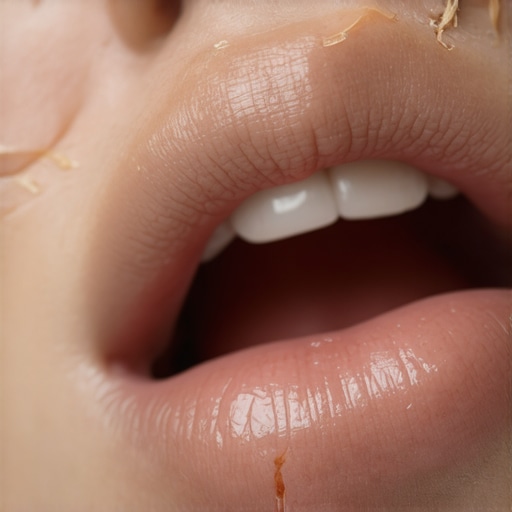
I remember a morning not too long ago, standing in front of my bathroom mirror, feeling that persistent dryness grip my mouth like an unrelenting desert. I had just finished my usual glass of water, expecting relief, but the sensation lingered—dry, sticky, and uncomfortable. It was as if my mouth had its own stubborn agenda, refusing to hydrate no matter how much I tried.
The Frustration of Constant Dryness
This nagging feeling isn’t just about thirst; it messes with your confidence, your speech, even your ability to enjoy your favorite foods. I’d sip yet another glass, hoping that each would quench the dryness, but instead, it seemed to worsen. I wondered, “Why does my mouth stay dry no matter how much water I drink?”
After some research and personal trial-and-error, I discovered I was not alone. Many people face this puzzling issue, yet few understand the underlying causes. The good news is, there are targeted solutions that go beyond simply gulping more water.
What We’ll Uncover Today
In this post, I’ll share my journey from confusion to clarity, revealing the common reasons behind persistent dry mouth and practical steps to restore natural moisture. We’ll explore how seemingly unrelated factors—like oral health routines or dental restorations—play a significant role. Whether you’re dealing with dry mouth after getting crowns, because of medication side effects, or other reasons, you’ll find insights that can transform your oral comfort.
Is Your Dry Mouth Actually a Sign of Something More Serious?
Early in my quest, I made the mistake of dismissing my symptoms as just dehydration—thinking I just needed to drink more water. That was a mistake, and it delayed understanding the actual issue. Recognizing that dry mouth can sometimes signal underlying health problems is crucial. For instance, conditions like xerostomia—dryness caused by salivary gland issues—require specific attention, not just more hydration. If you’ve experienced this, you might consider consulting a professional, like a periodontist, to get tailored advice. Check out this guide for a comprehensive routine to support your oral health.
Now that we’ve addressed the importance of accurately identifying the cause, let’s dig into what’s really causing your mouth to stay dry and how you can combat it effectively. Are you ready to discover easy, practical ways to find relief and reclaim your comfort? Let’s get started.
Adopt a Rigorous Oral Hygiene Routine
Start by establishing a consistent daily cleaning routine that targets all areas of your mouth. Use a soft-bristled toothbrush and fluoride toothpaste to gently remove plaque without irritating your salivary glands. Incorporate interdental brushes or floss daily to eliminate food debris, which can worsen dryness if left unchecked. To make this easier, set a reminder or pair it with a daily activity, like reading or listening to music, ensuring it becomes second nature. For comprehensive guidance, visit this resource.
Leverage Hydration Strategically
Drink Smarter, Not Just More
Consuming water consistently throughout the day is essential, but timing matters. Sip water with meals to facilitate swallowing and promote saliva flow. Avoid chugging large amounts at once, which can cause discomfort. Adding a splash of lemon or choosing saliva-stimulating gums can encourage natural moisture production, similar to how a sponge absorbs water gradually rather than all at once. During a personal trial, I started carrying a refillable bottle and set hourly alarms—a simple change that noticeably reduced my dry sensation by midday.
Use Saliva Substitutes When Needed
If dryness persists, consider over-the-counter saliva substitutes or oral gels. These act as artificial saliva, coating the mouth and providing temporary relief. Think of them as a raincoat for your dry landscape—offering a shield during harsh conditions. Always consult your dentist before choosing a product, and apply as directed for optimal results. Regular use can prevent the build-up of debris and support the health of your oral tissues.
Modify Your Diet and Limit Irritants
Identify and cut back on foods and drinks that exacerbate dryness—highly spicy, salty, or sugary items can contribute to irritation. Additionally, limit caffeine and alcohol intake, which are diuretics capable of reducing saliva production. Instead, include hydrating fruits like watermelon or cucumber, which naturally contain high water content and help maintain moisture levels. Remember, just as a plant needs consistent watering to stay healthy, your mouth thrives on regular, gentle hydration.
Optimize Dental Restorations and Oral Care Products
Dental crowns and fillings can sometimes trap bacteria or debris if not correctly fitted or maintained, leading to dryness or discomfort. Regular professional teeth cleanings remove plaque and prevent complications—schedule visits at least twice annually. After treatments, follow specific care instructions, using products recommended by your dentist. For example, this guide details how to care for crowns to extend their longevity. Ensuring restorations are in good shape supports saliva flow and overall oral health.
Seek Professional Advice for Underlying Causes
Persistent dry mouth might signal other health issues, such as xerostomia or medication side effects. Schedule an appointment with a dental or healthcare professional to analyze your symptoms comprehensively. They can perform tests or adjust medications if necessary, acting like a mechanic diagnosing an engine problem before replacing parts—saving time and preventing future issues. Visiting a specialist can reveal hidden causes and recommend personalized treatments, including saliva-stimulating medications or therapy.
Many individuals assume that maintaining oral health is simply about brushing and visiting the dentist twice a year, but this oversimplification overlooks critical nuances that can significantly impact long-term dental success. For instance, a common myth is that all dental crowns are created equal; in reality, choosing the right type and understanding their maintenance can make a difference in durability and aesthetics. Similarly, the belief that regular teeth cleaning is just about freshening breath misses its vital role in preventing periodontal disease and detecting underlying issues early.
Are You Falling for the Oversimplification of Dental Crowns and Restorations?
Many patients think that once a crown is cemented, minimal care is required beyond routine brushing. However, neglecting specific maintenance protocols, such as avoiding certain foods or skipping professional check-ups, can lead to premature failure or decay at the margin. Knowing that crowns are susceptible to issues like cement degradation or porcelain chipping underscores the importance of tailored care strategies. Expert insights highlight that using the appropriate cleaning tools, like interdental brushes designed for crowns, can extend their lifespan—more so than just regular flossing. For comprehensive guidance, see this resource.
The Danger of Failing to Address Underlying Issues During Teeth Cleaning
Contrary to popular belief, teeth cleaning isn’t merely about removing surface stains or plaque. It’s an opportunity for the dentist to detect early signs of decay, cracks, or gum disease. Overlooking the importance of professional cleanings tailored to individual risk factors can result in missed diagnoses. Some patients assume that regular home brushing suffices, but without professional tools and a trained eye, subtle problems can develop unnoticed. For example, studies show that professional cleanings reduce the risk of periodontal disease progression significantly—yet many underestimate their role in prevention. To learn more about effective cleaning routines, visit this article.
Family Dentistry: Building a Lasting Foundation
Many parents mistakenly believe that pediatric dental care and adult care are entirely separate worlds, but the reality is that early habits set the foundation for lifelong dental health. Regular visits with a family dentist, who understands the nuances of different age groups, can prevent issues like misaligned teeth, decay, and habits like thumb-sucking that impact oral development. A common trap is delaying visits until problems become visible, yet early intervention, especially during childhood, can save time, money, and discomfort later. Learn more about the importance of comprehensive family dental care at this link.
Many assume that good oral hygiene is a one-size-fits-all approach, but the reality is that each individual requires tailored strategies, especially when it comes to restorations, cleaning routines, and family-wide habits. Recognizing and addressing these nuances can prevent common pitfalls, from crown failures to developing gum disease. Have you ever fallen into this trap? Let me know in the comments.
Maintaining optimal oral health over the long term requires more than just good brushing habits. I’ve found that investing in the right tools can make a significant difference in the durability of restorations like crowns and ensuring that teeth stay clean and healthy. One of my favorite devices is the **Waterpik Sonic-Fusion**—it combines flossing and brushing into a single, efficient step. Unlike traditional floss, this device uses pulsating water streams that effectively reach between teeth and around crowns, removing debris that can lead to plaque buildup. personally, I use the Sonic-Fusion daily because I noticed a marked reduction in gum irritation and a fresher feeling that lasts all day. This guide emphasizes how the right tools extend the lifespan of dental restorations and keep your smile shining bright.
For professional cleaning and plaque removal, I rely on a **Phillips Sonicare DiamondClean** electric toothbrush. Its high-frequency vibrations provide a more thorough clean compared to manual brushing, especially around crown margins and in hard-to-reach areas. Over the years, I’ve found that pairing this with interdental brushes—specifically, the **TePe Supreme**—helps me clean around dental work where floss might miss. These brushes are gentle yet effective at disrupting plaque and debris that accumulate along the gumline and beneath restorations. Regularly using these tools ensures that I maintain healthy gums and avoid complications like decay or gum disease.
Looking ahead, the trend in oral health tools is shifting toward smart technology. Devices like **Withings Smart Sonic Toothbrush** connect to smartphone apps, offering real-time feedback on brushing angles and duration. I predict that in the future, these intelligent tools will become the norm, providing personalized advice that adapts to your unique dental needs, much like how fitness trackers calibrate to your activity levels. To stay ahead, I recommend trying a high-tech toothbrush that suits your lifestyle—it’s an investment in your long-term oral wellness.
How do I maintain my dental tools and ensure they last?
To keep your equipment working at peak performance, regular cleaning and replacing heads as recommended are essential. For example, I replace my toothbrush heads every three months and soak interdental brushes in antibacterial rinse weekly. Proper maintenance prevents bacteria buildup and ensures effective cleaning. Using tools correctly extends their lifespan and preserves their functionality, which ultimately benefits your oral health. Remember, your tools are only as good as how well you care for them.
Incorporating high-quality tools into your routine isn’t just about convenience; it’s a strategic step toward long-term dental success. If you want to take your oral hygiene to the next level, I encourage you to try the water flossing method with a device like the Waterpik Sonic-Fusion. It’s especially beneficial if you have crowns or restorations that need extra attention. Feeling confident in your tools can empower you to maintain your smile for years to come. For additional expert advice on selecting the right equipment, check this resource.
What I Wish I Knew Before My First Crown
During my early days of dealing with dental restorations, I underestimated the importance of tailored maintenance. I believed that brushing and flossing were enough, but neglecting specific care for crowns led to avoidable issues. This lightbulb moment taught me that specialized tools and routines extend the lifespan of restorations—and your smile.
The Power of Priority: Why Regular Check-Ups Saved Me
Scheduling professional cleanings isn’t just about fresh breath; it’s about catching potential problems early—especially around crowns and fillings. Regular visits reveal hidden issues, preventing costly repairs and ensuring oral health remains robust. My routine now includes biannual check-ins, which have made a noticeable difference in my confidence and comfort.
Tools That Truly Make a Difference in Crowns and Family Dentistry
Investing in quality tools like high-frequency electric toothbrushes and interdental brushes transformed my daily routine. These devices better cleaned around crowns and in hard-to-reach areas, reducing plaque buildup and preventing complications. For me, embracing these tools was a game-changer—creating a foundation for lifelong dental wellness.
Don’t Oversimplify: Your Family’s Oral Health Is a Living Story
Understanding that each family member has unique needs changed my approach to dental care. Early habits, regular visits, and customized routines aren’t just recommendations—they’re investments in future smiles. Delaying dental checkups or dismissing the importance of tailored care could set your loved ones up for preventable problems. For added insights, explore family dentistry strategies.
Embrace Change and Shine Bright
Your oral health journey is personal and ongoing. Small adjustments, like adopting better tools and prioritizing professional advice, can have profound effects. Remember, the goal isn’t just a beautiful smile—it’s the confidence and comfort that come with knowing you’re taking the best care of your teeth. Ready to start your transformation today? Your future self will thank you.