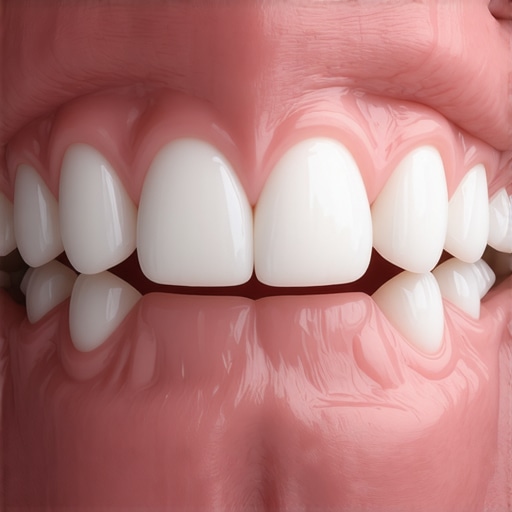
I remember the first time I noticed my gums gently pulling away from my teeth during a routine brushing. It was a strange, almost unsettling feeling—like my mouth was shrinking without any warning. At first, I thought maybe I was brushing too hard or that it was just a temporary irritation. But then, I started to realize that gum recession isn’t always linked to cavities or poor hygiene. In fact, many people overlook this silent process happening right under their noses.
Understanding the Hidden Reasons Behind Gum Recession
Gum recession can feel like a mystery, especially when your teeth look perfectly healthy and cavity-free. It’s more common than you might think—statistics show that nearly half of all adults over 30 experience some degree of gum recession (American Academy of Periodontology). Yet, many of us brush aside early signs, assuming it’s just part of aging or genetics. The truth is, it’s often a combination of factors that sneak up on you over time.
Are you noticing your gums are getting shorter, or that your teeth seem a bit more exposed than before? You’re not alone. And that’s exactly what we’re going to tackle today—the why behind this sneaky recession and what you can do about it.
Is Gum Recession Actually Worth the Worry?
I used to dismiss early gum problems as minor annoyances. I figured as long as my teeth felt okay, I was fine. But I learned the hard way that ignoring gum health can lead to more serious issues, like increased sensitivity, root decay, and even tooth loss. A common mistake I made early on was overlooking gentle symptoms—thinking they would go away on their own.
In fact, neglecting minor recession can accelerate the problem. It’s crucial to pay attention to even subtle changes. For example, did you know that improper brushing techniques, not just poor hygiene, can contribute to gum shrinkage? More so, some lifestyle choices like grinding teeth or smoking play a significant role. Recognizing these factors early can save you from advanced gum disease.
To deepen your understanding, I recommend exploring proper oral routines that strengthen your gum tissue. A good starting point is this comprehensive guide on [oral health routines](https://periodontistcare.com/oral-health-routine-strengthening-your-smile-every-day). Awareness is your first line of defense—so if this sounds familiar, keep reading. We’ll dive into practical steps to protect your gums and keep your smile vibrant.
Master Your Daily Oral Hygiene Routine
Start by brushing your teeth twice a day with a soft-bristled toothbrush, mimicking the gentle touch of someone petting a delicate cat—firm enough to clean, gentle enough to avoid irritation. Avoid harsh scrubbing, which can wear down gum tissue like sandpaper on wood. Incorporate interdental brushes or floss daily to remove plaque between teeth, preventing the buildup that can lead to recession. For a detailed guide, visit this resource on maintaining an effective routine.
Implement Protective Measures Against Traumatic Habits
Identify and address habits like teeth grinding or clenching, often unnoticed until damage appears. Using a custom nightguard from your dentist acts like a shock absorber for your teeth, preventing the forces that push gums away from the roots. If grinding is an issue, consult your specialist about options—they’ll help you craft a solution that preserves your gum line.
Refine Your Brushing and Flossing Technique
Adopt circular, gentle brushing motions, avoiding back-and-forth scrubbing which can erode gum tissue like waves pounding a shoreline. When flossing, glide the thread gently under the gumline without forcing it—which could cause bleeding or recession. Practicing proper technique is crucial; consider a professional demonstration or instructional videos to master these skills effectively.
Schedule Regular Professional Cleanings and Checkups
Think of professional cleanings as periodic tune-ups for your mouth—removing tartar that your brushing alone can’t reach, akin to cleaning the building’s hidden corners. Regular visits allow your dentist to monitor gum health and catch early signs of recession or disease. For expert advice tailored to your needs, review this detailed guidance on professional care.
Optimize Your Lifestyle for Better Gum Health
Quit smoking, as tobacco dries out tissues and hampers healing—like trying to grow a garden in drought conditions. Manage stress through relaxation techniques, because high stress levels release hormones that can deteriorate your gums’ resilience. Additionally, cutting back on sugary foods and acidic drinks helps prevent bacterial growth and acid erosion, protecting both teeth and gums.
Consider Restorative Options When Necessary
If recession has progressed significantly, restorative procedures such as gum grafts can rebuild tissue and restore function. Your dentist might recommend crowns for damaged teeth, which act like protective armor—restoring strength and preventing further recession. Learn more about how crowns can serve dual purposes in this comprehensive article.
Adopt an Informed Approach to Oral Care Products
Choose toothpaste formulated for sensitive gums, which contain soothing agents like aloe or chamomile. Avoid alcohol-based mouthwashes that can dry out tissues—think of it as watering a plant with the wrong kind of fertilizer. Instead, opt for rinses that promote healing and reduce inflammation, supporting your overall gum health.
Many assume that a simple brushing routine suffices for lifelong dental health, but this oversimplification overlooks critical nuances. In fact, a common misconception is that professional teeth cleaning is only necessary when there’s visible plaque or decay. However, research shows that routine cleanings play a vital role in preventing silent issues like gum recession and early decay, even when your teeth look clean. Moreover, some believe that crowns are purely cosmetic fixes; in reality, they serve structural functions that, if neglected, can lead to further complications. Understanding these layers of complexity can dramatically enhance your long-term oral health.
Another prevalent myth concerns family dental visits being solely about cavity checks. In truth, the dentist evaluates overall oral function, including jaw alignment and soft tissue health, which can reveal underlying problems before they escalate. A crucial mistake many make is waiting until pain or discomfort arises to seek help—early intervention can save you time, money, and discomfort down the line. Be proactive by adopting comprehensive routine practices, such as daily flossing, proper brushing, and regular checkups. For instance, mastering the correct technique can prevent recession caused by aggressive brushing, a subtle but destructive habit.
For advanced care, issues like crown longevity depend greatly on understanding proper maintenance, like avoiding certain foods and habits that cause wear. A common oversight is neglecting the importance of specialized products; choosing toothpaste with ingredients tailored for sensitive or receding gums can be a game changer. Also, many overlook the importance of lifestyle factors—smoking, alcohol, or stress—that significantly impact oral health beyond the mouth.
### Why do some crowns last twice as long as others?
This question raises awareness about the importance of proper placement, material quality, and post-appointment care. According to a study in the Journal of Prosthetic Dentistry, patients adhering to recommended maintenance routines and avoiding harmful habits extend the lifespan of restorations. Regular professional evaluations help detect early signs of wear or issues beneath crowns, preventing costly replacements. Being informed about these nuances ensures your dental investments are protected and your smile remains vibrant.
Don’t fall into the trap of thinking that once a dental issue seems resolved, your work is done. Continued attention to detail—like adopting a tailored oral hygiene routine and understanding the function of restorative tools—can prevent minor issues from becoming major problems. For a detailed guide on maintaining your dental crowns, explore this expert advice.
In conclusion, understanding the deeper layers of family dentistry and oral health reveals that many common practices are just the tip of the iceberg. By questioning assumptions and staying informed, you can avoid costly mistakes and enjoy a healthier, more confident smile. Have you ever fallen into this trap? Let me know in the comments.Maintaining your oral health long-term requires more than just good habits; it demands quality tools and consistent routines. Personally, I advocate for specific equipment and methods that stand up to the test of time, ensuring your smile remains vibrant and healthy. One of my top recommendations is investing in an electric toothbrush with pressure sensors, such as the Philips Sonicare DiamondClean. I use mine daily because it provides gentle yet thorough cleaning, preventing damage to sensitive gums and reducing the risk of recession. The built-in timer ensures I brush for the recommended two minutes, which is crucial for comprehensive plaque removal, especially around crowns and between teeth.
Another essential tool is interdental brushes. Unlike traditional floss, these small, narrow brushes can effectively clean hard-to-reach areas around dental work and under bridges. I prefer the GUM Classic Interdental Brushes because their slim profile allows for safer, more thorough cleaning without irritating the gum line. Incorporating these into your routine can significantly decrease plaque accumulation and support gum health over the years.
How do I maintain my oral health tools over time?
Regular replacement of toothbrush heads—every three months—and sterilization of interdental brushes with hot water and occasional disinfectant solutions are vital. This prevents bacterial buildup and keeps your tools effective. Additionally, using an antimicrobial mouthwash, especially one formulated for sensitive gums, can complement your mechanical cleaning. I endorse products containing cetylpyridinium chloride, which helps reduce bacterial load without drying tissues. Realizing that tools need care is fundamental; neglected equipment can harbor bacteria or become less effective, ultimately compromising your oral health.
Advances in dental technology are evolving rapidly, with innovations like AI-powered brushes and smart flossers entering the market. These devices provide real-time feedback and personalized recommendations, making self-care more precise. I predict that integrating smart technology into everyday routines will become the norm, empowering patients to take control of their oral health proactively.
For additional insights into maintaining your crowns and teeth cleaning tools, visit this comprehensive guide.
Remember, combining high-quality equipment with consistent habits forms the backbone of lasting oral health. Try upgrading your toothbrush to a model with pressure sensors this week—your gums will thank you for it!
What I Wish I Knew About Family Dentistry Before It Was Too Late
One of the most eye-opening lessons I’ve learned in my journey toward better oral health is that early signs of gum recession are often invisible or dismissed. Paying attention to subtle changes, like increased sensitivity or gum tenderness, can save you from more invasive procedures later. It’s a reminder that prevention and early intervention are the true cornerstones of lifelong oral wellness.
Secondly, I discovered that not all dental tools are created equal. Using high-quality, clinically recommended instruments like electric toothbrushes with pressure sensors makes a significant difference in protecting delicate gums from recession caused by aggressive brushing or improper technique. The right tools empower you to take control of your routine effectively.
Another personal insight is understanding that lifestyle choices—such as quitting smoking or managing stress—directly influence gum stability. Sometimes, the best family dentistry advice extends beyond the dental chair, emphasizing overall wellness as part of oral health preservation.
The Treasure Trove of Resources That Changed My Perspective
My go-to resource for building a resilient oral routine is this comprehensive guide. It offers actionable tips that truly make a difference in daily habits. I also trust this expert advice for maintaining crowns and preventing future issues like recession or decay. Lastly, staying informed through credible sources like focused family dentistry tips helps me stay ahead of potential problems before they escalate.
Your Next Step Towards a Healthier Smile
Remember, empowering yourself with knowledge and the right tools can dramatically transform your family’s oral health. Start today by reviewing your brushing and flossing techniques, and consider investing in smart dental care devices that guide and protect you. Taking proactive steps now will pave the way for a future where healthy gums and vibrant smiles are a reality—not just an aspiration.
Are there specific habits you’ve struggled to correct in your oral routine? Share your experiences in the comments below—your journey might inspire someone else to take that crucial first step towards healthier teeth and gums.