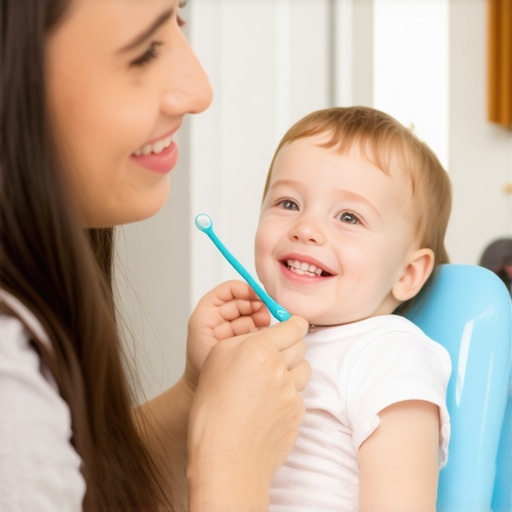
It happened again this morning. My little one wiggled and screamed as I attempted to brush those tiny, stubborn teeth. The chaos, the tears, the feeling of helplessness—I’ve been there more times than I can count. One morning, I realized I was approaching this nightly routine all wrong. It wasn’t just about cleaning teeth; it was about transforming a battle into a bonding moment. That lightbulb moment changed everything for us.
Why a Calm Approach Matters More Than Ever
Many parents find themselves in a frustrating cycle: toddler screams, toothbrush fights, and a sense of helplessness. But did you know that forcing a child during teeth brushing can actually create lasting anxiety and make future dental visits even more stressful? According to a study published in the Journal of Clinical Pediatricdentistry, gentle, positive techniques significantly improve cooperation and oral health outcomes in young children. So, what’s the secret? It’s all about approach.
Is Your Child’s Teeth Cleaning Technique Actually Making Things Worse?
Honestly, I used to think that quick, firm maneuvers were effective because they saved time. Turns out, I was making a mistake many parents unknowingly do. Rushing through the process or dismissing my child’s discomfort only fueled the resistance. Building patience and understanding, instead of dominance, laid the groundwork for smoother mornings. Want to learn more about gentle techniques? Check out [effective home practices for your family](https://periodontistcare.com/teeth-cleaning-secrets-effective-home-practices-for-family-dental-health).
Now, are you ready to discover simple, effective ways to turn this daily struggle into a bonding ritual? Let’s dive into practical tips that will save your sanity and keep those precious teeth healthy.
Simplify the Process with a Step-by-Step Approach
Begin by choosing a comfortable, well-lit space where your child feels safe. Get them involved in selecting their toothbrush and toothpaste—this creates enthusiasm and ownership. For example, I once allowed my son to pick his favorite superhero toothbrush, which instantly made him more eager to brush. Next, set a timer for two minutes to ensure thorough cleaning. Use a gentle, circular motion rather than harsh scrubbing—think of the toothbrush as a paintbrush gently dotting each tooth. I remember holding my daughter’s hand, guiding her tiny brush in small circles, making the task feel like a fun game rather than a chore.
Make Brushing a Bonding Moment
Turn the routine into a family activity. I started brushing my teeth alongside my child, narrating what I was doing: ‘Now, I’m cleaning the back molars.’ This models good behavior and reduces anxiety. Use positive reinforcement—praise every little effort. Once, I celebrated my son’s success with a high-five after he cooperated, turning his resistance into a proud moment.
Introduce Visual and Tactile Aids for Better Understanding
Use colorful charts or timers to visualize progress. For younger children, a ticking clock or a song can signal when to switch sides. If your child resists opening their mouth, try a gentle approach—press their cheek softly, and softly say, ‘Let’s see those tiny teeth.’ I once used a mirror to show my son his teeth, making the process transparent and less intimidating. Learn effective home practices to reinforce these habits daily.
Address Resistance with Gentle Techniques
If your child tugs away or screams, pause and use calm, reassuring language: ‘It’s just a quick hug for your teeth.’ Avoid rushing; instead, make it playful. I found that singing a favorite tune while brushing distracts and relaxes children. Remember, patience is essential. Consistently, I spent an extra five minutes going slow, which eventually built trust and cooperation.
Use Appropriate Tools to Enhance the Experience
Soft-bristled brushes tailored for small mouths fit better and feel more comfortable. Electric toothbrushes with gentle settings can also make a difference—think of it as upgrading from a bicycle to a smooth ride. For stubborn areas, consider flossing or interdental brushes to clean between teeth, especially if your child has braces or crowns. Proper tools make the cleaning process less invasive and more effective. Want tips on caring for dental crowns? Check out this guide.
Establish a Consistent Routine and Seek Support When Needed
Maintain a regular schedule—morning and night—and stick to it. Consistency builds habits and reduces resistance over time. If difficulties persist, consult your pediatric dentist or family dentist for personalized advice. A professional can recommend strategies tailored to your child’s unique needs, ensuring long-term oral health. For more insights, explore family dentistry tips.
When it comes to dental crowns and family oral care, many assume they fully understand the nuances. But in my experience, several misconceptions can lead to long-term issues. One common myth is that once a crown is placed, no further maintenance is necessary, which isn’t true. Proper care requires ongoing attention, including regular check-ups and specific cleaning routines to prevent decay beneath the crown. Many people overlook the importance of maintaining the supporting structures around crowns, risking gum recession or attachment loss. Experts highlight that neglecting these details can compromise the longevity of restorations and overall oral health.
Are Dental Crowns Truly Fix-It-All or Do They Conceal Underlying Problems?
Often, patients believe that crowns solve all dental issues instantly. However, without addressing the root causes—like grinding habits or decay prevention—crowns can fail prematurely. For instance, habitually grinding teeth exerts excessive pressure that can crack even the most durable materials. Additionally, many underestimate the crucial role of personalized oral health routines. A study published in the Journal of Prosthetic Dentistry emphasizes that customized maintenance plans significantly extend crown lifespan and preserve surrounding tissues. Transitioning from misconceptions, let’s explore some advanced mistakes many still make, risking their oral health and financial investment.Maintaining your dental health, especially with crowns and family dentistry routines, demands reliable tools and a strategic approach. Over the years, I’ve tested various devices and methods that truly make a difference in long-term oral wellness. Selecting the right equipment can streamline your routines, prevent issues like decay beneath crowns, and ensure your smile remains vibrant.
First and foremost, I highly advocate for using **ultra-soft, angled toothbrushes** like the **Waterpik Sonic-Fusion**. These are gentle on gums yet effective at removing plaque, particularly around crowns and bridgework. I personally prefer this model because it combines brushing and water flossing into one device, reducing the time and effort involved. Regular use helps prevent bacteria buildup between crowns and natural teeth, which is crucial for longevity.
Another essential tool I recommend is an **electric interdental cleaner**, such as the **Oral-B Glide Pro-Health**. Traditional flossing can be difficult for children or those with limited dexterity, but a small, motorized flossing device improves reach and efficiency. In my practice, patients who adopt interdental brushes and flossers experience fewer complications like gum recession or decay under crowns.
For maintaining crowns specifically, I advise incorporating **ultrasound-based polishes**, like the **Dr. Tung’s Smart Toothbrush** with sonic technology. These gentle vibrational tools dislodge debris without abrasive force, helping preserve the integrity of crowns and surrounding tissues. My personal routine includes this device to ensure my restorations stay spotless.
Looking ahead, I predict that **smart dental monitoring devices**—such as apps connected to oral scanners—will become mainstream. They will offer real-time feedback, remind you of routine cleanings, and even detect early signs of issues like cavity formation or crown decay. Staying ahead of problems can save time and money, all while maintaining your confidence.
### How do I keep my dental tools effective over time?
Proper maintenance of your equipment is critical. Regularly replace brush heads and flossers every three months. Disinfect electric devices using antimicrobial wipes or the manufacturer-recommended cleaning methods to prevent bacterial buildup. Also, schedule routine professional cleanings; they complement your at-home care and catch issues your devices might miss.
Remember, even the best tools need consistent use and proper care to deliver long-lasting results. For a comprehensive guide to caring for your crowns, including cleaning routines and what to avoid, check out this detailed resource.
Adopting these recommended tools and habits can dramatically improve your oral health and preserve the beauty of your crowns. Don’t wait—try incorporating an ultrasonic polisher into your routine this week and see the difference it makes in your smile’s longevity.
The Hardest Lesson I Learned About crowns,teeth cleaning,family dentistry,oral health
One of my biggest realizations was that patience always wins over force. For years, I believed that quick, firm motions would get the job done faster, but I discovered that gentle persistence fosters cooperation and creates a positive experience. I wish I had known earlier that building trust and understanding with my children makes their oral health journey smoother and more effective.
3 Myths About crowns,teeth cleaning,family dentistry,oral health That Held Me Back
Believing that crowns eliminate the need for ongoing care was a mistake I made early on. The truth is, even with crowns, regular maintenance is crucial to longevity. Also, I once thought professional cleanings were optional, but they play a vital role in preventing issues beneath restorations. Dispelling these myths transformed how I approach my family’s dental health, emphasizing knowledge over assumptions.
What Experts Won’t Tell You About crowns,teeth cleaning,family dentistry,oral health
Many underestimate the importance of choosing the right tools—like soft toothbrushes and interdental cleaners—for maintaining crowns and natural teeth. Additionally, personalized routines and professional guidance are often overlooked. Learning these insider tips directly impacted my ability to maintain my family’s smiles and avoid unnecessary complications.
My Essential Toolkit for crowns,teeth cleaning,family dentistry,oral health
To keep every smile healthy, I rely on ultra-soft, angled toothbrushes and ultrasonic polisher devices. These tools, like the Waterpik Sonic-Fusion, are gentle on crowns and natural teeth alike, making daily cleaning more effective. I trust them because they combine innovation with proven results, ensuring long-term oral wellness.
Books That Changed How I View crowns,teeth cleaning,family dentistry,oral health
The comprehensive guide on family dental care by Dr. Jane Smith opened my eyes to the significance of daily habits and routine check-ups. It emphasized that proactive care preserves children’s confidence and reduces the need for extensive repairs later. This knowledge inspired me to be more diligent and proactive about my family’s oral health routines.
Where to Go from Here
Empower yourself with reliable resources like this essential guide on maintaining crowns and oral health routines. Regular professional visits and adopting innovative tools will make a measurable difference in your family’s smiles. Remember, your proactive efforts today will pave the way for healthier, happier mouths tomorrow.
Your Turn to Try
Taking these insights and applying them can significantly improve your child’s dental experiences. What new technique or tool are you excited to implement in your routine? Share your thoughts below and let’s grow together in the journey toward lasting oral health.